

P0506 on 2015-2021 Chevrolet Tahoe: Low Idle, Stalling, and Broken Valve Spring Causes
On a 2015-2021 Tahoe, P0506 means the engine idle is too low. While it can be a simple fix like cleaning the throttle body, it is frequently caused by a more serious, well-documented issue: a broken valve spring. This is a known problem on GM's L83 and L86 V8 engines, confirmed by multiple Technical Service Bulletins (TSBs). Diagnosis requires removing the valve covers to inspect the springs and is a significant repair.
- P0506 on a 2015-2021 Tahoe indicates a low engine idle speed.
- While a dirty throttle body can be the cause, a broken valve spring is a highly probable and serious underlying issue specific to this platform.
- The presence of codes P0106 (MAP Sensor) and P0300 (Misfire) alongside P0506 makes a broken valve spring even more likely.
- Diagnosis requires a physical inspection of the valve springs, which is a labor-intensive job.
- Do not ignore this code, as continued driving with a broken valve spring can lead to severe engine damage.
What's Unique About the 2015-2021 Chevrolet TAHOE
While P0506 on many vehicles points to common issues like a dirty throttle body or vacuum leaks, on the 2015-2021 Tahoe and other GM vehicles with the 5.3L L83 and 6.2L L86 V8 engines, this code has a very specific and more severe meaning. It is frequently associated with a broken valve spring, a known mechanical issue documented in multiple General Motors Technical Service Bulletins (TSBs), specifically PIP5423B. This elevates the code from a minor annoyance to a potentially serious engine problem requiring immediate attention, as the broken spring can lead to further internal damage.
Diagnostic Flowchart
Tap your situation to follow the diagnostic path that matches what you're seeing on this vehicle.
Symptoms You May Notice
- Engine idle speed is lower than normal
- Rough or unstable idle
- Engine stalling, especially when coming to a stop
- Check Engine Light is on
- Audible ticking or clicking noise from the engine bay, indicating a possible broken valve spring or collapsed lifter.
- A plume of smoke from the tailpipe may be visible if the valve is not seating correctly, allowing oil into the combustion chamber.
- Replacing the MAP sensor. While P0106 often appears with P0506, the MAP sensor is rarely the root cause; its reading is simply out of range *because* of the erratic intake manifold pressure caused by the mechanical issue (bad valve spring).
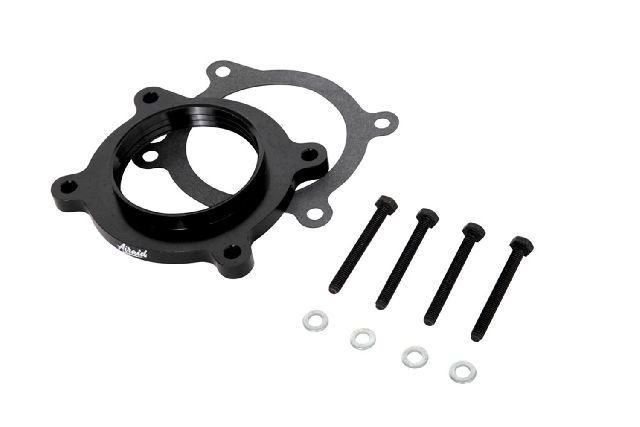
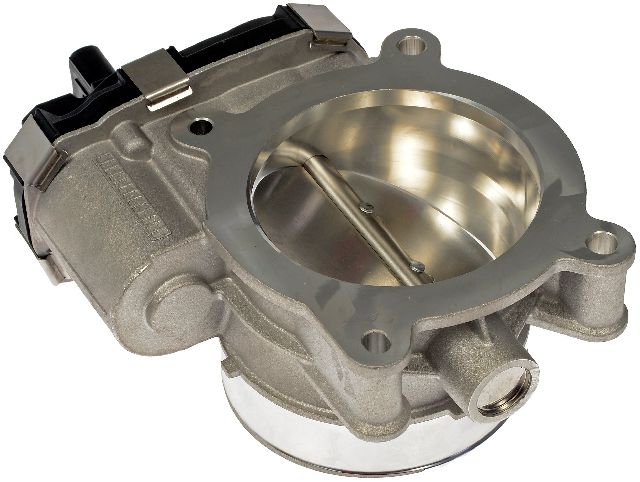
- Replacing the throttle body. Unless the electronic components of the throttle body have failed (which would likely set other codes), a thorough cleaning is usually all that's needed to resolve issues caused by carbon buildup. A full replacement costs significantly more.
Most Likely Causes
- Broken Valve Spring 🔴 High Probability → Shop Engine Valve Spring The Gen V V8 engines (5.3L L83 and 6.2L L86) used in this Tahoe generation are known to have issues with valve springs. GM has issued multiple TSBs (#PIP5423B, #PIP5752M) directly linking P0506 to broken valve springs. This is a widely discussed failure among owners of K2XX platform trucks and SUVs.
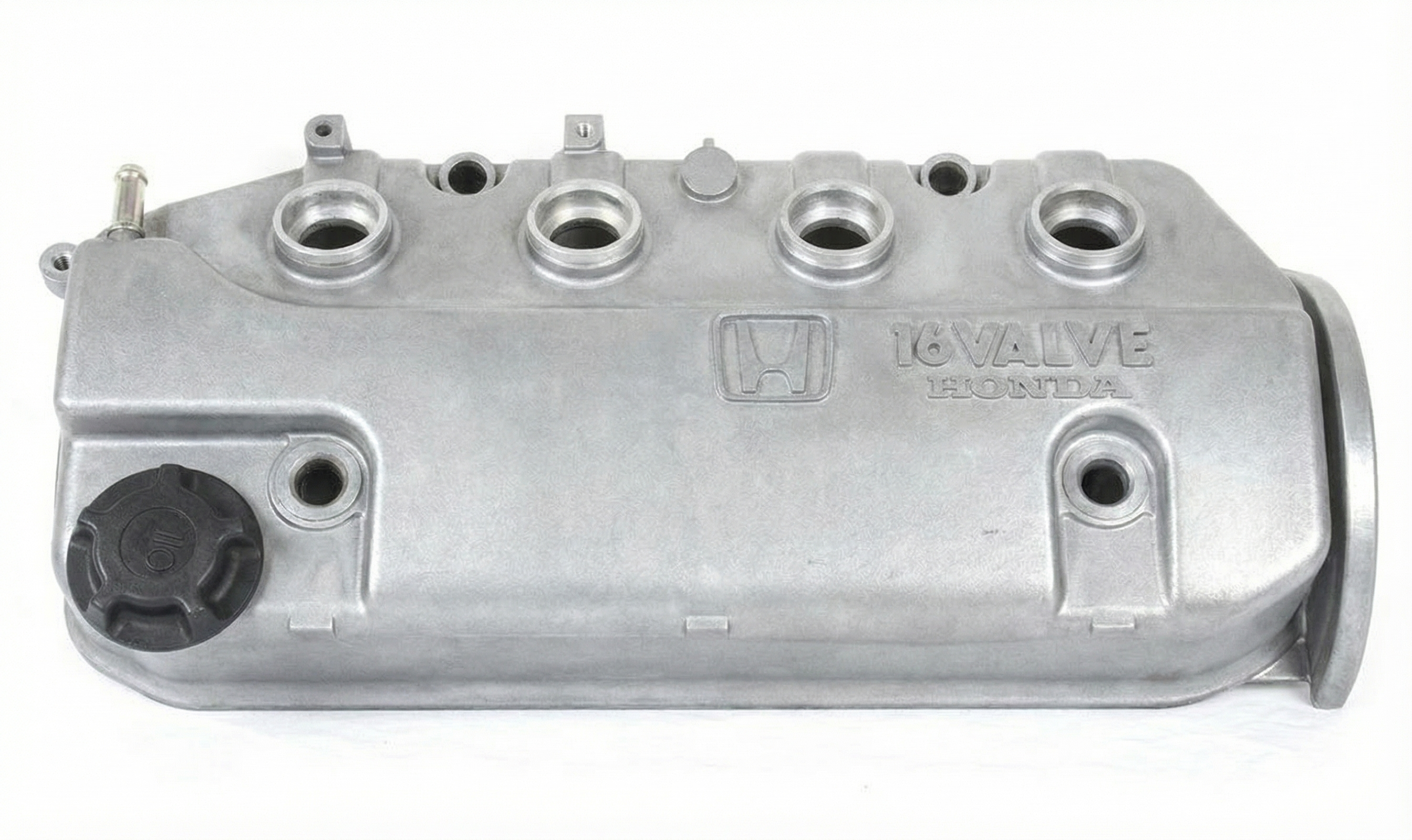
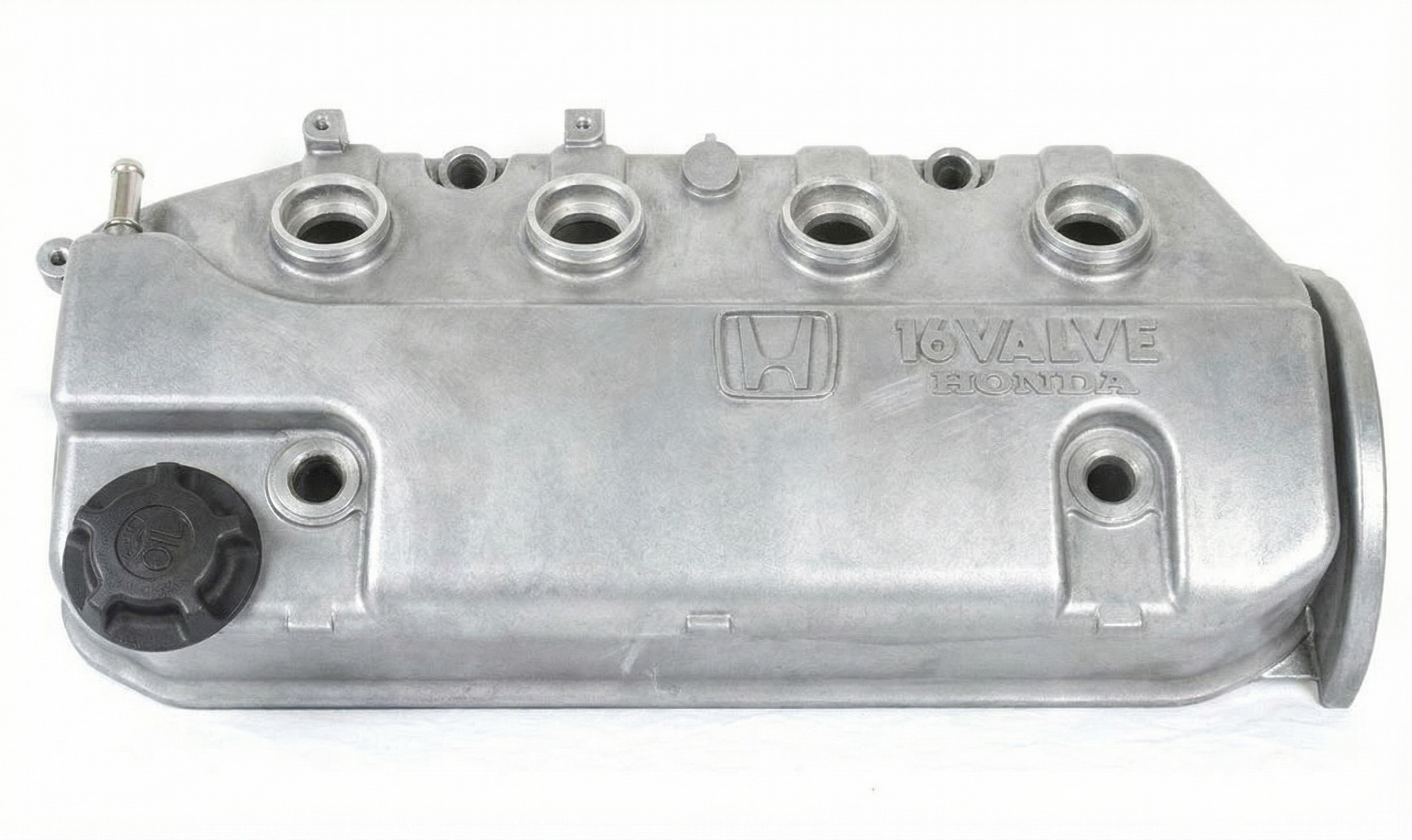
How to confirm: A physical inspection is required. The definitive step, as outlined in TSB PIP5423B, is to remove the valve covers and visually inspect each valve spring for fractures. This is often preceded by listening for a distinct ticking noise from the top of the engine. Sometimes the broken pieces remain stacked, making it hard to see, so lightly pushing on the springs may reveal the break.
Typical fix: Replace the broken valve spring. Depending on the specific service bulletin and vehicle build date, some recommendations call for replacing all valve springs on both cylinder heads as a preventative measure. If the valve has dropped, more extensive engine repair or replacement is necessary.
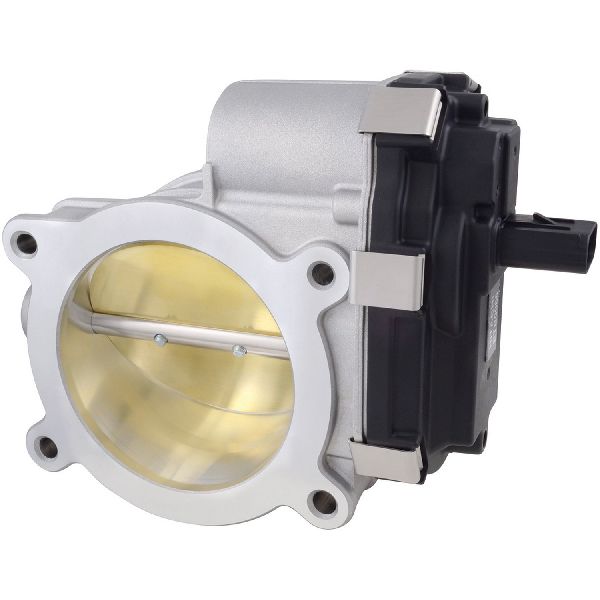
Est. part cost: $10-$30 for a single spring, $150-$300 for a full set of 16. - Dirty or Carbon-Fouled Throttle Body 🟡 Medium Probability → Shop Fuel Injection Throttle Body All modern engines with PCV (Positive Crankcase Ventilation) systems recirculate oil vapors and crankcase gases into the intake, which can lead to carbon and sludge buildup around the throttle plate over time. This restricts the small amount of air needed to maintain proper idle speed.
How to confirm: Remove the air intake duct from the throttle body and visually inspect the throttle plate and bore for a ring of black carbon buildup.
Typical fix: Clean the throttle body thoroughly with a dedicated throttle body cleaner and a soft brush or rag. An idle relearn procedure using a scan tool may be required after cleaning to restore stable idle.
Est. part cost: $10-$20 for cleaner and a gasket. - Vacuum Leak ⚪ Low Probability Vacuum hoses, particularly the PCV hose connected to the intake manifold, can become brittle and crack over time due to heat and age, creating an unmetered air leak that destabilizes idle.
How to confirm: The most effective method is to use a smoke machine to feed pressurized smoke into the intake system and watch for where it escapes. A less precise method involves carefully spraying short bursts of brake cleaner near suspected leak points and listening for a change in engine idle.
Typical fix: Replace the cracked hose or faulty gasket that is causing the leak.
Est. part cost: $15-$100 depending on the hose or gasket.
Rare But Worth Checking
- Collapsed Active Fuel Management (AFM) Lifter: The same family of engines is known for AFM/DFM lifter failures, which are the subject of class-action lawsuits. A collapsed lifter can cause a misfire (P0300), engine noise, and in some cases, may occur concurrently with a broken valve spring, contributing to overall engine instability and codes like P0506.
- Faulty Powertrain Control Module (PCM): A failing PCM is a rare possibility and should only be considered after all other mechanical and electrical causes have been exhaustively ruled out.
Diagnosis Steps
- Check for other DTCs. The presence of P0106 and/or P0300 alongside P0506 strongly points towards a mechanical engine issue like a broken valve spring, as documented in GM TSBs.
- Listen to the engine while running. A distinct, rhythmic ticking or tapping noise from the valve cover area is a strong indicator of a broken valve spring or collapsed lifter.
- Inspect the air intake system for restrictions and the throttle body for heavy carbon buildup. Clean the throttle body if it is dirty.
- Perform a vacuum leak test using a smoke machine to check for leaks from hoses, the intake manifold gasket, or the PCV system.
- If the above steps do not resolve the issue, or if a ticking noise is present, remove the valve covers to perform a direct visual inspection of all 16 valve springs for breakage. This is the definitive diagnostic step outlined in GM TSB #PIP5423B.
Parts You'll Likely Need
- Valve Spring
(OEM #12728729)— This is the most likely cause of P0506 on this specific vehicle, according to multiple manufacturer TSBs. This part number is the latest revision and is often used as an upgrade.
Trusted brands: ACDelco (Genuine GM), Melling
OEM price range: $5-$15 per spring
Aftermarket price range: $10-$20 per spring - Valve Cover Gasket Set — Required to be replaced anytime the valve covers are removed to inspect or replace the valve springs to prevent oil leaks.
Trusted brands: ACDelco, Fel-Pro, Mahle
OEM price range: $60-$100
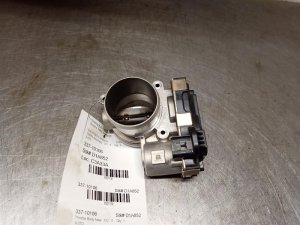
Aftermarket price range: $40-$80 - Throttle Body Cleaner — Used to clean carbon buildup from the throttle body, which is a common and less severe cause of low idle.
Trusted brands: CRC, Berryman
Aftermarket price range: $10-$15
Related Codes That Often Appear With This One
- P0106 — Manifold Absolute Pressure (MAP) Sensor Performance. A broken valve spring prevents a cylinder's valve from seating properly, causing erratic pressure pulses in the intake manifold. The MAP sensor detects this as an out-of-range reading. TSB #PIP5423B explicitly links P0106 and P0506 to this cause.
- P0300 — Random/Multiple Cylinder Misfire. A broken valve spring will prevent the valve from seating properly, leading to a loss of compression and a misfire on that cylinder. TSB #PIP5752M connects P0300, P0106, and P0506 to a valve spring concern, particularly on newer models within the date range.
Technical Service Bulletins (TSBs) & Recalls
- PIP5423B: States that a Service Engine Soon lamp with DTCs P0106 and/or P0506 may be caused by a broken valve spring and instructs technicians to inspect and replace as needed.
- PIP5752M: Mentions that a vehicle may have a concern of a service engine light, misfire, and engine noise with possible DTCs P0300, P0106, and P0506, pointing to a possible valve spring concern.
Platform-Specific Known Issues
- A known issue, documented in GM Technical Service Bulletin #PIP5423B, involves broken valve springs causing P0506, often accompanied by P0106 (MAP Sensor Performance). The bulletin instructs technicians to remove the valve cover and inspect for a broken spring.
- TSB #PIP5752M also links P0506 with misfires (P0300) and potential valve spring concerns on these vehicles, extending into newer model years.
- These engines are also subject to a class-action lawsuit regarding failures of the Active Fuel Management (AFM) lifters, which can cause similar symptoms like misfires and engine noise, and can fail at the same time as a valve spring.
Mechanic-Grade Diagnostic Values
- Desired Idle Speed (Scan Tool) — expected: Approx. 550-650 RPM in Park, when at operating temperature.. Failure: Actual RPM is consistently 100+ RPM below desired RPM, triggering the P0506 code.
- MAP Sensor Voltage (Key On, Engine Off) — expected: Approx. 4.5 - 5.0 Volts at sea level (decreases with altitude).. Failure: A significantly lower voltage may indicate a sensor or wiring issue, but this is not the typical failure mode for P0506.
- MAP Sensor Voltage (Engine Idling) — expected: Approx. 1.0 - 1.5 Volts (high vacuum).. Failure: If P0506 is caused by a broken valve spring, the MAP reading will be higher than expected and fluctuate erratically due to the loss of sealing in one cylinder.
- Long Term Fuel Trim (LTFT) — expected: Within +/- 5% at idle.. Failure: A high positive percentage (e.g., > +10%) could indicate a vacuum leak the ECM is trying to compensate for. A high negative percentage could indicate a leaking injector.
Scan Tool Commands That Help
- GDS2 (or equivalent professional scan tool): Idle Learn Reset / Throttle/Idle Learn — This function must be used after cleaning or replacing the throttle body. It resets the learned idle airflow compensation values in the ECM, allowing it to relearn the new correct idle position. Failure to perform this reset can cause a persistent high or low idle condition.
- GDS2 (or equivalent professional scan tool): Cylinder Power Balance Test — If a broken valve spring is suspected, this test can help identify the misfiring cylinder. It measures the contribution of each cylinder to engine speed. The cylinder with the broken spring will show a significant drop in contribution.
Wiring & Ground Locations
- G103 / G104 — On the rear or side of the cylinder heads. The main ECM ground is often located on a stud on the driver's side cylinder head, near the firewall.. A poor ECM ground can cause erratic sensor readings and incorrect calculations for idle speed control. While not a primary cause for P0506, checking this ground is a crucial step in any electrical diagnosis.
- Throttle Body Connector (X1) — The 6-pin electrical connector on the electronic throttle body.. Technicians can perform pin-out tests here for 5V reference, low reference (ground), and the two throttle control motor signals from the ECM. A loss of voltage or ground here would set other codes but could contribute to idle control problems.
- Main Engine Ground — A large gauge cable from the negative battery terminal to the engine block, typically on the lower driver's side.. A corroded or loose main engine ground can cause a host of electrical issues, including problems with the ignition system and sensors that can indirectly affect idle stability.
Real Owner Repair Stories
- Tahoe Yukon Forum / GM-Trucks.com user experiences (2015-2018 Chevrolet Tahoe/Suburban or GMC Yukon/Yukon XL with 5.3L L83 engine. Mileage often reported between 80,000 and 150,000 miles.) — Check engine light with codes P0506, P0106, and P0300. Noticeable ticking noise from the engine, rough idle, and occasional stalling at stops.
❌ Tried (didn't work) Cleaning the throttle body., Replacing the MAP sensor., Performing a smoke test for vacuum leaks (which came back negative).
✅ What actually fixed it The definitive fix in a majority of documented cases was the removal of the valve covers and discovery of a broken valve spring on one of the cylinders. The repair involved replacing the single broken spring or, as a preventative measure, all 16 valve springs.
"I Checked Everything" — The Actual Cause
- In cases where P0506 is present without a ticking noise and a smoke test is clean, the cause can be a clogged fixed orifice PCV system. The driver's side valve cover contains a small, non-serviceable orifice that can become blocked with sludge. This disrupts crankcase ventilation, affecting idle stability, but will not present as a typical vacuum leak during a smoke test. The fix is to replace the entire valve cover.
OEM Part Supersession History
12629515, 12678635, 12661339, 12691120→12728729— The original valve springs were prone to premature failure and breaking. The updated part number, 12728729, is a revised design (often referred to as the 'blue spring' or LT4 spring) with improved durability.
Model Year Variations Within This Range
- 2015-2020: These models primarily use the 5.3L L83 and 6.2L L86 engines. The valve spring issue is well-documented for these specific engines.
- 2021: The 2021 Tahoe is a new generation (T1 platform) and uses updated versions of the V8 engines: the 5.3L L84 and 6.2L L87. While these engines have changes like Dynamic Fuel Management (DFM), TSB #PIP5752M confirms that they can still suffer from broken valve springs, causing the same P0506, P0106, and P0300 codes.
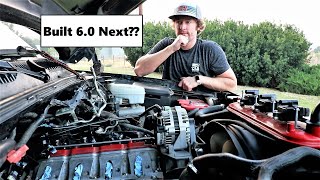
Helpful Videos
Used OEM Parts in Stock
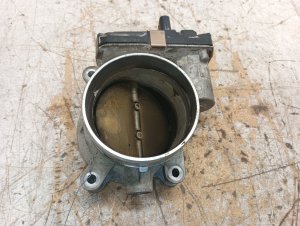
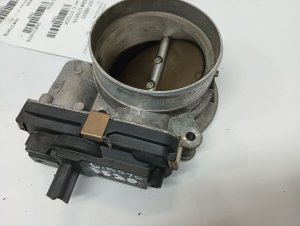
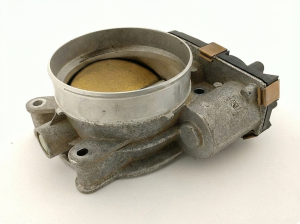
New Aftermarket Parts Available


The information in this article is provided for general reference and educational purposes only. Vehicle specifications, procedures, and part compatibility can vary by production date, trim level, and region. Always consult your vehicle's factory service manual and verify part numbers before purchasing or performing repairs. Safety-critical components such as airbags, seat belts, and braking systems should be installed by a qualified professional.
- Chevrolet TAHOE:
- 🧭 Diagnostic Flowchart
- 🎬 Helpful Videos
- 🛍️ Shop This Part
- What's Unique About the 2015-2021 Chevrolet TAHOE
- Symptoms You May Notice
- Most Likely Causes
- Rare But Worth Checking
- Diagnosis Steps
- Parts You'll Likely Need
- Related Codes That Often Appear With This One
- Technical Service Bulletins (TSBs) & Recalls
- Platform-Specific Known Issues
- Mechanic-Grade Diagnostic Values
- Scan Tool Commands That Help
- Wiring & Ground Locations
- Real Owner Repair Stories
- "I Checked Everything" — The Actual Cause
- OEM Part Supersession History
- Model Year Variations Within This Range
- 🎟️ Get 5% Off