

P0506 on 2006-2010 Ford Explorer: Causes and Fixes for Low Idle RPM
On a 2006-2010 Ford Explorer, P0506 is most often caused by a dirty electronic throttle body that needs cleaning. This is a common issue for the 4.0L V6 and 4.6L V8 engines and is a relatively simple DIY fix costing under $20 for a can of throttle body cleaner. After cleaning, a throttle body relearn procedure is recommended.
- Code P0506 on a 2006-2010 Explorer means the engine is idling too slowly.
- The most likely cause by a wide margin is a dirty electronic throttle body that needs to be cleaned.
- This vehicle does not have a separate Idle Air Control (IAC) valve; do not attempt to buy or replace one.
- The fix is usually inexpensive and DIY-friendly, requiring only basic tools and a can of throttle body cleaner.
- Always replace the throttle body gasket after cleaning to prevent future vacuum leaks.
- A throttle body relearn procedure is necessary after cleaning to ensure a smooth idle.
What's Unique About the 2006-2010 Ford Explorer
The 2006-2010 Ford Explorer uses an electronic throttle body (drive-by-wire) system for both its 4.0L V6 and 4.6L V8 engines, meaning it does not have a separate Idle Air Control (IAC) valve like many older vehicles. This design is a key distinction because the cause of P0506 on these trucks is overwhelmingly related to the electronic throttle body itself becoming dirty, rather than a separate IAC valve failing. Mechanics and owners frequently report that a thorough cleaning of the throttle body is all that's needed to resolve the low, rough idle and stalling associated with this code. Ford has also issued Technical Service Bulletins (TSBs) like 12-7-4 for this issue, acknowledging that sludge buildup in the throttle body can cause low idle and may require a PCM reflash in addition to cleaning. Similar idle instability issues across the Ford lineup led to NHTSA ODI Investigation #PE11018, which noted that P0506 can be triggered by a progressive buildup of deposits changing the idle air flow.
Symptoms You May Notice
- Engine idles at a lower RPM than normal (e.g., around 400-500 RPM).
- Rough or shaky idle, vibrations felt in the cabin.
- Engine stalls when coming to a stop, putting the vehicle in gear, or immediately after starting.
- Difficulty starting the engine without pressing the gas pedal.
- Check Engine Light is on. 🎬 Watch: A quick overview of diagnosing code P0506 on your Explorer.
- A high or surging idle can sometimes occur after cleaning the throttle body if the PCM has not yet relearned the new idle position.
- Replacing the Idle Air Control (IAC) Valve. The 2006-2010 Explorer uses a drive-by-wire system and does not have a separate IAC valve; idle is controlled by the electronic throttle body. Attempting to find or replace one will be fruitless.
Most Likely Causes
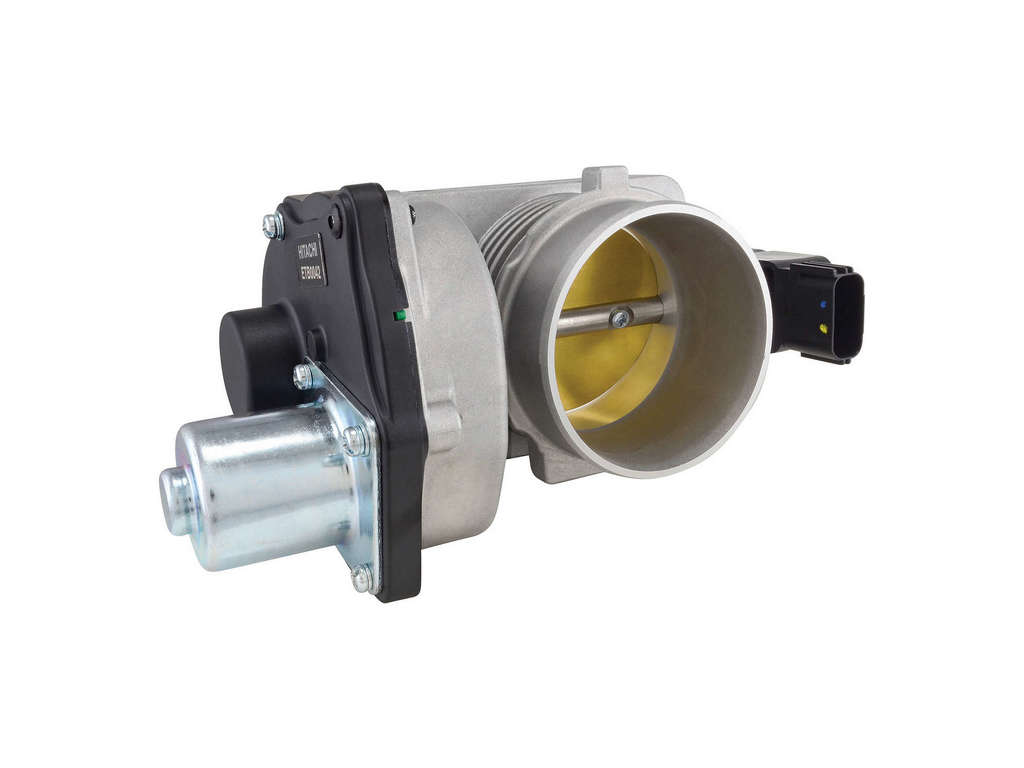
- Dirty Electronic Throttle Body 🔴 High Probability → Shop Fuel Injection Throttle Body Carbon and oil vapor from the PCV system build up around the throttle plate over time, restricting the precise airflow needed for idle. The PCM adapts to this buildup, but a sudden change (like a battery disconnect) or excessive gunk can cause the idle to drop too low.
How to confirm: Visually inspect the throttle body bore and plate for a ring of black carbon buildup. On these Explorers, it's often visibly dirty on both the front and back of the plate. After cleaning, you should be able to see a small, consistent air gap around the plate.
Typical fix: Remove the throttle body from the vehicle and clean it thoroughly on both sides with a dedicated throttle body cleaner and a soft-bristle brush. Replace the throttle body gasket during reinstallation. Afterwards, perform a throttle body relearn procedure.
Est. part cost: $10-$20 - Vacuum Leak 🟡 Medium Probability Plastic and rubber vacuum lines, PCV hoses, and intake manifold gaskets can become brittle and crack with age and heat cycles, allowing unmetered air to enter the engine.
How to confirm: Perform a smoke test by injecting smoke into the intake system and looking for leaks from hoses, gaskets, or the PCV system. You can also listen for hissing sounds around the engine bay or spray carburetor cleaner near suspected areas and listen for a change in idle speed.
Typical fix: Replace the cracked hose, leaking gasket, or faulty PCV valve. Common leak points include the PCV valve hose and intake gaskets.
Est. part cost: $15-$150 - Restricted Air Intake ⚪ Low Probability
How to confirm: Inspect the engine air filter for excessive dirt and check the air intake tube for any obstructions or collapse.
Typical fix: Replace the clogged air filter or clear the obstruction from the intake path.
Est. part cost: $20-$50
Rare But Worth Checking
- Failing Electronic Throttle Body: → Shop Fuel Injection Throttle Body While cleaning usually works, the electronic motor or position sensor within the throttle body can fail. If cleaning and a relearn procedure do not solve the issue and there are no vacuum leaks, the unit itself may be faulty and require replacement.
- Powertrain Control Module (PCM) Issue: This is extremely rare. Ford TSB 12-7-4 suggests that after cleaning the throttle body, a PCM reprogram to the latest calibration may be necessary to implement a 'sludge compensation strategy'. This should be done by a dealer or qualified shop after all other possibilities are ruled out.
Diagnosis Steps
- Retrieve the P0506 code and any other stored codes with an OBD-II scanner.
- Inspect the air filter and intake duct for any blockages or restrictions.
- Visually inspect all accessible vacuum hoses for cracks, disconnection, or brittleness. Pay close attention to the PCV hoses and intake manifold gasket area.
- Remove the air intake tube from the throttle body and inspect the throttle plate and bore for carbon buildup.
- If dirty, disconnect the negative battery terminal. Disconnect the two electrical connectors from the throttle body. Remove the four 8mm bolts holding the throttle body (one may have a 10mm nut for a bracket on top) and remove it from the vehicle for cleaning.
- Thoroughly clean both sides of the throttle plate and the bore using throttle body cleaner and a soft brush. Do not spray cleaner directly into the electronic components.
- Reinstall the throttle body with a new gasket. Torque the bolts to 89 inch-pounds.
- Reconnect the electrical connectors and the negative battery terminal.
- Perform a throttle body relearn procedure: Turn the key to the 'ON' position (engine off) for one minute. Turn the key off for one minute. Then, start the engine and let it idle for at least 10 minutes to reach operating temperature without touching the accelerator. The idle may be high initially and should settle down. 🎬 Watch: Four different ways to perform a throttle body relearn.
- If the issue persists, perform a smoke test to definitively check for vacuum leaks.
- If no leaks are found and the problem continues, consider having a professional check the ETC_TRIM PID value as per TSB 12-7-4, which may indicate the need for throttle body replacement or a PCM reflash.
Parts You'll Likely Need
- Electronic Throttle Body Gasket
(OEM #4.0L V6: 4L2Z-9A589-CA (Motorcraft CM5083) | 4.6L V8: 3L3Z-9E936-AA)— A new gasket is required whenever the throttle body is removed for cleaning to prevent vacuum leaks.
Trusted brands: Motorcraft, Fel-Pro, Mahle
OEM price range: $10-$25
Aftermarket price range: $5-$15 - Electronic Throttle Body Assembly
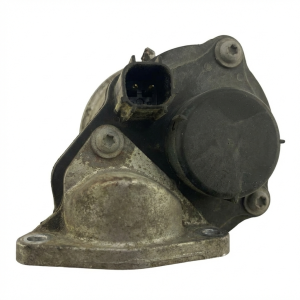
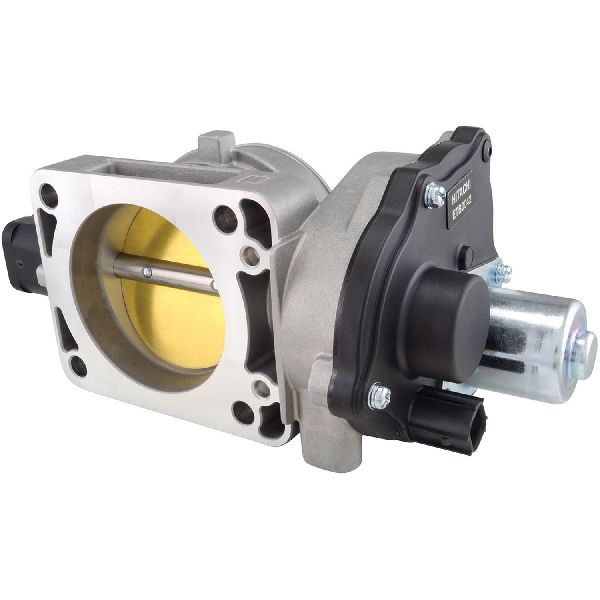
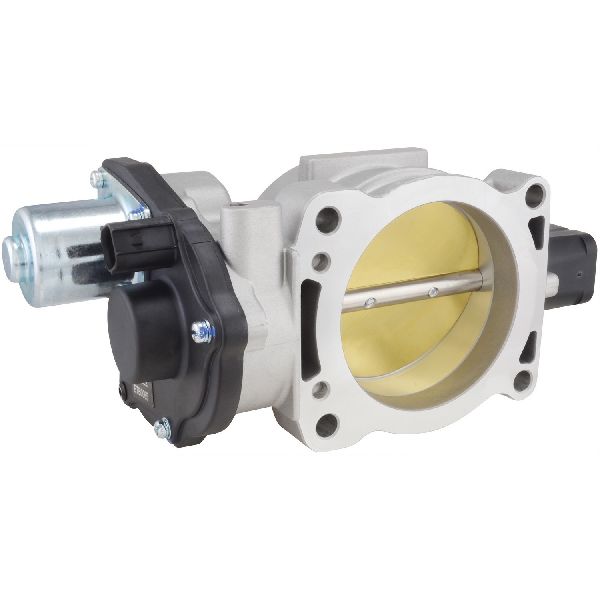
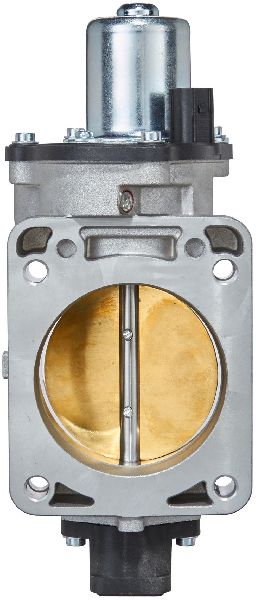
(OEM #4.0L V6: (Part numbers vary, e.g., 3L5E9F991AC) | 4.6L V8: 8L2Z-9E926-A (Motorcraft TB-20, replaces 6L2Z-9E926-C))— If cleaning the original unit does not fix the low idle and stalling, the internal electronics or motor may have failed, requiring complete replacement.
Trusted brands: Motorcraft, Hitachi, Cardone
OEM price range: $250-$450
Aftermarket price range: $90-$250
Related Codes That Often Appear With This One
- P1000: This is an informational code indicating that the OBD-II system checks have not been completed since the last memory clear (e.g., after disconnecting the battery). It will clear on its own after a complete drive cycle and is often seen with P0506 if the battery was disconnected for the repair.
Technical Service Bulletins (TSBs) & Recalls
- TSB 12-7-4: Addresses DTCs P0505, P0506, idle fluctuation, or hard start on various Ford vehicles including the 2005-2006 Explorer. It recommends reprogramming the PCM, checking the ETC_TRIM value, and cleaning or replacing the throttle body due to sludge buildup.
- TSB 12-8-1: A similar TSB for a wider range of vehicles, including the 2004-2005 Explorer, also for P0505/P0506 caused by a contaminated throttle body.
- TSB 11-10-21: As noted in NHTSA ODI #11052150, Ford issued this bulletin to provide updated powertrain control calibrations for vehicles experiencing idle-related diagnostic codes including P0506.
Platform-Specific Known Issues
- The 4.0L SOHC V6 and 4.6L 3V V8 engines used in this generation of Explorer are widely known to develop carbon buildup on the throttle body, making P0506 a very common code that is almost always resolved by a thorough cleaning.
- Per TSB 12-7-4, this issue is common after a battery disconnect or replacement, as the PCM's learned adaptations for a dirty throttle body are lost. The clean throttle body flows more air than the PCM expects, but the code is for low idle because the system is struggling to find a stable baseline.
Mechanic-Grade Diagnostic Values
- ETC_TRIM PID Value — expected: Less than 3.5 degrees with engine running at idle, throttle closed.. Failure: A value greater than 3.5 degrees indicates excessive sludge in the throttle body, pointing to a need for cleaning or replacement.
- Throttle Position Sensor 1 (TP1) Voltage — expected: Approx. 0.9V - 1.2V at closed throttle, increasing to ~4.5V at wide-open throttle.. Failure: Voltage is out of range, does not change smoothly with throttle movement, or does not correlate inversely with TP2.
- Throttle Position Sensor 2 (TP2) Voltage — expected: Approx. 3.7V - 4.0V at closed throttle, decreasing to ~0.5V at wide-open throttle.. Failure: Voltage is out of range, does not change smoothly, or the sum of TP1 and TP2 is not consistently around 5.0V.
- Mode $06, Test ID $a2, Component ID $11 — expected: Pass. Failure: A 'Fail' status for this monitor indicates the PCM is detecting a fault in the idle speed control system's performance, even if the main P0506 code is intermittent.
Scan Tool Commands That Help
- Ford IDS (or FORScan, high-end aftermarket scanners): Keep Alive Memory (KAM) Reset — This function should be used after cleaning or replacing the throttle body. It forces the PCM to immediately erase all learned idle and fuel trim adaptations, speeding up the relearn process and preventing a high idle or surging after the repair.
Wiring & Ground Locations
- Electronic Throttle Body Connector (C139) — Directly on the electronic throttle body assembly.. This 6-pin connector provides power to the throttle motor and carries the TP sensor signals back to the PCM. Corrosion or damage to pins for the motor (TAC+ / TAC-) or the TP sensors can cause P0506 or other throttle-related codes. Pin 5 (VREF) and Pin 6 (Signal Return) are critical for sensor operation.
- G103 — On the driver's side inner fender, near the power distribution box/brake booster.. This is a primary body and PCM ground point. Corrosion or a loose connection here can cause erratic behavior in multiple electronic systems, including the PCM's ability to accurately control and monitor the electronic throttle body, potentially leading to incorrect idle control.
- G104 — On the passenger side (RH) of the engine compartment, on the fender.. This is a main engine harness ground. A poor connection at G104 can disrupt sensor readings and actuator commands related to the engine, including the electronic throttle control system, leading to intermittent and hard-to-diagnose idle problems.
Real Owner Repair Stories
- Explorerforum.com user report (2006 Ford Explorer 4.0L V6) — P0506 code, engine stalling at idle.
❌ Tried (didn't work) Thoroughly cleaning the throttle body., Replacing the throttle body with a new Motorcraft unit., Performing a smoke test, which showed no vacuum leaks.
✅ What actually fixed it Replacement of a faulty Fuel Rail Pressure Sensor (FRPS). The failing sensor provided incorrect fuel pressure data to the PCM at idle, causing a lean condition that led to stalling. The PCM misinterpreted the stall as an idle air control issue, setting the P0506 code. - Mechanic forum discussion (2008 Ford Explorer 4.6L V8) — Persistent P0506, rough idle, and stalling, especially when coming to a stop.
❌ Tried (didn't work) Cleaning the throttle body (provided a temporary fix for a few weeks)., Checking for vacuum leaks with a smoke test (passed).
✅ What actually fixed it Replacing a faulty PCV valve and a connected PCV hose that had a small, heat-sensitive crack. The failing valve allowed excessive oil vapor into the intake, which would quickly re-contaminate the clean throttle body. The small crack would only open when hot, explaining the clean smoke test on a cold engine.
"I Checked Everything" — The Actual Cause
- In one documented case for a 2006 4.0L Explorer, the P0506 code persisted after cleaning and replacing the throttle body, and a smoke test revealed no vacuum leaks. The root cause was discovered to be a failing Fuel Rail Pressure Sensor (FRPS). The faulty sensor was causing the engine to run lean at idle, resulting in a stall that the PCM incorrectly attributed to the idle control system.
OEM Part Supersession History
6L2Z-9E926-C→8L2Z-9E926-A— Standard part revision and update by Ford.
Heads up: 8L2Z-9E926-A is a direct, backward-compatible replacement for the older part number on 4.6L V8 models.
Model Year Variations Within This Range
- 2006-2010: The 4.0L SOHC V6 and 4.6L 3V V8 engines, along with their electronic throttle control systems, remained fundamentally unchanged throughout this generation regarding the causes and fixes for P0506. Diagnosis is consistent across all years in this range.
Diagnostic Flowchart
Real Owner Stories
Aggregated from forums and TSBs cited above. Mileages and costs reflect what owners reported in those sources.
2006 Ford Explorer 4.0L
Symptoms: Check engine light code P0506, RPMs lower than normal. Customer complained that on the highway it works fine, but when getting off the highway or to a light, it wants to stall or sometimes actually stalls.
What fixed it: The issue was resolved by removing and thoroughly cleaning the carbon buildup from the electronic throttle body.
Source hint: Falcon's Garage (YouTube)
2005 Ford Explorer
Symptoms: Triggered codes P0506 and P1000.
What fixed it: Cleaned the throttle body. Users confirmed this is the correct fix and advised ignoring searches for a non-existent IAC valve.
Source hint: Reddit (r/Ford) thread titled "2005 Ford explorer code P0506 and P1000 fixes?"
Ford Explorer
Symptoms: Engine stalling and low idle.
What fixed it: Performed a throttle body cleaning, which is considered the first and most effective step.
Source hint: explorerforum.com
Documented NHTSA Reports
NHTSA ODI #11052150
Symptoms: An owner reported symptoms including a check engine light and diagnostic codes P0505, P0506, or P061B.
What fixed it: The report notes that Ford issued a bulletin that included updated powertrain control calibration to address these specific idle codes.
Related OBD-II Codes
Frequently Asked Questions
Does TSB 12-7-4 apply to my 2006 Ford Explorer with a P0506 code?
Why did my Explorer trigger a P0506 code right after I replaced the battery?
I have a 4.0L V6 Explorer. Do I need to replace the Idle Air Control (IAC) valve to fix P0506?
How do I perform a throttle body relearn on my 2006-2010 Explorer after cleaning it?
Are there other Ford vehicles that share this exact P0506 throttle body issue?
Helpful Videos
Used OEM Parts in Stock
New Aftermarket Parts Available



The information in this article is provided for general reference and educational purposes only. Vehicle specifications, procedures, and part compatibility can vary by production date, trim level, and region. Always consult your vehicle's factory service manual and verify part numbers before purchasing or performing repairs. Safety-critical components such as airbags, seat belts, and braking systems should be installed by a qualified professional.
- Ford Explorer:
- 🧭 Diagnostic Flowchart
- 🎬 Helpful Videos
- 🛍️ Shop This Part
- What's Unique About the 2006-2010 Ford Explorer
- Symptoms You May Notice
- Most Likely Causes
- Rare But Worth Checking
- Diagnosis Steps
- Parts You'll Likely Need
- Related Codes That Often Appear With This One
- Technical Service Bulletins (TSBs) & Recalls
- Platform-Specific Known Issues
- Mechanic-Grade Diagnostic Values
- Scan Tool Commands That Help
- Wiring & Ground Locations
- Real Owner Repair Stories
- "I Checked Everything" — The Actual Cause
- OEM Part Supersession History
- Model Year Variations Within This Range
- Real Owner Stories
- 2006 Ford Explorer 4.0L
- 2005 Ford Explorer
- Ford Explorer
- Documented NHTSA Reports
- NHTSA ODI #11052150
- Related OBD-II Codes
- Frequently Asked Questions
- 🎟️ Get 5% Off