

P0506 on 2015-2017 GMC Canyon: Low Idle Speed Causes and Fixes
On a 2015-2017 GMC Canyon with the 2.5L LCV engine, code P0506 is most often caused by a dirty throttle body or loose intake manifold bolts. Cleaning the throttle body is a common DIY fix. Checking and re-torquing the manifold bolts with threadlocker addresses a specific issue covered by GM Technical Service Bulletin PIP5529B.
- P0506 means the engine idle is too low, a common issue for the 2015-2017 Canyon.
- The first and easiest step is to thoroughly clean the throttle body and perform an idle relearn procedure.
- A known, widespread issue on the 2.5L LCV engine is loose intake manifold bolts, causing a vacuum leak. This is documented in TSB PIP5529B.
- If you have P0506 along with codes like P0106 or P0171, the loose manifold bolts are the most likely culprit.
- The fix for the loose bolts is to apply threadlocker and torque them to 10 Nm (89 lb-in).
- Continued driving can lead to stalling, which is a potential safety risk in traffic.
What's Unique About the 2015-2017 Gmc CANYON
For this specific generation of GMC Canyon and its platform-mate, the Chevrolet Colorado, equipped with the 2.5L LCV engine, a P0506 code has a very well-documented cause beyond the usual dirty throttle body. General Motors issued Technical Service Bulletin #PIP5529B, identifying that loose intake manifold bolts can create a vacuum leak. This leak leads to an unstable idle, stalling, and can trigger P0506 along with a host of other seemingly unrelated codes like P0068, P0101, P0106, and P0171. This makes checking the intake manifold bolt torque a critical and specific diagnostic step for this particular vehicle.
Diagnostic Flowchart
Tap your situation to follow the diagnostic path that matches what you're seeing on this vehicle.
Symptoms You May Notice
- Check Engine Light is on
- Engine idle speed is lower than normal (e.g., dropping into the 500s RPM range)
- Rough, vibrating, or unstable idle
- Engine stalls when coming to a stop, during low-speed maneuvers, or when the A/C is turned on
- Hesitation or stumbling during acceleration
- Engine may be difficult to start
- Replacing the throttle body assembly when it only needed cleaning.
- Replacing O2 sensors or MAP/MAF sensors when the root cause is a vacuum leak from the intake manifold.
- Replacing the accelerator pedal position (APP) sensor.
Most Likely Causes
- Dirty Throttle Body 🔴 High Probability → Shop Fuel Injection Throttle Body All modern engines, including the LCV, use a Positive Crankcase Ventilation (PCV) system that recirculates crankcase vapors containing oil mist back into the intake. Over time, this oil and carbon builds up around the throttle plate and bore, restricting the small amount of air needed for idling and causing the plate to stick.
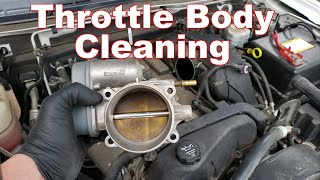
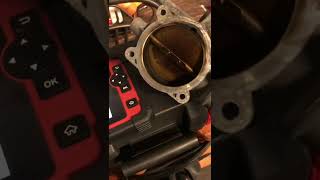
How to confirm: Remove the air intake duct from the throttle body. Visually inspect the inside of the throttle body bore and the edges of the throttle plate for a black, sticky residue. The buildup is often heaviest on the back side of the plate. 🎬 Watch a mechanic show you how to clean a dirty plate.
Typical fix: Remove the throttle body (four 10mm bolts) for a thorough cleaning. Spray a dedicated throttle body cleaner on a microfiber cloth or soft brush and wipe the bore and both sides of the plate until all carbon is removed. Do not spray cleaner directly into an attached electronic throttle body. An idle relearn procedure must be performed afterward.
Est. part cost: $5-$15 - Loose Intake Manifold Bolts 🔴 High Probability → Shop Engine Intake Manifold As documented in GM TSB #PIP5529B, the intake manifold bolts on the 2.5L LCV engine can loosen over time, breaking the gasket seal and causing a significant vacuum leak. This is a known pattern failure on these trucks.
How to confirm: Check for looseness on the intake manifold bolts. A professional smoke test is the most definitive way to confirm an intake leak. The presence of other codes like P0106, P0171, and P0300 alongside P0506 strongly suggests this issue.
Typical fix: Following the procedure in TSB #PIP5529B, remove one bolt at a time, apply medium-strength threadlocker (e.g., Loctite Blue), and torque all bolts to specification, which is 10 Nm (89 lb-in), in a center-outward sequence. The TSB advises against replacing the gasket unless it's proven to be damaged after torquing the bolts.
Est. part cost: $5-$10 - Vacuum Leak (Other) ⚪ Low Probability
How to confirm: Listen for hissing sounds from the engine bay at idle. A smoke test can pinpoint the exact location of a leak from a cracked vacuum hose, faulty PCV valve, or leaking gasket.
Typical fix: Replace the cracked vacuum hose, faulty PCV valve, or leaking gasket. On some GM vehicles, the PCV system is integrated into the valve cover, which would require replacing the entire cover.
Est. part cost: $10-$150
Rare But Worth Checking
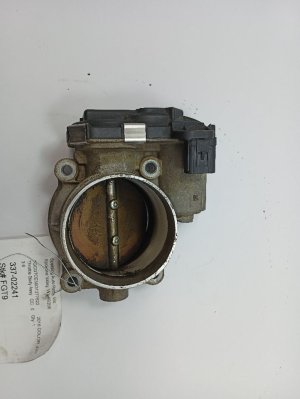
- Faulty Throttle Body Assembly: → Shop Fuel Injection Throttle Body
Diagnosis Steps
- Scan for Codes: Use an OBD-II scanner to confirm P0506 is present. Check for any other codes, paying close attention to the cluster of codes listed in TSB PIP5529B (P0068, P0101, P0106, P0171, etc.) as this strongly points to the intake manifold issue.
- Inspect and Clean Throttle Body: Remove the air intake duct. Visually inspect for heavy carbon buildup. If dirty, remove the throttle body (four 10mm bolts) and clean it thoroughly off the engine with throttle body cleaner and a soft cloth/brush. Reinstall.
- Perform Idle Relearn Procedure: 🎬 See how to clean the throttle body and fix low idle. After cleaning or replacing the throttle body, an idle relearn is necessary. A common GM procedure is to start the engine and let it idle in Park for 3 minutes. Turn the engine off for at least 60 seconds. Restart the engine and let it idle again for 3 minutes. The idle should stabilize.
- Check Intake Manifold Bolts: If the idle issue persists, inspect the intake manifold bolts for looseness, as specified in TSB PIP5529B.
- Torque Intake Manifold Bolts: If loose, follow the TSB procedure. Remove one bolt at a time, apply medium-strength threadlocker, reinstall, and then torque all bolts in a sequence starting from the center and working outward to 10 Nm (89 lb-in).
- Check for Other Vacuum Leaks: If the problem is still not resolved, perform a smoke test to check for other, less common vacuum leaks from hoses (like the PCV hose) or gaskets.
- Test Throttle Body: If no vacuum leaks are found and the issue remains, the throttle body's internal motor or position sensor may be faulty, requiring replacement of the assembly.
Parts You'll Likely Need
- Throttle Body Cleaner
(OEM #ACDelco 10-201 / 19370369)— This is required to perform the most common fix: cleaning carbon buildup from the throttle body.
Trusted brands: CRC, ACDelco
OEM price range: $10-$15
Aftermarket price range: $5-$10 - Medium-Strength Threadlocker — This is required by TSB PIP5529B when re-torquing the loose intake manifold bolts to prevent them from loosening again.
Trusted brands: Permatex Blue 242, Loctite Blue 243
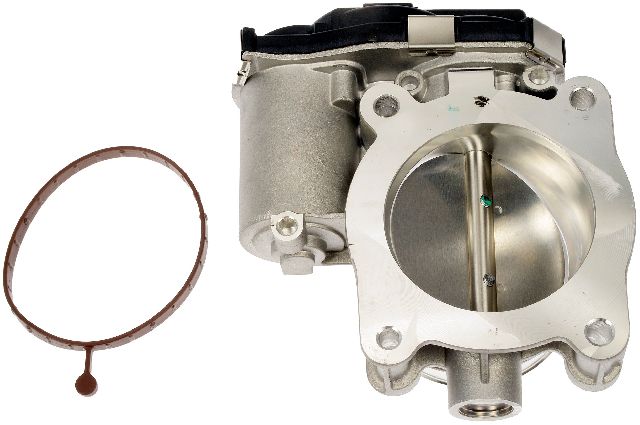
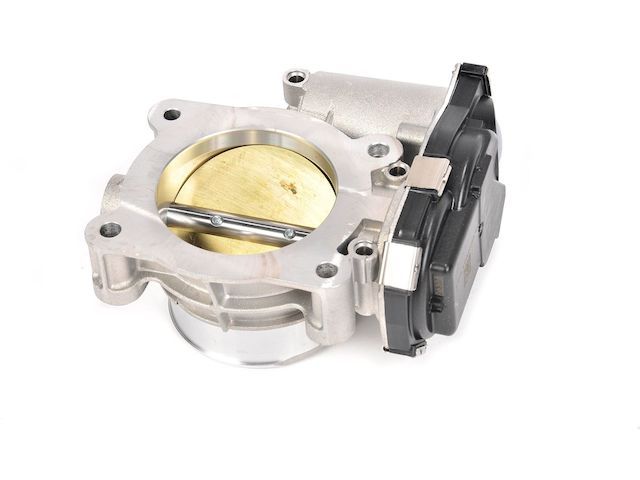
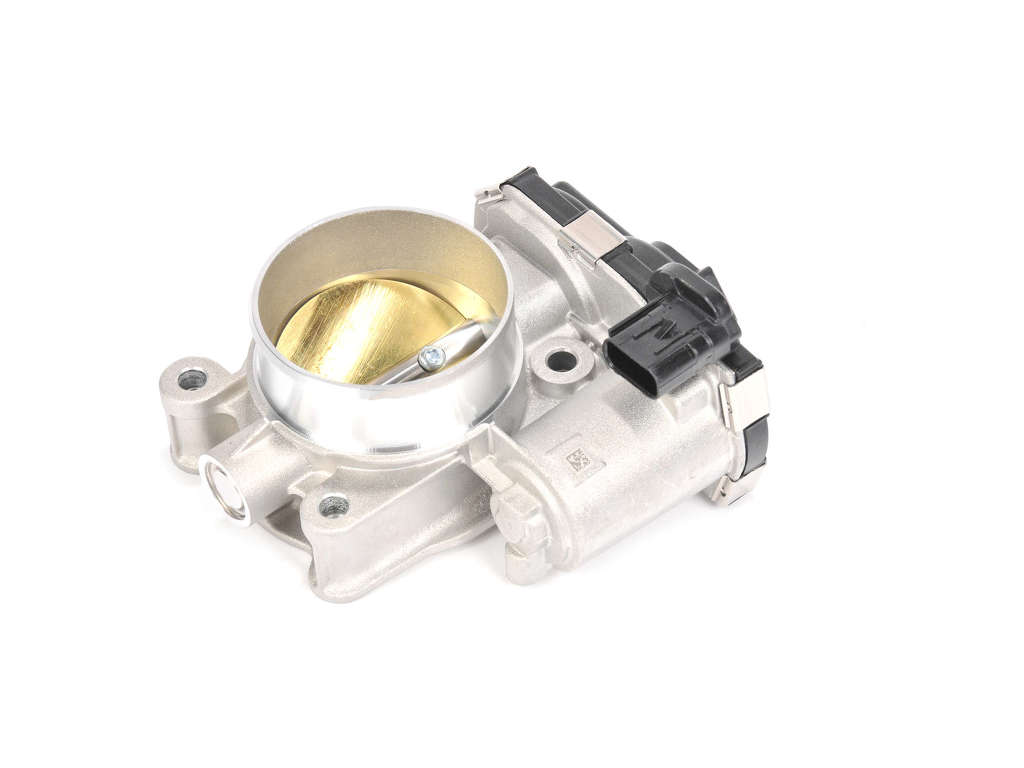
Aftermarket price range: $5-$10 - Throttle Body Assembly
(OEM #ACDelco 12670839)— Required if the original throttle body has failed electronically or mechanically and cleaning does not resolve the issue.
Trusted brands: ACDelco (OEM), Standard Motor Products, Dorman
OEM price range: $175-$200
Aftermarket price range: $90-$175
Related Codes That Often Appear With This One
- P0068 — MAP/MAF - Throttle Position Correlation (Listed in TSB PIP5529B)
- P0101 — Mass Air Flow (MAF) Sensor Performance (Listed in TSB PIP5529B)
- P0106 — Manifold Absolute Pressure (MAP) Sensor Performance (Listed in TSB PIP5529B)
- P0171 — System Too Lean (Bank 1) (Listed in TSB PIP5529B)
- P0300 — Random/Multiple Cylinder Misfire Detected (Common with vacuum leaks)
Technical Service Bulletins (TSBs) & Recalls
- PIP5529B: Addresses hesitation, stalling, and a combination of DTCs including P0506, caused by loose intake manifold bolts. The fix involves applying medium-strength threadlocker and re-torquing the bolts in sequence. It explicitly states not to replace the gasket unless a leak persists after torquing.
Platform-Specific Known Issues
- TSB #PIP5529B: This is the most significant vehicle-specific issue. It documents that loose intake manifold bolts are a known issue on the 2015-2017 GMC Canyon with the 2.5L LCV engine, causing a vacuum leak that triggers P0506 and other DTCs. The official fix is to re-torque the bolts to 10 Nm (89 lb-in) with medium-strength threadlocker.
Mechanic-Grade Diagnostic Values
- Throttle Actuator Control (TAC) Motor Resistance — expected: 2 to 15 Ohms between terminals A and B on the throttle body connector.. Failure: A reading of less than 1 Ohm or an over-limit (OL) reading indicates a defective motor.
- Throttle Position Sensor 1 (TPS1) Resistance Sweep — expected: Resistance between terminals D and E should increase smoothly as the throttle plate is opened and decrease as it is closed.. Failure: Resistance stays stuck at one value or has gaps/jumps during the sweep, indicating a faulty sensor.
- Throttle Position Sensor 2 (TPS2) Resistance Sweep — expected: Resistance between terminals E and F should decrease smoothly as the throttle plate is opened and increase as it is closed.. Failure: Resistance stays stuck at one value or has gaps/jumps during the sweep, indicating a faulty sensor.
- Scan Tool Live Data: Desired vs. Actual Throttle Position — expected: At idle, the 'Desired Throttle Position' and 'Actual Throttle Position' PIDs should match closely.. Failure: A significant discrepancy between the desired and actual values (e.g., Desired 13% vs. Actual 24%) points to a calibration issue or a faulty throttle body.
Scan Tool Commands That Help
- GDS2 / Professional Scan Tool (e.g., Autel): Idle Learn Reset / Throttle/Idle Learn — This function should be used after cleaning or replacing the throttle body. It resets all learned airflow values to zero, forcing the ECM to relearn the correct idle parameters for the clean or new throttle body, which can resolve an unstable idle.
- GDS2 / Professional Scan Tool (e.g., Autel): Engine Speed and Throttle Control Test — This bidirectional test allows a technician to command the throttle to specific angles and compare the commanded state to the indicated and desired angles reported by the sensors. It is used to confirm if the throttle body is responding correctly to ECM commands.
Wiring & Ground Locations
- Engine Block to Chassis Ground Strap — Typically runs from a bolt on the firewall/chassis frame rail to a mounting point on the back of the engine block or cylinder head.. A poor engine ground can cause unstable voltage to the ECM and its sensors, including the electronic throttle body. This can lead to erratic behavior, incorrect sensor readings, and codes like P0506. Ensuring this strap is clean and tight is a critical step in diagnosing any electronic issue.
- Ground Splice Packs (General GM Issue) — On many GM trucks, these are black plastic comb-like connectors bolted to the body, often found near the battery or behind the airbox. (Note: Specific locations SP-105/SP-106 are for the 1st gen Colorado).. These packs consolidate multiple ground wires. Corrosion inside the pack can cause intermittent and difficult-to-diagnose electrical problems for multiple components, including those related to engine management. While not a specific documented cause for P0506 on this model, it's a known failure pattern on GM trucks that can cause widespread electrical issues.
Real Owner Repair Stories
- PerformanceTrucks.net Forums (2012 GMC 2500 (Similar GM Truck logic)) — Stalling at idle with code P0506 stored.
❌ Tried (didn't work) The initial advice was to clean the MAF and throttle body and check for vacuum leaks.
✅ What actually fixed it The conversation highlights that if cleaning doesn't work and a new throttle body is installed, a 'throttle relearn with a scan tool' is a required step that is often missed, implying the problem is not resolved until the calibration is performed.
OEM Part Supersession History
ACDelco 12670839→N/A— N/A
Heads up: This part requires programming and/or special setup procedures after installation. Failure to perform the throttle relearn procedure with a scan tool will likely result in a continued or new idle control issue.
Model Year Variations Within This Range
- 2017: For the 2017 model year, the optional 3.6L V6 (LGZ) engine was paired with a new 8-speed automatic transmission, replacing the 6-speed used in 2015-2016. This change does not affect the 2.5L LCV engine or the diagnosis of P0506 on that powertrain.
Helpful Videos
![Free Solution To Keep Your Truck Running 100% [Cleaning a Dirty Throttle Body]](https://img.youtube.com/vi/3yESthPHNNQ/mqdefault.jpg)

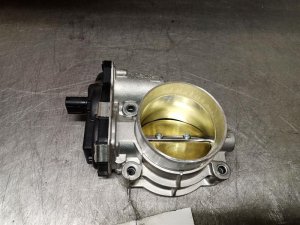
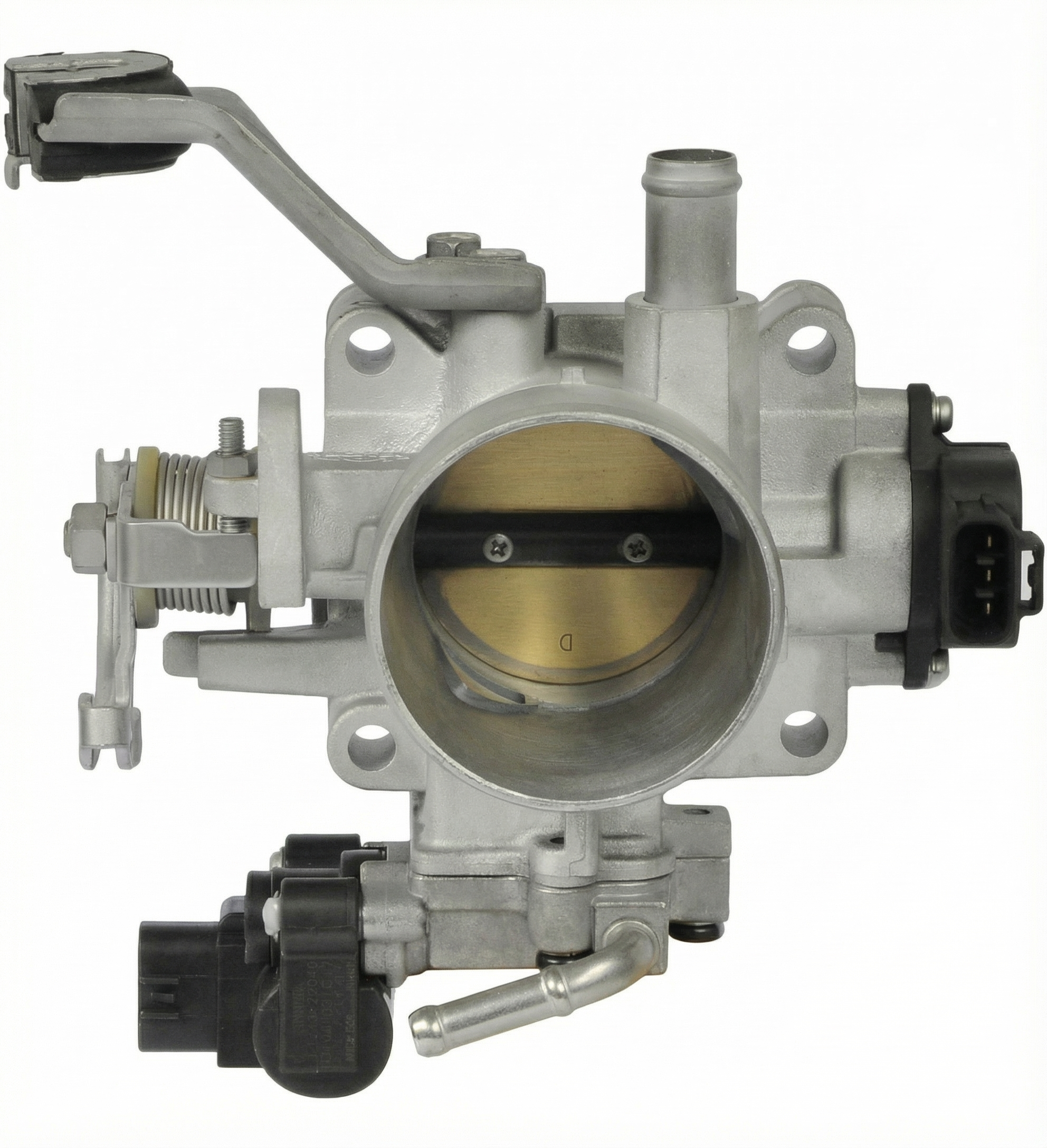
Used OEM Parts in Stock
New Aftermarket Parts Available
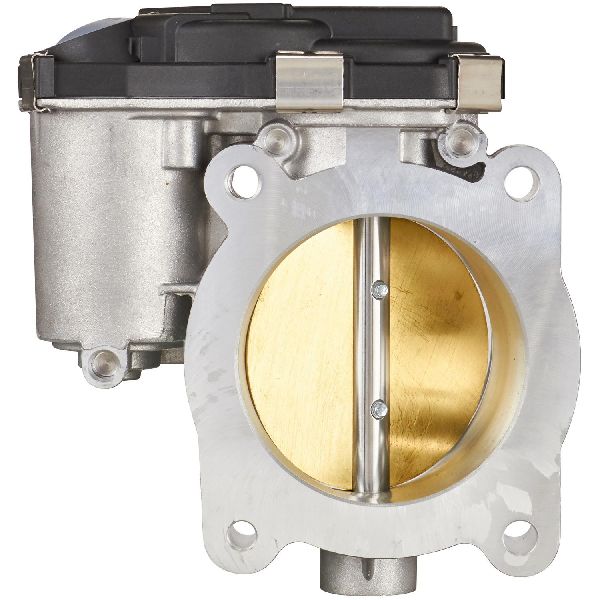


The information in this article is provided for general reference and educational purposes only. Vehicle specifications, procedures, and part compatibility can vary by production date, trim level, and region. Always consult your vehicle's factory service manual and verify part numbers before purchasing or performing repairs. Safety-critical components such as airbags, seat belts, and braking systems should be installed by a qualified professional.
- Gmc CANYON:
- 🧭 Diagnostic Flowchart
- 🎬 Helpful Videos
- 🛍️ Shop This Part
- What's Unique About the 2015-2017 Gmc CANYON
- Symptoms You May Notice
- Most Likely Causes
- Rare But Worth Checking
- Diagnosis Steps
- Parts You'll Likely Need
- Related Codes That Often Appear With This One
- Technical Service Bulletins (TSBs) & Recalls
- Platform-Specific Known Issues
- Mechanic-Grade Diagnostic Values
- Scan Tool Commands That Help
- Wiring & Ground Locations
- Real Owner Repair Stories
- OEM Part Supersession History
- Model Year Variations Within This Range
- 🎟️ Get 5% Off