

P0506 on 2010-2017 GMC Terrain 2.4L: Low Idle Causes & Fixes
For the 2010-2017 GMC Terrain 2.4L, code P0506 is most often caused by a dirty throttle body or a clogged Positive Crankcase Ventilation (PCV) orifice in the intake manifold. Cleaning the throttle body is a good first step, but the PCV system is a well-documented design flaw on this engine. GM issued Special Coverage Adjustment 14882 for the PCV issue, which causes high crankcase pressure and can lead to oil leaks and idle problems.
- P0506 on this vehicle means the idle is too low, most likely due to restricted airflow or a PCV system problem.
- The easiest first step is to clean the throttle body with a dedicated cleaner.
- Be highly aware of the common clogged PCV orifice issue specific to the 2.4L Ecotec engine; this is a very likely culprit if cleaning the throttle body doesn't work.
- Check for excessive pressure at the oil cap when the engine is running; this is a strong sign of a clogged PCV system.
- This is a DIY-friendly repair for many, but cleaning the PCV orifice requires removing the intake manifold, which is a more involved job.
What's Unique About the 2010-2017 GMC Terrain
The 2.4L Ecotec engine used in this generation of GMC Terrain is known for specific issues that directly lead to code P0506. While a dirty throttle body is a common cause on many cars, this engine has a well-documented problem with its Positive Crankcase Ventilation (PCV) system. A small, fixed orifice for the PCV is integrated into the intake manifold and is highly prone to clogging with sludge, carbon, and frozen moisture, especially on engines that consume oil or operate in cold weather. This blockage increases crankcase pressure, disrupting the air-fuel mixture and leading to a low, rough idle that the ECM cannot correct. The issue was so prevalent that GM issued Special Coverage Adjustment (14882) for this exact problem, extending coverage for 10 years or 120,000 miles.
Symptoms You May Notice
- Engine idle speed is noticeably lower than normal
- Rough or shaky idle
- Engine stalling when coming to a stop or at idle
- Hesitation when accelerating from a stop
- Check Engine Light is on
- Rattling noise from the oil cap when it's loosened while the engine is running
- Replacing the throttle body when it only needs cleaning.
- Replacing spark plugs or ignition coils without diagnosing the root cause of the low idle.
- Ignoring the PCV system and focusing only on vacuum leaks, leading to the problem returning.
- Attributing the low idle to a bad battery or alternator without checking for specific engine codes.
Most Likely Causes
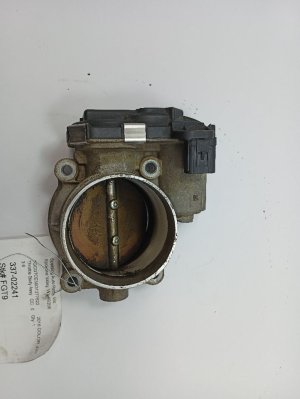
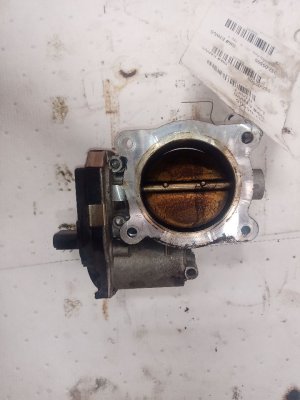
- Dirty or Carbon-Fouled Throttle Body 🔴 High Probability → Shop Fuel Injection Throttle Body The PCV system routes oil vapors and blow-by gases into the intake, which can deposit a layer of grime and carbon on the throttle plate and bore over time. This buildup restricts the small amount of air needed to maintain a proper idle, causing the ECM to struggle to maintain the target RPM.
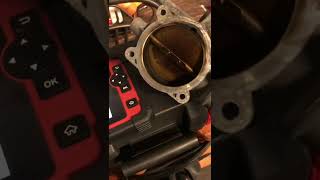
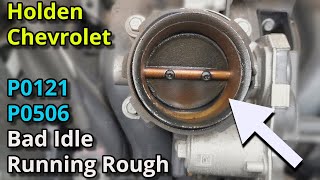
How to confirm: Visually inspect the throttle body bore and plate for a black, sticky film or hard carbon deposits. The area around the edge of the plate where it meets the bore is most critical. The buildup will be most evident on the engine side of the throttle plate.
Typical fix: Remove the air intake duct from the throttle body and clean the plate and bore using a dedicated throttle body cleaner and a soft cloth or brush. It is recommended not to force the electronic throttle plate open manually. After cleaning, an idle relearn procedure is required, which can be done with a capable scan tool or by following a specific drive cycle.
Est. part cost: $5-$15 for a can of cleaner - Clogged PCV Orifice in Intake Manifold 🔴 High Probability → Shop Engine Intake Manifold This is a known design flaw. The 2.4L Ecotec uses a small, fixed orifice in the intake manifold that serves as the PCV valve. It frequently gets clogged with sludge and frozen moisture, especially in vehicles with oil consumption or those driven in cold climates. This blockage increases crankcase pressure, which can cause oil leaks and disrupt the idle.
How to confirm: A simple test is to remove the oil cap while the engine is running at idle. If you feel significant pressure puffing out or if the cap rattles and jumps around, the PCV system is likely clogged. A technician can perform a manometer test to confirm high crankcase pressure as outlined in TSB 14882.
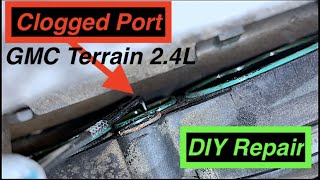
Typical fix: The intake manifold must be removed to access and clean the orifice. It's a small hole located between the #2 and #3 intake runners. It can be cleared with a small pick or a 1/16" drill bit (used by hand, not in a power drill). While the manifold is off, it's critical to clean the internal passages and the PCV tube as well. The intake manifold gaskets must be replaced.
Est. part cost: $20-$50 for an intake manifold gasket set - Vacuum Leak 🟡 Medium Probability Hoses and gaskets become brittle with age and heat cycles. Common leak points include the PCV hoses themselves, the intake manifold gaskets (if recently serviced and not replaced), and the valve cover gasket.
How to confirm: Listen for a hissing sound with the engine running. A more effective method is to use a smoke machine to feed smoke into the intake system and watch for where it escapes. Spraying brake cleaner or a similar combustible spray around suspected areas can also work; a change in engine idle indicates a leak.
Typical fix: Replace the cracked hose or faulty gasket. Ensure intake manifold bolts are torqued to specification.
Est. part cost: $10-$100 depending on the part
Rare But Worth Checking
- Intake Valve Carbon Buildup: More common on the direct-injected 2012-2017 LEA/LUK engines. Fuel is sprayed directly into the cylinder, so it doesn't wash over the intake valves. Over time, carbon can build up, restricting airflow and causing a rough idle. This is often exacerbated by oil consumption issues.
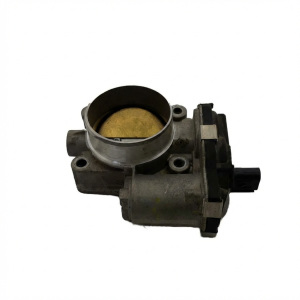
- Faulty Throttle Body: → Shop Fuel Injection Throttle Body If cleaning the throttle body does not resolve the issue and it fails electronic tests (or codes like P2119 appear), the internal motor or position sensor may have failed, requiring replacement of the entire unit.
- High-Pressure Fuel Pump Issues: On DI engines, a failing high-pressure fuel pump (HPFP) or its control solenoid can cause erratic fuel pressure, leading to stalling and idle issues that may trigger a P0506 code. This is often accompanied by other fuel-related codes.
Diagnosis Steps
- Scan for any other stored trouble codes. Address those first if they are present, as they can provide clues (e.g., lean codes pointing to a vacuum leak).
- With the engine idling, carefully loosen the oil filler cap. Observe for excessive pressure puffing out or the cap rattling violently. This is a strong indicator of a clogged PCV system.
- If no significant pressure is found, proceed to inspect the throttle body. Remove the air intake tube and visually inspect the throttle plate and bore for heavy carbon buildup.
- Thoroughly clean the throttle body using appropriate cleaner and a soft cloth/brush. Avoid forcing the throttle plate open.
- After cleaning, perform an idle relearn procedure. A scan tool is the most effective method, but a manual procedure often involves idling the engine for several minutes in park, then with A/C on, then in drive.
- If the problem persists, the next step is to address the known PCV orifice issue. This requires removing the intake manifold, cleaning the orifice (a 1/16" drill bit used by hand is recommended), and replacing the intake gaskets.
- While the manifold is off, inspect all vacuum lines and hoses connected to it for cracks or brittleness.
- If all else fails, investigate potential intake valve carbon buildup (especially on DI engines) or a faulty throttle body assembly.
Parts You'll Likely Need
- Throttle Body Cleaner — This is the first and most common fix, used to remove carbon buildup that restricts airflow at idle.
Trusted brands: CRC, Gumout, ACDelco
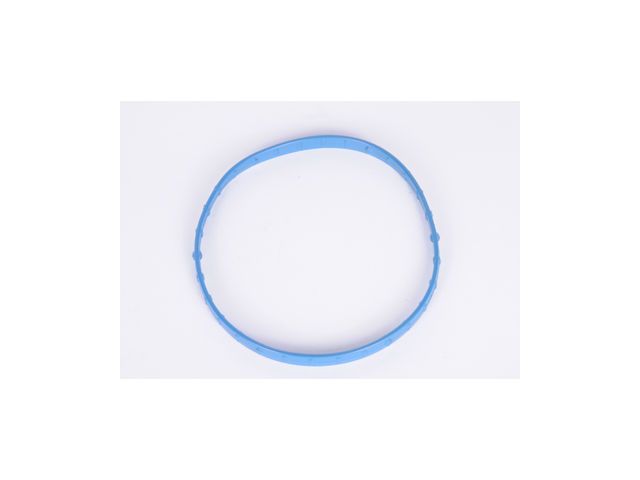
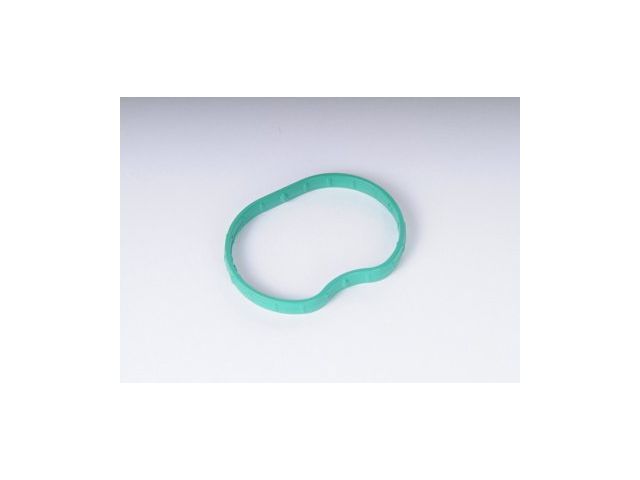
Aftermarket price range: $5-$15 - Intake Manifold Gasket
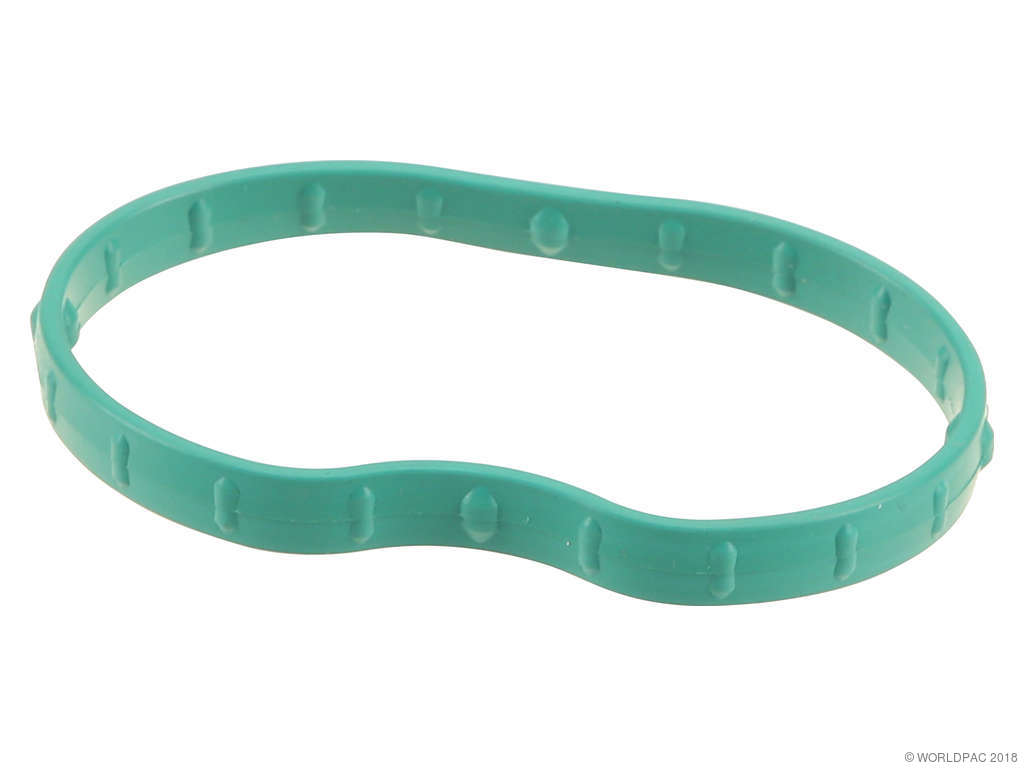
(OEM #89060413 (or 24435052))— Required when removing the intake manifold to clean the clogged PCV orifice. The gasket is a one-time use part and must be replaced to prevent vacuum leaks.
Trusted brands: ACDelco, Fel-Pro (MS 97222), Mahle
OEM price range: $30-$50
Aftermarket price range: $15-$35 - Throttle Body Assembly
(OEM #12670981)— Only needed if the throttle body is electronically faulty and cleaning does not resolve the issue. Verify fitment with VIN.
Trusted brands: ACDelco, Hitachi, Bosch
OEM price range: $150-$250
Aftermarket price range: $80-$150
Related Codes That Often Appear With This One
- P0171 (System Too Lean): Often caused by a vacuum leak, which can also cause a low idle.
- P0420 (Catalyst System Efficiency Below Threshold): Can be a consequence of long-term oil consumption or misfires related to the root causes of P0506.
- P2119 (Throttle Actuator Control Throttle Body Range/Performance): Can indicate a failing throttle body, not just a dirty one.
Technical Service Bulletins (TSBs) & Recalls
- 14882 - Special Coverage Adjustment – Plugged PCV Orifice in Intake Manifold. This TSB details the diagnosis (crankcase pressure test) and repair (remove intake and clean orifice) for the clogged PCV system.
- 15285 / 14159 - Special Coverage for excessive oil consumption on some model years due to piston ring wear. While not directly for P0506, this issue is a major contributing factor.
Platform-Specific Known Issues
- GM Special Coverage 14882 was issued for 2010-2013 models (and some 2014 Equinox/Terrain) with the 2.4L engine for a plugged PCV orifice in the intake manifold. The primary covered condition was a resulting rear main seal leak due to high crankcase pressure, but the underlying cause (clogged orifice) is a direct trigger for P0506. The coverage was for 10 years or 120,000 miles.
- Excessive oil consumption is a rampant issue on these engines, caused by faulty piston rings. This leads to more oil vapor and blow-by, which accelerates the clogging of both the PCV orifice and the throttle body, making P0506 a very common code on this platform.
Mechanic-Grade Diagnostic Values
- Long-Term Fuel Trim (LTFT) at idle — expected: Within +/- 10%. Failure: A reading of -15% or more negative suggests the engine is running rich, which could be caused by issues like a faulty high-pressure fuel pump solenoid forcing too much fuel.
- Short-Term Fuel Trim (STFT) at idle — expected: Fluctuating near 0%. Failure: A reading of -20% or more negative indicates a severe rich condition that the ECM is trying to correct.
- Desired vs. Actual Idle RPM — expected: Actual RPM should be within ~25 RPM of Desired RPM.. Failure: When Actual RPM is consistently 90-100 RPM or more below Desired RPM, the P0506 code will be set.
- Throttle Position Sensor 1 & 2 Voltages — expected: At idle (closed throttle), one sensor should be around 0.5-0.8V and the other around 4.2-4.5V. They should move smoothly in opposite directions as the throttle opens.. Failure: Jerky or non-responsive voltage readings, or voltages outside the expected range, indicate a failing throttle position sensor, requiring throttle body replacement.
Scan Tool Commands That Help
- GDS2 (GM Global Diagnostic System 2): Idle Learn Reset / Throttle Learn Reset — This function, found in 'Special Functions,' MUST be used after cleaning or replacing the throttle body. It forces the ECM to erase old learned values and relearn the new base idle position to prevent an erratic or incorrect idle.
- Generic High-End Scan Tool: Throttle/Idle Relearn — Many professional-grade aftermarket scan tools have this function. It should be performed after any service to the throttle body to ensure the ECM knows the new closed-throttle position.
Wiring & Ground Locations
- G105 — Located on the top rear of the 2.4L engine.. This is a primary engine ground. A loose or corroded G105 can cause erratic sensor readings and unpredictable behavior from electronically controlled components like the throttle body.
- G103 — Located on the left front of the engine compartment, under the battery tray.. This ground serves the Engine Control Module (ECM). A poor connection here can directly impact the ECM's ability to control the throttle body and maintain stable idle, potentially mimicking a component failure.
- Throttle Body Connector — 6-pin or 8-pin connector directly on the throttle body assembly.. This is the connection for the throttle motor and dual throttle position sensors. The pins for the motor and sensors must be checked for proper voltage and resistance. A damaged connector or chafed wire in this harness is a common point of failure.
Real Owner Repair Stories
- terrainforum.net user (2011 GMC Terrain 2.4L) — Stalling at stops, rough idle, P0506 code present.
❌ Tried (didn't work) Cleaned throttle body, Cleaned MAF sensor, Replaced spark plugs
✅ What actually fixed it The intake manifold was cracked, causing a vacuum leak that was difficult to detect with a smoke test. Replacing the intake manifold and gaskets resolved the P0506 code and stalling issues. - YouTube channel 'World Mechanics' (Chevrolet Equinox 2.4L (same platform)) — Stalling at stop lights, intermittent P0506 code, very high intake air temperature readings on scan tool.
❌ Tried (didn't work) Initial diagnosis pointed towards a fuel system issue due to very negative fuel trims.
✅ What actually fixed it The final diagnosis in a follow-up video identified a faulty high-pressure fuel pump solenoid. The solenoid was failing when hot, causing extremely high fuel rail pressure (over 2000 PSI at idle), which led to a rich condition, negative fuel trims, and stalling.
"I Checked Everything" — The Actual Cause
- In some documented cases on forums, a standard smoke test did not reveal a leak, but the problem was ultimately a hairline crack in the plastic intake manifold itself. The crack would only open sufficiently to cause a problem under specific temperature and vacuum conditions, making it very difficult to diagnose. Replacement of the entire intake manifold was the only solution.
OEM Part Supersession History
17113557, 89017367, 89017589→89060413— Part consolidation and potential minor design updates by GM over the years.
Heads up: The final part number, 89060413, is the correct service replacement for the listed applications, but always verify with a VIN. Aftermarket equivalents like Fel-Pro MS 97222 are also widely used.12632101, 12669146→12670834, then 12670981— Internal design changes and electronics updates to the throttle body assembly.
Heads up: While they may look similar, using the wrong throttle body part number can lead to communication errors with the ECM. Part number 12670981 is the latest revision for many 2012+ models, but VIN verification is critical.
Model Year Variations Within This Range
- 2010-2011 (LAF) vs 2012-2017 (LEA/LUK): The primary difference is the fuel injection system (Port vs. Direct Injection). The DI engines (2012+) are significantly more prone to intake valve carbon buildup, which can be a contributing cause of P0506. The DI models also have a high-pressure fuel pump, which introduces another potential failure point (HPFP solenoid) that can cause stalling and trigger this code.
- 2006-2007 vs 2008+: Across the broader Ecotec family, a change occurred around 2008 where the throttle body connector changed from an 8-pin to a 6-pin design, and ECU pinouts were altered. While this guide's vehicle range (2010+) should be consistent, it's a critical detail for anyone sourcing parts from other Ecotec applications.
Diagnostic Flowchart
Other Known Issues on This Vehicle
Issues unrelated to this code that are worth knowing about as an owner of this generation:
- Excessive Oil Consumption 🔴 High — Extremely common, especially on 2010-2013 models. Can start as early as 50,000-60,000 miles. Often consumes 1 quart in under 2,000 miles. (Ref: Special Coverage 14159/15285 (Piston Ring Replacement))
- Stretched/Failed Timing Chains 🔴 High — Very common, typically between 80,000-120,000 miles. Often caused by running with low oil levels due to excessive consumption. (Ref: No specific recall, but a known failure pattern. Often presents with codes P0011, P0014, P0016, P0017.)
- Plugged PCV Orifice / Rear Main Seal Failure 🟠 Medium → Shop PCV Valve — Common, especially in cold climates. The clogged orifice builds crankcase pressure, blowing out the rear main seal. (Ref: Special Coverage 14882)
- High-Pressure Fuel Pump (HPFP) Failure 🟠 Medium — Affects 2012-2017 Direct Injection (DI) models. The pump can fail or leak fuel into the crankcase, thinning the oil and causing lubrication issues.
- Faulty Camshaft Position Actuator Solenoids 🟡 Low — Fairly common. These solenoids control valve timing and can get clogged with dirty oil, causing rough running, poor performance, and codes like P0010, P0011, P0013, P0014.
Used vs. New Parts: Buying Guide for This Vehicle
When a used part is the smart pick: An intake manifold is a good candidate for a used part, as it is a durable component with no moving parts. It's a cost-effective solution, especially if the original has failed due to a crack.
Donor-vehicle mileage cap: roughly under 100000 miles for the part to have meaningful remaining life.
What to inspect on the donor part:
- Thoroughly inspect the manifold for any hairline cracks, especially near the mounting flanges and seams.
- Ensure all threaded inserts for mounting bolts are intact and not stripped.
- Check that the mating surfaces are flat and not warped.
- If possible, inspect the internal PCV orifice to ensure it is not completely blocked, though cleaning it is recommended regardless.
OEM-only on this vehicle (don't cheap out):
- While not strictly 'OEM-only', electronic parts like the Throttle Body Assembly carry a higher risk when purchased used. A new OEM (ACDelco) or reputable new aftermarket part (Bosch, Hitachi) is a safer investment than a used electronic component with unknown history.
Aftermarket brands forum-validated for this vehicle:
- Fel-Pro (for intake manifold gaskets, P/N MS 97222)
- Bosch (for throttle body assembly)
Brands owners have reported issues with on this vehicle:
- Avoid unbranded, no-name electronic parts like throttle bodies from online marketplaces. Failure rates are high, and they can cause diagnostic headaches.
Real Owner Stories
Aggregated from forums and TSBs cited above. Mileages and costs reflect what owners reported in those sources.
2010-2017 GMC Terrain 2.4L Ecotec
Symptoms: The engine idle speed was noticeably lower than normal and the vehicle would stall when coming to a stop or idling. A rattling noise was also noted from the oil cap when loosened while running.
What fixed it: Removing the air intake duct and cleaning the throttle body plate and bore with a dedicated cleaner, followed by an idle relearn procedure.
Source hint: Article Context - common_causes and symptoms sections
2011 GMC Terrain 2.4L — ~100000 miles
Symptoms: High crankcase pressure evidenced by the oil cap jumping around during the 'oil cap test.'
What fixed it: Removing the intake manifold to access the PCV orifice and cleaning it out with a 1/16" drill bit by hand, as well as cleaning the internal passages and PCV tube.
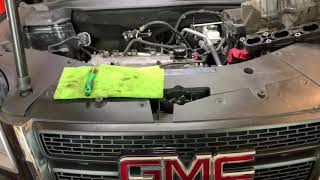
Source hint: YouTube - OldSoulMillennial: "GMC Terrain 2.4 Clogged PCV | Oil cap pressure REPAIRED"
2010-2013 Chevrolet Equinox 2.4L
Symptoms: Code P0506 present along with high crankcase pressure that can lead to a rear main seal leak.
What fixed it: The repair outlined in TSB 14882, which involves a crankcase pressure test followed by removing the intake manifold to clean the plugged PCV orifice.
Source hint: 14882 - Special Coverage Adjustment – Plugged PCV Orifice in Intake Manifold
Related OBD-II Codes
Frequently Asked Questions
Does GM Special Coverage 14882 apply to my 2012 GMC Terrain with the 2.4L engine?
How can I tell if my P0506 code is caused by the PCV system without taking the engine apart?
Is there a specific tool I should use to clean the PCV orifice on my 2.4L Ecotec?
Why does my GMC Terrain keep getting a dirty throttle body and P0506 codes?
Can I just clean the throttle body to fix P0506, or do I need to do more?
What is the estimated cost for the parts to fix a P0506 caused by a clogged PCV orifice?
Helpful Videos
Used OEM Parts in Stock
New Aftermarket Parts Available



The information in this article is provided for general reference and educational purposes only. Vehicle specifications, procedures, and part compatibility can vary by production date, trim level, and region. Always consult your vehicle's factory service manual and verify part numbers before purchasing or performing repairs. Safety-critical components such as airbags, seat belts, and braking systems should be installed by a qualified professional.
- GMC Terrain:
- 🧭 Diagnostic Flowchart
- 🎬 Helpful Videos
- 🛍️ Shop This Part
- What's Unique About the 2010-2017 GMC Terrain
- Symptoms You May Notice
- Most Likely Causes
- Rare But Worth Checking
- Diagnosis Steps
- Parts You'll Likely Need
- Related Codes That Often Appear With This One
- Technical Service Bulletins (TSBs) & Recalls
- Platform-Specific Known Issues
- Mechanic-Grade Diagnostic Values
- Scan Tool Commands That Help
- Wiring & Ground Locations
- Real Owner Repair Stories
- "I Checked Everything" — The Actual Cause
- OEM Part Supersession History
- Model Year Variations Within This Range
- Other Known Issues on This Vehicle
- Used vs. New Parts: Buying Guide for This Vehicle
- Real Owner Stories
- 2010-2017 GMC Terrain 2.4L Ecotec
- 2011 GMC Terrain 2.4L — ~100000 miles
- 2010-2013 Chevrolet Equinox 2.4L
- Related OBD-II Codes
- Frequently Asked Questions
- 🎟️ Get 5% Off