

P0506 on 2020 Jeep Wrangler: Causes for Low Idle Speed and How to Fix It
On a 2020 Jeep Wrangler, code P0506 indicates the engine idle speed is too low. This is most often caused by a dirty electronic throttle body or a vacuum leak, particularly from the EVAP system or a crankcase ventilation hose. Cleaning the throttle body is a common, inexpensive first step, but investigating vacuum leaks is critical as per manufacturer bulletins.
- P0506 means the engine idle is too low on your 2020 Wrangler.
- Always check for other codes first. Manufacturer TSBs show P0506 is often a symptom of a vacuum leak (P2172) or an EVAP system fault (P0441).
- The most common and easiest fix is to clean the electronic throttle body.
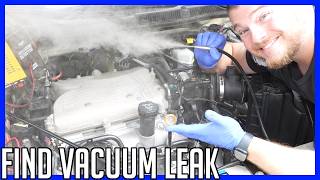
- If cleaning the throttle body doesn't work, the next step is to perform a smoke test to find a vacuum leak.
- A faulty EVAP purge solenoid is another likely culprit and should be tested.
What's Unique About the 2020-2020 Jeep WRANGLER
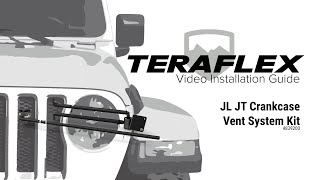
For the 2020 Jeep Wrangler (JL generation), the P0506 code is frequently a secondary code, not the root cause. Manufacturer Technical Service Bulletins (TSBs) repeatedly link P0506 to other codes, specifically P2172 (High Airflow/Vacuum Leak Detected) and P0441 (EVAP Purge System Performance). This strongly suggests that an un-metered air leak from a vacuum hose or a faulty EVAP system component is tricking the engine computer, leading to the low idle condition. Furthermore, TSB #1801220A specifically adds code P2C90, "Crankcase Ventilation System - Hose 'A' Disconnected," pointing to a known issue with PCV hoses becoming disconnected and causing a significant vacuum leak that triggers P0506.
Diagnostic Flowchart
Tap your situation to follow the diagnostic path that matches what you're seeing on this vehicle.
Symptoms You May Notice
- Rough or low idle, sometimes feeling like a 'stumble'.
- Engine stalling when coming to a stop or at idle.
- Hesitation or delayed acceleration from a stop.
- Check Engine Light is on.
- Jerking on acceleration (reported by owners with 2.0T engine).
- A pulsing sound from the intake or exhaust at idle.
- Replacing the entire electronic throttle body when it only needed to be cleaned.
- Replacing spark plugs or ignition coils, as the issue is typically related to unmetered air, not ignition.
- Focusing only on the P0506 code and not investigating accompanying codes like P2172 or P0441, which often point to the true root cause.
Most Likely Causes
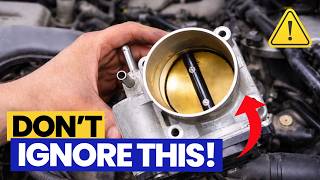
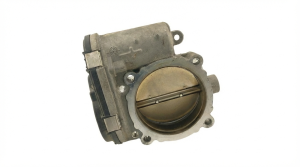
- Dirty Electronic Throttle Body (ETB) 🔴 High Probability → Shop Fuel Injection Throttle Body Carbon and oil vapor from the PCV (Positive Crankcase Ventilation) system can build up in the throttle body over time, restricting the small amount of air needed to maintain a proper idle. This is a very common issue across many modern vehicles.
How to confirm: Remove the air intake hose from the throttle body and visually inspect the throttle plate and bore for a black, sticky film of carbon.
Typical fix: Clean the throttle body bore and plate with a dedicated throttle body cleaner and a soft cloth or brush. Do not spray directly into the electronics. Several owner videos demonstrate this process.
Est. part cost: $5-$15 for cleaner - Vacuum Leak 🔴 High Probability As highlighted by multiple manufacturer TSBs, this code is often paired with vacuum leak codes like P2172. TSB #1801220A specifically calls out a disconnected crankcase ventilation hose (P2C90), which can be a direct cause. Leaks can also develop in the PCV hoses, intake manifold gaskets, or EVAP system lines.
How to confirm: The most effective method is to use a smoke machine to introduce smoke into the intake system and watch for where it escapes. A simpler but less precise method involves spraying carburetor cleaner around suspected leak points and listening for a change in engine idle. Visually inspect all vacuum and PCV hoses for cracks or disconnection, paying close attention to the crankcase ventilation hoses mentioned in TSBs.
Typical fix: Replace the cracked or disconnected hose, faulty gasket, or leaking component. The fix for TSB #1801220A involves securely reconnecting the specified crankcase ventilation hose.
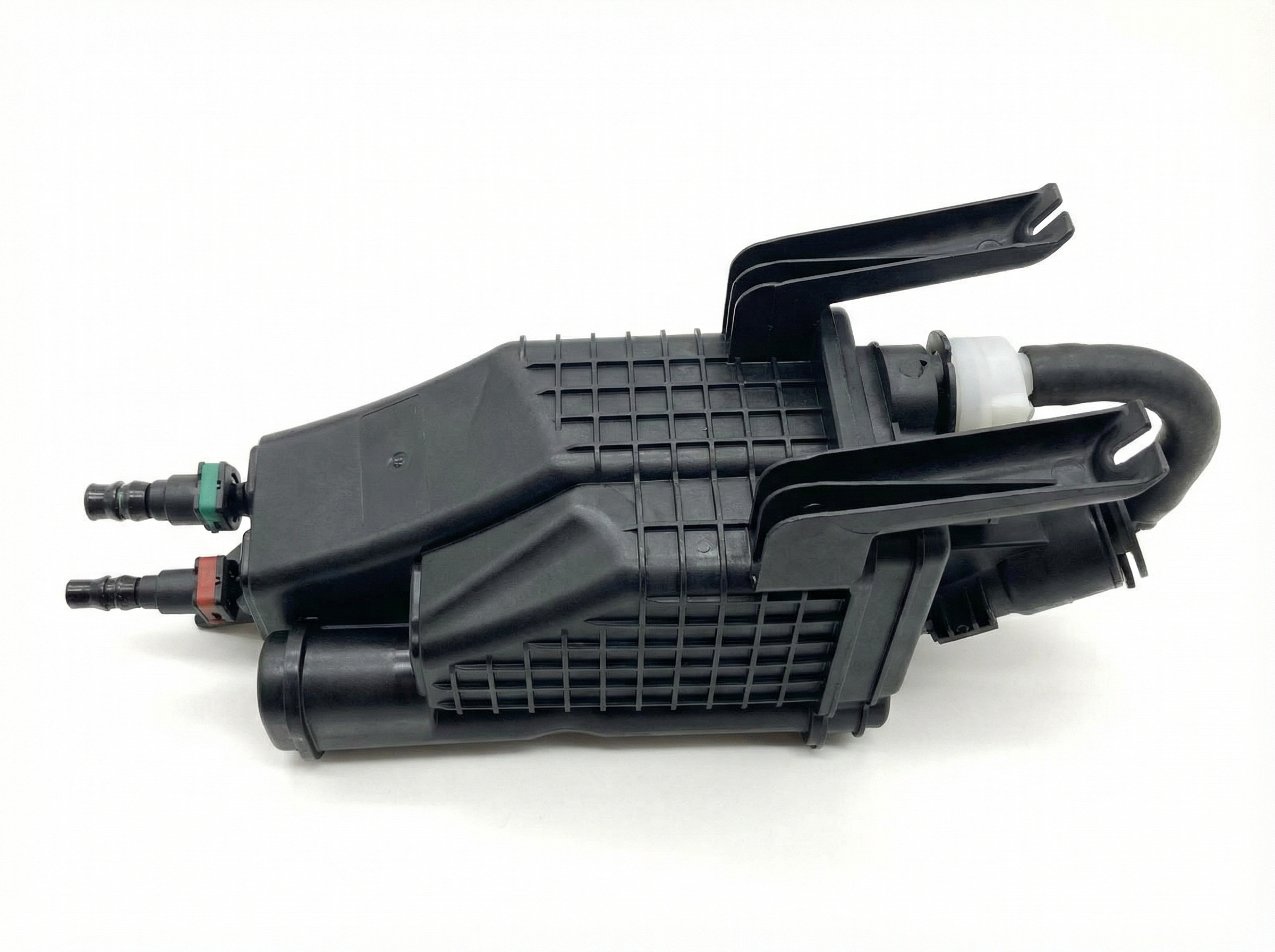
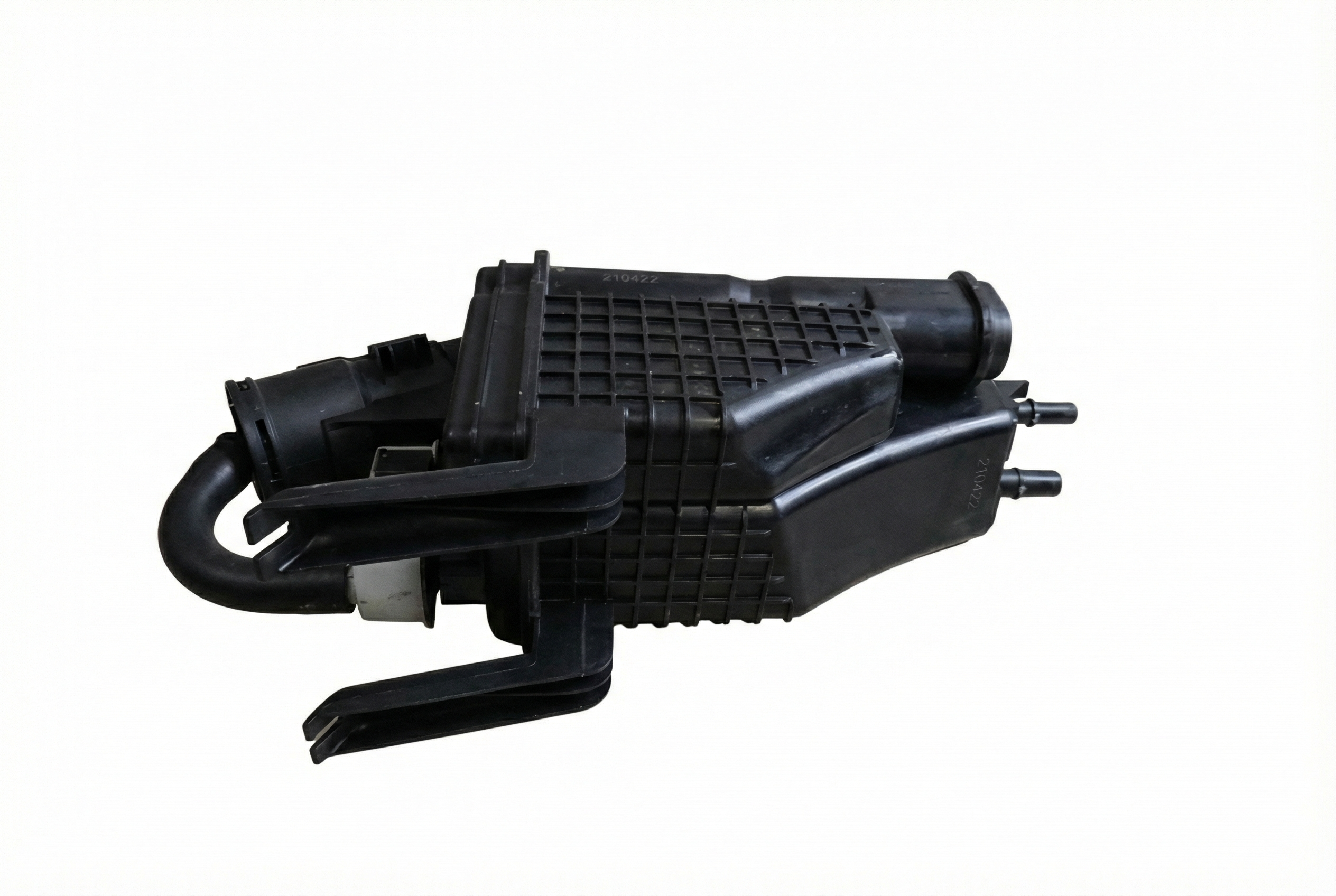
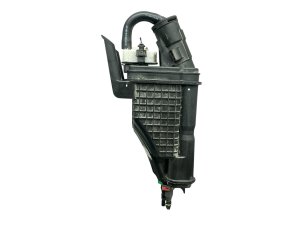
Est. part cost: $10-$100 depending on the part - Faulty EVAP Purge Solenoid/Valve 🟡 Medium Probability → Shop Vapor Canister TSBs link P0506 with EVAP code P0441. If the purge valve sticks open, it creates a constant vacuum leak, allowing un-metered air and fuel vapors into the intake manifold, which can disrupt the idle. This is a well-documented failure on many Jeep models.
How to confirm: With the engine running, disconnect the electrical connector and the vacuum line leading from the valve to the intake. Place your finger over the valve's port; if you feel suction, it is stuck open and faulty. A bidirectional scan tool can also command the valve to open and close to test its function.
Typical fix: Replace the EVAP purge solenoid. On the JL Wrangler, it is typically located on the passenger side of the engine, near the battery.
Est. part cost: $30-$100 - Disconnected or Faulty PCV System Hose 🟡 Medium Probability A PCV valve that is stuck open or, more specifically for the JL Wrangler, a disconnected crankcase ventilation hose (as per TSB #1801220A, code P2C90) will cause a significant vacuum leak, leading to a lean condition and a rough or low idle.
How to confirm: Visually inspect all PCV and crankcase ventilation hoses, especially where they connect to the air intake box and engine. A forum post for a similar code (P2C90) on a JL suggests the hose can be knocked off during air filter or intake maintenance.
Typical fix: Securely reconnect the disconnected hose. If the hose or the PCV valve itself is cracked or clogged, it should be replaced.
Est. part cost: $20-$50
Rare But Worth Checking
- Powertrain Control Module (PCM) Internal Fault: This is very rare, but it is mentioned in several TSBs for the 2020 Wrangler (often with code P0607). This should only be considered after all other possible causes, especially vacuum leaks and throttle body issues, have been thoroughly ruled out. A PCM replacement or re-flash would be required.
Diagnosis Steps
- Check for other diagnostic trouble codes. P0506 is often a symptom of another code, like P2172, P0441, or the very specific P2C90.
- Inspect the air intake system between the air filter and the throttle body for any loose clamps or cracked hoses.
- Specifically inspect the crankcase ventilation hoses for secure connections, as highlighted by TSB #1801220A and owner forums.
- Remove the intake duct from the throttle body. Inspect the throttle plate and bore for significant carbon buildup.
- If dirty, clean the throttle body thoroughly with a dedicated cleaner and a soft cloth. Do not spray directly into the electronics. An idle relearn procedure may be necessary after cleaning.
- If the code persists, perform a smoke test on the intake manifold and all connected vacuum and EVAP lines to check for leaks.
- Test the EVAP purge solenoid. It should be closed and hold a vacuum when the engine is off. If suction is felt at the port with the engine running, it is faulty.
- Inspect the PCV valve and its associated hoses for damage or blockage.
- If codes like P0607 are present and all other tests pass, investigate the possibility of a PCM issue as a last resort.
Parts You'll Likely Need
- Throttle Body Cleaner — This is the most common and least expensive first step, as carbon buildup is a frequent cause of a sticking throttle plate and low idle.
Trusted brands: CRC, Berryman
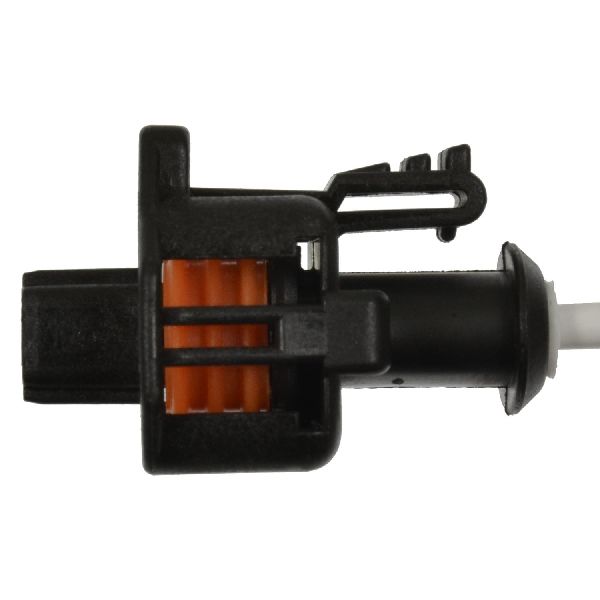
Aftermarket price range: $5-$15 - Canister Purge Valve / Solenoid
(OEM #68516862AD)— A common failure point that, when stuck open, creates a vacuum leak that directly causes low and rough idle, as noted in TSBs. Note: Part number searches show this fits 2021+ 6.4L V8 models; the correct part for a 2020 3.6L or 2.0T may differ, so verify with VIN.
Trusted brands: Mopar, Standard Motor Products, Gates
OEM price range: $100-$150
Aftermarket price range: $30-$80 - Vacuum Hoses — Rubber hoses, especially for the PCV/Crankcase Ventilation system, can crack or become disconnected, creating vacuum leaks that are a primary cause of P0506.
Trusted brands: Mopar, Continental
OEM price range: $20-$70
Aftermarket price range: $10-$40
Related Codes That Often Appear With This One
- P2172 — Indicates a vacuum leak has been detected, which is a primary cause of the un-metered air that leads to the P0506 low idle condition. This link is cited in TSB #1807023 and #1805322REVA.
- P0441 — Indicates a problem with the EVAP purge system. A stuck-open purge valve is a common source of the vacuum leak that triggers P0506, as noted in TSBs #1807023 and #1801922REVA.
- P2C90 — Specifically indicates that 'Crankcase Ventilation System - Hose A' is disconnected. This is a smoking gun for a large vacuum leak and is directly linked to P0506 in TSB #1801220A.
- P0607 — Indicates an internal performance issue with the ECU/PCM. While rare, TSB #1801320 notes it can appear alongside P0506, pointing to a potential control module fault.
Technical Service Bulletins (TSBs) & Recalls
- 1807023: Notes P0506 in conjunction with P2172 and P0441.
- 1801922REVA: Lists P0506 with P0441 and P0607.
- 1805322REVA: Connects P0506 with P2172 and P0441.
- 1805322: Also connects P0506 with P2172 and P0441.
- 1801320: Mentions P0506 may be set with P0607 (ECU Internal Performance).
- 1801220A: Connects P0506 with P0607 and P2C90 (Crankcase Ventilation System - Hose 'A' Disconnected).
Platform-Specific Known Issues
- Multiple Technical Service Bulletins for the 2020 Jeep Wrangler (including #1807023, #1801922REVA, and #1805322REVA) explicitly state that P0506 is often found with P2172 (High Airflow/Vacuum Leak Detected) and P0441 (EVAP Purge System Performance). This is a strong indicator from the manufacturer that the root cause is likely a leak in the vacuum or EVAP system, not a primary failure of the throttle body itself.
- TSB #1801220A adds another critical clue by linking P0506 to code P2C90, which translates to 'Crankcase Ventilation System - Hose A Disconnected'. This points to a specific, known failure point in the PC
Mechanic-Grade Diagnostic Values
- Manifold Absolute Pressure (MAP) Sensor Voltage at Idle — expected: 1.0V - 2.0V (Varies with engine load and atmospheric pressure). Failure: A significantly higher voltage at idle (e.g., >2.5V) can indicate a large vacuum leak, as the manifold pressure is closer to atmospheric pressure than it should be.
- Long-Term Fuel Trim (LTFT) at Idle — expected: Within +/- 10%. Failure: A high positive value (e.g., +15% or higher) indicates the PCM is adding a large amount of fuel to compensate for excess un-metered air, strongly suggesting a vacuum leak.
- Throttle Body Bolt Torque — expected: 80 in-lbs (9 N·m). Failure: Improper torque can lead to a poor seal and create a vacuum leak at the throttle body base.
Hidden / Shadow Codes Worth Checking
- $07E8: This is not a separate fault code but a generic identifier used by some OBD-II scanners to indicate which engine control module is reporting the code (in this case, the primary ECM). The actual fault is the P-code that follows, such as P0506. (see via Appears on some aftermarket OBD-II scan tools preceding the primary DTC.)
Scan Tool Commands That Help
- wiTECH (or equivalent professional scan tool): Throttle Body Relearn / ETC Relearn — This function should be performed after cleaning or replacing the electronic throttle body. It forces the PCM to find the new minimum and maximum positions of the throttle plate, which is essential for correct idle speed control. Failure to perform this can cause the P0506 code to persist even after a physical repair.
- Manual Procedure (No Scan Tool): Idle Relearn Procedure — After cleaning the throttle body or disconnecting the battery, a manual relearn can be attempted. Disconnect the negative battery terminal for 30 minutes. Reconnect the terminal, turn the ignition to the 'ON' position (without starting) for 2 minutes to allow the PCM to recognize the throttle values, then turn off. Start the engine and let it idle for 10-15 minutes to fully warm up and learn the new idle parameters.
Wiring & Ground Locations
- PCM Ground Strap — The Powertrain Control Module (PCM) is located in the engine bay on the driver's side, near the firewall. A critical ground strap is secured by one of the PCM's own mounting bolts.. A loose or corroded PCM ground can cause a host of erratic electronic issues, including incorrect sensor readings and improper idle control commands, potentially triggering P0506 or the related P0607 (ECU Performance) code.
- Engine Bay Ground Points — The JL Wrangler has multiple key grounding studs in the engine bay. One is on the driver's side near the brake booster, and several are on the passenger side near the battery and airbox.. The throttle body and its associated sensors rely on a clean ground path to the chassis. Corrosion or looseness at these main grounding points can interfere with the signals needed for stable idle control.
Real Owner Repair Stories
- jlwranglerforums.com user (2020 Jeep Wrangler Rubicon 2.0T) — Check Engine Light with codes P0506 and P2C90.
❌ Tried (didn't work) Initial dealer diagnosis did not find the cause.
✅ What actually fixed it The owner found a hose on the bottom of the airbox was completely disconnected. After securely reconnecting the hose, the check engine light and codes cleared. This is a direct confirmation of the issue described in TSB #1801220A. - jlwranglerforums.com user (2020 Jeep Wrangler Rubicon 2.0T with 60k miles) — Check Engine Light with code P0506 $07E8, no noticeable performance issues.
❌ Tried (didn't work) The code was stored as 'permanent' and could not be immediately cleared by a basic scanner.
✅ What actually fixed it The owner replaced a very dirty engine air filter. The code self-cleared after the repair, suggesting the air restriction was significant enough to affect the idle calculation.
Helpful Videos
Used OEM Parts in Stock
New Aftermarket Parts Available




The information in this article is provided for general reference and educational purposes only. Vehicle specifications, procedures, and part compatibility can vary by production date, trim level, and region. Always consult your vehicle's factory service manual and verify part numbers before purchasing or performing repairs. Safety-critical components such as airbags, seat belts, and braking systems should be installed by a qualified professional.
- Jeep WRANGLER:
- 🧭 Diagnostic Flowchart
- 🎬 Helpful Videos
- 🛍️ Shop This Part
- What's Unique About the 2020-2020 Jeep WRANGLER
- Symptoms You May Notice
- Most Likely Causes
- Rare But Worth Checking
- Diagnosis Steps
- Parts You'll Likely Need
- Related Codes That Often Appear With This One
- Technical Service Bulletins (TSBs) & Recalls
- Platform-Specific Known Issues
- Mechanic-Grade Diagnostic Values
- Hidden / Shadow Codes Worth Checking
- Scan Tool Commands That Help
- Wiring & Ground Locations
- Real Owner Repair Stories
- 🎟️ Get 5% Off