

P0506 on 2011-2015 Kia Optima 2.0T GDI: Low Idle Causes and Fixes
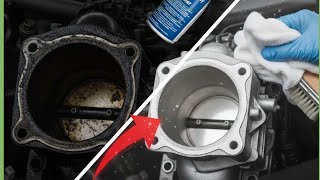
On a 2011-2015 Kia Optima with the 2.0T GDI engine, code P0506 is almost always caused by carbon buildup inside the electronic throttle body. The fix is typically a DIY-friendly cleaning of the throttle body, costing under $20 for a can of cleaner. An idle relearn procedure is recommended after cleaning.
- P0506 on this specific Kia Optima almost always points to a dirty electronic throttle body.
- The most effective first step is a thorough cleaning of the throttle body, which is a low-cost and DIY-friendly job.
- This issue is a common characteristic of the GDI engine design; it is a maintenance item, not necessarily a sign of a major failure.
- Ignoring the code can lead to stalling in traffic, which is a safety hazard.
- Do not confuse this issue with unrelated engine recalls for bearing failure on the same engine.
What's Unique About the 2011-2015 Kia Optima
The Kia Optima's Theta II 2.0T GDI is a direct-injection engine. This design sprays fuel directly into the cylinders, meaning gasoline and its detergents never wash over the intake tract and throttle body. As a result, oil vapor and carbon from the Positive Crankcase Ventilation (PCV) system can bake onto the throttle plate and bore, causing it to stick. This is a very common maintenance issue for this specific engine family, making P0506 a frequent and well-documented complaint that often requires cleaning every 40,000 to 60,000 miles.
Symptoms You May Notice
- Check Engine Light is on
- Engine idle speed is noticeably lower than normal (e.g., dropping below 700 RPM at stops)
- Rough or shaky idle
- Engine may stall when coming to a stop or when the A/C is turned on
- Slightly delayed throttle response
- Engine may idle erratically in some cases
- Replacing the spark plugs or ignition coils. While these can cause a rough idle, they typically won't cause the idle RPM to be consistently low and set a P0506 code.
- Looking for a separate Idle Air Control (IAC) valve. This engine does not have one; the function is integrated into the electronic throttle body.
Most Likely Causes
- Dirty Electronic Throttle Body 🔴 High Probability → Shop Fuel Injection Throttle Body The GDI engine design allows oil and carbon from the PCV system to build up in the intake and on the throttle plate, as fuel does not wash it clean. This is the most common cause reported by owners and mechanics.
How to confirm: Remove the air intake hose connected to the throttle body and visually inspect the throttle plate and bore for a thick, black, sticky layer of carbon. The buildup is often worst on the side facing the intake manifold.
Typical fix: Remove the throttle body from the intake manifold (typically four bolts) and clean it thoroughly on both sides of the plate and the bore using a dedicated throttle body cleaner and a soft brush or rag.
Est. part cost: $10-$20 - Failed Electronic Throttle Body Assembly ⚪ Low Probability → Shop Fuel Injection Throttle Body While less common than being dirty, the internal electric motor or position sensors can fail over time.
How to confirm: If a thorough cleaning does not resolve the code and low idle, and the wiring is confirmed to be good, the throttle body itself is the likely culprit. A scan tool can be used to monitor throttle position sensor data for erratic readings.
Typical fix: Replace the entire electronic throttle body assembly. An idle relearn procedure is required after installation.
Est. part cost: $150-$400 - Vacuum Leak ⚪ Low Probability Hoses and gaskets can become brittle with age and heat cycles.
How to confirm: Listen for hissing sounds around the engine bay at idle. A smoke test is the most effective method, where smoke is fed into the intake system to reveal the source of any leaks.
Typical fix: Replace the cracked hose, leaking gasket (e.g., intake manifold gasket), or faulty component causing the leak.
Est. part cost: $5-$100
Rare But Worth Checking
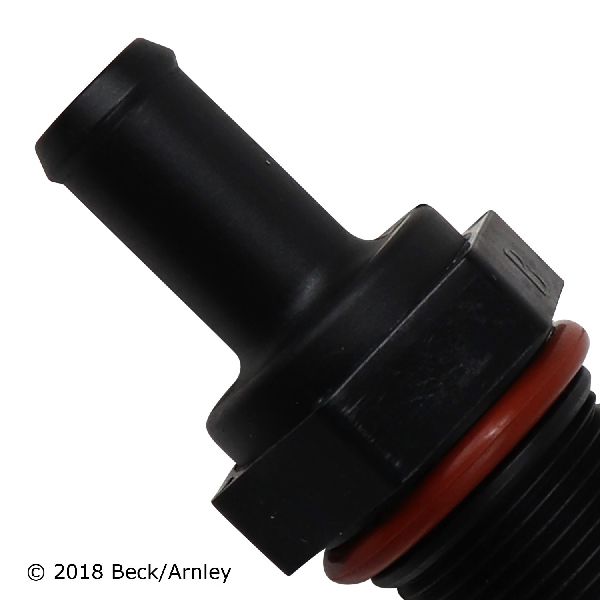
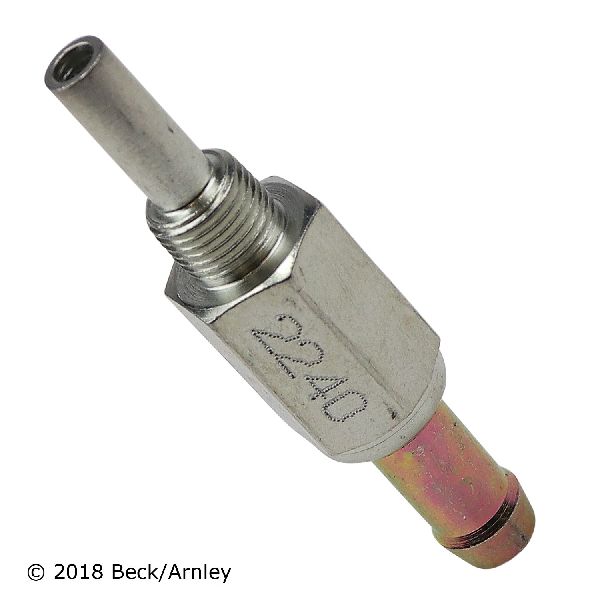
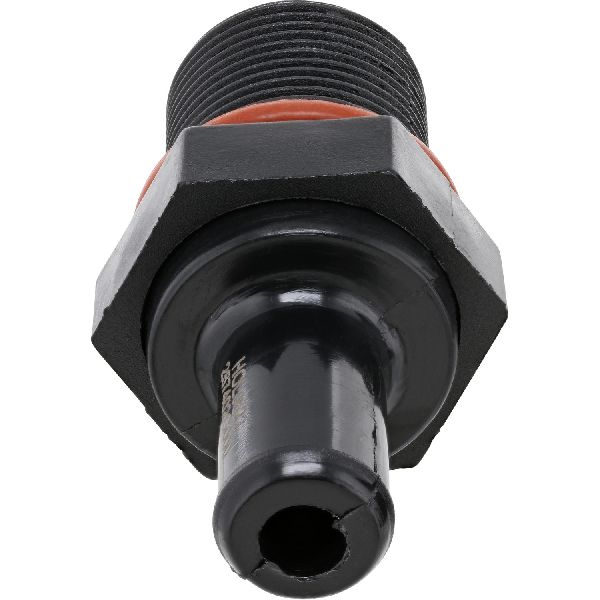
- Faulty PCV Valve: → Shop PCV Valve A stuck-open PCV valve can worsen the carbon buildup problem by allowing excessive oil into the intake. It's an inexpensive part to replace as preventative maintenance while addressing the P0506 code.
Diagnosis Steps
- Confirm the P0506 code is present using an OBD-II scanner.
- Turn the engine off and allow it to cool.
- Remove the plastic engine cover and the large flexible air duct that runs from the air filter box to the throttle body.
- Visually inspect the inside of the throttle body for black carbon buildup. This is the most likely cause.
- If significant buildup is found, remove the throttle body (typically held by four 10mm bolts and an electrical connector).
- Thoroughly clean the throttle body bore and both sides of the throttle plate with a dedicated throttle body cleaner and a soft cloth or brush. Do not use harsh tools that could scratch the metal.
- Reinstall the throttle body and air intake components.
- Perform an idle relearn procedure. This can be done with a capable scan tool by selecting the 'Throttle Relearn' or 'Reset Adaptive Values' function. A manual method is to disconnect the negative battery terminal for 15-30 minutes, reconnect it, turn the key to the 'ON' position (without starting) for 10 seconds, turn it off for 10 seconds, and then start the engine and let it idle for 5-10 minutes to stabilize.
- If the code returns after cleaning, inspect all vacuum lines connected to the intake manifold for cracks or loose connections.
- If no vacuum leaks are found and cleaning did not work, the electronic throttle body assembly itself has likely failed and requires replacement.
Parts You'll Likely Need
- Electronic Throttle Body Cleaner — This is required to dissolve the carbon and oil buildup that is the most common cause of P0506 on this GDI engine.
Trusted brands: CRC, Berryman, Gumout
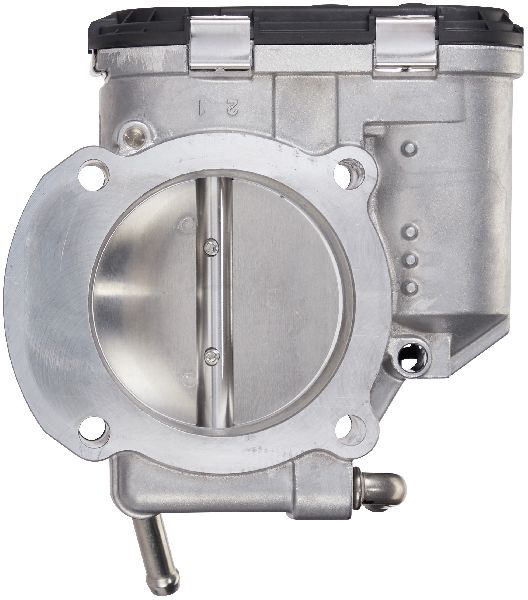
Aftermarket price range: $10-$20 - Electronic Throttle Body Assembly
(OEM #35100-2G710)— If cleaning does not resolve the issue, the throttle body's internal motor or sensors have likely failed and the complete assembly must be replaced. This part number is confirmed for the 2.0L Turbo Optima and Sportage. Always verify with VIN.
Trusted brands: Kia (OEM), Bosch
OEM price range: $300-$450
Aftermarket price range: $150-$250 - PCV Valve
(OEM #26740-2G000)— A faulty PCV valve can accelerate the carbon buildup that causes P0506. It is often replaced as a low-cost preventative measure.
Trusted brands: Kia (OEM)
OEM price range: $15-$30
Aftermarket price range: $10-$20
Related Codes That Often Appear With This One
- P0507 — P0507 (Idle Air Control System RPM Higher Than Expected) can be caused by the same issue. A sticky throttle body can get stuck slightly open (causing high idle) or struggle to open from a closed position (causing low idle).
Technical Service Bulletins (TSBs) & Recalls
- No TSBs were found specifically for P0506. TSBs for this engine regarding bearing failure (SC147) or EVAP leaks (SA447 for P0456) are unrelated to this idle control code. Another TSB, ENG160R1, addresses sensitive ECU logic for code P0420 but is not related to P0506.
Platform-Specific Known Issues
- The Theta II GDI engine family is known for issues related to carbon buildup on intake valves and in the throttle body due to the nature of direct injection.
- This engine platform was subject to a major safety recall (SC147) for premature connecting rod bearing wear that could lead to complete engine seizure. While unrelated to the cause of P0506, it is a critical issue for any owner of this vehicle.
Mechanic-Grade Diagnostic Values
- Target Idle RPM (no-load, engine at operating temp) — expected: 600-800 RPM. Failure: Consistently idling below ~600 RPM, often accompanied by stalling.
- Throttle Position Sensor (TPS) Resistance — expected: No specific values for the 2011-2015 Optima 2.0T were found in public documentation. Testing typically involves checking for a smooth sweep of resistance as the throttle plate is moved, rather than hitting a specific number.. Failure: Spikes, dropouts, or open circuits when measuring resistance while manually (and slowly) opening the throttle plate.
Scan Tool Commands That Help
- Kia GDS (or capable aftermarket): Reset Adaptive Values — This function, often found under 'Vehicle S/W Management', is critical to perform after cleaning or replacing the throttle body. It erases the PCM's learned values for the old, dirty throttle plate position, preventing the idle from being too high or low after the repair.
- Kia GDS (or capable aftermarket): Active Test: ETC Motor — This is a bidirectional command that allows a technician to command the throttle plate motor to open and close. It is used to verify that the motor is physically capable of moving and is not seized or binding, isolating the problem to either the component or the control circuit.
Wiring & Ground Locations
- Throttle Body Connector — On the Electronic Throttle Body assembly, located between the air intake duct and the intake manifold.. The connector has 6 pins. A loose connection, corrosion on the pins, or damage to the harness pigtail can interrupt the signal between the PCM and the throttle body's motor and position sensors, causing P0506 or other throttle-related codes.
"I Checked Everything" — The Actual Cause
- A common scenario is the P0506 code returning immediately after a thorough throttle body cleaning. This is not a failed part or a vacuum leak, but a procedural error. The technician or owner failed to perform the 'Reset Adaptive Values' or 'Throttle Relearn' procedure. The PCM is still trying to command the throttle based on the old data from when it was clogged with carbon, causing it to close the new, clean throttle plate too much and triggering the low idle code again.
OEM Part Supersession History
35100-2G710→35100-2G710— No supersession found. This part number appears to be consistent for the specified vehicle and engine throughout its production.
Heads up: Be aware that the throttle body for the 2.4L GDI engine (often part number 35100-2G700) is a different part. While it may look similar, it is not interchangeable. Always verify the part number on the existing component or with a VIN before ordering.
Model Year Variations Within This Range
- 2014-2015: The Kia Optima received a mid-cycle refresh for the 2014 model year, which included cosmetic updates, new wheel designs, and revised suspension tuning. However, the 2.0L Turbo GDI engine and its electronic throttle control system remained fundamentally the same, meaning the diagnosis and repair for P0506 are consistent across the entire 2011-2015 range.
Diagnostic Flowchart
Other Known Issues on This Vehicle
Issues unrelated to this code that are worth knowing about as an owner of this generation:
- Catastrophic Engine Failure (Connecting Rod Bearing) 🔴 High — Widespread across 2011-2014 models. Can occur at any mileage, often before 100,000 miles. Led to class-action lawsuits and a lifetime warranty extension for many owners. (Ref: Recall SC147 / NHTSA 17V-224. Dealers inspect and replace the engine block if necessary.)
- Intake Valve Carbon Buildup 🟠 Medium — Very common, typically noticeable between 60,000 and 100,000 miles. Causes rough idle, misfires (P0300-P0304), and power loss. This is a separate issue from the throttle body carbon that causes P0506, though related to the GDI design. (Ref: No specific recall, but Kia issued TSB-022 recommending only Techron fuel system cleaner. The primary fix is manual walnut blasting of the intake ports.)
- Hydraulic Electronic Control Unit (HECU) Fire Risk 🔴 High — Affects a wide range of 2011-2015 Optimas. A short circuit can occur inside the HECU, potentially causing an engine compartment fire while parked or driving. (Ref: Recall SC197 / NHTSA 20V-519)
- Steering Pull or Wander 🟡 Low — Common complaint from owners, where the vehicle may pull to one side or feel unstable at highway speeds, requiring constant correction.
Used vs. New Parts: Buying Guide for This Vehicle
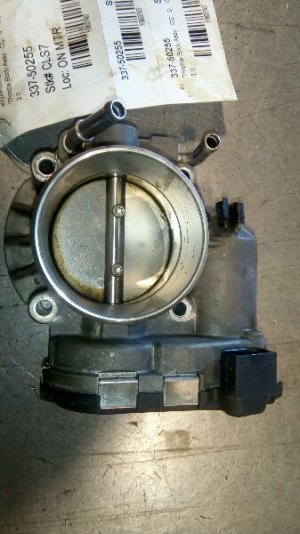
When a used part is the smart pick: A used OEM throttle body is a reasonable choice if the vehicle is out of warranty and budget is a primary concern. Since the most common failure is cleanable carbon buildup, a used part from a low-mileage, non-sludged engine can offer significant savings over a new OEM unit.
Donor-vehicle mileage cap: roughly under 80000 miles for the part to have meaningful remaining life.
What to inspect on the donor part:
- Verify the part number on the housing is 35100-2G710.
- Inspect the electrical connector for bent or corroded pins.
- Check for physical damage to the aluminum housing or plastic connector.
- If possible, look into the bore. Minimal carbon is ideal; heavy, wet oil may indicate a donor engine with significant blow-by issues.
- Ensure the throttle plate is not bent and moves freely when pushed gently (with the unit unpowered).
OEM-only on this vehicle (don't cheap out):
- Electronic Throttle Body Assembly
Aftermarket brands forum-validated for this vehicle:
- Bosch (Often an OEM supplier)
- Dorman (Specifically their 'OE FIX' line, which sometimes includes design improvements, though user reviews should be checked)
Brands owners have reported issues with on this vehicle:
- Unnamed, no-brand units from online marketplaces. These often have issues with sensor calibration and longevity, leading to repeat repairs. Forum consensus generally advises against them for critical electronic components.
Real Owner Stories
Aggregated from forums and TSBs cited above. Mileages and costs reflect what owners reported in those sources.
2011-2015 Kia Optima 2.0T GDI
Symptoms: Rough idle and stalling when coming to a stop.
What fixed it: Cleaning the throttle body thoroughly.
Source hint: Reddit r/askcarguys - 'Got a P0506 code - "idle control system RPM lower than expected"?'
2011-2015 Kia Optima 2.0T GDI
Symptoms: P0506 code present; a mechanic incorrectly replaced the idle air control valve (which this car does not have as a separate unit).
What fixed it: Cleaning the throttle body; idle RPM stabilized around 700 RPM afterward.
Source hint: Reddit r/MechanicAdvice - 'Can someone please give me an answer? This is driving me crazy.'
Kia Sorento (Cross-Platform Reference)
Symptoms: An owner reported a situation where multiple codes appeared including P0506, P0087, P2096, and a full range of misfire codes from P0300 to P0306.
What fixed it: Diagnostic records indicate these codes can sometimes disappear or fluctuate, as noted in NHTSA ODI #11513767.
Source hint: NHTSA ODI #11513767
Kia Sorento (Cross-Platform Reference)
Symptoms: Vehicle owner experienced fear while driving on the highway after the car started showing codes P0506 and P0087, followed by P2096 and misfire codes P0300 through P0306.
What fixed it: The owner sought professional advice after multiple parts failed to resolve the recurring issues described in NHTSA ODI #11499800.
Source hint: NHTSA ODI #11499800
Related OBD-II Codes
Frequently Asked Questions
Does the major engine recall SC147 for the Theta II 2.0T GDI cover the P0506 idle issue?
Can I just use fuel system cleaner like Techron to fix this code on my Optima?
Is there a specific TSB for P0506 on the 2011-2015 Kia Optima?
What is the correct replacement part number for the throttle body if cleaning doesn't work?
How do I perform an idle relearn on my Optima after cleaning the throttle body?
Why is my GDI engine more prone to this P0506 code than other cars?
Helpful Videos

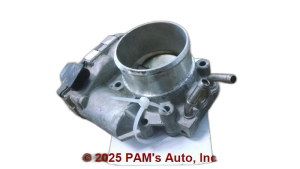
Used OEM Parts in Stock
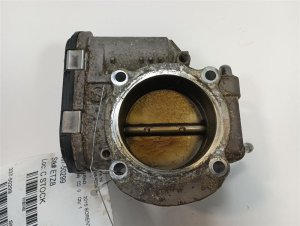
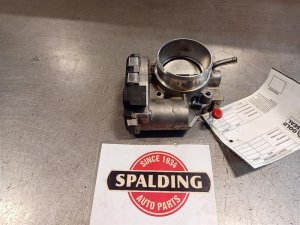
New Aftermarket Parts Available


The information in this article is provided for general reference and educational purposes only. Vehicle specifications, procedures, and part compatibility can vary by production date, trim level, and region. Always consult your vehicle's factory service manual and verify part numbers before purchasing or performing repairs. Safety-critical components such as airbags, seat belts, and braking systems should be installed by a qualified professional.
- Kia Optima:
- 🧭 Diagnostic Flowchart
- 🎬 Helpful Videos
- 🛍️ Shop This Part
- What's Unique About the 2011-2015 Kia Optima
- Symptoms You May Notice
- Most Likely Causes
- Rare But Worth Checking
- Diagnosis Steps
- Parts You'll Likely Need
- Related Codes That Often Appear With This One
- Technical Service Bulletins (TSBs) & Recalls
- Platform-Specific Known Issues
- Mechanic-Grade Diagnostic Values
- Scan Tool Commands That Help
- Wiring & Ground Locations
- "I Checked Everything" — The Actual Cause
- OEM Part Supersession History
- Model Year Variations Within This Range
- Other Known Issues on This Vehicle
- Used vs. New Parts: Buying Guide for This Vehicle
- Real Owner Stories
- 2011-2015 Kia Optima 2.0T GDI
- 2011-2015 Kia Optima 2.0T GDI
- Kia Sorento (Cross-Platform Reference)
- Kia Sorento (Cross-Platform Reference)
- Related OBD-II Codes
- Frequently Asked Questions
- 🎟️ Get 5% Off