

P0506 on 1994-1998 Saab 900: Causes and Fixes for Low Idle Speed
On a 1994-1998 Saab 900, code P0506 is most often caused by a dirty Idle Air Control (IAC) valve that needs cleaning or aged, cracked vacuum hoses creating a leak. Cleaning the IAC valve and throttle body is a common, low-cost first step that often resolves the issue. Also, inspect for a binding throttle linkage, which was subject to a safety recall.
- P0506 on an NG900 is almost always an air management issue at idle, not a fuel or spark problem.
- The top two causes are a dirty/sticking Idle Air Control (IAC) valve and cracked, old vacuum hoses. Both are inexpensive to address.
- Always clean the throttle body at the same time as the IAC valve for best results.
- Before replacing any parts, perform a thorough visual inspection and a smoke test for vacuum leaks, paying special attention to the PCV system.
- On 1994-1997 models, check for a binding throttle linkage per NHTSA recall 97V046000, as this can mimic P0506 symptoms.
What's Unique About the 1994-1998 Saab 900
The 1994-1998 'New Generation' Saab 900 (NG900) uses a separate, robust Bosch Idle Air Control (IAC) valve rather than a fully integrated electronic throttle body found on newer cars. While these valves are reliable, they are very susceptible to carbon and oil buildup, which causes them to stick. Furthermore, the rubber vacuum hoses used on this platform are now decades old and are a very common failure point, becoming brittle and cracked, leading to the unmetered air leaks that can trigger this code. Critically, 1994-1997 models were subject to NHTSA recall 97V046000 for a throttle lever bushing that could corrode and bind, preventing the throttle from returning to idle properly and causing stalling or unintended acceleration.
Symptoms You May Notice
- Check Engine Light is on
- Engine idle speed is noticeably low or rough (often below 700 RPM)
- Engine stalls when coming to a stop, or when the A/C is turned on
- Hesitation when accelerating from a stop
- Unstable or 'hunting' idle speed
- Engine is difficult to start without giving it some throttle
- Stalling immediately after refueling (can indicate a related EVAP system issue)
- Replacing the IAC valve without first checking for vacuum leaks. A vacuum leak can cause identical symptoms and is a very common and inexpensive issue to fix on this vehicle.
- Replacing the IAC valve when the actual problem is a heavily carbon-fouled throttle body bore, which restricts the base airflow.
Most Likely Causes
- Dirty or Sticking Idle Air Control (IAC) Valve 🔴 High Probability → Shop Idle Air Control Valve The PCV system can route oil vapor and carbon into the intake, which builds up inside the IAC valve over time, causing the internal shutter to stick and preventing fine adjustments to idle airflow. This is the most common failure point.
How to confirm: Remove the IAC valve (typically located on or near the throttle body, connected by two hoses and an electrical connector). Inspect the internal passages for black, gummy deposits. The valve should be clean internally. A stuck valve will not allow sufficient air to bypass the throttle plate at idle.
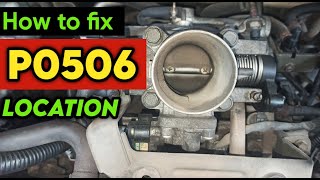
Typical fix: Thoroughly clean the IAC valve and its corresponding passages in the throttle body with throttle body or carburetor cleaner and a soft brush until the internal components move freely. Some owners apply a very light coat of synthetic oil after cleaning, allowing excess to drip out. If cleaning does not resolve the issue, the valve must be replaced. 🎬 Watch: Troubleshooting and fixing common Idle Air Control system issues.
Est. part cost: $0 (for cleaning), $60-$180 (for replacement valve) - Vacuum Leaks 🔴 High Probability The original rubber vacuum hoses are old and prone to cracking and becoming brittle from age and engine heat. A leak of unmetered air into the intake manifold disrupts the air-fuel ratio and idle control. A particularly common failure point is the PCV hose grommet in the valve cover.
How to confirm: Visually inspect all small (4mm) vacuum hoses for cracks or disconnections, especially around the intake manifold, throttle body, and the PCV system. A smoke test is the most effective method to pinpoint leaks from hoses, the intake manifold gasket, or other seals. Spraying carburetor cleaner near suspected leak points while the engine is running can also work; a change in idle indicates a leak.
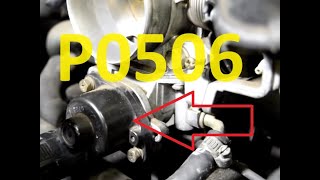
Typical fix: Replace the cracked or leaking vacuum hoses. It is often recommended to replace all of them at once using durable silicone tubing. The PCV valve cover grommet should be inspected 🎬 Watch: A breakdown of the causes and fixes for P0506. and replaced if it is hard or cracked.
Est. part cost: $15-$40 - Dirty Throttle Body 🟡 Medium Probability → Shop Fuel Injection Throttle Body Similar to the IAC valve, the throttle body and plate can accumulate a ring of carbon, restricting the base airflow when the throttle is closed. This forces the IAC valve to work outside its intended range and can prevent the throttle plate from closing consistently.
How to confirm: Remove the main intake hose from the throttle body. Inspect the throttle plate and the bore for a thick ring of black carbon buildup, especially where the plate rests at idle.
Typical fix: Clean the throttle plate and bore using throttle body cleaner and a soft cloth or brush. Ensure you clean both sides of the plate and the bore itself. Do not use abrasive materials.
Est. part cost: $5-$10 (for cleaner)
Rare But Worth Checking
- Binding Throttle Linkage (NHTSA Recall 97V046000): On 1994-1997 models, the throttle control lever bushing can corrode, causing the throttle to stick and not return fully to the idle position. This can lead to stalling or erratic idle. This was a safety recall and should be inspected.
- Faulty IAC Valve Electrical Circuit: While less common than a dirty valve, a break in the wiring or a bad connection at the connector can prevent the ECU from controlling the valve. However, the Saab WIS notes that a complete electrical break often results in a default high idle (around 1000 RPM), not a low idle.
- Clogged PCV System: A blocked Positive Crankcase Ventilation (PCV) valve or hose can alter crankcase pressure and create an internal vacuum leak or restrict airflow, affecting idle stability. A related TSB for later models highlights the importance of a clean PCV system on Saabs.
- Leaking Brake Booster / Servo: A leak in the brake booster or its vacuum hose can create a significant vacuum leak that is most noticeable at idle. The Saab WIS suggests this as a potential check.
- Faulty Power Steering Pressure Switch: This switch is supposed to signal the ECU to slightly increase idle speed when the steering is turned at a standstill. A faulty switch can fail to provide this signal, contributing to a low or stalling idle during parking maneuvers.
Diagnosis Steps
- Scan for any other stored trouble codes. 🎬 See this guide on understanding the P0506 OBD2 code. Address codes for the throttle position sensor, MAF sensor, or system lean (P0171) first.
- With the engine running, listen for an audible hissing sound around the engine bay, which could indicate a large vacuum leak.
- Inspect the throttle cable and linkage to ensure it is not binding and returns to its stop screw freely. On 1994-1997 models, specifically check for corrosion or binding related to NHTSA recall 97V046000.
- Perform a smoke test to definitively check for vacuum leaks from any hoses, the intake manifold gasket, or seals. Pay close attention to the 4mm vacuum lines, the PCV hose grommet on the valve cover, and the brake booster hose.
- Remove the intake ducting from the throttle body. Inspect the throttle bore and plate for carbon buildup. If dirty, clean it thoroughly with throttle body cleaner.
- Locate and remove the Idle Air Control (IAC) valve. It is a cylindrical silver component (Bosch P/N 0280140516) with two large hose ports and one electrical connector.
- Inspect the inside of the IAC valve for carbon buildup. Thoroughly clean it and the throttle body passages it connects to with an appropriate cleaner until all deposits are gone and the internal mechanism moves freely.
- Reinstall the cleaned IAC valve and throttle body. Clear the trouble code and perform an idle relearn procedure: disconnect the negative battery terminal for 15 minutes, reconnect, start the engine without touching the throttle, and let it idle until it reaches full operating temperature (cooling fans cycle on). Then perform a short test drive.
- If the issue persists, check for power and a PWM signal at the IAC valve connector using a multimeter to rule out a wiring issue. Note that a complete circuit failure often causes a high idle, not a low one.
- If all other possibilities are exhausted, the IAC valve itself may have failed electronically and requires replacement.
Parts You'll Likely Need
- Idle Air Control Valve
(OEM #7586019)— This valve gets stuck from carbon buildup, which is the most common cause of P0506. Cleaning often works, but replacement is necessary if the valve is electrically faulty or too worn.
Trusted brands: Bosch (OEM P/N: 0280140516)
OEM price range: $120-$180
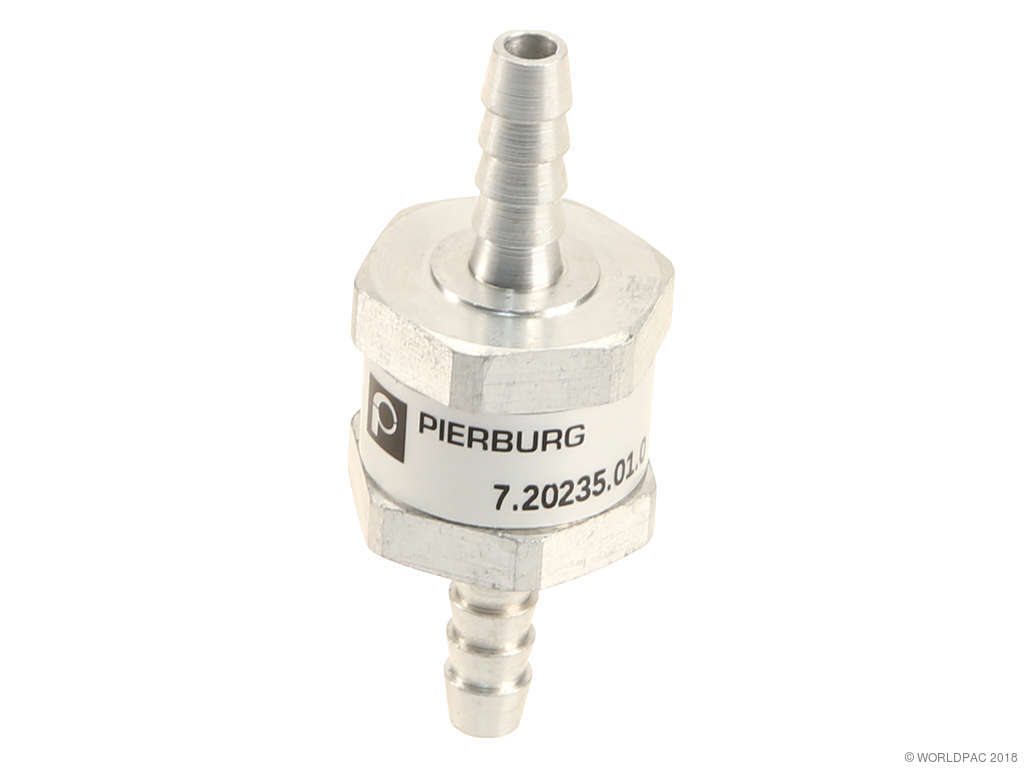
Aftermarket price range: $60-$100 - Silicone Vacuum Hose (4mm)
(OEM #Replaces various, e.g., 9136243)— The original rubber hoses become brittle and crack, causing vacuum leaks that lead to idle issues. Replacing them is a cheap and effective preventative fix. A 10ft roll is usually sufficient.
OEM price range: $15-$20 (for 10ft roll)
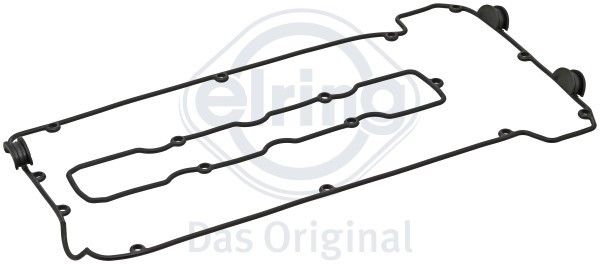
Aftermarket price range: $15-$20 (for 10ft roll) - PCV Valve Cover Grommet
(OEM #7515190 / 9549593)— This rubber grommet where a PCV hose enters the valve cover becomes hard and brittle, creating a common vacuum leak point.
Trusted brands: Genuine Saab, Proparts Sweden
OEM price range: $5-$10
Aftermarket price range: $5-$10
Related Codes That Often Appear With This One
- P0171 —
Technical Service Bulletins (TSBs) & Recalls
- TSB 210-2418 ed. 4: While for the later 9-3 with B205/B235 engines, this TSB details a required update to the PCV system to prevent sludge and oil leaks. It highlights the known sensitivity of Saab engines to crankcase ventilation issues, which can manifest as idle problems on the NG900.
Platform-Specific Known Issues
- NHTSA Recall 97V046000: Binding Throttle Linkage: A safety recall was issued for 1994-1997 Saab 900 models because the zinc-coated throttle control lever bushing was prone to corrosion. This corrosion can cause the throttle lever to bind, preventing it from returning to the idle position. This can result in a failure to return to idle, or stalling. Any diagnosis of idle problems on these years should include an inspection of the throttle linkage for free movement.
- PCV System Weaknesses: The crankcase ventilation system on these engines is known to be a source of problems. Hoses and check valves can clog or split, and the rubber grommet (P/N 7515190) where the hose enters the valve cover is a very common place for a vacuum leak to develop as it hardens with age. A poorly functioning PCV system not only causes vacuum leaks but also increases the amount of oil vapor sent to the intake, accelerating the contamination of the IAC valve and throttle body.
Mechanic-Grade Diagnostic Values
- IAC Valve PWM Signal Test — expected: The valve should show smooth, progressive shutter movement when a 500 Hz PWM signal is applied with varying duty cycle (e.g., 25% to 75%). The valve should not stick or jump.. Failure: No movement, jerky movement, or getting stuck at certain duty cycles indicates a faulty valve. Do NOT apply a direct 12V to the terminals, as this can burn out the internal coil.
Scan Tool Commands That Help
- Manual Procedure (No Scanner): Idle Adaptation / Relearn Procedure — Required after cleaning/replacing the IAC valve or throttle body, or after disconnecting the battery, to allow the ECU to relearn the base idle parameters. Failure to do this can result in a continued or new idle problem. The procedure involves disconnecting the battery for 15+ minutes, then starting the engine without touching the throttle and letting it idle up to operating temperature.
Wiring & Ground Locations
- G2 — On the left-hand structural member in the engine bay, located behind the battery.. This is a primary chassis ground. Corrosion or a loose connection here can cause a variety of difficult-to-diagnose electrical issues, including erratic sensor and actuator behavior.
- G25 — Main battery ground connection on the gearbox housing.. This is the primary engine/drivetrain ground. A poor connection can affect all engine management components, including the Trionic ECU's ability to properly control the IAC valve.
- G7S / G7P — Engine-specific grounds for Signal (G7S) and Power (G7P). The Trionic 5 wiring harness for the injectors, IAC, and sensors runs under the intake manifold.. A faulty signal ground (G7S) could directly impact the ECU's reference voltage for controlling the IAC valve. The harness routing under the hot intake manifold makes it a potential location for chafed or heat-damaged wiring over time.
Real Owner Repair Stories
- Reddit user on r/saab (1986 Saab 900 (Classic, but uses a similar Bosch IAC valve)) — Cold start idle bounces up and down, eventually stalling.
❌ Tried (didn't work) Replacing the IAC valve with a used one., Replacing the IAC valve with a second used one., Replacing the IAC valve with a third used one.
✅ What actually fixed it The story highlights the unreliability of used IAC valves, as the problem kept returning after each replacement, suggesting the used parts were also faulty or failed quickly. - Owner blog 'Crawls Backward (When Alarmed)' (Saab c900) — High and fluctuating idle.
❌ Tried (didn't work) Cleaning the original IAC valve., Installing a new aftermarket 'Pro Parts Sweden' IAC valve, which caused a persistent high idle.
✅ What actually fixed it Replacing the faulty aftermarket valve with a new, OEM Bosch valve resolved the idle issue completely, resulting in a steady 900 RPM idle.
OEM Part Supersession History
4503363 (Saab)→7586019 (Saab)— Standard part number consolidation and updates.
Heads up: The OEM part is Bosch P/N 0280140516. This valve is widely used on other contemporary European vehicles (Volvo, Renault), but some non-OEM aftermarket versions have been reported by owners to cause high or unstable idle, even when new.
Model Year Variations Within This Range
- 1994-1998: All NG900 models use the Bosch 2-wire PWM IAC valve (P/N 0280140516) with the Trionic 5 engine management system. While there were minor revisions to Trionic (e.g., T5.2 vs T5.5), the fundamental diagnosis for P0506 remains the same across this generation. The primary variation is the NHTSA throttle linkage recall which only applies to 1994-1997 models.
Diagnostic Flowchart
Used vs. New Parts: Buying Guide for This Vehicle
When a used part is the smart pick: For this specific repair, sourcing a used IAC valve from a junkyard is NOT recommended. These valves fail from a combination of internal wear and carbon buildup over many miles. A used part is highly likely to have the same issues or fail shortly after installation.
What to inspect on the donor part:
- Not applicable, as used parts are not advised for this component.
OEM-only on this vehicle (don't cheap out):
- Idle Air Control Valve
Aftermarket brands forum-validated for this vehicle:
- Bosch (0280140516) is the Original Equipment Manufacturer and is the most highly recommended brand for a reliable, first-time fix.
Brands owners have reported issues with on this vehicle:
- Generic or budget brands (e.g., Pro Parts Sweden, as cited in one owner experience) have been reported to cause incorrect idle behavior (often too high) right out of the box. While cheaper, they may not be calibrated to the exact specifications required by the Saab Trionic ECU.
Real Owner Stories
Aggregated from forums and TSBs cited above. Mileages and costs reflect what owners reported in those sources.
1998 Saab 900 Turbo
Symptoms: Intermittent stalling at stoplights.
What fixed it: The owner was advised that the primary suspects were a dirty Idle Air Control (IAC) valve or a vacuum leak.
Source hint: Car Talk Community - '1998 Saab 900 Turbo Idling Problem'
1996 Saab 900
Symptoms: The throttle would bind, failing to return to idle, which could result in stalling.
What fixed it: The official fix involved addressing the corrosion on the zinc-coated throttle control lever bushing as specified in the recall.
Source hint: NHTSA Recall 97V046000: Binding Throttle Linkage
1995 Saab 900 — ~125000 miles
Symptoms: A persistent vacuum leak causing low and unstable idle, which also led to faster-than-normal contamination of the IAC valve and throttle body.
What fixed it: Replacing the hardened and cracked PCV rubber grommet (P/N 7515190) in the valve cover to seal the vacuum leak.
Source hint: Vehicle Specific Issue: PCV System Weaknesses
Related OBD-II Codes
Frequently Asked Questions
I have a 1996 Saab 900 that's stalling. Is there a recall I should know about?
What is the most common reason for a P0506 code on my Saab 900?
I need to clean my IAC valve. What part number should I look for to identify it?
My vacuum hoses look old and cracked. Could this cause the low idle problem?
Is there a special procedure to follow after cleaning the IAC valve and throttle body?
The article mentions TSB 210-2418. Does this apply to my 1997 NG900?
My car sometimes stalls right after I fill it up with gas. Is this related to P0506?
Helpful Videos
We Have This Part in Stock


The information in this article is provided for general reference and educational purposes only. Vehicle specifications, procedures, and part compatibility can vary by production date, trim level, and region. Always consult your vehicle's factory service manual and verify part numbers before purchasing or performing repairs. Safety-critical components such as airbags, seat belts, and braking systems should be installed by a qualified professional.
- Saab 900:
- 🧭 Diagnostic Flowchart
- 🎬 Helpful Videos
- 🛍️ Shop This Part
- What's Unique About the 1994-1998 Saab 900
- Symptoms You May Notice
- Most Likely Causes
- Rare But Worth Checking
- Diagnosis Steps
- Parts You'll Likely Need
- Related Codes That Often Appear With This One
- Technical Service Bulletins (TSBs) & Recalls
- Platform-Specific Known Issues
- Mechanic-Grade Diagnostic Values
- Scan Tool Commands That Help
- Wiring & Ground Locations
- Real Owner Repair Stories
- OEM Part Supersession History
- Model Year Variations Within This Range
- Used vs. New Parts: Buying Guide for This Vehicle
- Real Owner Stories
- 1998 Saab 900 Turbo
- 1996 Saab 900
- 1995 Saab 900 — ~125000 miles
- Related OBD-II Codes
- Frequently Asked Questions
- 🎟️ Get 5% Off