

P0507 on 1995-2005 Chevrolet Cavalier 2.2L: High Idle Causes and Fixes
On a 1995-2005 Cavalier, P0507 is most often caused by a vacuum leak or a faulty idle control component. For 1995-2002 LN2 engines, suspect a bad intake manifold gasket (a very common failure) or a dirty Idle Air Control (IAC) valve. For 2002-2005 L61 Ecotec engines, the primary cause is usually a dirty electronic throttle body. A smoke test is the best way to find leaks.
- First, determine if your Cavalier has the 2.2L LN2 engine (with a separate IAC valve) or the 2.2L L61 Ecotec (with an electronic throttle body), as the primary cause is different for each.
- For all models, suspect a vacuum leak first. A smoke test is the most reliable diagnostic method.
- On 1995-2002 LN2 engines, the intake manifold gasket is a very common failure point causing vacuum leaks.
- On 2002-2005 L61 Ecotec engines, cleaning carbon buildup from the electronic throttle body is the most common fix.
- Do not replace parts like the IAC valve or O2 sensors without first confirming they are faulty or that no vacuum leaks are present.
What's Unique About the 1995-2005 Chevrolet Cavalier
The 1995-2005 year range covers two distinct 2.2L engines with different idle control systems. The earlier 2.2L LN2 (OHV) engine (approx. 1995-2002) is notorious for intake manifold gasket failures, which create vacuum leaks that directly cause a high idle and this code. The later 2.2L L61 (Ecotec) engine (approx. 2002-2005) uses a more modern electronic throttle body, and P0507 on these models is more commonly caused by carbon buildup inside the throttle body itself, an issue addressed in TSB 03-06-04-033.
Generation note: This guide covers the third (1995-1999) and fourth (2000-2005) generations of the Chevrolet Cavalier. The most critical difference is the engine change around 2002. The 2.2L LN2 (OHV) engine uses a cable throttle with an Idle Air Control (IAC) valve. The 2.2L L61 (Ecotec) engine, introduced in 2002, uses an electronic throttle body that manages idle speed directly. Diagnostic steps must account for which system the vehicle has.
Symptoms You May Notice
- Check Engine Light is on
- Engine idling higher than normal (e.g., 1000-1500 RPM in Park)
- Rough or fluctuating idle
- Harsh engagement when shifting from Park to Drive or Reverse
- Engine may stall, especially when coming to a stop
- Audible hissing sound from the engine bay, indicating a vacuum leak
- Loss of reverse gear or disabled traction control systems in some configurations
- Replacing the IAC valve when a vacuum leak is the true cause. Always check for vacuum leaks first, as they are the most common reason for uncommanded high idle on the LN2 engine.
- Replacing the Throttle Position Sensor (TPS). A bad TPS usually causes erratic acceleration, hesitation, or different codes, not just a steady high idle.
- Replacing oxygen (O2) sensors. A high idle caused by a vacuum leak will also create a lean condition (too much air), which may trigger a P0171 code. The O2 sensor is correctly reporting the lean condition; it is not the cause of it.
Most Likely Causes
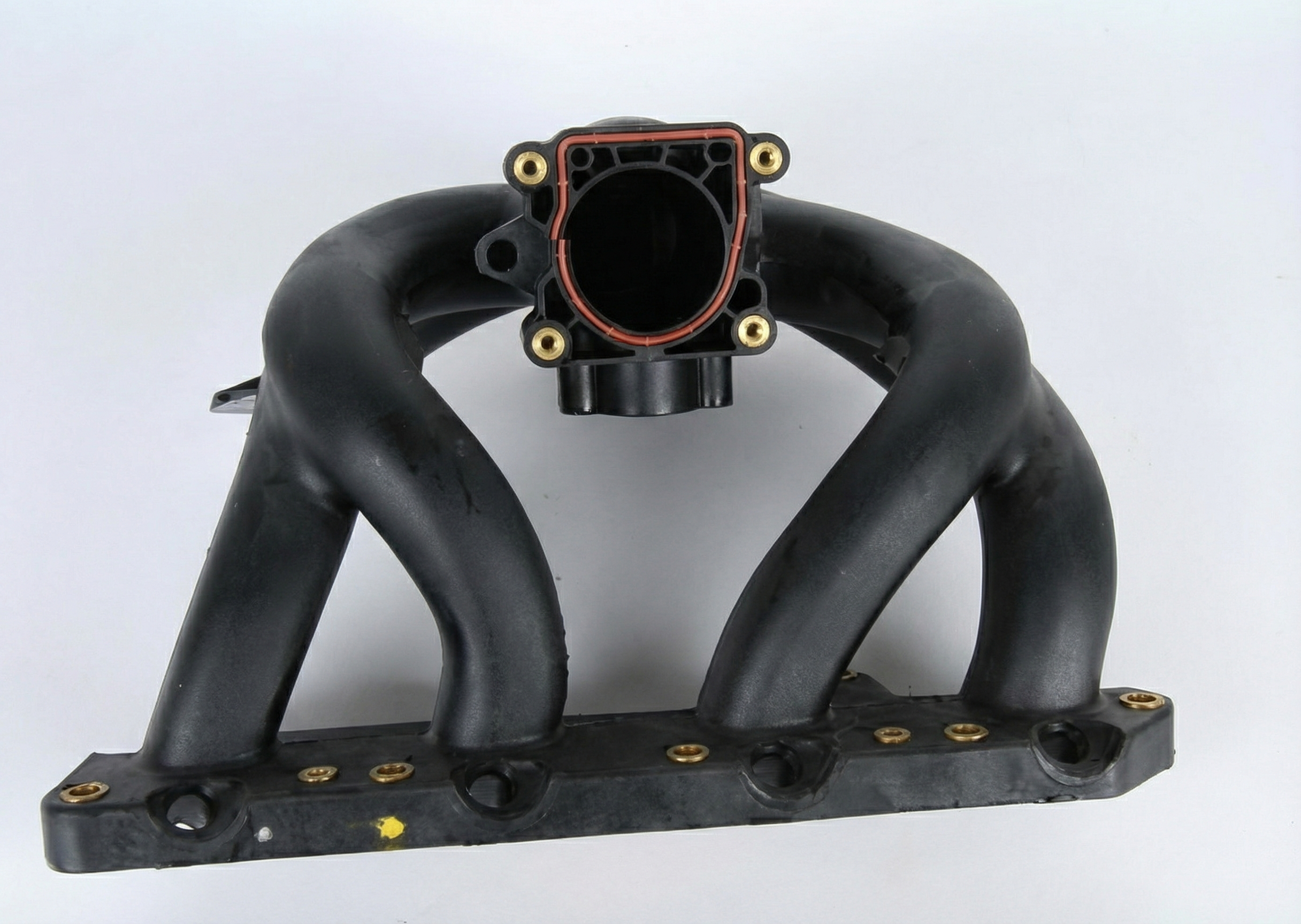
- Vacuum Leak (Intake Manifold Gasket, Hoses, Brake Booster) 🔴 High Probability The 2.2L LN2 engine is widely known for premature failure of the original intake manifold gaskets, leading to vacuum leaks. This is the single most common cause for P0507 on the 1995-2002 models. Over time, any vacuum hose can become brittle and crack.
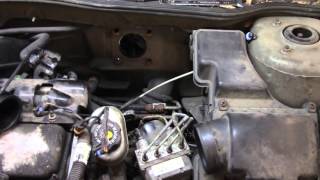
How to confirm: Perform a smoke test by injecting smoke into the intake system (e.g., via the brake booster hose); 🎬 Watch: How to find a vacuum leak on a GM engine. watch for smoke escaping from the intake manifold gasket area, vacuum hoses, or the brake booster. Alternatively, carefully spray short bursts of brake cleaner around the intake gasket with the engine running and listen for a change in idle speed. A hissing sound is also a strong clue.
Typical fix: Replace the leaking gasket or hose. For the LN2 engine, it is highly recommended to use an upgraded aftermarket gasket like the Fel-Pro MS 95810. If the brake booster's internal diaphragm has failed, it must be replaced.
Est. part cost: $15-$50 for gaskets/hoses, $100-$200 for a brake booster. - Dirty or Failed Idle Air Control (IAC) Valve 🔴 High Probability → Shop Idle Air Control Valve Applies only to 1995-2002 models with the 2.2L LN2 engine. Carbon buildup from the PCV system can cause the IAC valve's pintle to stick, preventing it from closing to lower the idle speed.
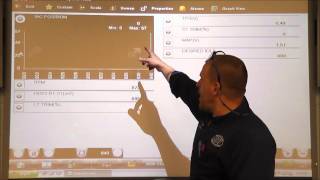
How to confirm: Remove the IAC valve from the throttle body and inspect its pintle for heavy carbon deposits. A scan tool can also command the IAC position to see if it responds. If the commanded value is near zero but the idle is still high, a vacuum leak is more likely.
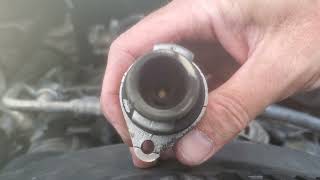
Typical fix: Thoroughly clean the IAC valve and its port in the throttle body with throttle body cleaner. 🎬 See this walkthrough on cleaning and replacing the IAC valve. If cleaning doesn't work or the valve is electrically faulty, it must be replaced. After replacement, an idle reset (disconnecting the battery for several minutes) may be necessary.
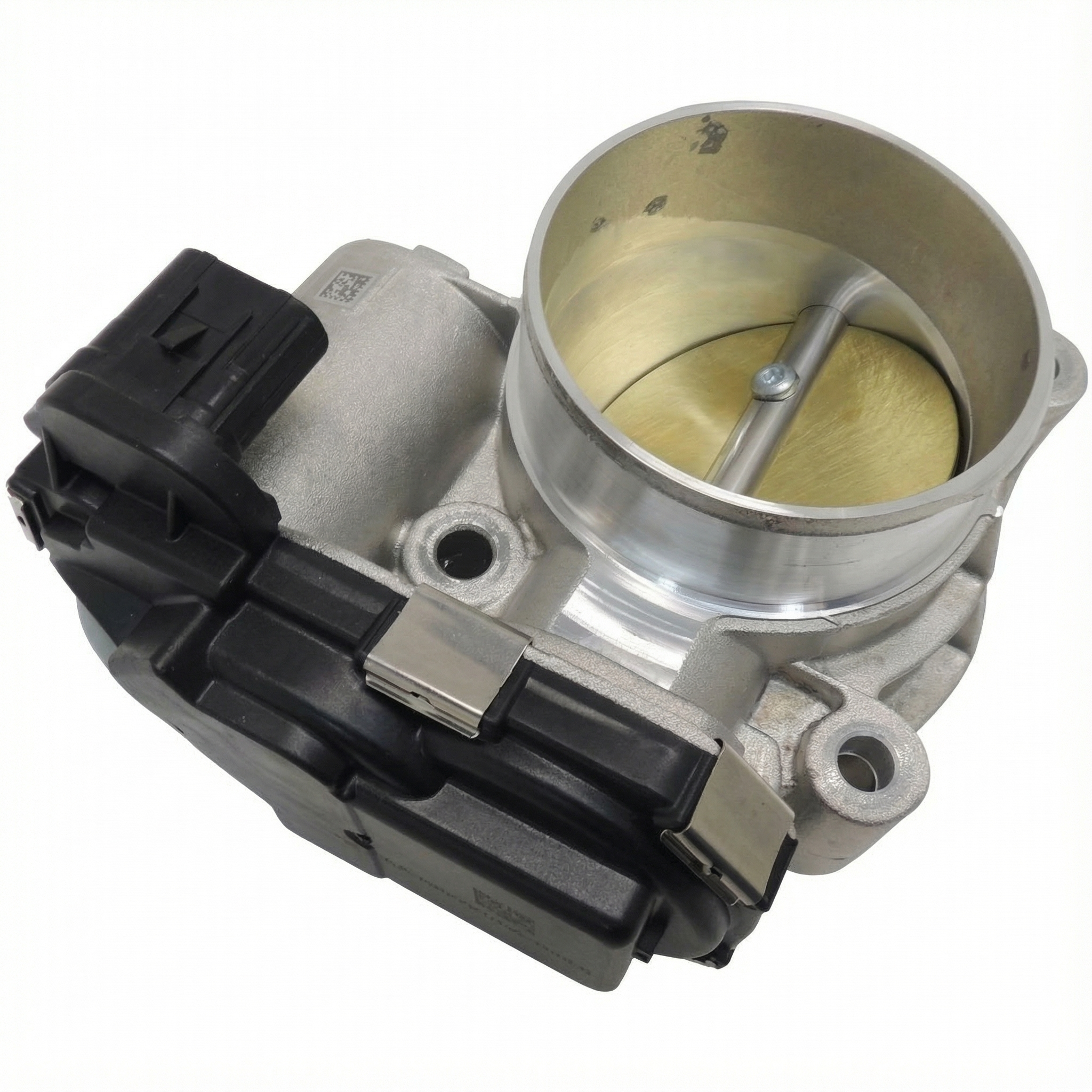
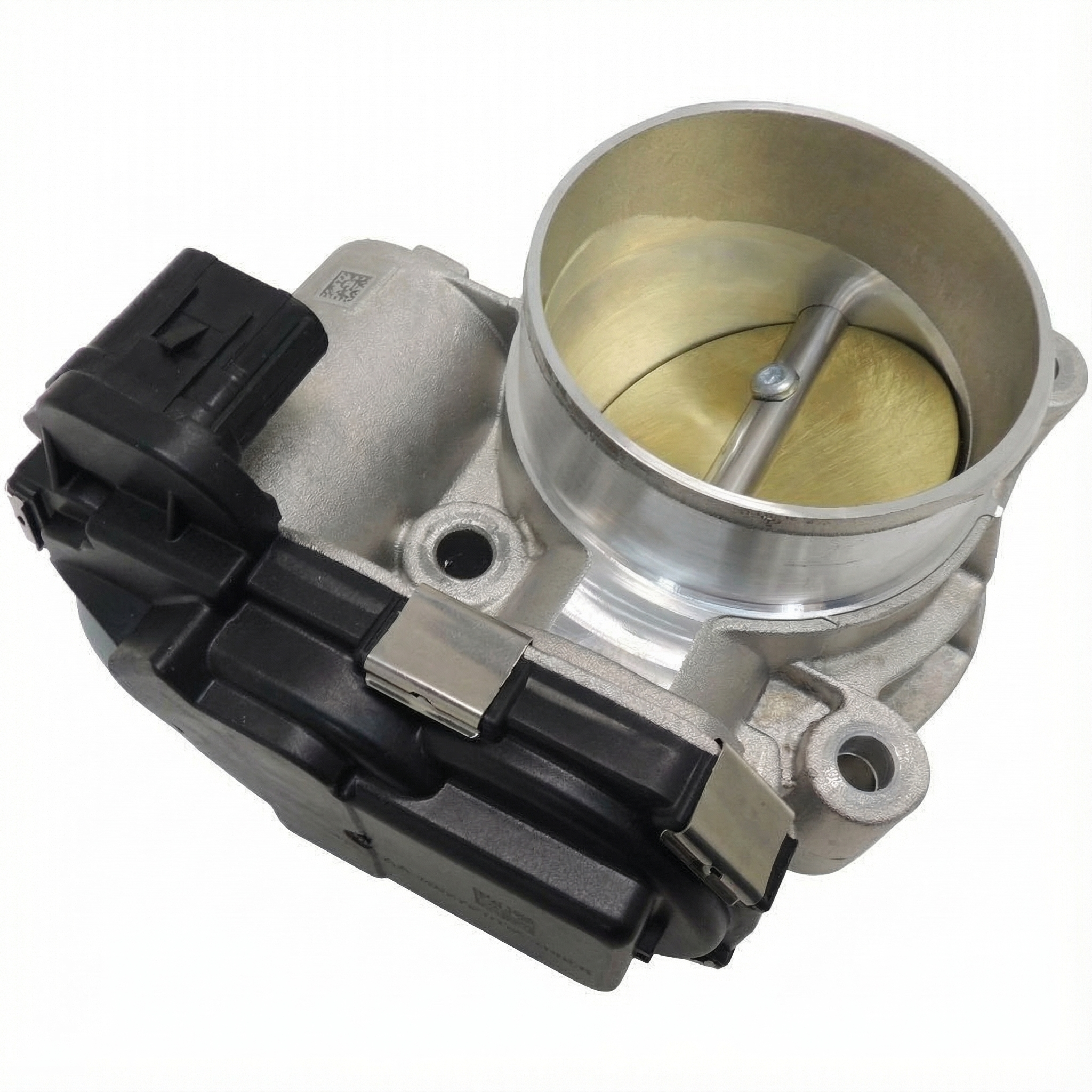
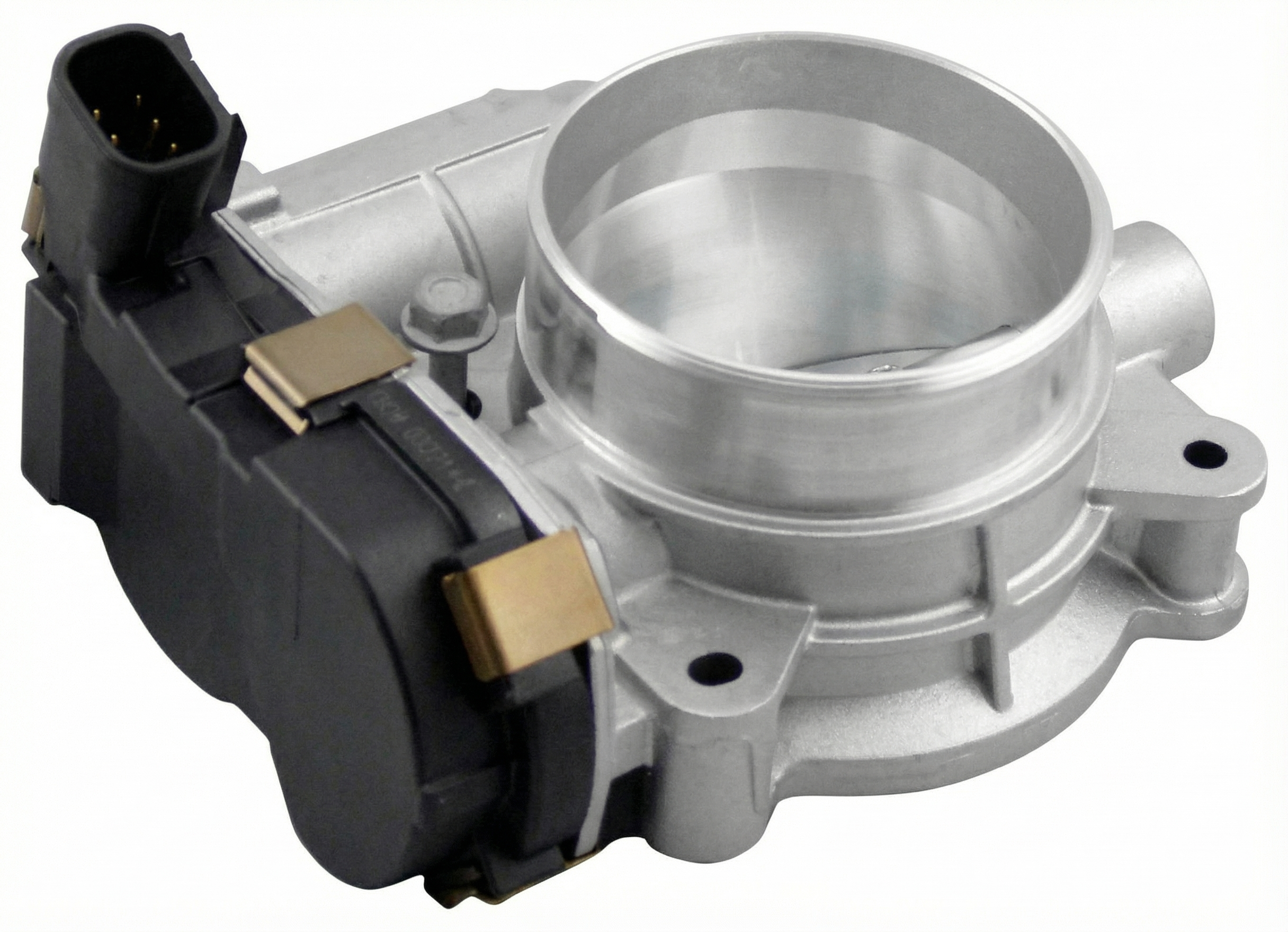
Est. part cost: $50-$100 for a new IAC valve. - Dirty Electronic Throttle Body 🔴 High Probability → Shop Fuel Injection Throttle Body Applies only to 2002-2005 models with the 2.2L L61 Ecotec engine. Carbon buildup around the edge of the throttle plate prevents it from closing completely at idle, allowing excess air to leak past. This is a very frequent issue on this engine.
How to confirm: Remove the air intake tube from the throttle body and visually inspect the throttle bore and plate for a ring of black carbon buildup.
Typical fix: With the ignition OFF, carefully clean the throttle plate and bore using a soft cloth and dedicated throttle body cleaner. Do not push the plate open manually. After cleaning, an 'Idle Learn Procedure' is often required, which can sometimes be accomplished by letting the engine idle for several minutes or may require a specific sequence of steps or a scan tool.
Est. part cost: $5-$10 for cleaner. - Faulty Positive Crankcase Ventilation (PCV) Valve 🟡 Medium Probability
How to confirm: Remove the PCV valve and shake it. If it does not rattle, it is stuck and needs to be replaced. Check the hoses connected to it for cracks or blockage, as a cracked PCV hose is a common vacuum leak source.
Typical fix: Replace the PCV valve and any damaged hoses. This is an inexpensive maintenance item.
Est. part cost: $5-$15.
Rare But Worth Checking
- Leaking Power Brake Booster: → Shop Power Brake Booster A failed internal diaphragm in the brake booster creates a significant vacuum leak. A key symptom is the idle speed changing dramatically when the brake pedal is pressed or released. To test, pinch off the vacuum hose to the booster with the engine running; if the idle returns to normal, the booster is the culprit.
- Leaking EVAP Purge Solenoid: → Shop Vapor Canister If the evaporative emissions purge solenoid sticks open, it can create a vacuum leak that raises the idle speed. This would typically set other EVAP-related codes as well, but not always.
Diagnosis Steps
- Read the codes with an OBD-II scanner to confirm P0507 and check for any other codes, like P0171.
- Visually inspect all accessible vacuum hoses connected to the intake manifold for obvious cracks, disconnections, or brittleness. Listen for a hissing sound.
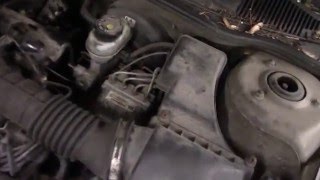
- For 2.2L L61 Ecotec (2002-2005): Inspect and clean the electronic throttle body. 🎬 Watch: How to fix a P0507 code and high idle. This is the most likely cause for this engine. An idle relearn procedure may be needed afterward.
- For 2.2L LN2 (1995-2002): Inspect and clean the Idle Air Control (IAC) valve and its passages in the throttle body.
- If the high idle persists, perform a smoke test to definitively locate any vacuum leaks. Pay close attention to the intake manifold gasket area (especially on LN2 engines) and the power brake booster.
- Test the brake booster by pinching its vacuum supply hose with the engine running. If the idle drops to normal, the booster is leaking internally and must be replaced.
- Inspect the PCV valve and its hoses. Ensure the valve rattles when shaken and the hoses are intact.
- If no vacuum leaks are found and idle control components are clean and functioning, investigate potential electrical issues or, in very rare cases, a faulty PCM.
Parts You'll Likely Need
- Intake Manifold Gasket Set (LN2 Engine) — This is the most common failure point causing a vacuum leak on the 2.2L LN2 engine (1995-2002).
Trusted brands: Fel-Pro (P/N: MS 95810 is a popular, improved design), ACDelco
OEM price range: $25-$40
Aftermarket price range: $15-$30 - Idle Air Control (IAC) Valve (LN2 Engine)
(OEM #ACDelco 217-435 (GM 17113598))— For 1995-2002 LN2 engines, this valve gets clogged with carbon and sticks, causing a high idle.
Trusted brands: ACDelco, Delphi, Standard Motor Products (SMP)
OEM price range: $80-$120
Aftermarket price range: $40-$70 - Throttle Body Cleaner — Essential for cleaning the IAC valve on LN2 engines or the electronic throttle body on L61 Ecotec engines, which is a primary cause on that platform.
Trusted brands: CRC, Gumout
OEM price range: $5-$10
Aftermarket price range: $5-$10
Related Codes That Often Appear With This One
- P0171 — System Too Lean (Bank 1). A vacuum leak is a common cause for both P0171 and P0507, as the unmetered air causes the engine to run lean and idle high.
- P1810 — TFP Valve Position Switch Circuit. As noted in NHTSA ODI #10593542, this code may appear alongside P0507, potentially resulting in a loss of reverse gear and disabled traction control.
Technical Service Bulletins (TSBs) & Recalls
- GM TSB 03-06-04-033 - Addresses issues with the electronic throttle body on L61 Ecotec engines, including high idle. The fix often involves cleaning the throttle body and performing an idle relearn procedure.
Mechanic-Grade Diagnostic Values
- IAC (Idle Air Control) Counts (LN2 Engine) — expected: 10-40 counts at warm idle in Park/Neutral.. Failure: A value of 0 or near 0 indicates the PCM is trying to close the valve completely to lower the idle, strongly suggesting a vacuum leak is present. High counts (e.g., >60) at idle could mean the PCM is trying to keep the engine from stalling, but this is not typical for a P0507 fault.
- Long Term Fuel Trim (LTFT) — expected: Close to 0% (+/- 5%).. Failure: Consistently high positive values (e.g., +10% to +25%) indicate the PCM is adding fuel to compensate for excess unmetered air. This strongly supports a vacuum leak as the cause of the high idle. This condition will often be accompanied by code P0171 (System Too Lean).
- Desired Idle RPM vs. Actual Engine RPM — expected: Actual RPM should be within ~50 RPM of Desired RPM at stable warm idle.. Failure: If Actual RPM is consistently 150-200+ RPM higher than Desired RPM, and the IAC counts (LN2) are at 0 or Desired Throttle Position (L61) is at minimum, the PCM is unable to control the idle speed down, confirming the P0507 condition.
Scan Tool Commands That Help
- Tech2 / Professional Scan Tool: IAC Control / Engine Output Controls (for 2.2L LN2) — This bidirectional command allows a technician to manually command the IAC pintle to open and close. If the engine RPM does not change when commanded, it proves the IAC valve is stuck, its passages are blocked, or it is electrically failed.
- Tech2 / Professional Scan Tool: Idle Relearn / Throttle Relearn (for 2.2L L61) — This function must be performed after cleaning or replacing the electronic throttle body on the L61 Ecotec engine. It resets the learned minimum throttle plate angle and idle airflow values in the PCM. Failing to do this can cause a persistent high idle even after the physical repair is complete.
Wiring & Ground Locations
- PCM Location (1995-2002) — On 'J-body' models like the Cavalier, the PCM is typically located forward of the right front wheel housing, behind the front fascia and splash shield.. Verifying a clean, dry, and corrosion-free PCM and connector is a final step in diagnosing persistent electronic issues. Water intrusion in this area can cause unpredictable PCM behavior.
- G103 (Engine Ground) — On similar GM platforms of this era, G103 is a primary PCM ground located on a stud at the back of the engine block or on a transmission bellhousing bolt. A thorough inspection for a clean, tight connection at this point is critical.. A poor ground at G103 can cause incorrect sensor readings and erratic actuator behavior, including the IAC valve or electronic throttle body, leading to idle control problems that mimic other failures.
Real Owner Repair Stories
- YouTube channel Pyro17059 (2001 Chevrolet Cavalier 2.2L (LN2)) — P0507 code, high idle. Idle speed would drop significantly when the brake pedal was pressed, and surge back up when released.
❌ Tried (didn't work) Scan tool test of IAC motor showed it was functional., Throttle body was found to be clean., A smoke test revealed a very small intake gasket leak, but it was deemed insufficient to cause the large idle deviation.
✅ What actually fixed it The power brake booster was leaking internally. Pinching off the vacuum hose to the booster caused the idle to return to normal, confirming the booster was the source of the massive vacuum leak. The booster was replaced to fix the issue. - NHTSA ODI #11721239 (Chevrolet Malibu - Cross-Manufacturer Reference) — An owner reported a delayed engagement where they had to keep moving from Park to Drive for the vehicle to fully go into gear. Diagnostic codes included P0505 and P0507. While driving up an incline, the car stopped moving forward and started reversing backwards.
"I Checked Everything" — The Actual Cause
- A common scenario for P0507 is a smoke test on the intake manifold that shows no leaks, yet the high idle persists. The cause is often a component that uses engine vacuum but is not part of the immediate intake tract. The most frequent culprit on the Cavalier is the power brake booster. A failed internal diaphragm creates a massive vacuum leak that a standard intake smoke test might not reveal. The definitive test is to start the engine, and if the idle is high, press and hold the brake pedal. If the idle speed changes dramatically (usually drops), the booster is leaking.
OEM Part Supersession History
GM 17113598→ACDelco 217-435— Branding Change/Standardization
Heads up: GM Genuine Parts may have formerly appeared as ACDelco GM Original Equipment (OE). For this IAC valve, 17113598 is the base number used by both GM and ACDelco. They are functionally identical.
Model Year Variations Within This Range
- 1995-2002 vs 2002-2005: The engine and idle control system changed around 2002. Pre-2002 models use the 2.2L LN2 (OHV) with a cable throttle and an IAC valve. Post-2002 models use the 2.2L L61 (Ecotec) with an electronic throttle body. Diagnostics for P0507 are completely different between the two; the LN2 focuses on intake gaskets and the IAC, while the L61 focuses on cleaning the electronic throttle body.
Diagnostic Flowchart
Other Known Issues on This Vehicle
Issues unrelated to this code that are worth knowing about as an owner of this generation:
- L61 Ecotec Timing Chain Tensioner Failure 🔴 High — Common on pre-2005 models. A faulty original tensioner design can lose oil pressure at idle, leading to chain slack, noise, and potentially catastrophic engine failure if the chain jumps time. (Ref: GM released an updated tensioner design to fix the oiling issue, but no formal recall was issued.)
- Instrument Cluster Malfunction 🟠 Medium — Widespread, especially on 2003-2005 models. Symptoms include dead or erratic gauges (speedometer, tachometer, fuel, temp) due to failing stepper motors on the cluster's circuit board. (Ref: No recall, but a common repair involves replacing the individual stepper motors or sending the cluster for rebuild.)
- Fuel Pump Failure 🟠 Medium — Fairly common across all years. Symptoms include long crank times, stalling, a whining noise from the fuel tank, and no-start conditions.
- Power Window Motor Failure 🟡 Low — A very common annoyance where the window motors overheat and fail, causing windows to get stuck.
- Passlock Security System Failure 🟠 Medium — The Passlock anti-theft system can malfunction, preventing the car from starting even with the correct key. The 'SECURITY' light will often be illuminated or flashing.
Used vs. New Parts: Buying Guide for This Vehicle
When a used part is the smart pick: For the LN2 engine (1995-2002), a complete used throttle body assembly from a junkyard can be a cost-effective fix, as it includes the throttle body, IAC, and TPS, and new OEM assemblies are discontinued. For the L61 (2002-2005), used electronic throttle bodies are also a viable option if cleaning the original does not resolve the issue.
Donor-vehicle mileage cap: roughly under 120000 miles for the part to have meaningful remaining life.
What to inspect on the donor part:
- Check for a bent throttle shaft or cracks in the housing.
- Ensure electrical connectors are not cracked or have corroded pins.
- Minimal carbon buildup inside the bore is a good sign.
- If possible, check for smooth operation of the throttle plate (on cable-driven models).
OEM-only on this vehicle (don't cheap out):
- No specific parts for this repair are strictly 'OEM-only'. In fact, for intake gaskets, a quality aftermarket part is often superior.
Aftermarket brands forum-validated for this vehicle:
- Fel-Pro: For the 2.2L LN2 intake manifold gasket, the Fel-Pro MS 95810 set is highly recommended by mechanics as an improved design over the failure-prone original.
- ACDelco / Delphi: For electronic components like the IAC valve or other sensors, ACDelco (GM's OEM brand) and Delphi are trusted names.
Brands owners have reported issues with on this vehicle:
- Unbranded, 'white-box' electronic sensors (IAC, TPS) from online marketplaces can have poor quality control and may fail quickly or be dead-on-arrival. It is often better to use a known brand or a tested used OEM part.
Documented NHTSA Reports
NHTSA ODI #10593542
An owner reported that the Service Engine Soon (SES) light and DTC P1810 appeared. The vehicle experienced a loss of reverse gear and code P0507, which resulted in the traction control system being disabled.
Real Owner Stories
Aggregated from forums and TSBs cited above. Mileages and costs reflect what owners reported in those sources.
2002-2005 Chevrolet Cavalier 2.2L L61 Ecotec
Symptoms: High idle and P0507 code; carbon buildup around the edge of the throttle plate preventing it from closing completely.
What fixed it: Cleaning the electronic throttle body and performing an idle relearn procedure.
Source hint: GM TSB 03-06-04-033
1995-2002 Chevrolet Cavalier 2.2L LN2
Symptoms: P0507 code; high idle caused by a vacuum leak at the intake manifold.
What fixed it: Replacement of the intake manifold gasket using an upgraded Fel-Pro MS 95810 gasket.
Source hint: cavalierforums.com thread
2002 Chevrolet Cavalier 2.2L L61 Ecotec
Symptoms: High idle and noise; timing chain tensioner losing oil pressure at idle leading to chain slack.
What fixed it: Installation of the GM updated timing chain tensioner design.
Source hint: chevytalk.org thread '2.2 Ecotec 4 cyl fix.'
Related OBD-II Codes
Frequently Asked Questions
Does GM TSB 03-06-04-033 apply to my 2004 Cavalier with the 2.2L Ecotec engine?
I have a 1998 Cavalier 2.2L LN2; what is the most likely cause of my P0507 code?
Can I clean the Idle Air Control (IAC) valve on my 2004 Cavalier to fix the high idle?
Why is my Cavalier shifting harshly into Drive and Reverse since the Check Engine Light came on?
Is there a specific way to check if my brake booster is causing the P0507 high idle?
Will cleaning the throttle body on my 2003 Ecotec require a special tool?
Helpful Videos


Used OEM Parts in Stock
New Aftermarket Parts Available


The information in this article is provided for general reference and educational purposes only. Vehicle specifications, procedures, and part compatibility can vary by production date, trim level, and region. Always consult your vehicle's factory service manual and verify part numbers before purchasing or performing repairs. Safety-critical components such as airbags, seat belts, and braking systems should be installed by a qualified professional.
- Chevrolet Cavalier:
- 🧭 Diagnostic Flowchart
- 🎬 Helpful Videos
- 🛍️ Shop This Part
- What's Unique About the 1995-2005 Chevrolet Cavalier
- Symptoms You May Notice
- Most Likely Causes
- Rare But Worth Checking
- Diagnosis Steps
- Parts You'll Likely Need
- Related Codes That Often Appear With This One
- Technical Service Bulletins (TSBs) & Recalls
- Mechanic-Grade Diagnostic Values
- Scan Tool Commands That Help
- Wiring & Ground Locations
- Real Owner Repair Stories
- "I Checked Everything" — The Actual Cause
- OEM Part Supersession History
- Model Year Variations Within This Range
- Other Known Issues on This Vehicle
- Used vs. New Parts: Buying Guide for This Vehicle
- Documented NHTSA Reports
- NHTSA ODI #10593542
- Real Owner Stories
- 2002-2005 Chevrolet Cavalier 2.2L L61 Ecotec
- 1995-2002 Chevrolet Cavalier 2.2L LN2
- 2002 Chevrolet Cavalier 2.2L L61 Ecotec
- Related OBD-II Codes
- Frequently Asked Questions
- 🎟️ Get 5% Off