

P0507 on 2006-2010 Ford Explorer 4.6L V8: High Idle Causes and Fixes
This code means the engine is idling too high. On the 4.6L V8 Explorer, the most likely cause is a vacuum leak from a cracked PCV hose elbow or a dirty electronic throttle body. Expect to pay under $50 for new PCV hoses or a can of throttle body cleaner for a DIY fix.
- P0507 means the engine is idling higher than the computer wants it to.
- Before buying any parts, perform a thorough check for vacuum leaks, especially the PCV hoses on the top of the engine.
- The next most likely fix is to clean the electronic throttle body with a product specifically made for it.
- This vehicle does NOT have an Idle Air Control (IAC) valve; do not waste time or money looking for one.
- If you find and fix a vacuum leak, it's a good idea to also clean the throttle body as a preventative measure.
What's Unique About the 2006-2010 Ford Explorer
The 4.6L 3V V8 engine in the fourth-generation Explorer uses an Electronic Throttle Body (ETB), meaning it does not have a separate Idle Air Control (IAC) valve like many older vehicles. Therefore, generic advice pointing to a faulty IAC valve is incorrect for this truck. The most common culprits are unmetered air leaks from brittle plastic vacuum and PCV hoses, or carbon buildup inside the electronic throttle body itself preventing the blade from closing fully. The PCV hoses, in particular the elbow connectors, are a well-documented failure point on this engine platform.
Symptoms You May Notice
- Check Engine Light is on
- Engine idle speed is noticeably high (1000-2000 RPM) in Park or at a stop.
- Engine RPMs may fluctuate or 'hunt' up and down.
- Vehicle feels like it is accelerating or 'pushing' against the brakes when stopped.
- Harsh engagement when shifting from Park into Drive or Reverse.
- Audible hissing or whistling noise from the engine bay, indicating a vacuum leak.
- Replacing the Idle Air Control (IAC) valve. This vehicle does not have one; idle is controlled by the electronic throttle body.
- Replacing the Mass Airflow (MAF) sensor. While a faulty MAF can cause performance issues, it is not a typical cause for a P0507 code on its own. A dirty MAF was suspected by one owner, but the issue was likely resolved by the concurrent throttle body cleaning.
Most Likely Causes
- Vacuum Leak from PCV Hoses 🔴 High Probability → Shop PCV Valve Hose The plastic and rubber hoses and elbows in the PCV (Positive Crankcase Ventilation) system become brittle from constant exposure to engine heat and oil vapor, leading to cracks. The elbow on the passenger side valve cover and the hose running to the back of the intake manifold are especially common failure points.
How to confirm: Visually inspect all PCV hoses, especially the elbows connecting to the valve covers and the back of the intake manifold. Listen for a hissing sound. The most definitive method is to use a smoke machine 🎬 See how to perform a smoke test to find leaks. to see where smoke escapes.
Typical fix: Replace the cracked PCV hose or elbow. It is often recommended to replace the entire hose assembly as other parts may be brittle. The Motorcraft KM4853 is a common replacement part 🎬 Watch: How to find and fix common PCV vacuum leaks. for the passenger side assembly.
Est. part cost: $20-$60 - Dirty Electronic Throttle Body (ETB) 🔴 High Probability → Shop Fuel Injection Throttle Body Over time, carbon and oil deposits from the PCV system can build up around the throttle plate and bore, preventing the plate from closing completely at idle.
How to confirm: Remove the air intake duct from the throttle body. If a black, sticky ring of carbon is visible around the throttle plate and where it seats, it needs cleaning.
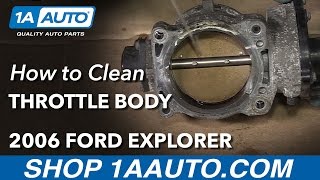
Typical fix: Clean the throttle body using a cleaner specifically labeled as safe for electronic throttle bodies 🎬 Watch: Step-by-step guide to cleaning your Explorer's throttle body. and a soft cloth or brush. An idle relearn procedure is required afterward.
Est. part cost: $10-$15 - Vacuum Leak from Intake Manifold Gaskets 🟡 Medium Probability → Shop Engine Intake Manifold The plastic intake manifold and its gaskets can degrade over time, allowing unmetered air to enter the engine. The gaskets can harden and shrink, or the plastic manifold itself can crack near the coolant crossover.
How to confirm: A smoke test is the most reliable method. Alternatively, with the engine running, you can carefully spray a small amount of brake cleaner or a propane torch (unlit) near the gasket mating surfaces; a change in idle indicates a leak.
Typical fix: Replace the intake manifold gaskets. This is a more involved repair. Upgraded steel-framed gaskets like Fel-Pro MS98008T are available to prevent repeat failures of the plastic originals.
Est. part cost: $40-$100
Rare But Worth Checking
- Failing Electronic Throttle Body (ETB): → Shop Fuel Injection Throttle Body While less common than being dirty, the internal motor or position sensor in the throttle body can fail, causing erratic behavior. This usually presents with other throttle-specific codes (like P2111, P2112) but can sometimes cause just a high idle.
- Leaking Brake Booster: → Shop Power Brake Booster The diaphragm inside the brake booster can rupture, creating a very large vacuum leak. This is often accompanied by a hissing noise when the brake pedal is pressed and a hard brake pedal.
- Malfunctioning EVAP System: A leak in an EVAP system hose or a stuck-open purge valve can create a vacuum leak large enough to raise the idle speed and trigger a P0507. In other Ford models, NHTSA ODI #11509589 describes a scenario where a P0507 code was triggered alongside fuel tank issues due to excessive vacuum.
- Failing Alternator: A failing alternator can cause erratic voltage and electrical noise, which may interfere with the PCM's calculations and control over the electronic throttle body, leading to an incorrect idle speed.
Diagnosis Steps
- Check for other DTCs. Use an OBD-II scanner to see if any other codes, especially lean codes (P0171, P0174) or throttle body codes, are present. NHTSA ODI #11440617 notes that P0507 can appear concurrently with P1450 and O2 sensor signal bias codes (P2195).
- Perform a thorough visual inspection. Look for obviously cracked, disconnected, or broken vacuum hoses, paying close attention to the PCV system hoses and elbows, especially on the passenger side valve cover and behind the intake manifold.
- Listen for leaks. With the engine running, listen for any hissing sounds around the intake manifold, throttle body, and vacuum lines.
- Perform a smoke test. This is the most effective way to locate hard-to-see vacuum leaks from hoses, gaskets, or the intake manifold itself.
- If no vacuum leaks are found, inspect the throttle body. Remove the air intake hose and check for heavy carbon buildup around the throttle plate.
- Clean the throttle body. Use a dedicated electronic throttle body cleaner and a soft cloth to remove all carbon deposits. Do not push the throttle plate open manually with force.
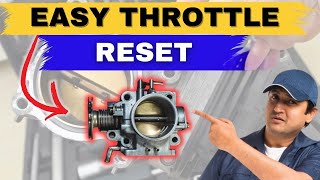
- Perform an idle relearn procedure. After cleaning the throttle body or disconnecting the battery, the PCM's Keep Alive Memory (KAM) must be cleared and the idle relearned. Disconnect the battery for at least 15 minutes. Some mechanics recommend touching the disconnected positive and negative cables together to fully drain any residual charge. Reconnect the battery, start the engine, and let it idle for at least 10-15 minutes (some procedures suggest a few minutes with A/C off, then a few minutes with A/C on) to allow the PCM to recalibrate. A short drive cycle may also be required.
- If the issue persists after these steps, the problem may be a faulty electronic throttle body assembly, which would need to be replaced.
Parts You'll Likely Need
- PCV Hose Assembly or Elbows
(OEM #Motorcraft KM4853 (Passenger side hose))— This is the most frequent cause of vacuum leaks on the 4.6L 3V engine, leading to a P0507 code.
Trusted brands: Motorcraft, Dorman
OEM price range: $40-$70
Aftermarket price range: $20-$50 - Electronic Throttle Body Cleaner — Required for safely cleaning carbon buildup from the throttle body, which is a very common cause of high idle.
Trusted brands: CRC, WD-40 Specialist
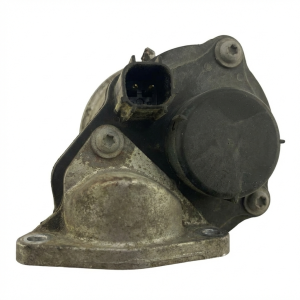
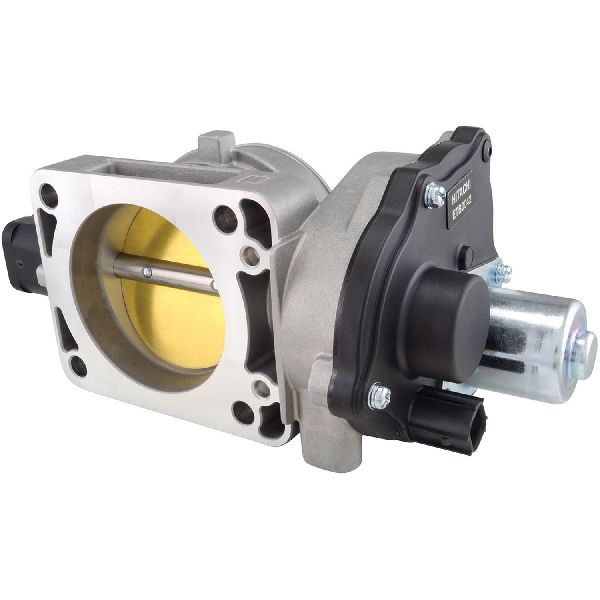
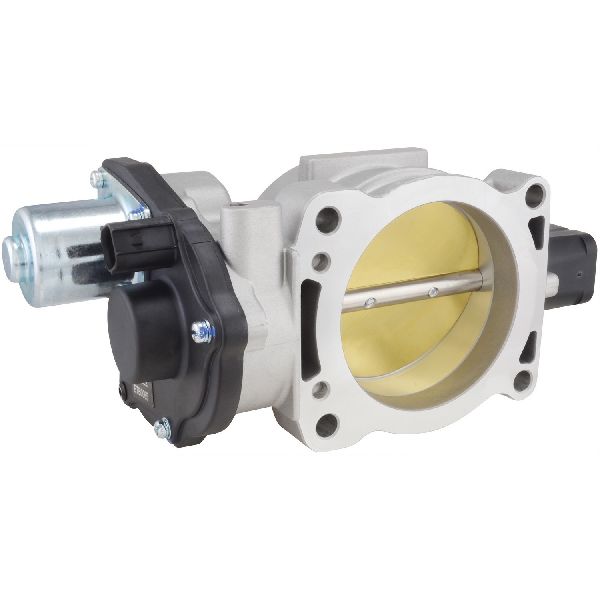
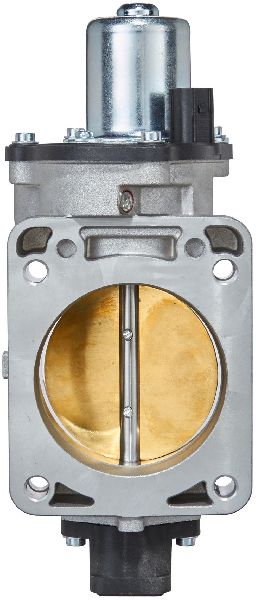
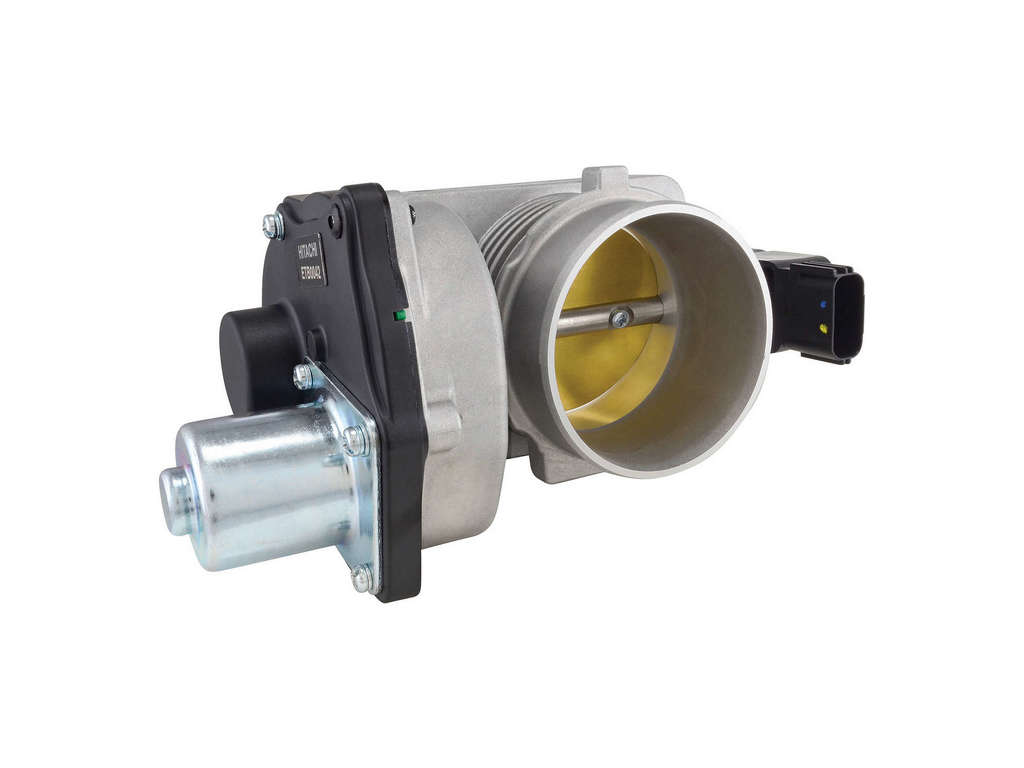
Aftermarket price range: $10-$15 - Electronic Throttle Body Assembly
(OEM #8L2Z-9E926-A (replaces 6L2Z-9E926-C, 6L2Z-9E926-CA))— If cleaning and vacuum leak repair do not solve the issue, the throttle body itself may have failed internally and requires replacement.
Trusted brands: Motorcraft, Cardone, Hitachi
OEM price range: $250-$400
Aftermarket price range: $150-$250
Related Codes That Often Appear With This One
- P0171 — System Too Lean (Bank 1). A vacuum leak allows unmetered air into the engine, creating a lean condition that the P0171 code reports.
- P0174 — System Too Lean (Bank 2). Same as P0171, a vacuum leak affects both cylinder banks, often triggering both codes together.
Technical Service Bulletins (TSBs) & Recalls
- TSB 13-8-1 — Some 2009-2010 F-150 and 2007-2011 Explorer/Mountaineer vehicles with the 4.6L 3V engine may exhibit a MIL on with DTCs P0507, P0171, and/or P0174. This may be due to a missing plug on the left-hand side of the intake manifold, creating a vacuum leak. The fix involves installing a new plug (Part No. W713332-S300).
Platform-Specific Known Issues
- The plastic PCV hose elbows are a known weak point and are a very common source of vacuum leaks that cause this code. The passenger side assembly is a frequent culprit.
- A Reddit user with a 2008 Explorer Sport Trac 4.6L 3V experienced a rough idle and lean/rich codes that multiple shops could not diagnose after performing smoke and compression tests, highlighting the difficulty that can sometimes arise.
Mechanic-Grade Diagnostic Values
- Throttle Position Sensor (TPS) Reference Voltage — expected: ~5.0 volts. Failure: Voltage significantly lower or higher than 5.0V indicates a wiring or PCM issue.
- Throttle Position Sensor (TPS) Signal Voltage at Closed Throttle — expected: 0.5 to 1.5 volts. Failure: Voltage higher than 1.5V at closed throttle can indicate carbon buildup preventing the plate from closing or a miscalibrated sensor.
- Throttle Position Sensor (TPS) Signal Voltage at Wide-Open Throttle — expected: 4.0 to 5.0 volts. Failure: Voltage that does not increase smoothly or fails to reach ~4.0-5.0V indicates a failing sensor.
- PCM Ground Circuit Voltage Drop — expected: < 0.1 volts (100 mV). Failure: Voltage readings higher than 0.1V between the PCM ground pins and the battery negative terminal under load indicate a poor ground connection, which can cause erratic module behavior.
Scan Tool Commands That Help
- Ford IDS / Professional Scan Tool: Clear/Reset Keep Alive Memory (KAM) — This function should be used after cleaning or replacing the throttle body, or after disconnecting the battery. It forces the PCM to erase all learned adaptive strategies, including idle trim, and start the relearning process from a clean slate. Failing to do this can cause the old, incorrect idle values to persist.
- Ford IDS / Professional Scan Tool: Idle Air Volume Learning — This is a guided function to be performed after replacing the electronic throttle body or PCM. It walks the technician through the specific conditions (battery voltage >12.9V, engine temp 158-210°F, etc.) required for the PCM to properly learn the new idle air volume.
Wiring & Ground Locations
- G100 / G101 — Left front corner of the engine compartment, on the fender apron.. These are primary engine compartment grounds. A corroded or loose connection here can affect the stability of sensor readings and PCM operation, potentially contributing to incorrect idle control.
- G104 — Right front corner of the engine compartment.. Another key engine bay ground point. Given the PCM is located on the right side of the engine, this ground is critical for its proper function.
- G105 / G106 — G105 is on the left side of the engine; G106 is on the right side of the engine.. These are direct engine block grounds. Poor connections here can cause electrical noise and unstable sensor returns, including those for the crankshaft position sensor, which is critical for RPM calculation.
- PCM Connector Power/Ground Pins — At the 104-pin PCM connector, located on the right side of the engine.. Specific pins provide power and ground to the PCM. For example, on a generic Ford 104-pin layout, Pins 24, 51, 76, 77, and 103 are Power Grounds, while Pin 55 is Keep Alive Power. Verifying solid ground (<0.1V drop) and stable power at these pins is a key step in ruling out a faulty PCM or wiring issue.
"I Checked Everything" — The Actual Cause
- A Ford TSB (13-8-1) notes that on some 4.6L 3V engines, a P0507 code can be caused by a small, missing plug on the left side of the intake manifold. This leak source might be missed by a smoke test if the smoke is not directed to that specific, obscure location or if the plug is only missing and not a large, obvious crack.
OEM Part Supersession History
6L2Z-9E926-C, 6L2Z-9E926-CA→8L2Z-9E926-A— Standard part revision and update by the manufacturer.
Diagnostic Flowchart
Other Known Issues on This Vehicle
Issues unrelated to this code that are worth knowing about as an owner of this generation:
- Variable Camshaft Timing (VCT) System Failure 🔴 High — Very common, especially on higher-mileage engines or those with poor maintenance history. Can occur from 60,000 miles onward.
- 6R60 Transmission Harsh Shifting / Bumps 🟠 Medium — A widely reported issue, particularly a harsh bump when braking to a stop. Can also manifest as delayed engagements. (Ref: TSB 07-23-2014 addresses a 'bump while braking' and delayed engagement, recommending a PCM/TCM reprogram.)
- Cracked Plastic Intake Manifold / Leaking Gaskets 🟠 Medium → Shop Engine Intake Manifold — Common across Ford 4.6L engines of this era. Leaks often develop at the front coolant crossover or at the gaskets, causing coolant loss and potential overheating.
- Two-Piece Spark Plug Breakage (Pre-2008 models) 🔴 High — Extremely common on engines built before Nov 30, 2007. The original Motorcraft SP-515 plugs are prone to separating during removal, leaving the lower portion stuck in the cylinder head. (Ref: Ford TSB 08-7-6 details the problem and the special procedure/tools required for extraction.)
- Leaking Radiator / Thermostat Housing 🟠 Medium — Failures of the radiator and plastic thermostat housing are frequently reported, leading to coolant leaks and overheating.
- Water Intrusion from Cowl 🟡 Low — The cowl seal can degrade, allowing rainwater to drip directly onto the engine, often into the spark plug wells for cylinders #5 and #8, causing misfires.
Used vs. New Parts: Buying Guide for This Vehicle
When a used part is the smart pick: For a major component like the Electronic Throttle Body (ETB), a used OEM part from a low-mileage donor vehicle can be a cost-effective alternative to a new aftermarket part, which may have questionable quality control. Many technicians prefer used OEM over new aftermarket for complex electronic parts.
Donor-vehicle mileage cap: roughly under 80000 miles for the part to have meaningful remaining life.
What to inspect on the donor part:
- Check for a clean throttle plate and bore with minimal carbon buildup.
- Ensure the electrical connector pins are straight and free of corrosion.
- Verify the donor vehicle was not in a major front-end collision that could have damaged the throttle body.
- If possible, get the VIN of the donor vehicle to confirm compatibility.
OEM-only on this vehicle (don't cheap out):
- Electronic Throttle Body (ETB): While aftermarket options exist, their internal electronics and motors can be of lower quality, leading to premature failure. A Motorcraft part is the safest bet for longevity and compatibility.
Aftermarket brands forum-validated for this vehicle:
- Moog (for suspension/chassis, often considered a reliable aftermarket choice if OEM is unavailable).
Brands owners have reported issues with on this vehicle:
- Dorman: While Dorman makes a wide variety of parts and sometimes improves on OEM designs, many professional technicians and forum users report inconsistent quality, particularly with electronic components and intake manifolds where casting can be poor compared to OEM. It's often considered a gamble.
Real Owner Stories
Aggregated from forums and TSBs cited above. Mileages and costs reflect what owners reported in those sources.
2008 Ford Explorer Sport Trac 4.6L 3V
Symptoms: Experienced a rough idle and lean/rich codes that multiple shops could not diagnose even after performing smoke and compression tests.
What fixed it: The context notes this as a difficult diagnosis case where standard tests initially failed to identify the root cause.
Source hint: vehicle_specific_issues
2003 Ford Explorer Sport Trac
Symptoms: Reported code P0507 and was initially told by others it was the MAF sensor.
What fixed it: Cleaning the throttle body or addressing vacuum leaks (suggested solutions for high idle on this platform).
Source hint: Ford Truck Enthusiasts Forums
2010 Ford F-150 4.6L 3V
Symptoms: Idles high with foot off gas.
What fixed it: Likely a coked-up throttle body or vacuum leak.
Source hint: TheGarageJournal.com thread titled '2010 Where's Krusty -F150 4.6 3V Idles High with foot off Gas'
Documented NHTSA Reports
Ford Owner Report (NHTSA ODI #11024843)
Symptoms: An owner reported rough idling at stopping positions, stalling, and the vehicle cutting off in traffic while shifting down, accompanied by a P0507 code.
What fixed it: The report identifies the issue as related to the Idle Air Control valve and throttle body.
Related OBD-II Codes
Frequently Asked Questions
Does TSB 13-8-1 apply to my 2010 Ford Explorer 4.6L 3V?
I cleaned my throttle body but the high idle is still there. Did I miss a step?
Is there a specific part recommended for the common PCV hose failure on the passenger side?
Can I use any cleaner on my Explorer's throttle body?
Are there upgraded gaskets available for the intake manifold to prevent repeat P0507 codes?
Why does my Explorer feel like it is 'pushing' against the brakes when I'm stopped?
Helpful Videos
Used OEM Parts in Stock
New Aftermarket Parts Available



The information in this article is provided for general reference and educational purposes only. Vehicle specifications, procedures, and part compatibility can vary by production date, trim level, and region. Always consult your vehicle's factory service manual and verify part numbers before purchasing or performing repairs. Safety-critical components such as airbags, seat belts, and braking systems should be installed by a qualified professional.
- Ford Explorer:
- 🧭 Diagnostic Flowchart
- 🎬 Helpful Videos
- 🛍️ Shop This Part
- What's Unique About the 2006-2010 Ford Explorer
- Symptoms You May Notice
- Most Likely Causes
- Rare But Worth Checking
- Diagnosis Steps
- Parts You'll Likely Need
- Related Codes That Often Appear With This One
- Technical Service Bulletins (TSBs) & Recalls
- Platform-Specific Known Issues
- Mechanic-Grade Diagnostic Values
- Scan Tool Commands That Help
- Wiring & Ground Locations
- "I Checked Everything" — The Actual Cause
- OEM Part Supersession History
- Other Known Issues on This Vehicle
- Used vs. New Parts: Buying Guide for This Vehicle
- Real Owner Stories
- 2008 Ford Explorer Sport Trac 4.6L 3V
- 2003 Ford Explorer Sport Trac
- 2010 Ford F-150 4.6L 3V
- Documented NHTSA Reports
- Ford Owner Report (NHTSA ODI #11024843)
- Related OBD-II Codes
- Frequently Asked Questions
- 🎟️ Get 5% Off