

P0507 on 2004-2014 Ford F-150: Causes and Fixes for High Idle RPM
On a 2004-2014 Ford F-150, code P0507 is most often caused by a vacuum leak from a cracked hose (especially PCV hoses) or a dirty throttle body. A thorough cleaning of the throttle body and a smoke test to find leaks are the most common fixes, with DIY costs ranging from $10 to $50.
- P0507 means your F-150's idle is higher than the computer expects, usually due to unmetered air entering the engine.
- The most likely cause is a vacuum leak. Carefully inspect all vacuum hoses, especially the PCV hose and its connections.
- The second most likely cause is a dirty throttle body. Cleaning it is a cheap and effective fix.
- If you have a 2004-2008 model, a faulty Idle Air Control (IAC) valve is also a strong possibility.
- Start with the cheapest and easiest fixes: inspect for leaks and clean the throttle body before buying expensive parts.
What's Unique About the 2004-2014 Ford F-150
The 2004-2014 F-150 spans two distinct generations with different idle control systems. The 11th generation (2004-2008) uses a mix: the 5.4L 3V Triton engine features an Electronic Throttle Body (ETB), while the 4.6L 2V V8 and 4.2L V6 retain a traditional cable-actuated throttle and a separate Idle Air Control (IAC) valve. The 12th generation (2009-2014) exclusively uses an ETB across all engine options, where the throttle plate itself is adjusted by a motor to control idle. For all engines in this range, vacuum leaks from brittle PCV hoses and intake gaskets are exceptionally common causes for a high idle. A cracked plastic intake manifold is also a known failure point on the 5.4L and 4.6L engines that can cause this code.
Generation note: The 2004-2014 range covers the 11th (2004-2008) and 12th (2009-2014) generations of the F-150. The primary difference regarding this code is that the 2004-2008 4.6L and 4.2L engines have a separate Idle Air Control (IAC) valve that can be cleaned or replaced, while the 5.4L 3V (2004-2008) and all 2009-2014 engines integrate idle control into the electronic throttle body. The introduction of the 5.0L Coyote and 3.5L EcoBoost engines in 2011 brought different PCV system designs and throttle bodies compared to the earlier Triton engines.
Symptoms You May Notice
- Check Engine Light is on
- Engine idles higher than normal (e.g., 1000-1500 RPM when warm)
- Engine may surge or race when coming to a stop
- Rough or unstable idle
- Increased fuel consumption
- Harsh engagement of the transmission when shifting into gear
- In some cases, the engine may be hard to start or stall 🎬 Watch: A mechanic's guide to diagnosing high idle on your F-150.
- Replacing the Mass Airflow (MAF) sensor. While a dirty MAF can cause issues, it's less likely to be the primary cause of a consistently high idle for P0507 compared to vacuum leaks or a dirty throttle body. Cleaning it is reasonable, but replacement is often unnecessary for this specific code.
- Replacing the Throttle Position Sensor (TPS) without confirming a fault. While a faulty TPS can cause idle problems, it's not the most common culprit for P0507 and is often integrated into the electronic throttle body on later models.
Most Likely Causes
- Vacuum Leak 🔴 High Probability Over time, rubber and plastic vacuum hoses, especially the PCV valve hose and elbow located behind the intake manifold, become brittle from heat and oil exposure, leading to cracks and leaks. Intake manifold gaskets can also fail.
How to confirm: Listen for a hissing sound around the engine bay at idle. Visually inspect all vacuum lines for cracks or disconnections. The most effective method is to perform a smoke test, which forces smoke into the intake system to reveal the source of the leak. 🎬 See how to use a smoke machine to find vacuum leaks. Spraying brake cleaner or starter fluid near suspected leak areas will cause a momentary change in idle RPM if a leak is present.
Typical fix: Replace the cracked vacuum hose(s) or faulty gasket. The PCV hose assembly is a very common culprit.
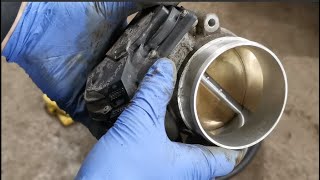
Est. part cost: $10-$100 - Dirty or Sticking Throttle Body 🔴 High Probability → Shop Fuel Injection Throttle Body Carbon and oil vapor from the PCV system can build up on the throttle plate and inside the throttle body bore. This buildup can prevent the throttle plate from closing completely, allowing excess air to enter the engine and raising the idle speed.
How to confirm: Remove the air intake tube connected to the throttle body and visually inspect for a dark, sticky layer of carbon buildup around the throttle plate and bore.
Typical fix: Remove the throttle body and clean it thoroughly with a dedicated throttle body cleaner and a soft brush. Do not spray cleaner directly into an electronic throttle body while connected to the vehicle. Replace the throttle body gasket during reinstallation. An idle relearn procedure is required after cleaning. 🎬 Watch: How to clean your throttle body and perform the relearn.
Est. part cost: $10-$25 - Faulty Idle Air Control (IAC) Valve 🟡 Medium Probability → Shop Idle Air Control Valve This applies mainly to the 2004-2008 models with 4.6L and 4.2L cable-actuated throttles. The IAC valve can become clogged with carbon, causing it to stick open and allow too much air to bypass the throttle plate at idle.
How to confirm: With the engine idling high, you can try tapping the IAC valve with the handle of a screwdriver; if the idle changes, the valve is likely sticking. Unplugging the IAC electrical connector should cause the engine to stall or idle very low; if the idle remains high, a vacuum leak is more likely.
Typical fix: Clean the IAC valve with throttle body cleaner or replace the valve if it is faulty. Using a Motorcraft-branded part is often recommended for reliability.
Est. part cost: $50-$150 - Faulty PCV Valve ⚪ Low Probability → Shop PCV Valve The Positive Crankcase Ventilation (PCV) valve can get stuck open, creating a constant vacuum leak that introduces unmetered air into the intake manifold. The hoses connected to it are a more frequent failure point.
How to confirm: Remove the PCV valve and shake it. If it doesn't rattle, it's likely stuck and needs replacement. Also, inspect the hoses connected to it, as they are a more common failure point.
Typical fix: Replace the PCV valve. It is recommended to use a Motorcraft part as aftermarket versions can sometimes cause issues.
Est. part cost: $10-$30
Rare But Worth Checking
- Faulty Power Steering Pressure Switch: The PCM uses this switch to slightly increase idle speed when the steering wheel is turned (e.g., during parking). If the switch fails and incorrectly signals high pressure, it might command the PCM to raise the idle. This has been noted by owners as a potential cause when other diagnostics fail.
- Failing Alternator: A failing alternator can cause electrical issues and voltage fluctuations that may confuse the PCM, leading to incorrect idle control as the system tries to compensate for low voltage by raising RPM.
- EVAP System Leak: A leak in the EVAP system, such as a stuck open purge valve, can introduce unmetered fuel vapors and air into the intake manifold, leading to a high idle. This will often be accompanied by other EVAP-related codes.
Diagnosis Steps
- Check for other stored trouble codes that could provide more clues (e.g., P0171, P0174, EVAP codes).
- Visually inspect all vacuum hoses connected to the intake manifold, especially the PCV valve hose assembly that runs behind the intake manifold, for any cracks, brittleness, or disconnections.
- Listen for a distinct hissing sound around the engine while it's running, which can pinpoint a vacuum leak.
- Remove the air intake duct and inspect the throttle body for carbon buildup. Check if the throttle plate is physically sticking or unable to close fully.
- If the truck is a 2004-2008 model with a 4.6L or 4.2L engine, locate the Idle Air Control (IAC) valve on the throttle body. Test it by unplugging it or tapping on it before considering replacement.
- If a vacuum leak is suspected but not visible, perform a smoke test to accurately locate the source of the leak.
- After cleaning the throttle body or replacing parts, perform an idle relearn procedure. A common method is to disconnect the battery for 15 minutes, reconnect, and then follow a specific drive cycle.
- A detailed idle relearn procedure for ETB models is as follows: 1. Run the engine until it reaches normal operating temperature. 2. Let the engine idle in Park for at least one minute. 3. Turn the A/C on and let the engine idle for at least one minute. 4. With the A/C on and foot on the brake, put the vehicle in Drive and idle for at least one minute. 5. Drive the vehicle for at least 10 miles to allow the PCM to fully relearn idle and fuel trim strategies.
Parts You'll Likely Need
- Throttle Body Gasket — Should always be replaced when the throttle body is removed for cleaning to ensure a proper seal.
Trusted brands: Motorcraft, Fel-Pro
OEM price range: $10-$20
Aftermarket price range: $5-$15 - PCV Valve Hose/Elbow
(OEM #2L3Z-6C324-AA (For some 5.4L models with heated PCV))— This is a very common failure point for vacuum leaks due to heat and oil exposure causing the rubber to become brittle and crack, especially the elbow behind the intake manifold.
Trusted brands: Motorcraft, Dorman (e.g., 46087)
OEM price range: $20-$75
Aftermarket price range: $10-$40 - Idle Air Control (IAC) Valve
(OEM #Motorcraft CX-1948 (for 4.6L V8))— A common failure on 2004-2008 4.6L/4.2L models. It gets clogged with carbon and sticks, causing high idle. Cleaning is a temporary fix; replacement is often needed.
Trusted brands: Motorcraft, Hitachi, Standard Motor Products
OEM price range: $70-$150
Aftermarket price range: $40-$90
Related Codes That Often Appear With This One
- P0171 — System Too Lean (Bank 1) - This code often appears with P0507 because a vacuum leak, the most common cause, introduces unmetered air, creating a lean air-fuel mixture.
- P0174 — System Too Lean (Bank 2) - Similar to P0171, this indicates a lean condition on the second bank of cylinders, reinforcing the likelihood of a significant vacuum leak affecting the entire engine.
- P1450 — Unable to Bleed Up Fuel Tank Vacuum. As noted in NHTSA ODI #11509589, this code can appear alongside P0507 when there is a vacuum-related failure in the fuel system.
- P2195 — O2 Sensor Signal Biased/Stuck Lean. NHTSA ODI #11440617 describes this code appearing with P0507, indicating the engine is struggling with an incorrect air-fuel ratio.
Technical Service Bulletins (TSBs) & Recalls
- TSB 06-19-8: Addresses ticking/knocking noises and rough idle on 5.4L 3V engines, which can be related to VCT system issues that may influence idle quality.
Platform-Specific Known Issues
- Hidden PCV Hose Crack: → Shop PCV Valve Hose A very common owner experience documented on forums like f150forum.com involves a crack in the PCV hose assembly, specifically in the rubber elbow that connects to the back of the intake manifold. This location is difficult to see and often requires a mirror and flashlight to inspect properly. The crack is often on the underside of the elbow, making a visual inspection from above misleading. A smoke test is the most reliable way to confirm this leak.
- Post-Cleaning High Idle: Many owners report that after cleaning the electronic throttle body, the idle is even higher than before. This is normal because the PCM's learned adaptations were compensating for the carbon buildup. After cleaning, the PCM is still commanding the throttle plate to open to the same learned position, which is now too far. Performing the full idle relearn procedure is critical to resolve this.
Mechanic-Grade Diagnostic Values
- Throttle Position Sensor (TPS) Signal Voltage (on models with a separate, adjustable TPS) — expected: ~0.9V to 1.0V at closed throttle.. Failure: Voltage significantly higher or lower than the 0.9-1.0V range at idle can indicate a misadjusted or faulty sensor. Should sweep smoothly to ~4.8V at wide-open throttle.
- Long Term Fuel Trim (LTFT) and Short Term Fuel Trim (STFT) on a Scan Tool — expected: Within +/- 10% at idle.. Failure: Sustained positive values greater than +15% to +25% on both banks strongly indicate a vacuum leak, as the PCM is adding fuel to compensate for unmetered air.
- Idle Air Control (IAC) Duty Cycle (on 4.2L/4.6L models) — expected: At hot idle, a typical duty cycle is between 32-40%.. Failure: A value of 0% or 100% indicates a problem with the IAC valve or circuit. If the duty cycle is at 0% (fully closed) and the idle is still high, it confirms a large vacuum leak is present.
Scan Tool Commands That Help
- FORScan: Live Data PIDs: 'RPM' (Actual RPM) vs 'IDL_DES' (Desired Idle RPM) — Use this to confirm the P0507 condition. You will see the actual RPM is consistently 200+ RPM higher than the desired RPM the PCM is commanding. This helps differentiate a true high idle from a faulty tachometer.
- FORScan / Ford IDS: PCM Reset / Clear KAM (Keep Alive Memory) — This should be performed after cleaning the throttle body or replacing any idle control components. It forces the PCM to discard old learned idle and fuel trim values and start a new learning process. This is more effective than just disconnecting the battery.
- FORScan / Ford IDS: Throttle Plate Control — This bidirectional control allows a technician to command the electronic throttle plate to specific angles (e.g., 10%, 25%, 50%). It's used to verify the throttle motor and position sensors are responding correctly and not sticking, without the engine running.
Wiring & Ground Locations
- G101 — On the firewall behind the PCM, passenger side of the engine compartment.. This is a primary power ground for the PCM. A poor connection here can cause erratic PCM behavior, including incorrect calculations for idle speed and sensor readings.
- G104 — On the passenger side inner fender, behind the battery.. This is a key case ground for the PCM and other engine bay electronics. Corrosion or a loose connection here is common and can lead to a host of phantom electrical issues, including sensor data problems that could indirectly cause idle issues.
- G102 — On the firewall, to the right of the PCM.. Another critical engine compartment ground. Verifying that all major grounds on the firewall and inner fenders are clean, tight, and free of corrosion is a crucial step for any electronic-related fault code.
- Throttle Body Connector — Directly on the electronic throttle body.. The pins for the throttle motor and dual throttle position sensors are located here. Checking for 5V reference, ground, and signal continuity at this connector is essential for diagnosing a faulty throttle body versus a wiring issue.
Real Owner Repair Stories
- Ford F150 Forum (2002 F-150 5.4L) — High idle, surging, soft and inconsistent shifting after intake manifold replacement.
❌ Tried (didn't work) Replaced IAC valve with an AutoZone part
✅ What actually fixed it Replacing the Throttle Position Sensor (TPS) cured the idle hunting and shifting issues. The owner also noted the mechanic suggested a Motorcraft or NAPA IAC valve might be needed to fix the initial high rev on startup, implying the aftermarket one was not performing correctly. - LS1Tech Forums (similar engine control principles) (GM vehicle with LS engine) — P0507 code, idle surging in gear, high idle (1100 RPM) after highway driving following an intake manifold swap.
❌ Tried (didn't work) Performed a smoke test (no leaks found), Disconnected and plugged all vacuum nipples, Re-torqued intake manifold bolts
✅ What actually fixed it The electrical contacts at the PCM connector were dirty and corroded from water intrusion. Cleaning the PCM connectors resolved the surging and high idle code. - Ford Truck Enthusiasts Forums (Vehicle with P0507, high idle of 2,000 RPM.) — Extremely high idle at 2,000 RPM.
❌ Tried (didn't work) Initial checks for obvious vacuum leaks
✅ What actually fixed it A vacuum leak from a cracked gasket between the intake manifold and the fuel rail. The leak was found by spraying carburetor cleaner near the fuel rail, which caused the engine to roar. - NHTSA ODI #11024843 — An owner reported rough idling at a stopping position, stalling, and cutting off in traffic while shifting down, which was associated with code P0507 and the idle air control valve throttle body.
- NHTSA ODI #11509589 — A report describes a P0507 code where technicians found a leaking fuel tank and recommended a new fuel pump, possibly damaged from excessive vacuum applied.
"I Checked Everything" — The Actual Cause
- A leaking brake booster or its check valve. A smoke test may not reveal this leak because it often only occurs when the booster is under the significant vacuum created by the running engine. A hard brake pedal or a hissing sound from the driver's footwell when pressing the brake are key indicators.
- A crack in the plastic intake manifold itself, particularly on the 5.4L and 4.6L Triton engines. Sometimes these cracks are hairline or only open up under specific temperature and vibration conditions, making them difficult to spot with a smoke test on a cold engine.
- A faulty electronic throttle body with an internal air leak or a sensor that is failing electronically without a complete circuit fault. The mechanics are fine, but the electronics provide bad data, causing the PCM to lose proper idle control.
When the Usual Fixes Don't Work
- In multiple documented cases for the F-150 platform, a P0507 code accompanied by other electronic or drivability issues was ultimately traced back to a failing alternator. The unstable voltage from the bad alternator was causing the PCM to behave erratically, leading to improper idle control commands. This was resolved by replacing the alternator, even though it wasn't the primary suspect for a high idle code.
Model Year Variations Within This Range
- 2004-2008 (4.6L 2V & 4.2L V6 only): These engines use a cable-actuated throttle with a separate Idle Air Control (IAC) valve mounted on the throttle body. P0507 on these engines is frequently caused by a carbon-fouled or failed IAC valve.
- 2004-2010 (5.4L 3V): Uses an Electronic Throttle Body (ETB) where idle is controlled by the main throttle plate. P0507 is almost always a vacuum leak or a dirty/failing throttle body. The plastic intake manifold is also a known failure point for cracks.
- 2011-2014: Introduction of new engine lineup including the 5.0L V8 and 3.5L EcoBoost V6. These engines have different PCV system layouts and ETB designs. For example, the 5.0L PCV valve is located on the passenger side valve cover and twists into place. While the cause of the code (unmetered air) is the same, the specific hoses and components that fail will have different part numbers and locations.
Diagnostic Flowchart
Other Known Issues on This Vehicle
Issues unrelated to this code that are worth knowing about as an owner of this generation:
- Ford 5.4L 3V Cam Phaser Failure 🔴 High — Very common, often appearing after 100,000 miles. Causes a diesel-like ticking or knocking sound at hot idle. (Ref: TSB 06-19-8, TSB 14-0114)
- Spark Plug Breakage (5.4L 3V) 🔴 High — Extremely common on 2004-mid 2008 models with the original two-piece spark plug design. Plugs break during removal, requiring a special extraction tool.
- Fuel Pump Driver Module (FPDM) Corrosion 🟠 Medium — Common on 2004-2008 models. The module is mounted to the frame above the spare tire, and galvanic corrosion between the aluminum module and steel frame causes it to crack and fail, leading to no-start or stalling conditions.
- Cracked Exhaust Manifold / Broken Studs 🟠 Medium — Common on 4.6L and 5.4L V8s, causing an exhaust tick that is loudest on a cold start and may quiet down as the engine warms up.
- Integrated Wheel End (IWE) Actuator Failure 🟠 Medium — Common on 4x4 models. A loss of vacuum to the front hubs causes a grinding or buzzing noise from the front wheels as the 4WD system partially engages.
- Fuse 27 Relocation (2009-2014) 🔴 High — The original 20A micro-fuse for the fuel pump (Fuse 27) is prone to overheating and melting the fuse box, causing a crank-no-start condition. Ford issued a TSB to relocate this fuse. (Ref: TSB 15-0137)
Used vs. New Parts: Buying Guide for This Vehicle
When a used part is the smart pick: A complete used Electronic Throttle Body (ETB) from a low-mileage donor vehicle can be a cost-effective alternative to a new unit, as the failure is often electronic and not related to wear. Used intake manifolds can also be a good option if inspected carefully for cracks.
Donor-vehicle mileage cap: roughly under 80000 miles for the part to have meaningful remaining life.
What to inspect on the donor part:
- For a throttle body, check for a clean throttle plate and smooth, unrestricted movement. Ensure the electrical connector pins are straight and free of corrosion.
- For an intake manifold, inspect it meticulously under bright light for any hairline cracks, especially around the coolant crossover passages (on Triton engines) and mounting flanges.
- Check the donor vehicle's VIN to ensure it's from a compatible year and engine combination.
OEM-only on this vehicle (don't cheap out):
- Idle Air Control (IAC) Valve (for 4.6L/4.2L): Many forum users report that aftermarket IAC valves fail quickly or don't operate within the correct parameters, causing persistent idle issues. Motorcraft is strongly recommended.
- PCV Valve: While inexpensive, aftermarket PCV valves can have incorrect flow rates that cause oil consumption or other issues. Given the low cost, a genuine Motorcraft part is the safest choice.
Aftermarket brands forum-validated for this vehicle:
- Dorman: Offers replacement PCV hoses and intake manifolds that are widely used, though some users have noted differences in plastic thickness on intake manifolds compared to OEM.
Brands owners have reported issues with on this vehicle:
- Unbranded or 'white box' electronic sensors like the IAC or TPS. These often have high failure rates and can make diagnosis more difficult.
Real Owner Stories
Aggregated from forums and TSBs cited above. Mileages and costs reflect what owners reported in those sources.
2004-2008 Ford F-150
Symptoms: High idle caused by a crack in the rubber elbow of the PCV hose assembly. The leak was hidden on the underside of the connector and was not visible from a top-down inspection.
What fixed it: Replacement of the PCV hose assembly/rubber elbow located behind the intake manifold.
Source hint: f150forum.com - Multiple threads regarding hidden PCV hose cracks
2004-2008 Ford F-150 5.4L 3V — ~100000 miles
Symptoms: Diesel-like ticking or knocking sound at hot idle along with rough idle quality.
What fixed it: Addressed VCT system issues as outlined in TSB 06-19-8.
Source hint: TSB 06-19-8
2010 Ford F-150
Symptoms: High idle condition where the owner was advised to test the IAC by unplugging it to differentiate between a valve failure and a vacuum leak.
What fixed it: Diagnosing the high idle by checking for vacuum leaks after an IAC test.
Source hint: Ford Truck Enthusiasts (ford-trucks.com) thread titled 'P0507 code'
Ford Focus (Cross-Manufacturer Reference)
Symptoms: An owner reported a shop found P0507 along with P1450 and P2195, suggesting the idle air control system RPM was higher than expected.
What fixed it: Further diagnosis of the O2 sensor and vacuum systems as noted in NHTSA ODI #11440617.
Source hint: NHTSA ODI #11440617
Related OBD-II Codes
Frequently Asked Questions
Why is my F-150 idling even higher after I cleaned the throttle body to fix P0507?
Does TSB 06-19-8 apply to my 5.4L F-150's idle issues?
I can't see any leaks, but I suspect a vacuum issue is causing P0507. Where should I look on my Ford?
Should I use aftermarket parts to fix the PCV or IAC valve on my F-150?
How do I test if the IAC valve is the cause of the high idle on my 2005 4.6L F-150?
Is there a specific idle relearn procedure I should follow after repairs?
Other Known Issues on This Vehicle
Issues unrelated to this code that are worth knowing about as an owner of this generation:
- Ford 5.4L 3V Cam Phaser Failure 🔴 High — Very common, often appearing after 100,000 miles. Causes a diesel-like ticking or knocking sound at hot idle. (Ref: TSB 06-19-8, TSB 14-0114)
- Spark Plug Breakage (5.4L 3V) 🔴 High — Extremely common on 2004-mid 2008 models with the original two-piece spark plug design. Plugs break during removal, requiring a special extraction tool.
- Fuel Pump Driver Module (FPDM) Corrosion 🟠 Medium — Common on 2004-2008 models. The module is mounted to the frame above the spare tire, and galvanic corrosion between the aluminum module and steel frame causes it to crack and fail, leading to no-start or stalling conditions.
- Cracked Exhaust Manifold / Broken Studs 🟠 Medium — Common on 4.6L and 5.4L V8s, causing an exhaust tick that is loudest on a cold start and may quiet down as the engine warms up.
- Integrated Wheel End (IWE) Actuator Failure 🟠 Medium — Common on 4x4 models. A loss of vacuum to the front hubs causes a grinding or buzzing noise from the front wheels as the 4WD system partially engages.
- Fuse 27 Relocation (2009-2014) 🔴 High — The original 20A micro-fuse for the fuel pump (Fuse 27) is prone to overheating and melting the fuse box, causing a crank-no-start condition. Ford issued a TSB to relocate this fuse. (Ref: TSB 15-0137)
Used vs. New Parts: Buying Guide for This Vehicle
When a used part is the smart pick: A complete used Electronic Throttle Body (ETB) from a low-mileage donor vehicle can be a cost-effective alternative to a new unit, as the failure is often electronic and not related to wear. Used intake manifolds can also be a good option if inspected carefully for cracks.
Donor-vehicle mileage cap: roughly under 80000 miles for the part to have meaningful remaining life.
What to inspect on the donor part:
- For a throttle body, check for a clean throttle plate and smooth, unrestricted movement. Ensure the electrical connector pins are straight and free of corrosion.
- For an intake manifold, inspect it meticulously under bright light for any hairline cracks, especially around the coolant crossover passages (on Triton engines) and mounting flanges.
- Check the donor vehicle's VIN to ensure it's from a compatible year and engine combination.
OEM-only on this vehicle (don't cheap out):
- Idle Air Control (IAC) Valve (for 4.6L/4.2L): Many forum users report that aftermarket IAC valves fail quickly or don't operate within the correct parameters, causing persistent idle issues. Motorcraft is strongly recommended.
- PCV Valve: While inexpensive, aftermarket PCV valves can have incorrect flow rates that cause oil consumption or other issues. Given the low cost, a genuine Motorcraft part is the safest choice.
Aftermarket brands forum-validated for this vehicle:
- Dorman: Offers replacement PCV hoses and intake manifolds that are widely used, though some users have noted differences in plastic thickness on intake manifolds compared to OEM.
Brands owners have reported issues with on this vehicle:
- Unbranded or 'white box' electronic sensors like the IAC or TPS. These often have high failure rates and can make diagnosis more difficult.
Real Owner Stories
Aggregated from forums and TSBs cited above. Mileages and costs reflect what owners reported in those sources.
2004-2008 Ford F-150
Symptoms: High idle caused by a crack in the rubber elbow of the PCV hose assembly. The leak was hidden on the underside of the connector and was not visible from a top-down inspection.
What fixed it: Replacement of the PCV hose assembly/rubber elbow located behind the intake manifold.
Source hint: f150forum.com - Multiple threads regarding hidden PCV hose cracks
2004-2008 Ford F-150 5.4L 3V — ~100000 miles
Symptoms: Diesel-like ticking or knocking sound at hot idle along with rough idle quality.
What fixed it: Addressed VCT system issues as outlined in TSB 06-19-8.
Source hint: TSB 06-19-8
2010 Ford F-150
Symptoms: High idle condition where the owner was advised to test the IAC by unplugging it to differentiate between a valve failure and a vacuum leak.
What fixed it: Diagnosing the high idle by checking for vacuum leaks after an IAC test.
Source hint: Ford Truck Enthusiasts (ford-trucks.com) thread titled 'P0507 code'
Related OBD-II Codes
Frequently Asked Questions
Why is my F-150 idling even higher after I cleaned the throttle body to fix P0507?
Does TSB 06-19-8 apply to my 5.4L F-150's idle issues?
I can't see any leaks, but I suspect a vacuum issue is causing P0507. Where should I look on my Ford?
Should I use aftermarket parts to fix the PCV or IAC valve on my F-150?
How do I test if the IAC valve is the cause of the high idle on my 2005 4.6L F-150?
Is there a specific idle relearn procedure I should follow after repairs?
Helpful Videos
Used OEM Parts in Stock
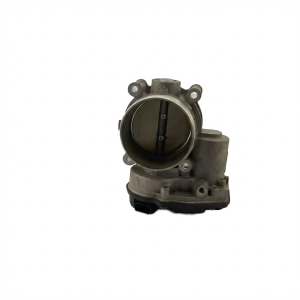
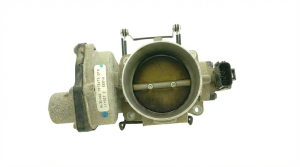
New Aftermarket Parts Available

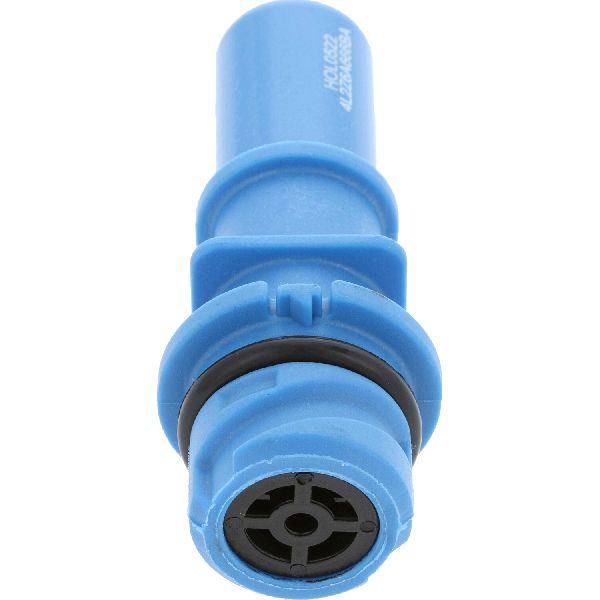

The information in this article is provided for general reference and educational purposes only. Vehicle specifications, procedures, and part compatibility can vary by production date, trim level, and region. Always consult your vehicle's factory service manual and verify part numbers before purchasing or performing repairs. Safety-critical components such as airbags, seat belts, and braking systems should be installed by a qualified professional.
- Ford F-150:
- 🧭 Diagnostic Flowchart
- 🎬 Helpful Videos
- 🛍️ Shop This Part
- What's Unique About the 2004-2014 Ford F-150
- Symptoms You May Notice
- Most Likely Causes
- Rare But Worth Checking
- Diagnosis Steps
- Parts You'll Likely Need
- Related Codes That Often Appear With This One
- Technical Service Bulletins (TSBs) & Recalls
- Platform-Specific Known Issues
- Mechanic-Grade Diagnostic Values
- Scan Tool Commands That Help
- Wiring & Ground Locations
- Real Owner Repair Stories
- "I Checked Everything" — The Actual Cause
- When the Usual Fixes Don't Work
- Model Year Variations Within This Range
- Other Known Issues on This Vehicle
- Used vs. New Parts: Buying Guide for This Vehicle
- Real Owner Stories
- 2004-2008 Ford F-150
- 2004-2008 Ford F-150 5.4L 3V — ~100000 miles
- 2010 Ford F-150
- Ford Focus (Cross-Manufacturer Reference)
- Related OBD-II Codes
- Frequently Asked Questions
- Other Known Issues on This Vehicle
- Used vs. New Parts: Buying Guide for This Vehicle
- Real Owner Stories
- 2004-2008 Ford F-150
- 2004-2008 Ford F-150 5.4L 3V — ~100000 miles
- 2010 Ford F-150
- Related OBD-II Codes
- Frequently Asked Questions
- 🎟️ Get 5% Off