

P0507 on 2000-2007 Ford Taurus: High Idle Causes and Fixes
For a 2000-2007 Ford Taurus with a 3.0L Vulcan engine, a P0507 code is most often caused by a vacuum leak or a faulty Idle Air Control (IAC) valve. Common vacuum leak sources include deteriorated PCV hoses and brittle intake manifold gaskets. A new IAC valve costs around $40-$100 for an aftermarket part and is a common DIY fix.
- P0507 on a 2000-2007 Taurus means the engine is idling too fast.
- The most likely causes are a vacuum leak from a cracked hose or a dirty/failed Idle Air Control (IAC) valve.
- Start diagnosis by inspecting all vacuum hoses for cracks, especially those related to the PCV system.
- Cleaning the throttle body and IAC valve is a low-cost first step that often resolves the issue.
- Replacing the IAC valve is a common, relatively easy DIY repair that requires basic hand tools.
What's Unique About the 2000-2007 Ford Taurus
The 3.0L Vulcan V6 used in this generation of Taurus is a well-known pushrod engine that relies on a traditional Idle Air Control (IAC) valve, unlike newer cars with electronic throttle control. Over time, the IAC valve can get stuck with carbon, and the numerous vacuum hoses and intake gaskets on the engine can become brittle and crack. This makes vacuum leaks and IAC valve failure the two most probable culprits for a P0507 code on this specific vehicle. The most common vacuum leak points are the PCV valve elbow and the intake plenum gaskets (upper to lower intake).
Symptoms You May Notice
- Check Engine Light is on
- Engine idles higher than normal (e.g., over 1000 RPM in Park).
- Rough, surging, or fluctuating idle speed
- Increased fuel consumption
- Vehicle may feel like it's pushing forward slightly when stopped
- Difficulty in controlling vehicle speed at low RPMs
- Replacing the Throttle Position Sensor (TPS). The TPS tells the computer the throttle angle; it does not directly cause a high idle unless it fails in a way that incorrectly reports the throttle is open, which is uncommon for this code.
Most Likely Causes
- Vacuum Leak 🔴 High Probability With age, the many rubber and plastic vacuum lines and gaskets on the 3.0L Vulcan engine become brittle and crack. The most common failure points are the PCV valve elbow hose behind the upper intake manifold and the intake plenum gaskets. This creates unmetered air leaks that the PCM cannot compensate for, raising the idle speed.
How to confirm: With the engine running, listen for a hissing sound. You can also carefully spray brake cleaner or a propane torch (unlit) around vacuum lines, the intake manifold gasket, and the throttle body. A change in idle RPM when spray is applied indicates a leak. A smoke test is the most definitive method for finding hard-to-locate leaks. 🎬 Watch: How to find the source of lean vacuum leaks.
Typical fix: Replace the cracked hose or faulty gasket. Common culprits are PCV hoses and intake manifold gaskets.
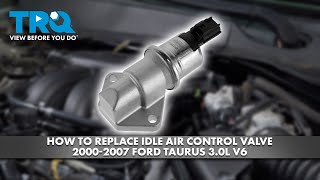
Est. part cost: $10-$50 - Faulty or Dirty Idle Air Control (IAC) Valve 🔴 High Probability → Shop Idle Air Control Valve The IAC valve regulates idle speed by controlling airflow through a bypass channel around the throttle plate. Carbon buildup from engine blow-by can cause the valve's internal plunger to stick, preventing it from closing properly and leading to a persistent high idle.
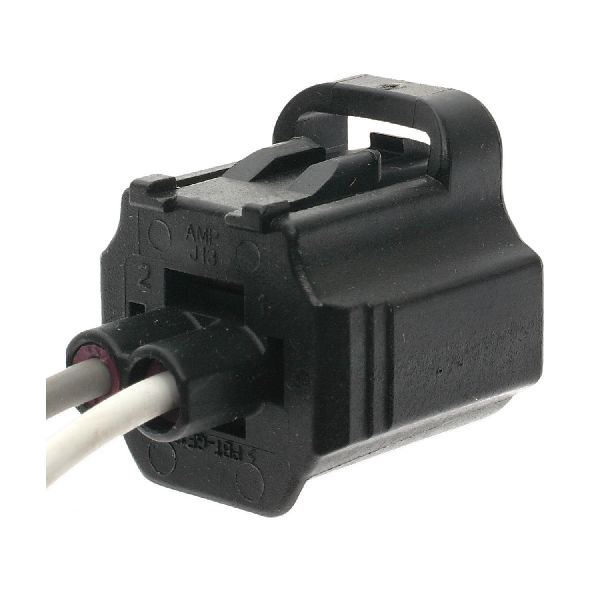
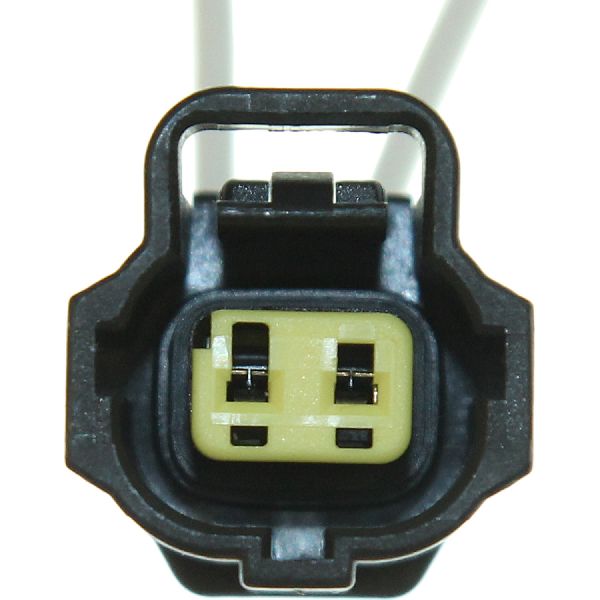
How to confirm: Tap the IAC valve with a screwdriver handle; if the idle changes, the valve is likely sticking. You can also remove the valve (typically held by two 8mm bolts) and inspect it for carbon buildup. When the engine is warm and idling high, unplugging the IAC electrical connector should cause the idle to drop significantly; if it doesn't, the valve is likely stuck open or there is a large vacuum leak.
Typical fix: First, try cleaning the IAC valve and its port with throttle body cleaner. If cleaning doesn't work or the fix is temporary, replace the IAC valve and its gasket. 🎬 Watch: Step-by-step guide to replacing the IAC valve.
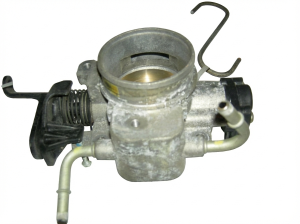
Est. part cost: $40-$100 - Dirty Throttle Body 🟡 Medium Probability → Shop Fuel Injection Throttle Body Carbon and oil vapor from the PCV system can build up around the throttle plate and bore, preventing the plate from closing completely at idle. This small opening allows uncommanded air to enter the engine, raising the idle.
How to confirm: Remove the air intake hose from the throttle body and visually inspect the throttle plate and bore for black carbon buildup. Manually actuate the plate to see if it moves smoothly or sticks.
Typical fix: Clean the throttle body bore and plate with a dedicated throttle body cleaner and a soft cloth or brush. Do not use harsh tools that could scratch the bore.
Est. part cost: $5-$10 - PCV System Fault ⚪ Low Probability The PCV valve or its associated rubber hoses can fail. If the PCV valve sticks open, it essentially creates a large, unmetered vacuum leak. The rubber elbows are particularly prone to collapsing or cracking. In some Ford systems, excessive vacuum can even lead to fuel tank damage; NHTSA ODI #11509589 describes a case where P0507 and P1450 were present, and technicians recommended replacing a leaking fuel tank and fuel pump due to excessive vacuum.
How to confirm: Inspect the PCV valve and its rubber hoses for cracks or collapse. A stuck-open PCV valve can sometimes be heard making a sucking or hissing noise.
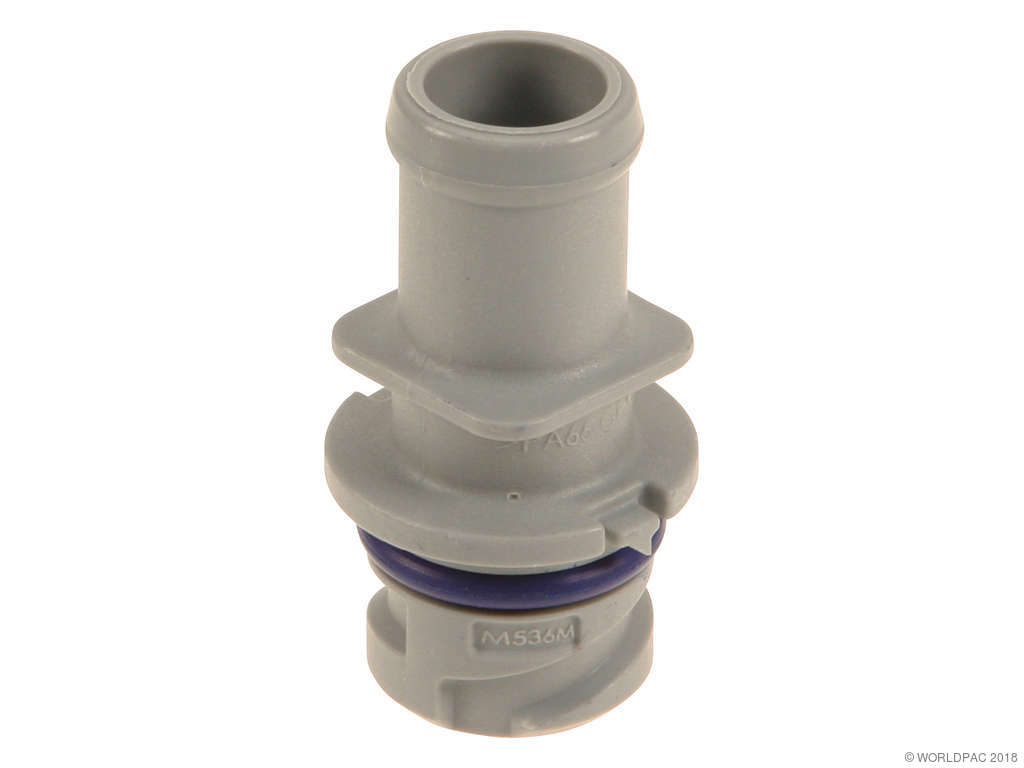
Typical fix: Replace the PCV valve and any damaged hoses. 🎬 See how to replace a cracked PCV valve elbow. This is an inexpensive and easy maintenance item.
Est. part cost: $10-$25
Rare But Worth Checking
- Failing Alternator:
Diagnosis Steps
- Check for stored trouble codes with an OBD-II scanner. Note any other codes besides P0507, especially P0171 and P0174, which strongly suggest a vacuum leak.
- Visually inspect all vacuum hoses connected to the intake manifold for cracks, disconnections, or deterioration. Pay close attention to the PCV hoses and elbows, especially the one at the rear of the intake manifold.
- With the engine idling, listen for audible hissing sounds that would indicate a vacuum leak.
- Inspect the air intake tube between the air filter box and the throttle body for any cracks or loose clamps.
- Remove the air intake tube and inspect the throttle body for heavy carbon buildup that could prevent the throttle plate from closing fully.
- Locate the Idle Air Control (IAC) valve on the upper intake manifold. With the engine idling high, try tapping it firmly with the handle of a screwdriver. If the idle speed changes, the IAC valve is sticking.
- If tapping has no effect, unplug the electrical connector to the IAC valve while the engine is running. The idle speed should drop dramatically. If it does not, the valve is stuck open or there is a very large vacuum leak elsewhere.
- If a vacuum leak is suspected but not visible, perform a smoke test to find the source of the unmetered air. This is the most effective way to find small leaks in gaskets or hidden hoses.
- If all else fails, test the charging system. A failing alternator can sometimes cause erratic idle behavior, though it's less common for this specific code.
Parts You'll Likely Need
- Idle Air Control (IAC) Valve
(OEM #Motorcraft CX-1946 (also seen as 1S4U-9F715-BC))— This valve is the primary component for controlling idle speed and is a very common failure point due to carbon buildup causing it to stick open.
Trusted brands: Motorcraft, Standard Motor Products, Walker, Delphi
OEM price range: $80-$150
Aftermarket price range: $40-$100 - PCV Valve and Hoses
(OEM #Motorcraft EV-273 (PCV Valve))— The rubber elbows and hoses in the PCV system are prone to cracking and causing vacuum leaks that lead to a high idle. The elbow at the back of the intake is a frequent, often overlooked, culprit.
Trusted brands: Motorcraft, Dorman
OEM price range: $15-$30
Aftermarket price range: $5-$20 - Throttle Body Cleaner — Often, a simple cleaning of the IAC valve or throttle body is enough to solve the high idle issue. This is the cheapest and easiest first step.
Trusted brands: CRC, WD-40, Gumout
Aftermarket price range: $5-$10
Related Codes That Often Appear With This One
- P0171 — System Too Lean (Bank 1) - Often appears with P0507 if the root cause is a significant vacuum leak, as unmetered air is entering the engine, disrupting the air-fuel ratio.
- P0174 — System Too Lean (Bank 2) - Same reason as P0171. A vacuum leak will affect both cylinder banks, often triggering both codes alongside P0507.
- P2195 — O2 Sensor Signal Biased Stuck Lean - This code may appear alongside P0507 and P1450 as noted in NHTSA ODI #11440617, indicating the engine is struggling with air-fuel management.
Diagnostic Flowchart
Other Known Issues on This Vehicle
Issues unrelated to this code that are worth knowing about as an owner of this generation:
- Automatic Transmission Failure (AX4S/AX4N) 🔴 High — Common failure between 60,000 and 100,000 miles. Issues include harsh shifting, slipping, or complete loss of forward gears. Some failures are attributed to a weak torque converter input shaft. (Ref: Ford TSB 99-18-4 addresses harsh 3-2 downshifts caused by low fluid levels.)
- Front Coil Spring Fracture 🔴 High — Common in cold-weather states where road salt is used, leading to corrosion and sudden spring failure, which can puncture the tire. (Ref: NHTSA Recall 04V-332 (Ford Recall 04S17) was issued for 1999-2001 models to install protective shields. Ford also extended warranty coverage.)
- Camshaft Synchronizer Failure 🔴 High — A very common issue on the 3.0L Vulcan engine. The synchronizer's internal bushing wears out, causing a distinct 'chirp' or 'squeak' from the engine. Since the synchronizer drives the oil pump, complete failure leads to immediate loss of oil pressure and catastrophic engine damage. (Ref: No specific recall, but it is a widely documented failure. The typical symptom is a P0340 code along with the noise.)
- Leaking Intake Manifold Gaskets 🟠 Medium → Shop Engine Intake Manifold — The upper and lower intake manifold gaskets and EGR tube O-rings become brittle and flatten over time, causing vacuum leaks, misfires, and rough running.
Real Owner Stories
Aggregated from forums and TSBs cited above. Mileages and costs reflect what owners reported in those sources.
2006 Ford Ranger 3.0L Vulcan V6
Symptoms: Owner reported a P0507 code and suspected the Idle Air Control (IAC) valve as the initial point of failure.
What fixed it: The IAC valve was identified as the likely failure point for the high idle condition.
Source hint: Ranger-Forums.com
2003 Ford Taurus 3.0L Vulcan V6 — 40000 miles
Symptoms: Owner identified the classic camshaft synchronizer 'chirp'.
What fixed it: Replacement of the camshaft synchronizer to prevent oil pump failure.
Source hint: CarTalkCommunity.com
Ford Focus (Cross-Model Reference)
Symptoms: An owner reported rough idling at a stopping position, stalling, and cutting off in traffic while shifting down. A diagnostic check revealed code P0507 related to the idle air control valve and throttle body (NHTSA ODI #11024843).
Related OBD-II Codes
Frequently Asked Questions
Does Ford Recall 04S17 apply to my 2000-2007 Taurus?
I hear a 'chirp' coming from my 3.0L Vulcan engine; is this related to the high idle?
How can I tell if my P0507 is caused by the IAC valve or a vacuum leak on my Taurus?
Are there specific vacuum lines on the 3.0L Vulcan known for causing P0507?
Can I just clean the IAC valve instead of replacing it?
Is the P0507 code common on other vehicles with the same engine?
Helpful Videos
Used OEM Parts in Stock
New Aftermarket Parts Available


The information in this article is provided for general reference and educational purposes only. Vehicle specifications, procedures, and part compatibility can vary by production date, trim level, and region. Always consult your vehicle's factory service manual and verify part numbers before purchasing or performing repairs. Safety-critical components such as airbags, seat belts, and braking systems should be installed by a qualified professional.
- Ford Taurus:
- 🧭 Diagnostic Flowchart
- 🎬 Helpful Videos
- 🛍️ Shop This Part
- What's Unique About the 2000-2007 Ford Taurus
- Symptoms You May Notice
- Most Likely Causes
- Rare But Worth Checking
- Diagnosis Steps
- Parts You'll Likely Need
- Related Codes That Often Appear With This One
- Other Known Issues on This Vehicle
- Real Owner Stories
- 2006 Ford Ranger 3.0L Vulcan V6
- 2003 Ford Taurus 3.0L Vulcan V6 — 40000 miles
- Ford Focus (Cross-Model Reference)
- Related OBD-II Codes
- Frequently Asked Questions
- 🎟️ Get 5% Off