

P0507 on 2003-2012 Honda Accord: Causes for High Idle and Fixes
On a 2003-2012 Honda Accord, P0507 is most often caused by a dirty throttle body or a vacuum leak. The first and most effective fix is to thoroughly clean the throttle body, check for cracked vacuum hoses (especially the PCV hose), and perform the Honda-specific idle relearn procedure. This is a common, low-cost, DIY-friendly repair.
- P0507 means the engine is idling too high, and the computer can't correct it.
- The most likely cause is a simple vacuum leak (like a cracked PCV hose) or a dirty throttle body that needs cleaning.
- The 2003-2007 (7th Gen) has a separate Idle Air Control (IAC) valve that can be cleaned; the 2008-2012 (8th Gen) has an integrated electronic throttle body.
- Always check for vacuum leaks before replacing more expensive parts.
- After cleaning the throttle body or replacing any related part, you MUST perform the Honda-specific idle relearn procedure for the fix to be effective.
What's Unique About the 2003-2012 Honda Accord
The 2003-2012 Accord spans two generations with different idle control systems, which is crucial for diagnosis. The 7th generation (2003-2007) uses a separate Idle Air Control (IAC) valve that can be cleaned or replaced. The 8th generation (2008-2012) integrates idle control into the electronic Drive-By-Wire throttle body. For both generations, a common cause of P0507 is a dirty throttle body, and it is critical to perform the specific Honda idle relearn procedure after any cleaning or part replacement to allow the ECM to recalibrate. Failing to do the relearn is a very common reason for the code to return immediately after a repair.
Generation note: This range covers two Honda Accord generations with different idle control hardware: - 7th Generation (2003-2007): Uses a separate, serviceable Idle Air Control (IAC) valve mounted to the throttle body. This valve is a common failure point and can often be fixed by cleaning. - 8th Generation (2008-2012): Uses an electronic throttle body (Drive-By-Wire) where the idle control motor is integrated into the throttle body assembly. Diagnosis focuses on cleaning the throttle body bore and plate or, in some cases, replacing the entire unit.
Symptoms You May Notice
- Check Engine Light is on
- Engine idle speed is noticeably higher than normal (e.g., 1000-1500 RPM in Park/Neutral)
- Rough or fluctuating idle, sometimes described as 'hunting' for idle.
- Vehicle may feel like it's pushing forward slightly when stopped in gear
- Occasional stalling, especially when the A/C is turned on or when coming to a stop.
- Increased fuel consumption due to higher engine RPM.
- Harsh engagement when shifting an automatic transmission from Park or Neutral into gear.
- Replacing the IAC valve (7th Gen) or throttle body (8th Gen) without first checking for vacuum leaks.
- Replacing parts without performing the mandatory Honda idle relearn procedure afterward, leading to the code returning.
- Assuming the throttle body is bad on an 8th Gen model when it only needs cleaning and a relearn.
Most Likely Causes
- Vacuum Leak 🔴 High Probability Over time, rubber hoses and plastic intake components become brittle and crack. The PCV valve hose is a particularly common failure point, often becoming soft and collapsing or splitting near the intake manifold.
How to confirm: Listen for a distinct hissing sound around the engine bay at idle. Visually inspect all vacuum lines, especially the PCV hose, brake booster hose, and intake manifold gaskets. A smoke test is the most definitive way to find a leak.
Typical fix: Replace the cracked hose or faulty gasket.
Est. part cost: $10-$50 - Dirty Throttle Body 🔴 High Probability → Shop Fuel Injection Throttle Body Carbon and oil vapor from the PCV system build up around the throttle plate and bore, preventing the plate from closing completely at idle. This lets in extra air, which the ECM cannot account for.
How to confirm: Remove the air intake tube connected to the throttle body and visually inspect for a black, sticky layer of carbon buildup around the throttle plate and inside the bore.
Typical fix: Clean the throttle body thoroughly with a dedicated throttle body cleaner and a soft cloth or brush. An idle relearn procedure must be performed afterward.
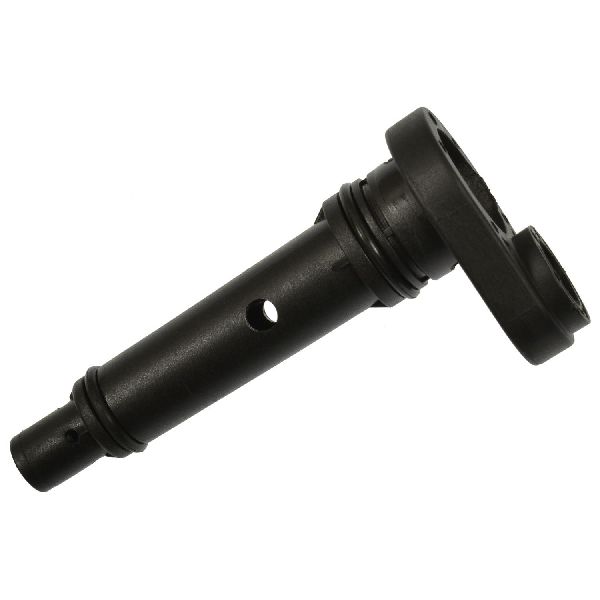
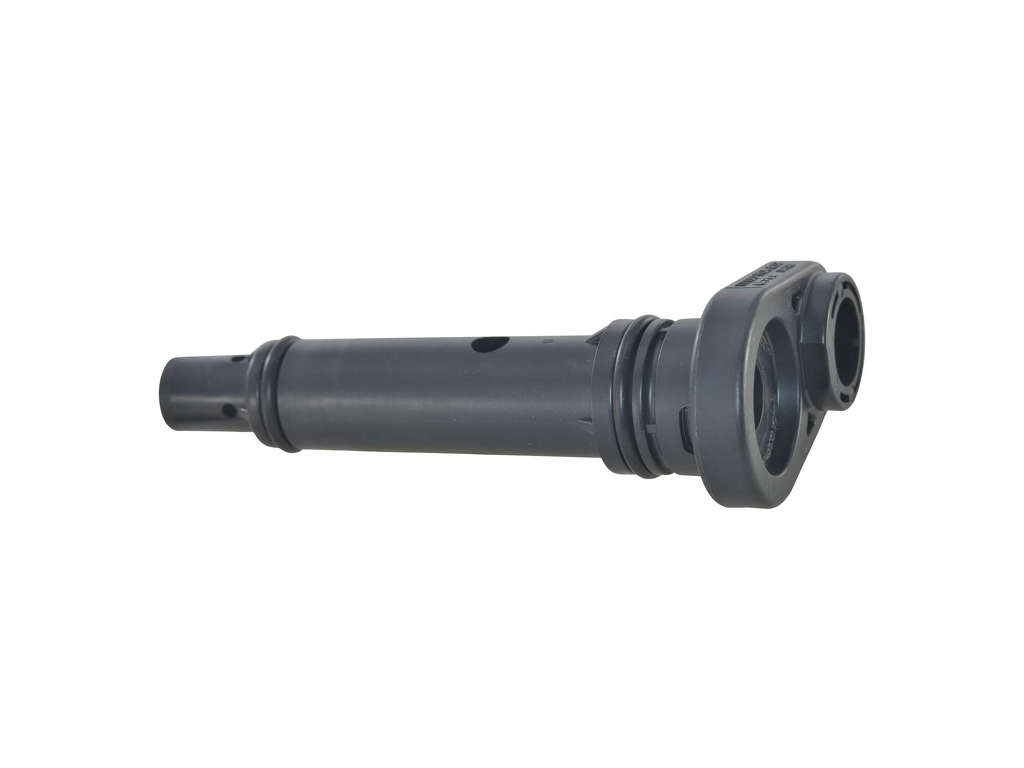
Est. part cost: $5-$15 (for cleaner) - Dirty or Faulty Idle Air Control (IAC) Valve 🟡 Medium Probability → Shop Idle Air Control Valve This applies to 7th Gen (2003-2007) models only. The IAC valve gets clogged with carbon, causing it to stick open or respond slowly.
How to confirm: Remove the IAC valve from the throttle body. Inspect its air passages and pintle for carbon buildup. You can test the valve's solenoids with a multimeter. Sometimes, tapping on it with a screwdriver handle can temporarily change the idle, confirming it's sticking.
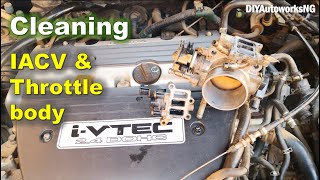
Typical fix: Clean the valve and its passages with throttle body cleaner. 🎬 Watch: How to clean the IAC valve and throttle body. If cleaning doesn't work, replace the IAC valve and its gasket.
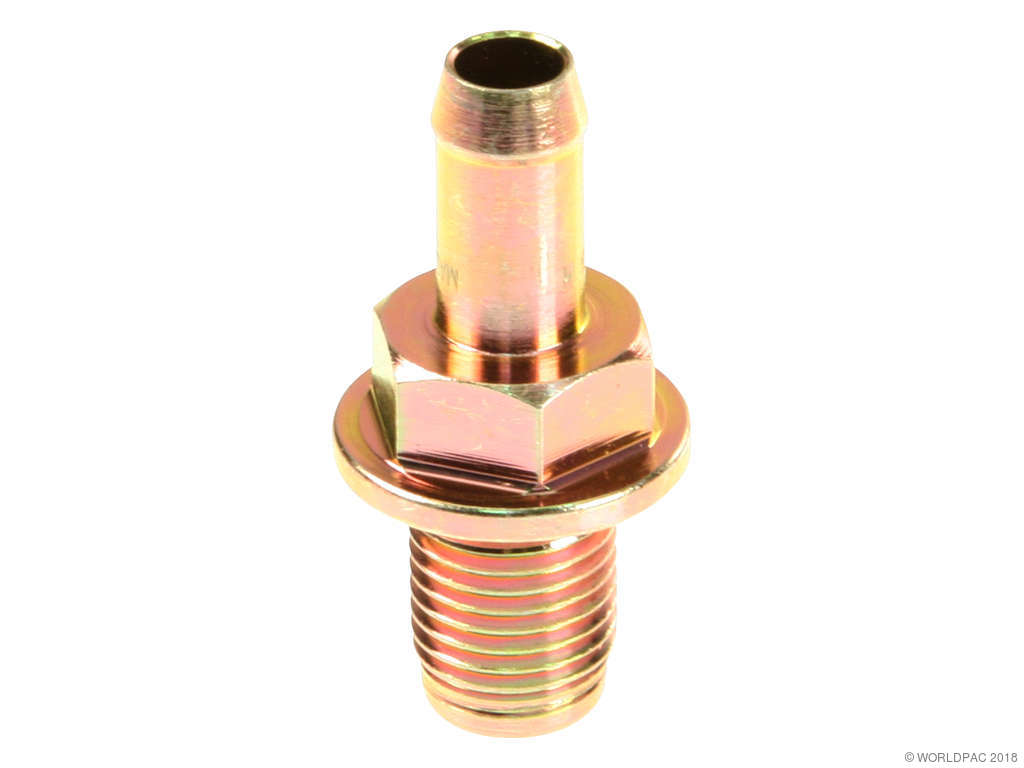
Est. part cost: $50-$200 - Faulty PCV Valve ⚪ Low Probability → Shop PCV Valve The Positive Crankcase Ventilation (PCV) valve can get stuck open, creating a constant vacuum leak into the intake manifold.
How to confirm: Remove the PCV valve and shake it. If it doesn't rattle, it's likely stuck. With the engine running, you can pinch the hose leading to it; you should feel strong suction and the idle may change.
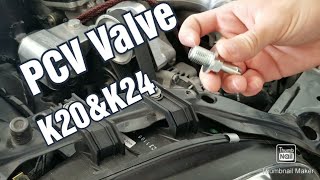
Typical fix: Replace the PCV valve. This is an inexpensive and easy maintenance item.
Est. part cost: $10-$30
Rare But Worth Checking
- Failed Electronic Throttle Body: → Shop Fuel Injection Throttle Body Applies to 8th Gen (2008-2012) models. If a thorough cleaning and idle relearn do not fix the issue, the internal motor or position sensor within the throttle body may have failed, requiring replacement of the entire assembly. In some cases, overly aggressive cleaning can damage the sensitive electronics.
- Failed Engine Coolant Temperature (ECT) Sensor: A faulty ECT sensor can incorrectly report to the ECM that the engine is cold, causing the ECM to command a higher idle speed than necessary.
- Stuck Open EVAP Purge Solenoid: → Shop Vapor Canister The EVAP purge solenoid controls the flow of fuel vapors from the charcoal canister to the intake manifold. If it gets stuck open, it creates a vacuum leak that can cause a high idle and a P0507 code.
Diagnosis Steps
- Read the code with an OBD-II scanner to confirm P0507 and check for any other related codes like P0171 or P2279.
- Start the engine and listen carefully for any hissing sounds that would indicate a vacuum leak. Pay close attention to the PCV valve area and intake manifold.
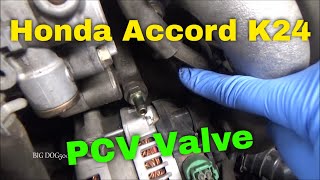
- Visually inspect all accessible vacuum hoses for cracks, brittleness, or loose connections. The PCV hose on K24 engines is a known weak point. 🎬 Watch: How to replace the K24 PCV valve and tube.
- Remove the air intake duct and inspect the throttle body for carbon buildup.
- If significant buildup is found, clean the throttle body thoroughly using an appropriate cleaner and a soft brush. For 7th Gen models, also remove and clean the Idle Air Control (IAC) valve.
- Inspect and test the PCV valve to ensure it is functioning correctly and not stuck open.
- If no obvious cause is found, perform a smoke test to definitively identify any hard-to-see vacuum leaks in the intake system, including the intake manifold gaskets, brake booster, and EVAP purge valve.
- After any cleaning or repairs, clear the code and perform the Honda idle relearn procedure. A common method is: warm the engine to normal operating temperature (radiator fan comes on at least once), turn off all electrical loads (A/C, radio, lights), and let it idle in Park or Neutral for at least 5-10 minutes. 🎬 See how to perform an idle relearn without a scan tool. For 8th Gen models, it may be necessary to use a Honda-specific scan tool (HDS) or a capable aftermarket scanner to 'Clear Throttle Position Learned Value' before performing the idle relearn for it to be successful.
Parts You'll Likely Need
- Throttle Body Cleaner — This is the first step in resolving the issue, as carbon buildup is a very common cause.
Trusted brands: CRC, Berryman, Gumout
Aftermarket price range: $5-$15 - Idle Air Control (IAC) Valve
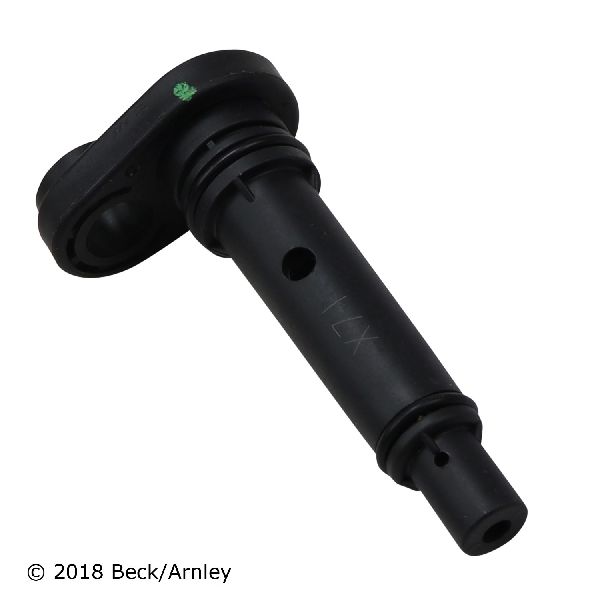
(OEM #16022-PNA-J51 (For 2.4L 7th Gen, verify by VIN))— A primary failure point for high idle on 7th Gen (2003-2007) models if cleaning doesn't resolve the issue.
Trusted brands: Standard Motor Products, Hitachi, Denso
OEM price range: $180-$250
Aftermarket price range: $50-$120 - PCV Valve
(OEM #17130-PND-A01 (For 2.4L) or 17130-RCA-A02 (For V6))— An inexpensive maintenance part that can cause a vacuum leak if it fails.
Trusted brands: Standard Motor Products, Honda OE
OEM price range: $20-$40
Aftermarket price range: $5-$15 - PCV Valve Hose
(OEM #17132-RAA-A00 (Example for 2.4L, verify by VIN))— This specific hose is known to degrade, crack, or collapse, creating a significant vacuum leak.
Trusted brands: Honda OE, Gates
OEM price range: $15-$30
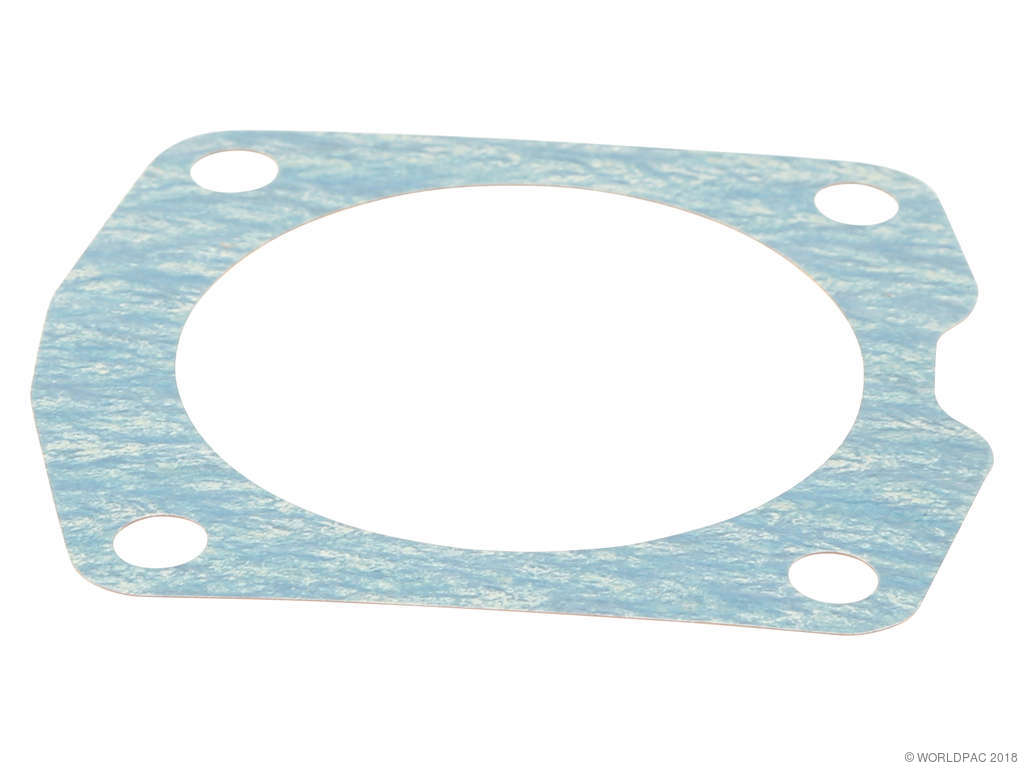
Aftermarket price range: $10-$20 - Throttle Body Gasket
(OEM #16176-RAA-A01 (For 2.4L) or 16176-RCA-A02 (For V6))— Should be replaced whenever the throttle body is removed for cleaning or replacement.
Trusted brands: Fel-Pro, Mahle, Honda OE
OEM price range: $10-$20
Aftermarket price range: $5-$10
Related Codes That Often Appear With This One
- P0171 — System Too Lean (Bank 1). A vacuum leak that causes P0507 also allows unmetered air into the engine, which creates a lean air/fuel mixture.
- P2279 — Intake Air System Leak. This code specifically points to a vacuum leak, which is a primary cause of P0507. These two codes often appear together after a throttle body cleaning if the idle relearn is not performed correctly.
Platform-Specific Known Issues
- On 8th Gen (2008-2012) models, using a capable scan tool to clear the ECM's learned throttle position values may be required before the manual idle relearn procedure will work. Simply disconnecting the battery is not always sufficient.
- The PCV hose on the 2.4L K24 engine is a very frequent cause of P0507. It's a molded hose that can rot from oil exposure, causing a large vacuum leak that is sometimes hard to see as it's under the intake manifold cover.
Mechanic-Grade Diagnostic Values
- Short-Term Fuel Trim (STFT) at idle — expected: Close to 0% (+/- 5%). Failure: Consistently positive values, such as +10% to +25%, indicate the ECM is adding fuel to compensate for unmetered air from a vacuum leak.
- Engine Coolant Temperature (ECT) Sensor Resistance — expected: Approximately 2000-3000 Ohms at 68°F (20°C) and 200-400 Ohms at 176°F (80°C).. Failure: Readings that are infinite (open circuit) or near zero (short circuit) will cause the ECM to command an incorrect idle speed.
- IAC Valve Duty Cycle (7th Gen, via Scan Tool) — expected: A stable percentage reading at idle (e.g., 15-40%) that responds to engine load changes (like turning on the A/C).. Failure: A value that is stuck at 0% or 100%, or does not change with engine load, suggests a stuck or failed IAC valve.
Scan Tool Commands That Help
- Honda HDS (or capable aftermarket scanner like Autel/Launch): TP POSITION CHECK > Clear Throttle Position Learned Value — This is a mandatory step for 8th Gen (2008-2012) models after cleaning or replacing the electronic throttle body. Failing to clear the old learned value will prevent the idle relearn procedure from working correctly and the P0507 code will likely return immediately.
- Honda HDS / Professional Scan Tool: Idle Air Control Valve Test (Bidirectional Control) — For 7th Gen (2003-2007) models, this function allows the technician to command the IAC valve to open or close in steps, verifying its mechanical operation. The scan tool will command a specific duty cycle and the engine RPM should change accordingly, confirming the valve is not stuck.
Wiring & Ground Locations
- G101 — Typically located on the thermostat housing or nearby on the cylinder head/transmission case for K-series (4-cyl) and J-series (V6) engines.. This is a primary engine ground point for the Powertrain Control Module (PCM) and multiple sensors. A loose or corroded G101 can cause erratic sensor readings, including those for the ECT and throttle position, leading to incorrect idle control and potentially a P0507 code.
- Throttle Body Connector (8th Gen) — 6-pin connector directly on the electronic throttle body assembly.. Corrosion or backed-out pins in this connector can interrupt the signals between the PCM and the throttle actuator motor/position sensors, causing erratic idle behavior. It's important to inspect this connector for integrity, especially after any work in the area.
- IAC Valve Connector (7th Gen) — 3-pin connector on the Idle Air Control valve, mounted to the throttle body.. Corrosion or a poor connection here can prevent the PCM from controlling the IAC valve, causing it to stick in one position and result in a high idle.
Real Owner Repair Stories
- YouTube user comment (2013 Honda Accord (demonstrates a similar issue applicable to the 8th gen)) — Persistent P0507 high idle and oil consumption issues.
❌ Tried (didn't work) Cleaned throttle body, Performed idle relearn procedure (passed but idle remained high)
✅ What actually fixed it The root cause was a faulty aftermarket valve cover that was creating an internal vacuum leak within the crankcase ventilation system. Replacing the aftermarket valve cover with an OEM part resolved the high idle. - DriveAccord.net forum user (2004 Honda Accord EX V6) — P0507, idle surging between 1,200 and 2,200 RPM in Park/Neutral.
❌ Tried (didn't work) Cleaned throttle body, Cleaned IAC valve, Replaced IAC valve, Checked for vacuum leaks with carb cleaner (none found)
✅ What actually fixed it The problem was finally traced to a leaking brake booster. When the vacuum hose to the booster was clamped off, the idle immediately stabilized. Replacing the brake booster fixed the P0507 code.
"I Checked Everything" — The Actual Cause
- In one documented case, a smoke test revealed no external vacuum leaks, but the P0507 code persisted. The issue was ultimately a faulty aftermarket valve cover that was causing an unmetered air leak internally through the PCV system, a problem a smoke test on the intake manifold would not find.
Model Year Variations Within This Range
- 2006-2007: For the V6 models, Honda introduced Drive-By-Wire (DBW) in 2006, a couple of years before the 4-cylinder models. Therefore, a 2006-2007 V6 Accord has an integrated electronic throttle body similar to the 8th generation and does NOT have a separate IAC valve, while the 2006-2007 4-cylinder models still use the cable-actuated throttle with a separate IAC valve.
Diagnostic Flowchart
Other Known Issues on This Vehicle
Issues unrelated to this code that are worth knowing about as an owner of this generation:
- Automatic Transmission Failure (especially V6) 🔴 High — Very common on 2003-2004 V6 models, often failing before 100,000 miles. Less common but still present on 4-cylinder models of the 7th gen. (Ref: NHTSA Recall #04V176000 (Honda recall TSB 04-037) was issued for 2003-2004 V6 models due to insufficient lubrication of the second gear, which could lead to gear breakage and transmission lock-up.)
- VTC Actuator Rattle on Cold Start (4-Cylinder) 🟠 Medium — Common on 8th Gen (2008-2012) K24Z engines. A loud, grinding rattle for 1-2 seconds on a cold start is the primary symptom. (Ref: Honda TSB 09-010 addresses this issue, recommending replacement of the VTC actuator with an updated part. Ignoring it can lead to a stretched timing chain.)
- Excessive Oil Consumption (V6 with VCM) 🟠 Medium — Affects 8th Gen (2008-2012) V6 models with Variable Cylinder Management (VCM). Oil is consumed when the VCM system deactivates cylinders, leading to fouled spark plugs and potential engine damage over time. (Ref: Honda extended the powertrain warranty and addressed this in a class-action lawsuit settlement. TSBs recommend a software update to alter VCM behavior. Many owners install a 'VCM Muzzler' to disable the system.)
- Premature Rear Brake Wear (8th Gen) 🟡 Low — Common on 2008-2012 models. Many owners report replacing rear brake pads and/or rotors much more frequently than expected, sometimes as early as 20,000-30,000 miles. (Ref: A class-action lawsuit was filed regarding this issue, but no official recall was issued for the wear itself.)
- Failing Power Steering Pump O-Rings (7th Gen) 🟡 Low — A very common issue on 2003-2007 models, causing a whining or groaning noise from the power steering pump, especially when cold or turning. Air gets into the system through a hardened O-ring on the pump's inlet.
Used vs. New Parts: Buying Guide for This Vehicle
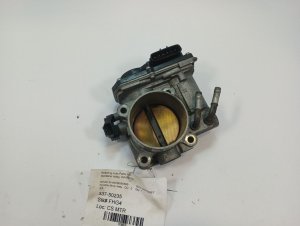
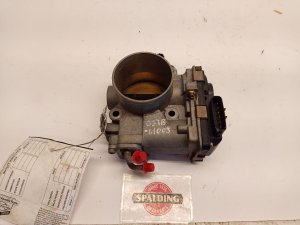
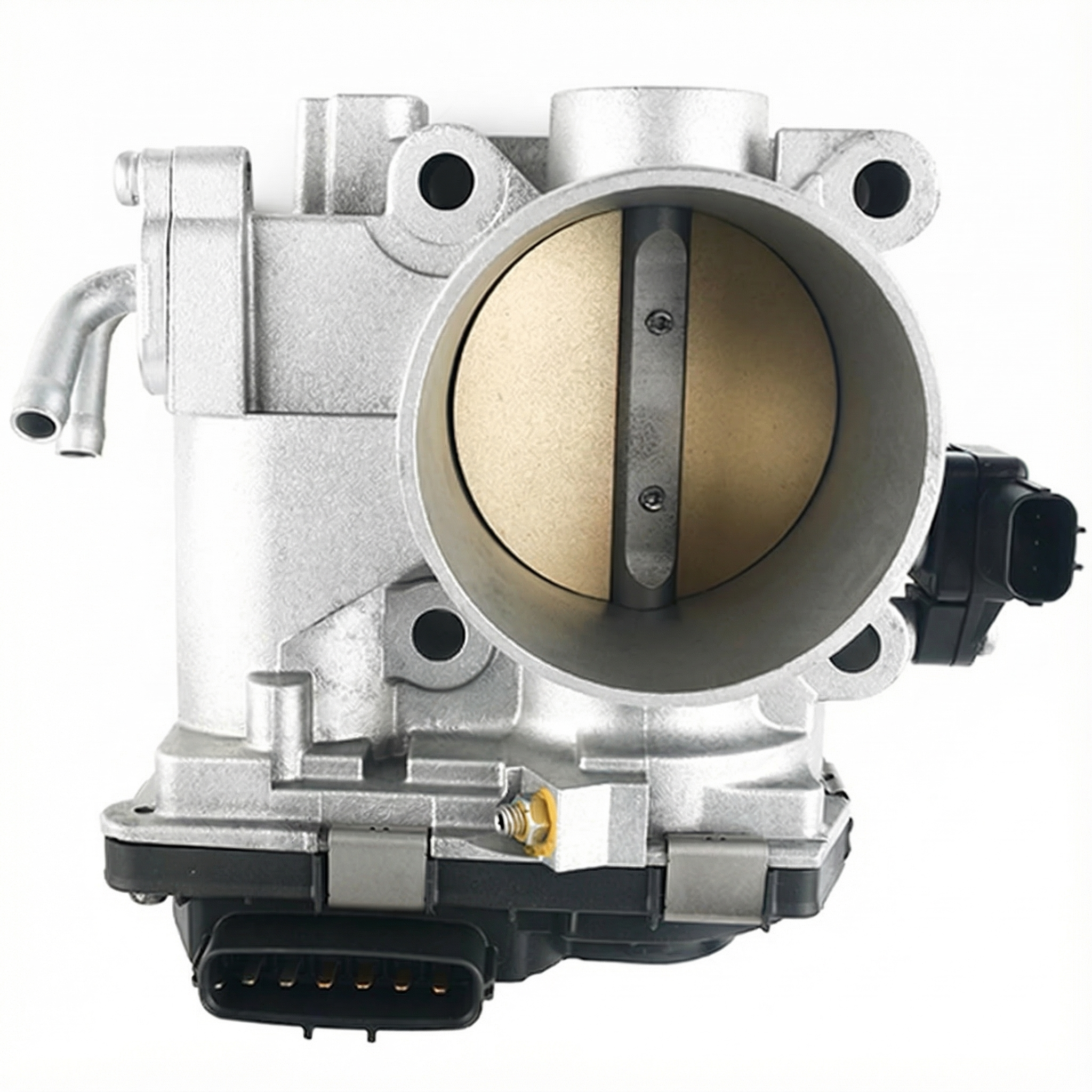
When a used part is the smart pick: For 7th Gen (2003-2007) models, a used OEM IAC valve from a low-mileage donor car can be a cost-effective alternative to an expensive new OEM part. For 8th Gen (2008-2012) models, a complete used OEM electronic throttle body assembly is often a reliable and much cheaper option than a new unit, especially if the failure is electronic rather than just carbon buildup.
Donor-vehicle mileage cap: roughly under 80000 miles for the part to have meaningful remaining life.
What to inspect on the donor part:
- For an IAC valve, ensure the pintle and screen are intact and not excessively corroded.
- For an electronic throttle body, check that the throttle plate moves smoothly by hand (with power off) and isn't scored or damaged.
- Inspect the electrical connector pins on the part to ensure they are straight, clean, and free of corrosion.
- Ask for the VIN of the donor car to verify compatibility and check its history if possible.
OEM-only on this vehicle (don't cheap out):
- PCV Valve: This part is inexpensive, critical for crankcase pressure management, and aftermarket versions can have incorrect flow rates. Given the low cost, sticking with a genuine Honda part is highly recommended.
- Electronic Throttle Body (if buying new): While expensive, a new OEM throttle body is the most reliable long-term solution for 8th Gen models. Some aftermarket units have a high failure rate or can cause compatibility issues.
Aftermarket brands forum-validated for this vehicle:
- Denso (often the OEM supplier)
- Hitachi
- Standard Motor Products (SMP)
Brands owners have reported issues with on this vehicle:
- Unnamed, low-cost 'white box' parts from online marketplaces are frequently cited in forums as failing quickly or being dead-on-arrival, particularly for electronic components like IAC valves and throttle bodies.
Real Owner Stories
Aggregated from forums and TSBs cited above. Mileages and costs reflect what owners reported in those sources.
2003 Accord V6
Symptoms: P0507 code appeared immediately after a timing chain service.
What fixed it: The issue was traced to a vacuum leak introduced during the service or a dirty IAC valve; the source emphasizes checking for disconnected hoses after major engine work.
Source hint: Honda Accord Forum thread titled '2003 EX Code P0507'
2010 Honda CR-V (K24 engine) — 106000 miles
Symptoms: Car shakes a little at idle and has a P0507 code.
What fixed it: Cleaning the throttle body and resetting the ECU by disconnecting the battery.
Source hint: Reddit r/MechanicAdvice thread titled '2010 honda crv 106k miles has P0507 code, car shakes a little at idle... what should I do?'
Honda CR-V (K24 engine)
Symptoms: Initial lean code and P0507 caused by a rotted PCV hose. After replacing the hose and cleaning the throttle body, the P0507 code persisted.
What fixed it: Replacing the electronic throttle body, as the original was either worn out or damaged during the cleaning process.
Source hint: Drew's Garage YouTube video 'Honda p0507 (K24 Accord CRV Element TSX)'
Related OBD-II Codes
Frequently Asked Questions
Why is my 2003-2007 Accord's idle still high after cleaning the throttle body?
I have an 8th Gen (2008-2012) Accord; why won't the manual idle relearn work?
Is there a specific hose I should check on my 2.4L K24 engine for the P0507 code?
Can a dirty throttle body cause my automatic transmission to shift harshly?
How do I perform the Honda idle relearn procedure on my Accord?
What should I use to clean the throttle body on my 2003-2012 Accord?
Helpful Videos


Used OEM Parts in Stock
New Aftermarket Parts Available


The information in this article is provided for general reference and educational purposes only. Vehicle specifications, procedures, and part compatibility can vary by production date, trim level, and region. Always consult your vehicle's factory service manual and verify part numbers before purchasing or performing repairs. Safety-critical components such as airbags, seat belts, and braking systems should be installed by a qualified professional.
- Honda Accord:
- 🧭 Diagnostic Flowchart
- 🎬 Helpful Videos
- 🛍️ Shop This Part
- What's Unique About the 2003-2012 Honda Accord
- Symptoms You May Notice
- Most Likely Causes
- Rare But Worth Checking
- Diagnosis Steps
- Parts You'll Likely Need
- Related Codes That Often Appear With This One
- Platform-Specific Known Issues
- Mechanic-Grade Diagnostic Values
- Scan Tool Commands That Help
- Wiring & Ground Locations
- Real Owner Repair Stories
- "I Checked Everything" — The Actual Cause
- Model Year Variations Within This Range
- Other Known Issues on This Vehicle
- Used vs. New Parts: Buying Guide for This Vehicle
- Real Owner Stories
- 2003 Accord V6
- 2010 Honda CR-V (K24 engine) — 106000 miles
- Honda CR-V (K24 engine)
- Related OBD-II Codes
- Frequently Asked Questions
- 🎟️ Get 5% Off