

P0507 on 2008-2012 Honda Accord: High Idle Causes and Fixes
On a 2008-2012 Honda Accord, P0507 is most often caused by a dirty electronic throttle body that needs cleaning, followed by an idle relearn procedure. A faulty PCV valve is the next most likely culprit. Cleaning the throttle body is a low-cost DIY job that fixes over 50% of cases.
- Start by cleaning the electronic throttle body. This is the most common fix and costs very little.
- Always perform an idle relearn procedure after cleaning the throttle body or disconnecting the car battery. Failure to do so will likely cause the P0507 code to appear.
- If cleaning the throttle body doesn't work, inspect for vacuum leaks, with the PCV valve and its hose being the most likely suspects.
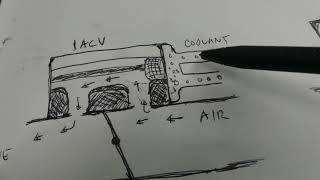
- This vehicle does not have a separate Idle Air Control (IAC) valve; its function is built into the electronic throttle body.
What's Unique About the 2008-2012 Honda Accord
The 2008-2012 Accord uses a Drive-by-Wire (DBW) electronic throttle body, which integrates the function of a traditional Idle Air Control (IAC) valve. This means there is no separate IAC valve to clean or replace. Over time, the PCM adapts the throttle plate's resting position to account for carbon buildup. When the throttle body is cleaned or the battery is disconnected, this learned memory is no longer accurate, causing a high idle. A critical and often-missed step after any repair is to first clear the throttle position sensor (TPS) learned values with a capable scan tool, and then perform the 'idle relearn procedure' so the computer can recalibrate the throttle's baseline position.
Symptoms You May Notice
- Check Engine Light is on 🎬 Watch: How to fix the P0507 high idle code
- Engine idle speed is noticeably higher than normal (e.g., over 1000 RPM when warm)
- Rough or fluctuating idle, especially when the A/C is turned on
- Increased fuel consumption
- Vehicle may feel like it's pushing forward slightly when stopped in gear
- A slight 'lurch' or surge when shifting from Park to Drive or Reverse
- Replacing the throttle body when it only needed cleaning and a relearn procedure.
- Searching for a separate Idle Air Control (IAC) valve, which this vehicle does not have.
- Performing the idle relearn without first clearing the learned throttle position values with a scan tool, leading to the procedure failing.
Most Likely Causes
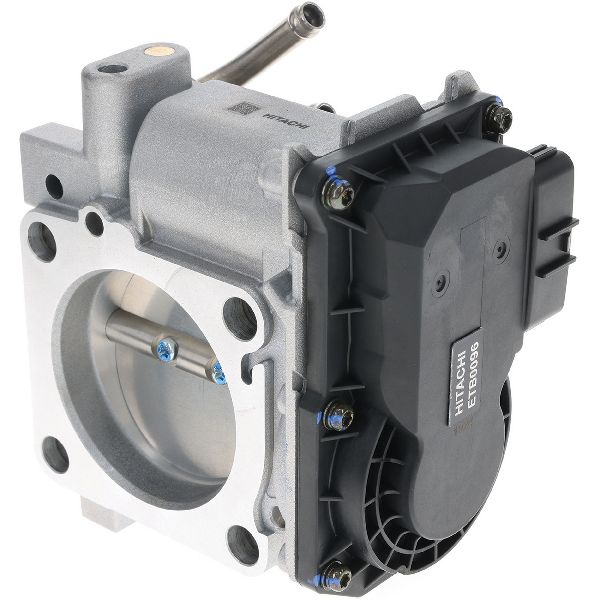
- Dirty Electronic Throttle Body 🔴 High Probability → Shop Fuel Injection Throttle Body The PCV (Positive Crankcase Ventilation) system routes oil vapors and blow-by gases back into the intake, which can deposit carbon and grime on the back of the throttle plate over time. This restricts airflow, causing the PCM to learn a new, slightly open 'closed' position. After cleaning, this learned position allows too much air.
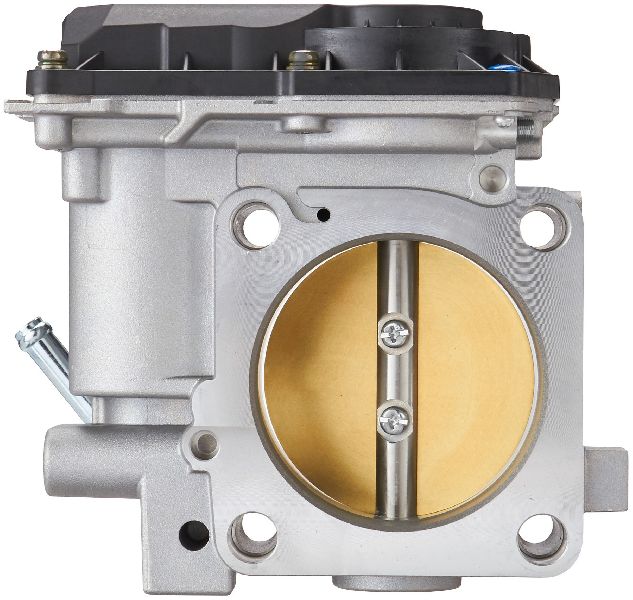
How to confirm: Remove the air intake hose from the throttle body. Visually inspect the throttle plate and the bore for a ring of black carbon buildup. The plate should be shiny and silver/gold, not black.
Typical fix: Clean the throttle body using a dedicated throttle body cleaner and a soft cloth or brush. Manually open the plate (with the ignition off) to clean the edges and the bore thoroughly. A TPS value reset and an idle relearn procedure are required after cleaning.
Est. part cost: $5-$15 - Vacuum Leak 🟡 Medium Probability Rubber and plastic hoses in the engine bay become brittle and crack over time due to heat and age, creating sources for unmetered air to enter the engine. The large rubber intake snorkel itself can crack.
How to confirm: With the engine running, listen for hissing sounds around the intake manifold. You can also carefully spray short bursts of brake cleaner or a propane torch (unlit) around vacuum lines and gasket surfaces. If the engine RPM changes, you've found the leak. A professional smoke test is the most effective method.
Typical fix: Replace the cracked or broken vacuum hose(s). Common culprits include the PCV hose, brake booster hose, and the main air intake tube between the air filter box and throttle body.
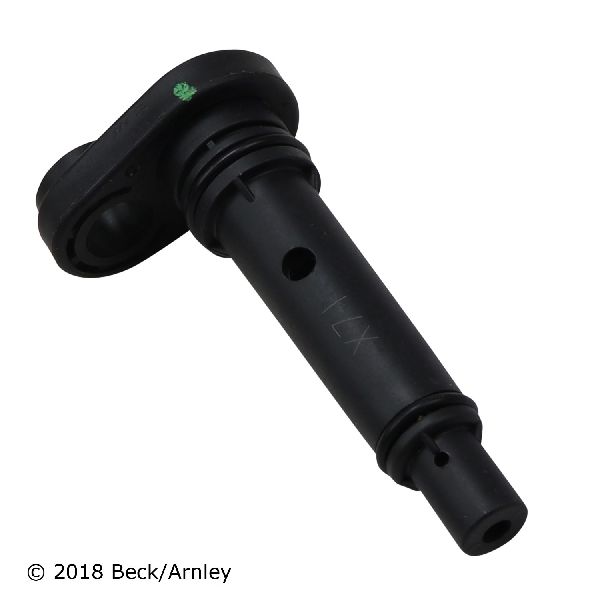
Est. part cost: $10-$75 - Faulty PCV Valve 🟡 Medium Probability → Shop PCV Valve The Positive Crankcase Ventilation (PCV) valve can get stuck open due to oil sludge and carbon, creating a constant vacuum leak. Given the oil consumption issues on some K24 engines, this valve can get dirty quickly.
How to confirm: Remove the PCV valve from the engine. If you shake it and it does not rattle, it is stuck and needs to be replaced. A stuck-open valve will allow excessive, unmetered air into the intake manifold.
Typical fix: Replace the PCV valve. It is an inexpensive and easy-to-access part on both the 4-cylinder and V6 engines. 🎬 See this PCV valve replacement walkthrough for K24 engines
Est. part cost: $15-$45
Rare But Worth Checking
- Failed Idle Relearn Procedure: This is not a part failure, but a procedural one. If the battery was recently disconnected or the throttle body was cleaned/replaced, the P0507 code can appear simply because the computer hasn't recalibrated the idle. Performing the relearn procedure correctly is often the fix.
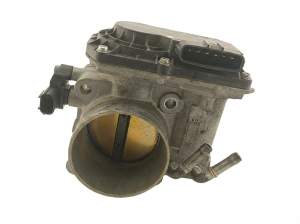
- Faulty Electronic Throttle Body: → Shop Fuel Injection Throttle Body In rare cases, the electronic motor or position sensor within the throttle body assembly can fail, requiring replacement of the entire unit. This should only be considered after all other causes are ruled out.
- PCM/ECM Fault: An internal failure of the Powertrain Control Module is extremely rare but possible. This is a last resort after confirming the wiring and all other components are functioning correctly.
- Faulty Alternator: A failing alternator can cause erratic voltage and place an inconsistent load on the engine, which may confuse the idle control strategy and trigger a P0507 in some cases. This is uncommon but has been noted on high-mileage Accords.
Diagnosis Steps
- Scan for Codes: Use an OBD-II scanner to confirm P0507 and check for any other codes, like P2279.
- Inspect for Vacuum Leaks: Visually inspect all vacuum hoses connected to the intake manifold and throttle body for cracks, disconnection, or brittleness. Pay close attention to the PCV hose, brake booster hose, and the large rubber air intake tube.
- Inspect and Clean Throttle Body: Remove the air intake duct. Check for heavy carbon buildup around the throttle plate. If dirty, clean it thoroughly with throttle body cleaner and a rag. Do not spray cleaner directly into the electronics.
- Check PCV Valve: Locate and remove the PCV valve. Shake it to see if it rattles. If it's silent or sluggish, replace it. It's an inexpensive part and good preventative maintenance.
- Perform Throttle Position (TP) Reset and Idle Relearn Procedure: This two-part step is CRITICAL. The official method is required for a reliable fix. a) Clear TP Learned Value: Use a Honda HDS or a compatible high-end bidirectional scan tool (like some Autel or Launch models) to find the 'ETCS Test' or 'TP Position Check' function and select 'Clear Throttle Position Learned Value'. b) Perform Idle Relearn: After clearing the TP value, start the engine and hold it at 3,000 RPM (in Park or Neutral) with no loads (A/C, lights, radio OFF) until the engine reaches operating temperature (radiator fan cycles on at least once, or coolant temp is ~194°F/90°C). Then, let the engine idle for at least 5-10 minutes without touching the throttle. The idle should stabilize. 🎬 Watch: Step-by-step guide to the Honda throttle body relearn If the fan cycles during this 5-10 minute period, do not include that time in your count.
- Test Drive: After the relearn, drive the vehicle to see if the idle is normal and if the Check Engine Light returns. A successful relearn will result in a stable idle that doesn't surge when shifting into gear.
Parts You'll Likely Need
- PCV Valve
(OEM #17130-RCA-A02 (for V6 J35Z2/J35Z3) or 17130-PND-A01 (for 4-Cyl K24Z2/K24Z3))— This valve frequently gets stuck open with carbon, causing a vacuum leak and a P0507 code. It's an inexpensive and common wear item.
Trusted brands: Genuine Honda, Standard Motor Products (PCV1293DL), Beck/Arnley (045-0357)
OEM price range: $35-$50
Aftermarket price range: $10-$25 - Electronic Throttle Body Assembly
(OEM #16400-R40-A02 (fits many 4-Cyl models))— While usually just needing a cleaning, the entire assembly must be replaced if the internal motor or sensors fail. This is not a common failure.
Trusted brands: Hitachi, Bosch, Genuine Honda
OEM price range: $400-$600
Aftermarket price range: $150-$350 - Throttle Body Gasket
(OEM #16176-R40-A01 (for 4-Cyl K24))— Should be replaced whenever the throttle body is removed for a thorough cleaning to prevent vacuum leaks.
Trusted brands: Fel-Pro, Mahle, Genuine Honda
OEM price range: $10-$20
Aftermarket price range: $5-$10
Related Codes That Often Appear With This One
- P2279 — P2279 indicates an 'Intake Air System Leak.' If you see both codes, it strongly suggests a significant vacuum leak from a hose, gasket, or a stuck-open PCV valve is the root cause.
Technical Service Bulletins (TSBs) & Recalls
- Honda Service News - June 2013: Notes that P0507 or P2279 can be set after throttle body service and requires clearing learned values with a scan tool.
- Identifix Tech Tip based on Honda procedures: Confirm
Platform-Specific Known Issues
- A Honda Service News article from June 2013 specifically addresses P0507 (or P2279) appearing after throttle body cleaning or replacement. It confirms the fix is to use a scan tool (HDS) to clear the learned throttle position values, then perform the idle learn procedure.
- Owners frequently trigger this code themselves after cleaning the throttle body but failing to perform the two-step TP value reset and idle relearn. Many forum posts detail failed attempts using only a manual battery-disconnect reset.
Mechanic-Grade Diagnostic Values
- Throttle Position Sensor (TPS) A & B Voltage — expected: With Key On, Engine Off (KOEO), both sensors should read around 0.5V with the throttle closed and sweep smoothly in opposite directions (one increasing to ~4.5V, one decreasing) as the throttle is opened. Some configurations may show both increasing together.. Failure: A voltage reading that is stuck, erratic, or doesn't sweep smoothly indicates a failed sensor within the throttle body assembly. A reading stuck above 4.8V can trigger related codes like P0223.
- Short-Term Fuel Trim (STFT) at Idle — expected: Within +/- 10% on a healthy engine with no vacuum leaks.. Failure: A consistently high positive fuel trim (e.g., +15% or higher) indicates the PCM is adding excess fuel to compensate for unmetered air entering the engine, a classic sign of a vacuum leak which can cause P0507.
Scan Tool Commands That Help
- Honda HDS (or compatible, e.g., Autel, Launch): ETCS Test > TP Position Check > Clear Throttle Position Learned Value — This is a mandatory first step after cleaning or replacing the throttle body. It erases the PCM's old compensation data for carbon buildup. Failing to do this is the most common reason an idle relearn procedure fails and P0507 returns.
- Honda HDS (or compatible, e.g., Autel, Launch): Throttle Position Learning — This function initiates the idle relearn procedure through the scan tool, providing on-screen prompts for the technician to follow, which is an alternative to the manual relearn procedure.
Wiring & Ground Locations
- G101 — On the intake manifold plenum or thermostat housing, driver's side of the engine bay.. This is a primary ground point for the engine control system, including sensors that influence idle speed. A corroded or loose G101 ground can cause erratic sensor readings and contribute to various drivability issues, including an incorrect idle.
- Throttle Body Connector — The 6-pin electrical connector plugged directly into the electronic throttle body assembly.. This is the single point of connection for the throttle motor and the dual throttle position sensors. Any corrosion, moisture, or loose pins in this connector can directly cause incorrect throttle operation or sensor readings, leading to high idle and related codes.
- G201 — Located under the dashboard, typically near the driver's side kick panel.. This is an interior chassis ground. While less likely to be the primary cause for P0507, a poor connection here can affect the stability of the PCM and other interior modules that communicate with the engine systems.
Real Owner Repair Stories
- YouTube user 'Brad's Automotive' (2013 Honda Accord (9th Gen, but same principle applies) with 200,000 miles) — High idle (P0507 code) and new, excessive oil consumption.
❌ Tried (didn't work) Cleaning the throttle body., Performing the idle relearn procedure (it passed but idle remained high)., Testing the idle air system with a scan tool (it passed).
✅ What actually fixed it The owner had recently replaced the valve cover with an aftermarket part. The integrated PCV system in the new cover was faulty, creating a massive internal vacuum leak. Temporarily blocking the PCV hose from the faulty cover immediately stabilized the idle. Replacing the aftermarket valve cover with a quality OEM part was the final fix. - YouTube user 'Element Lifestyle' (Honda Element (similar K24 engine and idle control logic)) — Fluctuating high idle, P0507 code.
❌ Tried (didn't work) The previous owner had replaced the Idle Air Control Valve with no success.
✅ What actually fixed it The issue was a faulty Air Assist Valve that was stuck open even when the engine was warm, creating a vacuum leak. The technician confirmed this by disconnecting the valve's hose at operating temperature and feeling suction. Replacing the Air Assist Valve with a used OEM part from a junkyard and performing an idle relearn resolved the high idle.
"I Checked Everything" — The Actual Cause
- In a documented case, a high idle and P0507 code persisted despite a clean smoke test and successful idle relearn. The root cause was a faulty aftermarket valve cover with a defective integrated PCV system, which created an internal crankcase vacuum leak that a smoke test on the intake manifold would not typically reveal. The fix was replacing the faulty valve cover with an OEM part.
OEM Part Supersession History
16400-R44-A01→16400-R44-A02— Standard revision and update by the manufacturer.
Heads up: The parts are interchangeable for the specified 2.4L USA-built models. The description notes 'Exc. Japan Built', highlighting a key variation.
Diagnostic Flowchart
Other Known Issues on This Vehicle
Issues unrelated to this code that are worth knowing about as an owner of this generation:
- Excessive Oil Consumption (V6 VCM Models) 🔴 High — Widespread issue affecting 3.5L V6 engines with Variable Cylinder Management (VCM). Often leads to fouled spark plugs and misfires. (Ref: Subject of Honda TSB #11-033 and a class-action lawsuit. The fix involves a PCM software update.)
- Excessive Oil Consumption (4-Cylinder K24 Models) 🟠 Medium — Common on 2008-2011 models due to sticking piston oil control rings. Can begin as early as 30k miles but is more common at higher mileage. (Ref: Honda issued TSB #12-087 and a warranty extension to 8 years/125,000 miles to address the issue by replacing pistons/rings.)
- VTC Actuator Rattle on Cold Start (4-Cylinder K24) 🟠 Medium — A very common, loud rattle for a few seconds on cold startup. Caused by a faulty pin in the Variable Timing Control (VTC) actuator. (Ref: Honda addressed this with TSB #09-010, which involves replacing the actuator with an updated part.)
- Premature Rear Brake Wear 🟡 Low — Very common on 2008-2009 models, where rear brake pads wear out exceptionally fast, sometimes under 20,000-30,000 miles. (Ref: Subject of class-action lawsuits, but no official recall. Improved aftermarket pads often provide a longer-lasting solution.)
- Torque Converter Judder/Shudder 🟠 Medium — A vibration or shudder felt when driving at steady speeds (typically 20-60 mph). Caused by deteriorated automatic transmission fluid. (Ref: While more prominent in the next generation, Honda released TSBs for other models of this era (e.g., 16-053, 17-043) indicating a fix via a software update and multiple transmission fluid flushes.)
- Failing Starter Motor 🟡 Low — As vehicles age past 100,000 miles, the starter can fail intermittently, causing a no-start or clicking condition.
Used vs. New Parts: Buying Guide for This Vehicle
When a used part is the smart pick: For the Electronic Throttle Body, a used OEM unit from a low-mileage donor car can be a reliable and cost-effective alternative to a new OEM part, and is often superior to a new, non-OEM aftermarket unit which may have lower quality electronics.
Donor-vehicle mileage cap: roughly under 80000 miles for the part to have meaningful remaining life.
What to inspect on the donor part:
- Check for physical damage to the housing or electrical connector.
- Ensure the throttle plate moves freely without binding (when moved manually with power off).
- Verify the part number matches your vehicle's specific engine and build location (USA vs. Japan built).
OEM-only on this vehicle (don't cheap out):
- PCV Valve - Forum users and technicians strongly recommend using a Genuine Honda PCV valve. Aftermarket versions can be of poor quality, fail quickly, and cause the P0507 code to return.
- Sensors (if purchased separately) - It is widely recommended to avoid non-OEM sensors for critical systems on Honda vehicles as they can have incorrect operating parameters and cause persistent issues.
Brands owners have reported issues with on this vehicle:
- Unbranded or 'white box' electronic throttle bodies and PCV valves from online marketplaces are frequently cited as causing issues.
Real Owner Stories
Aggregated from forums and TSBs cited above. Mileages and costs reflect what owners reported in those sources.
2010 Honda Accord 2.4L K24
Symptoms: The owner cleaned the throttle body to address carbon buildup, but afterward, the car triggered a P0507 code and the idle remained high. They attempted a manual battery reset which failed to resolve the issue.
What fixed it: The fix required using a scan tool to perform a 'TP Position Clear' followed by the official idle relearn procedure.
Source hint: driveaccord.net
2010 Honda CR-V 2.4L K24Z1
Symptoms: Owner triggered a P0507 code immediately after cleaning the throttle body.
What fixed it: Cleaning the throttle body and resetting the computer (though forum advice emphasized the scan-tool-specific relearn used on this engine family).
Source hint: Reddit r/MechanicAdvice
2009 Acura TSX 2.4L K24Z3
Symptoms: After cleaning the throttle plate, the ECU could not 'un-learn' the old position, leaving a large air gap that caused a high idle.
What fixed it: A specific 'TPS Position' reset via a scan tool to account for the now-clean throttle bore.
Source hint: Acurazine.com
Related OBD-II Codes
Frequently Asked Questions
I cleaned my throttle body on my 2010 Accord and now the idle is higher than before. Did I break it?
Can I reset the idle on my 2008-2012 Accord by just disconnecting the battery?
Is there a TSB for P0507 appearing after a throttle body service?
My V6 Accord is consuming a lot of oil; could this be related to my P0507 code?
Does the 4-cylinder Accord have a warranty extension that might cover components related to this code?
What are the specific steps for the idle relearn once the values are cleared?
Helpful Videos

Used OEM Parts in Stock
New Aftermarket Parts Available


The information in this article is provided for general reference and educational purposes only. Vehicle specifications, procedures, and part compatibility can vary by production date, trim level, and region. Always consult your vehicle's factory service manual and verify part numbers before purchasing or performing repairs. Safety-critical components such as airbags, seat belts, and braking systems should be installed by a qualified professional.
- Honda Accord:
- 🧭 Diagnostic Flowchart
- 🎬 Helpful Videos
- 🛍️ Shop This Part
- What's Unique About the 2008-2012 Honda Accord
- Symptoms You May Notice
- Most Likely Causes
- Rare But Worth Checking
- Diagnosis Steps
- Parts You'll Likely Need
- Related Codes That Often Appear With This One
- Technical Service Bulletins (TSBs) & Recalls
- Platform-Specific Known Issues
- Mechanic-Grade Diagnostic Values
- Scan Tool Commands That Help
- Wiring & Ground Locations
- Real Owner Repair Stories
- "I Checked Everything" — The Actual Cause
- OEM Part Supersession History
- Other Known Issues on This Vehicle
- Used vs. New Parts: Buying Guide for This Vehicle
- Real Owner Stories
- 2010 Honda Accord 2.4L K24
- 2010 Honda CR-V 2.4L K24Z1
- 2009 Acura TSX 2.4L K24Z3
- Related OBD-II Codes
- Frequently Asked Questions
- 🎟️ Get 5% Off