

P0507 on 2007-2009 Land Rover LR3: High Idle Causes and Fixes
On a 2007-2009 Land Rover LR3, especially with the 4.4L V8, code P0507 is most often caused by a failed PCV valve or a dirty throttle body creating a vacuum leak. Replacing the PCV valve and cleaning the throttle body are the most common fixes, costing between $20 for DIY cleaning and up to $250 for parts and labor.
- P0507 on an LR3 means the engine is idling too fast, almost always due to a vacuum leak.
- For the 4.4L V8, the most likely culprit is a failed PCV valve (Part #LR003380), often announced by a whistling sound.
- For both V8 and V6 engines, the second most likely cause is a dirty throttle body that needs cleaning and an adaptation reset.
- Start with the simple fixes: inspect intake hoses, clean the throttle body, and replace the PCV valve on a V8 before paying for a more complex diagnosis.
- A smoke test is the best way to find the leak if it's not one of the common culprits.
- Always use a Genuine or high-quality OEM PCV valve, as aftermarket versions are known to cause problems.
What's Unique About the 2007-2009 Land Rover LR3
The Land Rover LR3 (Discovery 3) from this era, particularly the 4.4L V8 model, is well-documented for having specific weak points in its air intake system that lead to this code. The Positive Crankcase Ventilation (PCV) valve is a known failure item that becomes brittle and fails, creating a significant vacuum leak. While a dirty throttle body is common on many cars, the frequency with which it causes idle issues on the LR3 makes it a primary suspect alongside the PCV valve.
Diagnostic Flowchart
Tap your situation to follow the diagnostic path that matches what you're seeing on this vehicle.
Symptoms You May Notice
- Check Engine Light is on
- Engine idling higher than normal (e.g., 1000-1400 RPM instead of the usual ~700 RPM).
- Rough or fluctuating idle, sometimes surging up and down.
- A distinct whistling or hissing sound from the engine bay, especially near the passenger-side valve cover (a sign of a bad PCV valve).
- Harsh engagement when shifting into Drive or Reverse.
- Increased effort needed on the brake pedal to hold the vehicle at a stop.
- Replacing the Mass Airflow (MAF) sensor. A faulty MAF sensor usually causes a range of other codes (like P0101, P0171/P0174) and performance issues beyond just a high idle. While cleaning it is good practice, it's rarely the sole cause of P0507.
Most Likely Causes
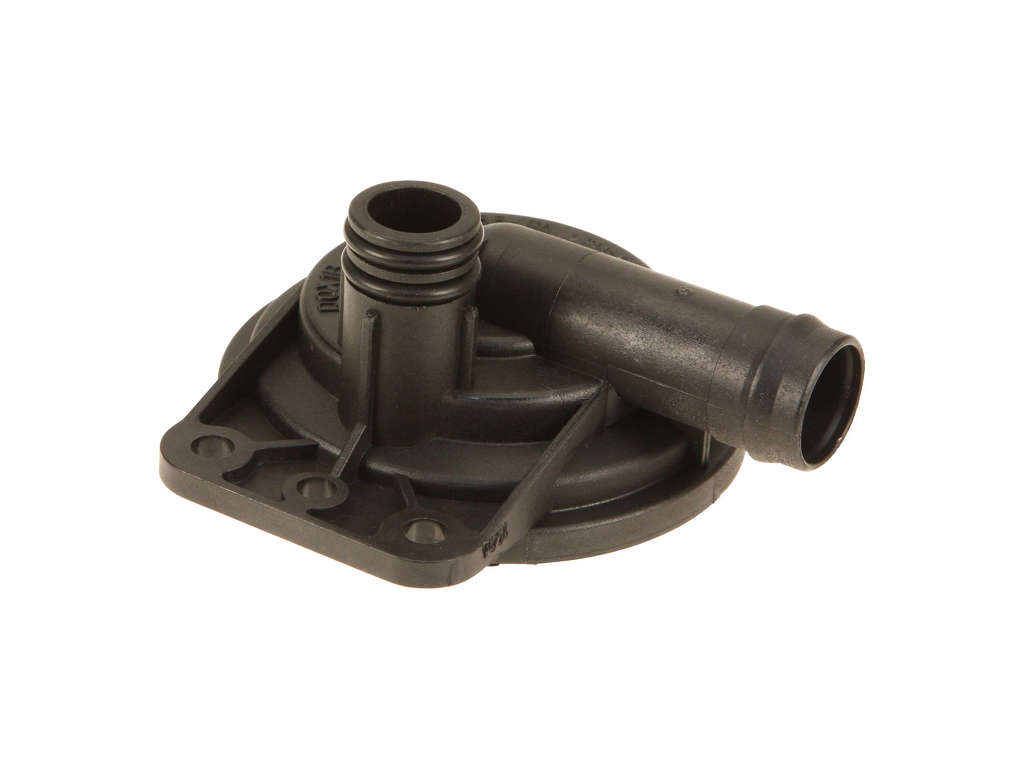
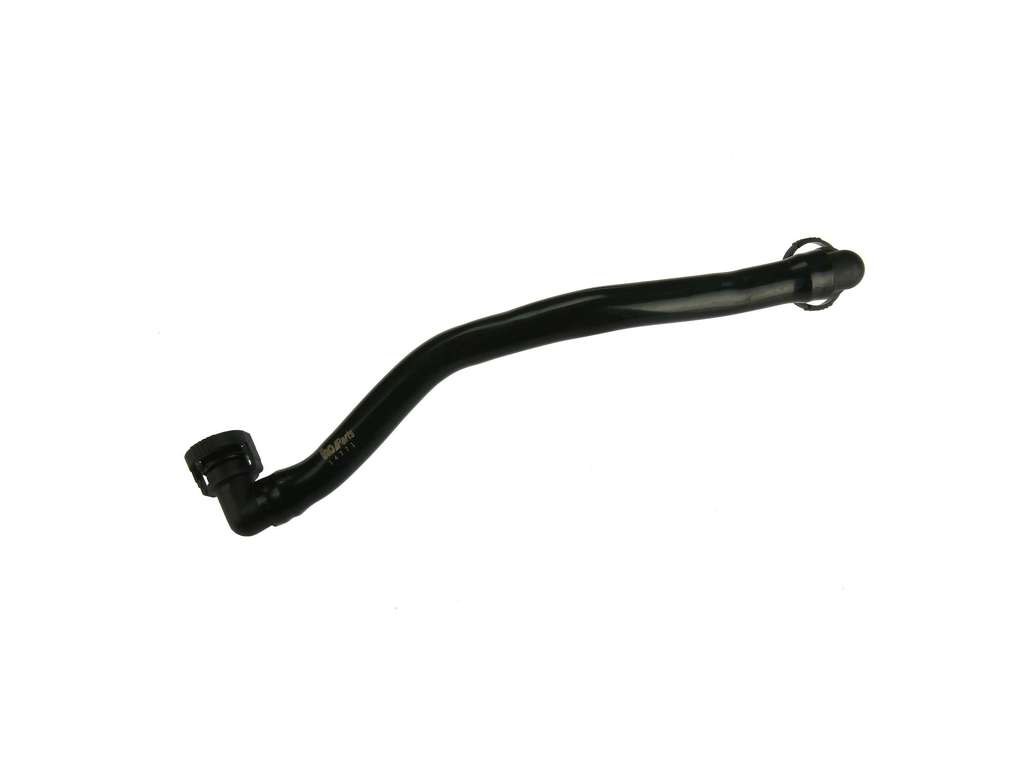
- Failed PCV Valve (Especially on 4.4L V8) 🔴 High Probability → Shop PCV Valve The PCV valve on the 4.4L V8 (Jaguar AJ-V8) is a known weak point. The internal diaphragm can tear or the plastic housing can become brittle and crack, creating a significant vacuum leak. It is a common maintenance item for these engines, with many owners recommending preventative replacement.
How to confirm: Listen for a loud hissing or whistling sound near the PCV valve on the passenger-side valve cover toward the firewall. A definitive diagnosis is made with a smoke test, which will show smoke being drawn into the faulty valve or escaping from its housing.
Typical fix: Replace the PCV valve. This is a straightforward job that involves removing two bolts (usually 8mm or T25 Torx) and a hose connector. It is crucial to use a Genuine Land Rover or high-quality OEM part, as some aftermarket versions have been reported to fail quickly.
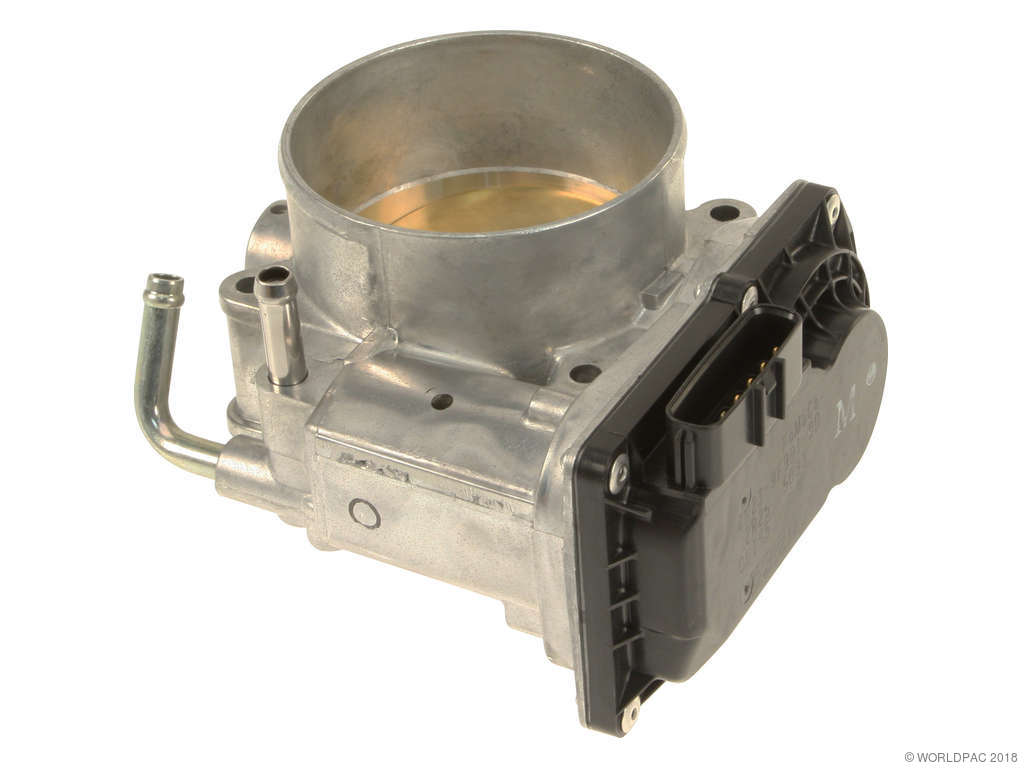
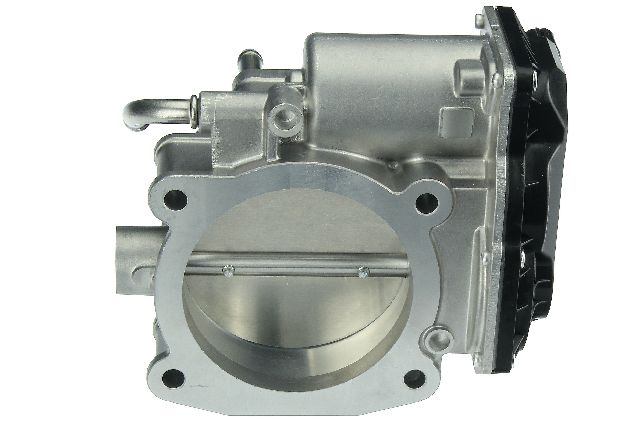
Est. part cost: $40-$110 - Dirty Electronic Throttle Body 🔴 High Probability → Shop Fuel Injection Throttle Body Oil vapor from the PCV system and carbon can build up around the throttle plate, preventing it from closing completely at idle. This small gap allows un-commanded air into the engine, raising the idle speed. This is a very common issue that owners suggest cleaning as routine maintenance.
How to confirm: Remove the air intake hose connected to the throttle body and visually inspect for a thick black ring of carbon/gunk around the throttle plate and bore, especially on the back side of the plate.
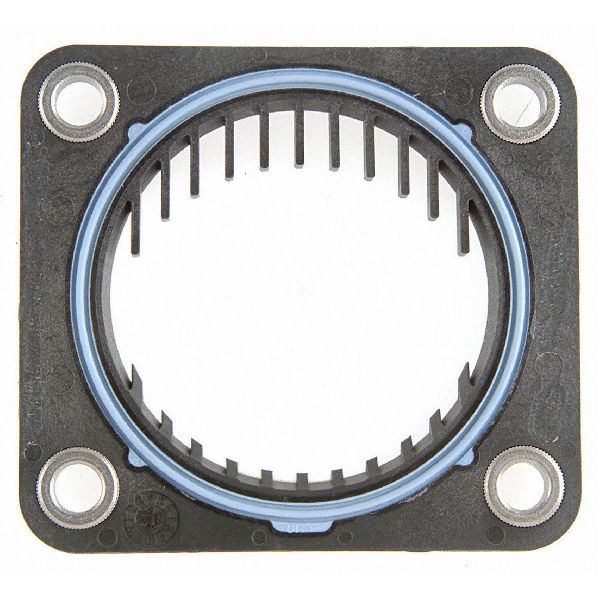
Typical fix: Clean the throttle body thoroughly with a dedicated throttle body cleaner and a lint-free rag. The throttle body gasket should be replaced at the same time to ensure a proper seal. A throttle position reset (adaptation reset) is highly recommended afterward using a capable scan tool or by performing a 'hard reset' (disconnecting the battery). Failure to reset adaptations can result in the high idle persisting even after cleaning.
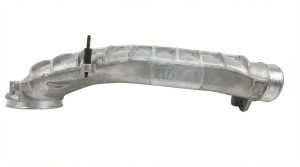
Est. part cost: $10-$40 - Vacuum Leak (Other Hoses/Gaskets) 🟡 Medium Probability With age, various rubber and plastic components in the engine bay become brittle and crack. Common failure points on the LR3 include the main air intake duct (resonator tube), which can crack on the underside, and the brake booster vacuum hose.
How to confirm: A smoke test is the most effective way to find hidden leaks. A technician forces low-pressure smoke into the intake system and looks for where it escapes. Visually inspect all accessible hoses for cracks and listen for hissing sounds.
Typical fix: Replace the specific hose, duct, or gasket that is found to be leaking. The brake booster hose is part number SQB103301 for some models.
Est. part cost: $20-$200
Rare But Worth Checking
- Leaking Intake Manifold Gaskets: → Shop Engine Intake Manifold While less common than a PCV valve or dirty throttle body, failed intake manifold gaskets can cause a persistent vacuum leak that is difficult to locate without a smoke test.
- Faulty Brake Booster: → Shop Power Brake Booster A ruptured diaphragm in the brake booster can create a large vacuum leak, often accompanied by a hissing sound when the brake pedal is pressed and a hard brake pedal feel.
Diagnosis Steps
- Scan for any accompanying fault codes. Codes like P2187 and P2189 strongly suggest a vacuum leak.
- With the engine running, listen for an obvious whistling or hissing sound. Pay close attention to the PCV valve area on the passenger-side valve cover of the 4.4L V8.
- Visually inspect the large air intake duct between the air filter box and the throttle body for any cracks or loose connections, especially on the ribbed sections and underside.
- Remove the intake duct and inspect the throttle body. If significant carbon buildup is present, clean it thoroughly with throttle body cleaner and a new gasket.
- If you have the 4.4L V8, inspect and strongly consider replacing the PCV valve (Part #LR003380), as it is the most common failure point.
- If the high idle persists, perform a smoke test to definitively locate any hidden vacuum leaks from other sources like the brake booster hose, intake manifold gaskets, or other vacuum lines.
- After repairs, clear the codes and perform a throttle adaptation reset using a diagnostic tool or by performing a hard reset (disconnecting the battery for 10-15 minutes).
Parts You'll Likely Need
- PCV Valve (4.4L V8)
(OEM #LR003380)— This is the most common cause of vacuum leaks leading to P0507 on the V8 engine. It is known to fail and cause a loud whistle or hiss.
Trusted brands: Genuine Land Rover, Britpart, Allmakes4x4
OEM price range: $80-$110
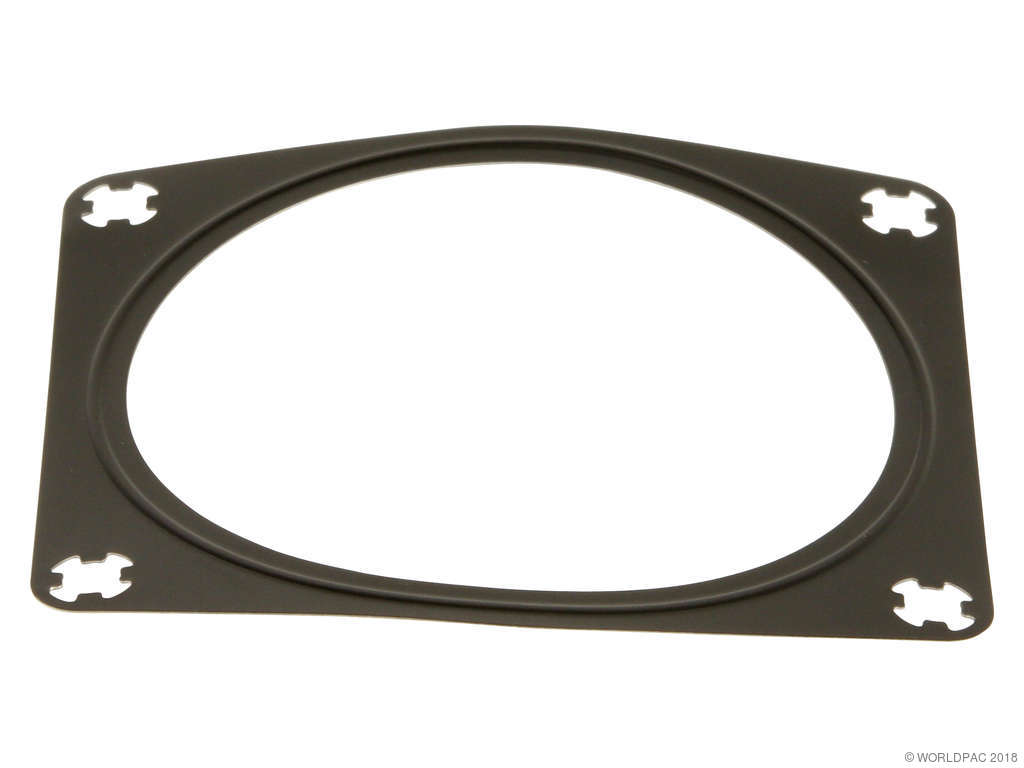
Aftermarket price range: $40-$70 - Throttle Body Gasket (4.4L V8)
(OEM #4536886)— This gasket should be replaced whenever the throttle body is removed for cleaning to ensure a proper seal and prevent new vacuum leaks.
Trusted brands: Genuine Land Rover, Mahle, Victor Reinz
OEM price range: $25-$35
Aftermarket price range: $5-$15 - PCV Valve (4.0L V6)
(OEM #LR014206)— A potential, though less commonly cited, source of vacuum leaks on the V6 engine. The 4.0L V6 has a different PCV system design than the V8.
Trusted brands: Genuine Land Rover
OEM price range: $120-$150
Aftermarket price range: $80-$100
Related Codes That Often Appear With This One
- P2187 — System Too Lean at Idle (Bank 1). This code often appears with P0507 because the underlying vacuum leak allows too much un-metered air into the engine, creating a lean condition. TSB SSM74374 directly links these codes.
- P2189 — System Too Lean at Idle (Bank 2). Similar to P2187, this indicates a lean condition on the opposite engine bank, reinforcing the diagnosis of a significant vacuum leak affecting the entire engine. TSB SSM74374 also links this code.
Technical Service Bulletins (TSBs) & Recalls
- SSM74374: Notes that DTCs P2187, P2189, P0505, or P0507 could be stored due to an air intake system leak from a split diaphragm in the PCV valve. It also notes a repair kit (LR133579) is available for some later models as an alternative to replacing the whole camshaft cover.
Platform-Specific Known Issues
- The official Land Rover Technical Service Bulletin #SSM74374 directly links P0507 with other codes (P2187, P2189, P0505) as an indicator of an air intake system leak, often from a split diaphragm in the pressure control valve.
- On the 4.4L V8, the PCV valve is so prone to failure that many owners consider it a wear item to be replaced proactively around 75,000 miles to prevent this issue.
- A throttle adaptation reset is critical after cleaning the throttle body. Without it, the Engine Control Module (ECU) may continue to operate based on the old, dirty throttle body parameters, causing the high idle to persist.
Mechanic-Grade Diagnostic Values
- Short & Long-Term Fuel Trims (STFT & LTFT) at Idle — expected: Combined (STFT + LTFT) values should be within +/- 5% on a warm engine.. Failure: High positive fuel trims (e.g., > +10%) at idle that decrease as RPMs increase strongly indicate a vacuum leak.
- Mass Air Flow (MAF) Sensor Reading at Idle (4.4L V8) — expected: Approximately 4.4 g/s (grams/second). A common rule of thumb is the g/s value should roughly match engine displacement in liters.. Failure: A significantly lower or erratic reading suggests a sensor or wiring issue, though it's more often a symptom of a large vacuum leak than the root cause of P0507.
- Throttle Position Sensor (TPS) Voltage, Key-On Engine-Off — expected: Typically 0.5V - 0.7V with the throttle fully closed and around 4.5V at wide-open throttle.. Failure: A closed-throttle voltage that is too high can prevent the ECU from entering its idle control strategy correctly. A voltage that doesn't change smoothly indicates a faulty sensor.
- P0507 Trigger Condition — expected: Idle speed at or near target (approx. 600-800 RPM).. Failure: The code sets when the actual idle speed is 200 RPM or more above the target idle speed for a duration of at least 5 seconds.
Scan Tool Commands That Help
- Land Rover SDD (Symptom Driven Diagnostics): Powertrain -> Air path set-up routine (or 'Air Path Calibration') — This is the official dealer-level procedure required after cleaning or replacing the electronic throttle body. It resets the learned positions of the throttle valve and other air system components to prevent a persistent high idle after the physical repair is complete.
- iCarsoft LR V4.0 (or similar advanced tool): Service Menu -> ETC (Electronic Throttle Control) -> Throttle Adaptation Reset — A more accessible alternative to the dealer tool for performing the critical throttle adaptation reset after cleaning the throttle body. Failure to perform this reset is a common reason the high idle persists after cleaning.
Wiring & Ground Locations
- Main Battery Ground — The main negative battery cable connects to the body/frame on the right side, below and within inches of the battery itself.. A corroded main ground can cause a host of erratic electrical issues, including incorrect sensor readings and improper module function, which can indirectly contribute to idle control problems.
- Engine-to-Chassis Ground Strap — A short, often uninsulated, braided strap running from the engine block to the frame rail, typically visible after removing the passenger-side front wheel and inner fender liner.. This is a critical ground path. Corrosion or breakage here due to age or off-road use can cause high resistance, leading to starting issues and unpredictable behavior from the Engine Control Module (ECM), which relies on a solid ground reference for all its calculations, including idle speed control.
- ECM/Footwell Grounds — Located in the left and right footwells, behind the trim panels. These ground points serve the ECM and other critical interior electronics.. Poor connections at these points can directly affect the ECM's operation and its ability to correctly interpret sensor data and control the throttle body.
Real Owner Repair Stories
- Land Rover Forums (2020 Land Rover Defender (Illustrates a rare cause on a newer JLR product)) — Check Engine Light with code P0507 - Idle Air Control System RPM Higher Than Expected.
❌ Tried (didn't work) Clearing the code (it returned the next day)., A software update was initially planned by the dealer.
✅ What actually fixed it The dealer diagnosed and replaced a faulty VCT (Variable Camshaft Timing) solenoid. This is an unusual cause, demonstrating that mechanical engine timing components can sometimes affect idle speed in ways that set this code.
"I Checked Everything" — The Actual Cause
- In a documented case on a similar platform (Range Rover), a vehicle with P0507 and lean codes passed a smoke test, showing no external leaks. However, the technician proceeded to visually inspect the PCV diaphragm and found it was torn internally. This proves that an internal diaphragm tear may not always show up on a smoke test, and physical inspection or checking for strong crankcase vacuum at the oil cap is still a necessary step.
OEM Part Supersession History
4536843→LR003380— Standard part number update/revision for the PCV valve on the 4.4L V8 engine.
Model Year Variations Within This Range
- 2007-2009: The 4.4L V8 engines in the 2007-2009 LR3 are generally considered very reliable and are distinct from the later 5.0L V8s (found in the LR4) which had well-documented timing chain guide issues. For P0507, the causes on the 4.4L are almost always related to the specific PCV valve design (LR003380) and throttle body carbon buildup.
Helpful Videos


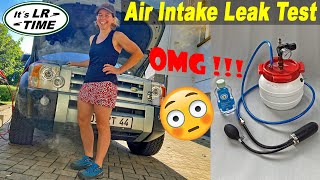
![Fixing a Rough Idle on My Land Rover Discovery LR3 [Part 2]](https://img.youtube.com/vi/1cX0pCJbapk/mqdefault.jpg)
Used OEM Parts in Stock
New Aftermarket Parts Available

The information in this article is provided for general reference and educational purposes only. Vehicle specifications, procedures, and part compatibility can vary by production date, trim level, and region. Always consult your vehicle's factory service manual and verify part numbers before purchasing or performing repairs. Safety-critical components such as airbags, seat belts, and braking systems should be installed by a qualified professional.
- Land Rover LR3:
- 🧭 Diagnostic Flowchart
- 🎬 Helpful Videos
- 🛍️ Shop This Part
- What's Unique About the 2007-2009 Land Rover LR3
- Symptoms You May Notice
- Most Likely Causes
- Rare But Worth Checking
- Diagnosis Steps
- Parts You'll Likely Need
- Related Codes That Often Appear With This One
- Technical Service Bulletins (TSBs) & Recalls
- Platform-Specific Known Issues
- Mechanic-Grade Diagnostic Values
- Scan Tool Commands That Help
- Wiring & Ground Locations
- Real Owner Repair Stories
- "I Checked Everything" — The Actual Cause
- OEM Part Supersession History
- Model Year Variations Within This Range
- 🎟️ Get 5% Off