

P0507 on 2007-2012 Nissan Altima: Idle Speed Too High Causes and Fixes
On a 2007-2012 Nissan Altima, code P0507 is almost always caused by a dirty electronic throttle body that needs cleaning, followed by a mandatory 'Idle Air Volume Relearn' procedure. The relearn can be done without tools but is tricky; the most common fix is cleaning the throttle body and performing this reset. This issue is extremely common after the battery has been disconnected or replaced.
- P0507 on this Altima almost always points to an issue with the electronic throttle body or a vacuum leak.
- Do not replace the throttle body without first cleaning it thoroughly and attempting the Idle Air Volume Relearn (IAVL) procedure.
- The IAVL procedure is mandatory after cleaning/replacing the throttle body or disconnecting the battery. It can be done manually but requires patience and precision.
- Before suspecting the throttle body, carefully inspect for vacuum leaks, especially the PCV hose on 2.5L models, which is a known failure point.
- If the manual relearn procedure doesn't work, the idle may be too high for the ECM to accept it. A professional scan tool or a DIY workaround (like temporarily unplugging a coil) may be needed.
What's Unique About the 2007-2012 Nissan Altima
The fourth-generation Altima's electronic throttle body is sensitive to carbon buildup around the throttle plate. Over time, the engine computer adapts to this restricted airflow. When the throttle body is cleaned or replaced, or when the battery is disconnected, the sudden increase in airflow at the 'closed' position causes the idle to surge, triggering the P0507 code. Unlike many other vehicles, simply cleaning the part or disconnecting the battery is not enough; a specific, and often tricky, 'Idle Air Volume Relearn' procedure is required to reset the computer's learned values. This procedure is often called the 'pedal dance' by owners and mechanics.
Symptoms You May Notice
- Check Engine Light is on
- Engine idle speed is higher than normal (e.g., 1000-1500 RPM in Park)
- Rough or surging idle
- Harsh engagement when shifting from Park to Drive or Reverse
- Increased fuel consumption
- Engine may be difficult to start or stall unexpectedly
- Replacing the electronic throttle body when it only needed to be cleaned and have the idle relearn procedure performed.
- Replacing sensors like the MAF or O2 sensors without first checking for the more common issues of a dirty throttle body or vacuum leaks.
Most Likely Causes
- Dirty Electronic Throttle Body 🔴 High Probability → Shop Fuel Injection Throttle Body The design is susceptible to carbon and oil vapor buildup from the PCV system, which restricts the throttle plate's movement at idle. This is the most common cause of P0507.
How to confirm: Remove the air intake hose from the throttle body and visually inspect the throttle plate and bore for a black, sticky layer of carbon.
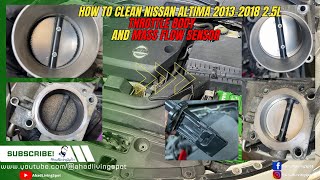
Typical fix: Carefully clean the throttle plate and bore using throttle body cleaner and a soft cloth. 🎬 Watch: How to clean the throttle body and MAF sensor An 'Idle Air Volume Relearn' procedure must be performed immediately after.
Est. part cost: $5-$15 for cleaner and a gasket - Idle Air Volume Relearn (IAVL) Required 🔴 High Probability The ECM learns and adapts to a dirty throttle body over time. After cleaning, replacement, or a battery disconnect, the learned values are incorrect for the new, clean state, causing a high idle. The system must be reset.
How to confirm: This is the default assumption if the P0507 code appears immediately after cleaning the throttle body or disconnecting the battery.
Typical fix: Perform the IAVL procedure, either manually (the 'pedal dance') or with a compatible bi-directional scan tool. The manual method is precise and may take several attempts.
Est. part cost: $0 - Vacuum Leak 🟡 Medium Probability The PCV hose on the 2.5L engine is made of plastic and becomes brittle with age and heat, leading to cracks that create a vacuum leak. Intake manifold gaskets can also fail, causing unmetered air to enter the engine.
How to confirm: Visually inspect all vacuum lines, especially the PCV hose running from the valve cover to the intake manifold. Listen for a hissing sound near the intake. A smoke test is the most definitive way to find a leak.
Typical fix: Replace the cracked or broken vacuum hose. The PCV hose is a common failure point.
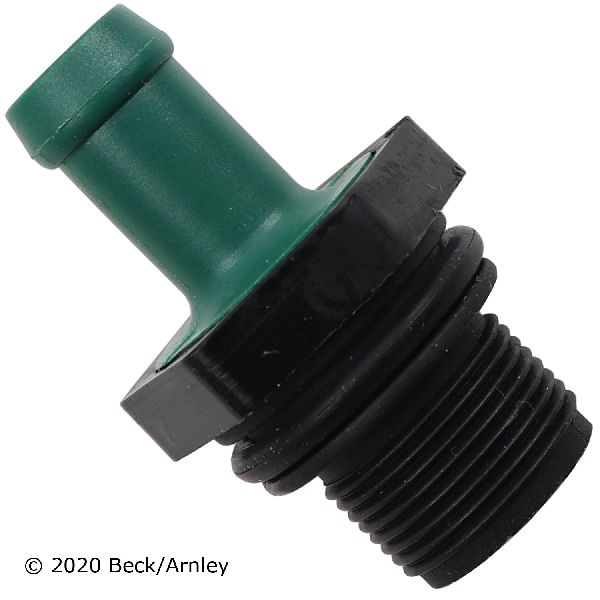
Est. part cost: $15-$40 for a new PCV hose - Faulty PCV Valve ⚪ Low Probability → Shop PCV Valve The valve can get stuck open, creating a constant vacuum leak into the intake manifold.
How to confirm: Remove the valve and shake it. If it does not rattle, it is stuck and needs replacement. With the engine running, you can also remove the valve and feel for suction at the end.
Typical fix: Replace the PCV valve. It is an inexpensive and simple replacement.
Est. part cost: $10-$25
Rare But Worth Checking
- Failing Electronic Throttle Body: → Shop Fuel Injection Throttle Body While uncommon, the internal electronics or motor of the throttle body can fail. This should only be considered after cleaning, performing the relearn, and confirming there are no vacuum leaks. A manufacturer diagnostic result in NHTSA ODI #11727964 noted that P0507 can be directly linked to a fractured internal gear in the Electric Throttle Control Actuator.
Diagnosis Steps
- Check when the code appeared. If it was immediately after cleaning the throttle body or disconnecting the battery, skip to step 4.
- Inspect the air intake system for any obvious cracks or loose connections between the air filter box and the throttle body.
- Inspect for vacuum leaks. Pay close attention to the PCV hose that connects to the valve cover, as these are known to crack. Also check the PCV valve itself. A smoke test is the most effective method for finding hard-to-detect leaks.
- If no vacuum leaks are found, remove the intake duct and inspect the electronic throttle body for carbon buildup. If dirty, clean it thoroughly with appropriate cleaner. Do not move the throttle plate manually with force.
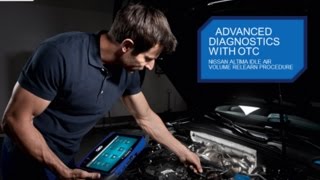
- Perform the Idle Air Volume Relearn (IAVL) procedure. This is critical. You can use a bi-directional scan tool or the manual 'pedal dance' method. Note: The manual method requires the engine to be at full operating temperature (coolant temp 158-212°F), battery voltage over 12.9V, and all accessories to be off. It may take multiple tries to get the timing right. 🎬 Watch: A step-by-step walkthrough of the manual relearn procedure
- Detailed Manual Relearn ('Pedal Dance') Steps: a. Warm up the engine fully. Turn off all electrical loads (A/C, radio, lights). b. Turn ignition ON (engine off), wait 3 seconds. c. Fully depress and release the accelerator pedal 5 times within 5 seconds. d. Wait exactly 7 seconds. e. Fully depress and hold the accelerator pedal. After about 10-20 seconds, the Check Engine Light will start to blink. f. Once the Check Engine Light goes from blinking to solid (on), release the pedal within 3 seconds. g. Start the engine. The idle should now be stable. Let it idle for 20-30 seconds to confirm.
- If the relearn procedure fails and the idle is extremely high (e.g., over 1200 RPM), you may need to use a trick to get the RPMs down. Some technicians temporarily disconnect one or two ignition coil or fuel injector connectors to lower the idle enough 🎬 See this trick to fix high idle surges during relearn for the relearn procedure to initiate. Reconnect them immediately after.
- If the code returns after a successful cleaning and relearn, and no vacuum leaks are present, you may have a faulty electronic throttle body that requires replacement.
Parts You'll Likely Need
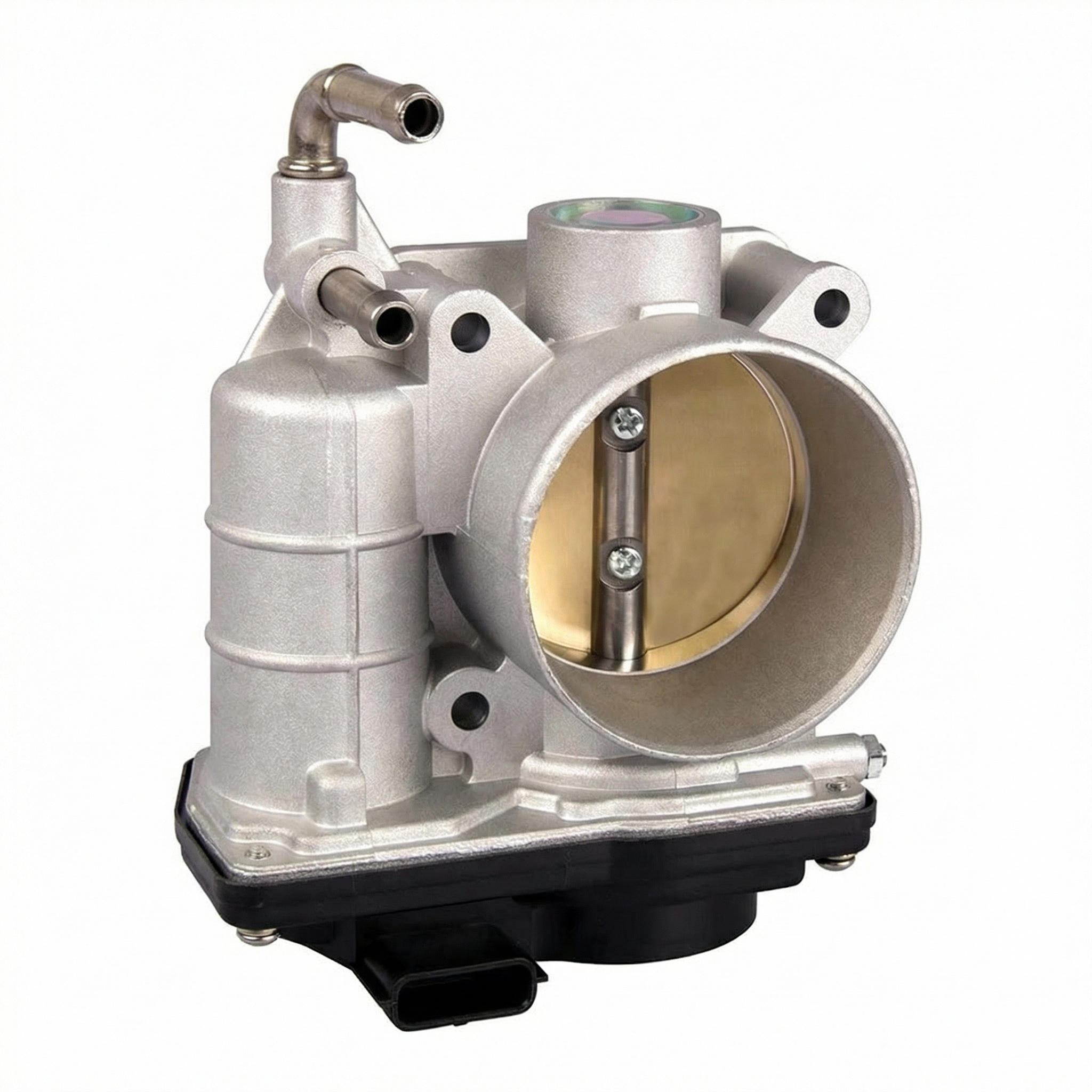
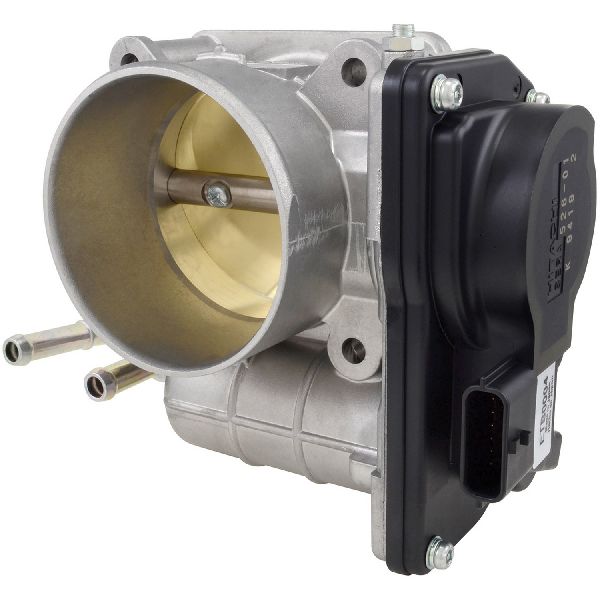
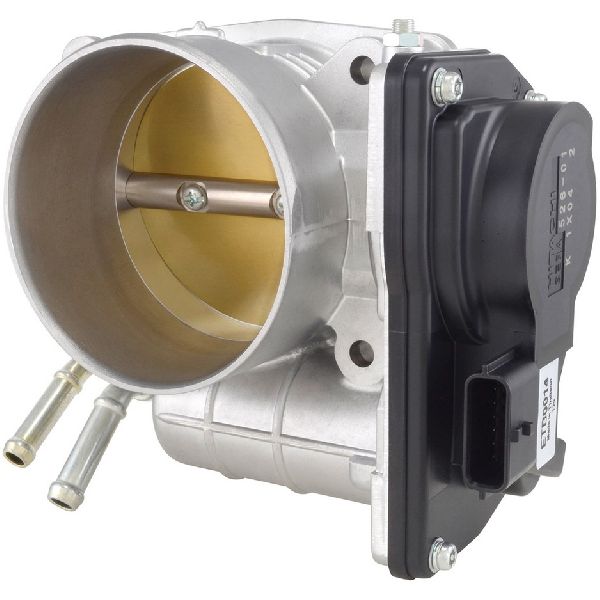
- Electronic Throttle Body
(OEM #16119-JA00A (for 2.5L QR25DE))— This is the most likely component to cause the issue due to carbon buildup. It is often cleaned, but sometimes requires full replacement if it fails electronically.
Trusted brands: Hitachi (OEM supplier), Dorman, Aisin
OEM price range: $350-$450
Aftermarket price range: $150-$280 - PCV Hose (2.5L Engine)
(OEM #11823-JA00A)— This plastic hose becomes brittle and cracks, causing a significant vacuum leak that leads to a high idle.
Trusted brands: Nissan (Genuine), Dorman
OEM price range: $20-$40
Aftermarket price range: $15-$30 - PCV Valve
(OEM #11810-8J102 (for VQ35DE) / 11810-EA200 (for QR25DE))— Can become stuck open, effectively creating a vacuum leak. It's an inexpensive part to rule out.
Trusted brands: Nissan (Genuine), Standard Motor Products (SMP)
OEM price range: $15-$25
Aftermarket price range: $8-$15
Related Codes That Often Appear With This One
- P0101 — A Nissan Technical Service Bulletin (NTB21-049) links P0507 and P0101 (Mass Air Flow Sensor Circuit Range/Performance) and suggests a similar diagnostic path involving checking the battery and performing an Idle Air Volume Learn. A large vacuum leak can also confuse the MAF sensor.
- P0171 — A significant vacuum leak, which is a common cause of P0507, allows unmetered air into the engine. This can cause the engine to run lean, triggering a P0171 (System Too Lean) code.
- P0223 / P2135 — Manufacturer Bulletin #NTB21-080 notes that P0507 can appear alongside throttle position sensor codes like P0223 or P2135, indicating potential issues within the electronic throttle control system.
Technical Service Bulletins (TSBs) & Recalls
- NTB21-049: While for newer models (2018+ Kicks/Versa), this TSB addresses P0507 by recommending a battery test and an Idle Air Volume Learning procedure, which reinforces the established repair path for this code across the Nissan brand.
- NTB21-080: This bulletin addresses instances where the MIL is on with DTC P0507 stored in the ECM, sometimes in conjunction with throttle position sensor codes.
- NTB13-079e: Addresses reduced performance in 2007-2010 Altimas due to CVT fluid temperature protection logic, a separate but common issue for this platform.
- Voluntary Service Campaign PC125: Related to inspecting the brake
Platform-Specific Known Issues
- The manual Idle Air Volume Relearn procedure is notoriously difficult to perform correctly due to its precise timing requirements. Many owners report needing 5-10 attempts to get it to work.
- If the idle is too high after cleaning the throttle body, the relearn procedure may fail to initiate. A common workaround is to briefly disconnect one or two ignition coils or fuel injectors to lower the RPM, allowing the relearn process to start.
Mechanic-Grade Diagnostic Values
- Throttle Position Sensor (TPS) Supply Voltage — expected: 4.75 to 5.25 Volts DC. Failure: Voltage outside this range indicates a wiring or ECM issue.
- Throttle Position Sensor (TPS) Signal Voltage at Closed Throttle — expected: 0.45 to 0.55 Volts DC. Failure: A reading outside this range requires TPS adjustment or replacement.
- Throttle Position Sensor (TPS) Signal Voltage at Wide-Open Throttle (WOT) — expected: Over 4.0 Volts DC. Failure: A reading below 4.0V at WOT suggests a faulty sensor.
- Prerequisites for Idle Air Volume Learn (IAVL) — expected: Battery voltage > 12.9V (with engine off), Coolant Temperature at operating temp (approx. 199°F mentioned as ideal).. Failure: The relearn procedure may not initiate if these conditions are not met.
Scan Tool Commands That Help
- Nissan CONSULT / Professional Aftermarket Scanners (e.g., Autel, OTC): Idle Air Volume Learn (IAVL) — This is a mandatory reset function required after cleaning or replacing the electronic throttle body. It resets the ECM's learned value for the throttle's closed position, which is the most common fix for P0507 after service.
- N/A - Manual Trick: Temporarily disconnect 1-2 fuel injectors or ignition coils. — Use this trick when the idle is too high (e.g., >1200 RPM) and prevents the scan tool's 'Idle Air Volume Learn' from initiating. Disconnecting injectors lowers the RPM enough for the procedure to start. Reconnect immediately after the procedure is complete.
Real Owner Repair Stories
- YouTube channel 'BLACK AND YELLOW GARAGE' (2002 Nissan Altima (procedure applicable to 2007-2012 models)) — High idle after engine work.
❌ Tried (didn't work) Initial inspection for vacuum leaks.
✅ What actually fixed it The power steering pressure switch was faulty, causing the idle to remain high. Unplugging the switch caused the idle to drop to normal levels, confirming the switch was the problem. The final repair was to replace the power steering pressure switch. - Reddit user comment (2005 Nissan Altima 3.5 SE (similar platform)) — P0507 code, high idle RPM.
❌ Tried (didn't work) The issue returned after initial fixes.
✅ What actually fixed it Cleaning the throttle body and mass airflow sensor, followed by the 'pedal dance' relearn procedure, resolved the issue for approximately one year. The code eventually returned, and the final fix was replacing the entire electronic throttle body. - NHTSA ODI #11725159 — An owner reported that their vehicle stalled in slow traffic and later stopped in the middle lane of a highway while accelerating; the engine code retrieved was P0507.
- NHTSA ODI #11558644 — A driver experienced multiple engine codes including P0507 (Idle air control), P0101 (Air flow), and P061B (Torque management) following a driving impact.
"I Checked Everything" — The Actual Cause
- In one documented case on a similar Nissan platform, the engine had a persistent high idle that would not resolve with the standard relearn procedure. A smoke test for vacuum leaks would have been negative. The actual cause was a faulty power steering pressure switch. The switch was sending a constant 'under load' signal to the ECM, which in turn kept the idle elevated. Unplugging the sensor immediately resolved the high idle, pinpointing the electrical component as the root cause.
OEM Part Supersession History
16119-JA00A→N/A— This is the primary OEM part number for the 2.5L engine in this generation.
Heads up: Other part numbers like 16119-JK20A and 16119-JK20C also exist for the Altima platform but are typically for different engines (e.g., 3.5L V6) or body styles (Coupe). Using the wrong part number, even if it physically fits, can lead to failed relearn procedures and persistent high idle. Always verify the correct part number by VIN.
Model Year Variations Within This Range
- 2010-2012: For the 2010 model year, the Altima received a mid-cycle refresh that included a new front fascia, hood, grille, and made Vehicle Dynamic Control (VDC) standard. However, the 2.5L and 3.5L engines, the electronic throttle control system, and the common causes for P0507 remained unchanged. The diagnostic and repair procedures are consistent across the entire 2007-2012 generation.
Diagnostic Flowchart
Other Known Issues on This Vehicle
Issues unrelated to this code that are worth knowing about as an owner of this generation:
- CVT Transmission Failure/Overheating 🔴 High — Very common, particularly in 2007-2010 models. Can occur at any mileage but is more frequent under 120,000 miles. Symptoms include shuddering, whining, and loss of power. (Ref: Nissan extended the warranty to 10 years/120,000 miles for many early models. TSB NTB13-079e addresses CVT protection logic.)
- Electronic Steering Column Lock (ESCL) Failure 🔴 High — Extremely common on 2009-2010 models, but affects 2007-2011. Failure is often sudden and prevents the car from starting, leaving the driver stranded. (Ref: Nissan issued a voluntary service campaign (recall) and extended the warranty for this part on affected models.)
- Cracked Rear Subframe/Crossmember 🔴 High — Common in vehicles operated in the salt belt due to corrosion. The rear crossmember can rust through, leading to catastrophic failure and loss of vehicle control. (Ref: Subject to recalls in some regions (e.g., Canada), but often a contentious out-of-pocket repair for U.S. owners.)
- Oil Cooler Gasket Leak 🟠 Medium — Frequently reported on both 4-cylinder and V6 engines. The gaskets degrade over time, causing oil to leak down the passenger side of the engine.
- Melting Dashboard 🟡 Low — Common in hot climates, especially on 2008-2009 models. The dashboard material becomes sticky, shiny, and can deform. (Ref: Subject of a class-action lawsuit, but no official recall was issued.)
Used vs. New Parts: Buying Guide for This Vehicle
When a used part is the smart pick: A used OEM throttle body from a reputable auto recycler can be a cost-effective solution, especially if the failure is electronic and not just due to carbon buildup. Given that a new OEM part is expensive, a used unit from a low-mileage donor car is a reasonable gamble.
Donor-vehicle mileage cap: roughly under 100000 miles for the part to have meaningful remaining life.
What to inspect on the donor part:
- Verify the part number matches your original exactly (e.g., 16119-JA00A for the 2.5L).
- Ask for the VIN of the donor vehicle to cross-reference compatibility.
- Inspect for any physical damage to the housing or electrical connector.
- If possible, check that the throttle plate is clean and not seized.
OEM-only on this vehicle (don't cheap out):
- Electronic Throttle Body
Aftermarket brands forum-validated for this vehicle:
- Hitachi (OEM supplier)
- Aisin
- Dorman OE-Fix (features an upgraded contactless Hall effect sensor)
Brands owners have reported issues with on this vehicle:
- Cheap, unbranded throttle bodies from online marketplaces like eBay or Amazon, as they have a higher likelihood of electronic incompatibility that prevents the Idle Air Volume Relearn procedure from completing successfully.
Real Owner Stories
Aggregated from forums and TSBs cited above. Mileages and costs reflect what owners reported in those sources.
2007-2012 Nissan Altima
Symptoms: High idle after installing an aftermarket intake; owner was advised to check for vacuum leaks and PCV issues.
What fixed it: Diagnostic process involving checking for unmetered air and potential PCV system faults.
Source hint: https://www.nissanclub.com/threads/p0507-help.461937/
2007-2012 Nissan Altima
Symptoms: Extremely high idle (over 1200 RPM) that prevented the standard relearn procedure from starting.
What fixed it: Briefly disconnecting one or two ignition coils or fuel injectors to lower the RPM enough for the Idle Air Volume Relearn process to initiate.
Source hint: https://www.youtube.com/watch?v=V322Wp-X-aE - 'The Flat Rate Mechanic'
2009-2014 Nissan Murano (3.5L VQ35DE)
Symptoms: P0507 code triggered after a battery change or throttle body service.
What fixed it: Performing the manual 'pedal dance' idle relearn procedure.
Source hint: https://www.youtube.com/watch?v=U4j33mS-g3w
Related OBD-II Codes
Frequently Asked Questions
Does NTB13-079e apply to my 2007-2010 Altima's high idle issue?
I just cleaned my throttle body and now the idle is even higher. Did I break it?
Why is the manual 'pedal dance' relearn not working on my Altima?
Is there a specific hose I should check for vacuum leaks on the 2.5L engine?
Can I move the throttle plate by hand while cleaning it?
What are the specific requirements before I start the manual relearn procedure?
Helpful Videos
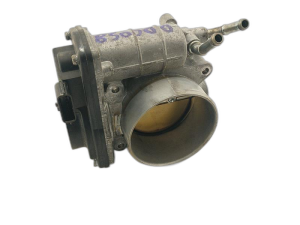
Used OEM Parts in Stock
New Aftermarket Parts Available


The information in this article is provided for general reference and educational purposes only. Vehicle specifications, procedures, and part compatibility can vary by production date, trim level, and region. Always consult your vehicle's factory service manual and verify part numbers before purchasing or performing repairs. Safety-critical components such as airbags, seat belts, and braking systems should be installed by a qualified professional.
- Nissan Altima:
- 🧭 Diagnostic Flowchart
- 🎬 Helpful Videos
- 🛍️ Shop This Part
- What's Unique About the 2007-2012 Nissan Altima
- Symptoms You May Notice
- Most Likely Causes
- Rare But Worth Checking
- Diagnosis Steps
- Parts You'll Likely Need
- Related Codes That Often Appear With This One
- Technical Service Bulletins (TSBs) & Recalls
- Platform-Specific Known Issues
- Mechanic-Grade Diagnostic Values
- Scan Tool Commands That Help
- Real Owner Repair Stories
- "I Checked Everything" — The Actual Cause
- OEM Part Supersession History
- Model Year Variations Within This Range
- Other Known Issues on This Vehicle
- Used vs. New Parts: Buying Guide for This Vehicle
- Real Owner Stories
- 2007-2012 Nissan Altima
- 2007-2012 Nissan Altima
- 2009-2014 Nissan Murano (3.5L VQ35DE)
- Related OBD-II Codes
- Frequently Asked Questions
- 🎟️ Get 5% Off