

P0513 on 2017-2022 Alfa Romeo Giulia: Invalid Key and No-Start Fixes
This code means your Giulia's anti-theft system doesn't recognize the key, which will prevent the engine from starting. The most common causes are a weak key fob battery or a software issue, often related to remote start or recent computer programming. A simple battery swap can fix it, but persistent issues often require a dealer visit for a "Proxy Alignment" to re-synchronize the car's modules.
- P0513 means your Giulia will not start because of a security system issue.
- Before calling for a tow, try your spare key and replace the battery in your primary key fob.
- This code is often caused by software glitches specific to the Giulia, especially after a remote start or computer service.
- Fixing the root cause almost always requires a visit to a dealer or a specialist with advanced diagnostic tools for reprogramming.
- Do not replace parts like the starter or battery; the problem is with key authentication, not the starting system itself.
What's Unique About the 2017-2022 Alfa Romeo GIULIA
On the Alfa Romeo Giulia, the P0513 code is frequently tied to software-related issues rather than simple hardware failure. 🎬 Watch: Understanding the causes and symptoms of the P0513 code. Manufacturer Technical Service Bulletins (TSBs) specifically link this code to glitches occurring after a remote start operation or following a software update or replacement of the main computer (PCM). This indicates that the problem often lies in the complex security handshake between modules (PCM, BCM, RFH), requiring a specific dealer-level procedure like a 'proxy alignment' to fix. A proxy alignment forces all control units on the CAN bus to re-learn and validate each other, resolving communication mismatches that can trigger this security code. This procedure can sometimes be performed by advanced DIYers using tools like MultiECUScan.
Diagnostic Flowchart
Tap your situation to follow the diagnostic path that matches what you're seeing on this vehicle.
Symptoms You May Notice
- Engine cranks but will not start.
- Engine starts and immediately shuts off.
- Complete no-start, no-crank condition.
- Check Engine Light is illuminated.
- Security warning light (often a key symbol) is lit or flashing on the dashboard.
- Message on the instrument cluster indicating a key or security problem, such as "Key Not Detected".
- Remote start fails to work and may trigger the warning light. [⭐ MANUFACTURER TSB — highest authority] Bulletin #18-025-17
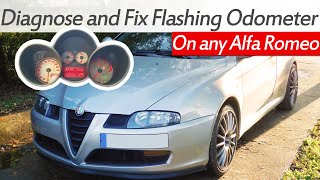
- Flashing odometer mileage, which indicates a proxy alignment issue.
- Replacing the starter or battery when the engine fails to crank. The P0513 code specifically points to a security system lockout, not a failure of the starting components themselves.
- Replacing the ignition cylinder. While possible, it's far less common than software, key, or module issues on this platform.
Most Likely Causes
- Software Glitch or Configuration Error 🔴 High Probability As documented in TSBs S2208000073 and 18-025-17, the Giulia's security system is sensitive to software states, especially after remote start, battery disconnect/replacement, or PCM service. A loss of synchronization between modules is a known issue that requires a proxy alignment.
How to confirm: This is confirmed if the code appeared after a remote start attempt, a battery disconnect, jump start, or any service involving the PCM. A dealer scan tool is needed to check module communication and configuration status. A flashing odometer is a strong visual clue.
Typical fix: Requires a dealer or a specialized shop with appropriate tools (like wiTECH or MultiECUScan) to perform a software update or a "Proxy Alignment," which re-synchronizes all the vehicle's control modules. Some owners report a dealer visit for this costs between $150-$300.
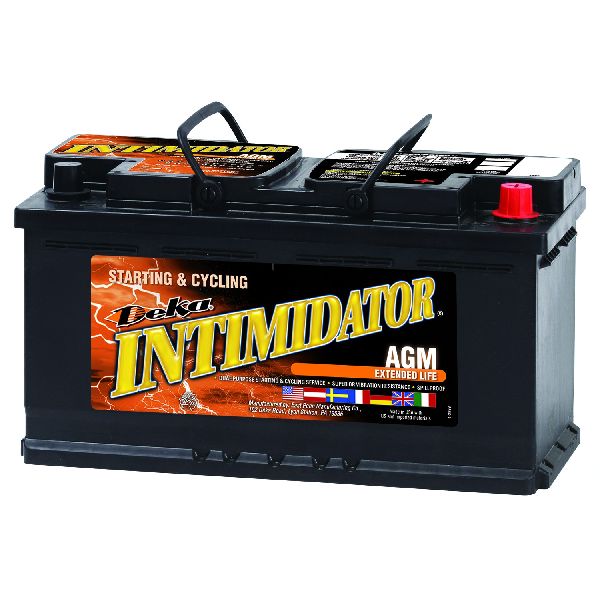
Est. part cost: $0 - Weak or Dead Key Fob Battery 🟡 Medium Probability → Shop Vehicle Battery Standard for all modern key fobs. The signal can become too weak for the RFH to detect.
How to confirm: Try using the spare key fob. If the car starts with the spare key, the issue is with the primary key. You can also try placing the non-working key fob directly on the start/stop button or in the designated center console pocket, as this can sometimes allow the car to start with a weak fob battery. If that works, the fob battery is almost certainly the cause.
Typical fix: Replace the CR2032 battery inside the key fob. This is a simple DIY task.
Est. part cost: $5-$15 - Faulty or Unprogrammed Key Fob ⚪ Low Probability → Shop Keyless Entry Transmitter Particularly noted after vehicle repairs where keys were lost or damaged. Programming new keys requires a specific procedure that can fail if not done correctly.
How to confirm: If a new key was recently made, it may not have been programmed correctly. If both the primary and spare keys fail to start the car (after checking their batteries), the keys themselves are less likely to be the root cause.
Typical fix: The key must be programmed to the vehicle by a dealer or a qualified automotive locksmith with the proper equipment. The OEM key fob FCC ID is KR5ALFA434.
Est. part cost: $250-$500 - Radio Frequency Interference (RFI) ⚪ Low Probability
How to confirm: Check if there are other RFID cards (like office access cards) on the same keychain, as they can interfere with the signal. Remove them and try starting the car again. Also check for aftermarket phone chargers or other electronics plugged into the car's power outlets.
Typical fix: Separate the interfering RFID device from the car's key fob.
Est. part cost: $0
Rare But Worth Checking
- Faulty Radio Frequency Hub (RFH) or Antenna: The RFH is the module that receives the key's signal. While uncommon, a failure in this module or its antenna ring (located around the ignition/start button) can prevent key recognition. Diagnosis requires a scan tool that can read security system data. A potential Mopar part number for the RFH module is 68321698AA, which supersedes several previous versions.
- Wiring Issue or Poor Battery Connection: → Shop Vehicle Battery A damaged wire or poor connection between the RFH, BCM (Body Control Module), and PCM can cause intermittent communication loss and trigger P0513. These vehicles are also known to be sensitive to battery terminal corrosion, which can cause low voltage and a host of electrical gremlins, including this code. A visual inspection and cleaning of the battery posts is a recommended preventative step.
Diagnosis Steps
- Check for a security light on the dashboard. A flashing or solid key symbol is a primary indicator.
- Try your spare key. If the car starts, the problem is isolated to your primary key fob.
- If using the primary key, replace its battery (typically a CR2032). This is a simple and common fix.
- If the key fob battery is suspected to be weak, try placing the fob directly against the start/stop button while pressing it to start the engine. This uses a short-range antenna to read the key even with a low battery.
- Remove any other RFID-enabled cards or fobs from your keychain to eliminate potential radio frequency interference.
- Inspect the main vehicle battery terminals in the trunk for any signs of corrosion. Clean them thoroughly with a wire brush and apply anti-corrosion gel.
- If the car still won't start, scan the vehicle with an OBD-II scanner to confirm P0513 is the active code. Note if the odometer is flashing, as this strongly indicates a proxy alignment is needed.
- If the issue occurred after a remote start or PCM service, the vehicle likely needs a proxy alignment. This requires a professional scan tool (like wiTECH or MultiECUScan) and must be done by a dealer or qualified independent shop.
- A technician will use a specialized scan tool to check communication with the Radio Frequency Hub (RFH) and Body Control Module (BCM) to diagnose a potential module or wiring fault.
Parts You'll Likely Need
- Key Fob Battery
(OEM #CR2032)— The key fob's signal strength is critical. A weak battery is a frequent cause of intermittent key recognition failure.
Trusted brands: Energizer, Duracell, Panasonic
OEM price range: $5-$15
Aftermarket price range: $5-$10 - New Key Fob
(OEM #FCC ID: KR5ALFA434)— If the internal transponder chip in the key is damaged, the entire fob must be replaced and programmed to the vehicle.
Trusted brands: OEM Alfa Romeo
OEM price range: $250-$500
Aftermarket price range: $100-$250 - Radio Frequency Hub (RFH) Module
(OEM #68321698AA)— In rare cases, the module that receives the key's signal can fail, requiring replacement and programming.
Trusted brands: Mopar
OEM price range: $100-$160
Technical Service Bulletins (TSBs) & Recalls
- S2208000073: No Start, After Flash And Or PCM Replace, DTC P0513 Invalid Skim Key Setting
- 18-025-17: MIL illumination after a remote start operation... DTC: P0513-00 - Invalid Skim Key.
Platform-Specific Known Issues
- A known issue documented in TSB #18-025-17 can cause the P0513 code to set after a remote start operation, requiring a software update to fix. This TSB involves reprogramming both the primary and secondary Engine Control Modules (ECMs). [⭐ MANUFACTURER TSB — highest authority] Bulletin #18-025-17
- TSB #S2208000073 addresses a no-start condition with P0513 that can occur after the Powertrain Control Module (PCM) has been reprogrammed (flashed) or replaced, indicating an incorrect security key setup that needs to be re-established via proxy alignment. [⭐ MANUFACTURER TSB — highest authority] Bulletin #S2208000073
Scan Tool Commands That Help
- MultiECUScan (MES): CAN Setup / PROXI ALIGNMENT PROCEDURE (952) — This is the primary function used to re-synchronize all vehicle modules after a part replacement (like a BCM), battery change, or software glitch has caused a communication mismatch, resulting in a P0513 code and often a flashing odometer. It forces all nodes on the CAN bus to recognize each other again.
- MultiECUScan (MES): ABS / Continental ABS MK C1 -> Adjustments — After a Proxy Alignment, it is often necessary to perform several calibrations within the ABS module to clear resulting warning lights. These include 'Reset steering angle', 'Lateral and longitudinal acceleration sensor calibration', and 'Pressure sensor calibration'.
Wiring & Ground Locations
- Body Control Module (BCM) — Located under the dashboard in the driver's side footwell, often integrated with the interior fuse box assembly. Access requires removing lower dash panels.. The BCM is the central hub for the immobilizer system. Water intrusion or damage to its connectors is a known cause of multiple electrical faults, including security system errors that can trigger P0513.
- Radio Frequency Hub (RFH) Module — The RFH module, which receives the signal from the key fob, is typically located under the dashboard trim, often near the steering column or center console area.. This module is the direct receiver for the key's transponder signal. A fault in the module itself or its wiring can prevent the key from being recognized.
- Security Gateway (SGW) Module — Located underneath the steering column, reachable from below. It is a small module connected to the vehicle's wiring harness.. The SGW controls diagnostic access to the vehicle's network. While not a direct cause of P0513, a bypass or proper connection is required for aftermarket tools like MultiECUScan to perform a Proxy Alignment on 2018+ models.
Real Owner Repair Stories
- GiuliaForums.com user (2017 Alfa Romeo Giulia) — Car would not start and displayed the P0513 code after the owner replaced the main vehicle battery.
❌ Tried (didn't work) Disconnecting the battery again., Checking key fob batteries.
✅ What actually fixed it The owner used MultiECUScan software to perform a 'Proxy Alignment' procedure. This re-synchronized the car's modules after the power interruption from the battery change, clearing the P0513 code and allowing the car to start. - MHH AUTO Forum user (2017 Alfa Romeo Giulia) — Vehicle was in a crash, all keys were lost. A new key was programmed, central locking worked, and ignition turned on, but the engine would not crank and threw code P0513.
❌ Tried (didn't work) Programming a new key.
✅ What actually fixed it The final fix reported was performing a Proxy Alignment. This suggests that even with a correctly programmed key, the Engine Control Module (ECM) and Body Control Module (BCM) were not synchronized after the trauma of the crash and subsequent repairs, requiring the alignment to re-establish the security handshake.
OEM Part Supersession History
68155691AD, 68155691AE, 68155691AF, 68155691AG, 68155691AH, 68155691AI→68321698AA— Standard part evolution for bug fixes, hardware revisions, or supplier changes.
Heads up: The newest part number (68321698AA) is the correct service replacement for all previous versions. Using an older, used part number may re-introduce previously solved issues. A Proxy Alignment is always required after replacement.
Model Year Variations Within This Range
- 2018-2022: Models from 2018 onwards are equipped with a Security Gateway (SGW) module that blocks diagnostic commands from non-authenticated tools. To perform a Proxy Alignment with aftermarket software like MultiECUScan, a physical SGW Bypass device must be installed. This does not apply to 2017 models.
- 2020-2022: The 2020 model year refresh included significant updates to the infotainment and other electronic modules. While the fundamental cause of P0513 remains the same, the software versions and module interactions differ from the 2017-2019 models, which can affect diagnostic pathways in dealer tools.
Helpful Videos
We Have This Part in Stock


The information in this article is provided for general reference and educational purposes only. Vehicle specifications, procedures, and part compatibility can vary by production date, trim level, and region. Always consult your vehicle's factory service manual and verify part numbers before purchasing or performing repairs. Safety-critical components such as airbags, seat belts, and braking systems should be installed by a qualified professional.
- Alfa Romeo GIULIA:
- 🧭 Diagnostic Flowchart
- 🎬 Helpful Videos
- 🛍️ Shop This Part
- What's Unique About the 2017-2022 Alfa Romeo GIULIA
- Symptoms You May Notice
- Most Likely Causes
- Rare But Worth Checking
- Diagnosis Steps
- Parts You'll Likely Need
- Technical Service Bulletins (TSBs) & Recalls
- Platform-Specific Known Issues
- Scan Tool Commands That Help
- Wiring & Ground Locations
- Real Owner Repair Stories
- OEM Part Supersession History
- Model Year Variations Within This Range
- 🎟️ Get 5% Off