

P0513 on 2018-2022 Chrysler Pacifica: Invalid Key and No-Start Fixes
This code means your Pacifica's anti-theft system doesn't recognize your key fob, usually causing a no-start condition. The most common fix is replacing a dead key fob battery. If that doesn't work, the key may need to be reprogrammed by a dealer or locksmith, which can be triggered by software updates or low vehicle battery voltage. In rare cases, the Radio Frequency Hub (RFH) module itself needs replacement.
- Always start by replacing the battery in your key fob; it's the cheapest and most likely fix.
- If the car won't start, try holding the key fob directly against the push-to-start button.
- This code is a known issue on Pacificas, especially after a dead battery, jump-start, or dealer software update.
- A fix beyond a fob battery replacement will almost certainly require a trip to a dealer or a well-equipped automotive locksmith for key reprogramming.
What's Unique About the 2018-2022 Chrysler PACIFICA
On the 2018-2022 Pacifica, particularly the hybrid models, P0513 is a known issue that can surface after seemingly unrelated events. Technical Service Bulletins (TSBs) confirm that this code can appear after a low battery event, a jump start, or even a routine software update at the dealership. This is often due to a loss of synchronization between the key fob, the Radio Frequency Hub (RFH), the Body Control Module (BCM), and the Powertrain Control Module (PCM). TSB S2208000073 explicitly details that after a PCM flash or replacement, the PCM can default and lose the security code, causing the handshake to always fail until a 'PCM replaced' routine is performed with a dealer tool to restore the code.
Diagnostic Flowchart
Tap your situation to follow the diagnostic path that matches what you're seeing on this vehicle.
Symptoms You May Notice
- Engine will not start (no-crank or cranks but won't fire).
- Engine starts and then immediately stalls (within 2-3 seconds).
- Check Engine Light is on.
- Flashing red security light (a small red dot) on the instrument panel. The light may stay on solid when a start is attempted, instead of turning off.
- Message on the dash indicating "Invalid Key" or a similar warning.
- Replacing the starter or battery without checking immobilizer codes first. If the security system is active, the engine is electronically disabled, and replacing mechanical or electrical starting components will not solve the problem.
Most Likely Causes
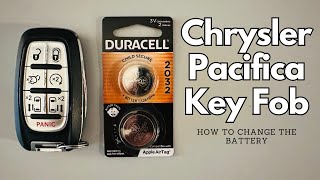
- Dead or Weak Key Fob Battery 🔴 High Probability → Shop Vehicle Battery Key fobs rely on a small battery (typically a CR2032 🎬 See this quick walkthrough on changing your fob battery.) to transmit their signal. These batteries have a finite life and are a frequent failure point.
How to confirm: Try using a spare key fob. If the spare key works, the battery in the primary key is the likely culprit. You can also try placing the 'dead' fob directly against the push-to-start button, which can sometimes allow the car to start using a passive, short-range antenna that doesn't require a strong fob battery.
Typical fix: Replace the CR2032 battery inside the key fob.
Est. part cost: $2-$10 - Loss of Key Programming 🟡 Medium Probability As documented in TSB S2208000073, this can occur after a PCM software flash or replacement. Other TSBs and owner reports confirm it can happen after a low vehicle battery event or jump-start, which can corrupt the communication link between modules. One owner on 2CarPros.com reported this exact scenario: after changing the key fob battery, the car started and died, then wouldn't start at all, throwing P0513.
How to confirm: This requires a diagnostic scan tool capable of reading immobilizer system data to see if the key is recognized. If the key is not listed as a programmed key, this is the cause.
Typical fix: The key(s) must be reprogrammed to the vehicle using a compatible scan tool. This often requires a trip to the dealership or a qualified automotive locksmith.
Est. part cost: $0 (if reprogramming is the only service) - Defective Key Fob ⚪ Low Probability → Shop Keyless Entry Transmitter The internal transponder chip or electronics within the key fob can fail from being dropped, water damage, or age. The lock/unlock buttons may still work, but the immobilizer chip may not, leading to confusion.
How to confirm: If a new battery doesn't solve the issue and a spare key works perfectly, the original key fob is likely faulty. A locksmith can also test the transponder signal directly.
Typical fix: Replace the key fob and have the new one programmed to the vehicle.
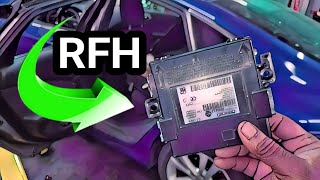
Est. part cost: $150-$400 - Faulty Radio Frequency Hub (RFH) Module ⚪ Low Probability The RFH is the module that receives the signal from the key fob. While not a common failure, it can malfunction, preventing it from reading a valid key. This module is also responsible for other remote functions.
How to confirm: Diagnosis requires a professional scan tool to check for communication errors with the RFH module and to test its function. The tool would show a failure to communicate with the RFH or internal fault codes for the module itself.
Typical fix: Replace the RFH module and program it to the vehicle. This is a dealer or specialist-level repair.
Est. part cost: $200-$500
Rare But Worth Checking
- Body Control Module (BCM) or Powertrain Control Module (PCM) Issue: → Shop Engine Control Module (ECM) As noted in TSBs S2108000046 and S2208000073, this code can be set due to issues within the BCM or PCM, especially after software updates or replacement. The fix is often a specific 'PCM Replaced' or 'Proxy Configuration Alignment 🎬 Watch: How a professional technician performs a proxy alignment.' procedure, not a part replacement.
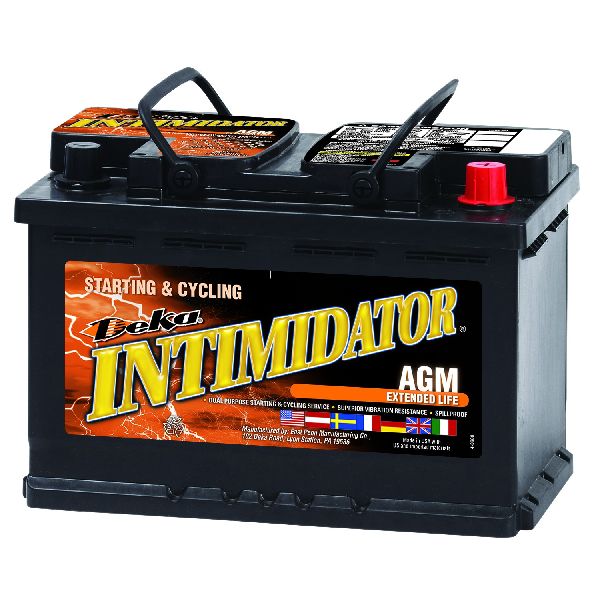
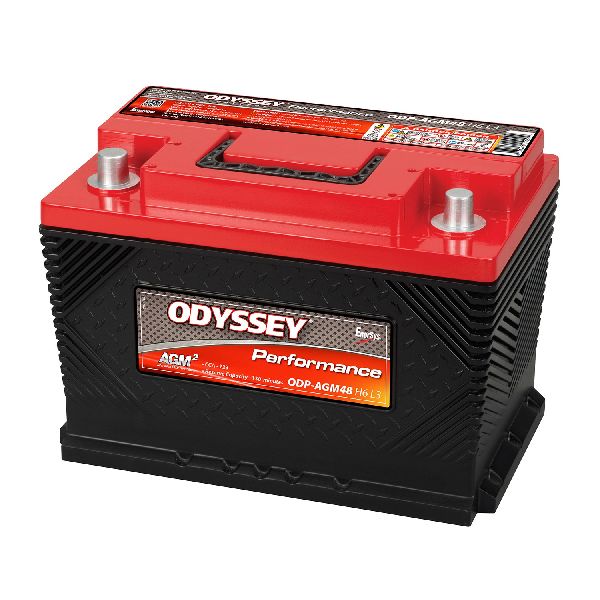
- Weak 12V Vehicle Battery: → Shop Vehicle Battery A low main vehicle battery can cause voltage drops to various modules during startup. This can lead to data corruption or failed communication handshakes between the BCM, RFH, and PCM, triggering a P0513 code even if the key and all modules are otherwise healthy. One owner of a Jeep with a similar system resolved P0513 simply by disconnecting the vehicle battery for 5 minutes to reset all modules.
Diagnosis Steps
- Check the battery in your key fob. Replace the CR2032 battery if its voltage is low. This is the simplest and most common fix.
- Try your spare key fob. If the vehicle starts, the problem is with your primary key.
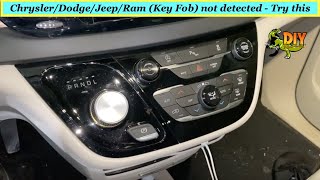
- If you have a push-to-start model, press the start button with the nose of the key fob itself. 🎬 Watch: How to use this hidden emergency start feature. This uses a short-range antenna that can work even with a dead fob battery.
- Check the main 12V vehicle battery. Ensure it is fully charged and has a healthy voltage. A weak battery can cause numerous electronic glitches, including this one.
- Scan the vehicle with an OBD-II scanner that can read manufacturer-specific codes from the BCM, PCM, and RFH modules.
- Check for other codes, especially U-codes like U151A-87 and U0426-62, which point to a communication issue.
- Using a professional scan tool, verify how many keys are programmed to the vehicle and check the status of the immobilizer system.
- If a key has lost its programming, attempt a key reprogramming procedure.
- If reprogramming fails, follow the diagnostic procedure in TSB S2208000073, which involves running the 'PCM Replaced' routine and a 'Proxy Configuration Alignment'.
- If module communication is suspect, further diagnosis of the key fob, Radio Frequency Hub, and associated wiring is necessary.
Parts You'll Likely Need
- Key Fob Battery
(OEM #CR2032)— This is the most common failure point leading to a P0513 code.
Trusted brands: Energizer, Duracell, Panasonic
OEM price range: $5-$10
Aftermarket price range: $2-$5 - Key Fob (Smart Key)
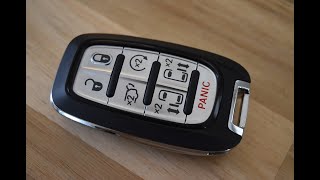
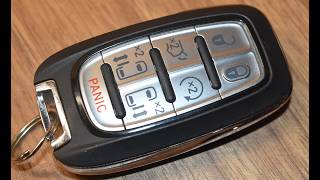
(OEM #68217832AC, 68241534AC (Varies by button config/year))— If the internal transponder fails, the entire key fob must be replaced and programmed. Part number depends on the number of buttons (4, 5, 6, or 7).
Trusted brands: Mopar (OEM)
OEM price range: $200-$400
Aftermarket price range: $70-$150 - Radio Frequency Hub (RFH) Module
(OEM #68454195AA, 68500152AA (Varies by year/features))— If the module that receives the key's signal fails, it must be replaced. This is a less common failure.
Trusted brands: Mopar (OEM)
OEM price range: $140-$250
Aftermarket price range: N/A
Related Codes That Often Appear With This One
- U151A-87 — This code, for 'Hybrid Control Processor Secret Code-Missing Message,' is explicitly mentioned alongside P0513 in TSBs #0805222 and #0809121. It indicates a failure in the security handshake between control modules, which is the root cause of the invalid key error.
- U0426-62 — Mentioned in TSB S220800073 REV. A, this code for 'MiniKrypt Error Signal Compare Error' is another indicator of a security data mismatch between the PCM and other modules, directly related to the P0513 condition.
Technical Service Bulletins (TSBs) & Recalls
- 0805222: Mentions P0513 - Invalid Skim Key in relation to hybrid battery coolant heater performance.
- S2208000073: Details a no-start condition with P0513 after a PCM flash or replacement, requiring a 'PCM Replaced' routine and 'Proxy Configuration Alignment'.
- 0809121: Cites P0513 - Invalid Skim Key along with other DTCs related to exterior lighting.
- S2108000046: Notes a no-start condition where P0513 is set in the Hybrid Control Processor (HCP) and U151A-87 in the BCM.
Platform-Specific Known Issues
- TSB #S2208000073 specifically addresses a no-start condition with P0513 after a PCM has been replaced or had its software updated. The fix is to perform the 'PCM Replaced' routine to re-establish the security handshake between the modules.
- TSBs #0805222, #0809121, and #S2108000046 all link P0513 to other electrical issues and codes on hybrid models, sometimes causing a no-start condition that requires dealer-level diagnostics.
- A low vehicle battery, jump-start, or battery replacement can trigger memory corruption in the Body Control Module (BCM), leading to P0513 and a loss of key fob functions. This is a common theme in owner forums.
- Owner Experience: On pacificaforums.com, multiple threads discuss P0513 appearing after battery issues. One user reported the dealer had to perform a 'proxy alignment' and reprogram keys after a battery replacement to resolve the issue.
Scan Tool Commands That Help
- wiTECH (Dealer Tool), Autel/AlfaOBD (Advanced Aftermarket): PCM/ECM/ESL Replace — This routine is required after replacing or reflashing the Powertrain Control Module (PCM). According to TSB S2208000073, a flashed or new PCM can default and lose the vehicle's security code, causing P0513. This function restores the security handshake between the PCM, BCM, and RF Hub.
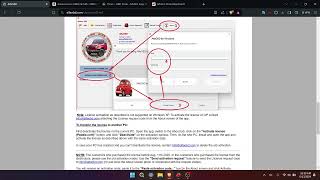
- wiTECH (Dealer Tool), Autel/AlfaOBD (Advanced Aftermarket): Proxy Configuration Alignment — This procedure synchronizes the vehicle's configuration data from the Body Control Module (BCM) to all other modules on the network. It is used after replacing a module (like the RF Hub or PCM) or when a configuration mismatch is detected (often indicated by a flashing odometer). It ensures all modules agree on the vehicle's features.
- wiTECH (Dealer Tool), Autel/AlfaOBD (Advanced Aftermarket): RF Hub Replace — This function is used when installing a new Radio Frequency Hub (RFH) module. It programs the new module to the vehicle and requires the vehicle's four-digit security PIN to authorize the change.
Wiring & Ground Locations
- Radio Frequency Hub (RFH) Module — In the rear of the vehicle, typically in the passenger side C-pillar or under the rear quarter panel trim. On similar Chrysler platforms, it is found in the rear package tray or behind the rear seats.. This module is what receives the signal from the key fob. Physical damage from water intrusion (from a leaking rear window or taillight) or a loose connector at this location can directly cause a P0513 code.
- G300 (and similar body grounds) — On older Pacifica models, G300 is located at the base of the left 'B' pillar (between the front and rear doors). Body grounds are critical for module communication.. The BCM, RFH, and PCM all rely on clean, solid ground connections to communicate effectively. A corroded or loose body ground can introduce high resistance, causing intermittent communication failures and triggering security codes like P0513.
Real Owner Repair Stories
- RepairPal user 'richiestreasureon' (2006 Chrysler 300C (similar immobilizer system)) — Inserted key, no 'buzz' sound of steering unlock, dash lights flash then disappear. Engine cranks but shuts off after three seconds. After six start attempts, the car went into 'lockdown mode' and would not crank at all.
❌ Tried (didn't work) Replacing the key fob battery., Trying to start the car multiple times, which made the problem worse by engaging lockdown mode.
✅ What actually fixed it The vehicle had to be towed to the dealer. The final repair involved replacing the SKIM module (the immobilizer receiver), two new key fobs, and reprogramming everything to the vehicle.
OEM Part Supersession History
68383680AC→68454195AA (and others)— Part numbers for the RF Hub module vary based on vehicle production date and specific features like Remote Start or Keyless Go. The module also serves as the receiver for the Tire Pressure Monitoring System (TPMS).
Heads up: It is critical to order the correct RF Hub for the vehicle's specific VIN and feature set. Installing an incorrect module, even if it physically fits, will result in a no-start condition and will require a Proxy Configuration Alignment to even attempt to diagnose.
Model Year Variations Within This Range
- 2021-2022: The 2021 model year introduced a major facelift with a new Uconnect 5 infotainment system, a larger 10.1-inch touchscreen, and updated interior electronics. While the fundamental P0513 causes (key, RFH, PCM sync) remain the same, the diagnostic path and software interactions within the BCM are different from the 2018-2020 models. A Proxy Alignment on a 2021+ model synchronizes modules with the newer Uconnect 5 architecture.
Helpful Videos
We Have This Part in Stock


The information in this article is provided for general reference and educational purposes only. Vehicle specifications, procedures, and part compatibility can vary by production date, trim level, and region. Always consult your vehicle's factory service manual and verify part numbers before purchasing or performing repairs. Safety-critical components such as airbags, seat belts, and braking systems should be installed by a qualified professional.
- Chrysler PACIFICA:
- 🧭 Diagnostic Flowchart
- 🎬 Helpful Videos
- 🛍️ Shop This Part
- What's Unique About the 2018-2022 Chrysler PACIFICA
- Symptoms You May Notice
- Most Likely Causes
- Rare But Worth Checking
- Diagnosis Steps
- Parts You'll Likely Need
- Related Codes That Often Appear With This One
- Technical Service Bulletins (TSBs) & Recalls
- Platform-Specific Known Issues
- Scan Tool Commands That Help
- Wiring & Ground Locations
- Real Owner Repair Stories
- OEM Part Supersession History
- Model Year Variations Within This Range
- 🎟️ Get 5% Off