

P0513 on 2005-2014 Ford Mustang: Incorrect Immobilizer Key Causes and Fixes
This code means your Mustang's anti-theft system doesn't recognize your key, preventing the engine from starting. The most common causes are a dead battery in the key fob, using a non-programmed key, or a faulty key. Trying a spare key is the first and easiest diagnostic step.
- P0513 means your Mustang's anti-theft system has locked you out, preventing the engine from starting.
- The absolute first step is to try your spare key. If it works, the problem is your primary key.
- Do not immediately replace expensive parts like the starter or fuel pump; the no-start is a security feature.
- Repairs beyond trying a spare key, such as programming a new key or replacing a PATS module, require specialized tools and should be done by a professional locksmith or dealer.
What's Unique About the 2005-2014 Ford Mustang
The 2005-2014 Ford Mustang uses the PATS system, which is generally reliable but sensitive. For this S197 generation, the PATS control function is integrated into the Instrument Cluster (IC). The key contains a small glass transponder chip (Texas Instruments 4D-63, 80-bit) that is passively powered by a signal from the PATS transceiver module around the ignition cylinder. Unlike later systems, there's no push-button start, so the entire process relies on the physical key. A common owner experience is encountering this code after a battery replacement (either in the car or key) or when trying to use a poorly cloned aftermarket key. The system requires a minimum of two programmed keys to remain operational; erasing keys and programming only one will result in a no-start condition.
Generation note: This range covers the S197 platform, which includes the initial 2005-2009 models and the 2010-2014 refresh. The PATS system functions similarly across both, but key designs and some module part numbers may differ. The diagnostic approach remains the same for both generations.
Symptoms You May Notice
- Engine cranks but will not start
- Engine starts and immediately stalls
- Flashing theft or security light on the instrument cluster
- Check Engine Light is on
- Theft light flashes a specific code sequence after about a minute (e.g., code 16 is a communication error between the cluster and PCM)
- Replacing the starter motor. The engine will crank, leading some to believe the starter is weak, but the no-start condition is due to the anti-theft system disabling fuel and spark.
- Replacing the fuel pump. The PATS system disables the fuel pump, so testing will show no fuel pressure. The lack of pressure is a symptom of the security lockout, not the root cause.
Most Likely Causes
- Faulty or Damaged Key Transponder 🔴 High Probability Keys can be damaged if dropped, and the internal glass transponder chip can fail over time. Aftermarket or poorly cloned keys are a very common source of this issue.
How to confirm: Try starting the vehicle with a known-good spare key. If the spare key works, the original key is the problem.
Typical fix: Replace the faulty key. A new key must be cut and then programmed to the vehicle's PATS system by a dealer or automotive locksmith.
Est. part cost: $50-$150 for a new key and programming. - Unprogrammed Key 🔴 High Probability Occurs when a new key has been cut but not electronically paired with the vehicle's immobilizer system.
How to confirm: If the code appears immediately after attempting to use a brand new key, this is the cause. The key will turn the ignition but will not start the car.
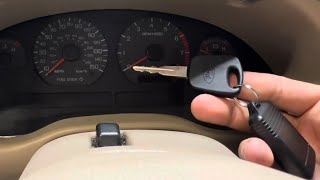
Typical fix: The key must be programmed to the vehicle using a diagnostic tool with PATS functions. If you have two existing programmed keys, you can often program a third key yourself following a specific procedure. 🎬 Watch: How to program a new Mustang key yourself If all keys are lost, a 10-minute security access wait is required by dealer-level tools.
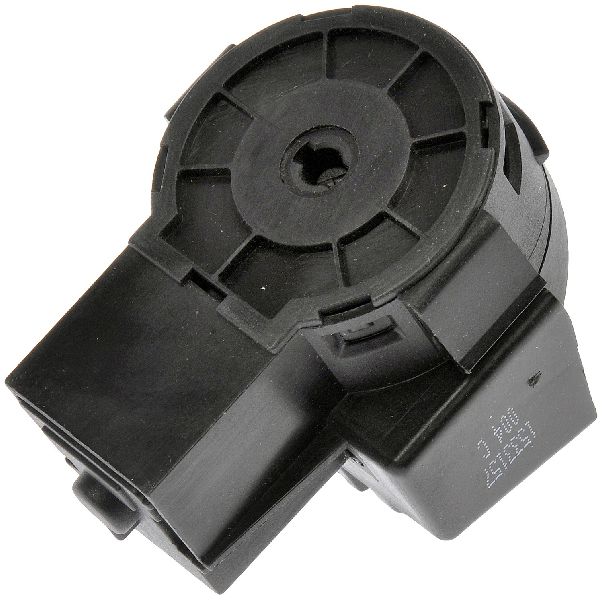
Est. part cost: $0 if programming was forgotten; $75-$150 for a programming service. - Faulty PATS Transceiver (Antenna) 🟡 Medium Probability The transceiver is a ring around the ignition lock cylinder that communicates with the key. Its wiring can become loose or the module itself can fail, preventing it from reading the key's chip.
How to confirm: A diagnostic scan tool with access to PATS data can show if there is a communication failure between the transceiver and the PCM. A visual inspection of the wiring and connector at the ignition cylinder is also necessary. A common PATS flash code for this is 1:3 (key code not received).
Typical fix: Replace the PATS transceiver module and ensure its connection is secure. This is often a simple plug-and-play part.
Est. part cost: $40-$80 - Low Vehicle Battery Voltage or Recent Jump-Start ⚪ Low Probability → Shop Vehicle Battery Low voltage or voltage spikes during a jump-start can sometimes cause the vehicle's security modules to lose their memory or fail to communicate properly.
How to confirm: If the P0513 code appeared immediately after the battery died or was jump-started, this is a likely cause. Charge the battery fully and re-test.
Typical fix: In some cases, simply disconnecting the battery for 15-30 minutes to reset the modules can resolve the issue. In other cases, a PATS 'parameter reset' may be needed with a Ford-specific scan tool like FORScan.
Rare But Worth Checking
- Powertrain Control Module (PCM) or Body Control Module (BCM) Failure: → Shop Engine Control Module (ECM) This is very rare. The PCM or BCM, which stores the key information, can fail internally. This should only be considered after all other possibilities (key, antenna, wiring) have been exhaustively ruled out by a professional.
- RF Interference: Other keys with transponders on the same keychain can sometimes interfere with the signal from the correct key. Try starting the car with only the Mustang key present.
Diagnosis Steps
- Retrieve all stored fault codes with an OBD-II scanner. Note the presence of P0513.
- Observe the 'theft' light on the dashboard with the key in the 'ON' position. A rapidly flashing light indicates a PATS issue. Wait 60 seconds to see if it flashes a two-digit code (e.g., 1 flash, pause, 6 flashes = code 16).
- Try to start the vehicle with a known-good spare key. If it starts, the primary key is faulty and needs replacement and programming.
- If the spare key does not work, remove other transponder keys from the keychain to eliminate RF interference and try again.
- Check the main vehicle battery to ensure it is fully charged and connections are clean and tight. Low voltage can cause PATS errors.
- Visually inspect the wiring and connector for the PATS transceiver ring around the ignition cylinder for any damage or looseness.
- Use a professional scan tool (like FORScan) to check for communication with the PATS module, transceiver, and PCM. Test the transceiver's ability to read the key ID.
- If the transceiver is faulty (common PATS code B1681), replace it.
- If all components test okay, a PATS parameter reset or key reprogramming may be necessary. This requires a capable scan tool.
- As a last resort, diagnose the PCM/BCM for internal faults.
Parts You'll Likely Need
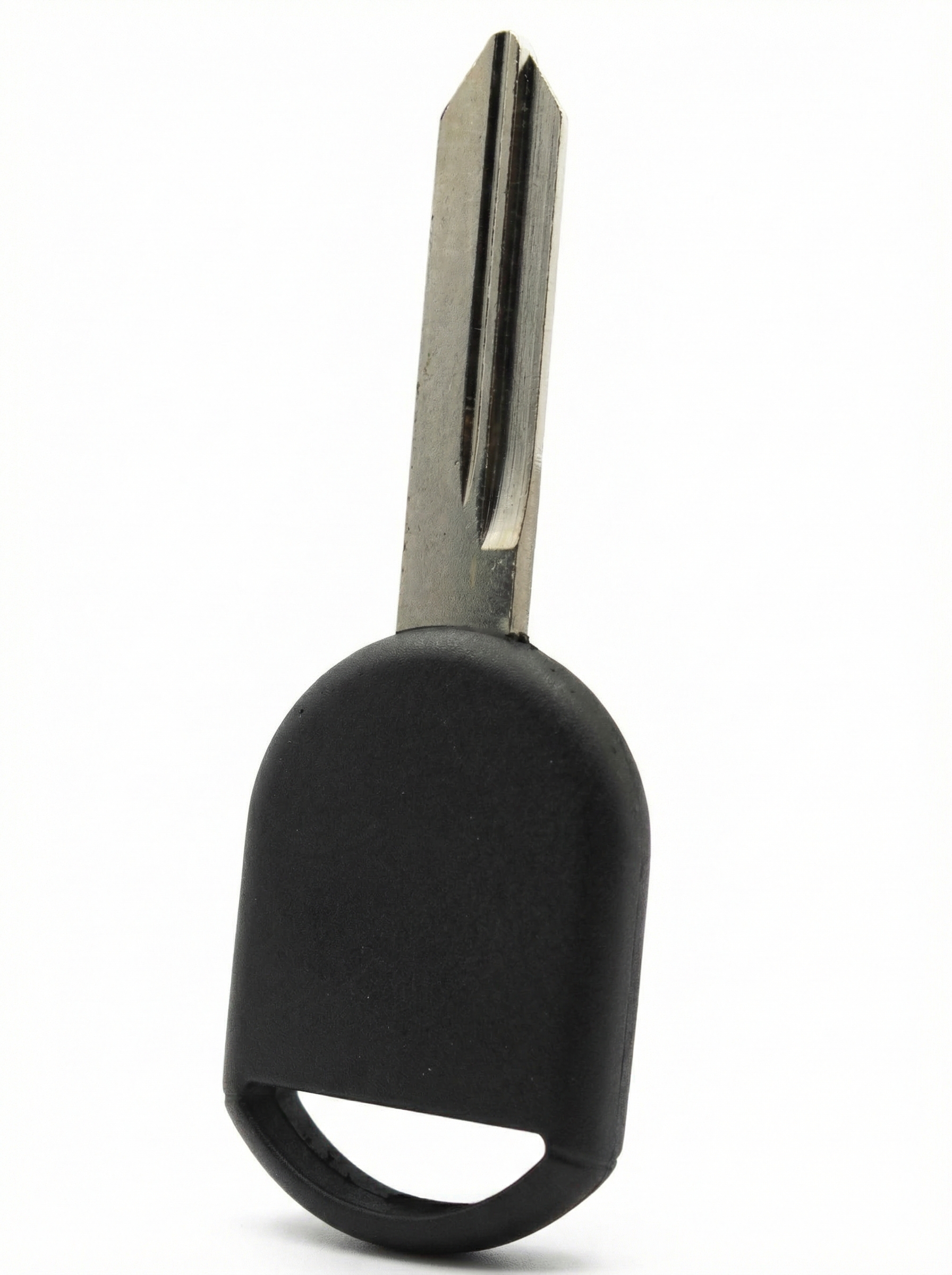
- Transponder Ignition Key
(OEM #H92-PT (This is a common part number for the 80-bit key blank). Also seen as Strattec 5918997 or Ford 164-R8040.)— The most common failure point is the transponder chip within the key itself, either from damage or electronic failure.
Trusted brands: Motorcraft, Strattec
OEM price range: $40-$80
Aftermarket price range: $20-$50 - PATS Transceiver Module (Antenna)
(OEM #2S6Z-15607-BA (Fits 2005-2008 models). Later models may use a different part number like 6V6Z-15607-C. Verify by VIN.)— This module reads the key's signal. If it fails, the car cannot verify the key and will not start.
Trusted brands: Motorcraft
OEM price range: $40-$80
Aftermarket price range: $30-$60
Platform-Specific Known Issues
- Issue After Battery Replacement: → Shop Vehicle Battery Many owners report the P0513 code appearing for the first time immediately after replacing a dead vehicle battery or after receiving a jump-start. The voltage spike or drop can cause the PATS module to temporarily lose synchronization with the keys. A simple fix is often to disconnect the battery for 30 minutes to force a full system reset. 🎬 Watch: How to reset the anti-theft system If that fails, a PATS parameter reset with a scan tool may be required.
Mechanic-Grade Diagnostic Values
- PATS Transceiver Connector Pin 1 to Ground Voltage (Key On) — expected: > 10 Volts. Failure: Voltage less than 10V indicates a problem with the power supply circuit (Circuit 1266 RD/YE).
- PATS Transceiver Connector Pin 2 to Ground Resistance (Key Off) — expected: < 5 Ohms. Failure: Resistance greater than 5 Ohms indicates a poor ground connection (Circuit 1205 BK).
- PATS Transceiver Connector Pin 3 (Receive) and Pin 4 (Transmit) to Ground Resistance (Key Off, Connectors Disconnected) — expected: > 10,000 Ohms. Failure: Resistance less than 10k Ohms indicates a short to ground in the data lines to the PCM/Instrument Cluster.
Hidden / Shadow Codes Worth Checking
- Flash Code 13: Key in ignition is not a PATS key (or transponder is missing/damaged). (see via Observe the flashing theft light; it will flash 1 time, pause, then flash 3 times.)
- Flash Code 16: CAN Communication error between the PATS module (in the cluster) and the PCM. (see via Observe the flashing theft light; it will flash 1 time, pause, then flash 6 times. Often caused by a blown fuse or wiring issue.)
- Flash Code 21: Not enough keys are programmed in memory (minimum of 2 required). (see via Observe the flashing theft light; it will flash 2 times, pause, then flash 1 time.)
- B1600: PATS Ignition Key Transponder Signal Is Not Received. Can be a damaged key or a non-PATS key. (see via Ford IDS, FORScan, or other advanced scan tool.)
- B1681: PATS Transceiver Signal Is Not Received. Points to a faulty transceiver antenna or its wiring. (see via Ford IDS, FORScan, or other advanced scan tool.)
- B1213: Less than two keys are programmed to the PATS control module. (see via Ford IDS, FORScan, or other advanced scan tool.)
- U0155: Lost Communication with Instrument Panel Cluster (IPC) Control Module. Since the PATS module is in the IPC, this code is a major indicator of the root cause. (see via Ford IDS, FORScan, or other advanced scan tool.)
Scan Tool Commands That Help
- FORScan / Ford IDS: PATS Parameter Reset — This is required when replacing the PCM or Instrument Cluster. It forces the modules to re-establish a security handshake. It involves a mandatory 10-minute security wait.
- FORScan / Ford IDS: Ignition Key Code Erase — Used to erase all stored keys from the vehicle's memory before programming new ones. This is a necessary step when all keys are lost or when performing a parameter reset. A minimum of two keys must be programmed afterward.
- FORScan / Ford IDS: PATS Self-Test — This function within the Instrument Cluster Module (ICM) section of the scan tool will retrieve specific PATS-related DTCs (B-codes and U-codes) that a generic OBD-II scanner won't see.
Wiring & Ground Locations
- PATS Transceiver Connector (C2007) — Located on the ignition lock cylinder, accessible after removing the steering column shrouds.. This 4-pin connector provides power, ground, and data communication for the transceiver ring. A loose connection or damaged wire here is a common cause of B1681 and P0513. Pin 1 is power (RD/YE), Pin 2 is ground (BK), Pin 3 is receive (WH/LG), and Pin 4 is transmit (GY/OG).
- G200 / G201 — Located on the driver's side floorboard area, near the kick panel and parking brake.. These are the primary interior ground points. The Instrument Cluster, which houses the PATS module, relies on these grounds. A corroded or loose ground at G200/G201 can cause intermittent PATS failures and other seemingly unrelated electrical issues.
- Instrument Cluster Connector — The main electrical connector on the back of the instrument cluster, accessed by removing the cluster from the dashboard.. Since the PATS control module is integrated into the instrument cluster on these Mustangs, a poor connection at this main plug can sever communication, leading to a U0155 code and a PATS-related no-start.
Real Owner Repair Stories
- Ford F150 Forum user (2009 Ford (similar PATS architecture)) — No crank, no start. No gauges working on the instrument cluster, only the theft light and a turn signal indicator were lit. The issue would temporarily resolve after disconnecting the battery.
❌ Tried (didn't work) Resetting PATS with various procedures (door method, key in ignition), Replacing key fob battery, Checking all fuses
✅ What actually fixed it The root cause was a faulty instrument cluster. The user confirmed that on this platform, the PATS system is resident in the cluster, and if the cluster isn't fully functional, PATS is guaranteed to fail. The fix was to repair or replace the instrument cluster. The initial advice was to check the ground behind the driver's side kick panel first.
OEM Part Supersession History
2S6Z-15607-BA→N/A— This is the primary part number for the PATS transceiver for 2005-2008 models. It may also fit up to 2011 according to some sources.
Heads up: While this part fits a wide range of Ford vehicles, the later 2010-2014 Mustangs may use a different part number (like 6V6Z-15607-C). Always verify the correct part number by VIN before ordering.
Model Year Variations Within This Range
- 2005-2014: The Passive Anti-Theft System (PATS) control module is integrated into the Instrument Panel Cluster (IPC) for this entire generation, also known as PATS System Type C. This is a critical diagnostic detail, as a malfunctioning cluster can be the root cause of a PATS-related no-start.
Diagnostic Flowchart
Other Known Issues on This Vehicle
Issues unrelated to this code that are worth knowing about as an owner of this generation:
- Passenger Side Water Leak 🔴 High — Extremely common, especially on vehicles parked outdoors. Debris clogs cowl drains, causing water to overflow through the cabin air filter opening into the passenger footwell. (Ref: While no specific TSB for this exact issue is widely cited, the problem is extensively documented in owner forums. It can lead to mold and damage to the Smart Junction Box (SJB).)
- 4.6L 3V Spark Plug Breakage 🔴 High — A notorious issue on 2005-mid 2008 models with the 4.6L 3V V8. The original two-piece spark plugs are prone to separating during removal, leaving the lower portion seized in the cylinder head. (Ref: Ford TSB 08-7-6)
- Aluminum Hood Corrosion 🟠 Medium — Very common across the entire generation. Paint bubbles and blisters along the leading edge of the aluminum hood due to iron contamination during manufacturing. (Ref: Ford TSB 04-25-1, later superseded by TSB 17-0062 and 19-2026, which acknowledge the issue and update repair procedures.)
- Automatic Transmission (4R70W/5R55S) Problems 🟠 Medium — The 4R70W (V6 models) and 5R55S (V8 models) can develop issues like harsh shifting, slipping, or failure of the overdrive band servo. The 4R70W is known for torque converter clutch failure and servo bore wear.
Used vs. New Parts: Buying Guide for This Vehicle
When a used part is the smart pick: A used PATS transceiver (antenna ring) from a junkyard is a very smart and cost-effective choice. It is a simple electronic component that is not coded to the vehicle, making it a plug-and-play replacement. An instrument cluster can also be sourced used, but it will require professional programming to match the vehicle's mileage and PATS key data.
Donor-vehicle mileage cap: roughly under 150000 miles for the part to have meaningful remaining life.
What to inspect on the donor part:
- For a PATS transceiver, ensure the connector pins are not corroded or bent and the wiring pigtail is not cut or damaged.
- For an instrument cluster, check that the front lens is not cracked or deeply scratched and that all mounting tabs are intact.
- Verify the part number on the used component matches the original part number exactly.
OEM-only on this vehicle (don't cheap out):
- Transponder Key: While aftermarket keys exist, they are a very common source of P0513 issues due to poor quality transponder chips. It is highly recommended to use an OEM Motorcraft or a high-quality locksmith brand like Strattec to avoid programming headaches.
Aftermarket brands forum-validated for this vehicle:
- Strattec (for keys)
Brands owners have reported issues with on this vehicle:
- Unbranded, cheap transponder keys from online marketplaces (e.g., Amazon, eBay) are frequently reported as failing to program or failing shortly after programming.
Real Owner Stories
Aggregated from forums and TSBs cited above. Mileages and costs reflect what owners reported in those sources.
2005-2014 Ford Mustang
Symptoms: The theft light was sporadically blinking and preventing the car from starting.
What fixed it: Replacement of the PATS transceiver module, which is the antenna ring located around the ignition lock cylinder.
Cost: $40-$80
Source hint: YouTube video titled 'Easy fix to blinking Theft light'
2005-2014 Ford Mustang
Symptoms: The engine would start but then immediately stall, accompanied by a blinking theft light that eventually flashed a code 16.
What fixed it: Diagnosed as a communication fault between the PATS module and the PCM (EECV).
Source hint: Mustang Forums at StangNet thread titled 'Starts, Runs, THEFT Code Continually Blinks'
2005-2014 Ford Mustang
Symptoms: P0513 code appeared immediately after the vehicle battery died and required a jump-start.
What fixed it: Disconnecting the battery for 30 minutes to force a full system reset of the security modules.
Source hint: Vehicle-specific issues section: 'Issue After Battery Replacement'
Related OBD-II Codes
Frequently Asked Questions
My 2005 Mustang's theft light is flashing a specific pattern (1 flash, then 6 flashes) after a minute. What does this mean?
I just jump-started my Mustang and now it won't start and shows P0513. Is my computer fried?
Can I program a new key myself for my 2005-2014 Mustang to fix the P0513 code?
Is there a TSB for the spark plug breakage issue mentioned in the known issues for my 4.6L 3V Mustang?
My Mustang has a water leak on the passenger side; could this be related to my security light issues?
How much should I expect to pay to fix a P0513 caused by a faulty key?
Helpful Videos

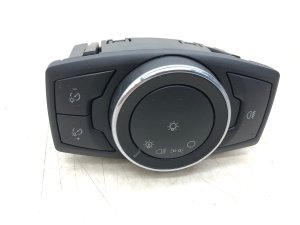
Used OEM Parts in Stock
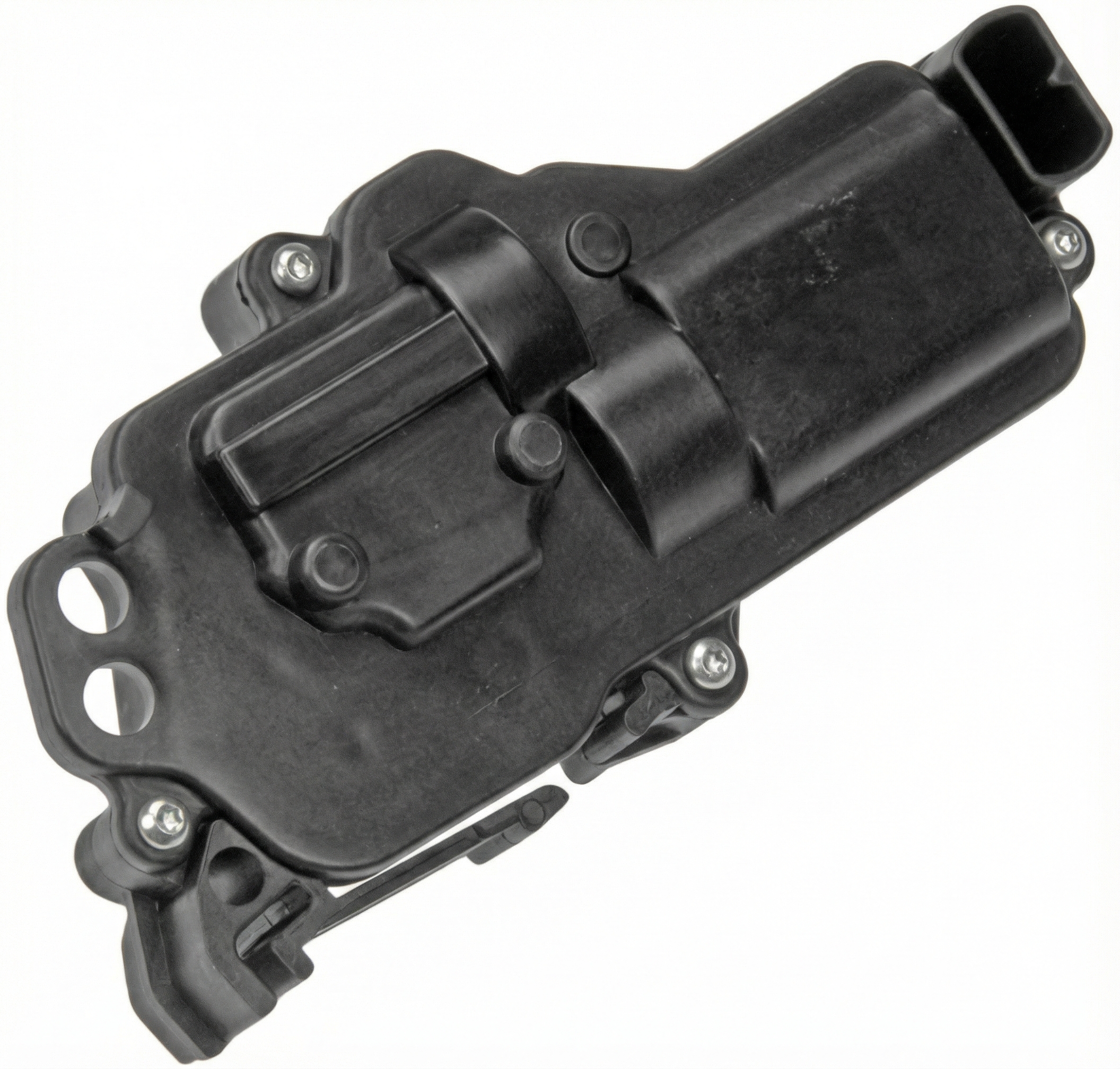
New Aftermarket Parts Available


The information in this article is provided for general reference and educational purposes only. Vehicle specifications, procedures, and part compatibility can vary by production date, trim level, and region. Always consult your vehicle's factory service manual and verify part numbers before purchasing or performing repairs. Safety-critical components such as airbags, seat belts, and braking systems should be installed by a qualified professional.
- Ford Mustang:
- 🧭 Diagnostic Flowchart
- 🎬 Helpful Videos
- 🛍️ Shop This Part
- What's Unique About the 2005-2014 Ford Mustang
- Symptoms You May Notice
- Most Likely Causes
- Rare But Worth Checking
- Diagnosis Steps
- Parts You'll Likely Need
- Platform-Specific Known Issues
- Mechanic-Grade Diagnostic Values
- Hidden / Shadow Codes Worth Checking
- Scan Tool Commands That Help
- Wiring & Ground Locations
- Real Owner Repair Stories
- OEM Part Supersession History
- Model Year Variations Within This Range
- Other Known Issues on This Vehicle
- Used vs. New Parts: Buying Guide for This Vehicle
- Real Owner Stories
- 2005-2014 Ford Mustang
- 2005-2014 Ford Mustang
- 2005-2014 Ford Mustang
- Related OBD-II Codes
- Frequently Asked Questions
- 🎟️ Get 5% Off