

OBD-II Code P0514: Battery Temperature Sensor Circuit Range/Performance
The Ultimate Guide to Meaning, Diagnosis, and Repair
- P0514 indicates an irrational battery temperature signal, forcing the alternator to charge at a default, inefficient rate.
- Before replacing a $200 battery, check for a $35 faulty temperature sensor, corroded terminals, or damaged wiring.
- For 2003-2007 Dodge Ram trucks, P0514 is almost always a software glitch triggered by cold weather or block heaters, requiring a $150-$250 dealer PCM reflash.
- Always start diagnosis by cleaning battery terminals with a wire brush and checking live scanner data for temperature discrepancies exceeding 15°F.
- Driving with an active P0514 code for more than 4 months causes permanent battery sulfation or acid leaks, turning a minor fix into a $300+ repair.
What Does P0514 Mean?
P0514 indicates the Powertrain Control Module (PCM) detects an irrational or out-of-range signal from the Battery Temperature Sensor (BTS). The BTS measures battery temperature, allowing the PCM to optimize the alternator's charging rate. This prevents overcharging in hot conditions and ensures sufficient charge in cold weather.
Technical definition: The SAE/OBD-II definition is "Battery Temperature Sensor Circuit Range/Performance". This code sets when the sensor's signal falls outside expected voltage/resistance parameters, or when its reading is not plausible ('rationality' fault). If the PCM detects no temperature change after the engine starts, or if battery temperature drastically differs from ambient and intake air temperatures at startup, it flags the signal as irrational.
Can I Drive With P0514?
Yes, But With Caution. Yes, but driving with a P0514 code for extended periods risks improper battery charging. In hot climates, overcharging causes the battery to overheat, swell, and leak acid, damaging nearby components. In cold climates, undercharging prevents the vehicle from starting. Driving for weeks with this code shortens battery lifespan, turning a $35 sensor fix into a $200+ battery replacement.
Common Causes
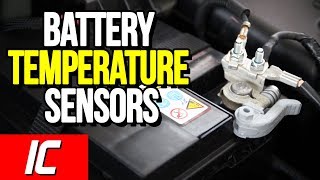
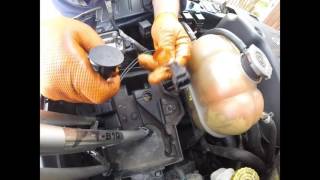
- Faulty Battery Temperature Sensor (Very Common) — The sensor itself (a thermistor) degrades 🎬 See this walkthrough for locating the sensor on Chrysler and Dodge models. from heat cycles and vibration, sending incorrect, erratic, or static temperature readings to the PCM.
- PCM Software Sensitivity and Block Heater Use (Chrysler/Dodge/Jeep) (Very Common) — On many Dodge Ram trucks, the PCM software is overly sensitive. It compares battery, intake air, and coolant temperatures at startup. Using an engine block heater warms the coolant but leaves the battery cold, creating a massive temperature discrepancy that triggers P0514 even when no hardware has failed.
- Corroded or Loose Battery Terminals (Common) — Corrosion (white or greenish powder) or loose clamps create unwanted electrical resistance. This disrupts the charging system and alters the sensor's ground path, skewing readings.
- Damaged Wiring or Harness (Common) — Sensor wiring near the battery tray is exposed to moisture, road grime, and battery acid. Wires fray, short to ground, or break entirely, interrupting the signal.
- Failing Alternator or Charging System Issue (Less Common) — A malfunctioning alternator produces incorrect charging voltages. The PCM interprets the resulting voltage fluctuations or abnormal battery heating as a temperature sensor fault.
- Improper Jump-Starting or Aftermarket Accessories (Less Common) — Connecting jumper cables incorrectly causes voltage spikes that trigger the code. Poorly installed aftermarket electronics also interfere with charging system signals.
- Failing Powertrain Control Module (PCM) (Rare) — The PCM itself rarely fails. Consider this only after thoroughly exhausting all wiring, sensor, and software update possibilities.
Symptoms
- Check Engine Light is On — The most common and often the only initial symptom a driver notices.
- Difficulty Starting the Engine — An undercharged battery struggles to crank the engine, especially in extreme hot or cold temperatures.
- Battery or Charging System Warning Light is On — The dedicated red battery warning light illuminates, indicating a severe charging system performance issue.
- Engine Surging or Erratic Electrical Performance — Fluctuating charging voltage causes engine RPM to surge at idle and headlights to dim or brighten intermittently.
- Improper Battery Charging (Over or Undercharging) (also visible on scanner) — The battery undercharges (causing hard starts) or overcharges (causing swelling, acid leaks, or a sulfur smell).
Diagnostic Flowchart
Tap your situation to follow the diagnostic path that matches what you're seeing on this code.
Common Fixes & Costs
- Replace Battery Temperature Sensor
— Parts: $20-$80, Labor: $75-$150, ~0.8 hr book time
(DIY)
Dodge Ram (2003-2007): OEM Mopar 56027332AC (Alt: Standard Motor Products TS406, Duralast SU3187)
Chrysler Town & Country / Dodge Grand Caravan (2008-2016): OEM Mopar 5149077AB (Alt: Dorman 902-3017, Standard Motor Products TS698) - Reprogram Powertrain Control Module (PCM) — Parts: $0, Labor: $150-$250, ~1.0 hr book time (Professional)
- Clean Battery Terminals and Connectors — Parts: $10, Labor: $0 (DIY), ~0.2 hr book time (DIY)
- Replace Battery Cable with Integrated Sensor (Ford)
— Parts: $70-$150, Labor: $50-$120, ~0.7 hr book time
(DIY)
Ford F-150 (2011-2017): OEM Ford ML3Z-10C679-B (Alt: Dorman 926-879, Standard Motor Products BSC8) - Repair Damaged Wiring — Parts: $10-$30, Labor: $150-$300, ~1.5 hr book time (Intermediate)
DIY vs Professional
- Clean Battery Terminals — Beginner: Yes
Tools: Wrench set, wire brush, terminal cleaner spray, dielectric grease, safety glasses. - Replace Battery Temperature Sensor — Beginner: Yes
Tools: Wrench set, socket set, flashlight, trim removal tool. - Repair Damaged Wiring — Beginner: No
Tools: Digital multimeter, wire strippers, soldering iron, heat shrink tubing, automotive-grade wire. - Reprogram Powertrain Control Module (PCM) — Beginner: No
Tools: Proprietary dealership scan tool with a software flash subscription.
Used vs. New Parts: Buying Guide
When a used part is worth it: Given the low cost of a new battery temperature sensor ($20-$80), buying a used one is rarely practical. The labor to access the sensor is the main cost, making a used part with unknown remaining life a poor trade-off.
Donor-vehicle mileage cap: roughly under 40000 miles for the part to have meaningful remaining life.
Donor quality checklist:
- Only pull from a low-mileage vehicle that was wrecked.
- Ensure the part number matches exactly.
- Avoid parts from vehicles in the rust belt, as connectors are prone to corrosion.
Decision logic:
- If The part is a simple, standalone sensor. → Always buy new. Cost savings for a used part are negligible compared to the risk of premature failure.
- If The sensor is integrated into a larger assembly (like a Ford BMS cable). → A used assembly from a low-mileage donor works on a tight budget, but a new aftermarket or OEM part is strongly recommended.
Warranty tradeoff: Used parts from a salvage yard typically have a 30-day warranty. New aftermarket sensors come with a one-year to limited lifetime warranty. OEM parts carry a 1-2 year warranty.
Worst-case if a used part fails: $100-$200 if a used sensor fails shortly after installation, requiring repeat labor.
What Happens If You Wait — Timeline
- 0-1 month: Check Engine Light illuminates. The charging system defaults to a fixed, safe charging rate (e.g., 13.8V). In mild weather, there are no noticeable symptoms. In extreme cold, starting becomes slightly harder. (MPG impact: 0%% · Added cost: $0)
- 1-4 months: Battery lifespan decreases due to chronic undercharging (cold climates) or overcharging (hot climates). Headlights dim at idle, and slow cranking occurs occasionally. (MPG impact: 0-1%% · Added cost: $50-$100 in reduced battery life value.)
- 4-8 months: Permanent battery damage (sulfation) occurs. The vehicle fails to start without a jump. In hot climates, the battery swells or leaks acid, causing corrosion on the battery tray. (MPG impact: 0-1%% · Added cost: $150-$350 for premature battery replacement.)
- 8+ months: Severe risk of being stranded. In a worst-case overcharge scenario, the battery boils, leaking corrosive acid onto the wiring harness, tray, and nearby components, causing extensive collateral damage. (MPG impact: 0-1%% · Added cost: $400-$1000+ to replace the battery and repair acid-damaged wiring.)
Cost of Not Fixing It
- 0-1 Month: Potential for difficult starting in very hot or cold weather. The charging system defaults to a fixed rate, which is inefficient but not immediately damaging. (Added cost: Negligible)
- 1-6 Months: Reduced battery lifespan. Consistent overcharging in hot climates or undercharging in cold climates permanently damages the battery, requiring premature replacement. (Added cost: $150-$350 for a new battery.)
- 6+ Months: Risk of damage to other electronics. Prolonged overcharging boils the battery, leaking acid that corrodes the battery tray, wiring, and nearby components. Extreme voltage fluctuations stress the alternator. (Added cost: $400-$1000+ (for battery, alternator, and wiring repair).)
Diagnosis Steps
- Scan for Codes and Review Freeze Frame Data
Use an OBD-II scanner to confirm P0514. Check for related codes (P0515, P0516, P0517, P0622) that pinpoint the issue. Review freeze frame data to see vehicle conditions (temperature, RPM) when the code set.
Tools: OBD-II Scanner (Beginner) - Check for Technical Service Bulletins (TSBs)
For Dodge, Chrysler, and Jeep vehicles, check for TSBs related to P0514. A dealership software update (reflash) corrects PCM sensitivity and is the most common fix for these makes.
Tools: Smartphone or Computer (Beginner) - Monitor Live Data with a Scan Tool
Using an advanced scan tool, monitor the live data PID for the Battery Temperature Sensor. At startup, battery temperature must be within 10-15°F of Ambient Air Temperature and Intake Air Temperature. A static value or massive discrepancy indicates a failed sensor or rationality fault.
Tools: Advanced OBD-II Scan Tool (Advanced) - Perform a Thorough Visual Inspection
Inspect battery terminals for corrosion, ensuring they are clean and tight. Locate the battery temperature sensor (under the battery, in the tray, or on the hold-down) and examine its connector and wiring for damage, melting, or corrosion.
Tools: Flashlight, Safety Glasses (Beginner) - Clean Battery Terminals and Secure Connections
If corrosion is present, disconnect the battery (negative first) and clean posts and terminals with a wire brush. Apply dielectric grease before reconnecting (positive first) to eliminate resistance.
Tools: Wrench Set, Wire Brush, Dielectric Grease, Safety Glasses, Gloves (Beginner) - Test the Sensor's Resistance vs. Temperature
With the sensor disconnected, measure its resistance in Ohms (Ω) using a multimeter. Compare this to manufacturer specifications (e.g., Chrysler sensors are typically 11.4kΩ to 13.6kΩ at 68°F). A reading of infinity (OL) or near zero indicates a failed sensor.
Tools: Digital Multimeter, Vehicle Service Manual, Hairdryer (optional) (Intermediate) - Test Sensor Circuit Reference Voltage
Disconnect the sensor connector. Turn ignition to 'Key On, Engine Off' (KOEO). Use a multimeter set to DC Volts to check for a 5-volt reference signal on the signal wire from the PCM. A 0V reading indicates a wiring problem or PCM fault. Verify the ground wire has less than 0.1V.
Tools: Digital Multimeter, Vehicle Service Manual/Wiring Diagram (Intermediate) - Analyze Charging Voltage vs. Temperature
With the engine running, use a multimeter on the battery posts to monitor charging voltage. Voltage should be higher in cold weather (e.g., 14.4V at 45°F) and lower in hot weather (e.g., 13.4V at 85°F). A static 13.8V indicates the PCM is ignoring temperature data.
Tools: Digital Multimeter, OBD-II Scan Tool (Advanced) - Perform a Voltage Drop Test
With the engine running and headlights on, connect the multimeter positive lead to the battery positive post and negative lead to the alternator output stud. A reading above 0.5V indicates excessive resistance. Repeat for the ground side (alternator case to battery negative); readings above 0.2V suggest a poor ground.
Tools: Digital Multimeter (Advanced) - Verify Repair with a Drive Cycle
After repairs, clear the code with your scanner. Drive the vehicle for 15-20 minutes, mixing city and highway speeds, to allow readiness monitors to run and confirm the code does not return.
Tools: OBD-II Scanner (Beginner)
When This Code Triggers (Freeze-Frame Conditions)
- Ambient Air Temperature: < 40°F (4°C) or > 90°F (32°C) (The code often sets at temperature extremes, especially cold, shortly after startup.)
- Engine Coolant Temperature vs. Battery Temperature: > 20°F (11°C) difference (At cold start, the PCM expects these values to be close. A large discrepancy, often caused by a block heater warming the coolant but not the battery, triggers the code.)
- RPM: 600-800 RPM (Idle) (The rationality check is performed immediately after startup while the engine idles.)
- Time Since Start: < 5 minutes (The fault is detected during the initial self-test phase shortly after engine start.)
Related Codes
- P0515 — Refers to 'Battery Temperature Sensor Circuit'. While P0514 is a performance/rationality issue, P0515 indicates a general electrical circuit malfunction, such as a complete loss of signal.
- P0516 — Indicates 'Battery Temperature Sensor Circuit Low'. The PCM sees a continuously low voltage (near 0V), usually caused by a short to ground in the signal wire or an internally shorted sensor.
- P0517 — Indicates 'Battery Temperature Sensor Circuit High'. Points to a continuously high voltage (often the full 5V reference), typically caused by an open circuit from a broken wire or unplugged sensor.
- P0622 — Means 'Alternator Field Control Circuit'. If seen with P0514, the root cause is the alternator or its control circuit, not the battery sensor. Focus diagnosis on the charging system.
Climate & Environmental Factors
- Cold Climate: In cold weather, the PCM expects a low battery temperature and adjusts charging voltage upward. On sensitive systems, a rapid temperature difference between the battery and other sensors at startup triggers a 'rationality' fault, setting P0514 even if no component failed.
- Engine Block Heater Use: A block heater warms the engine coolant but leaves the battery cold. At startup, the PCM sees high coolant temperature and low battery temperature. This irrational discrepancy is a primary trigger for P0514 on diesel trucks.
- High Humidity / Moisture: High humidity and road spray accelerate corrosion on battery terminals, sensor connectors, and wiring harnesses. Corrosion adds resistance to the circuit, corrupting the sensor's signal.
- High Altitude: Altitude does not directly cause P0514. However, colder ambient temperatures at high altitudes contribute to cold-weather-related triggers.
How to Talk to a Mechanic About This Code
Say this: "I have a P0514 code and I'd like to schedule a diagnostic. Please check the live data from the battery temp, intake air, and ambient air sensors at cold start to check for a rationality fault. If it's a Dodge or Chrysler, please check for available TSBs for a PCM reflash before recommending part replacement."
This signals you understand common failure modes. It directs the technician to perform specific tests that differentiate a simple bad sensor from a software issue, preventing unnecessary battery or alternator replacements.
Avoid saying:
- 'My check engine light is on, can you just fix it?'
- 'I think I need a new battery.'
- 'My truck won't start right, just do whatever it needs.'
Questions to ask before authorizing the repair:
- What were the temperature readings from the battery, intake, and ambient sensors on the scan tool?
- Did you test the sensor's resistance, and was it within spec for the current temperature?
- If recommending a PCM reflash, what is the TSB number you are referencing?
- If recommending a sensor replacement, can you confirm the wiring and connector are in good condition?
Where to Take It: Dealer vs Independent vs Chain
- Dealer:
Best fit for Dodge/Chrysler/Jeep due to the common software-related nature of this code, which only a dealer fixes with a PCM reflash. For other makes, they are reliable but expensive.
Best for: Dodge, Chrysler, or Jeep vehicles where a PCM software reflash (TSB) is the most common fix., Vehicles still under warranty., Complex electrical issues where other shops failed.
Downsides: Highest labor rate, typically 1.5-2x an independent shop., May replace parts according to a flowchart rather than perform nuanced diagnosis. (Typical cost: +50% vs. baseline) - Independent Shop:
Good fit for most non-Chrysler vehicles. An experienced independent technician easily diagnoses and replaces a faulty sensor or wiring. Ensure they have a scan tool capable of performing a BMS reset for modern Fords.
Best for: Out-of-warranty vehicles where the cause is a standard part failure (sensor, wiring)., Ford F-150s needing a new BMS cable and reset, provided the shop has a capable scan tool.
Downsides: Cannot perform manufacturer-specific PCM software updates., Diagnostic skill and tool capability vary widely between shops. (Typical cost: +0% vs. baseline) - Chain Shop:
Use with caution. Acceptable for simple battery terminal cleaning. Likely to misdiagnose the root cause on vehicles with known software or BMS issues. Avoid for initial diagnosis.
Best for: Simple fixes like cleaning battery terminals or a straightforward sensor replacement on a common vehicle.
Downsides: Technician skill varies dramatically; lacks experience for nuanced electrical diagnosis., High pressure to upsell services; may recommend a new battery and alternator unnecessarily., Lacks tools or authorization for PCM flashing or advanced resets. (Typical cost: -10% vs. baseline)
When to Walk Away From the Repair
If the estimated repair cost for P0514 exceeds 40-50% of your vehicle's private-party value, pause and evaluate, though this is highly unlikely for this specific code.
- Car worth $2000, fix is $250: Fix it. The repair cost is a small fraction of the car's value and crucial for reliability.
- Car worth $15000, fix is $250: Fix it. This is routine maintenance on a valuable vehicle.
- Car worth $1000, fix is $800: Walk away. If a shop quotes this high, they misdiagnosed the problem by including a new alternator and battery. Get a second opinion.
What Scan Tool You Need for This Code
Minimum: A scanner that reads and graphs live data for multiple PIDs simultaneously.
A basic $20 code reader only shows the P0514 code. It cannot display live temperature data from the battery, intake air, and ambient air sensors, which is essential to determine if the sensor's reading is 'irrational'.
Budget: BlueDriver Pro (~$100) — Connects to your smartphone via Bluetooth and graphs live data for the battery temperature and other relevant sensors. Sufficient to diagnose the 'rationality' fault common with P0514.
Mid-range: Foxwell NT510 Elite (~$180) — Provides manufacturer-specific diagnostics and live data graphing. Includes service functions like the Battery Management System (BMS) reset, required after replacing the battery or integrated sensor cable on Fords.
Professional: Autel MaxiCOM MK808 / MK808BT (~$450-550) — Offers full-system diagnostics, extensive live data, and robust service functions, including BMS resets for a wide range of makes and models. Provides comprehensive diagnostic capabilities.
Rent vs buy: If you own a Dodge/Chrysler/Jeep, the issue is likely software, and a scanner won't fix it. For other makes, buying a budget pick like BlueDriver is a wise investment. For modern Fords, a mid-range tool with BMS reset capability is necessary.
How to Clear the Code After You Fix It
- Reconnect battery (if disconnected for repair)
- Use an OBD-II scan tool to erase the P0514 code from the PCM's memory
- Perform a complete drive cycle to allow the vehicle's readiness monitors to run and complete
Drive cycle (~20 minutes): A general drive cycle includes: 1. Cold start the vehicle and let it idle for 2-3 minutes. 2. Drive at a steady speed between 40-60 mph for at least 8 minutes. 3. Come to a stop and idle for 3 minutes. 4. Drive again at a city speed (above 20 mph) for 2 minutes. 5. Turn the vehicle off and let it sit for 10 minutes to allow the O2 sensor heater monitor to run.
Readiness monitors affected: Comprehensive Component Monitor (CCM), Evaporative System Monitor, Catalyst Monitor
Watch out for:
- Disconnecting the battery clears the code but resets all readiness monitors, causing an automatic emissions test failure.
- The code returns promptly if the underlying mechanical or electrical fault is not repaired.
Will This Fail Emissions / State Inspection?
Yes — this code typically fails an OBD-II emissions inspection.
- California: An active P0514 code causes an automatic smog check failure. All readiness monitors must be complete, so you cannot simply clear the code before the test.
- New York: The NYS DMV inspection includes an OBD-II scan. The presence of this Check Engine Light-related code results in a failed inspection.
- Texas: In the 17 Texas counties requiring emissions testing, a vehicle with an illuminated Check Engine Light for P0514 fails the OBD portion of the inspection.
Most Commonly Affected Vehicles
- Dodge Ram (with Cummins Diesel) (2003-2007) — Extremely common. Often a 'ghost code' caused by cold weather or block heater use creating a temperature variance the PCM flags as a fault. TSBs 18-022-07 and 18-005-06 Rev. B address this with a PCM software update.
- Chrysler Town & Country (2008-2016) — Failures are common and usually due to the sensor itself, located in the battery tray directly beneath the battery.
- Jeep Grand Cherokee (2005-2010) — Often caused by sensor failure or damage to the wiring harness running under the battery tray, where it is susceptible to corrosion.
- Dodge Grand Caravan (2008-2016) — Shares the electrical architecture of the Town & Country. The sensor is located in a pocket in the battery tray and is a frequent failure point.
- Ford F-150 (2011-2017) — The function is handled by the Battery Management System (BMS) sensor, integrated into the negative battery cable terminal. The entire negative cable assembly must be replaced.
- Chevrolet / GMC Silverado / Sierra (2007-2013) — The code points to a failed sensor in the battery tray or wiring damage near the battery. Diagnosis is straightforward compared to Chrysler products.
- Hyundai Santa Fe (2007-2012) — The cause is most often a failed battery temperature sensor located underneath the battery, requiring battery removal for replacement.
- Kia Sorento (2011-2015) — Similar to its Hyundai platform-mate, P0514 indicates a bad sensor located in the battery tray or a related wiring circuit issue.
Manufacturer-Specific Notes
- Dodge/Chrysler/Jeep: The PCM's rationality check compares battery temp with intake and coolant temps at startup. In cold weather or with block heater use, a large difference triggers P0514 without a real fault. TSBs 18-022-07 and 18-005-06 Rev. B update the PCM software to reduce this sensitivity.
- Ford: On modern Fords with a Battery Management System (BMS), the temperature sensor is integrated into the negative battery terminal assembly. If the sensor fails, the entire assembly must be replaced, and the BMS must be reset with a scan tool.
- GM (Chevrolet/GMC): The battery temperature sensor is a key input for the Regulated Voltage Control (RVC) system. P0514 disables RVC, causing the alternator to default to a fixed 13.8V output and triggering a 'Service Charging System' message.
- Subaru: The battery temperature sensor is integrated with the alternator harness. Failure often requires replacing a section of the alternator wiring harness, making the repair more involved.
Real Owner Stories
2006 Dodge Ram 2500 Cummins in Cold Weather
Check Engine Light with code P0514 appeared intermittently during cold weather snaps, especially after plugging in the engine block heater overnight. No other symptoms were present.
What they tried:
- Ignored the code initially; it cleared on its own during warmer weather.
- Considered replacing the battery temperature sensor but read on forums about a common software issue.
- Took the truck to the dealer for a software update.
Outcome: The dealer performed a PCM reflash per TSB 18-005-06 Rev B. The code never returned, even when using the block heater.
Lesson: For Dodge Ram diesels, P0514 is frequently a 'ghost code' caused by PCM sensitivity to temperature differences at startup. Always check for TSBs related to a PCM reflash before replacing parts.
2015 Ford F-150 with Battery Management System (BMS)
Owner experienced intermittent starting issues and a 'Charging System Service Soon' warning. Replaced the battery himself, but the problem returned within weeks.
What they tried:
- Replaced the 12V battery at home, resolving the issue temporarily.
- Took the truck to a dealer who diagnosed a bad battery, ignoring the recent replacement.
- A second mechanic investigated the negative battery cable.
Outcome: The Battery Management System (BMS) sensor, integrated into the negative battery terminal, failed. Replacing the entire negative battery cable assembly and performing a BMS reset with a scan tool permanently fixed the issue.
Lesson: On modern Fords, P0514 functions through the BMS. Replacing the battery is not enough; the BMS must be reset. If the code persists, replace the sensor integrated into the negative battery cable.
2011 Chrysler Town & Country at 115K miles
The Check Engine Light came on, and the vehicle occasionally cranked slowly in the morning. The battery was one year old.
What they tried:
- Cleaned slightly corroded battery terminals. The code cleared but returned two days later.
- Tested the battery and alternator at an auto parts store; both passed.
- Visually inspected the wiring around the battery tray.
Outcome: The owner removed the battery and found the sensor in a small pocket in the battery tray. The sensor's plastic housing was cracked, and the connector was green with corrosion. Replacing the $35 sensor and cleaning the connector resolved the code.
Lesson: On Chrysler/Dodge minivans, the sensor sits directly under the battery, making it prone to physical damage and moisture intrusion. Removing the battery is necessary to find the true cause.
How to Prevent This Code From Triggering
- Clean Battery Terminals Annually (Once per year) — Prevents the buildup of insulating corrosion that causes voltage drops and erratic sensor readings. A simple cleaning with a wire brush and dielectric grease is the best prevention.
- Apply Dielectric Grease to Sensor Connector (Whenever the sensor or battery is serviced) — Seals the electrical connector from moisture, road salt, and grime, preventing corrosion on the delicate signal and ground pins.
- Ensure Battery is Securely Held Down (During every oil change) — A loose battery vibrates and bounces, chafing sensor wiring against the battery tray or engine components, leading to short or open circuits.
- Check for PCM Updates During Dealer Service (Dodge/Chrysler/Jeep) (At any regular dealer service visit) — Manufacturers release software updates to fix over-sensitive P0514 logic. Asking for available TSBs or flashes prevents the 'ghost code' from appearing.
Frequently Asked Questions
Where is the battery temperature sensor located?
Common locations include a pocket directly under the battery tray, integrated into the battery hold-down clamp, or as part of the negative battery cable terminal.
Can a bad battery cause a P0514 code?
Yes, an internally failing battery generates excessive heat during charging. The sensor accurately reports this high temperature, but the PCM flags it as abnormal. However, the sensor or wiring is a much more frequent cause.
What is the most common misdiagnosis for P0514?
The most frequent mistake is replacing the battery without proper diagnosis. The sensor, wiring, or a simple terminal cleaning is a more likely and cheaper solution.
Will clearing the P0514 code fix the problem?
No. Clearing the code only extinguishes the Check Engine Light temporarily. If the underlying electrical fault or rationality issue persists, the code returns.
Is it safe to drive with the P0514 code active?
Short-term driving is safe, but ignoring it risks stranding you with an undercharged battery or causing long-term damage from overcharging. Have it diagnosed promptly.
Why does the P0514 code often appear in cold weather?
Cold temperatures make battery charging critical. On sensitive systems, the large temperature difference between a cold-soaked battery and a warming engine triggers a rationality fault.
How much does it cost to fix a P0514 code?
A DIY terminal cleaning costs under $10, while a professional sensor replacement costs $100-$230. A dealership software reflash for Chrysler/Dodge vehicles is usually $150-$250.
Key Takeaways
- P0514 indicates an irrational battery temperature signal, forcing the alternator to charge at a default, inefficient rate.
- Before replacing a $200 battery, check for a $35 faulty temperature sensor, corroded terminals, or damaged wiring.
- For 2003-2007 Dodge Ram trucks, P0514 is almost always a software glitch triggered by cold weather or block heaters, requiring a $150-$250 dealer PCM reflash.
- Always start diagnosis by cleaning battery terminals with a wire brush and checking live scanner data for temperature discrepancies exceeding 15°F.
- Driving with an active P0514 code for more than 4 months causes permanent battery sulfation or acid leaks, turning a minor fix into a $300+ repair.
Helpful Videos
Shop the Parts Behind P0514
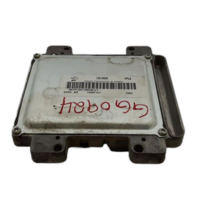
Below are the parts most often responsible for code P0514, ranked by how frequently each one is the actual culprit (per the diagnosis above). Tap any to see what we have for your vehicle.


The information in this article is provided for general reference and educational purposes only. Vehicle specifications, procedures, and part compatibility can vary by production date, trim level, and region. Always consult your vehicle's factory service manual and verify part numbers before purchasing or performing repairs. Safety-critical components such as airbags, seat belts, and braking systems should be installed by a qualified professional.
- 🧭 Diagnostic Flowchart
- 🎬 Helpful Videos
- 🛍️ Shop This Part
- What Does P0514 Mean?
- Can I Drive With P0514?
- Common Causes
- Symptoms
- Common Fixes & Costs
- DIY vs Professional
- Used vs. New Parts: Buying Guide
- What Happens If You Wait — Timeline
- Cost of Not Fixing It
- Diagnosis Steps
- When This Code Triggers (Freeze-Frame Conditions)
- Related Codes
- Climate & Environmental Factors
- How to Talk to a Mechanic About This Code
- Where to Take It: Dealer vs Independent vs Chain
- When to Walk Away From the Repair
- What Scan Tool You Need for This Code
- How to Clear the Code After You Fix It
- Will This Fail Emissions / State Inspection?
- Most Commonly Affected Vehicles
- Manufacturer-Specific Notes
- Real Owner Stories
- 2006 Dodge Ram 2500 Cummins in Cold Weather
- 2015 Ford F-150 with Battery Management System (BMS)
- 2011 Chrysler Town & Country at 115K miles
- How to Prevent This Code From Triggering
- Frequently Asked Questions
- Where is the battery temperature sensor located?
- Can a bad battery cause a P0514 code?
- What is the most common misdiagnosis for P0514?
- Will clearing the P0514 code fix the problem?
- Is it safe to drive with the P0514 code active?
- Why does the P0514 code often appear in cold weather?
- How much does it cost to fix a P0514 code?
- Key Takeaways
- 🎟️ Get 5% Off