

P0514 on 2015-2019 Ford Transit 3.2L: Battery Temperature Sensor Fault Causes and Fixes
On a 2015-2019 Ford Transit with the 3.2L Power Stroke engine, code P0514 is almost always caused by a faulty Battery Management System (BMS) sensor. This sensor, which includes the battery temperature sensor, is integrated into the negative battery cable assembly. The fix requires replacing the entire negative battery cable and performing a BMS reset. The OEM part costs between $100-$200, and this is a common failure point.
- P0514 on your Transit means the battery temperature sensor has failed.
- The sensor is part of the negative battery cable assembly and must be replaced as a single unit (Part # GK2T-10C652-AA).
- Always check for simple issues like loose or corroded battery terminals first.
- After replacing the battery or the negative cable, you MUST perform a Battery Management System (BMS) reset.
- This is a DIY-friendly repair with a difficulty of 2/5; the main steps are swapping the cable and performing the simple reset procedure (5 high beam flashes, 3 brake presses).
What's Unique About the 2015-2019 Ford Transit
On the Ford Transit, the battery temperature sensor is not a separate, standalone component. It is integrated into the Battery Management System (BMS) sensor, which is physically attached to the negative battery terminal clamp. This entire assembly is often referred to as the battery current sensor. The sensor communicates with the Body Control Module (BCM) and Powertrain Control Module (PCM) over a single-wire LIN (Local Interconnect Network) bus. Therefore, fixing a faulty sensor requires replacing the entire negative battery cable assembly. After replacing the battery or this sensor cable, a BMS reset procedure is mandatory for the charging system to recognize the new component and function correctly.
Symptoms You May Notice
- Check Engine Light is on
- Battery warning light may be illuminated
- Reduced auto start-stop system functionality
- Noticeably slow engine cranking, especially in very hot or cold weather
- Premature battery failure
- Electrical features being disabled by the BMS to conserve power (e.g., passive entry on passenger doors, rear defrost, heated seats)
- Replacing the battery without diagnosing the sensor. If the P0514 code is active, the new battery will still not be charged correctly and may fail prematurely. A BMS reset is required regardless.
- Replacing the alternator. While charging system-related, P0514 specifically points to the battery temperature sensing circuit, not typically the alternator itself.
- Ignoring the BMS reset. Failing to perform the reset after replacing the battery or sensor cable will cause the system to continue charging based on the old, degraded battery's parameters, leading to incorrect charging of the new component.
Most Likely Causes
- Faulty Integrated Battery Management System (BMS) Sensor 🔴 High Probability → Shop Vehicle Battery The sensor is integrated with the negative battery cable, exposed to engine bay heat, vibration, and potential corrosion from battery off-gassing, leading to eventual failure. This is a widely reported issue on Ford vehicles with this BMS design.
How to confirm: Use a scan tool to compare the Battery Temperature Sensor (BTS) PID to the Ambient Air Temperature (AAT) and Intake Air Temperature (IAT) sensors before a cold start. If the BTS reading is significantly different (e.g., reads a static -40°F or 200°F), the sensor has failed. This rationality check is what the PCM uses to set the code. An advanced method is to use an oscilloscope to check the LIN bus signal wire at the sensor; a complete lack of a square wave signal or a signal that is stuck high or low when the sensor is connected indicates a faulty sensor pulling the network down.
Typical fix: Replace the entire negative battery cable assembly, which includes the new sensor. After replacement, perform a Battery Management System (BMS) reset to inform the PCM about the new component.
Est. part cost: $100 - $200 - Corroded or Loose Battery Terminals 🟡 Medium Probability → Shop Vehicle Battery Battery terminals are prone to collecting acidic residue and loosening from vibration, which creates unwanted electrical resistance that can disrupt the sensitive BMS sensor signal.
How to confirm: Visually inspect the positive and negative battery terminals for white, green, or bluish powder (corrosion). Physically check if the terminal clamps can be twisted or moved by hand. The connection for the BMS sensor itself is a small plug on the negative terminal assembly; ensure it is clean and secure.
Typical fix: Disconnect the battery terminals (negative first). Clean the terminals and cable clamps thoroughly with a wire brush or battery terminal cleaning tool. Reconnect securely (positive first) and apply anti-corrosion grease. This is a low-cost first step before replacing parts.
Est. part cost: $5 - $10 - Damaged Wiring or Connector ⚪ Low Probability The wiring harness for the BMS sensor is located near the battery and can be susceptible to damage from battery acid, abrasion, or improper service. One owner noted a battery cable wearing through its loom from rubbing on a nearby clamp.
How to confirm: Visually inspect the small two-wire harness connected to the BMS sensor on the negative terminal. Look for any signs of frayed wires, breaks, or corrosion on the connector pins. Check for continuity and voltage at the connector. The connector is a 2-pin flat female connector.
Typical fix: Repair the damaged section of wire or replace the connector pigtail (Ford part WPT1648). Ensure the connection is clean and secure.
Est. part cost: $15 - $50
Rare But Worth Checking
- Powertrain Control Module (PCM) Fault: → Shop Engine Control Module (ECM) This is extremely rare. The PCM is the last item to suspect after all other possibilities, including the sensor and its wiring, have been exhaustively tested and ruled out.
Diagnosis Steps
- Read the code with an OBD-II scanner to confirm P0514 is present.
- Visually inspect the battery terminals. Check for looseness, corrosion, or signs of acid leakage. Clean and tighten as necessary. Ensure the small BMS sensor connector is secure.
- Inspect the wiring and connector at the negative battery terminal's BMS sensor. Look for any visible damage, fraying, or corrosion.
- With a capable scan tool (like FORScan for Fords), access live data. Before starting the engine (cold), compare the 'Battery Temperature' PID with the 'Ambient Air Temp' and 'Intake Air Temp' PIDs. They should be within a few degrees of each other. A reading that is stuck at an extreme value (like -40°F or 250°F) confirms a failed sensor.
- If the readings are plausible, test the sensor circuit. Disconnect the sensor connector and turn the ignition to 'Key On, Engine Off'. Use a multimeter to check for a 5-volt reference signal on the signal wire from the PCM. Verify the ground wire has good continuity to chassis ground (less than 0.1V).
- For advanced diagnosis, use an oscilloscope to check the LIN bus signal on the appropriate wire at the sensor connector. A healthy signal is a toggling square wave between approximately 0 and 12 volts. If the signal is flat or stuck high/low with the sensor connected, but returns to a toggling state when the sensor is disconnected, the sensor itself is faulty and pulling down the bus.
- If the sensor is confirmed to be faulty, replace the negative battery cable assembly.
- After replacement, clear the DTCs and perform the BMS reset procedure. This can be done with a scan tool like FORScan or manually.
- Manual BMS Reset Procedure: Close the hood and all doors. Turn the ignition on (engine off). Within 10 seconds, flash the high beams 5 times, then press the brake pedal 3 times. The battery warning light on the dash should flash 3 or 4 times within 15 seconds to confirm the reset was successful.
Parts You'll Likely Need
- Negative Battery Cable with BMS Sensor
(OEM #GK2T-10C652-AA)— This is the most common cause of code P0514, as the temperature sensor is integrated into this assembly and is not sold separately.
Trusted brands: Motorcraft
OEM price range: $110-$200
Aftermarket price range: $80-$150
Platform-Specific Known Issues
- A thread on the Ford Transit USA Forum titled 'P0514 Battery Temp Sensor' discusses this exact issue, with multiple owners confirming that replacing the negative battery cable/BMS sensor assembly and performing a BMS reset resolved the code. One user confirmed the part number GK2T-10C652-AA was the correct fix for their 2016 Transit.
Mechanic-Grade Diagnostic Values
- BMS Sensor Reference Voltage — expected: 5 Volts DC. Failure: A reading of 0V indicates a wiring problem (open/short) or a PCM fault.
- BMS Sensor Ground Circuit Voltage — expected: Less than 0.1 Volts DC. Failure: A higher voltage indicates a poor ground connection.
- LIN Bus Signal Voltage (Oscilloscope) — expected: A toggling square wave between approximately 0V and 12V (battery voltage).. Failure: A flat line at 0V, 12V, or an intermediate voltage when the sensor is connected indicates a communication failure, likely caused by a faulty sensor or wiring short.
- Charging System Voltage (at battery terminals, engine running) — expected: 13.5V to 14.5V, but will vary based on the BMS strategy.. Failure: With a P0514 fault, the system may default to a fixed voltage (e.g., 13.8V) instead of actively managing it based on temperature and state of charge.
Scan Tool Commands That Help
- FORScan: Battery Monitoring System (BMS) Reset — This command must be used after replacing the battery or the negative battery cable/BMS sensor assembly. It resets the battery's learned parameters, including time in service, and ensures the charging system correctly charges the new component. The function is typically found under the 'Configuration and Programming' section for the Body Control Module (BCM).
- Ford IDS: Battery Monitoring System (BMS) Reset — This is the dealer-level tool equivalent of the FORScan command, used to reset the BMS after battery or sensor replacement to prevent over/undercharging.
Wiring & Ground Locations
- BMS Sensor Connector — A small 2-pin plug connected directly to the BMS sensor module on the negative battery terminal clamp.. This is the primary connection point for the sensor. Corrosion or damage here will directly cause the P0514 code. The pigtail is Ford part WPT-1648.
- Main Battery Ground — The main negative battery cable connects from the battery terminal to a grounding point on the vehicle's chassis or engine block.. While not directly part of the sensor circuit, a poor main ground can cause a host of electrical issues, potentially affecting the reference voltages and stability of various modules, including the PCM and BCM which interpret the sensor's signal.
OEM Part Supersession History
GK2T-10C652-AA→Unknown— No supersession information was found during the search. GK2T-10C652-AA appears to be the consistent part number for this application.
Model Year Variations Within This Range
- 2016+: For the 2016 model year, Ford replaced the MyFord Touch infotainment system with the more user-friendly Sync 3 system. Additionally, an optional single absorbed glass mat (AGM) battery became available for gasoline engines to better support upfitter power requirements. While not directly causing P0514, these electrical system changes are notable for the generation.
Diagnostic Flowchart
Other Known Issues on This Vehicle
Issues unrelated to this code that are worth knowing about as an owner of this generation:
- Cracking Driveshaft Flexible Coupling (Giubo) 🔴 High — Very common on 2015-2017 models, leading to a major recall. The rubber coupling cracks with mileage, causing vibration and eventual driveshaft separation. (Ref: Safety Recall 19S38 (supersedes 17S15). The fix involves replacing the flexible coupling with a mechanical U-joint.)
- EGR Valve and Cooler Failure 🟠 Medium — Carbon buildup can cause the EGR valve to stick or the cooler to leak. Symptoms include rough idle, black smoke, coolant loss, and reduced performance. (Ref: TSB 21M03-S1 addresses EGR cooler replacement for some 2017-2019 models.)
- Diesel Particulate Filter (DPF) Clogging 🟠 Medium — Common for vehicles used for short trips or extensive idling, where passive regeneration cycles cannot complete. Leads to 'Drive to Clean' messages and limp mode. (Ref: TSB 19-2061 provides a procedure to enable Operator Commanded Regeneration (OCR) for fleet/commercial users to manually clear the DPF.)
- Vacuum Pump Failure 🔴 High — The vacuum pump can fail, leading to a hard brake pedal and loss of braking assist. This can be caused by normal wear or oil contamination.
- Transmission Problems 🟠 Medium — Owners report issues with the 6R80 transmission, including delayed shifts, slipping, or outright failure, sometimes requiring a rebuild or replacement.
- Fuel Injector Failure 🟠 Medium — Injectors can fail, causing misfires, poor performance, excessive smoke, and hard starting. In severe cases, a leaking injector can damage a piston.
Used vs. New Parts: Buying Guide for This Vehicle
When a used part is the smart pick: For this specific repair, purchasing a used negative battery cable with an integrated BMS sensor is NOT recommended. The sensor is a known common failure point due to heat and vibration. A used part from a salvage yard has an unknown history and a high likelihood of either being already faulty or failing shortly after installation, negating any initial cost savings.
What to inspect on the donor part:
- Not applicable as used parts are not recommended.
OEM-only on this vehicle (don't cheap out):
- Negative Battery Cable with BMS Sensor (Motorcraft GK2T-10C652-AA)
Aftermarket brands forum-validated for this vehicle:
- While some aftermarket versions exist, forum discussions and mechanic consensus strongly favor using the genuine Motorcraft part to ensure compatibility and longevity with the sensitive Battery Management System.
Brands owners have reported issues with on this vehicle:
- No specific brands were cited as problematic, but the general advice is to avoid unbranded, low-cost options from online marketplaces due to the critical function of the part in the vehicle's charging system.
Real Owner Stories
Aggregated from forums and TSBs cited above. Mileages and costs reflect what owners reported in those sources.
2016 Ford Transit Power Stroke 3.2L I5
Symptoms: Owner reported a P0514 Battery Temp Sensor code.
What fixed it: Replacing the negative battery cable/BMS sensor assembly (part number GK2T-10C652-AA) and performing a BMS reset resolved the code.
Source hint: Ford Transit USA Forum thread titled 'P0514 Battery Temp Sensor'
2015-2019 Ford Transit Power Stroke 3.2L I5
Symptoms: P0514 code was present due to a wiring issue.
What fixed it: The owner found the battery cable had worn through its loom from rubbing on a clamp. Repairing the damaged wire or replacing the connector pigtail (Ford part WPT1648) is the specified fix for this scenario.
Source hint: Article context under 'Damaged Wiring or Connector' common cause.
Related OBD-II Codes
Frequently Asked Questions
My 2016 Transit has a P0514 code. Is there a specific part number for the fix?
After replacing the negative battery cable for code P0514, is there anything else I need to do?
How can I test the battery temperature sensor on my Transit before buying a new one?
My Transit's auto start-stop system stopped working and the check engine light is on. Could P0514 be the cause?
Could a simple loose or corroded battery terminal cause code P0514?
Besides the check engine light, what other symptoms might I see with a P0514 code on my Ford Transit?
Helpful Videos
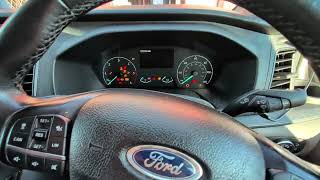
We Have This Part in Stock
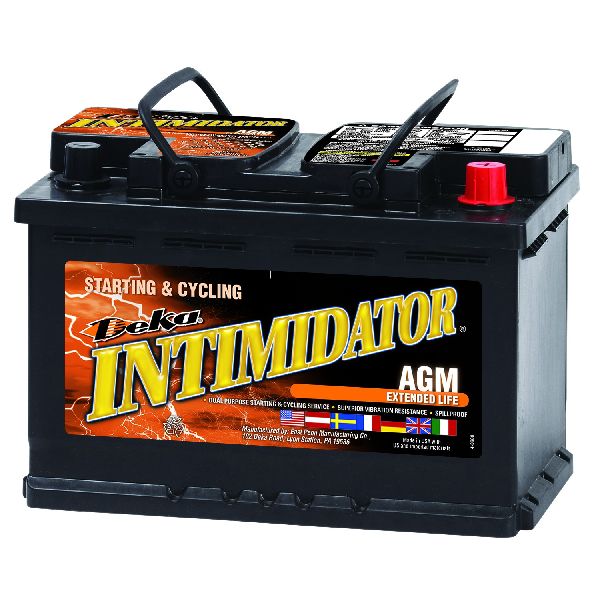

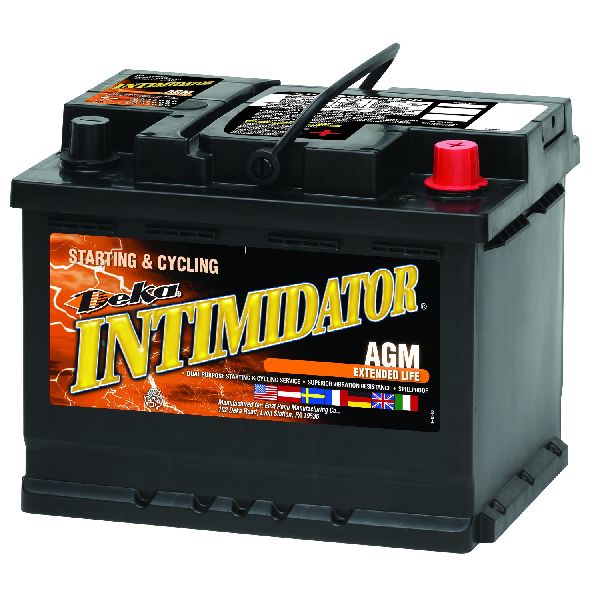
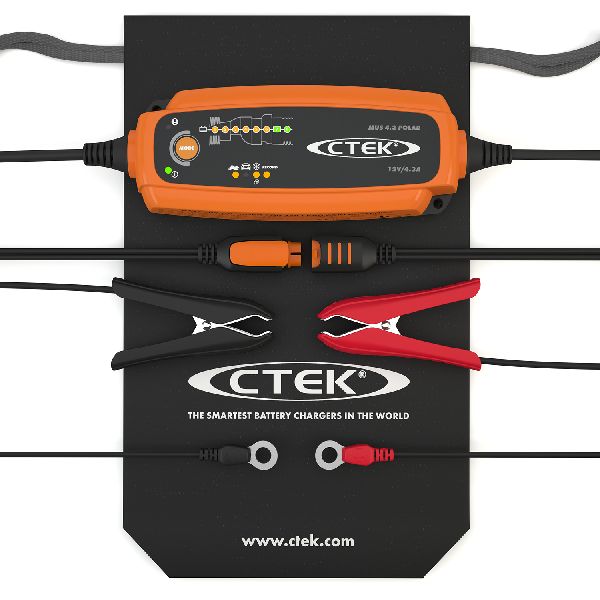

The information in this article is provided for general reference and educational purposes only. Vehicle specifications, procedures, and part compatibility can vary by production date, trim level, and region. Always consult your vehicle's factory service manual and verify part numbers before purchasing or performing repairs. Safety-critical components such as airbags, seat belts, and braking systems should be installed by a qualified professional.
- Ford Transit:
- 🧭 Diagnostic Flowchart
- 🎬 Helpful Videos
- 🛍️ Shop This Part
- What's Unique About the 2015-2019 Ford Transit
- Symptoms You May Notice
- Most Likely Causes
- Rare But Worth Checking
- Diagnosis Steps
- Parts You'll Likely Need
- Platform-Specific Known Issues
- Mechanic-Grade Diagnostic Values
- Scan Tool Commands That Help
- Wiring & Ground Locations
- OEM Part Supersession History
- Model Year Variations Within This Range
- Other Known Issues on This Vehicle
- Used vs. New Parts: Buying Guide for This Vehicle
- Real Owner Stories
- 2016 Ford Transit Power Stroke 3.2L I5
- 2015-2019 Ford Transit Power Stroke 3.2L I5
- Related OBD-II Codes
- Frequently Asked Questions
- 🎟️ Get 5% Off