

P0520 on 2009-2016 Audi A4 2.0T: Engine Oil Pressure Sensor Circuit Malfunction Causes and Fixes
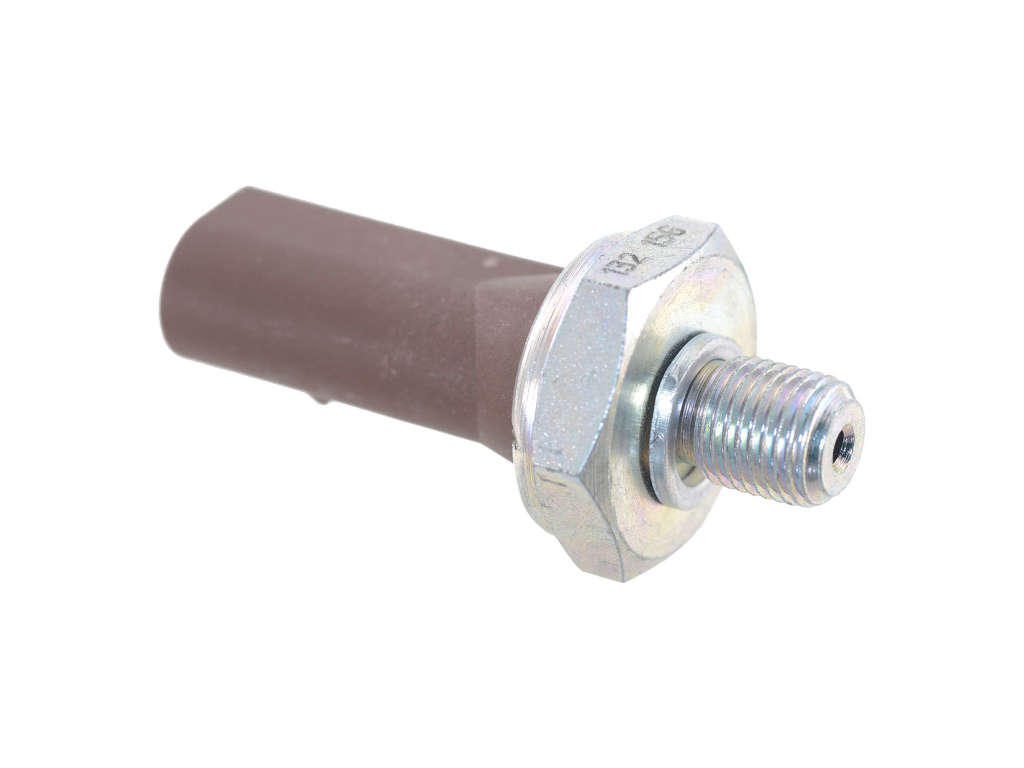
On a 2009-2016 Audi A4 2.0T, code P0520 usually points to a faulty oil pressure sensor/switch or its wiring. This engine has two switches (low and high pressure) located on the oil filter housing; replacing both is a common fix. The low-pressure (brown) switch is the most frequent culprit. Expect to pay $40-$100 for the parts.
- P0520 on this Audi A4 points to an electrical fault in the oil pressure sensor circuit, not necessarily a dangerous pressure problem.
- The most important first step is to check the oil level. The second, most critical diagnostic step is to verify actual oil pressure with a mechanical gauge.
- This engine has two oil pressure switches (brown and blue/grey) on the oil filter housing. The most common fix is to replace both switches, which is a DIY-friendly job requiring a 24mm deep socket.
- Do not ignore this code. Driving with a potential oil pressure issue risks severe and expensive engine damage.
What's Unique About the 2009-2016 Audi A4
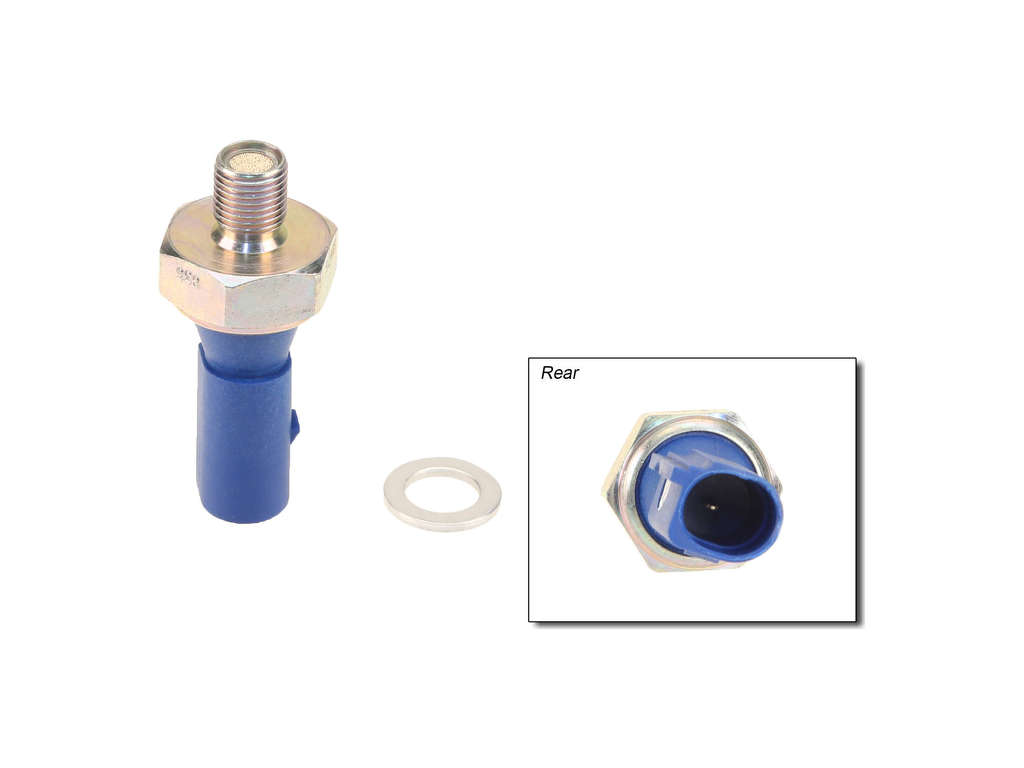
The EA888 engine in the B8/B8.5-generation Audi A4 uses a two-stage oil pressure system to improve efficiency. Instead of one sensor, it has two separate oil pressure switches: a brown, low-pressure switch (0.55-0.85 bar) for engine speeds below ~3500 RPM, and a blue or grey high-pressure switch for speeds above that. A failure in either switch or their respective circuits can trigger a P0520 code, though it most commonly relates to the low-pressure switch. Because of this design, it's crucial to identify which part of the system is faulting, though many technicians recommend replacing both switches at the same time as a preventative measure.
Symptoms You May Notice
- Check Engine Light illuminated.
- Red oil pressure warning light on the dashboard, which may be constant or intermittent, sometimes accompanied by a "STOP ENGINE" message.
- Inaccurate or fluctuating oil pressure gauge (if the vehicle is equipped with one).
- Engine running rough or making knocking/ticking sounds (in cases of actual low oil pressure).
- With a diagnostic scan tool, you may find the oil pressure reading is stuck at a default value or doesn't change with engine RPM.
- Replacing the oil pump immediately. A true mechanical oil pressure problem is much rarer than a sensor or wiring failure. Always verify actual pressure with a mechanical gauge before condemning the pump.
- Replacing only one of the two oil pressure switches. Since both switches are the same age and live in the same harsh environment, it's common for the second switch to fail shortly after the first. Replacing both at once is preventative and saves on future labor.
Most Likely Causes
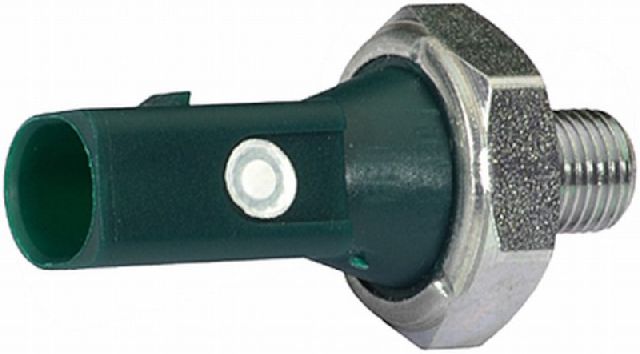
- Faulty Oil Pressure Switch(es) 🔴 High Probability → Shop Engine Oil Pressure Switch The plastic sensors are exposed to constant heat cycles and vibration, leading to internal electronic failure or the development of leaks. Oil can seep through the sensor body into the electrical connector, disrupting the signal. The low-pressure (brown) switch is the most common failure point for a P0520 code.
How to confirm: After confirming the oil level is correct, test the actual oil pressure with a mechanical gauge. If the pressure is within spec (e.g., Idle: ~1.8 bar, 3000 RPM: ~3.3 bar) but the warning light is on, the switch is likely bad. Visually inspect the sensor's electrical connector for oil contamination; oil inside the connector is a definitive sign of sensor failure.
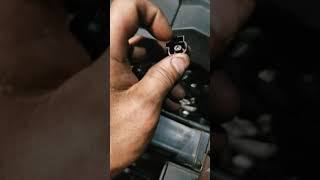
Typical fix: Replace the faulty oil pressure switch. It is highly recommended to replace both the low-pressure (brown) and high-pressure (blue/grey) switches at the same time. Use a 24mm deep socket for removal and installation. 🎬 Watch this step-by-step oil pressure switch replacement guide.
Est. part cost: $40-$100 for a pair of OEM-quality switches. - Damaged Wiring or Connector 🟡 Medium Probability The wiring harness to the sensors is located on the front of the engine, where it is exposed to heat, oil, and vibration, which can make insulation brittle and cause wires to break or short out over time.
How to confirm: Visually inspect the wires leading to both oil pressure switches for signs of cracking, fraying, or melting. Unplug the connectors and check for corrosion, backed-out pins, or damage. Perform a continuity test on the wiring from the sensor connector back to the PCM.
Typical fix: Repair the damaged section of the wire using solder and heat-shrink tubing. If the connector itself is damaged, it will need to be replaced with a new pigtail connector.
Est. part cost: $5-$30 for repair materials or a new connector. - Incorrect Oil Level or Type ⚪ Low Probability
How to confirm: Check the engine oil level using the dipstick (if equipped) or the MMI system. Verify that the oil used meets Audi's specification (e.g., VW 502 00). Using oil of the wrong viscosity can cause pressure reading issues.
Typical fix: Top off the oil to the correct level or perform a complete oil and filter change with the manufacturer-specified oil (typically a full synthetic 5W-40).
Est. part cost: $60-$120 for oil and a filter. - Clogged or Low-Quality Oil Filter ⚪ Low Probability → Shop Engine Oil Filter Adapter These engines are sensitive to oil flow. A collapsed or incorrect aftermarket oil filter can restrict flow and cause erroneous pressure readings or genuine low pressure.
How to confirm: Check the brand and condition of the oil filter. If it is not an OEM or reputable OEM-supplier (e.g., MANN, Mahle) filter, or if it appears deformed, it is suspect. One owner on AudiWorld reported a low pressure light immediately after an oil change, which was traced back to the filter.
Typical fix: Replace the oil filter with a high-quality, OEM-spec part. This is typically done during an oil change.
Est. part cost: $15-$30 for the filter.
Rare But Worth Checking
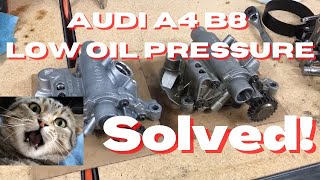
- Failing Oil Pressure Control Valve (N428): This solenoid valve, located on the front of the engine block, helps regulate the two-stage pressure system. If it fails, the system defaults to high-pressure mode, which can cause drivability issues like shuddering as it affects the VVT system, and may log fault codes. Some owners have disconnected this valve as a temporary measure 🎬 Watch how a low oil pressure issue was solved. to force high pressure mode when dealing with low pressure issues.
- Failing Oil Pump or Clogged Pickup Tube: In high-mileage vehicles or those with poor maintenance history, a failing oil pump or sludge-clogged oil pickup tube can cause genuine low oil pressure. This is a much more severe mechanical issue that requires immediate professional attention.
- Faulty PCV Valve: A failed PCV (Positive Crankcase Ventilation) valve can cause incorrect crankcase pressure, which in some cases has been anecdotally linked to oil pressure warning light issues on forums. A bad PCV is a very common failure on the EA888 engine, causing symptoms like a rough idle, whistling noises, and increased oil consumption.
Diagnosis Steps
- Check the engine oil level and condition. Ensure it is full and not overdue for a change.
- Use an OBD-II scanner to confirm P0520 and check for any other related fault codes.
- Visually inspect the two oil pressure switches (brown and blue/grey) on the oil filter housing and their wiring connectors for oil leaks, corrosion, or physical damage. Oil seeping into the connector is a common failure mode.
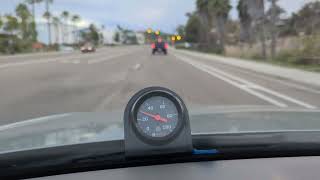
- CRITICAL: Connect a mechanical oil pressure gauge in place of one of the switches 🎬 See how to perform a mechanical oil pressure test. to measure the actual engine oil pressure. Compare the readings at idle and ~3,000 RPM to the manufacturer's specifications (e.g., Idle: >1.5 bar, 3000 RPM: >3.0 bar).
- If mechanical pressure is good: The problem is in the electrical circuit. The most likely cause is a bad switch. Proceed with replacing both switches.
- If mechanical pressure is low: Stop the engine immediately. This indicates a serious mechanical problem like a failing oil pump, clogged pickup tube, or worn engine bearings that requires professional diagnosis.
- If new switches do not resolve the code (and pressure is good), test the wiring harness for continuity and shorts from the switches back to the PCM.
- After repairs, clear all fault codes and perform a test drive to ensure the issue is resolved.
Parts You'll Likely Need
- Engine Oil Pressure Switch (Low Pressure)
(OEM #06H919081A (may be superseded by 06L919081C))— This is one of the two switches that commonly fails and is the primary suspect for a P0520 code. It has a brown connector. Part numbers can be superseded over time.
Trusted brands: Audi (Genuine OEM), Hella, Febi Bilstein, Bosch
OEM price range: $40-$60
Aftermarket price range: $15-$30 - Engine Oil Pressure Switch (High Pressure)
(OEM #06K919081 (or 06K919081A))— This is the second switch in the two-stage system. It's best practice to replace it along with the low-pressure switch. It has a blue or grey connector.
Trusted brands: Audi (Genuine OEM), Hella, Vemo
OEM price range: $40-$60
Aftermarket price range: $15-$30
Related Codes That Often Appear With This One
- P0521 — This code indicates an 'Engine Oil Pressure Sensor/Switch Range/Performance' problem, suggesting the sensor's reading is illogical, a common companion to the general circuit fault of P0520.
- P164B — An Audi-specific code for 'Oil Pressure Switch Malfunction', often seen when diagnosing issues with the two-stage pressure system.
- P164D — An Audi-specific code for 'Oil Pressure Switch for Reduced Oil Pressure Malfunction', pointing specifically to the low-pressure (brown) switch circuit.
Technical Service Bulletins (TSBs) & Recalls
- While no specific TSB for P0520 was found, TSB 2027731 addresses the related, well-known oil consumption issue on 2009-2011 models, which can indirectly lead to oil pressure problems.
Platform-Specific Known Issues
- The EA888 engine in the 2009-2011 year range was known for excessive oil consumption due to piston ring design, which was the subject of a class-action lawsuit. While not a direct cause of P0520, low oil levels from consumption can trigger pressure warnings, and some owners have anecdotally linked PCV issues (part of the consumption problem) to pressure sensor faults.
Mechanic-Grade Diagnostic Values
- Oil Pressure Control Valve (N428) Resistance — expected: Approximately 30 ohms. Failure: A significantly different reading, or failure to actuate when voltage is applied.
- VCDS/OBD11 Live Data - Oil Pressure Switch Status — expected: Value '1' at warm idle. Value '3' on cold start or over ~3500 RPM.. Failure: A value of '2' indicates a malfunction where the high-pressure switch is active but the low-pressure switch is not, which is a conflicting result. A value of '0' is also a fault condition.
- Low-Pressure (Brown) Switch Activation Range — expected: 0.55 - 0.85 bar. Failure: The switch should be closed (continuity) below this pressure range and open (no continuity) within or above it.
- High-Pressure (Blue) Switch Activation Range — expected: 2.15 - 2.95 bar. Failure: The switch should be closed (continuity) below this pressure range and open (no continuity) within or above it.
Hidden / Shadow Codes Worth Checking
- P164D00: Audi-specific fault for 'Oil pressure switch for reduced oil pressure malfunction'. This is a more specific version of P0520 that points directly to the low-pressure (brown) switch or its circuit. (see via VCDS or other VAG-specific diagnostic tools.)
- P164B00: Audi-specific fault for 'Oil Pressure Switch Malfunction', often related to the high-pressure switch or a conflict between the two switches. (see via VCDS or other VAG-specific diagnostic tools.)
- P164E00: Audi-specific fault for 'Oil Pressure Regulating Valve Electrical Malfunction', pointing directly to an electrical issue with the N428 valve. (see via VCDS or other VAG-specific diagnostic tools.)
Scan Tool Commands That Help
- VCDS (VAG-COM): Output Test on N428 Oil Pressure Regulating Valve — This command can be used to directly actuate the N428 valve to see if it is functioning. A user reported their valve was 'completely dead' during this test, confirming its failure before replacement.
- VCDS (VAG-COM): Advanced Measuring Values — Use this function in the Engine (01) control module to monitor the live status of the oil pressure switches. Search for terms like 'oil pressure' to find the relevant data fields. This allows you to see if the switches are reporting conflicting information, which points to a sensor or wiring issue rather than a mechanical pressure problem.
Wiring & Ground Locations
- G11 / G12 — G11 is located in the plenum chamber, right of the battery. G12 is on the left rear of the engine compartment.. These are primary ground points in the engine bay. A corroded or loose ground at these locations can cause intermittent electrical faults for various engine sensors, including the oil pressure switches.
- G18 — Located on the left rear of the engine for the 2.0L engine.. This is a direct engine ground. Poor connection here can lead to voltage drop issues and erratic sensor readings originating from components mounted on the engine block.
- Oil Pressure Switch Connector — The brown (low pressure) and blue/grey (high pressure) switches are on the oil filter housing at the front of the engine.. The single-pin connectors and the wiring leading to them are common failure points. Oil can leak through a failed sensor and contaminate the connector, or the wires can become brittle and break from heat and vibration.
Real Owner Repair Stories
- AudiWorld Forums (2009 Audi TTS (EA888 engine family)) — Shuddering/bucking on light acceleration when hot, feeling like a transmission issue.
❌ Tried (didn't work) Initially suspected a DSG mechatronics or clutch issue.
✅ What actually fixed it The owner scanned the car with VCDS and found a P164E00 fault for the N428 Oil Pressure Regulating Valve. An output test confirmed the valve was dead. Replacing the N428 valve (Part No. 06K115243L) resolved the drivability issue completely. - Ross-Tech Forums (2009 Audi A4 2.0T) — P164D (Oil Pressure Switch for reduced Oil Pressure Malfunction) code present.
❌ Tried (didn't work) Replacing cam adjuster solenoid., Replacing various sensors and parts for other codes.
✅ What actually fixed it The owner had previously replaced a wiring harness and had to splice in several old connectors. The final fix for a related IMRC code was a broken wire repair. This highlights that for the P164D, after replacing the sensor, the next logical step is a meticulous inspection and repair of the wiring harness, especially if any previous repairs were performed. - Reddit r/AudiA4B8 (Audi A4 B8) — Oil pressure light came on after a timing job, mechanical gauge read 0 PSI.
❌ Tried (didn't work) Testing the N428 oil pressure valve (it was not actuating but was not the root cause of zero pressure)., Double-checking the oil pump chain and tensioner installation visually.
✅ What actually fixed it The owner used a borescope to inspect the oil pan and discovered the oil pickup tube was clogged with debris ('ton of shit inside the pick up'). This was the cause of the complete loss of oil pressure.
OEM Part Supersession History
06H919081 / 06H919081A (Low Pressure, Brown)→04E919081A (or potentially 06L919081C)— Standard part evolution for improved reliability and manufacturing consistency.
Heads up: While many part numbers are listed as interchangeable, always verify the correct part for your specific VIN with a dealer. Some sources show 04E919081A as a replacement, while others show different numbers.06K919081 (High Pressure, Blue/Grey)→06K919081A / 04E919081A— Standard part evolution.
Heads up: The part number 04E919081A appears to be a common replacement for both high and low pressure switches in some applications, but the pressure ratings differ. The blue switch is rated for a higher pressure range (2.15-2.95 bar). It is critical to use the correct switch in the correct location.
Model Year Variations Within This Range
- 2009-2012 (B8) vs 2013-2016 (B8.5): Both B8 and B8.5 generations use the EA888 Gen 2 engine and share the same fundamental two-stage oil pressure system design. However, early B8 models (2009-2011) are more notorious for the oil consumption issue related to piston rings, which can lead to low oil levels and trigger pressure warnings if not monitored closely. Part numbers for sensors and valves may have been revised by the B8.5 generation, so VIN-specific part checks are crucial.
Diagnostic Flowchart
Other Known Issues on This Vehicle
Issues unrelated to this code that are worth knowing about as an owner of this generation:
- Excessive Oil Consumption 🔴 High — Extremely common on 2009-2011 models with the CAEB engine code, often starting around 50k-80k miles. Caused by a flawed piston ring design. (Ref: A class-action lawsuit was settled. The fix involved new piston rings and potentially a new PCV valve (TSB 2027731).)
- Timing Chain Tensioner Failure 🔴 High — Common on pre-2013 models with the original, failure-prone tensioner design. Failure can be sudden and catastrophic, leading to piston-valve contact. (Ref: A class-action lawsuit addressed this. An updated tensioner was released. Inspection is possible via a port on the lower timing cover.)
- PCV Valve Failure 🟠 Medium — Very common across all years. The internal diaphragm tears, causing a large vacuum leak. Symptoms include a whistling/howling noise, rough idle, and lean fault codes. (Ref: No recall, but it's a widely documented failure. Updated part numbers are available.)
- Water Pump Failure 🟠 Medium — Common failure item. The plastic housing can crack or the internal gasket can fail, causing coolant leaks. Can fail multiple times before 100k miles. (Ref: A class-action lawsuit was filed for this issue. Many owners opt to replace the plastic OEM pump with a more durable all-aluminum aftermarket version.)
- Intake Valve Carbon Buildup 🟠 Medium — An inherent issue with all direct-injection engines, including the EA888. Significant buildup is common by 60,000-80,000 miles, causing misfires, hesitation, and reduced power. (Ref: No recall. Requires periodic manual cleaning (e.g., walnut blasting) as a maintenance item.)
Used vs. New Parts: Buying Guide for This Vehicle
When a used part is the smart pick: For this specific repair, using used parts is generally not recommended. The primary failure components are low-cost electronic sensors and a solenoid valve that are subjected to intense heat and vibration. A used part has unknown remaining life and is likely to fail soon after installation. The only exception might be a used wiring harness pigtail if a connector is damaged and a new one is unavailable, but even then, new is preferable.
Donor-vehicle mileage cap: roughly under 20000 miles for the part to have meaningful remaining life.
What to inspect on the donor part:
- For a wiring pigtail, ensure the insulation is not brittle, cracked, or oil-soaked.
- Check that connector locking tabs are intact and not broken.
- Verify there is no corrosion or backed-out pins inside the connector.
OEM-only on this vehicle (don't cheap out):
- Oil Pressure Switches (F22, F378)
- Oil Pressure Control Valve (N428)
Aftermarket brands forum-validated for this vehicle:
- Hella
- Bosch
- Febi Bilstein
- Vemo
Brands owners have reported issues with on this vehicle:
- Unnamed, no-brand parts from online marketplaces should be avoided, as their internal components and calibration may not meet OEM specifications, leading to incorrect readings or premature failure.
Real Owner Stories
Aggregated from forums and TSBs cited above. Mileages and costs reflect what owners reported in those sources.
2011 Audi A4 2.0T FWD
Symptoms: Low oil pressure light appeared immediately after performing an oil change.
What fixed it: The issue was traced back to the oil filter; replacing it with a high-quality unit resolved the light.
Source hint: AudiWorld Forums: 2011 A4 2.0T FWD low oil pressure and EPC light
Audi A4 B8 2.0T
Symptoms: Car was shuddering and jerking during light acceleration; the owner investigated the oil pressure system.
What fixed it: Replacing a faulty N428 oil pressure regulating valve fixed the drivability issues and VVT operation.
Source hint: AudiWorld Forums: Car Shuddering/Jerking on light acceleration - Oil Pressure Regulating Valve - FIXED!
2011 Audi B8 A4 2.0T
Symptoms: Low oil pressure condition observed.
What fixed it: The owner disconnected the N428 valve to force the oil pump into its high-pressure state as a temporary diagnostic measure.
Source hint: YouTube: 2011 Audi B8 A4 2.0T N428 Valve Disconnected, Low Oil Pressure Fabricobble
Related OBD-II Codes
Frequently Asked Questions
Which oil pressure switch is most likely causing the P0520 code on my 2.0T TFSI?
Does TSB 2027731 apply to my 2010 Audi A4 regarding oil pressure issues?
What are the correct oil pressure specifications I should look for when testing with a mechanical gauge?
Can a specific type of oil filter cause a low pressure warning on my A4?
I see oil inside the electrical connector of the pressure sensor; is this normal?
What oil specification should I use to avoid pressure issues in my 2.0T TFSI?
Helpful Videos

We Have This Part in Stock



The information in this article is provided for general reference and educational purposes only. Vehicle specifications, procedures, and part compatibility can vary by production date, trim level, and region. Always consult your vehicle's factory service manual and verify part numbers before purchasing or performing repairs. Safety-critical components such as airbags, seat belts, and braking systems should be installed by a qualified professional.
- Audi A4:
- 🧭 Diagnostic Flowchart
- 🎬 Helpful Videos
- 🛍️ Shop This Part
- What's Unique About the 2009-2016 Audi A4
- Symptoms You May Notice
- Most Likely Causes
- Rare But Worth Checking
- Diagnosis Steps
- Parts You'll Likely Need
- Related Codes That Often Appear With This One
- Technical Service Bulletins (TSBs) & Recalls
- Platform-Specific Known Issues
- Mechanic-Grade Diagnostic Values
- Hidden / Shadow Codes Worth Checking
- Scan Tool Commands That Help
- Wiring & Ground Locations
- Real Owner Repair Stories
- OEM Part Supersession History
- Model Year Variations Within This Range
- Other Known Issues on This Vehicle
- Used vs. New Parts: Buying Guide for This Vehicle
- Real Owner Stories
- 2011 Audi A4 2.0T FWD
- Audi A4 B8 2.0T
- 2011 Audi B8 A4 2.0T
- Related OBD-II Codes
- Frequently Asked Questions
- 🎟️ Get 5% Off