

P0520 on 2012-2018 Audi A6 2.0T: Engine Oil Pressure Sensor Circuit Malfunction Causes and Fixes
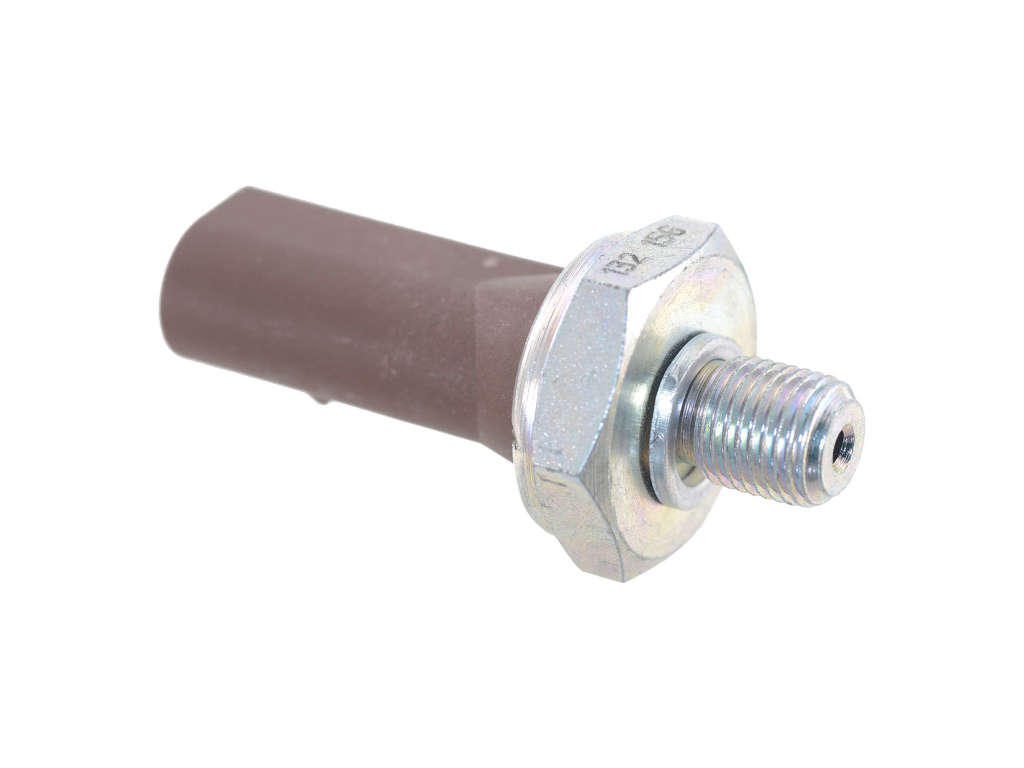
P0520 on a C7 Audi A6 with the 2.0T engine most often indicates a failed oil pressure sensor/switch or a wiring issue. The EA888 engine uses two switches on the oil filter housing; the lower pressure switch (brown, P/N 06L919081) is the most common failure. Replacing the faulty switch is a common and relatively inexpensive DIY fix.
- P0520 on this Audi A6 indicates an electrical circuit problem, not necessarily a dangerous low oil pressure condition.
- The first and most important diagnostic step is to verify the actual oil pressure with a mechanical gauge.
- The low-pressure (brown) oil pressure switch located on the oil filter housing is the most common point of failure.
- Check for oil inside the sensor connector or coolant residue from a leaking water pump above, as both are common causes for the electrical fault.
- Replacing both oil pressure switches is a recommended and relatively simple DIY job that can prevent future issues.
What's Unique About the 2012-2018 Audi A6
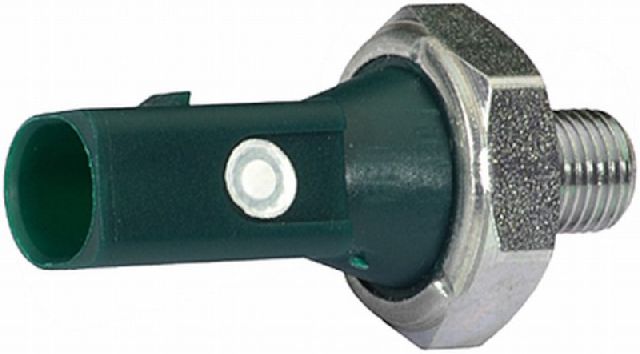
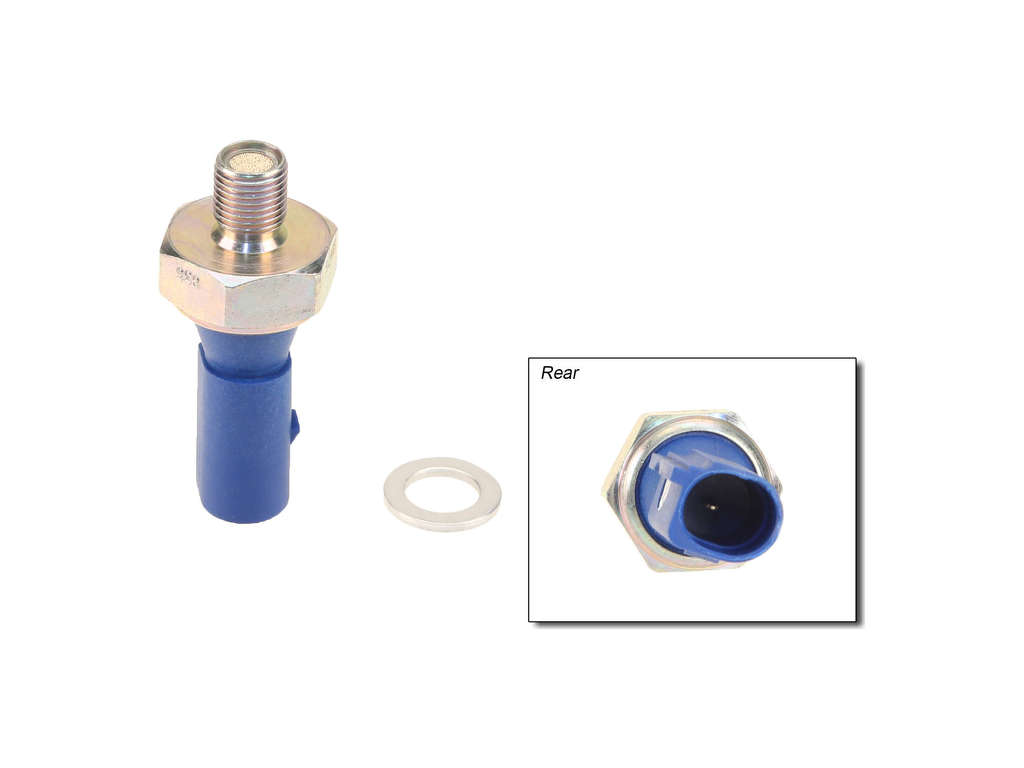
The EA888 engine used in this generation of Audi A6 features a two-stage oil pressure system for greater efficiency. It uses two separate oil pressure switches located on the oil filter housing: a low-pressure switch (brown connector, F378) for lower RPMs and a high-pressure switch (black or blue connector, F22) for higher RPMs. A P0520 code can be triggered by a fault in either switch's circuit, but it is most commonly associated with a failure of the low-pressure switch. This is often accompanied by the Audi-specific code P164D00 ('Oil pressure switch for reduced oil pressure malfunction'), which points directly to the low-pressure circuit. Because of this dual-switch design, it's important to diagnose which part of the circuit is faulty, though many owners and technicians choose to replace both switches at the same time as a preventative measure.
Symptoms You May Notice
- Check Engine Light illuminated
- Oil pressure warning light on the dashboard (may be red or yellow)
- Engine may enter 'limp mode' with reduced power
- Inaccurate or fluctuating oil pressure gauge readings
- With VAG-specific scan tools, observing conflicting status bits for the two pressure switches.
- Replacing the oil pump when the issue is just a simple sensor or wiring fault.
- Replacing only one of the two oil pressure switches, only to have the other one fail shortly after.
- Mistaking the P0520 circuit fault for a definite mechanical low oil pressure condition without verifying with a mechanical gauge.
Most Likely Causes
- Faulty Oil Pressure Sensor/Switch 🔴 High Probability The oil pressure switches on the EA888 engine are a known failure point. Oil can seep through the sensor's body and contaminate the electrical connector, causing a bad signal. The low-pressure (brown) switch is the most frequent culprit.
How to confirm: Check the oil level first. Then, verify actual engine oil pressure with a mechanical gauge to rule out a mechanical issue. If pressure is within spec but the code persists, the sensor is likely bad. A visual inspection showing oil inside the electrical connector is a definitive confirmation of sensor failure.
Typical fix: Replace the faulty oil pressure switch. It is often recommended to replace both the high and low-pressure switches at the same time. This requires a 24mm deep socket and access from underneath the vehicle.
Est. part cost: $30-$80 - Wiring or Connector Issue 🟡 Medium Probability Wiring harnesses in the engine bay are exposed to heat and vibration, which can lead to chafing, breaks, or corrosion over time. A very common failure on this platform is a leaking water pump/thermostat housing; dripping coolant can fall directly onto nearby wiring, including the oil pressure switch connectors, causing corrosion and circuit faults.
How to confirm: Visually inspect the wiring harness and connector for the oil pressure sensor(s). Look for signs of damage, corrosion (green oxidation), or oil saturation. If the nearby water pump shows signs of a pink/white crusty residue, suspect coolant contamination of the connectors below. Perform a continuity test on the wiring with a multimeter.
Typical fix: Repair the damaged section of the wiring harness or clean/replace the corroded electrical connector. A new connector pigtail may be required if corrosion is severe. Apply dielectric grease to protect the new connection.
Est. part cost: $15-$60 - Low Engine Oil Level or Incorrect Oil ⚪ Low Probability While not a direct cause of the P0520 circuit code, running the engine with very low or incorrect viscosity oil can sometimes trigger pressure-related faults that may be misinterpreted by the system. The EA888 engine is sensitive to correct oil specifications.
How to confirm: Check the engine oil level via the MMI system or dipstick (if equipped). Verify that the oil used meets the manufacturer's specification (e.g., VW 504 00 / 502 00).
Typical fix: Top off the oil to the correct level or perform a complete oil and filter change with the correct specification oil.
Est. part cost: $70-$150
Rare But Worth Checking
- Failing Oil Pump or Clogged Oil Passages: This is a rare mechanical failure. While P0520 is an electrical code, a severe mechanical issue with oil pressure could potentially cause erratic sensor readings that the PCM interprets as a circuit fault. This would typically be accompanied by other serious symptoms like engine noise or other pressure-related codes.
- Faulty Powertrain Control Module (PCM): → Shop Engine Control Module (ECM) It is extremely rare for the PCM itself to be the cause. All other possibilities, especially the sensor and wiring, must be exhaustively ruled out before considering the PCM as the culprit.
Diagnosis Steps
- Check the engine oil level and condition. Ensure it is full and clean.
- Scan the vehicle with an OBD-II scanner (preferably a VAG-specific tool like VCDS) to confirm P0520 is present and check for any other related codes, especially P164D00.
- Crucially, test the actual engine oil pressure using a mechanical gauge to rule out a serious mechanical problem. The port for the low-pressure switch is typically used for this test. Compare the readings to the manufacturer's specifications (e.g., ~1.2-2.1 bar at warm idle).
- If oil pressure is confirmed to be good, locate the two oil pressure switches on the oil filter housing, accessible from below the engine.
- Inspect the wiring and electrical connectors for both switches (one brown, one black/blue). Look for any signs of damage, corrosion, or oil contamination inside the connectors.
- If a switch connector is full of oil, the switch has failed internally and must be replaced.
- If wiring appears damaged or has green/white corrosion (often from a coolant leak above), repair it as needed. This may require a new pigtail connector.
- If no visible issues are found, the most likely cause is a failed switch. Use a 24mm deep socket to replace the suspect switch (usually the brown, low-pressure one). It is highly recommended to replace both switches as a preventative measure.
- Clear the trouble code and perform a test drive to confirm the repair.
Parts You'll Likely Need
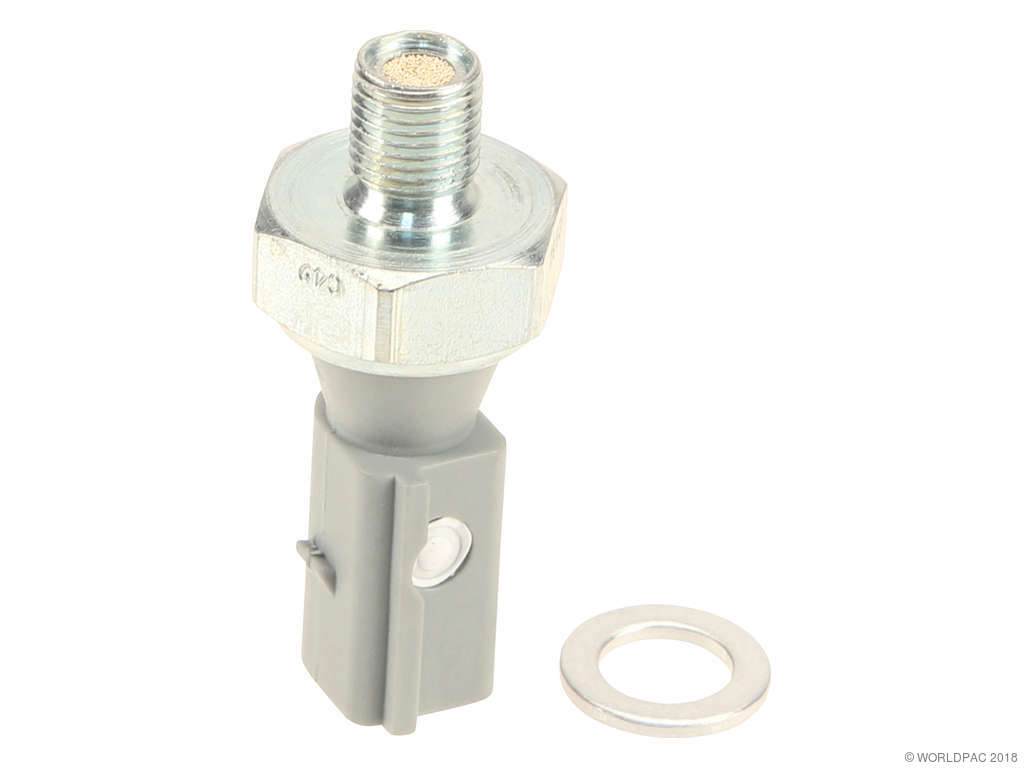
- Engine Oil Pressure Switch (Low Pressure)
(OEM #06L919081)— This is the most common failure point for a P0520 code on the 2.0T EA888 engine. It's known to fail internally and leak oil into its own connector. It has a brown connector.
Trusted brands: Genuine VW/Audi, HELLA, Bosch
OEM price range: $40-$60
Aftermarket price range: $20-$40 - Engine Oil Pressure Switch (High Pressure)
(OEM #06K919081)— While less common to fail than the low-pressure switch, it is often replaced at the same time as a preventative measure since it is located nearby. It has a black or blue connector.
Trusted brands: Genuine VW/Audi, HELLA, Bosch
OEM price range: $40-$60
Aftermarket price range: $20-$40 - Connector Pigtail — If the original connector is saturated with oil from a failed switch or corroded from a coolant leak, it must be replaced to ensure a good connection.
Trusted brands: Genuine VW/Audi, Dorman, Standard Motor Products
OEM price range: $25-$40
Aftermarket price range: $15-$25
Related Codes That Often Appear With This One
- P0521 — P0521 refers to 'Engine Oil Pressure Sensor/Switch 'A' Range/Performance'. It is closely related to P0520 and can appear together, as one points to a circuit malfunction and the other to an out-of-spec reading from that same circuit.
- P164D00 — This is an Audi-specific code for 'Oil pressure switch for reduced oil pressure malfunction'. It points directly to a problem with the low-pressure switch system and is the most common companion code to a P0520 on this engine.
Technical Service Bulletins (TSBs) & Recalls
- TSB 01 15 27 2041093: While this TSB is for the 3.0L engine, it addresses a red oil pressure warning and the DTC P164D00. It provides a diagnostic procedure to check if the cause is a dislodged rubber plug in the oil filter housing or the low-pressure sensor itself, corroborating the common failure points.
Platform-Specific Known Issues
- Owner Experience: P164D00 and P0520 Fixed by Low-Pressure Switch: An owner on the AudiWorld forums with a related engine experienced a low oil pressure warning and code P164D00. After confirming good mechanical oil pressure, the problem was resolved by replacing only the low-pressure (reduced pressure) switch. This highlights how frequently this specific switch is the sole culprit.
- Owner Experience: Oil Wicking Up Wiring Harness: In a thread on Audizine, an owner with a P0520 code found that the low-pressure switch had failed and leaked oil. The oil had wicked several inches up the wiring harness from the connector. The fix required replacing the switch and thoroughly cleaning the harness wires and connector pins to ensure the new part would have a clean connection.
Mechanic-Grade Diagnostic Values
- Mechanical Oil Pressure at Idle (Warm Engine) — expected: 1.2 - 2.1 bar. Failure: Pressure below 1.2 bar indicates a mechanical issue (pump, blockage, etc.), not just a sensor fault.
- Mechanical Oil Pressure at 2000 RPM (Warm Engine) — expected: 1.6 - 2.1 bar. Failure: Pressure outside this range suggests a problem with the oil pump's first pressure stage.
- Mechanical Oil Pressure at 3700 RPM (Warm Engine) — expected: 3.0 - 4.0 bar. Failure: Pressure outside this range suggests a problem with the oil pump's second (high) pressure stage.
- Low-Pressure Switch (F378, Brown) Actuation — expected: Opens circuit between 0.55 and 0.85 bar.. Failure: Switch does not change state within this pressure range during a bench test.
- High-Pressure Switch (F22, Blue/Black) Actuation — expected: Closes circuit between 2.15 and 2.55 bar.. Failure: Switch does not change state within this pressure range during a bench test.
- VCDS Live Data - Oil Pressure Switch Status — expected: At warm idle, the status bit for the low-pressure switch should read 'OK' or '1'. The reading should change state as RPMs increase past the switchover point.. Failure: Status bit fluctuates at a steady RPM, or does not change state as RPMs cross the threshold (~3000 RPM).
Hidden / Shadow Codes Worth Checking
- P164D00: Oil Pressure Switch for Reduced Oil Pressure Malfunction. This is the VAG-specific code that almost always accompanies a generic P0520 and points directly to the low-pressure (brown) switch circuit. (see via VAG-specific scan tools like VCDS or ODIS.)
- P164B00: Oil Pressure Switch Malfunction. This is a related VAG-specific code that can point to the high-pressure switch circuit. (see via VAG-specific scan tools like VCDS or ODIS.)
Scan Tool Commands That Help
- VCDS (VAG-COM): Engine -> Measuring Value Blocks (MVB) or Advanced Measuring Values — To monitor the live status of the oil pressure switches (F22 and F378). The tool can display the switch state (e.g., 'Oil pressure OK' or a 0/1 bit) in real-time as the engine is running. This allows a technician to see if the ECU's reading matches the expected state based on engine RPM, helping to isolate a faulty switch or wiring from a true pressure problem.
Wiring & Ground Locations
- Engine Ground Point — On the right side of the engine compartment, near the alternator.. A poor engine ground can cause floating voltages and erratic sensor readings for any sensor grounded to the block, including the oil pressure switches. Verifying this ground is clean and tight is a crucial step in diagnosing any electrical fault.
- F378 / F22 Connector Pinout — At the oil pressure switches on the oil filter housing.. The low-pressure switch (F378) is a single-pin switch. The wire (often gray/white) goes to a specific pin on the Engine Control Module (J623), for example, pin 72 on a T105 connector for some models. The high-pressure switch (F22) is similar. Knowing the pinout allows for a continuity test from the switch connector directly to the ECU connector, definitively ruling out a wiring break.
- Earth Connection 85 — An earth connection point located in the engine compartment wiring harness.. This is a shared ground point within the harness itself. A failure or corrosion at this internal splice could cause issues for multiple components, including the oil pressure switch circuit.
Real Owner Repair Stories
- Ross-Tech Forums User (2015 VW GTI (EA888 Gen 3)) — Got a 'stop engine low oil pressure' message on the cluster while at a stop light. The message would disappear after restarting the car but would return when idling at operating temperature.
❌ Tried (didn't work) Replaced both the low-pressure (brown) and high-pressure (blue) oil pressure switches., Replaced the entire oil filter housing with the latest revised part., Replaced the engine-side wiring harness for the sensors.
✅ What actually fixed it A mechanical oil pressure test confirmed the pressure was actually low at idle (0.6 bar vs spec of 0.8-1.6 bar). The dealership found metal sparkles in the oil, indicating a terminal mechanical engine failure, likely a failing oil pump or worn bearings. The engine was condemned. - Mechanics Stack Exchange User (2013 VW Jetta 2.0T EA888 (CCZA engine)) — EPC light and 4000 RPM limit when accelerating hard at highway speeds with a warm engine. Code P164B (Oil Pressure Switch Malfunction) was stored.
❌ Tried (didn't work) Replaced both oil pressure switches (blue and brown) with new OEM parts., Performed an oil change with correct spec 5W-40 full synthetic oil and an original filter.
✅ What actually fixed it A mechanical oil pressure gauge was connected. It showed that at 4000 RPM with hot oil, the pressure was just shy of the high-pressure switch's trigger point. The regulated oil pump was not producing enough pressure at high RPM. Replacing the oil pump solved the problem, restoring pressure to 53 psi at 4000 RPM.
Model Year Variations Within This Range
- 2012-2015 (approx.) vs 2016-2018 (approx.): The 2012-2018 A6 range spans the transition from the EA888 Gen 2 to the EA888 Gen 3 engine. While the dual-stage oil pressure concept is similar, there are key differences. Gen 3 (found in later models, ~2015+) features a lighter block, integrated exhaust manifold, and dual injection (port and direct). The timing chain, tensioners, and guide rails were also significantly redesigned between generations. While the P0520 fault points to the same switches, technicians should be aware that internal engine components like the oil pump and timing gear are not interchangeable between generations.
Diagnostic Flowchart
Other Known Issues on This Vehicle
Issues unrelated to this code that are worth knowing about as an owner of this generation:
- Timing Chain Tensioner Failure 🔴 High — Common on earlier EA888 Gen 2 engines (approx. before 2013). Failure can occur without warning, often before 100k miles, leading to catastrophic engine damage. (Ref: Multiple TSBs exist, including revisions. TSB 2027731/5 is one such related document.)
- Water Pump / Thermostat Housing Leaks 🟠 Medium — Very common across all years. The plastic housing becomes brittle from heat cycles and cracks, causing coolant leaks. Often fails between 60k-100k miles.
- Excessive Oil Consumption 🟠 Medium — More prevalent on earlier (pre-2012) EA888 engines due to piston ring design, but can still be a concern. Often becomes noticeable after 50k miles. (Ref: A class-action lawsuit and TSBs (like 2027731) were issued for earlier models, leading to updated piston/ring designs.)
- PCV Valve Failure 🟡 Low — The diaphragm in the PCV (oil separator) can tear, causing a large vacuum leak, rough idle, and a whistling noise. It is a common failure item but relatively easy to replace.
Used vs. New Parts: Buying Guide for This Vehicle
When a used part is the smart pick: For this specific repair, used parts are generally not recommended for the sensors themselves due to their high failure rate and low cost when new. However, a used wiring harness pigtail from a reputable salvage yard can be a viable option if the original connector is damaged and a new pigtail is unavailable or on backorder.
Donor-vehicle mileage cap: roughly under 80000 miles for the part to have meaningful remaining life.
What to inspect on the donor part:
- For a wiring pigtail, inspect for any signs of brittleness, cracking, or previous repairs.
- Ensure the locking tabs on the connector are intact and not broken.
- Check for any signs of green or white corrosion on the pins, which indicates water damage.
- Avoid any parts from a vehicle that shows signs of a major engine fire or front-end collision.
OEM-only on this vehicle (don't cheap out):
- While not strictly 'OEM-only', it is highly recommended to use Genuine VW/Audi or reputable OEM-supplier brands (HELLA, Bosch) for the oil pressure switches. Cheaper, no-name aftermarket sensors have a high rate of premature failure.
Aftermarket brands forum-validated for this vehicle:
- HELLA
- Bosch
- Meyle
- Standard Motor Products (for connectors)
Brands owners have reported issues with on this vehicle:
- Unbranded, low-cost switches from online marketplaces are frequently reported on forums as being dead-on-arrival or failing within a few months.
Real Owner Stories
Aggregated from forums and TSBs cited above. Mileages and costs reflect what owners reported in those sources.
Audi A4 2.0T TFSI (EA888)
Symptoms: Low oil pressure warning and code P164D00; owner confirmed mechanical oil pressure was within spec.
What fixed it: Replacing the low-pressure (reduced pressure) switch.
Source hint: AudiWorld Forums - 'Oil light coming on and a P164D00 code'
Audi A4 2.0T TFSI (EA888)
Symptoms: P0520 code; found that the low-pressure switch had failed and leaked oil, which then wicked several inches up the wiring harness from the connector.
What fixed it: Replacing the switch and thoroughly cleaning the harness wires and connector pins to ensure a clean connection.
Source hint: Audizine forum thread cited in vehicle_specific_issues
Related OBD-II Codes
Frequently Asked Questions
Does TSB 01 15 27 2041093 apply to my 2.0T Audi A6?
Which oil pressure switch is most likely causing the P0520 code on my A6?
Can a coolant leak from my water pump cause an oil pressure sensor code?
What specific tool do I need to replace the oil pressure switches on my A6?
Should I replace both oil pressure switches if only one is failing?
What oil specification should I use to avoid pressure-related faults in my EA888 engine?
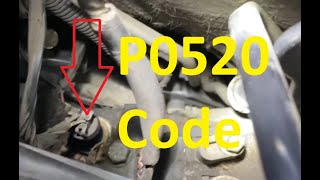
Helpful Videos
We Have This Part in Stock



The information in this article is provided for general reference and educational purposes only. Vehicle specifications, procedures, and part compatibility can vary by production date, trim level, and region. Always consult your vehicle's factory service manual and verify part numbers before purchasing or performing repairs. Safety-critical components such as airbags, seat belts, and braking systems should be installed by a qualified professional.
- Audi A6:
- 🧭 Diagnostic Flowchart
- 🎬 Helpful Videos
- 🛍️ Shop This Part
- What's Unique About the 2012-2018 Audi A6
- Symptoms You May Notice
- Most Likely Causes
- Rare But Worth Checking
- Diagnosis Steps
- Parts You'll Likely Need
- Related Codes That Often Appear With This One
- Technical Service Bulletins (TSBs) & Recalls
- Platform-Specific Known Issues
- Mechanic-Grade Diagnostic Values
- Hidden / Shadow Codes Worth Checking
- Scan Tool Commands That Help
- Wiring & Ground Locations
- Real Owner Repair Stories
- Model Year Variations Within This Range
- Other Known Issues on This Vehicle
- Used vs. New Parts: Buying Guide for This Vehicle
- Real Owner Stories
- Audi A4 2.0T TFSI (EA888)
- Audi A4 2.0T TFSI (EA888)
- Related OBD-II Codes
- Frequently Asked Questions
- 🎟️ Get 5% Off