

P0520 on 2011-2017 Buick Regal: Engine Oil Pressure Sensor Circuit Causes and Fixes
On the 2011-2017 Regal, P0520 is almost always caused by a faulty engine oil pressure sensor. Before replacing it, check the engine oil level, as the 2.4L engine is known to consume oil. Replacing the sensor and the small screen beneath it is an affordable fix, costing around $20-$50 for the parts.
- P0520 on a Buick Regal points to an electrical circuit fault with the oil pressure sensor.
- Before buying any parts, your first step should always be to check the engine oil level on the dipstick. The 2.4L engine is known to consume oil.
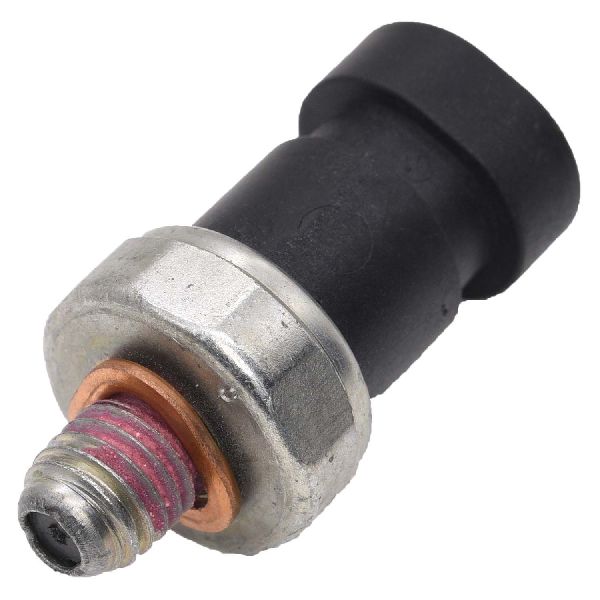
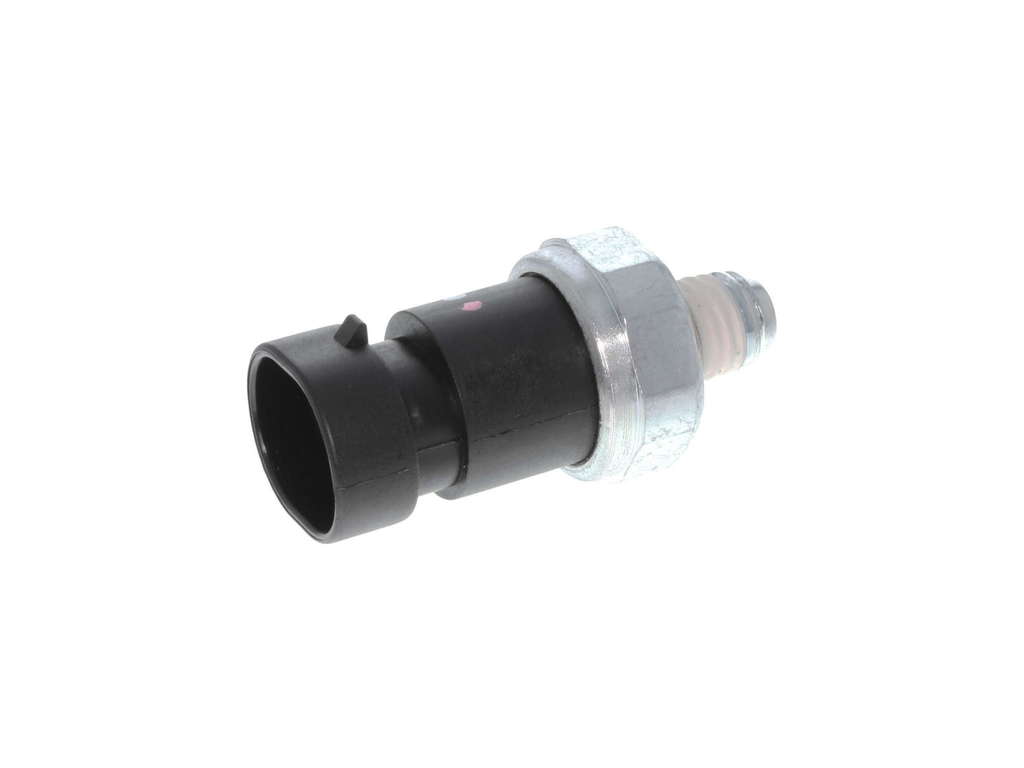
- The most common fix is replacing the oil pressure sensor (part #12635992), which is an inexpensive and accessible DIY job for most people.
- To be certain you don't have a major engine issue, it is wise to verify the actual oil pressure with a mechanical gauge before replacing parts.
- If you have the 2.4L engine, consider also replacing the small filter screen located under the sensor, as it can get clogged with sludge.
What's Unique About the 2011-2017 Buick Regal
The 2.4L Ecotec engine, used in many 2011-2013 Regals, is known for excessive oil consumption due to piston ring design issues, as documented in GM Technical Service Bulletin 13-06-01-003J and its subsequent revisions. This makes a low oil level a frequent trigger for oil pressure-related codes like P0520. Additionally, on the 2.4L engine, a small filter screen is located in the block directly beneath the oil pressure sensor. This screen is prone to clogging with sludge, which can restrict oil flow to the sensor and cause it to send an incorrect reading, even if the sensor itself is good and the engine's main oil pressure is fine.
Symptoms You May Notice
- Check Engine Light is on
- Low Oil Pressure warning light on the dashboard, possibly with an audible chime.
- Oil pressure gauge reading zero, erratically, or an incorrect value (e.g., stuck at maximum).
- In some cases, the engine may enter a reduced power 'limp mode'.
- Engine knocking or unusual noises in severe cases of actual low oil pressure.
- Replacing the oil pump without first verifying actual low oil pressure with a mechanical gauge.
- Replacing the oil pressure sensor without first checking the engine oil level.
- On 2.4L engines, replacing the sensor but failing to check and replace the clogged filter screen underneath it, causing the code to return.
- Using a poor quality aftermarket sensor that fails quickly or reads inaccurately.
Most Likely Causes
- Faulty Engine Oil Pressure Sensor 🔴 High Probability The sensor is a very common failure point across many GM vehicles of this era. It can fail internally, causing incorrect voltage signals, or leak oil through the connector.
How to confirm: After verifying the oil level is correct and actual oil pressure is good with a mechanical gauge, the sensor is the most likely culprit. A scan tool may show a fixed, irrational value (e.g., 130 psi) when the engine is off. A visual inspection may reveal oil leaking from the sensor's electrical connector.
Typical fix: Replace the engine oil pressure sensor. It is highly recommended to use a genuine GM/ACDelco part.
Est. part cost: $20-$50 - Low Engine Oil Level 🔴 High Probability The 2.4L engine has a well-documented oil consumption issue addressed in TSB 13-06-01-003J and a related Special Coverage Adjustment. A low oil level can cause momentary pressure drops that trigger the sensor circuit fault.
How to confirm: Physically check the engine oil dipstick. If the level is below the minimum mark, this is a likely cause.
Typical fix: Top up the engine oil to the correct level using a Dexos-approved 5W-30 synthetic oil and monitor for consumption. Address the root cause of oil consumption if necessary, which may involve piston ring replacement.
Est. part cost: $10-$15 for a quart of oil - Clogged Oil Pressure Sensor Screen (2.4L Engine) 🟡 Medium Probability Sludge buildup, often exacerbated by extended oil change intervals or oil consumption, can clog the small filter screen located under the sensor.
How to confirm: When the oil pressure sensor is removed, inspect the port in the engine block. The small screen will be visibly clogged with dark, sludgy material.
Typical fix: Carefully remove the old screen with a pick and install a new one before installing the new sensor. This part is often sold with the new sensor.
Est. part cost: $5-$10 - Damaged Wiring or Connector ⚪ Low Probability The sensor is located on the front of the engine block on the 2.4L, where its wiring is exposed to heat, oil, and road debris, which can cause corrosion or damage over time.
How to confirm: Visually inspect the wiring harness and connector for the oil pressure sensor. Look for frayed wires, corrosion in the connector pins, oil saturation, or a loose connection.
Typical fix: Repair the damaged section of wire or replace the connector pigtail.
Est. part cost: $15-$30 for a pigtail
Rare But Worth Checking
- Failing Powertrain Control Module (PCM): → Shop Engine Control Module (ECM) This is extremely rare. The PCM should only be considered after all other possibilities, including sensor, wiring, and mechanical pressure checks, have been exhausted.
Diagnosis Steps
- Read the code with an OBD-II scanner. Note any other codes present, such as P0521, P0522, or P0523.
- CRITICAL FIRST STEP: Turn off the engine and check the engine oil level using the dipstick. Top up if low. An incorrect oil level is a very common cause, especially on the 2.4L engine.
- Inspect the oil pressure sensor's electrical connector and wiring for any visible damage, corrosion, or oil saturation. The sensor is on the front of the engine block, near the starter. 🎬 See how to replace the sensor and fix leaks on a 2.4L Ecotec
- With a scan tool, observe the live data for the Engine Oil Pressure reading with the engine off and then at idle. An illogical reading (e.g., high pressure with engine off, or a stuck value of 0V) points to a sensor or circuit issue.
- MOST IMPORTANT DIAGNOSTIC STEP: To rule out a serious mechanical problem, connect a mechanical oil pressure gauge and measure the actual engine oil pressure. Compare this to the manufacturer's specifications (typically ~25 PSI at idle, higher when revving).
- If mechanical pressure is good but the scan tool reading is incorrect, the problem is isolated to the sensor, its screen, or wiring.
- Remove the oil pressure sensor. A special socket is required. On 2.4L models, inspect the port for a clogged filter screen. Clean or replace the screen as needed.
- Install a new, quality oil pressure sensor (ACDelco is recommended). Ensure the old sealing washer is removed and the new one is installed correctly. Torque to 16 lb-ft.
- Clear the codes and perform a test drive to ensure the code does not return.
- If mechanical pressure was found to be low in step 5, do not continue driving. The vehicle requires professional diagnosis of the lubrication system (e.g., oil pump, bearings, clogged passages).
Parts You'll Likely Need
- Engine Oil Pressure Sensor
(OEM #12635992 (superseded by 19436255), also known as ACDelco D1849A)— This sensor is the most common failure point for the P0520 code on this vehicle. The original part was superseded by an updated design.
Trusted brands: ACDelco (Genuine GM), Delphi, Bosch
OEM price range: $30-$50
Aftermarket price range: $15-$35 - Engine Oil Pressure Sensor Filter Screen
(OEM #12585328)— On the 2.4L engine, this small screen under the sensor is prone to clogging with sludge and should be replaced along with the sensor.
Trusted brands: ACDelco, Dorman
OEM price range: $5-$10
Aftermarket price range: $3-$8
Related Codes That Often Appear With This One
- P0521 — This code indicates 'Engine Oil Pressure Sensor Performance'. P0520 is a general circuit fault, while P0521 indicates the sensor's readings are not logical for the current engine speed and load. They are often caused by the same failing sensor or a clogged screen. 🎬 Watch: Diagnosing and fixing P0521 and P0522 codes
- P0522 — Indicates the 'Engine Oil Pressure Sensor Circuit Low Voltage'. This is a more specific version of P0520, pointing to a short to ground or a sensor that has failed in a low-voltage state.
- P0523 — Indicates the 'Engine Oil Pressure Sensor Circuit High Voltage'. This is a more specific version of P0520, pointing to an open circuit or a sensor that has failed in a high-voltage state.
Technical Service Bulletins (TSBs) & Recalls
- 13-06-01-003J (and revisions): Excessive Oil Consumption – Perform Oil Consumption Test and/or Install Piston and Piston Ring Kit. This is relevant as low oil level is a primary trigger for P0520 on the 2.4L engine.
- 12313C: Special Coverage for Balance Shaft Chain Wear (2011 2.4L models). While not directly causing P0520, it highlights the importance of oil pressure and quality for chain tensioner operation.
Platform-Specific Known Issues
- 2.4L Engine Oil Consumption: 2011-2013 models with the 2.4L engine are subject to GM TSB #13-06-01-003J and Special Coverage Adjustment 14159, which detail a problem with piston rings causing excessive oil consumption. This makes a low oil level a highly probable cause for any oil pressure codes and should be the first check. The repair involves replacing the pistons and rings.
- 2.0L LTG Engine: While less prone to the specific oil consumption issue of the 2.4L, the 2.0L turbo engine is still sensitive to oil level and quality. Using the correct Dexos-approved oil is critical to prevent sludge and protect the turbocharger.
Mechanic-Grade Diagnostic Values
- Engine Oil Pressure Sensor Signal Voltage — expected: Approximately 0.5V at low pressure and up to 4.5V at high pressure. A known-good reading at hot idle is approximately 2.0V.. Failure: A reading of 0V or a static, unchanging voltage when engine RPM changes indicates a circuit or sensor fault.
- Engine Oil Pressure Sensor 5V Reference — expected: Approximately 5.0V at the Gray wire on the sensor connector with the key on.. Failure: Voltage significantly below 5.0V indicates a wiring issue or a problem with the PCM's 5V reference circuit.
- Engine Oil Pressure Sensor Installation Torque — expected: 16 lb-ft (22 Nm).. Failure: Over-tightening can damage the sensor or threads; under-tightening can cause oil leaks.
- Live Scan Tool Data at Hot Idle (Known-Good) — expected: 38-45 PSI.. Failure: Readings of 0 PSI or excessively high/low values that do not correspond to mechanical gauge readings confirm a sensor/circuit fault.
Wiring & Ground Locations
- Engine Oil Pressure Sensor Connector — On the front, passenger side of the engine block, located just above the starter motor.. This 3-pin connector is a common point of failure due to corrosion from moisture or saturation from oil leaking through a failed sensor. The typical pinout is: Pin A - Gray (5V Reference), Pin B - Tan/White or Tan/Black (Signal to PCM), Pin C - Black (Low Reference/Ground).
- PCM/Engine Block Ground — On the 2.4L Ecotec, a critical PCM ground is located on a stud on the engine block, under the alternator and just above the A/C compressor.. A loose or corroded ground at this location can cause erratic behavior from multiple sensors, including the oil pressure sensor, leading to false codes. This ground wire is known to sometimes break or corrode.
Real Owner Repair Stories
- YouTube video 'The Mech-A-Nic' (2013-2016 Chevrolet Malibu with 2.4L Ecotec engine) — Check Engine Light with codes P0521 and P0522. Scan tool showed 0 PSI and 0V from the sensor, despite the oil level being full.
❌ Tried (didn't work) Initially, only the corroded connector pigtail was replaced, but the codes and bad readings persisted.
✅ What actually fixed it Replacing the engine oil pressure sensor in addition to the already-replaced connector pigtail resolved the issue. After clearing codes, the scan tool showed 38-45 PSI and 2.0V at idle, and the Check Engine Light stayed off.
OEM Part Supersession History
12610185, 24577642→12635992— Part design updates by GM for improved reliability.12635992→19436255 (ACDelco D1849A)— Further design and material improvements.
Heads up: The newest part number is a direct replacement for the previous versions and should always be used.
Model Year Variations Within This Range
- 2011-2017: The sensor location is consistent across both the 2.0L Turbo and 2.4L engines for this generation, located on the front (radiator side) of the engine block, near the starter motor. However, the issue of the small filter screen underneath the sensor becoming clogged is almost exclusively a problem for the 2.4L LUK engine.
Diagnostic Flowchart
Other Known Issues on This Vehicle
Issues unrelated to this code that are worth knowing about as an owner of this generation:
- Timing Chain Stretch / Tensioner Failure (2.4L & 2.0L) 🔴 High — Commonly occurs between 70,000 and 120,000 miles. Exacerbated by low oil levels from consumption. (Ref: Special Coverage 12313C for balance shaft chain on 2011 2.4L models.)
- Excessive Oil Consumption (2.4L) 🔴 High — Widespread on 2011-2013 models due to piston ring design. Can start as early as 50,000 miles. (Ref: TSB 13-06-01-003J and Special Coverage Adjustment 14159.)
- Intake Valve Carbon Buildup (2.0L LTG & 2.4L GDI) 🟠 Medium — A common issue on all direct-injection engines, typically becoming problematic after 60,000-80,000 miles, causing misfires (P0300) and rough idle.
- Turbocharger Failure (2.0L LHU/LTG) 🟠 Medium — Can occur due to oil starvation/coking or coolant line leaks. Mileage varies greatly based on maintenance and driving habits.
- Transmission Shifting Concerns (6T40/6T45) 🟡 Low — Some owners report harsh shifting or flares, particularly on earlier models. Often related to fluid condition or control module programming.
Used vs. New Parts: Buying Guide for This Vehicle
When a used part is the smart pick: For this specific repair, sourcing used parts is not recommended. The primary failure components are a low-cost electronic sensor and an even cheaper filter screen, both of which are wear items.
What to inspect on the donor part:
- Not applicable as used parts are not advised.
OEM-only on this vehicle (don't cheap out):
- Engine Oil Pressure Sensor: While some aftermarket brands are acceptable, mechanics strongly advise using a genuine ACDelco sensor to avoid premature failure, incorrect readings, and fitment issues with the special socket.
- Engine Oil Filter: Use only the specified ACDelco oil filter to prevent oil pressure deviation issues that can trigger false trouble codes.
Aftermarket brands forum-validated for this vehicle:
- Delphi
- Bosch
Brands owners have reported issues with on this vehicle:
- Unnamed, low-cost aftermarket sensors have been noted by mechanics to have poor fitment in the removal/installation socket and can be prone to early failure.
Real Owner Stories
Aggregated from forums and TSBs cited above. Mileages and costs reflect what owners reported in those sources.
2014 Buick Regal
Symptoms: The owner experienced oil pressure problems and a P0521 code (a companion to P0520).
What fixed it: The context mentions this user's experience in relation to oil pressure sensor failures common to the platform.
Source hint: CarKiller.com - '2014 Buick Regal, oil pressure problems'
2011 Buick Regal 2.4L — ~50000 miles
Symptoms: Excessive oil consumption leading to low oil levels and potential oil pressure circuit faults.
What fixed it: Replacing the pistons and rings as specified in TSB 13-06-01-003J.
Source hint: TSB 13-06-01-003J and Special Coverage Adjustment 14159
Related OBD-II Codes
Frequently Asked Questions
My 2012 Buick Regal 2.4L is consuming a lot of oil; is there a TSB for this?
What kind of oil should I use in my Regal 2.0L Turbo to prevent P0520 or turbo issues?
Is there a specific part brand recommended for replacing the oil pressure sensor?
I have a 2011 Regal 2.4L with a noise near the timing chain; is this related to my oil pressure code?
Does the 2.4L engine have a filter screen I need to check when fixing P0520?
What should the oil pressure be on my Regal when testing with a mechanical gauge?
Helpful Videos
We Have This Part in Stock


The information in this article is provided for general reference and educational purposes only. Vehicle specifications, procedures, and part compatibility can vary by production date, trim level, and region. Always consult your vehicle's factory service manual and verify part numbers before purchasing or performing repairs. Safety-critical components such as airbags, seat belts, and braking systems should be installed by a qualified professional.
- Buick Regal:
- 🧭 Diagnostic Flowchart
- 🎬 Helpful Videos
- 🛍️ Shop This Part
- What's Unique About the 2011-2017 Buick Regal
- Symptoms You May Notice
- Most Likely Causes
- Rare But Worth Checking
- Diagnosis Steps
- Parts You'll Likely Need
- Related Codes That Often Appear With This One
- Technical Service Bulletins (TSBs) & Recalls
- Platform-Specific Known Issues
- Mechanic-Grade Diagnostic Values
- Wiring & Ground Locations
- Real Owner Repair Stories
- OEM Part Supersession History
- Model Year Variations Within This Range
- Other Known Issues on This Vehicle
- Used vs. New Parts: Buying Guide for This Vehicle
- Real Owner Stories
- 2014 Buick Regal
- 2011 Buick Regal 2.4L — ~50000 miles
- Related OBD-II Codes
- Frequently Asked Questions
- 🎟️ Get 5% Off