

P0520 on 2007-2014 Ford Edge 3.5L: Engine Oil Pressure Sensor Circuit Fixes
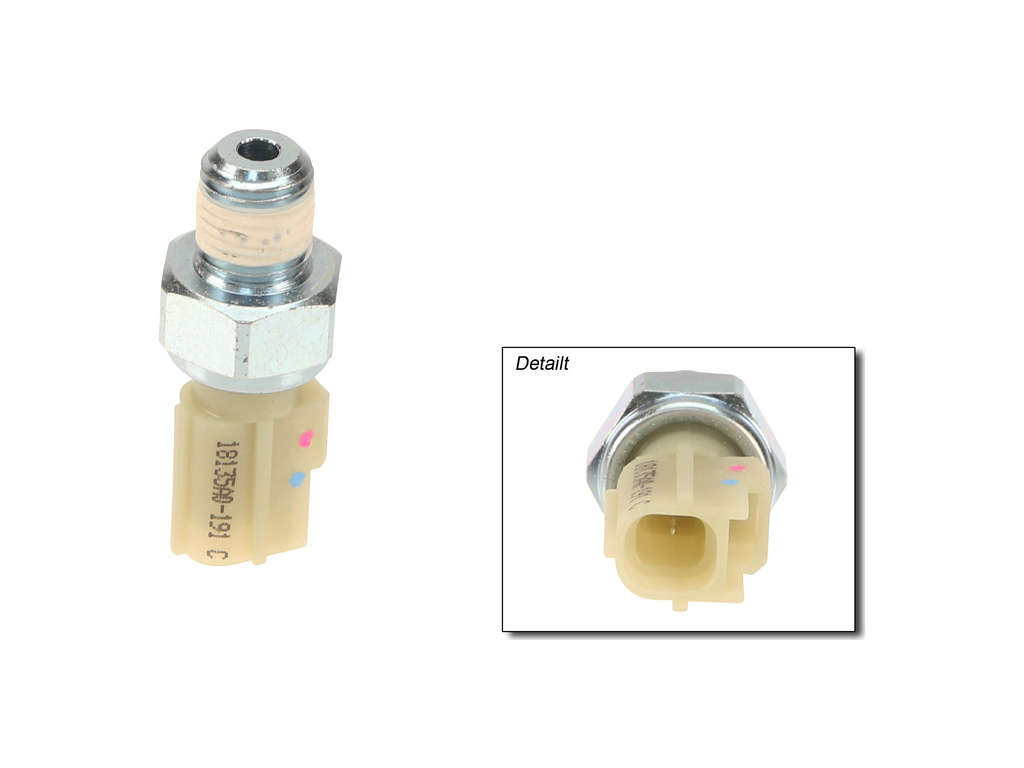
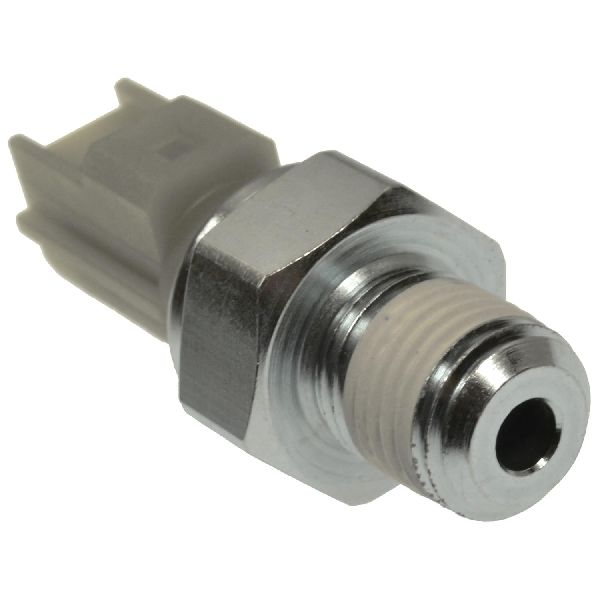
For a 2007-2014 Ford Edge with a 3.5L V6, code P0520 almost always points to a failed engine oil pressure sensor/switch. It's a common failure item that can be replaced by a DIYer for about $20-$50 in parts. The tell-tale sign is oil leaking through the sensor into its electrical connector.
- P0520 on a 2007-2014 Ford Edge almost always means the oil pressure sensor has failed.
- DO NOT drive the vehicle with this code and a warning light. You must first prove you have good oil pressure with a mechanical gauge.
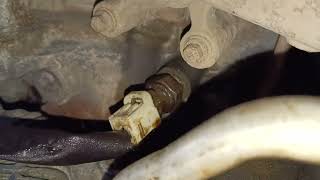
- The most common failure is oil leaking into the sensor's electrical connector. If you see oil there, you've found the problem.
- Replacing the sensor is a DIY-friendly job that can be done with basic tools (notably a 22mm deep socket) in about an hour.
- Always check the simple things first: verify the oil level is correct before starting any repairs.
What's Unique About the 2007-2014 Ford Edge
On the first-generation Ford Edge with the 3.5L Duratec V6 (and its platform mates like the Lincoln MKX), the oil pressure sensor is a very common failure point. Many owners report receiving a 'Low Engine Oil Pressure' warning on the dash, which, after checking the oil level, is traced back to a faulty sensor. The sensor is known to fail by leaking oil internally through the electrical connector, which is a tell-tale sign that it needs replacement. This failure mode is so common that finding oil in the connector is considered a definitive diagnosis.
Symptoms You May Notice
- Check Engine Light is on
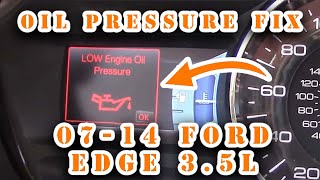
- "Low Engine Oil Pressure" warning message on the instrument cluster
- Oil pressure gauge (if equipped) reads zero, behaves erratically, or is stuck at maximum.
- Flickering oil warning light
- Visible oil leak from the sensor area, often dripping down the front of the engine block near the alternator.
- Replacing the oil pump. P0520 is an electrical circuit code. While a failing oil pump can cause low oil pressure, it would not typically cause this specific electrical fault code. Always verify actual oil pressure with a mechanical gauge before considering major mechanical repairs like an oil pump.
Most Likely Causes
- Faulty Engine Oil Pressure Sensor/Switch 🔴 High Probability This is a very common failure item on the 3.5L Duratec engine. The sensor's internal diaphragm can fail, allowing pressurized engine oil to seep into the electrical connector, causing a short or an open circuit.
How to confirm: Visually inspect the sensor's electrical connector. Unplug it and look for any trace of engine oil. If oil is present inside the connector where the wires plug in, the sensor is bad and must be replaced. This is the most definitive confirmation.
Typical fix: Replace the engine oil pressure sensor and clean the oil out of the connector pigtail with electrical contact cleaner.
Est. part cost: $20-$50 - Damaged Wiring or Connector 🟡 Medium Probability The sensor is located on the lower front of the engine block, where its wiring can be exposed to heat from the exhaust, oil leaks, and road debris, potentially causing damage over time. The connector can also become brittle and break during service.
How to confirm: Inspect the wiring harness leading to the sensor for any signs of cracking, fraying, melting, or corrosion on the connector pins. Check for a secure connection.
Typical fix: Repair the damaged section of the wiring harness or replace the connector pigtail. Ensure the wiring is properly routed away from heat sources.
Est. part cost: $15-$40 - Low Engine Oil Level or Poor Oil Condition ⚪ Low Probability
How to confirm: While P0520 is an electrical code, it's crucial to rule out fundamental mechanical issues. Check the engine oil dipstick. If the level is low, top it off. If the oil is old, sludgy, the wrong viscosity, or contaminated with coolant (appearing milky), it can affect pressure readings and potentially trigger circuit codes.
Typical fix: Perform an oil and filter change with the correct grade of oil (typically 5W-20 for this engine). If oil is contaminated, the source of contamination must be found and repaired.
Est. part cost: $40-$70
Rare But Worth Checking
- Faulty Powertrain Control Module (PCM): → Shop Engine Control Module (ECM) This is extremely rare and should be considered a last resort. The PCM should only be considered after all other possibilities, including the sensor and its entire circuit, have been exhaustively tested and ruled out.
- Clogged Oil Passages or Failing Oil Pump: While a mechanical issue like a failing oil pump would more commonly set a P0524 (Engine Oil Pressure Too Low) code, severe oil sludge or debris could potentially restrict flow at the sensor port, causing an erratic reading that the PCM interprets as a circuit fault. This is uncommon for P0520 but possible.
Diagnosis Steps
- Check the engine oil level and condition. Ensure it is full and the oil is not excessively dirty or overdue for a change.
- CRITICAL STEP: Verify actual engine oil pressure using a mechanical pressure gauge. This is the only way to confirm if you have a real low-pressure problem or just a sensor issue. A healthy engine should have around 20-25 PSI at hot idle. If pressure is good, proceed with electrical diagnosis. If pressure is low, stop immediately and diagnose the mechanical cause (e.g., oil pump, clogged pickup tube, internal water pump failure).
- Locate the oil pressure sensor. On the 3.5L V6, it is on the front of the engine block, in a tight area between the alternator and the oil filter. 🎬 Watch: A 30-minute guide to accessing and replacing the sensor. It may be easier to access from underneath the vehicle, though some DIYers access it from the top by removing the engine cover and a heat shield.
- Disconnect the electrical connector from the sensor. Inspect the connector and the sensor port for oil. If oil is found inside the connector, the sensor has failed internally and must be replaced. This is the most common point of failure.
- If no oil is found, clean the connector with electrical contact cleaner. Inspect the wiring and connector for visible damage, corrosion, or loose pins.
- If the wiring appears okay, use a multimeter to test the circuit. You should check for the 5-volt reference from the PCM, continuity to ground, and the signal wire's integrity back to the PCM.
- If the circuit tests good and mechanical oil pressure is confirmed to be okay, the sensor is the most likely culprit. Replace the oil pressure sensor.
- Clear the trouble code with an OBD-II scanner and drive the vehicle to see if the code returns.
Parts You'll Likely Need
- Engine Oil Pressure Sensor / Switch
(OEM #SW6881 (Motorcraft), also seen as 6U5Z-9278-D)— This is the most common cause of P0520 on this vehicle. The original sensor is prone to failing and leaking oil into its electrical connector.
Trusted brands: Motorcraft, Standard Motor Products (SMP), Dorman
OEM price range: $35-$55
Aftermarket price range: $20-$40
Related Codes That Often Appear With This One
- P0521: Engine Oil Pressure Sensor/Switch Range/Performance
- P0522: Engine Oil Pressure Sensor/Switch Circuit Low
- P0523: Engine Oil Pressure Sensor/Switch Circuit High
- P0524: Engine Oil Pressure Too Low
Technical Service Bulletins (TSBs) & Recalls
- While no specific TSB for P0520 on the Ford Edge was found, Chrysler Group issued TSB 18-034-14 for P0520 on several vehicles, which involved replacing the oil pressure sensor with a revised part, indicating this is a common failure point across manufacturers.
Platform-Specific Known Issues
- Real Owner Experience: Oil in Connector: A user on YouTube demonstrated the replacement on a 2007-2014 Edge, showing the classic failure mode. After removing a small heat shield, they unplugged the sensor and clearly showed oil inside the electrical connector, stating 'that's a good sign telling you it's bad'. The repair was completed with a 22mm deep socket.
- Forum Consensus: Common and Straightforward Fix: Across various forums for the Ford Edge and Lincoln MKX, owners consistently report P0520 being resolved by replacing the oil pressure sensor. Many threads confirm the 'oil in the connector' symptom and discuss the tight access but ultimate DIY-friendliness of the job.
Mechanic-Grade Diagnostic Values
- Sensor Reference Voltage — expected: ~5.0 Volts. Failure: Significantly lower or no voltage indicates a problem with the PCM or the wiring.
- Sensor Ground Circuit — expected: Less than 3 Ohms of resistance to a known good ground.. Failure: High resistance (greater than 3-5 ohms) indicates a poor ground connection.
- Sensor Signal Wire Voltage — expected: A variable voltage signal that changes with engine RPM (typically > 0V at KOEO, increasing with pressure).. Failure: Voltage that is stuck at 0V, 5V, or does not change with engine RPM points to a faulty sensor or wiring short/open.
Wiring & Ground Locations
- Powertrain Control Module (PCM) — Located in the cowl area at the back of the engine bay, under the plastic cover near the base of the windshield.. The PCM provides the 5V reference and ground to the sensor and interprets its signal. All circuit tests ultimately lead back to the PCM connectors.
- G109 — Located on the right front of the engine.. This is a primary engine ground point. A loose or corroded G109 could potentially cause erratic sensor readings and other electrical issues.
- PCM Main Grounds — On some Ford models of this era, main PCM grounds are located at pins 1, 2, and 4 of the main connector.. Loss of a primary PCM ground can cause a wide variety of unpredictable sensor circuit codes, including P0520.
Real Owner Repair Stories
- YouTube channel 'DIY DeVin' (2007-2014 Ford Edge 3.5L (exact year not specified, applies to range)) — Low Engine Oil Pressure warning on the dashboard.
❌ Tried (didn't work) The video directly diagnoses the most common cause, so no other failed attempts were shown.
✅ What actually fixed it Replacement of the engine oil pressure sensor. The definitive sign of failure was visible engine oil inside the sensor's electrical connector upon unplugging it. The repair was done from the top of the engine after removing the engine cover and a small heat shield. - Reddit user comment in /r/MechanicAdvice (General Ford vehicles, including Edge/Explorer with high mileage (218k miles mentioned in post).) — Low oil pressure light, particularly at idle.
❌ Tried (didn't work) The user had been driving with the light on for 5 months, implying the issue was not catastrophic low pressure.
✅ What actually fixed it The advice given as the definitive fix was to inspect the oil pressure sensor for leaks. If it is leaking oil through the plastic body or into the connector, it must be replaced. If the connector is oil-soaked, the pigtail connector should also be replaced.
OEM Part Supersession History
6U5Z-9278-D (also Motorcraft SW6881)→The part number has a long history and has been cross-referenced or superseded by numbers including F75Z-9278-CB, F8AZ-9278-DA, 1U5Z-9278-DA, GC3Z-9278-A, and GC3Z-9278-B. Associated Motorcraft numbers include SW5192, SW5270, and SW8368.— Standard part revisions and consolidation over many model years and platforms.
Heads up: While many numbers exist, 6U5Z-9278-D remains the most commonly referenced part for this specific vehicle. Always verify fitment with a VIN when purchasing from a dealer.
Model Year Variations Within This Range
- 2011-2014: The 2011 model year featured a significant refresh. The standard 3.5L V6 engine's power was increased from 265 hp to 285 hp. However, the oil pressure sensor part number and its common failure mode appear to be consistent across the entire 2007-2014 generation.
Diagnostic Flowchart
Other Known Issues on This Vehicle
Issues unrelated to this code that are worth knowing about as an owner of this generation:
- Internal Water Pump Failure 🔴 High — Common after 80,000-120,000 miles. A major design flaw of the 3.5L/3.7L Cyclone engine family.
- Electronic Throttle Body Failure 🟠 Medium — Common, can occur at various mileages. Subject of Customer Satisfaction Program 13N03 (now expired). (Ref: TSB 10-21-6 (for 2010 models))
- Door Ajar Sensor Failure 🟡 Low — Extremely common across all model years. (Ref: TSB 18-2013)
- Power Transfer Unit (PTU) Failure (AWD Models) 🔴 High — Common on AWD models, especially if fluid is not serviced. Can fail from 70,000 miles onward.
- Brake Booster Diaphragm Tear 🟠 Medium — Common on 2007-2015 models. (Ref: Recall 23S12, Customer Satisfaction Program 13N02)
Used vs. New Parts: Buying Guide for This Vehicle
When a used part is the smart pick: Never. This specific sensor is a known high-failure-rate part that is inexpensive to buy new. A used sensor has no predictable remaining lifespan and is very likely to fail in the same manner as the original (leaking oil into the connector).
What to inspect on the donor part:
- Not applicable as a used part is not recommended.
OEM-only on this vehicle (don't cheap out):
- While not strictly 'OEM-only', using a Motorcraft sensor is the safest choice given its criticality. If choosing aftermarket, stick to reputable brands.
Aftermarket brands forum-validated for this vehicle:
- Motorcraft (OEM)
- Standard Motor Products (SMP)
- Dorman
Brands owners have reported issues with on this vehicle:
- Unnamed, 'white-box' brands or ultra-low-cost online marketplace options are not recommended for this critical sensor.
Real Owner Stories
Aggregated from forums and TSBs cited above. Mileages and costs reflect what owners reported in those sources.
2007-2014 Ford Edge 3.5L V6
Symptoms: The owner unplugged the sensor and found oil inside the electrical connector, which was described as a 'good sign' that the part had failed internally.
What fixed it: Replaced the oil pressure sensor using a 22mm deep socket after removing a small heat shield.
Source hint: YouTube: 2007-2014 3.5L Ford Edge Low Engine Oil Pressure Warning Fix/Sensor Replacement
2007-2015 Lincoln MKX 3.5L/3.7L V6
Symptoms: Low engine oil pressure warning symptoms shared with its platform-mate, the Ford Edge, including oil seeping into the connector.
What fixed it: Replacement of the oil pressure sensor using OEM part numbers.
Source hint: Go-Parts.com - Lincoln MKX Guide
Related OBD-II Codes
Frequently Asked Questions
Where is the oil pressure sensor located on the 3.5L Duratec engine?
Does the Chrysler TSB 18-034-14 apply to my Ford Edge?
What size tools do I need to replace the sensor on my 2007-2014 Edge?
Can I just clean the connector if I find oil inside it?
Is a P0520 code related to the internal water pump failure common on these engines?
What is the typical part cost for fixing this on a Ford Edge?
Helpful Videos
We Have This Part in Stock



The information in this article is provided for general reference and educational purposes only. Vehicle specifications, procedures, and part compatibility can vary by production date, trim level, and region. Always consult your vehicle's factory service manual and verify part numbers before purchasing or performing repairs. Safety-critical components such as airbags, seat belts, and braking systems should be installed by a qualified professional.
- Ford Edge:
- 🧭 Diagnostic Flowchart
- 🎬 Helpful Videos
- 🛍️ Shop This Part
- What's Unique About the 2007-2014 Ford Edge
- Symptoms You May Notice
- Most Likely Causes
- Rare But Worth Checking
- Diagnosis Steps
- Parts You'll Likely Need
- Related Codes That Often Appear With This One
- Technical Service Bulletins (TSBs) & Recalls
- Platform-Specific Known Issues
- Mechanic-Grade Diagnostic Values
- Wiring & Ground Locations
- Real Owner Repair Stories
- OEM Part Supersession History
- Model Year Variations Within This Range
- Other Known Issues on This Vehicle
- Used vs. New Parts: Buying Guide for This Vehicle
- Real Owner Stories
- 2007-2014 Ford Edge 3.5L V6
- 2007-2015 Lincoln MKX 3.5L/3.7L V6
- Related OBD-II Codes
- Frequently Asked Questions
- 🎟️ Get 5% Off