

P0520 on 2012-2014 Ford Edge 2.0L EcoBoost: Causes and Fixes for Oil Pressure Sensor Circuit Malfunction
For a 2012-2014 Ford Edge with the 2.0L EcoBoost engine, code P0520 almost always points to a failed engine oil pressure sensor/switch. This is an electrical fault code, not a confirmation of low oil pressure. Replacing the sensor is the most common fix, a relatively inexpensive part that can be a DIY job for those with moderate experience.
- P0520 is an electrical circuit code, not a low oil pressure code. Do not panic and assume your engine has no oil pressure.
- The most likely cause by far is a faulty oil pressure sensor/switch.
- Before replacing any parts, always check your engine oil level first.
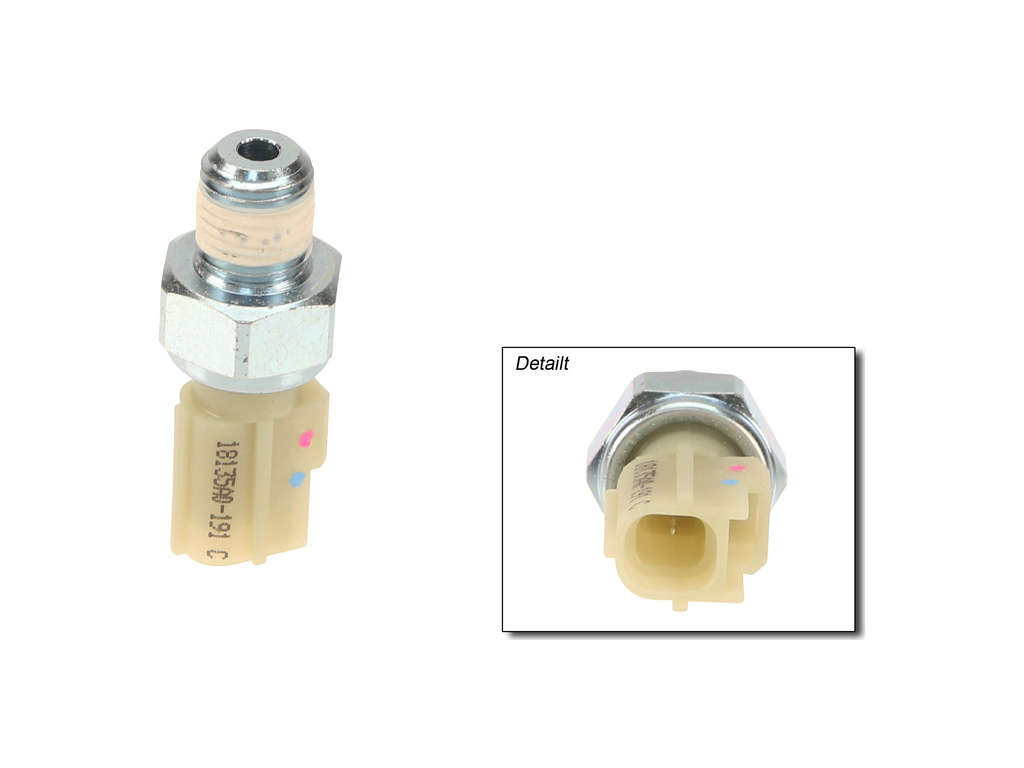
- The correct replacement OEM part is Motorcraft CM5Z-9D290-B, which supersedes the original part.
- This is a manageable DIY repair for many home mechanics, as the sensor is accessible on the front of the engine near the oil filter.
What's Unique About the 2012-2014 Ford Edge
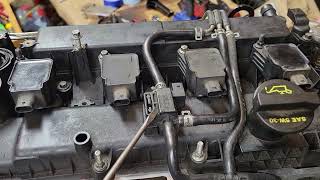
The 2.0L EcoBoost engine in the second-generation Ford Edge uses a simple oil pressure switch, which functions in an on/off manner rather than providing a variable pressure reading. These switches are a common failure point across many Ford models. The switch is located on the front of the engine block, on the right (passenger) side, just above the oil filter housing. 🎬 Watch: See the exact sensor and solenoid locations on this engine. This location makes it susceptible to damage or leaks, but also relatively accessible for replacement. While the code is generic, the fix on this platform is very consistently the sensor itself.
Symptoms You May Notice
- Check Engine Light is on
- Oil pressure warning light may be on or flickering
- Oil pressure gauge (if equipped) shows zero or erratic readings
- Oil leaking from the sensor itself
- Replacing the oil pump. The P0520 code is an electrical circuit code, not a low-pressure code (like P0524). Replacing the oil pump will not fix an electrical fault in the sensor circuit.
Most Likely Causes
- Faulty Engine Oil Pressure Sensor/Switch 🔴 High Probability The sensor is a common failure item due to its location and constant exposure to heat and oil pressure. The sensor can fail internally, causing an electrical fault, or it can develop a leak where oil contaminates the electrical connector, a tell-tale sign of failure.
How to confirm: After confirming proper oil level and pressure with a mechanical gauge, test the sensor's circuit for proper voltage and ground. A visual inspection may reveal oil inside the electrical connector, which is a definitive sign of a bad sensor. Often, due to the low cost of the part, it is replaced proactively.
Typical fix: Replace the engine oil pressure sensor/switch. This requires a 21mm or 22mm deep socket.
Est. part cost: $20-$65 - Damaged Wiring or Connector 🟡 Medium Probability The sensor's wiring is located near the hot engine block and oil filter, making it susceptible to heat damage, oil contamination, or physical damage during oil changes. The connector pigtail can become brittle and break.
How to confirm: Visually inspect the wiring harness and connector for the oil pressure sensor. Look for frayed wires, corrosion in the connector, or oil saturation. Perform a continuity test on the wiring from the sensor to the PCM.
Typical fix: Repair the damaged section of wiring or replace the pigtail connector. Splicing in a new pigtail is a common repair.
Est. part cost: $15-$40 - Low Engine Oil Level or Poor Oil Quality ⚪ Low Probability While the code is electrical, extremely low oil levels or sludged oil can cause the switch to flicker between on and off, potentially confusing the PCM into setting a circuit fault. This is less a platform-specific issue and more a general automotive principle.
How to confirm: Check the engine oil level using the dipstick and inspect the oil's condition. If the level is very low or the oil is sludgy, this could be a contributing factor.
Typical fix: Perform an oil and filter change using the correct viscosity oil (5W-30) and a high-quality filter. Ensure the oil is filled to the proper level.
Est. part cost: $40-$80
Rare But Worth Checking
- Faulty Powertrain Control Module (PCM): → Shop Engine Control Module (ECM) This is extremely rare. The PCM should only be considered after all other possibilities, including the sensor and its entire circuit, have been exhaustively tested and ruled out.
- Blown Fuse: A video for the 2010-2014 Edge suggests checking fuse #18 in the interior fuse panel (driver's side, under the dash) as it may be related to the oil pressure sensor circuit. 🎬 Watch: Find the interior fuse box and view the diagrams.
Diagnosis Steps
- Check the engine oil level and condition. Top off or change if necessary.
- Use an OBD-II scanner to confirm P0520 is the primary code. If codes like P0521, P0522, or P0523 are also present, it further points to the sensor/circuit.
- IMPORTANT: Verify actual engine oil pressure using a mechanical oil pressure gauge. This rules out any actual low-pressure problems before proceeding. The engine is healthy if pressure is within spec.
- Locate the oil pressure sensor. On the 2.0L EcoBoost, it is located on the front of the engine block, passenger side, just above the oil filter housing.
- Inspect the sensor's connector and wiring for any signs of damage, corrosion, or oil contamination. If oil is present inside the connector, the sensor has failed internally and must be replaced.
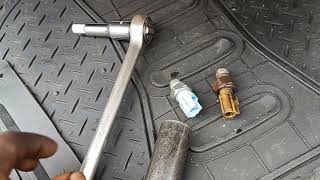
- If the wiring looks good, the most common and cost-effective step is to replace the oil pressure sensor/switch. Use a 21mm or 22mm deep socket for removal. 🎬 See this walkthrough on how to replace the oil pressure switch.
- Clear the trouble code with the OBD-II scanner and perform a drive cycle to see if the code returns.
- If the code persists, perform a detailed electrical diagnosis of the circuit, checking for voltage, ground, and continuity back to the PCM using a wiring diagram.
Parts You'll Likely Need
- Engine Oil Pressure Sensor / Switch
(OEM #CM5Z-9D290-B)— This is the most common failure point for the P0520 code on this engine. The original part (CM5Z-9278-A) was superseded by this revised part.
Trusted brands: Motorcraft, Bosch, Dorman, Standard Motor Products
OEM price range: $50-$80
Aftermarket price range: $20-$45 - Oil Pressure Sensor Connector Pigtail — The original connector can become brittle from heat cycles and break during sensor replacement. It's also often contaminated with oil when the old sensor fails.
Trusted brands: Dorman, Motorcraft, Standard Motor Products
OEM price range: $25-$50
Aftermarket price range: $15-$30
Related Codes That Often Appear With This One
- P0521
- P0522
- P0523
Platform-Specific Known Issues
- Oil Contamination in Connector: A very common failure mode for the original sensor is for the internal seal to fail, allowing pressurized engine oil to seep through the body of the sensor and into the electrical connector. This contaminates the connection, causing the circuit malfunction reported by P0520.
Mechanic-Grade Diagnostic Values
- Mechanical Oil Pressure at Hot Idle — expected: Minimum 15-25 PSI. Failure: Pressure below 15 PSI indicates a mechanical engine issue (e.g., oil pump, wear), not a sensor circuit fault.
- Mechanical Oil Pressure at ~2,500 RPM — expected: 45-70 PSI. Failure: Pressure not rising with RPM indicates a mechanical issue.
- Sensor VREF Circuit Short to Ground Test (at sensor connector C1657, Pin 3) — expected: Greater than 10,000 ohms. Failure: Resistance less than 10,000 ohms indicates a short in the VREF (5V reference) wire.
- Sensor Return Circuit Continuity Test (between sensor connector C1657 Pin 2 and PCM connector C1381E Pin 20) — expected: Less than 3 ohms. Failure: Resistance greater than 3 ohms indicates an open or high resistance in the ground/return wire.
- Oil Pressure Switch Continuity (Engine Off) — expected: Continuity to ground (close to 0 ohms). Failure: No continuity (open circuit) when engine is off indicates a faulty switch.
- Oil Pressure Switch Continuity (Engine Running) — expected: No continuity (open circuit / infinite resistance). Failure: Continuity to ground when engine is running indicates a faulty switch that is not opening under pressure.
Scan Tool Commands That Help
- Ford IDS (Integrated Diagnostic System): Live Data / Data Logger (PID for Oil Pressure Switch State) — While a simple on/off switch doesn't typically have a bidirectional command, the dealer-level IDS can be used to monitor the switch's state as seen by the PCM in real-time to confirm if it matches the physical state (on/off) during testing.
Wiring & Ground Locations
- C1657 — The electrical connector at the oil pressure sensor itself, located above the oil filter housing.. This is the primary connection to test. Pin 3 is VREF, Pin 2 is the return/ground circuit.
- C1381B / C1381E — The Powertrain Control Module (PCM) connectors, located on the right side of the engine compartment.. This is the termination point for the sensor wiring. Pin 70 on C1381B is the signal input, and Pin 20 on C1381E is the return circuit pin, used for continuity testing from the sensor.
- G101 — Engine ground located on the front of the engine for the 2.0L model.. A poor engine ground can cause a variety of sensor circuit issues. This is a key ground point to inspect for corrosion or looseness when diagnosing electrical faults.
- G105 / G107 / G109 — Various grounds in the engine compartment (left front, right front).. The sensor's return circuit ultimately relies on a clean chassis ground. Any of these points could be a potential source of high resistance if corroded or loose.
OEM Part Supersession History
CM5Z-9278-A→CM5Z-9D290-B— The reason for supersession is not officially stated, but the replacement part is noted to be 'Included with adapter,' which suggests a design change requiring an adapter for fitment or connection.
Diagnostic Flowchart
Other Known Issues on This Vehicle
Issues unrelated to this code that are worth knowing about as an owner of this generation:
- 2.0L EcoBoost Coolant Intrusion 🔴 High — More common on 2015-2018 models, but the engine design is susceptible. Can occur due to a cracked block between cylinders, leading to coolant entering the cylinders. (Ref: TSB 19-2346, TSB 22-2229 (Note: These TSBs are for later model years but describe the well-known issue with this engine family).)
- AWD Power Transfer Unit (PTU) Failure 🔴 High — Common on AWD models across all first-generation Edge years (2007-2014). The PTU fluid overheats and degrades, leading to seal and gear failure. Often occurs between 60,000 and 120,000 miles. (Ref: No recall, but a widely documented issue in owner forums.)
- Door Ajar Sensor Failure 🟡 Low — Very common. The sensor within the door latch assembly fails, causing the 'Door Ajar' light to stay on, interior lights to remain lit, and preventing doors from locking automatically. Can lead to battery drain. (Ref: TSB 18-2013)
- Carbon Buildup on Intake Valves 🟠 Medium — A common issue for all direct-injection engines, including the 2.0L EcoBoost. Over time (typically 80,000-120,000 miles), carbon deposits can build up, causing misfires, rough idle, and reduced performance.
- Cracked Exhaust Manifold 🟠 Medium — The first-generation 2.0L EcoBoost can be prone to cracked exhaust manifolds, leading to ticking noises and exhaust fumes in the cabin.
Used vs. New Parts: Buying Guide for This Vehicle
When a used part is the smart pick: Never. This is a low-cost electronic sensor that is a known high-failure item. The risk of getting a part that is already failing or will fail shortly is extremely high. Always buy this part new.
What to inspect on the donor part:
- Not applicable. Do not purchase this part used.
OEM-only on this vehicle (don't cheap out):
- Engine Oil Pressure Sensor / Switch
Aftermarket brands forum-validated for this vehicle:
- While brands like Bosch and Standard Motor Products are generally reputable, forum consensus strongly recommends using only the genuine Ford Motorcraft part for this specific sensor to avoid compatibility and premature failure issues.
Brands owners have reported issues with on this vehicle:
- Dorman: Specifically mentioned in forum discussions as a brand to avoid for timing components and other critical parts on Ford EcoBoost engines.
- Unknown/Counterfeit 'Motorcraft' from online marketplaces: There is a documented risk of receiving counterfeit parts that do not perform to OEM specification, particularly when purchased from non-authorized dealers.
Real Owner Stories
Aggregated from forums and TSBs cited above. Mileages and costs reflect what owners reported in those sources.
2012 Ford Edge 2.0L EcoBoost
Symptoms: The vehicle experienced a turbo failure, which is a potential high-cost repair associated with this specific engine model.
What fixed it: The source discusses the failure in the context of broader engine reliability, though P0520 specifically is typically resolved by replacing the oil pressure sensor.
Source hint: FordEdgeForum.com: 2012 Edge Ecoboost Turbo Failure
2012-2014 Ford Edge 2.0L EcoBoost
Symptoms: The internal seal of the original sensor failed, allowing pressurized engine oil to seep through the body of the sensor and into the electrical connector.
What fixed it: Replace the engine oil pressure sensor/switch and inspect the connector for oil contamination.
Source hint: vehicle_specific_issues: Oil Contamination in Connector
Related OBD-II Codes
Frequently Asked Questions
Where is the oil pressure sensor located on my 2012-2014 Ford Edge 2.0L EcoBoost?
What tools do I need to replace the oil pressure switch myself?
Is there a TSB for the P0520 code on my 2012 Edge?
Can I use a used sensor from a salvage yard to fix this?
Could my P0520 code be related to the 'Door Ajar' light staying on?
What kind of oil should I use when I clear this code?
Helpful Videos

We Have This Part in Stock



The information in this article is provided for general reference and educational purposes only. Vehicle specifications, procedures, and part compatibility can vary by production date, trim level, and region. Always consult your vehicle's factory service manual and verify part numbers before purchasing or performing repairs. Safety-critical components such as airbags, seat belts, and braking systems should be installed by a qualified professional.
- Ford Edge:
- 🧭 Diagnostic Flowchart
- 🎬 Helpful Videos
- 🛍️ Shop This Part
- What's Unique About the 2012-2014 Ford Edge
- Symptoms You May Notice
- Most Likely Causes
- Rare But Worth Checking
- Diagnosis Steps
- Parts You'll Likely Need
- Related Codes That Often Appear With This One
- Platform-Specific Known Issues
- Mechanic-Grade Diagnostic Values
- Scan Tool Commands That Help
- Wiring & Ground Locations
- OEM Part Supersession History
- Other Known Issues on This Vehicle
- Used vs. New Parts: Buying Guide for This Vehicle
- Real Owner Stories
- 2012 Ford Edge 2.0L EcoBoost
- 2012-2014 Ford Edge 2.0L EcoBoost
- Related OBD-II Codes
- Frequently Asked Questions
- 🎟️ Get 5% Off