

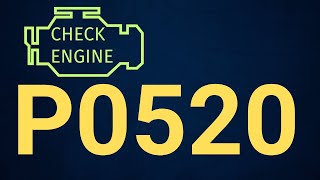
P0520 on 2015-2017 Ford Expedition 3.5L EcoBoost: Oil Pressure Sensor Circuit Fixes
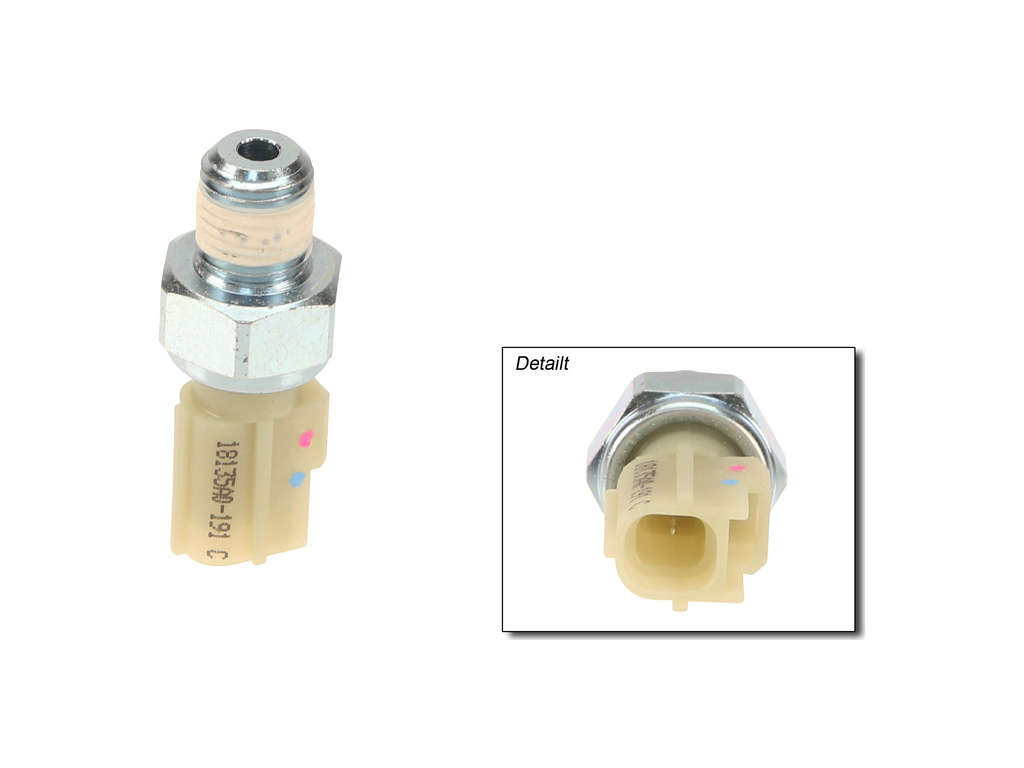
On a 2015-2017 Expedition with the 3.5L EcoBoost, code P0520 is almost always caused by a failed engine oil pressure sensor (Motorcraft SW7623 / BL3Z-9F924-C). The sensor is known to leak oil internally, contaminating its own electrical connector and causing a circuit fault. Expect to pay $30-$60 for an OEM sensor, with DIY replacement being moderately difficult due to poor access behind the alternator.
- Do not drive your vehicle. You can't be sure if you have a simple sensor issue or a catastrophic low oil pressure problem.
- The most likely cause is a failed oil pressure sensor that is leaking oil into its own electrical connector.
- Before buying parts, you MUST verify the actual engine oil pressure with a mechanical gauge to rule out a serious mechanical problem.
- The sensor is difficult to access on the 3.5L EcoBoost. Plan for a few hours for a DIY replacement.
- Always use the correct 5W-30 engine oil and a quality filter to support the health of the oiling system.
What's Unique About the 2015-2017 Ford Expedition
The 2015-2017 Expedition uses the first-generation 3.5L EcoBoost V6. On this engine, the oil pressure sensor is notoriously difficult to access, tucked behind and below the alternator on the driver's side of the block. On 4x4 models, the front differential makes access from below even more challenging. The most common failure is not just the sensor itself, but its tendency to leak oil through its body into the electrical connector, which corrupts the signal and triggers the P0520 code. While this engine can have other oil-related issues like timing phaser wear, P0520 almost always points directly to this specific sensor failure.
Symptoms You May Notice
- Check Engine Light is on
- Oil pressure warning light may be on or flickering
- Oil pressure gauge on the dashboard may read zero, max, or fluctuate erratically
- In some cases, the vehicle may enter a reduced power 'limp mode'
- Engine may exhibit unusual knocking or clunking sounds if an actual low oil pressure condition exists.
- Replacing the oil pump. P0520 is an electrical circuit code. A failing oil pump would cause actual low oil pressure, which must be verified with a mechanical gauge before considering pump replacement.
Most Likely Causes
- Failed Engine Oil Pressure Sensor 🔴 High Probability The sensor is a very common failure point on this engine. Internal seals degrade, allowing pressurized oil to leak through the sensor body and into the electrical connector, causing a bad signal.
How to confirm: Unplug the sensor's electrical connector and inspect for any presence of engine oil. If oil is found inside the connector, the sensor has failed and must be replaced. This is the definitive sign.
Typical fix: Replace the engine oil pressure sensor. It is highly recommended to use an OEM Motorcraft part to avoid premature failure. Thoroughly clean the oil from the harness-side connector with electrical contact cleaner before installing the new sensor.
Est. part cost: $30-$60 - Damaged Wiring or Connector 🟡 Medium Probability The wiring harness is exposed to significant heat from the engine and exhaust, which can lead to brittle insulation, chafed wires, or corrosion on the connector pins over time. The connector itself can become brittle and crack during sensor replacement.
How to confirm: Visually inspect the wiring leading to the sensor for any signs of cracking, melting, or physical damage. Check the connector pins for corrosion, oil contamination, or a loose fit. Wiggle the harness with the engine running to see if it affects the gauge reading.
Typical fix: Repair the damaged section of wiring with solder and heat shrink. If the connector is damaged or oil-soaked and cannot be cleaned, replace the connector pigtail (e.g., Standard Motor Products S2499).
Est. part cost: $15-$40 for a new pigtail connector - Low Engine Oil Level or Poor Oil Condition ⚪ Low Probability While P0520 is an electrical code, extremely low oil levels or sludgy, overdue oil can sometimes cause erratic pressure readings that the PCM may interpret as a circuit fault. The 3.5L EcoBoost can consume oil, making regular level checks important.
How to confirm: Check the engine oil level via the dipstick and observe its color and consistency. Ensure the correct viscosity (5W-30) is being used.
Typical fix: Perform an oil and filter change using the manufacturer-specified 5W-30 synthetic blend or full synthetic oil and a quality filter (e.g., Motorcraft FL-500S).
Est. part cost: $50-$90 for oil and filter
Rare But Worth Checking
- Faulty Oil Pressure Control Solenoid: This solenoid is part of the variable pressure oil pump system. While uncommon, its failure can cause pressure regulation issues that may trigger circuit codes. One owner reported replacing this part (HL3Z6C880B) after multiple sensor replacements failed to solve the issue. This should be considered after the sensor and wiring are confirmed to be good.
- Faulty Powertrain Control Module (PCM): → Shop Engine Control Module (ECM) This is extremely rare. The PCM should only be considered after all other possibilities, including the sensor, wiring, and a mechanical pressure check, have been exhaustively ruled out.
Diagnosis Steps
- Check the engine oil level and condition. Ensure the oil is full and not sludgy or overdue for a change. Top up or change if necessary.
- Scan for other DTCs. Note any other codes that may be present, as they can provide additional context.
- CRITICAL STEP: Test the actual engine oil pressure. Connect a mechanical oil pressure gauge to the engine (in place of the sensor) and start it. Compare the readings at idle and ~1500 RPM to Ford's specifications (a common spec is a minimum of 20 PSI at 1500 RPM). If pressure is good, the problem is electrical. If pressure is low, you have a more serious mechanical issue that needs immediate attention.
- Inspect the oil pressure sensor connector. Unplug the sensor and look for oil inside the connector. If oil is present, the sensor has failed and is the cause of the code. This is the most common point of failure.
- Inspect the wiring. Carefully check the harness going to the sensor for any signs of heat damage, chafing, or corrosion. Pay close attention to the area near the alternator and exhaust manifold.
- If the mechanical pressure is good and no oil is in the connector, test the circuit. With the key on, engine off, check for a 5-volt reference at the connector. Check the ground wire for continuity. If voltages are correct, the sensor is still the most likely culprit and should be replaced.
- After replacing the sensor (and pigtail if needed), clear the code with a scan tool and perform a drive cycle to ensure the code does not return.
Parts You'll Likely Need
- Engine Oil Pressure Sensor (Switch)
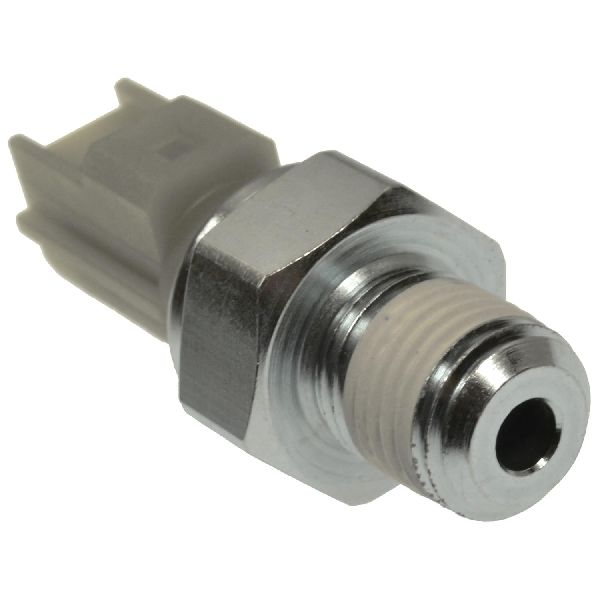
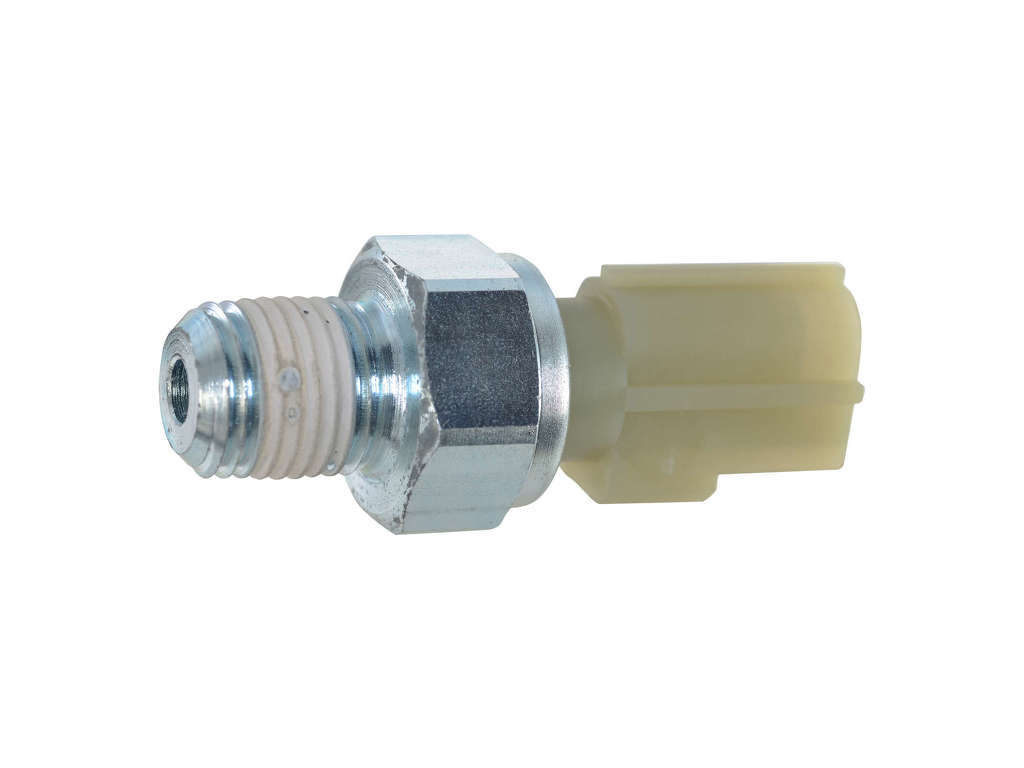
(OEM #BL3Z-9F924-C (Motorcraft SW7623))— This is the most common failure point for code P0520. It often fails by leaking oil internally into its electrical connector, causing the circuit fault. An alternative/superseding part number is GN1Z-9D290-D.
Trusted brands: Motorcraft
OEM price range: $30-$60
Aftermarket price range: $20-$45 - Oil Pressure Sensor Connector Pigtail
(OEM #WPT-1492 or HU2Z-14S411-BA)— Needed if the original connector is damaged, brittle from heat, or so saturated with oil that it cannot be cleaned effectively.
Trusted brands: Motorcraft, Standard Motor Products (S2499)
OEM price range: $25-$45
Aftermarket price range: $15-$30
Related Codes That Often Appear With This One
- P0521 — P0521 indicates 'Engine Oil Pressure Sensor/Switch Range/Performance', which can be triggered by the same failing sensor that is sending erratic, but not completely failed, signals.
- P0522 — P0522 indicates 'Engine Oil Pressure Sensor/Switch Circuit Low', which can be caused by a short in the wiring or an internally shorted sensor, often due to oil contamination.
- P0523 — P0523 indicates 'Engine Oil Pressure Sensor/Switch Circuit High', which can be caused by an open circuit or a specific type of sensor failure.
Technical Service Bulletins (TSBs) & Recalls
- TSB 19-2232: While not for P0520 directly, this TSB addresses excessive oil consumption on some 2017-2019 models with the 3.5L EcoBoost, which underscores the importance of monitoring oil levels.
- TSB 18-2305: Addresses a cold-start timing chain rattle on 2011-2015 F-150s with the same engine. While not a cause of P0520, it's a critical, well-known issue for this powertrain that owners should be aware of.
Platform-Specific Known Issues
- The location of the sensor on the 3.5L EcoBoost is behind the alternator, making access very difficult. Most DIYers remove the intake air ducting to reach it from the top. A 21mm deep socket is required for the sensor itself.
- While not directly causing P0520, this engine family can be prone to excessive oil consumption. TSB 19-2232 was issued for some 2017 models for this issue, related to PCV system problems requiring new valve covers. This highlights the importance of regularly checking the oil level.
- On 4x4 models, the front differential is directly below the sensor area, making access from underneath nearly impossible and forcing a top-down approach.
Mechanic-Grade Diagnostic Values
- Mechanical Oil Pressure at Operating Temperature — expected: Minimum 20 PSI at 1,500 RPM. Failure: Pressure significantly below 20 PSI at 1,500 RPM indicates a mechanical fault (oil pump, bearings, etc.), not just a sensor circuit issue.
- Engine Oil Pressure (EOP) Sensor Circuit Resistance — expected: Below 10.0 ohms for each of the three sensor circuits between the sensor connector and the PCM harness connector.. Failure: A reading higher than 10.0 ohms indicates excessive resistance in the wiring or connectors, which can cause the P0520 code.
- Sensor Circuit Voltages (Key On, Engine Off) — expected: Pin 1: 5V Reference (VREF), Pin 2: Signal Return (Ground), Pin 3: Signal to PCM (should be a stable voltage, often low, with sensor plugged in).. Failure: Missing 5V reference, no continuity to ground, or a signal wire that is shorted to voltage or ground.
Scan Tool Commands That Help
- Ford IDS (Integrated Diagnostic Software): Datalogger — To monitor the Engine Oil Pressure (EOP) sensor PID live data while the engine is running. A technician would watch the pressure reading as RPMs are increased and decreased. A sensor that is stuck on one value, shows erratic jumps, or does not correlate with RPM changes points to a sensor or wiring fault, assuming mechanical pressure has been verified as good.
Wiring & Ground Locations
- C1657 — The 3-pin electrical connector on the oil pressure sensor itself, located on the driver's side of the engine block, behind and below the alternator.. This is the primary point of failure due to internal oil leakage from the sensor contaminating the connector pins, causing the circuit fault. It is the first place to inspect for oil.
- Engine Block Ground Strap — A braided or heavy-gauge wire connecting the engine block to the vehicle's chassis/frame.. The oil pressure sensor, like many engine sensors, relies on a solid engine ground that connects back to the battery negative. A corroded or loose engine ground strap can cause floating voltages and erratic sensor readings for multiple components, including the oil pressure sensor, leading to codes like P0520.
Real Owner Repair Stories
- Reddit user on r/f150ecoboost (2017 Ford F-150 3.5L EcoBoost) — Recurring low oil pressure light, engine limited to 3000 RPM (limp mode).
❌ Tried (didn't work) Replaced the oil pressure switch 4 times using OEM Motorcraft parts., Replaced the pigtail connector once.
✅ What actually fixed it The user's problem was not fully resolved in the post, but the diagnosis evolved. After replacing the sensor and pigtail multiple times, the truck began throwing code P06DD ('Engine Oil Pressure Control Circuit Stuck Off'), indicating the next logical step was to investigate the variable displacement oil pump or its control solenoid, not the sensor circuit. - Ford F150 Forum user 'tbay' (2017 F-150 3.5L EcoBoost) — Low oil pressure warning on cold start, which goes away after restarting the engine.
❌ Tried (didn't work) Initial self-diagnosis pointed to the sensor.
✅ What actually fixed it The dealer replaced the oil pressure sending unit (sensor), which resolved the issue. The user noted that the dealer did not appear to clean the connector during the repair, highlighting a potential for repeat failure, but the immediate fix was the new sensor.
When the Usual Fixes Don't Work
- While the vast majority of P0520 codes are fixed by replacing the oil pressure sensor and cleaning the connector, there are documented cases where this does not solve the problem. In a notable instance from an F-150 owner with the same engine, the sensor and pigtail were replaced four times with OEM parts to no avail. The problem eventually manifested as a P06DD code, pointing to a fault in the variable displacement oil pump's control solenoid. This serves as a critical reminder that if the common fix fails repeatedly, the next step is to diagnose the oil pump's electrical control system, not to simply install a fifth sensor.
OEM Part Supersession History
BL3Z-9F924-C (Motorcraft SW7623)→GN1Z-9D290-D— Standard part revision and update by the manufacturer. The newer part is considered the current correct replacement.N/A→N/A— The pigtail connector WPT-1492 and HU2Z-14S411-BA are both listed as valid service parts for harness repair.
Heads up: Always visually match the old connector to the new pigtail before cutting wires, as harness variations can exist.
Model Year Variations Within This Range
- 2015-2017: All 2015-2017 Ford Expeditions with the 3.5L engine use the 'first generation' 3.5L EcoBoost. The redesigned 'second generation' 3.5L EcoBoost, which featured a dual-injection system and other significant changes, was introduced to the F-150 in 2017 but did not appear in the Expedition until the all-new 2018 model year. Therefore, diagnostics and parts for this code are consistent across the entire 2015-2017 Expedition range.
Diagnostic Flowchart
Other Known Issues on This Vehicle
Issues unrelated to this code that are worth knowing about as an owner of this generation:
- Timing Chain Stretch and Phaser Rattle on Cold Start 🔴 High — Common on first-generation 3.5L EcoBoosts, especially those with over 75,000 miles or inconsistent oil change history. Presents as a 2-5 second loud rattle from the front of the engine on cold starts. (Ref: TSB 18-2305 (supersedes 16-0027) for F-150s, but the issue is identical for Expeditions. The fix involves replacing the primary timing chain and all four VCT phasers.)
- Leaking Turbocharger Coolant Lines 🟠 Medium — The 'jiffy-tite' or quick-connect style fittings for the turbo coolant lines are known to degrade and leak coolant. This is a common leak point, often noticed by coolant residue on the turbo or dripping near the starter.
- Intake Valve Carbon Buildup 🟠 Medium — As a direct-injection engine, the intake valves are not cleaned by fuel spray, leading to carbon accumulation over time (typically noticeable after 80,000-100,000 miles). Symptoms include rough idle, hesitation, and reduced fuel economy.
- Cracked Exhaust Manifolds 🟡 Low — Less common than other issues, but the cast iron exhaust manifolds can develop cracks due to heat cycles, causing an exhaust leak tick that is most audible when the engine is cold.
Used vs. New Parts: Buying Guide for This Vehicle
When a used part is the smart pick: For this specific repair, using a used part is not recommended. The primary failure part (the sensor) is an inexpensive electronic component with a known high failure rate and its condition cannot be verified visually. The labor to access it is significant, making it unwise to risk a second repair on a used part.
Donor-vehicle mileage cap: roughly under 10000 miles for the part to have meaningful remaining life.
What to inspect on the donor part:
- If salvaging a wiring harness section, inspect for any signs of brittleness, heat cracking, or previous repairs.
- Ensure connector locking tabs are intact and not broken.
OEM-only on this vehicle (don't cheap out):
- Engine Oil Pressure Sensor: Due to the high rate of failure and the difficulty of access, using an OEM Motorcraft sensor is strongly recommended by forum veterans and mechanics to ensure longevity and prevent repeat failures.
Aftermarket brands forum-validated for this vehicle:
- No specific aftermarket brands have a consistently strong reputation for this part that outweighs the recommendation for OEM Motorcraft.
Brands owners have reported issues with on this vehicle:
- Unbranded 'white-box' sensors from online marketplaces should be avoided, as their quality control and long-term reliability are unknown, and the cost savings do not justify the risk of a repeat repair.
Real Owner Stories
Aggregated from forums and TSBs cited above. Mileages and costs reflect what owners reported in those sources.
2012 Ford F-150 Platinum 3.5L EcoBoost
Symptoms: Intermittent oil pressure readings on the gauge.
What fixed it: Replaced the oil pressure sensor by accessing it from the top side, navigating behind the alternator and above the front differential.
Source hint: f150forum.com thread titled 'Intermittent oil pressure on 2012 Platinum Ecoboost'
Related OBD-II Codes
Frequently Asked Questions
Where is the oil pressure sensor located on the 3.5L EcoBoost Expedition, and can I reach it from underneath?
Is there a specific part brand recommended for replacing the sensor on my 2015-2017 Expedition?
Does TSB 19-2232 apply to my 2017 Expedition's oil issues?
What size tools do I need to change the oil pressure sensor on this engine?
Could the cold-start rattle I hear be related to the P0520 code?
Why is there oil inside my electrical connector when I unplugged the sensor?
Helpful Videos
We Have This Part in Stock



The information in this article is provided for general reference and educational purposes only. Vehicle specifications, procedures, and part compatibility can vary by production date, trim level, and region. Always consult your vehicle's factory service manual and verify part numbers before purchasing or performing repairs. Safety-critical components such as airbags, seat belts, and braking systems should be installed by a qualified professional.
- Ford Expedition:
- 🧭 Diagnostic Flowchart
- 🎬 Helpful Videos
- 🛍️ Shop This Part
- What's Unique About the 2015-2017 Ford Expedition
- Symptoms You May Notice
- Most Likely Causes
- Rare But Worth Checking
- Diagnosis Steps
- Parts You'll Likely Need
- Related Codes That Often Appear With This One
- Technical Service Bulletins (TSBs) & Recalls
- Platform-Specific Known Issues
- Mechanic-Grade Diagnostic Values
- Scan Tool Commands That Help
- Wiring & Ground Locations
- Real Owner Repair Stories
- When the Usual Fixes Don't Work
- OEM Part Supersession History
- Model Year Variations Within This Range
- Other Known Issues on This Vehicle
- Used vs. New Parts: Buying Guide for This Vehicle
- Real Owner Stories
- 2012 Ford F-150 Platinum 3.5L EcoBoost
- Related OBD-II Codes
- Frequently Asked Questions
- 🎟️ Get 5% Off