

P0520 on 2012-2018 Ford Focus 2.0L: Engine Oil Pressure Sensor Circuit Fixes
For the 2012-2018 Ford Focus with a 2.0L engine, code P0520 almost always points to a failed engine oil pressure sensor/switch. It's an affordable and accessible DIY repair, with the part costing between $15 and $50. The wiring pigtail is also a common failure point.
- P0520 on a 2012-2018 Focus 2.0L indicates an electrical problem with the oil pressure sensor circuit, not necessarily low oil pressure.
- The most likely cause is a faulty oil pressure sensor/switch, which is an inexpensive and relatively easy part to replace.
- Before any repair, check your engine oil level. Do not drive the vehicle if the oil level is low or if you hear engine noises.
- Inspect the sensor's wiring and connector for damage, as this is the second most common cause. The connector pigtail is known to become brittle and break.
- Replacing the sensor is a common DIY job that requires basic tools and takes less than an hour.
What's Unique About the 2012-2018 Ford Focus
On the 2.0L GDI engine in the third-generation Ford Focus, the P0520 code is a straightforward circuit fault code. Unlike some other manufacturers where this code can be triggered by complex mechanical issues or has known TSBs for widespread failure (like certain Chrysler models), the Focus tends to have simpler causes. The issue is almost always the sensor itself failing due to age and heat cycles, or a problem with its exposed wiring. The sensor is a simple switch-type, not a variable pressure transducer, making diagnosis less complex.
Symptoms You May Notice
- Check Engine Light is on.
- Oil pressure warning light may be illuminated or flickering.
- In some cases, no noticeable symptoms other than the Check Engine Light.
- Engine may enter a "limp mode" or limited power strategy as a precaution.
- Replacing the oil pump. The P0520 code is an electrical circuit code, not a low-pressure code (like P0524). Replacing the oil pump will not fix a sensor or wiring issue.
Most Likely Causes
- Faulty Engine Oil Pressure Sensor/Switch 🔴 High Probability The sensor is a simple mechanical switch exposed to constant heat cycles and oil, leading to internal failure over time. The plastic connector can also become brittle and break during removal.
How to confirm: After verifying the oil level is correct, this is the most likely cause. A diagnostic scan tool may show an erratic or fixed signal. Given the low cost of the part, replacement is often the quickest diagnostic step.
Typical fix: Replace the engine oil pressure sensor/switch.
Est. part cost: $15-$50 - Damaged Wiring or Connector 🟡 Medium Probability The sensor is located on the lower front part of the engine, where its wiring is exposed to road debris, oil, and heat. This can cause wires to become brittle, frayed, or corroded, especially right at the connector pigtail.
How to confirm: Visually inspect the wiring harness and connector leading to the oil pressure sensor for any signs of damage, corrosion, or oil saturation. Perform a continuity and voltage test on the circuit.
Typical fix: Repair the damaged section of the wiring harness or replace the connector pigtail.
Est. part cost: $5-$25 - Incorrect Engine Oil or Clogged Filter ⚪ Low Probability Using oil of the wrong viscosity or a low-quality/clogged oil filter can sometimes lead to pressure readings that the PCM interprets as a circuit fault, although this is less common for a pure circuit code like P0520.
How to confirm: Verify the oil service history and check the condition and level of the engine oil. Ensure the correct oil viscosity (5W-20 for the 2.0L GDI) is being used.
Typical fix: Perform an oil and filter change using OEM-spec oil and a high-quality filter.
Est. part cost: $40-$80
Rare But Worth Checking
- Powertrain Control Module (PCM) Fault: → Shop Engine Control Module (ECM) This is extremely rare. The PCM should only be considered after all other possibilities, including the sensor, wiring, and mechanical checks, have been exhaustively ruled out.
Diagnosis Steps
- Check the engine oil level and condition. Ensure it is full and clean.
- Visually inspect the oil pressure sensor and its connector for physical damage or oil leaks. The sensor is located on the front of the engine block, near the oil filter housing. You will likely need to remove the lower engine splash shield for access.
- Inspect the wiring harness leading to the sensor for any signs of fraying, melting, or corrosion. Pay close attention to the connector itself, as it can become brittle.
- If a scan tool is available, observe the data for the oil pressure switch. It should change state when the engine is started.
- If the wiring appears intact, the next step is to replace the oil pressure sensor. It's an inexpensive part and the most common point of failure. A deep 21mm socket is typically required for removal.
- To be 100% certain, you can test the circuit. Disconnect the sensor and check for the reference voltage from the PCM at the connector (typically 5V).
- If the issue persists after replacing the sensor, a more thorough circuit test for shorts or opens is necessary.
- As a final, definitive test, a mechanical oil pressure gauge can be temporarily installed to verify the engine's actual oil pressure is within spec, ruling out any mechanical engine problems.
Parts You'll Likely Need
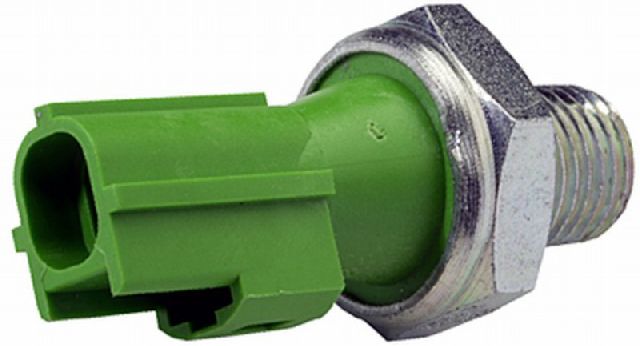
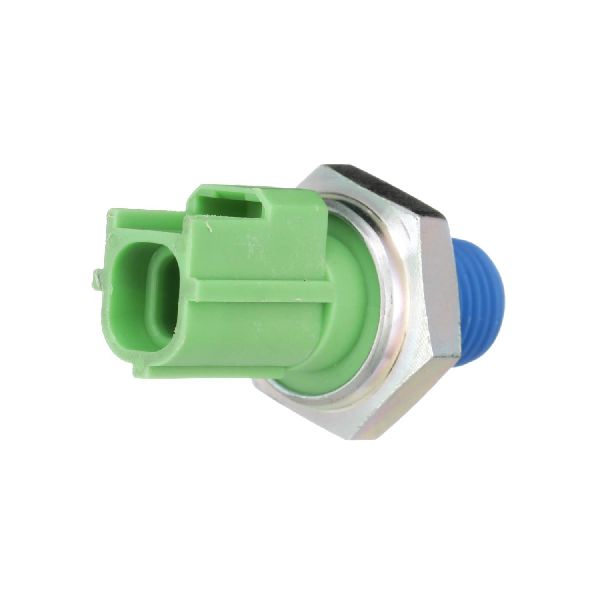
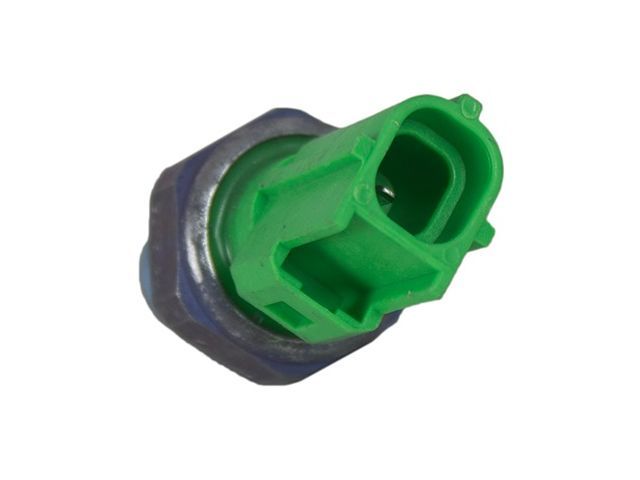
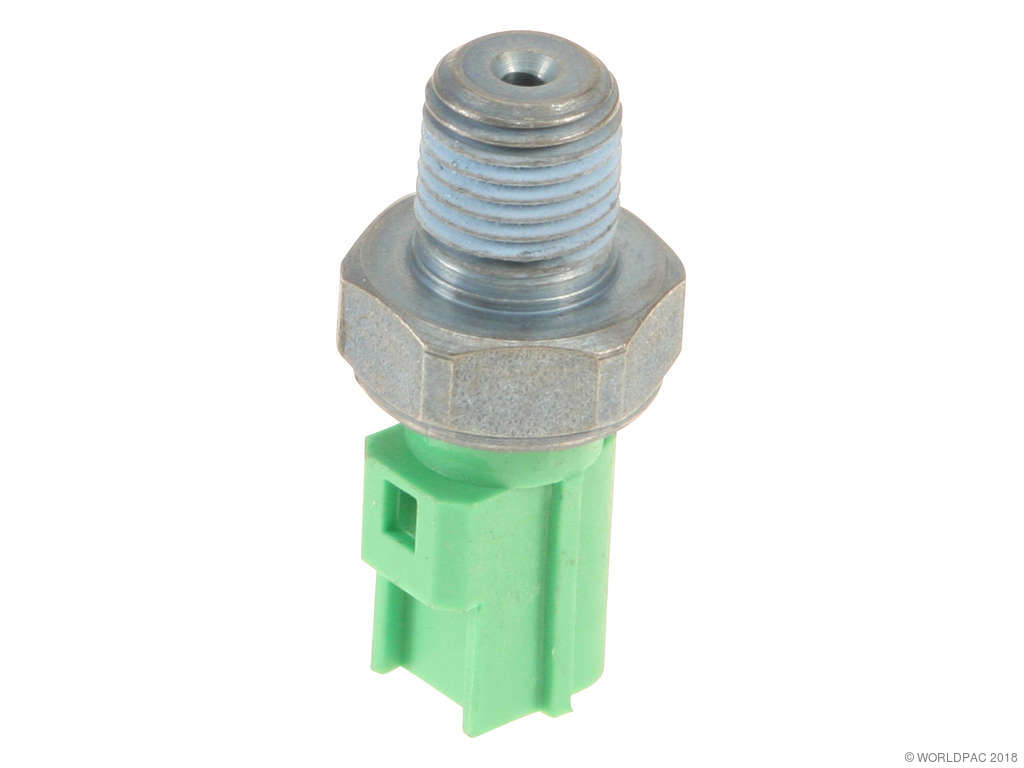
- Engine Oil Pressure Sensor / Switch
(OEM #CM5Z-9278-A (supersedes 3M51-9278-AC) or CM5Z-9D290-B)— This is the most common failure item for code P0520. It's a simple switch that fails over time due to heat and pressure cycles.
Trusted brands: Motorcraft, Bosch, Standard Motor Products (SMP), NTK
OEM price range: $30-$50
Aftermarket price range: $15-$35
Platform-Specific Known Issues
- The oil pressure sensor is located in a tight spot on the front of the engine, making access slightly difficult without first removing the lower splash shield.
- The plastic connector pigtail for the sensor is known to become extremely brittle from heat cycles. It is very common for the locking tab to snap off when you try to disconnect it. Be prepared to replace the pigtail connector if it breaks.
Mechanic-Grade Diagnostic Values
- Oil Pressure Switch State (via Scan Tool Live Data) — expected: Should read 'Off' or 'Low' with Key On, Engine Off. Should change to 'On' or 'OK' immediately after starting the engine.. Failure: If the state does not change when the engine starts, or if it flickers erratically while running, the sensor or circuit is faulty.
- Oil Pressure Switch Connector Voltage — expected: With the connector unplugged and Key On, Engine Off, one pin should have a reference voltage (typically 5V or 12V, check diagram). The other pin goes to the sensor.. Failure: No voltage at the reference pin indicates a wiring or PCM issue upstream. If voltage is present but the code persists with a new sensor, the signal wire to the PCM is likely open or shorted.
- New Oil Pressure Switch Installation Torque — expected: 15 Nm. Failure: Over-tightening can damage the new sensor or its threads. Under-tightening can cause a significant oil leak.
Wiring & Ground Locations
- G105 — Passenger side of the engine compartment, potentially on the cylinder head or inner fender.. This is a primary ground point for the PCM on some Focus models. A corroded or loose connection here can cause a loss of ground to the PCM, leading to various codes including P0520 and even a no-start condition with dashes on the odometer.
- G103 — Left side of the engine compartment.. This is another major engine compartment ground. While not directly tied to the PCM in all diagrams, a poor connection here can introduce electrical noise and intermittent issues across multiple engine sensors.
- S156 (Splice) — In the engine wiring harness, near the breakout for the oil pressure switch.. Factory splices can sometimes fail due to corrosion or vibration. If multiple components in the same part of the harness are acting up, or if voltage tests at the sensor are strange, this splice could be a point of failure.
Real Owner Repair Stories
- Reddit user in r/MechanicAdvice (2005 Ford Focus 2.0L) — Car shut off while driving, odometer showed '-------', no crank, no start.
❌ Tried (didn't work) Checking fuse 9 under the hood., Cleaning ground connections on the left strut tower.
✅ What actually fixed it The user found no ground at PCM pins 47, 48, and 49. Manually providing a ground allowed the car to start. The root cause was traced to a bad ground connection at G105 in the passenger side engine compartment.
OEM Part Supersession History
CM5Z-9278-A→CM5Z-9D290-B— Part revision and update by Ford.
Heads up: The newest part, CM5Z-9D290-B, is noted by Ford parts suppliers as coming 'Included with adapter', suggesting a potential change in the part's design that requires an adapter for proper fitment on some applications.CM5A-9D290-AA→CM5Z-9278-A— Early part number superseded in the system.
Model Year Variations Within This Range
- 2015-2017 (potentially): Some 2015-2017 Ford vehicles with 4 and 6 cylinder engines may use a sensor that requires a special 1-13/16 inch partial hex socket for removal due to tight clearances, instead of the more common 21mm deep socket.
Diagnostic Flowchart
Other Known Issues on This Vehicle
Issues unrelated to this code that are worth knowing about as an owner of this generation:
- DPS6 PowerShift Automatic Transmission Failure 🔴 High — Extremely common on automatic models. Issues like shuddering, hesitation, and complete failure can occur at any mileage. (Ref: Multiple TSBs and warranty extensions (e.g., 14M01, 14M02) were issued.)
- Faulty EVAP Purge Valve 🟠 Medium — Common failure item, often causing stalling after refueling, rough idle, and a Check Engine Light (e.g., P1450). (Ref: Ford issued recall 18S32 (later updated to 19S22) to reprogram the PCM and, if necessary, replace the valve and related components.)
- Collapsed Passenger-Side Engine Mount 🟠 Medium — Very common. The hydraulic mount fails, causing severe vibration at idle and clunking noises. Failure can occur as early as 30,000-50,000 miles. (Ref: No specific recall, but it is a widely documented failure.)
- Electronic Power Assisted Steering (EPAS) Failure 🔴 High — Less common than transmission issues, but a significant failure where power steering assist is suddenly lost, sometimes intermittently. (Ref: Multiple TSBs exist for diagnosing steering noises and issues, but no widespread recall for total failure.)
Used vs. New Parts: Buying Guide for This Vehicle
When a used part is the smart pick: For the wiring connector pigtail ONLY. If the original connector breaks during removal (a common issue), a used pigtail from a junkyard is a perfectly acceptable and cost-effective repair, provided the plastic isn't also brittle and the wires are in good condition.
Donor-vehicle mileage cap: roughly under 100000 miles for the part to have meaningful remaining life.
What to inspect on the donor part:
- For a pigtail: Check that the locking tab is intact and flexible.
- Inspect for at least 4-6 inches of clean, uncracked wire insulation.
- Ensure the connector terminals are free of green or white corrosion.
OEM-only on this vehicle (don't cheap out):
- Engine Oil Pressure Sensor/Switch
Aftermarket brands forum-validated for this vehicle:
- Motorcraft (OEM)
- Standard Motor Products (SMP)
- NTK
- Bosch
Brands owners have reported issues with on this vehicle:
- No-name, unbranded sensors from online marketplaces. While they may work initially, their calibration and longevity are highly questionable and not worth the risk for a critical engine sensor.
Real Owner Stories
Aggregated from forums and TSBs cited above. Mileages and costs reflect what owners reported in those sources.
2016 Ford Focus 2.0L GDI
Symptoms: While discussing a separate EVAP issue, it was noted that common platform components like the purge valve and sensors are frequent failure points.
What fixed it: Replacement of the faulty component (purge valve mentioned as a 5-minute fix in context of platform reliability).
Source hint: Reddit r/FordFocus - EVAP purge valve stuck open?
Related OBD-II Codes
Frequently Asked Questions
Where is the oil pressure sensor located on my 2012-2018 Ford Focus 2.0L GDI?
Is there a recall for the P0520 code on this vehicle?
What size tools do I need to replace the oil pressure switch?
Can I use a used oil pressure sensor from a junkyard?
Why did my oil pressure connector break when I tried to unplug it?
What type of oil should I be using to avoid pressure-related circuit codes?
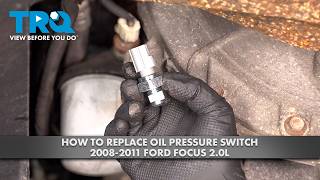
Helpful Videos
We Have This Part in Stock


The information in this article is provided for general reference and educational purposes only. Vehicle specifications, procedures, and part compatibility can vary by production date, trim level, and region. Always consult your vehicle's factory service manual and verify part numbers before purchasing or performing repairs. Safety-critical components such as airbags, seat belts, and braking systems should be installed by a qualified professional.
- Ford Focus:
- 🧭 Diagnostic Flowchart
- 🎬 Helpful Videos
- 🛍️ Shop This Part
- What's Unique About the 2012-2018 Ford Focus
- Symptoms You May Notice
- Most Likely Causes
- Rare But Worth Checking
- Diagnosis Steps
- Parts You'll Likely Need
- Platform-Specific Known Issues
- Mechanic-Grade Diagnostic Values
- Wiring & Ground Locations
- Real Owner Repair Stories
- OEM Part Supersession History
- Model Year Variations Within This Range
- Other Known Issues on This Vehicle
- Used vs. New Parts: Buying Guide for This Vehicle
- Real Owner Stories
- 2016 Ford Focus 2.0L GDI
- Related OBD-II Codes
- Frequently Asked Questions
- 🎟️ Get 5% Off