

P0520 on 2017-2020 Genesis G80 3.8L: Engine Oil Pressure Sensor Circuit Causes and Fixes
On a 2017-2020 Genesis G80 3.8L, code P0520 is almost always caused by a failed engine oil pressure sensor. This is an extremely common failure for the Lambda V6 engine family. The part is relatively inexpensive, but it is buried under the upper and lower intake manifolds, making replacement a labor-intensive job costing between $700 and $1,500, with some dealer quotes reportedly exceeding $2,000.
- Do NOT drive your vehicle with code P0520. Immediately have the actual oil pressure tested with a mechanical gauge.
- This code on a G80 3.8L almost always means the oil pressure sensor has failed, which is an extremely common and well-documented issue for this engine.
- The repair is very labor-intensive and therefore expensive, typically costing over $1,000 due to the sensor's location under the intake manifolds.
- Always use a genuine OEM replacement sensor (94751-3C000) and replace the intake gaskets at the same time to ensure a lasting repair.
What's Unique About the 2017-2020 Genesis G80
The Genesis G80 with the Lambda V6 engine is notorious for premature oil pressure sensor failure. The sensor is located deep within the hot 'V' of the engine valley, underneath the entire intake manifold assembly. This location exposes the sensor to extreme heat cycles, which leads to the failure of its internal electronics or seals, causing oil to leak into the connector. The issue is so common that it has prompted legal investigations and a recall in South Korea, although not in the United States. Forum and video evidence shows this problem affects the entire Hyundai/Genesis/Kia lineup using this engine, with the classic symptom being a flickering oil light at warm idle that vanishes with a slight increase in RPM.
Symptoms You May Notice
- Check Engine Light is on.
- Oil pressure warning light is on or flickering, especially at warm idle or low RPMs.
- Oil pressure light goes off when accelerating or raising RPMs slightly above idle.
- Oil pressure gauge (if equipped) reads zero or an incorrect value.
- Vehicle may enter a reduced power or 'limp' mode.
- Replacing the oil pump. The P0520 code points to an electrical circuit issue, not a mechanical failure like a bad pump. Always verify actual pressure with a mechanical gauge first.
- Replacing the rear main seal. A leaking oil pressure sensor in the engine valley can drip oil down the back of the engine, mimicking a rear main seal leak. 🎬 See how to diagnose this oil light problem
Most Likely Causes
- Failing Engine Oil Pressure Sensor 🔴 High Probability The sensor is located in a high-heat area under the intake manifold, leading to premature failure from heat degradation. The internal seals fail, allowing oil to seep into the electrical portion of the sensor and its connector, causing a circuit fault. This is a widely documented issue for this engine family.
How to confirm: After confirming actual oil pressure is good with a mechanical gauge, the sensor is the primary suspect. A technician may use a borescope to check for oil leaking from the sensor itself, which is a definitive sign of failure. If the intake is removed, visible oil inside the electrical connector confirms the failure.
Typical fix: Replace the engine oil pressure sensor and the necessary upper and lower intake manifold gaskets. It is strongly recommended to use a genuine OEM sensor to avoid premature failure of aftermarket parts.
Est. part cost: $50-$100 - Wiring or Connector Issue ⚪ Low Probability The sensor's connector can become contaminated with oil when the sensor's internal seal fails, leading to a poor connection or short circuit. Rodent damage to wiring in the engine valley is also possible, though less common. The harness itself can become brittle from constant heat exposure.
How to confirm: Visually inspect the sensor's electrical connector for oil saturation, corrosion, or damage once the intake manifold is removed. Test for 5V reference, ground, and signal continuity at the connector.
Typical fix: Clean the oil out of the connector with electrical contact cleaner and replace the failed sensor. If wiring is damaged, repair or replace the affected section of the harness. A dedicated pigtail harness is available (Part No. 94760-3L000).
Est. part cost: $10-$50
Rare But Worth Checking
- Powertrain Control Module (PCM) Fault: → Shop Engine Control Module (ECM) This is extremely rare. The PCM should only be considered after all other possibilities, including the sensor and wiring, have been exhaustively tested and ruled out.
Diagnosis Steps
- Check the engine oil level and condition. Ensure the oil is full and not overdue for a change.
- CRITICAL: Do not proceed without this step. Connect a mechanical oil pressure gauge to the engine. Start the engine and verify that the actual oil pressure is within the manufacturer's specifications at both idle and higher RPMs (e.g., >11-15 PSI at warm idle).
- If oil pressure is confirmed to be good, the problem is electrical and it is safe to proceed with diagnosis. If oil pressure is low, stop immediately and diagnose the mechanical cause (e.g., oil pump, pickup tube, internal engine wear).
- If oil pressure is good, the next step is to access the oil pressure sensor. This requires removing the upper and lower intake manifolds.
- Inspect the oil pressure sensor and its electrical connector. Look for oil leaking from the sensor itself or oil contamination inside the connector. Oil presence is a very strong indicator of a failed sensor.
- If the sensor is leaking or the connector is full of oil, replace the sensor. It is best practice to also replace the intake manifold gaskets at this time.
- If no visible issues are found, test the sensor's circuit. Check for the correct reference voltage (typically 5V) from the PCM, check for a good ground, and test the signal wire for continuity back to the PCM.
- If the wiring and sensor are confirmed to be good, the issue may lie with the PCM, but this is highly unlikely.
Parts You'll Likely Need
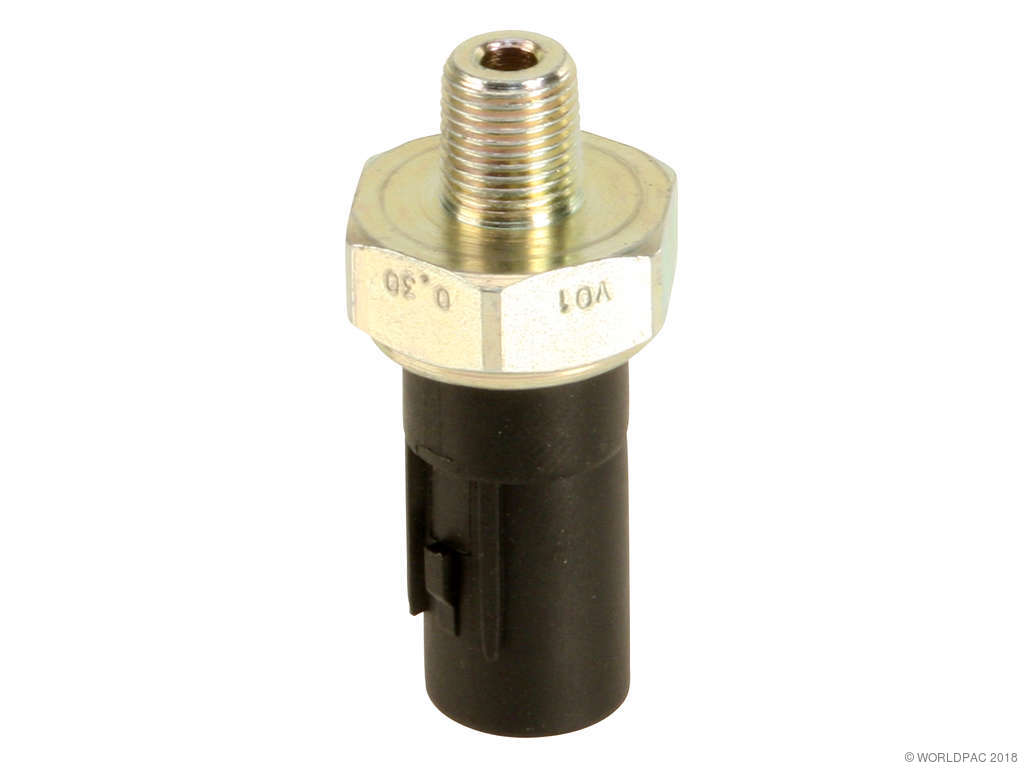
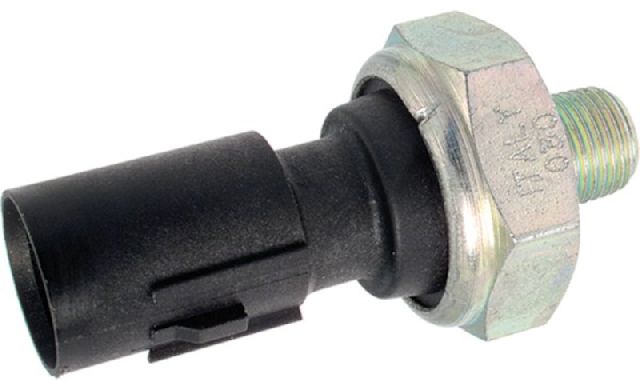
- Engine Oil Pressure Sensor/Switch
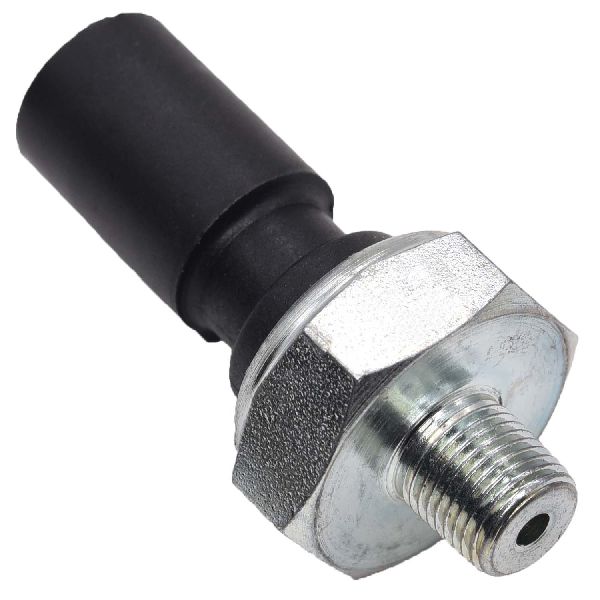
(OEM #94751-3C000)— This is the most common failure point for code P0520 on this engine due to its design and location. It is highly recommended to use the OEM part.
Trusted brands: Hyundai/Kia Genuine
OEM price range: $70-$100
Aftermarket price range: $40-$80 - Upper and Lower Intake Manifold Gaskets
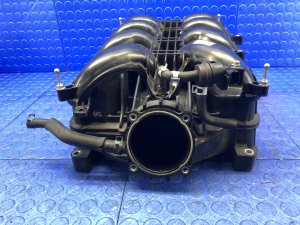
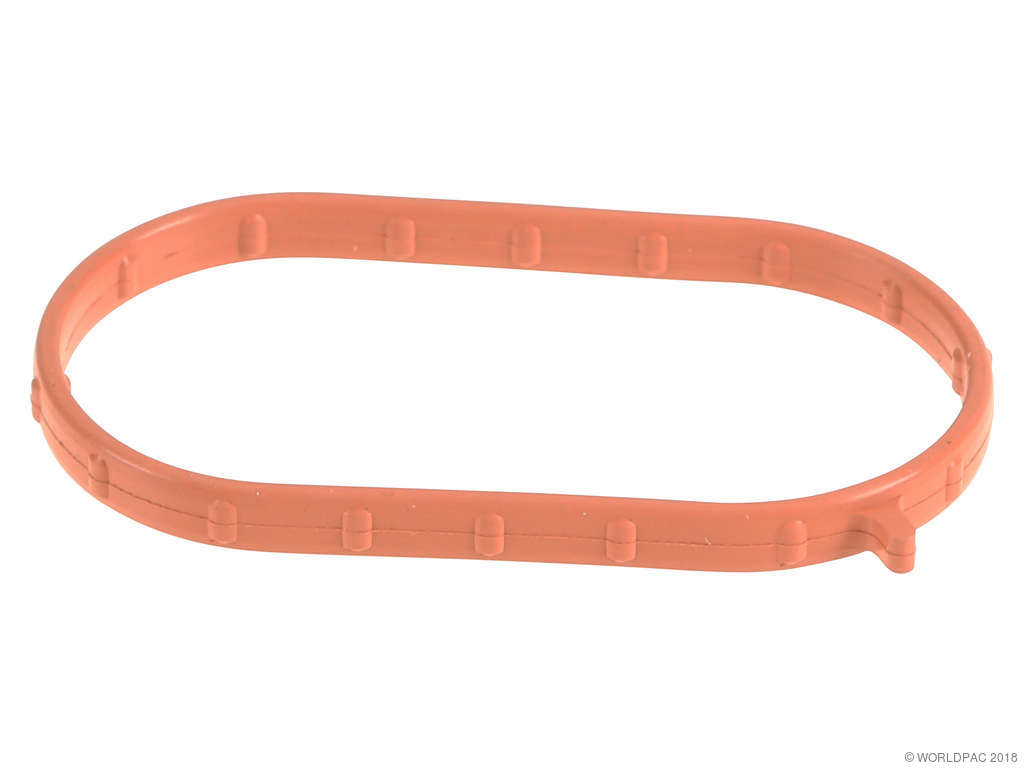
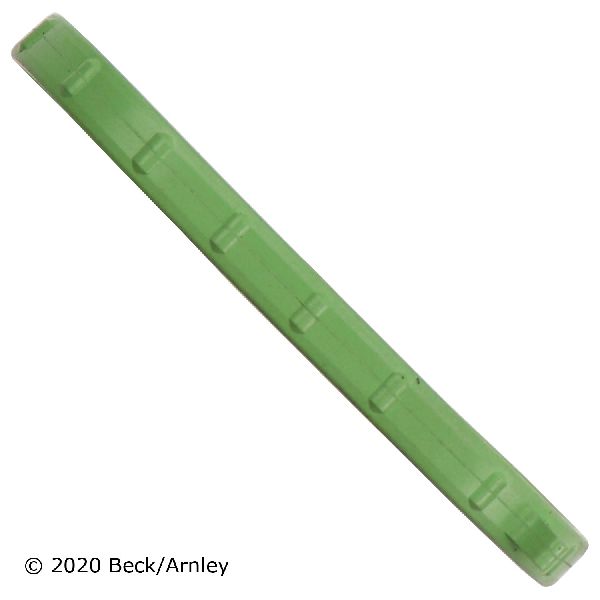
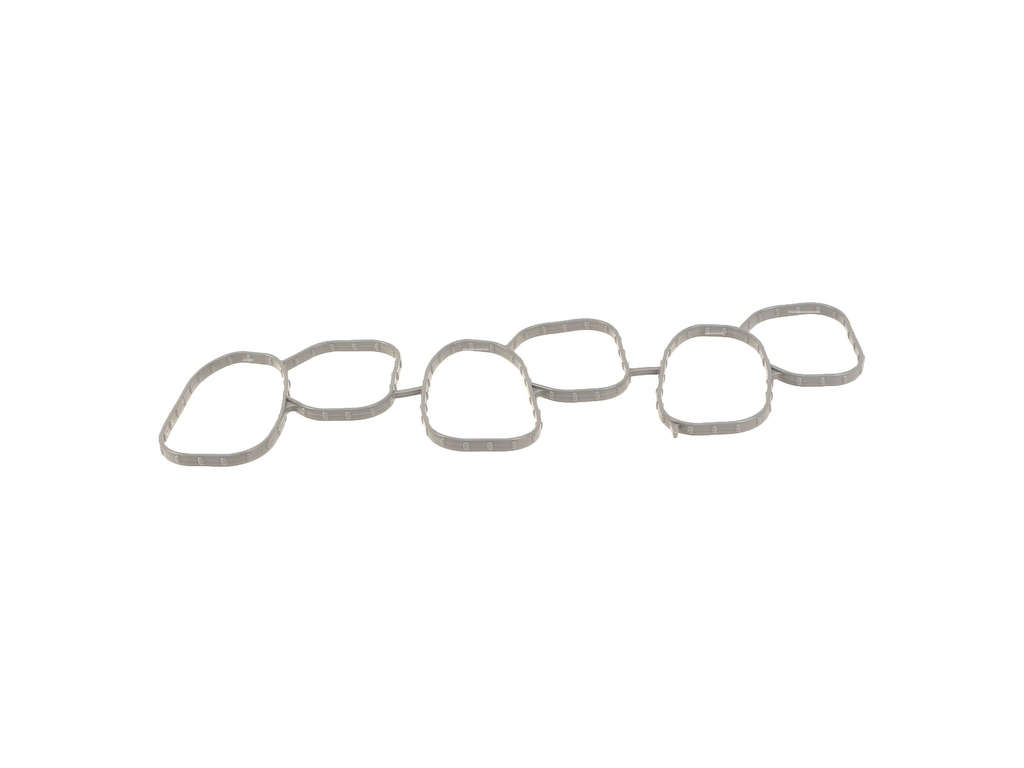
(OEM #Upper (Surge Tank): 29215-3L100, Lower: 28411-3L100)— These must be replaced anytime the intake manifold is removed to access the oil pressure sensor to prevent vacuum leaks.
Trusted brands: Hyundai/Kia Genuine, Fel-Pro (MS 98020)
OEM price range: $50-$80
Aftermarket price range: $20-$60
Related Codes That Often Appear With This One
- P0521 — This code for 'Engine Oil Pressure Sensor/Switch Range/Performance' can appear if the failing sensor provides readings that are erratic but not completely outside the electrical circuit's specifications. It's often triggered by the same failure.
- P0524 — This code for 'Engine Oil Pressure Too Low' is the most critical. If seen with P0520, it increases the urgency to stop the engine immediately and verify mechanical oil pressure, as it could indicate a true, engine-threatening low-pressure condition.
- P0522 — Indicates 'Engine Oil Pressure Sensor/Switch Circuit Low Voltage'. This can be caused by the same failure mode where oil contaminates the connector, causing a short to ground.
Technical Service Bulletins (TSBs) & Recalls
- While not a TSB for this specific model, Kia TSB ENG237 for the same engine family warns technicians to check the oil pressure switch with a borescope to avoid misdiagnosing a leak as a rear main seal issue.
- No specific TSB for P0520 on the G80 was found, as the issue is typically handled as a standard component failure diagnosis despite its high frequency.
Platform-Specific Known Issues
- A recall for a faulty oil pressure sensor causing a warning light at idle was issued for the Genesis G80 in South Korea, but no such recall has been issued in the United States.
- The failure of this sensor is common enough that law firms are actively investigating it as a potential manufacturing defect.
- Owner forums and YouTube videos are filled with examples of this exact failure, with many owners sharing dealer repair quotes ranging from $1,200 to over $2,600 for the job. 🎬 Watch a mechanic diagnose the G80 oil light
- The symptom of the oil light flickering at warm idle and disappearing with a slight throttle increase is the classic sign of this specific sensor failure on the Lambda V6 engine.
Mechanic-Grade Diagnostic Values
- Mechanical Oil Pressure (Warm Idle) — expected: > 11-15 PSI. Failure: Pressure below this range indicates a mechanical engine problem, not a sensor circuit fault. If pressure is good while the warning light is on, the sensor is faulty.
- Mechanical Oil Pressure (Warm, at 3,000 RPM) — expected: > 35 PSI. Failure: Pressure below this range under load could indicate a failing oil pump or clogged passages.
- Oil Pressure Sensor Reference Voltage (at connector pin 3, Brown wire) — expected: 5.0V with Key On, Engine Off. Failure: A reading significantly different from 5.0V indicates a problem with the PCM or the wiring between the PCM and the sensor.
- Oil Pressure Sensor Signal Voltage (at connector pin 1, Green wire) — expected: ~0.5V at 0 PSI (KOEO), voltage increases with pressure (~2.5V at 72 PSI).. Failure: A reading of 0V or 5V with the sensor connected indicates a short or open circuit. A static voltage that doesn't change with RPM indicates a failed sensor.
Scan Tool Commands That Help
- Hyundai GDS (or equivalent advanced scanner): Live Data / Current Data Analysis — Use this to monitor the 'Engine Oil Pressure - Measured' PID in real-time. Compare the scan tool's reading to a mechanical gauge's reading. A significant discrepancy confirms a faulty sensor or circuit.
- Hyundai GDS (or equivalent advanced scanner): Resetting Adaptive Values — While not strictly required for an oil pressure sensor replacement, it can be beneficial to reset the PCM's learned values after the repair is complete to ensure the system starts fresh with the new sensor's data.
Wiring & Ground Locations
- Oil Pressure Sensor Connector (C159) — Deep in the engine valley, between the cylinder heads, underneath the lower intake manifold.. This 3-wire connector is the primary point of failure when the sensor's internal seal breaks and leaks oil directly into it, causing a short circuit and triggering P0520.
- Sensor Connector Pinout — At the sensor connector under the intake manifold.. Pin 1: Signal (Green wire), Pin 2: Ground (Black wire), Pin 3: 5V Reference (Brown wire). Knowing the pinout is essential for testing the circuit for power, ground, and signal continuity back to the PCM.
- Engine Ground (G104) — Typically located on the intake manifold or a cylinder head.. A poor or corroded main engine ground can cause a variety of erratic sensor readings, including the oil pressure sensor. This should be checked as a basic step in any electrical diagnosis.
Real Owner Repair Stories
- GenesisOwners.com forum user (2015 Genesis 3.8L (Same engine/issue as 2017-2020 G80), 80,000 miles) — Flickering oil pressure light at warm idle, which would disappear as soon as RPMs were raised. No audible engine noise.
❌ Tried (didn't work) Initial diagnosis was uncertain. Owner was quoted $1,300 by a dealer.
✅ What actually fixed it An independent shop replaced the oil pressure sensor located under the intake manifold for $750. The mechanic confirmed it was the common failure point. The replacement part used was OEM, and the intake manifold gaskets were also replaced as part of the job.
OEM Part Supersession History
94750-37000, 94750-37100→94751-3C000— Part consolidation and potential design updates for reliability across multiple Hyundai/Kia/Genesis models with Lambda engines.
Heads up: Using older part numbers is not recommended. Always verify the correct, most current part number with a dealer using the vehicle's VIN before ordering.N/A→94760-3C801 (Harness/Pigtail)— A repair harness is made available for cases where the original connector is saturated with oil and cannot be salvaged by cleaning, or if the wiring has become brittle from heat.
Heads up: This is the repair pigtail for the sensor connector. The Pass 2 document cited 94760-3L000, but 94760-3C801 is also listed for the G80. Verify with VIN.
Diagnostic Flowchart
Other Known Issues on This Vehicle
Issues unrelated to this code that are worth knowing about as an owner of this generation:
- GDI Intake Valve Carbon Buildup 🟠 Medium — Inherent to all GDI engines. Typically requires cleaning between 60,000 and 100,000 miles to prevent rough idle, hesitation, or misfires.
- Harsh/Jerky Low-Speed Transmission Shifting 🟠 Medium — Common complaint from owners, particularly with the 8-speed automatic at low speeds or from a stop. Can manifest at various mileages (e.g., 40k-70k miles). Some cases required transmission replacement under warranty. (Ref: A TSB for solenoid replacement exists for some models, but may not solve all instances.)
- A/C Not Blowing Cold on Long Drives 🟠 Medium — A frequently reported issue where the A/C system stops cooling effectively during long drives in hot, humid weather, often attributed to a freezing evaporator.
- Panoramic Sunroof Creaks and Rattles 🟡 Low — A common annoyance where the sunroof assembly develops creaks and rattles, especially when the vehicle body flexes or gets hot. (Ref: A TSB for a shim kit fix exists for some earlier models.)
- ABS Module Electrical Short (Recall) 🔴 High — Affects certain 2017-2018 models. An electrical short can occur in the ABS module, increasing the risk of an engine compartment fire while parked or driving. (Ref: NHTSA ID: 21V160000)
- Laggy Infotainment System 🟡 Low — Owners of earlier models (especially 2017-2018) report that the standard 8-inch touchscreen can be slow to respond, lag on startup, and have glitches with Apple CarPlay/Android Auto.
Used vs. New Parts: Buying Guide for This Vehicle
When a used part is the smart pick: For this specific repair, using a used part is never a smart choice. The primary cost of the repair is the 4-6 hours of labor to access the sensor. The risk of a used sensor failing shortly after installation far outweighs the minimal cost savings over a new OEM part.
What to inspect on the donor part:
- Not applicable. Do not use a salvaged oil pressure sensor for this repair.
OEM-only on this vehicle (don't cheap out):
- Engine Oil Pressure Sensor: This is a critical, high-failure-rate part buried deep in the engine. Forum consensus and professional mechanic advice overwhelmingly recommend using only a genuine Hyundai/Kia OEM sensor to avoid premature failure and repeating the expensive labor.
Aftermarket brands forum-validated for this vehicle:
- Fel-Pro: For the upper and lower intake manifold gaskets, Fel-Pro is a widely trusted and reliable aftermarket alternative to OEM.
Brands owners have reported issues with on this vehicle:
- No-name/white-box brands: Avoid inexpensive, unbranded sensors from online marketplaces. The quality control is often poor, and failure rates are reportedly high, making them a significant gamble given the labor-intensive nature of the replacement.
Real Owner Stories
Aggregated from forums and TSBs cited above. Mileages and costs reflect what owners reported in those sources.
2015 Hyundai Genesis Sedan 3.8L V6
Symptoms: Oil light problem and received a very high repair quote from the dealer.
What fixed it: Replacement of the oil pressure sensor located under the intake manifold.
Cost: $2,600-$2,600
Source hint: YouTube video 'Genesis G80 Oil Light PROBLEM and How to Fix it' by 'Honest Car Guy Reviews'
Genesis G80 3.8L V6
Symptoms: Oil pressure warning light flickering specifically at warm idle or low RPMs, but disappearing when accelerating.
What fixed it: Replacement of the engine oil pressure sensor and intake manifold gaskets.
Source hint: Vehicle_specific_issues
Genesis G80 3.8L V6
Symptoms: Owners discussing high labor costs and the difficulty of accessing the sensor location in the engine valley.
What fixed it: Replacing the oil pressure switch (sensor) and cleaning oil out of the electrical connector.
Cost: $1,200-$2,600
Source hint: r/genesisg80 on Reddit
Related OBD-II Codes
Frequently Asked Questions
Is there a recall for the oil pressure sensor on my US-market 2017-2020 Genesis G80?
Why is the repair estimate for a simple sensor so high on the 3.8L V6?
Does Kia TSB ENG237 apply to my Genesis G80 P0520 diagnosis?
Should I use an aftermarket sensor to save money on this repair?
What specific part is needed if the wiring connector is soaked in oil?
My oil light only flickers at warm idle but goes away when I drive. Is this P0520?
Helpful Videos
Used OEM Parts in Stock
New Aftermarket Parts Available

The information in this article is provided for general reference and educational purposes only. Vehicle specifications, procedures, and part compatibility can vary by production date, trim level, and region. Always consult your vehicle's factory service manual and verify part numbers before purchasing or performing repairs. Safety-critical components such as airbags, seat belts, and braking systems should be installed by a qualified professional.
- Genesis G80:
- 🧭 Diagnostic Flowchart
- 🎬 Helpful Videos
- 🛍️ Shop This Part
- What's Unique About the 2017-2020 Genesis G80
- Symptoms You May Notice
- Most Likely Causes
- Rare But Worth Checking
- Diagnosis Steps
- Parts You'll Likely Need
- Related Codes That Often Appear With This One
- Technical Service Bulletins (TSBs) & Recalls
- Platform-Specific Known Issues
- Mechanic-Grade Diagnostic Values
- Scan Tool Commands That Help
- Wiring & Ground Locations
- Real Owner Repair Stories
- OEM Part Supersession History
- Other Known Issues on This Vehicle
- Used vs. New Parts: Buying Guide for This Vehicle
- Real Owner Stories
- 2015 Hyundai Genesis Sedan 3.8L V6
- Genesis G80 3.8L V6
- Genesis G80 3.8L V6
- Related OBD-II Codes
- Frequently Asked Questions
- 🎟️ Get 5% Off