

P0520 on 2010-2016 Hyundai Genesis Coupe 3.8L: Engine Oil Pressure Sensor Circuit Guide
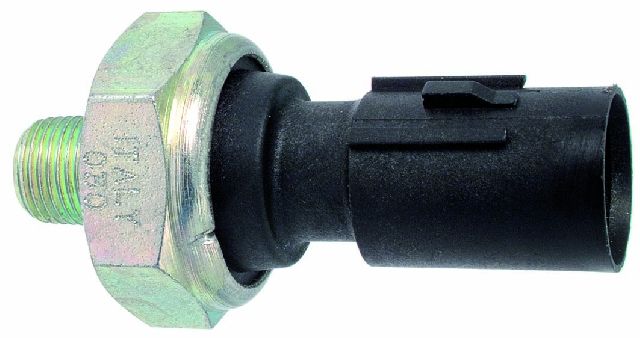
On the 3.8L Genesis Coupe, P0520 almost always means the oil pressure sensor has failed. The classic symptom is a flickering oil light at warm idle. The part is cheap (~$55 OEM), but it is buried under the intake manifold, making the repair a labor-intensive job (4-6+ hours, ~$800-$1500 at a shop).
- P0520 on a 3.8L Genesis Coupe is almost certainly a failed oil pressure sensor.
- The most important step is to verify real oil pressure with a mechanical gauge before starting any repair. This rules out a serious engine problem.
- The sensor is located under the intake manifold, making the repair very labor-intensive and expensive if done at a shop.
- Due to the high labor cost, you should always use a genuine Hyundai (OEM) replacement sensor to avoid doing the job twice.
- You will also need to replace the upper and lower intake manifold gaskets as part of the job.
What's Unique About the 2010-2016 Hyundai Genesis Coupe
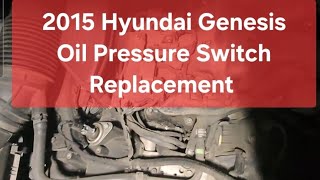
On the Genesis Coupe 3.8L Lambda V6, this code is exceptionally common and almost always leads back to a single, well-documented failure point: the oil pressure sensor itself. Unlike in many other vehicles where wiring or other issues are equally likely, the sensor on this platform is known for premature failure, likely due to its location deep in the hot engine valley, underneath the upper and lower intake manifolds. The symptom of a flickering oil light at idle that disappears with a bit of throttle is a classic sign of this specific failure 🎬 See how to identify and fix a flickering oil light on this car.
Generation note: The 2010-2016 range covers the BK1 (2010-2012, MPi engine) and BK2 (2013-2016, GDi engine) generations. While the oil pressure sensor is a common failure on both, the procedure to replace it differs due to significant differences in the intake manifold design. The repair is generally more complex and time-consuming on the BK2 GDi models 🎬 Watch: Step-by-step DIY guide for replacing the sensor on GDi models due to additional components and wiring.
Symptoms You May Notice
- Check Engine Light is on
- Oil pressure warning light on the dashboard, often flickering at warm idle
- Oil pressure gauge (if equipped) reading erratically or at zero
- In rare cases of actual low pressure, engine knocking or ticking noises
- Replacing the engine oil pump without first verifying low pressure with a mechanical gauge.
- Assuming the engine is failing when it is most often just a faulty sensor.
- Misdiagnosing a leaking oil pressure sensor as a rear main seal leak. Oil from a failed sensor can drip down a weep hole in the engine block that exits near the transmission bellhousing.
Most Likely Causes
- Failed Engine Oil Pressure Sensor 🔴 High Probability The sensor is a widely documented failure point on the 3.8L Lambda V6, likely due to heat exposure from its location under the intake manifold. The internal seals of the sensor can fail, allowing oil to leak into the electrical connector, causing a short.
How to confirm: The definitive test is to compare the sensor's reading on a scan tool to a reading from a mechanical oil pressure gauge. If the mechanical gauge shows good pressure while the code is present or the dash light is on, the sensor is bad. Visually inspecting the sensor's electrical connector for oil contamination is another strong indicator of internal failure.
Typical fix: Replace the engine oil pressure sensor. Due to the high labor involved, using a genuine Hyundai OEM part is strongly recommended to avoid repeat failure.
Est. part cost: $45-$70 - Damaged Wiring or Connector ⚪ Low Probability The wiring harness is subjected to high heat in the engine valley, which can cause insulation to become brittle and crack over time. Oil leaking from a failed sensor can also saturate and damage the connector pigtail.
How to confirm: Visually inspect the wiring leading to the oil pressure sensor for any signs of cracking, melting, or corrosion at the connector. A wiggle test on the harness while the engine is running may cause the oil light or pressure reading to flicker, confirming a wiring issue.
Typical fix: Repair the damaged section of the wiring harness using solder and heat-shrink tubing. If the connector is damaged or full of oil, it should be replaced.
Est. part cost: $10-$50 - Low Engine Oil Level or Incorrect Oil ⚪ Low Probability
How to confirm: Check the engine oil level using the dipstick. Verify that the engine oil used meets the manufacturer's specified viscosity (e.g., 5W-20 or 5W-30, check owner's manual).
Typical fix: Top off or change the engine oil and replace the filter with a quality part. Using an incorrect or poor-quality oil filter can sometimes cause pressure issues, particularly at startup.
Est. part cost: $40-$80
Rare But Worth Checking
- Failing Oil Pump or Internal Engine Wear: This is a rare but critical possibility. If a mechanical gauge confirms that the oil pressure is actually low, the engine has a serious mechanical problem that requires immediate attention to prevent total failure. Stop the engine immediately if this is the case.
- Faulty Powertrain Control Module (PCM): → Shop Engine Control Module (ECM) This is extremely unlikely. The PCM should only be considered as a potential cause after all other possibilities (sensor, wiring, and actual oil pressure) have been definitively ruled out.
Diagnosis Steps
- Check the engine oil level and condition. Top off or change if necessary.
- Scan the ECM for any other trouble codes. Address other codes first if they are present.
- Connect a scan tool to observe the live data from the oil pressure sensor. Note the reading at idle and with the engine revved.
- CRITICAL: Connect a mechanical oil pressure gauge to the engine. This is the most important step.
- Compare the mechanical gauge reading to the scan tool data. If the mechanical gauge shows stable, normal pressure (e.g., >15 PSI at warm idle) while the scan tool shows an erratic or incorrect reading, the sensor or its wiring is the fault.
- If the mechanical gauge confirms low oil pressure, stop the engine immediately. The problem is mechanical and requires engine diagnosis.
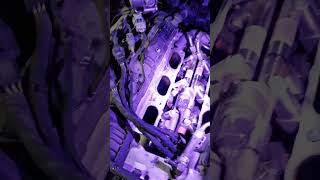
- If the sensor is the suspected cause, gain access to it by removing the upper 🎬 Watch: This video shows the exact sensor location and removal process and lower intake manifolds.
- Inspect the sensor's electrical connector for oil saturation, corrosion, or damage. Oil inside the connector confirms the sensor has failed internally.
- If no obvious damage is found, test the sensor's circuit for proper voltage, ground, and signal continuity back to the ECM.
Parts You'll Likely Need
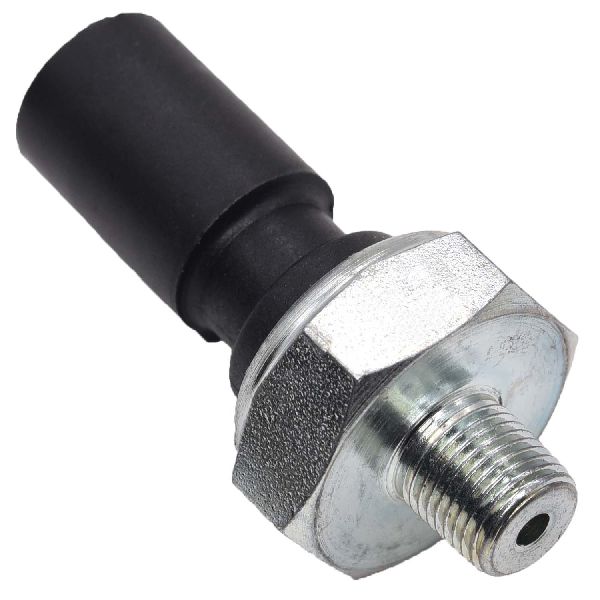
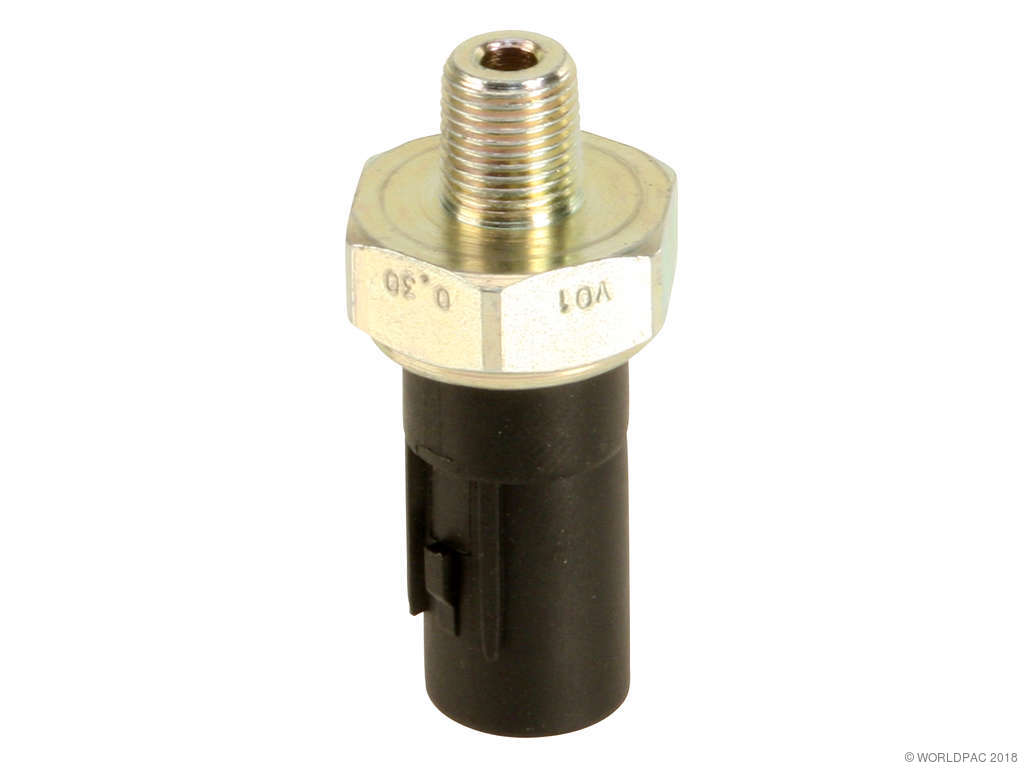
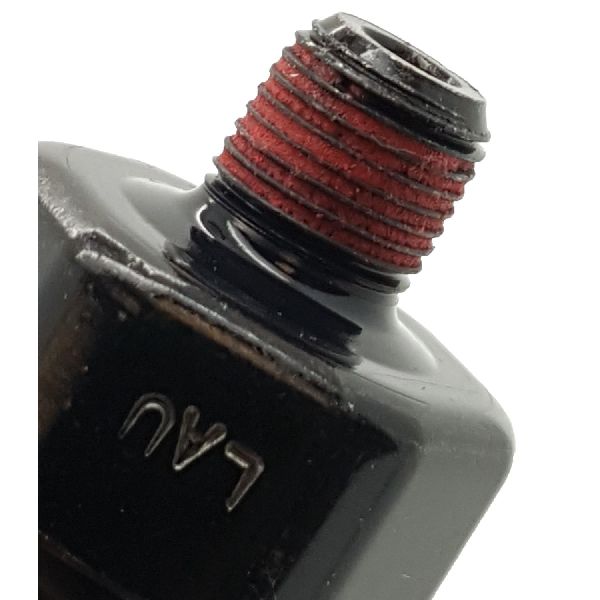
- Engine Oil Pressure Sensor
(OEM #94750-37100 (supersedes 94750-37000))— This sensor is the most common failure point for code P0520 on this specific engine. Its location in the hot engine valley leads to premature failure.
Trusted brands: Genuine Hyundai
OEM price range: $50-$65
Aftermarket price range: $20-$40 - Upper and Lower Intake Manifold Gaskets
(OEM #BK1 (MPI): 29215-3C100 (Upper), 28411-3C100 (Lower, Qty 2). BK2 (GDI): 29215-3C600 (Upper), 28411-3C200 (Lower, Qty 2))— These must be replaced any time the intake manifold is removed to access the oil pressure sensor. Reusing old gaskets will cause vacuum leaks.
Trusted brands: Genuine Hyundai, Fel-Pro
OEM price range: $40-$80
Aftermarket price range: $20-$50
Related Codes That Often Appear With This One
- P0521 — Stands for 'Engine Oil Pressure Sensor/Switch Range/Performance'. This code is often triggered by the same failing sensor that causes P0520, as the sensor's readings become erratic.
- P0522 — Stands for 'Engine Oil Pressure Sensor/Switch Low Voltage'. This often indicates the sensor has failed internally or there is a short in the wiring. Oil leaking into the sensor's connector is a common cause.
Technical Service Bulletins (TSBs) & Recalls
- While no specific TSB for P0520 on the Genesis Coupe is widely cited, the issue of failing oil pressure sensors on Lambda engines is well-known. A TSB for aftermarket oil filters causing startup noise exists, highlighting the engine's sensitivity to proper oil circulation. A Chrysler TSB (18-034-14) for P0520 on their vehicles also points to replacing the sensor with a revised part, indicating sensor failure is a common root cause across manufacturers.
Mechanic-Grade Diagnostic Values
- Mechanical Oil Pressure, Warm Idle — expected: ~30 PSI. Failure: Significantly lower pressure indicates a mechanical engine issue, not a sensor fault.
- Mechanical Oil Pressure, Cold Start — expected: ~100 PSI. Failure: N/A - This is a reference value for a healthy engine.
- Oil Pressure Sensor Signal Wire Voltage (Key-On, Engine-Off) — expected: ~0.4V - 0.5V. Failure: 0V or 5V indicates a circuit short or open. A significantly different voltage suggests a faulty sensor.
- Oil Pressure Sensor Reference Wire Voltage — expected: 5.0V. Failure: Voltage significantly lower than 5.0V (e.g., 3.8V) can indicate a short in the harness or another sensor on the same circuit pulling down the voltage.
Scan Tool Commands That Help
- Hyundai GDS (Global Diagnostic System): Live Data Monitoring — While P0520 indicates a circuit fault, the dealer-level GDS can monitor the PCM's interpretation of the oil pressure circuit status in real-time. This can help differentiate between an intermittent wiring fault and a hard sensor failure, though no specific bidirectional test for the sensor exists.
Wiring & Ground Locations
- Engine Ground Strap (Main) — There are several key ground points. A primary one connects the chassis to the engine block. Aftermarket grounding kits often add points to the starter, injectors, and ECU ground.. A poor engine ground can cause floating voltages and erratic readings on various sensors, including the oil pressure sensor. While not the most common cause for P0520, ensuring main engine grounds are clean and tight is a fundamental step in diagnosing any electrical fault.
- Ghg03 (Ground) — A wiring diagram indicates a ground point designated 'Ghg03' is located at the left rear of the engine.. This ground point is in the general vicinity of the engine harness that includes the oil pressure sensor wiring. Corrosion or a loose connection at this specific point could potentially affect the sensor's ground reference.
- Oil Pressure Sensor Connector — Deep in the engine valley, under the upper and lower intake manifolds.. This is the primary point of failure. The connector has three pins: 5V reference, ground, and signal output. Oil leaking into this connector from a failed sensor is the most common cause of the circuit malfunction that triggers P0520.
Real Owner Repair Stories
- Reddit user u/TriChiBrewer191 on r/genesiscoupe (Hyundai Genesis Coupe 3.8L (year not specified, but within 2010-2016 range)) — Oil light kept coming on. Oil was observed leaking and appeared to be from the rear main seal, dripping from the bellhousing area.
❌ Tried (didn't work) Initial diagnosis pointed towards a rear main seal leak.
✅ What actually fixed it The user correctly identified from forum research that the oil pressure switch was the likely culprit. Replacing the oil pressure switch (a ~$12 part) resolved the issue. The user also replaced the intake gaskets and spark plugs during the labor-intensive job.
OEM Part Supersession History
94750-37000→94750-37100— The newer part offers improved reliability and performance in monitoring oil pressure. This suggests the original part had known issues.
Heads up: There is no incompatibility; 94750-37100 is the direct, improved replacement for 94750-37000.
Model Year Variations Within This Range
- 2013-2016 (BK2): The BK2 engine is a Gasoline Direct Injection (GDI) unit, while the BK1 is Multi-Port Injection (MPI). This results in a completely different intake manifold design, a high-pressure fuel pump, and different fuel rails. While the P0520 cause (bad sensor) is the same, the labor to access it is more complex on the BK2 due to these additional GDI components in the engine valley.
Diagnostic Flowchart
Other Known Issues on This Vehicle
Issues unrelated to this code that are worth knowing about as an owner of this generation:
- Timing Chain Tensioner Wear / Startup Rattle (BK1) 🔴 High — Common on BK1 (2010-2012) models, typically appearing after 60,000-100,000 miles. Manifests as a brief rattling noise on cold starts.
- Carbon Buildup on Intake Valves (BK2 GDI) 🟠 Medium — An inherent issue with all Gasoline Direct Injection (GDI) engines. Buildup becomes significant enough to affect performance after 60,000+ miles, requiring manual cleaning (e.g., walnut blasting).
- Manual Transmission Grind / Lockout 🟠 Medium — A well-known issue with the manual transmission, particularly a grinding or lockout when shifting into 2nd, 5th, and 6th gears. Often addressed with aftermarket transmission mounts and shifter bushings.
- Peeling Interior Chrome/Silver Trim 🟡 Low — Extremely common across all model years. The clear coat on silver-painted plastic parts like door handles, steering wheel trim, and cup holder surrounds flakes off over time.
- Tail Light Gasket Failure / Water Ingress 🟡 Low — Commonly reported issue where the foam gaskets for the tail light assemblies degrade, allowing water to enter the trunk.
Used vs. New Parts: Buying Guide for This Vehicle
When a used part is the smart pick: For this specific P0520 repair, using used parts is generally not recommended for the core components. However, if other parts are damaged during disassembly (e.g., a plastic engine cover, a bracket), a used part from a junkyard is a perfectly acceptable and cost-effective choice.
Donor-vehicle mileage cap: roughly under 100000 miles for the part to have meaningful remaining life.
What to inspect on the donor part:
- For any used hardware, ensure there are no cracks, stripped threads, or signs of extreme corrosion.
- Verify the donor vehicle was not in a front-end collision, which could have stressed the components you are salvaging.
OEM-only on this vehicle (don't cheap out):
- Engine Oil Pressure Sensor: Given the extremely high labor cost to access this part, using a cheap aftermarket or used sensor is a major gamble. A premature failure would require repeating the entire 4-6+ hour job. Always use a Genuine Hyundai sensor (part #94750-37100).
Aftermarket brands forum-validated for this vehicle:
- Intake Manifold Gaskets: Fel-Pro and Victor Reinz are widely trusted aftermarket brands for gaskets and are considered a reliable alternative to OEM for this repair.
Brands owners have reported issues with on this vehicle:
- Unknown/White-Box Oil Pressure Sensors: Many forum users and mechanics strongly advise against using unbranded, low-cost oil pressure sensors from online marketplaces due to high failure rates and incorrect calibrations. The small part cost savings do not justify the risk of a repeat repair.
Real Owner Stories
Aggregated from forums and TSBs cited above. Mileages and costs reflect what owners reported in those sources.
2010-2012 Hyundai Genesis Coupe 3.8L V6 — ~80000 miles
Symptoms: Brief rattling noise on cold starts and a flickering oil pressure light on the dashboard.
What fixed it: Replacement of the oil pressure sensor and inspection of the timing chain tensioner.
Source hint: Reddit (r/MechanicAdvice, r/genesiscoupe)
2013-2016 Hyundai Genesis Coupe 3.8L GDI — ~65000 miles
Symptoms: Check Engine Light on with code P0520; oil was found inside the electrical connector of the sensor.
What fixed it: Replaced the engine oil pressure sensor with a genuine OEM part and replaced the intake gaskets.
Source hint: Gencoupe.com / r/genesiscoupe
Related OBD-II Codes
Frequently Asked Questions
Is there a specific TSB for the P0520 code on my 3.8L Genesis Coupe?
Why is the labor cost so high for a simple oil pressure sensor on the 3.8L Lambda V6?
My oil light only flickers when the engine is warm and idling; is this P0520?
Should I use an aftermarket sensor to save money on this repair?
Can a bad oil filter cause oil pressure codes on the Genesis Coupe?
Does the 3.8L GDI engine in the BK2 (2013-2016) have the same sensor location as the BK1?
Helpful Videos
Used OEM Parts in Stock
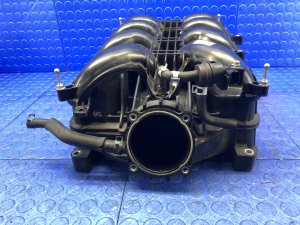
New Aftermarket Parts Available


The information in this article is provided for general reference and educational purposes only. Vehicle specifications, procedures, and part compatibility can vary by production date, trim level, and region. Always consult your vehicle's factory service manual and verify part numbers before purchasing or performing repairs. Safety-critical components such as airbags, seat belts, and braking systems should be installed by a qualified professional.
- Hyundai Genesis Coupe:
- 🧭 Diagnostic Flowchart
- 🎬 Helpful Videos
- 🛍️ Shop This Part
- What's Unique About the 2010-2016 Hyundai Genesis Coupe
- Symptoms You May Notice
- Most Likely Causes
- Rare But Worth Checking
- Diagnosis Steps
- Parts You'll Likely Need
- Related Codes That Often Appear With This One
- Technical Service Bulletins (TSBs) & Recalls
- Mechanic-Grade Diagnostic Values
- Scan Tool Commands That Help
- Wiring & Ground Locations
- Real Owner Repair Stories
- OEM Part Supersession History
- Model Year Variations Within This Range
- Other Known Issues on This Vehicle
- Used vs. New Parts: Buying Guide for This Vehicle
- Real Owner Stories
- 2010-2012 Hyundai Genesis Coupe 3.8L V6 — ~80000 miles
- 2013-2016 Hyundai Genesis Coupe 3.8L GDI — ~65000 miles
- Related OBD-II Codes
- Frequently Asked Questions
- 🎟️ Get 5% Off