

P0520 on 2013-2018 Hyundai Santa Fe 3.3L V6: Engine Oil Pressure Sensor Circuit Causes and Fixes
On a 2013-2018 Santa Fe 3.3L V6, P0520 is almost always a failed oil pressure sensor. The part is cheap, but it's buried under the intake manifold, making the repair labor-intensive. A common symptom is an oil leak that mimics a rear main seal leak. Expect a shop bill of $500-$900 due to 3-5 hours of labor.
- Do not drive the vehicle. The code could be masking a true low oil pressure condition that can destroy the engine.
- The most likely cause by far is a failed oil pressure sensor, a known weak point on this engine.
- The repair is expensive ($500-$950) almost entirely due to labor, as the sensor is buried under the intake manifold.
- A critical first diagnostic step is a mechanical oil pressure test to rule out a more serious internal engine problem.
- If you have an oil leak at the back of the engine, check for this issue before assuming a rear main seal failure.
What's Unique About the 2013-2018 Hyundai Santa Fe
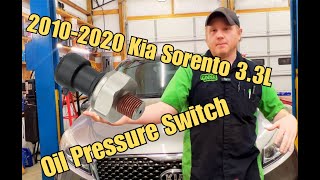
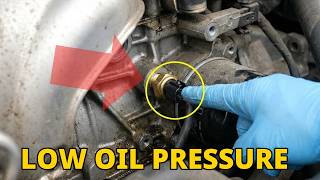
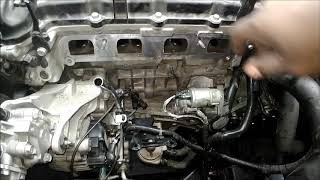
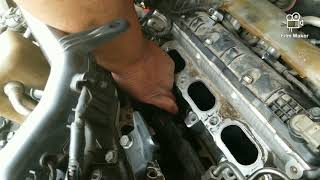
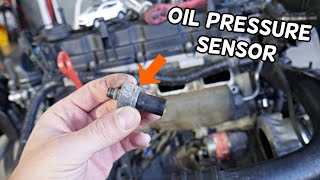
The defining issue for the P0520 code on the Santa Fe's 3.3L V6 is the physical location of the oil pressure sensor. It is notoriously difficult to access, buried deep in the engine valley between the cylinder banks, underneath the entire upper and lower intake manifold assembly. 🎬 Watch: See the exact location and removal process for this sensor. This design turns a simple, inexpensive part replacement into a significant, labor-intensive job. A common failure mode is an internal leak, causing oil to drip down a weep hole at the back of the engine, frequently leading to a costly misdiagnosis of a rear main seal leak. This issue is so prevalent that Kia issued a warranty extension (TSB ENG237) for the same engine, specifically warning technicians to check for this leak with a borescope before diagnosing other seals.
Symptoms You May Notice
- Check Engine Light is on
- Red oil pressure warning light may be on or flickering, especially at idle when the engine is warm
- Oil leak appearing at the rear of the engine, near the transmission bellhousing
- Oil pressure gauge (if equipped) reads zero or erratically
- Replacing the rear main seal. A leaking oil pressure sensor in the engine valley drips oil down a weep hole that exits near the transmission bellhousing, perfectly mimicking a rear main seal leak. Kia TSB ENG237 specifically warns technicians about this common and expensive misdiagnosis.
- Replacing the oil pump. P0520 is an electrical circuit code. A failing oil pump would cause genuine low pressure but would not typically cause this specific circuit malfunction code. Always verify pressure with a mechanical gauge before suspecting the pump.
Most Likely Causes
- Failed Engine Oil Pressure Sensor/Switch 🔴 High Probability The sensor on the Lambda II 3.3L V6 is a known high-failure part. It can fail electrically, triggering the P0520 code, or develop an internal leak, causing oil to seep into the connector or drip into the engine valley. The failure is so common that Kia extended the warranty to 15 years/150,000 miles for this part on the same engine (TSB ENG237).
How to confirm: The definitive test is to first verify good oil pressure with a mechanical gauge. If pressure is good, the sensor is the fault. A borescope can be used to visually inspect for oil pooling around the sensor under the intake manifold, which confirms a leak. Oil found in the electrical connector is also a sure sign of failure.
Typical fix: Replace the oil pressure sensor/switch. This requires removing the upper and lower intake manifolds. The intake manifold gaskets must be replaced as part of the job.
Est. part cost: $40-$120 - Damaged Wiring or Electrical Connector ⚪ Low Probability The wiring harness is located in a high-heat area. An oil leak from the failing sensor can also saturate the connector and wires, causing a short or poor connection. A forum user reported that replacing a corroded pigtail connector solved their P0520 issue after two sensor replacements had failed.
How to confirm: Visually inspect the wiring harness and connector for signs of damage, brittleness, or oil saturation. Test for continuity and proper voltage at the connector.
Typical fix: Repair the damaged section of wire or replace the pigtail connector.
Est. part cost: $15-$30
Rare But Worth Checking
- Actual Low Oil Pressure: While rare for this code's primary trigger, it's the most dangerous possibility. Always check the oil level first. A mechanical pressure test is the only way to rule out a failing oil pump or internal engine wear. A genuine low pressure condition would more commonly set a P0524 code.
- Faulty Powertrain Control Module (PCM): → Shop Engine Control Module (ECM) This is extremely rare. The PCM should only be considered after all other possibilities, including the sensor and wiring, have been exhaustively tested.
Diagnosis Steps
- Check the engine oil level and condition. Top off or change if necessary.
- Connect an OBD-II scanner and confirm P0520 is present. Note any other codes.
- CRITICAL STEP: Connect a mechanical oil pressure gauge to the engine. Start the engine and verify that the actual oil pressure is within manufacturer specifications.
- If oil pressure is LOW, stop the engine immediately. You have a serious mechanical problem (e.g., oil pump, internal wear).
- If oil pressure is GOOD, the problem is in the sensor's circuit. The sensor itself is the prime suspect.
- Use a borescope to inspect the area around the oil pressure sensor in the engine valley (under the intake manifold) for signs of fresh oil pooling. A visible leak confirms sensor failure.
- Inspect the sensor's electrical connector for oil saturation. Oil in the connector confirms the sensor's internal seal has failed.
- If no leak is visible but pressure is good, proceed with removing the intake manifolds to replace the sensor, as it has likely failed electrically.
- While the intake is off, replace the upper and lower intake manifold gaskets.
- After reassembly, clear the codes and perform a test drive to confirm the fix.
Parts You'll Likely Need
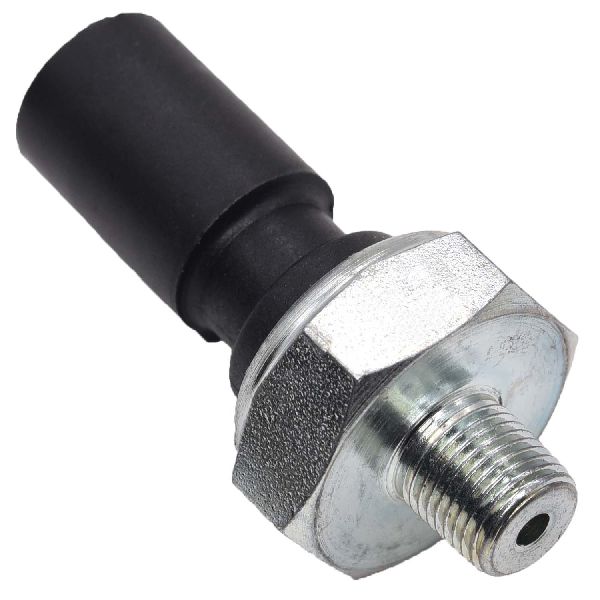
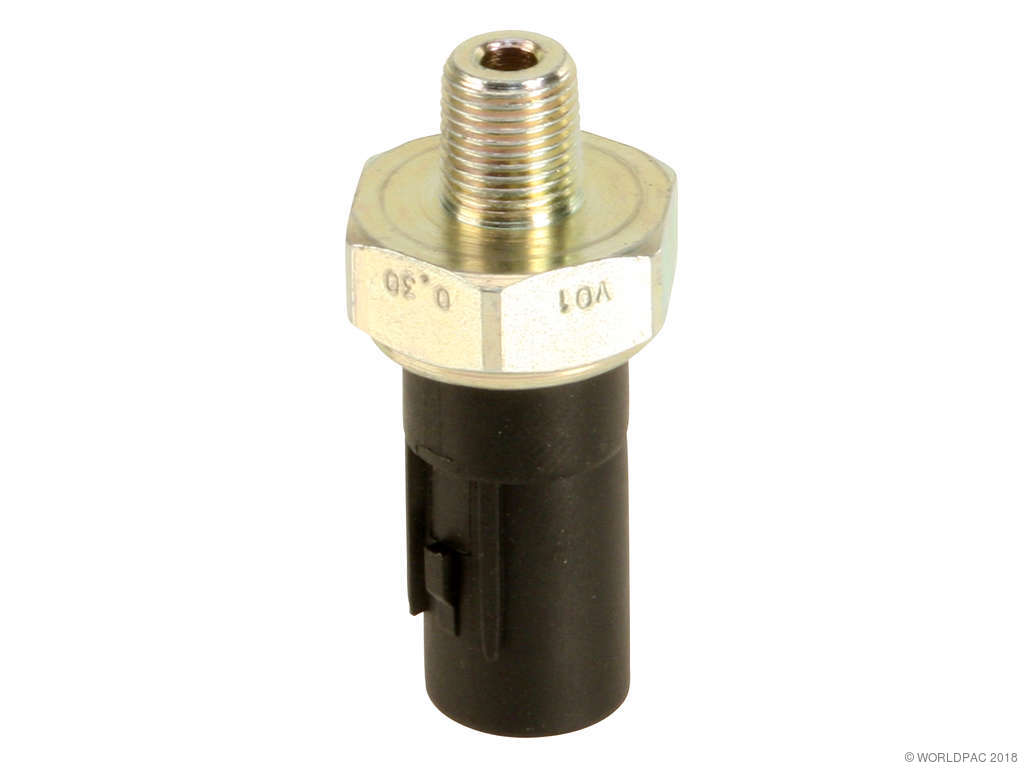
- Engine Oil Pressure Sensor/Switch
(OEM #94750-37100)— This is the component that fails with extremely high frequency on this engine, causing the P0520 code and/or an oil leak. The original part 94750-37000 was superseded by this number.
Trusted brands: Hyundai/Kia (OEM), Standard Motor Products (SMP), Beck/Arnley
OEM price range: $40-$60
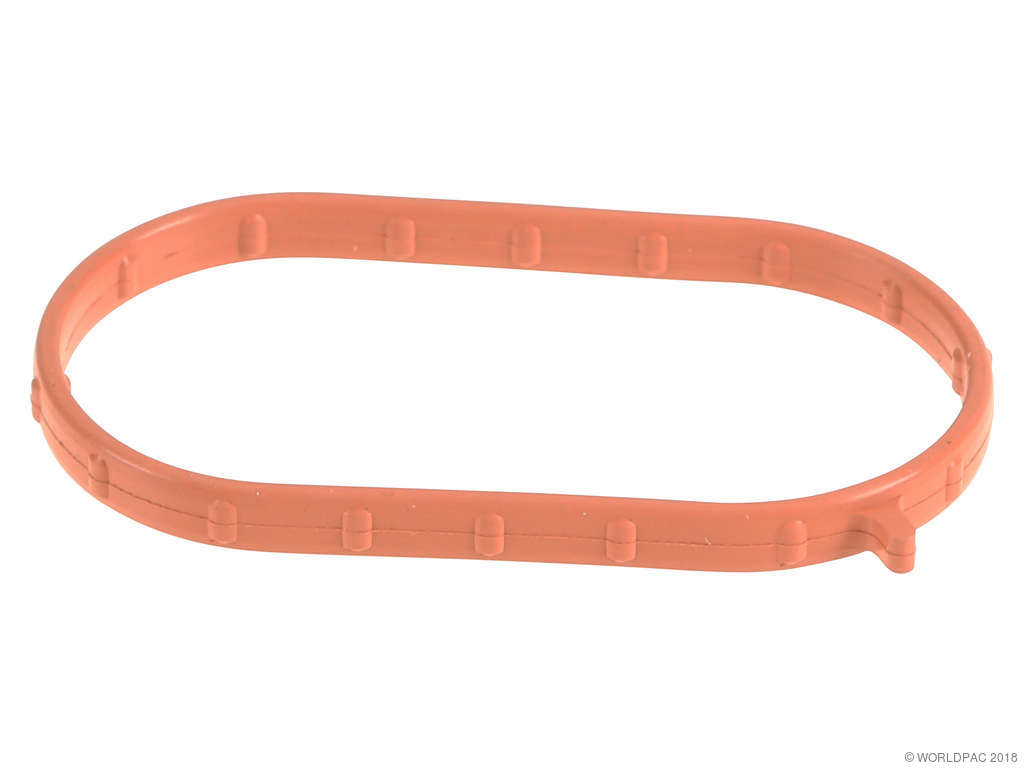
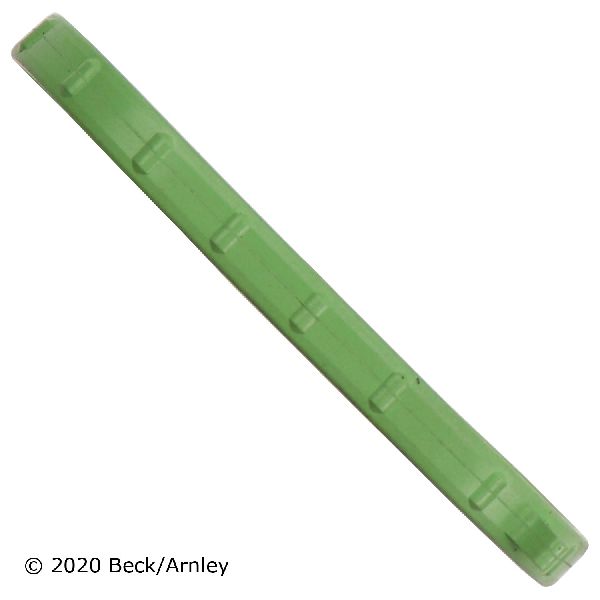
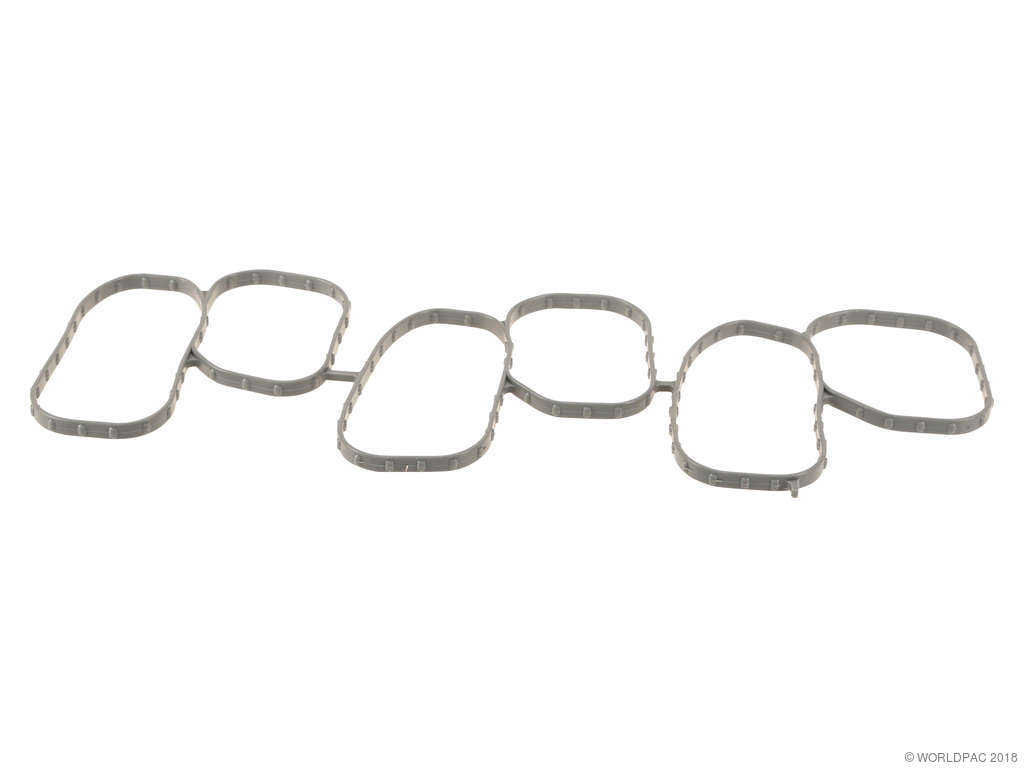
Aftermarket price range: $25-$50 - Intake Manifold Gasket Set
(OEM #Upper: 29215-3L100, Lower: 28411-3C200)— These are single-use gaskets that must be replaced anytime the intake manifold is removed to access the oil pressure sensor.
Trusted brands: Hyundai/Kia (OEM), Fel-Pro, Mahle
OEM price range: $40-$60
Aftermarket price range: $25-$45
Related Codes That Often Appear With This One
- P0521 — This code for 'Engine Oil Pressure Sensor/Switch Range/Performance' often appears with P0520 as both relate to the sensor's signal integrity and are symptoms of the same failing part.
- P0524 — This code means 'Engine Oil Pressure Too Low'. If you see this, it is a critical warning. Stop the engine immediately, as you may have a true low oil pressure condition.
Technical Service Bulletins (TSBs) & Recalls
- Kia TSB ENG237 (July 2022): While for Kia models (Sorento/Cadenza), it describes a warranty extension for a leaking oil pressure switch on the same 3.3L engine and notes it can be misdiagnosed as a rear main seal leak, corroborating the issue's prevalence.
Platform-Specific Known Issues
- The oil pressure sensor is known to leak internally, with oil dripping from a weep hole at the rear of the engine valley, leading to a frequent misdiagnosis of a rear main seal failure.
- Kia, Hyundai's sister company, issued a warranty extension (TSB ENG237) for this exact leaking oil pressure switch on the same 3.3L engine, covering it for 15 years/150,000 miles, which confirms the high failure rate of the part.
Mechanic-Grade Diagnostic Values
- Engine Oil Pressure (Mechanical Gauge) at Warm Idle — expected: 10-15 PSI (minimum). Failure: Pressure significantly below 10 PSI indicates a mechanical lubrication problem, not a sensor issue.
- Engine Oil Pressure (Mechanical Gauge) at ~2,000 RPM — expected: 40-70 PSI. Failure: Pressure significantly below this range under load points to a failing oil pump or internal engine wear.
- Oil Pressure Sensor Signal Voltage — expected: ~0.5V (low pressure/idle) to ~4.5V (high pressure/high RPM). Failure: Voltage is stuck at 0V, 5V, or does not change in response to engine RPM.
Scan Tool Commands That Help
- Hyundai GDS (Global Diagnostic System): Live Data / Data Analysis for 'Engine Oil Pressure' — Use this to monitor the voltage or pressure value being reported by the sensor to the PCM in real-time. This electronic reading should be compared against a mechanical gauge to confirm if the sensor is reporting accurately.
- Hyundai GDS (Global Diagnostic System): DTC Guide — After retrieving code P0520, the GDS software provides a guided diagnostic procedure with step-by-step checks and specifications, specific to the vehicle.
Wiring & Ground Locations
- Oil Pressure Sensor Connector — On the sensor itself, located in the engine valley between the cylinder banks, underneath the upper and lower intake manifolds.. This connector is the primary point for voltage and ground testing. It is also prone to oil contamination from an internally leaking sensor, which can cause short circuits and trigger P0520.
- ECM Pin 48 — At the Engine Control Module (ECM/PCM) connector.. This is the Sensor Ground pin for the oil pressure sensor circuit, based on a similar Lambda II 3.3L engine diagram. Testing for continuity to ground here can help diagnose a wiring fault without removing the intake manifold.
- ECM Pin 10 — At the Engine Control Module (ECM/PCM) connector.. This is the signal wire pin for the oil pressure sensor, based on a similar Lambda II 3.3L engine diagram. Back-probing this pin can show the voltage the ECM is receiving from the sensor.
Real Owner Repair Stories
- Reddit user bambamnj (2017 Hyundai Santa Fe SE 3.3L) — Intermittent oil pressure light only at idle, which would immediately turn off when RPMs were raised. No unusual engine noise.
❌ Tried (didn't work) Initial diagnosis and forum searching.
✅ What actually fixed it The oil pressure sensor was replaced, which resolved the issue. The user noted they were quoted '$300-$400' by a dealer for the repair. - Reddit user bambamnj (separate post) (2017 Hyundai Santa Fe SE AWD 3.3L) — A significant oil leak from the bottom of the engine near the transmission mating point, combined with a flickering oil pressure light at idle.
✅ What actually fixed it Owner self-diagnosed the leaking oil pressure sender as the cause. They planned a DIY repair and compiled a correct parts list including the OEM sensor (94750-37100), new spark plugs, ignition coils, and the necessary intake plenum (29215-3CFA1) and manifold (28310-3CFA0) gaskets, demonstrating a common 'while-you're-in-there' approach to this specific job.
OEM Part Supersession History
94750-37000→94750-37100— Standard part revision and update by the manufacturer.
Model Year Variations Within This Range
- 2017-2018: A mid-cycle refresh for the 2017 model year introduced cosmetic changes, new safety features, and Drive Mode Select. However, the core 3.3L Lambda II V6 powertrain and the location/failure mode of the oil pressure sensor remained consistent with the earlier 2013-2016 models.
- 2017: A small number of 2017 Santa Fe 3.3L vehicles were subject to recall 168 for potential crankshaft pin irregularities that could cause premature engine bearing wear. While this could lead to genuine low oil pressure, it is a specific manufacturing defect and not a design change affecting the general P0520 diagnosis.
Diagnostic Flowchart
Other Known Issues on This Vehicle
Issues unrelated to this code that are worth knowing about as an owner of this generation:
- Worn Motor Driven Power Steering (MDPS) Coupler 🟠 Medium — Very common. A clicking or thud noise from the steering column when turning is the primary symptom. Usually appears after 50,000 miles. (Ref: Hyundai TSB 17-ST-001 describes the replacement procedure for the flexible rubber coupler (P/N 56315-2K000-FFF).)
- Peeling White Paint 🟡 Low — Common on vehicles with white paint, particularly 'Quartz White Pearl'. Peeling and bubbling can occur on the hood, roof, and fenders. (Ref: Hyundai extended the paint warranty to 10 years/unlimited miles for this issue. See TSB 22-BD-010H.)
- Excessive Oil Consumption 🔴 High — Reported by some owners of the 3.3L V6, though less prevalent than on the 2.4L 4-cylinder. Can start around 60,000-80,000 miles. (Ref: Multiple TSBs (e.g., ENG222 for Kia) exist for oil consumption tests on Hyundai/Kia engines, but are more focused on the 4-cylinder models.)
- Crankshaft Position Sensor Failure 🟠 Medium — A known issue that can cause random stalling or a no-start condition where the engine cranks but does not fire.
Used vs. New Parts: Buying Guide for This Vehicle
When a used part is the smart pick: For this specific repair, using used parts is not recommended for the core components. The only scenario where a used part might be considered is for the plastic upper or lower intake manifold plenums if they were somehow cracked or damaged during the repair, but this is highly unlikely.
Donor-vehicle mileage cap: roughly under 100000 miles for the part to have meaningful remaining life.
What to inspect on the donor part:
- For a used intake manifold, inspect for any cracks, especially around bolt holes.
- Ensure all threaded inserts are intact and not stripped.
- Verify the mating surfaces are not warped or deeply scored.
OEM-only on this vehicle (don't cheap out):
- Engine Oil Pressure Sensor: Due to the extremely high labor cost to access this part, installing a used or cheap unbranded sensor is a major financial risk. Use an OEM or top-tier OEM-supplier part to minimize the chance of a repeat failure.
- Intake Manifold Gaskets: These are single-use gaskets and must be new. Using old gaskets will almost certainly cause a vacuum leak. OEM, Fel-Pro, or Mahle are recommended brands.
Aftermarket brands forum-validated for this vehicle:
- Fel-Pro (Intake Gaskets)
- Mahle (Intake Gaskets)
- Standard Motor Products (Sensor)
- Beck/Arnley (Sensor)
Brands owners have reported issues with on this vehicle:
- Unbranded, 'white-box' sensors from online marketplaces should be avoided due to the high labor cost of a potential premature failure.
Real Owner Stories
Aggregated from forums and TSBs cited above. Mileages and costs reflect what owners reported in those sources.
2013 Hyundai Santa Fe LWB 3.3L V6
Symptoms: P0520 code present and the oil light was flickering; confirmed the sensor is located under the intake manifold.
What fixed it: Replacement of the oil pressure sensor/switch.
Source hint: hyundai-forums.com thread 'Oil pressure switch location 3.3 v6'
2013-2018 Hyundai Santa Fe 3.3L V6
Symptoms: Oil leaking from the bellhousing area, appearing to be a rear main seal leak; often accompanied by a flickering red oil pressure light at idle when the engine is warm.
What fixed it: Replacement of the oil pressure sensor/switch located in the engine valley and new intake manifold gaskets.
Source hint: Go-Parts Article: P0520 on 2013-2018 Hyundai Santa Fe 3.3L V6
2015 Santa Fe 3.3L
Symptoms: Dash said 'low oil pressure' constantly.
What fixed it: Installed a new oil pressure sensor.
Source hint: AliExpress Review: 2017 Hyundai Sonata Oil Pressure Sensor: Real-World Performance... and Installation Insights
Related OBD-II Codes
Frequently Asked Questions
Does Kia TSB ENG237 apply to my 2013-2018 Hyundai Santa Fe 3.3L V6?
Why is my Santa Fe leaking oil near the transmission bellhousing if the sensor is the problem?
Is it necessary to replace the intake manifold gaskets when fixing P0520?
Can a bad oil pressure sensor cause my oil light to flicker only at idle?
How can I confirm the sensor is leaking without taking the engine apart?
Is the white paint peeling on my 2015 Santa Fe related to the P0520 code?
Helpful Videos
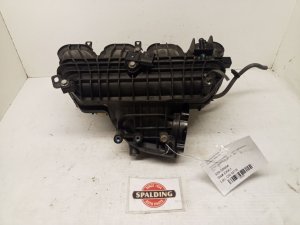
Used OEM Parts in Stock
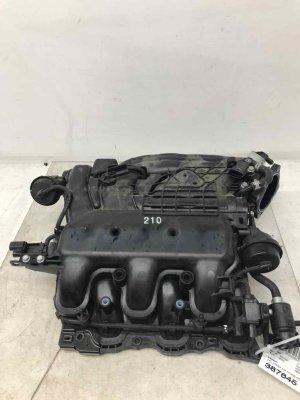
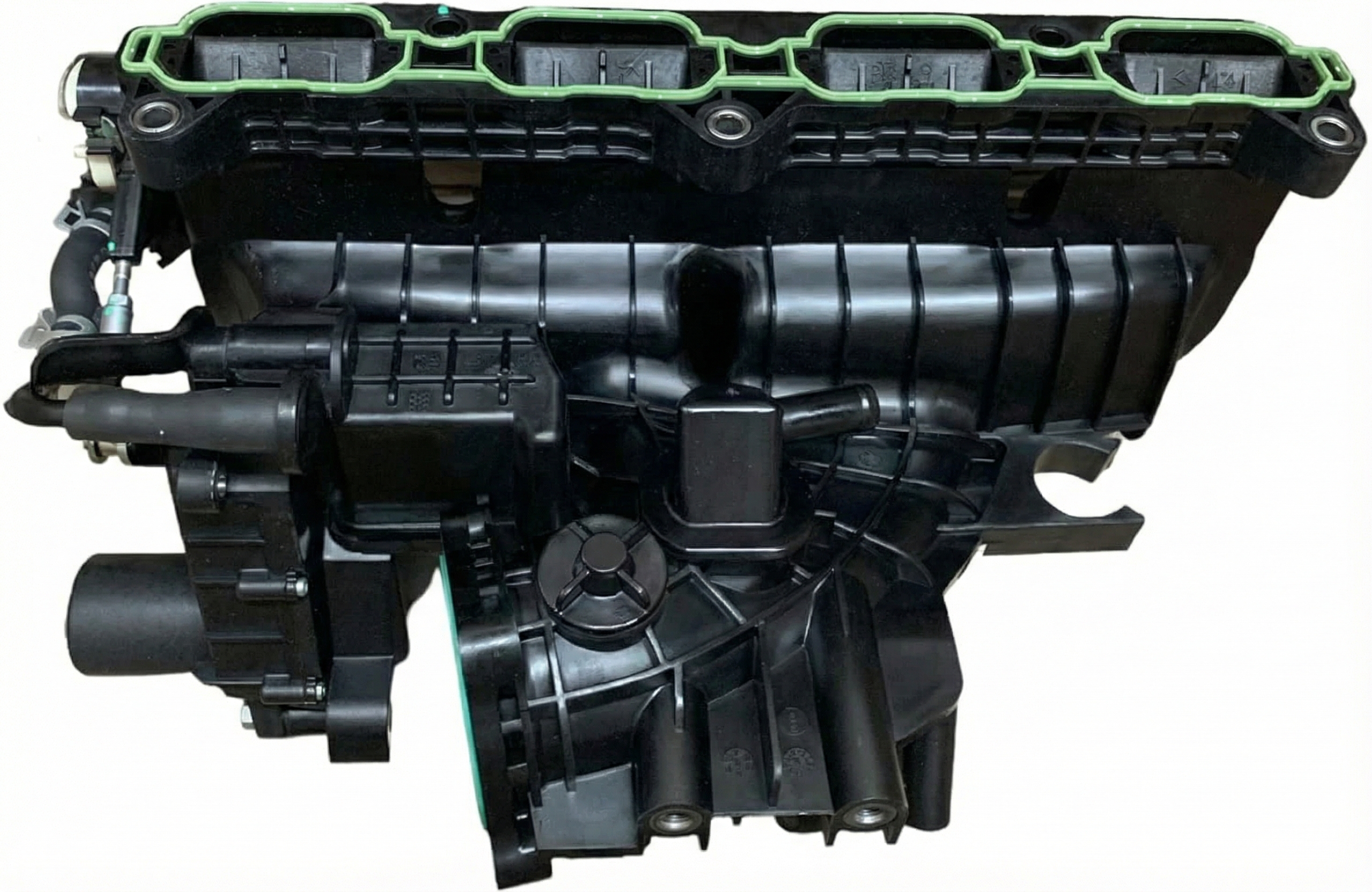
New Aftermarket Parts Available


The information in this article is provided for general reference and educational purposes only. Vehicle specifications, procedures, and part compatibility can vary by production date, trim level, and region. Always consult your vehicle's factory service manual and verify part numbers before purchasing or performing repairs. Safety-critical components such as airbags, seat belts, and braking systems should be installed by a qualified professional.
- Hyundai Santa Fe:
- 🧭 Diagnostic Flowchart
- 🎬 Helpful Videos
- 🛍️ Shop This Part
- What's Unique About the 2013-2018 Hyundai Santa Fe
- Symptoms You May Notice
- Most Likely Causes
- Rare But Worth Checking
- Diagnosis Steps
- Parts You'll Likely Need
- Related Codes That Often Appear With This One
- Technical Service Bulletins (TSBs) & Recalls
- Platform-Specific Known Issues
- Mechanic-Grade Diagnostic Values
- Scan Tool Commands That Help
- Wiring & Ground Locations
- Real Owner Repair Stories
- OEM Part Supersession History
- Model Year Variations Within This Range
- Other Known Issues on This Vehicle
- Used vs. New Parts: Buying Guide for This Vehicle
- Real Owner Stories
- 2013 Hyundai Santa Fe LWB 3.3L V6
- 2013-2018 Hyundai Santa Fe 3.3L V6
- 2015 Santa Fe 3.3L
- Related OBD-II Codes
- Frequently Asked Questions
- 🎟️ Get 5% Off