

P0520 on 2016-2020 Kia Sorento 3.3L V6: Engine Oil Pressure Sensor Circuit Causes and Fixes
On the 2016-2020 Sorento 3.3L V6, code P0520 is almost always caused by a failed oil pressure sensor/switch (Part No. 94750-37100). The part is cheap, but it's buried under the intake manifold, making replacement a 3-4 hour job. The failing switch often leaks oil, which is commonly misdiagnosed as a rear main seal leak. Check with a Kia dealer for coverage under Warranty Extension WTY026 for 2016-2018 models, which extends coverage to 15 years/150,000 miles.
- Do not drive your vehicle with code P0520, as you cannot be sure if you have a real oil pressure problem or just a bad sensor.
- The cause is almost certainly a failed oil pressure switch, which is a common failure on this engine.
- The switch itself is cheap, but the labor is expensive (3-4 hours) due to its location under the intake manifold.
- If you have a 2016-2018 model, contact a Kia dealer immediately to check for warranty coverage under campaign WTY026.
- An oil leak from the bellhousing area is very likely from this switch, not the rear main seal.
What's Unique About the 2016-2020 Kia Sorento
On the Kia Sorento with the 3.3L Lambda II V6, the oil pressure sensor is a notoriously common failure item. The primary challenge is its location; the sensor is buried deep in the engine valley, underneath the entire upper and lower intake manifold assembly. This turns what would be a simple, 15-minute sensor swap on many other engines into a significant, labor-intensive job. Furthermore, the failing switch often leaks oil into the engine valley. This oil then drains out of a weep hole at the back of the engine, dripping from the transmission bellhousing area and leading to a frequent and expensive misdiagnosis of a rear main seal leak.
Symptoms You May Notice
- Check Engine Light is on
- Oil pressure warning light may be on or flickering on the dashboard
- Oil leak dripping from the area of the transmission bellhousing (from a weep hole at the back of the engine valley)
- Inaccurate or zero reading on the oil pressure gauge (if equipped)
- Engine may enter a reduced power or 'limp' mode
- Replacing the rear main seal. A leaking oil pressure switch on this engine drips oil into the engine valley, which then exits through a weep hole near the transmission bellhousing, perfectly mimicking a rear main seal leak. Kia explicitly warns technicians about this in TSB WTY026 and Tech Tip TT038, advising them to use a borescope to check the valley before diagnosing a rear main seal.
Most Likely Causes
- Faulty Engine Oil Pressure Switch 🔴 High Probability → Shop Engine Oil Pressure Switch This specific switch is a well-documented, high-failure-rate part on the 3.3L Lambda V6 engine, known for both electrical failure and developing oil leaks. Kia acknowledged this by issuing a warranty extension (WTY026) to 15 years/150,000 miles for this part on 2014-2018 models due to the high failure rate of the switch leaking oil.
How to confirm: The most definitive way is to replace it, as access is too difficult for easy testing. A visual inspection using a borescope after removing the engine cover will likely reveal oil pooled in the engine valley around the switch. Before starting the repair, a mechanic must verify actual oil pressure with a mechanical gauge to rule out a true low-pressure condition.
Typical fix: Replace the oil pressure switch. This requires removing the upper and lower intake manifolds to gain access. The threads on the new OEM switch are pre-coated with threadlocker.
Est. part cost: $15-$50 - Damaged Wiring or Connector ⚪ Low Probability The wiring harness runs through the hot engine valley, making it susceptible to heat-related brittleness over time. The connector itself can also become contaminated with oil from a leaking switch, leading to a poor connection.
How to confirm: Once the intake manifold is removed to access the switch, visually inspect the single-wire harness and connector for breaks, corrosion, or oil saturation. Test for continuity from the connector back to the main engine harness with a multimeter.
Typical fix: Repair the damaged wire or replace the connector pigtail.
Est. part cost: $5-$30 - Low Engine Oil Level ⚪ Low Probability While the 3.3L V6 is not as prone to consumption as the 2.4L 4-cylinder, all engines can consume oil. This should always be the first check.
How to confirm: Check the engine oil dipstick. This should be the very first check performed. If the oil level is low, top it off to the correct level with 5W-30 full synthetic oil, clear the code, and see if it returns.
Typical fix: Add the correct specification engine oil (5W-30) to the proper level.
Est. part cost: $10-$20
Rare But Worth Checking
- Clogged Oil Filter or Passages: → Shop Engine Oil Filter Adapter Using an incorrect or poor-quality oil filter, or extending oil change intervals, can lead to blockages that affect pressure readings. This would typically set a P0524 (low pressure) code, but it's a possibility.
- Failing Powertrain Control Module (PCM): → Shop Engine Control Module (ECM) This is extremely rare. The PCM would be suspected only after all other possibilities, including the switch and its entire circuit, have been exhaustively tested and proven to be good.
Diagnosis Steps
- Check the engine oil level and condition. Top up if necessary with full synthetic 5W-30 oil.
- Use an OBD-II scanner to confirm the P0520 code and check for any other related codes.
- CRITICAL STEP: Connect a mechanical oil pressure gauge to the engine to verify the actual oil pressure. If pressure is low, you have a serious mechanical problem (e.g., oil pump failure, bearing wear). Do not proceed until this is resolved.
- If mechanical oil pressure is normal, the fault lies within the sensor's circuit. The switch is the most likely culprit.
- Contact a Kia dealer with your VIN to check for eligibility under the Oil Pressure Switch Warranty Extension (WTY026) for 2016-2018 models.
- Plan to remove the upper and lower intake manifolds. This is a 3-4 hour job.
- Once access is gained, inspect the switch for leaks and the connector/wiring for damage, corrosion, or oil saturation.
- Given the extremely high failure rate of the switch, it is recommended to replace it regardless of visual condition once the intake is removed. Use the updated OEM part.
- Reassemble the intake manifold with new gaskets (Upper P/N: 29215-3CFA0, Lower P/N: 28411-3CFA0) to prevent vacuum leaks. Torque bolts to specification.
- Clear the trouble code and perform a test drive to ensure the code does not return.
Parts You'll Likely Need
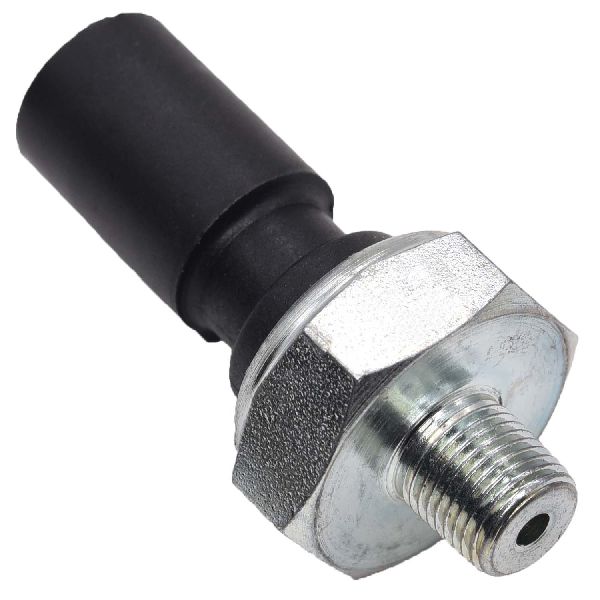
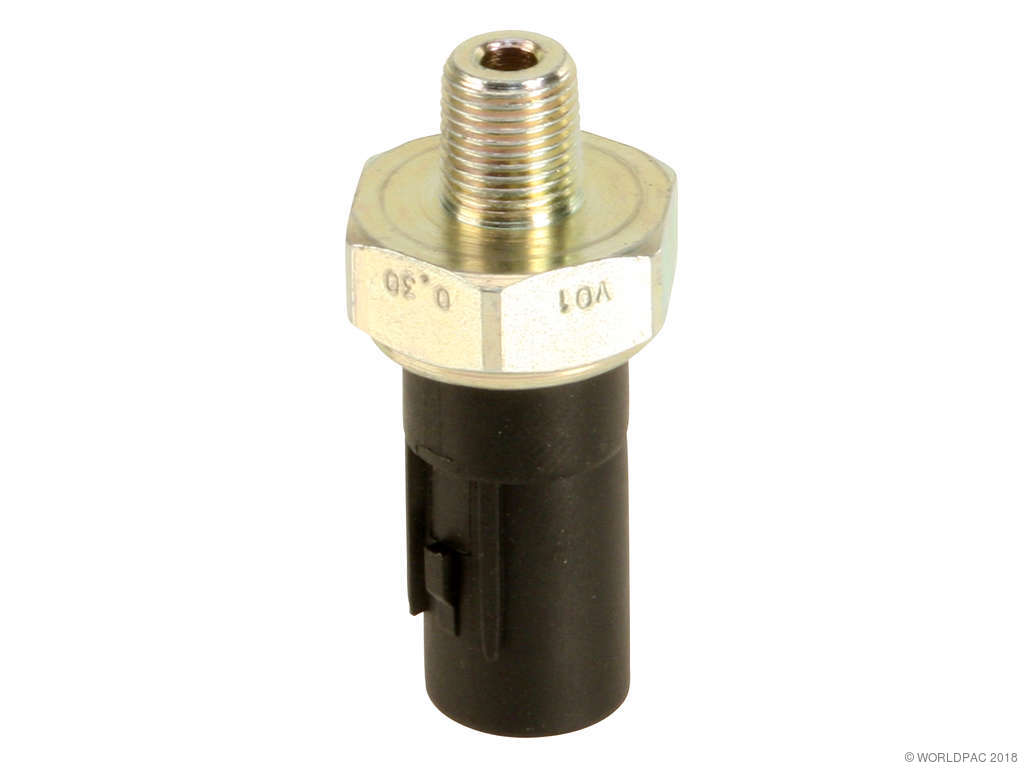
- Engine Oil Pressure Switch
(OEM #94750-37100 (replaces 94750-37000))— This is the component that fails, either electrically or by leaking, causing the P0520 code on this engine.
Trusted brands: Hyundai/Kia Genuine, Standard Motor Products (PS417), Beck/Arnley
OEM price range: $15-$30
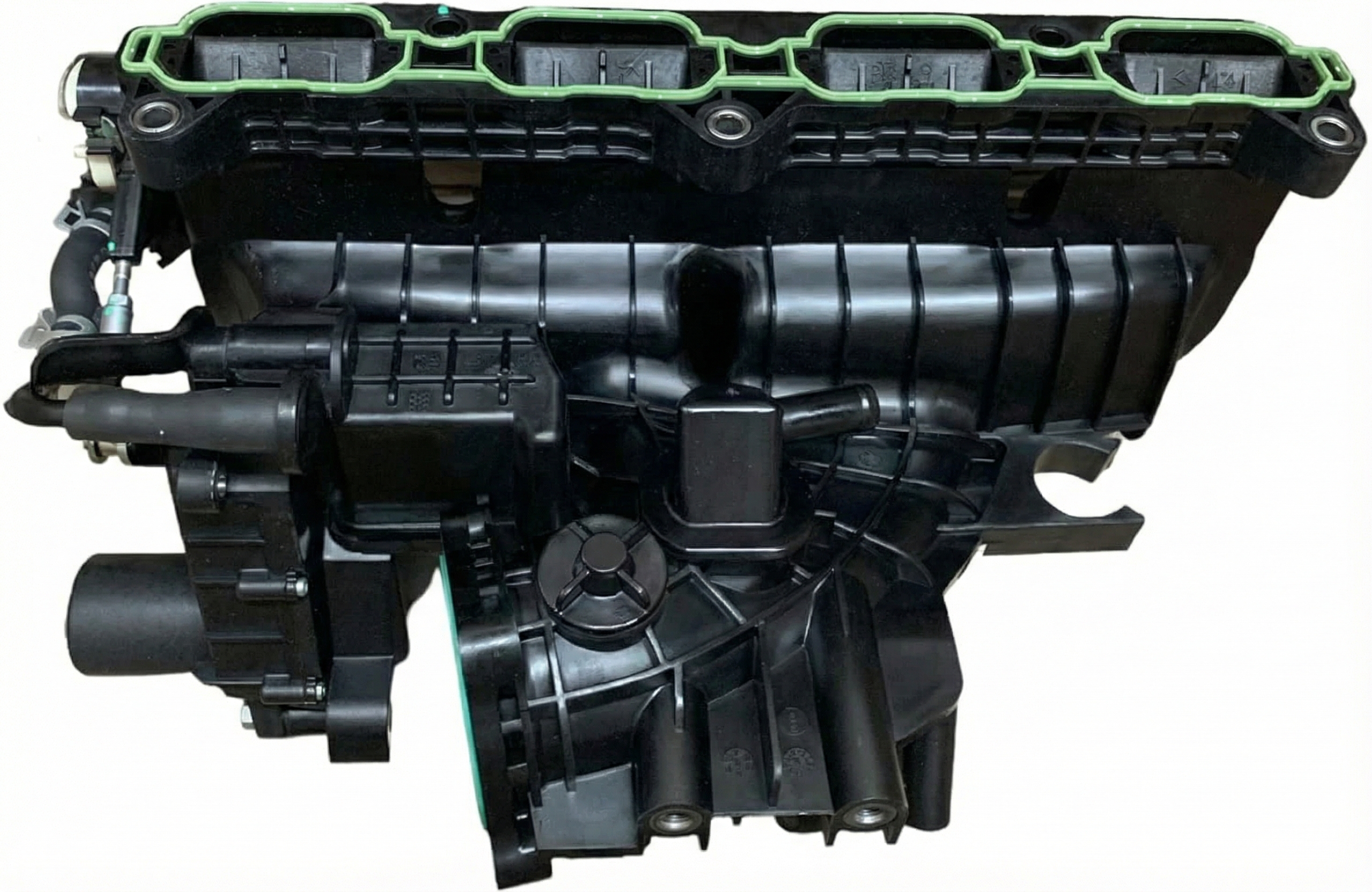
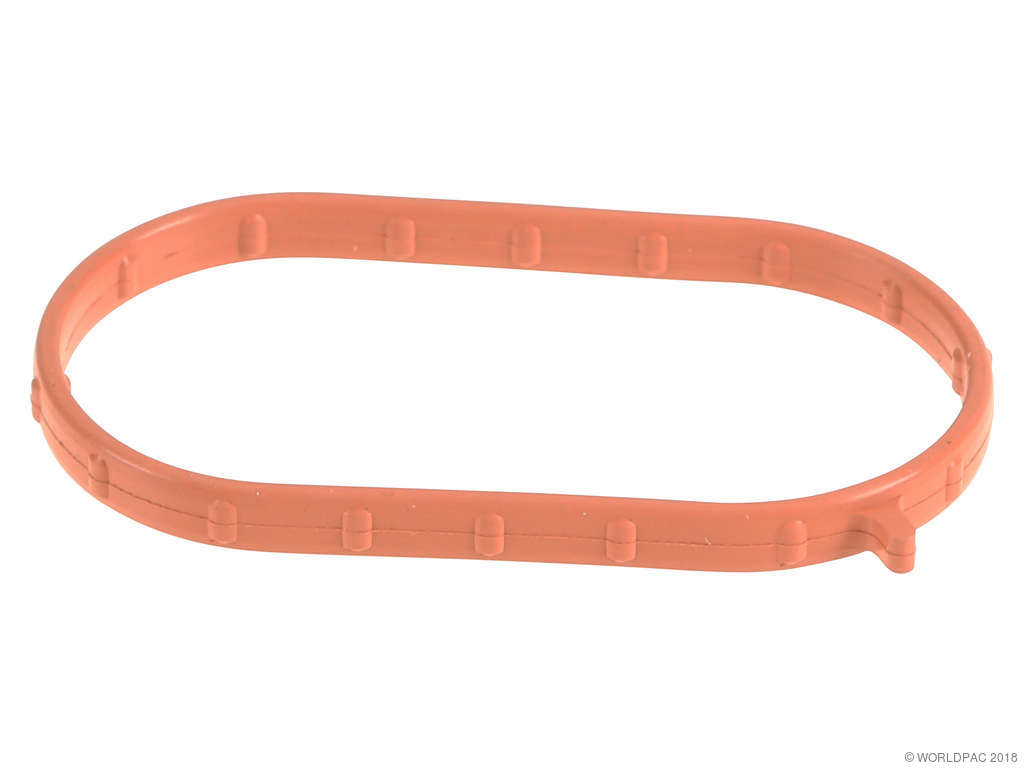
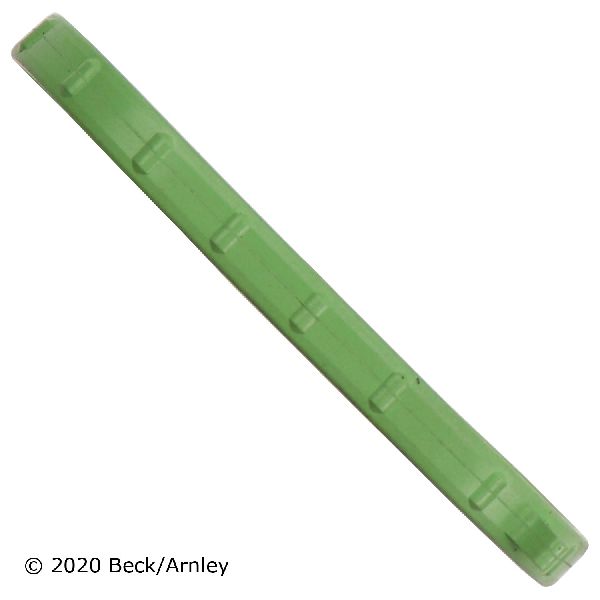
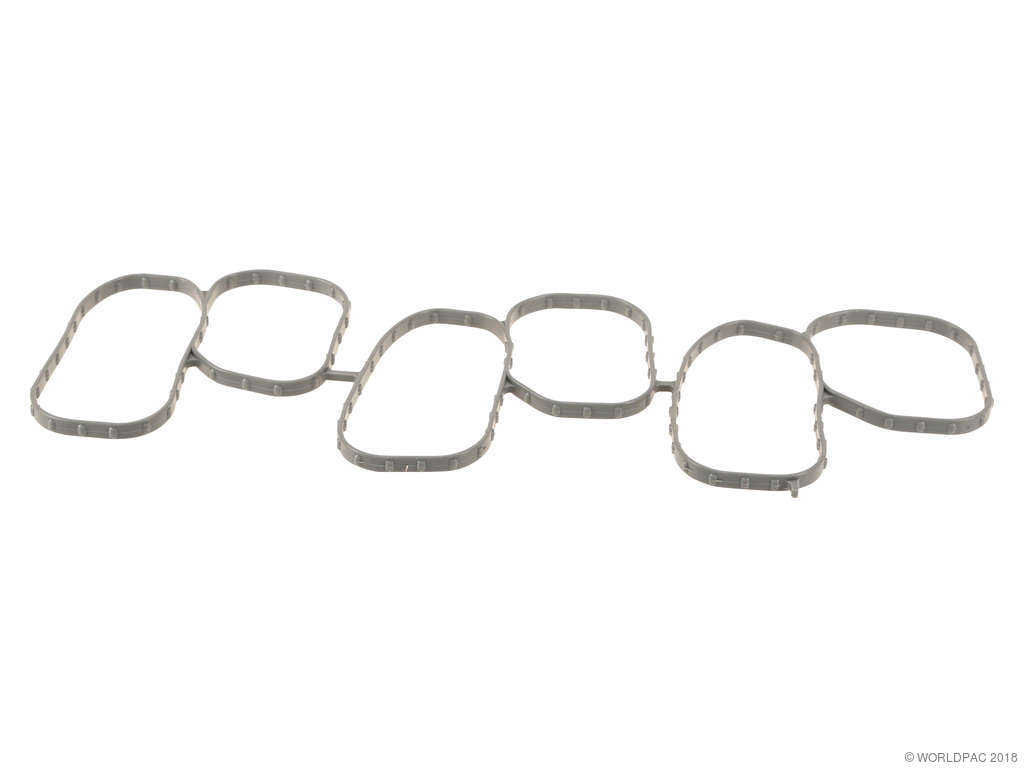
Aftermarket price range: $10-$25 - Upper Intake Manifold Gasket Set
(OEM #29215-3CFA0)— The upper intake manifold (plenum) must be removed. The gaskets are one-time use and must be replaced to prevent vacuum leaks.
Trusted brands: Hyundai/Kia Genuine, Fel-Pro, Mahle
OEM price range: $20-$40
Aftermarket price range: $15-$30 - Lower Intake Manifold Gasket Set
(OEM #28411-3CFA0)— The lower intake manifold must be removed to access the switch. These gaskets are also one-time use.
Trusted brands: Hyundai/Kia Genuine, Fel-Pro, Mahle
OEM price range: $15-$30
Aftermarket price range: $10-$25
Related Codes That Often Appear With This One
- P0521 — This code indicates 'Engine Oil Pressure Sensor/Switch Range/Performance'. It's a closely related code that can be triggered by the same failing sensor sending erratic signals.
- P0524 — This code means 'Engine Oil Pressure Too Low'. If you see this with P0520, it is critical to stop the engine immediately as it may indicate a genuine, severe loss of mechanical oil pressure.
- P1326 — This is a Kia-specific code for the Knock Sensor Detection System. An oil pressure issue can lead to bearing wear, which this system detects. Seeing P0520 with P1326 is a major red flag for potential internal engine damage.
Technical Service Bulletins (TSBs) & Recalls
- WTY026 - Oil Pressure Switch (OPS) Replacement Warranty Extension for certain 2014-2018 3.3L models. Extends coverage for a leaking switch to 15 years / 150,000 miles.
- TT038 - A Tech Tip issued to dealers warning that oil leaks appearing to be from the rear main seal are often caused by a leaking oil pressure switch under the intake manifold.
Platform-Specific Known Issues
- Kia issued Warranty Extension Campaign WTY026 to 15 years/150,000 miles for the oil pressure switch on 2014-2018 Kia Sorento 3.3L models. This specifically covers an oil leaking condition. Owners of these model years should contact a Kia dealer to see if the repair is covered at no cost.
- A leaking oil pressure switch is frequently misdiagnosed as a rear main seal leak due to the location of the oil drip. Kia issued Tech Tip TT038 to dealers specifically to address this common misdiagnosis.
Mechanic-Grade Diagnostic Values
- Mechanical Oil Pressure at 1,000 RPM (Hot Engine) — expected: 17.06 psi (117.68 kPa) or above. Failure: Pressure significantly below this value indicates a mechanical engine issue (e.g., oil pump, worn bearings), not a sensor circuit fault.
- Mechanical Oil Pressure at Idle (Hot Engine) — expected: Greater than 10 psi; a reading of ~28 psi is considered healthy for a similar engine.. Failure: Pressure below 10 psi suggests a mechanical problem that must be addressed before troubleshooting the electrical circuit.
Scan Tool Commands That Help
- Kia GDS (Global Diagnostic System): Data Analysis / Live Data Graphing — To monitor the oil pressure sensor's reported voltage or pressure value in real-time. This is used to see if the sensor signal is erratic, stuck, or does not correlate with changes in engine speed, which would point to a faulty sensor. This is a dealer-level tool, but it provides the most comprehensive diagnostics.
- Kia GDS (Global Diagnostic System): Guided Troubleshooting Procedures — The GDS software includes step-by-step diagnostic guides for specific trouble codes, which can walk a technician through the official test plan, including wiring checks and component tests.
Wiring & Ground Locations
- Oil Pressure Switch Connector — Deep in the engine valley, under the lower intake manifold, on the oil filter adapter housing.. This is the single-wire connector for the sensor. It is highly prone to oil contamination from a leaking switch, which can cause a poor connection and trigger a P0520 circuit code.
- Engine Block Ground — There are multiple grounding points on the engine block, cylinder head, and intake manifold. A common main engine ground strap connects the block to the chassis.. While a bad ground is a low-probability cause for this specific code (which is usually an open/short in the signal wire or a bad switch), a poor engine ground can cause a host of erratic electrical issues. Verifying the main ground strap is clean and tight is a good practice if multiple, unrelated electrical codes are present.
- Fuse Panel Ground Bolt — Inside the cabin, there is typically a shared grounding bolt on the metal chassis near the interior fuse panel.. This is the grounding point for many interior electronic modules. While not directly tied to the oil pressure switch circuit, it's a key location to know for general electrical diagnostics.
Real Owner Repair Stories
- YouTube channel 'Automotive Insight' (2016 Kia Sorento 3.3L GDI V6 with just under 170,000 miles) — The oil pressure light would intermittently come on. A Kia dealership diagnosed a bad and leaking oil pressure sending unit.
❌ Tried (didn't work) The owner first took the vehicle to a dealership for diagnosis.
✅ What actually fixed it The mechanic replaced the oil pressure switch located under the intake manifold. He noted that the vehicle's mileage (just under 170k) made it ineligible for the 15yr/150k mile warranty extension (WTY026). He also had to create a custom tool by grinding down a 24mm deep socket to fit and remove the sensor.
OEM Part Supersession History
94750-37000→94750-37100— Likely an updated design to improve reliability and prevent the common leaking issue.
Heads up: The new part number is a direct replacement for the old one. Always use the updated part number (94750-37100) for this repair.
Model Year Variations Within This Range
- 2019-2020: For the 2019 model year refresh, the 3.3L V6 was paired with a new 8-speed automatic transmission, replacing the 6-speed automatic used from 2016-2018. This does not affect the cause or diagnosis of code P0520, as the engine and sensor remained the same, but it is a notable powertrain difference.
- 2016-2018: These model years are explicitly covered by the Warranty Extension Campaign (WTY026) for the leaking oil pressure switch. While 2019-2020 models experience the same failure, they are not officially part of this specific warranty extension program.
Diagnostic Flowchart
Other Known Issues on This Vehicle
Issues unrelated to this code that are worth knowing about as an owner of this generation:
- Head Gasket / Head Bolt Failure 🔴 High — Reported on 2016-2017 models, typically between 50,000 and 140,000 miles. Can lead to coolant loss, overheating, and catastrophic engine failure. (Ref: NHTSA Preliminary Evaluation PE23-020 opened in late 2023 to investigate this issue.)
- Intake Valve Carbon Buildup 🟠 Medium — A common characteristic of all Gasoline Direct Injection (GDI) engines, including the Lambda II 3.3L. Symptoms like rough idle or misfires may appear after 80,000 miles.
- Crankshaft Manufacturing Defects 🔴 High — A recall was issued for some 2017 models due to improper heat treatment of the crankshaft, which could lead to fractures and engine seizure. (Ref: Recall SC158 (NHTSA #17V608000))
- High-Pressure Fuel Pipe Leak 🔴 High — A recall was issued for 2016-2017 models because the high-pressure fuel pipe could develop leaks, creating a fire hazard. (Ref: Recall SC172 (NHTSA #18V907000))
Used vs. New Parts: Buying Guide for This Vehicle
When a used part is the smart pick: For this specific repair, using a used part is NEVER a smart choice. The primary failure component is a low-cost electronic sensor that is a known wear item, and the gaskets are single-use parts. The labor to access the part is the overwhelming majority of the repair cost.
What to inspect on the donor part:
- Do not use a used oil pressure switch for this repair.
OEM-only on this vehicle (don't cheap out):
- Engine Oil Pressure Switch: Due to the extremely high labor cost to access this part, using a Genuine Hyundai/Kia sensor (P/N 94750-37100) is critical to avoid a repeat failure. Aftermarket sensors have a higher risk of being out of the PCM's expected electrical range, potentially causing the code to persist.
Aftermarket brands forum-validated for this vehicle:
- Fel-Pro: For the upper and lower intake manifold gaskets, Fel-Pro is a widely trusted and reliable aftermarket brand that is often considered equivalent to OEM quality.
Brands owners have reported issues with on this vehicle:
- Unbranded 'White Box' Sensors: Avoid generic, no-name oil pressure sensors from online marketplaces. The risk of premature failure or electrical incompatibility is too high given the 3-4 hours of labor required for the job.
Real Owner Stories
Aggregated from forums and TSBs cited above. Mileages and costs reflect what owners reported in those sources.
2016 Kia Sorento 3.3L GDI V6
Symptoms: Oil leak appearing to be a rear main seal and a flashing oil light.
What fixed it: Replacement of the oil pressure switch, intake gaskets, and high-pressure fuel pipe.
Cost: $1080
Source hint: Go-Parts Aggregated Report (from forums/TSBs)
2019 Kia Sorento 3.3L V6
Symptoms: Oil light coming on during idling.
What fixed it: The dealership diagnosed a faulty oil pressure switch and performed the repair under the specific warranty extension for this part.
Source hint: Reddit user report cited in common_causes
2016 Kia Sorento 3.3L V6 — ~95000 miles
Symptoms: Oil leaking into the engine valley and draining out a weep hole, mimicking a rear main seal leak.
What fixed it: Replacement of the oil pressure sensor located under the intake manifold.
Source hint: YouTube - 'Kia and Hyundai 3.5 oil leak diagnosis and repair' by 'In The Shop'
Related OBD-II Codes
Frequently Asked Questions
Is there a warranty extension for the oil pressure switch on my 2016 Kia Sorento 3.3L?
My mechanic says I have a rear main seal leak, but I also have a P0520 code. Could they be related?
Why is the labor for replacing a simple oil pressure switch so expensive on the 3.3L V6?
What specific oil and gaskets are recommended for the P0520 repair on this vehicle?
Can a P0520 code cause my Sorento to lose power?
Are there any other major engine issues I should check for while my 2016-2017 Sorento is in the shop?
Helpful Videos

Used OEM Parts in Stock
New Aftermarket Parts Available


The information in this article is provided for general reference and educational purposes only. Vehicle specifications, procedures, and part compatibility can vary by production date, trim level, and region. Always consult your vehicle's factory service manual and verify part numbers before purchasing or performing repairs. Safety-critical components such as airbags, seat belts, and braking systems should be installed by a qualified professional.
- Kia Sorento:
- 🧭 Diagnostic Flowchart
- 🎬 Helpful Videos
- 🛍️ Shop This Part
- What's Unique About the 2016-2020 Kia Sorento
- Symptoms You May Notice
- Most Likely Causes
- Rare But Worth Checking
- Diagnosis Steps
- Parts You'll Likely Need
- Related Codes That Often Appear With This One
- Technical Service Bulletins (TSBs) & Recalls
- Platform-Specific Known Issues
- Mechanic-Grade Diagnostic Values
- Scan Tool Commands That Help
- Wiring & Ground Locations
- Real Owner Repair Stories
- OEM Part Supersession History
- Model Year Variations Within This Range
- Other Known Issues on This Vehicle
- Used vs. New Parts: Buying Guide for This Vehicle
- Real Owner Stories
- 2016 Kia Sorento 3.3L GDI V6
- 2019 Kia Sorento 3.3L V6
- 2016 Kia Sorento 3.3L V6 — ~95000 miles
- Related OBD-II Codes
- Frequently Asked Questions
- 🎟️ Get 5% Off