

P0520 on 2009-2013 Mazda 3: Engine Oil Pressure Sensor Circuit Malfunction Explained
This code almost always points to a faulty engine oil pressure sensor or its wiring. It's a common, inexpensive part to replace and is the most likely fix after checking the oil level. The sensor itself can be difficult to access.
- P0520 specifically means there's an electrical fault in the oil pressure sensor's circuit, not necessarily that your oil pressure is low.
- Before buying any parts, check your engine oil level and condition. This is a simple but crucial first step.
- The most common fix is replacing the engine oil pressure sensor. Check its connector for oil saturation, which is a dead giveaway of sensor failure.
- The sensor can be difficult to replace due to its tight location, potentially increasing labor time.
- Driving with this code is risky because you won't be alerted if a genuine and dangerous low oil pressure problem occurs.
What's Unique About the 2009-2013 Mazda 3
For the second-generation Mazda 3 with the 1.6L MZR engine, the P0520 code is a straightforward electrical fault code. Unlike some platforms where this code can be triggered by complex variable oil pump issues, on this specific engine, the cause is almost always a simple component failure in the sensor's circuit. Owners typically resolve this without needing to investigate the mechanical health of the oiling system itself, provided the oil level is correct. The primary vehicle-specific challenge is the sensor's poor accessibility.
Symptoms You May Notice
- Check Engine Light is on.
- Oil pressure warning light may be on, off, or flicker erratically.
- Oil pressure gauge (if equipped) may read zero or behave erratically.
- No noticeable performance issues in most cases, as it's an electrical fault.
- Replacing the oil pump. The P0520 code is an electrical circuit code, not a low-pressure code (like P0524). Replacing mechanical parts like the oil pump will not fix a sensor circuit fault.
Most Likely Causes
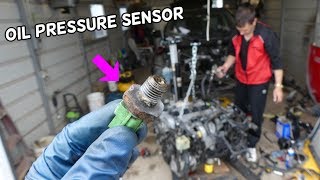
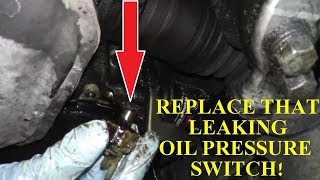
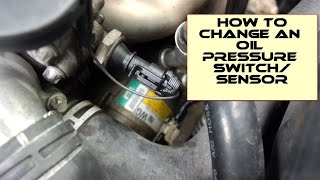
- Faulty Engine Oil Pressure Sensor/Switch 🔴 High Probability Sensors are exposed to extreme heat and vibration and can fail electronically over time. A common failure mode is an internal seal breaking down, allowing oil to seep into the electrical connector, causing a short. 🎬 Watch: How to diagnose and replace a leaking oil pressure switch
How to confirm: Inspect the sensor's electrical connector. If it is saturated with oil, the sensor has failed internally and must be replaced. If dry, the sensor can be tested with a multimeter, but replacement is often the most practical diagnostic step due to its low cost and high failure rate.
Typical fix: Replace the engine oil pressure sensor and clean the oil from the electrical connector pigtail.
Est. part cost: $20-$60 - Wiring or Connector Issue 🟡 Medium Probability The wiring to the sensor can become brittle from heat cycles or damaged by road debris. The connector's locking tab can break, leading to a poor connection.
How to confirm: Visually inspect the wiring harness and connector for breaks, corrosion, or loose pins. Use a multimeter to check for continuity from the sensor connector back to the PCM and verify reference voltage with the key on.
Typical fix: Repair the damaged section of the wiring harness or replace the connector pigtail.
Est. part cost: $5-$25 - Low Engine Oil Level or Incorrect Oil ⚪ Low Probability While the code is for a circuit fault, extremely low oil levels or using oil of the wrong viscosity can sometimes cause erratic readings that the PCM may interpret as a circuit issue. This is less common but a crucial first check.
How to confirm: Check the engine oil level using the dipstick. Verify that the oil viscosity used matches the manufacturer's recommendation (typically 5W-30 for this engine).
Typical fix: Top off or change the engine oil with the correct grade.
Est. part cost: $30-$70
Rare But Worth Checking
- Powertrain Control Module (PCM) Fault: → Shop Engine Control Module (ECM) This is extremely rare. Before condemning the PCM, all other possibilities (sensor, wiring, oil level) must be exhaustively ruled out.
Diagnosis Steps
- Check the engine oil level and condition. Ensure it is full and has the correct viscosity as per the owner's manual. This is a simple but crucial first step.
- Scan the vehicle for any other trouble codes. P0520 often appears alone. If paired with codes like P0521-P0524, it may point towards an actual pressure problem.
- Locate the oil pressure sensor. On the 1.6L MZR, it is typically on the engine block, often near the oil filter housing, but can be difficult to see and reach.
- Disconnect the electrical connector from the sensor. Visually inspect the connector and sensor port for engine oil. If oil is present in the connector, the sensor has failed internally and is the root cause.
- If no oil is found, inspect the connector and wiring for physical damage, corrosion, or loose pins.
- If wiring appears intact, the most common and cost-effective next step is to replace the oil pressure sensor.
- After replacing the sensor (and cleaning the connector if it was oily), clear the trouble code with a scan tool. Start the engine and let it run for a few minutes to see if the code returns.
- If the code persists, a more in-depth wiring check for an open or short circuit between the sensor and the PCM is necessary using a digital multimeter.
Parts You'll Likely Need
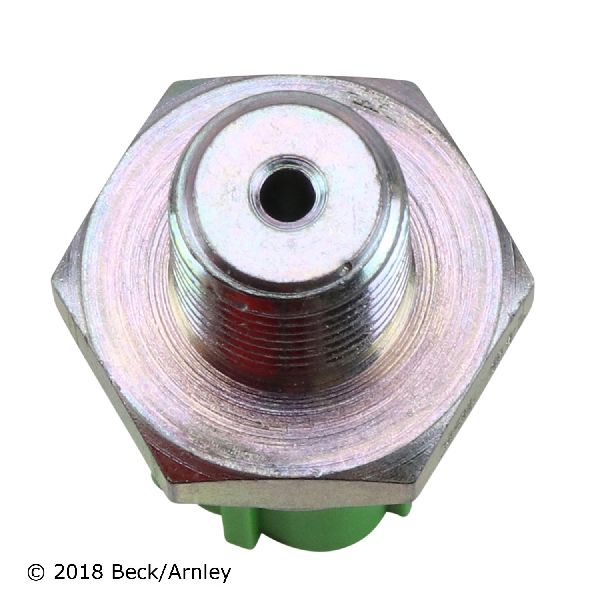
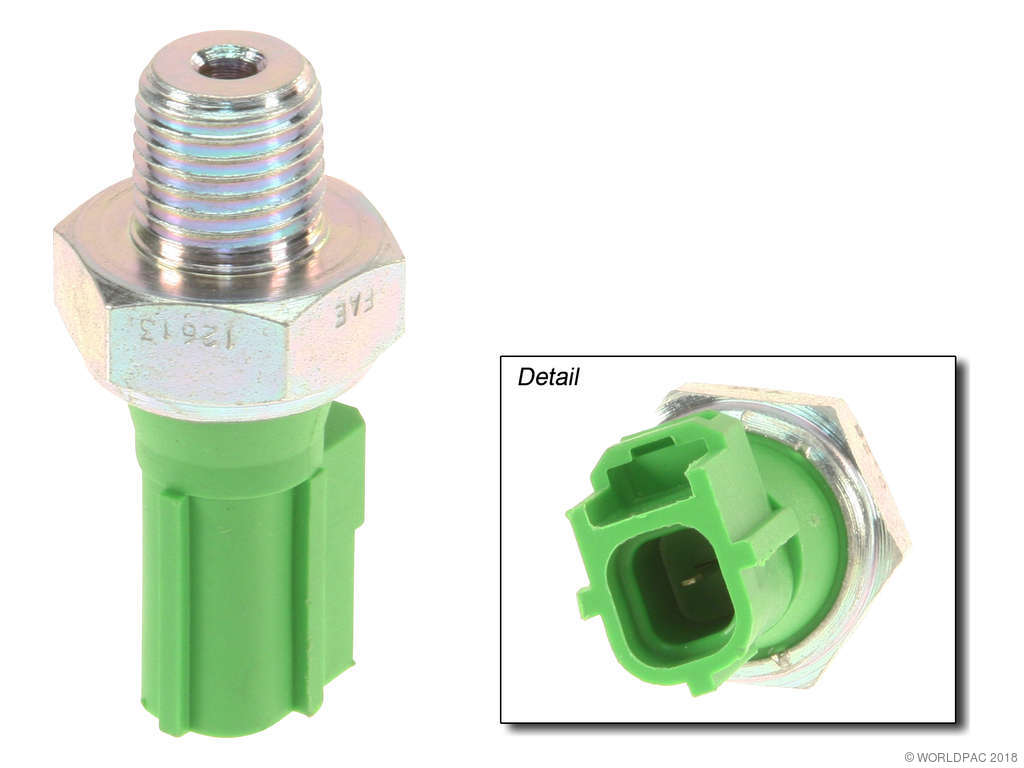
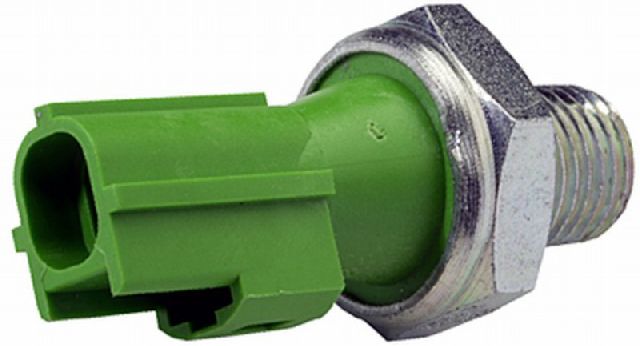
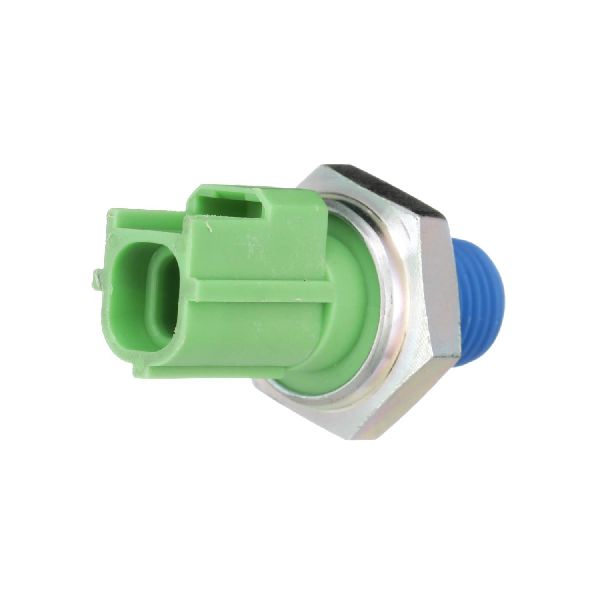
- Engine Oil Pressure Sensor/Switch
(OEM #LF94-18-505)— This sensor is the primary component in the circuit and is the most frequent cause of failure for a P0520 code, either through electronic failure or internal oil leakage.
Trusted brands: Mazda (Genuine), Bosch, Denso, Standard Motor Products, Calorstat by Vernet
OEM price range: $40-$70
Aftermarket price range: $20-$50
Technical Service Bulletins (TSBs) & Recalls
- No specific TSBs for P0520 on this platform were found. The diagnostic procedure is covered in standard workshop manuals.
Platform-Specific Known Issues
- The oil pressure sensor on the 1.6L MZR engine is notoriously difficult to access. It is often located on the rear or front of the engine block, near the oil filter housing, and may require removal of the under-cover and reaching into a tight space, making it a 'blind' job for many DIYers.
Mechanic-Grade Diagnostic Values
- Oil Pressure Switch Continuity Test (Engine Off) — expected: Continuity should exist between the sensor's terminal A (on the part itself) and body ground.. Failure: No continuity (infinite resistance) indicates a faulty switch.
- Oil Pressure Switch Signal Circuit Continuity Test — expected: With the sensor and PCM connectors disconnected, continuity should exist between the harness-side connector terminal A and PCM terminal 1AR.. Failure: No continuity indicates an open circuit in the wiring harness between the sensor and the PCM.
Scan Tool Commands That Help
- Mazda M-MDS (or equivalent): KOEO (Key On Engine Off) Self Test — Used after clearing the DTC to verify if the circuit fault is immediately detected by the PCM without starting the engine.
Wiring & Ground Locations
- PCM Connector Pin 1AR — At the Powertrain Control Module (PCM), which is typically located in the engine bay.. This is the specific pin where the signal from the oil pressure switch is received. It is the endpoint for checking circuit continuity from the sensor.
- Oil Pressure Switch Connector Terminal A — The single-pin connector at the oil pressure switch on the engine block.. This is the starting point for testing the signal circuit. The wire from this terminal goes directly to PCM pin 1AR.
OEM Part Supersession History
PE01-18-501→PE01-18-501A, then PE01-18-501B— Part revision and improvement. These are typically for related Skyactiv engines but are often cross-referenced by parts suppliers.
Heads up: While the OEM part for the MZR is LF94-18-505, some aftermarket suppliers may incorrectly list these Skyactiv-era parts. Always verify fitment with the vehicle's VIN. Using a Skyactiv sensor on an MZR engine may lead to incorrect readings. 🎬 Watch: Skyactiv oil pressure switch replacement walkthrough
FS11-18-501A→B367-18-501— Part consolidation for various older Mazda models.
Heads up: This is another part number that may appear in searches, but it is crucial to confirm it is specified for the 2009-2013 Mazda 3 1.6L MZR engine.
Diagnostic Flowchart
Other Known Issues on This Vehicle
Issues unrelated to this code that are worth knowing about as an owner of this generation:
- Melting / Sticky Dashboard 🟠 Medium — Very common, especially in warmer climates. The dashboard surface degrades from heat/UV exposure, becoming shiny, sticky, and creating windshield glare. (Ref: Mazda issued a warranty extension program (SSP) for 10 years/unlimited mileage for this specific issue on certain 2010 models.)
- Premature Rust 🔴 High — Common in regions with road salt. Affects rear wheel arches, rocker panels, and underbody components. While improved from the first generation, the BL generation is still susceptible.
- Premature Manual Clutch Wear 🟠 Medium — Reported in 2010-2013 models, with some owners needing clutch replacement before 50,000-100,000 km.
- Failing Rear Motor Mount 🟡 Low — The passenger-side hydraulic engine mount is a common failure point, leading to excessive vibration at idle and during acceleration. It's a wear item that often needs replacement.
- Suspension Noise 🟡 Low — Clunking or rattling sounds from the suspension are often due to worn sway bar links or strut mounts, particularly at higher mileage.
Used vs. New Parts: Buying Guide for This Vehicle
When a used part is the smart pick: For this repair, a used part is almost never a smart choice. The oil pressure sensor is a low-cost wear item. The risk of getting a used part that is already near the end of its life or has an internal leak is very high. The labor to replace it outweighs any savings.
What to inspect on the donor part:
- Not applicable; new part is strongly recommended.
OEM-only on this vehicle (don't cheap out):
- While not strictly 'OEM-only', using a genuine Mazda sensor (or a reputable OEM supplier like Denso or Bosch) is highly recommended. Some owners on forums report issues with cheap, no-name aftermarket sensors failing quickly or providing inaccurate readings out of the box.
Aftermarket brands forum-validated for this vehicle:
- Denso
- Bosch
- Standard Motor Products (SMP)
- Carquest
Brands owners have reported issues with on this vehicle:
- Unbranded, low-cost sensors from online marketplaces should be avoided as their reliability is questionable and can lead to repeat repairs.
Real Owner Stories
Aggregated from forums and TSBs cited above. Mileages and costs reflect what owners reported in those sources.
2010 Mazda 3 1.6L MZR
Symptoms: The oil pressure switch/sensor was the primary culprit for the P0520 code. The sensor was notoriously difficult to access, often described as a 'blind' job due to its location near the oil filter housing.
What fixed it: Replacement of the oil pressure switch/sensor.
Source hint: Mazda3Forums
2010 Mazda 3
Symptoms: Widespread problem where the dashboard surface degrades from heat/UV exposure, becoming shiny, sticky, and creating windshield glare.
What fixed it: Covered by a 10-year/unlimited mileage warranty extension program (SSP) issued by Mazda.
Source hint: Reddit r/mazda
Related OBD-II Codes
Frequently Asked Questions
Where is the oil pressure sensor located on my 1.6L MZR engine?
Is there a TSB for the P0520 code on the 2009-2013 Mazda 3?
My dashboard is becoming sticky and shiny; is this related to the P0520 code?
Can I use a used sensor from a donor car to fix this?
What brands of replacement sensors are recommended for the Mazda 3?
Could the wrong oil type cause this electrical code?
Helpful Videos
We Have This Part in Stock


The information in this article is provided for general reference and educational purposes only. Vehicle specifications, procedures, and part compatibility can vary by production date, trim level, and region. Always consult your vehicle's factory service manual and verify part numbers before purchasing or performing repairs. Safety-critical components such as airbags, seat belts, and braking systems should be installed by a qualified professional.
- Mazda 3:
- 🧭 Diagnostic Flowchart
- 🎬 Helpful Videos
- 🛍️ Shop This Part
- What's Unique About the 2009-2013 Mazda 3
- Symptoms You May Notice
- Most Likely Causes
- Rare But Worth Checking
- Diagnosis Steps
- Parts You'll Likely Need
- Technical Service Bulletins (TSBs) & Recalls
- Platform-Specific Known Issues
- Mechanic-Grade Diagnostic Values
- Scan Tool Commands That Help
- Wiring & Ground Locations
- OEM Part Supersession History
- Other Known Issues on This Vehicle
- Used vs. New Parts: Buying Guide for This Vehicle
- Real Owner Stories
- 2010 Mazda 3 1.6L MZR
- 2010 Mazda 3
- Related OBD-II Codes
- Frequently Asked Questions
- 🎟️ Get 5% Off