

P0520 on 2011-2018 Subaru Forester: Engine Oil Pressure Sensor Circuit Malfunction Guide
On a 2011-2018 Forester, code P0520 almost always points to a failed engine oil pressure sensor (switch). It's a common failure item, especially on 2015-2016 models. The part is inexpensive (~$25-$50) and relatively easy to replace using a 24mm deep socket. Be careful not to overtighten the new sensor.
- P0520 on a Forester is almost always a bad oil pressure switch (OEM Part #25240AA060), not a bad engine.
- Always check your oil level first, as some of these engines consume oil due to a separate, known issue.
- Do not ignore this code. It disables your engine's primary protection warning system.
- The repair is DIY-friendly, requiring a deep 24mm socket, but be extremely careful not to overtighten the new sensor into the aluminum engine block.
What's Unique About the 2011-2018 Subaru Forester
The FB25 engine used in this generation of Forester is notorious for oil pressure switch failure. The issue was so common on 2015-2016 models that Subaru issued Technical Service Bulletin 02-162-15R. The TSB explains that the original switches had poor internal contacts. The updated replacement parts feature nickel plating on the contacts to improve durability and prevent false warnings. This failure is common across the entire FB engine family, including those in the Outback, Legacy, and Crosstrek.
Generation note: This range covers the late SH generation (2011-2013) and the SJ generation (2014-2018). Both use the FB25 engine. A Technical Service Bulletin (TSB 02-162-15R) specifically addresses faulty oil pressure switches on 2015-2016 SJ models, but the failure is common across the entire year range and even on other Subaru models with FB engines.
Symptoms You May Notice
- Check Engine Light is on
- Oil pressure warning light on the dashboard is on, sometimes flickering, even with a correct oil level.
- Oil pressure gauge (if equipped) reads abnormally high or low.
- Visible oil leak from the sensor itself, located on the front of the engine, just below the alternator.
- Oil found inside the sensor's electrical connector upon inspection.
- Replacing the oil pump. The code points to an electrical circuit issue, not a mechanical pressure issue. Always verify actual oil pressure with a mechanical gauge before condemning an expensive part like an oil pump.
Most Likely Causes
- Faulty Engine Oil Pressure Sensor/Switch 🔴 High Probability The original-design sensors were known to fail prematurely due to poor internal contacts, as acknowledged by Subaru TSB 02-162-15R. The failure mode is common across the entire 2011-2018 range.
How to confirm: After verifying the oil level is correct, this is the most likely cause. The sensor is relatively inexpensive, so replacement is a common and effective diagnostic step. You can also test the sensor's continuity. With the engine off (no pressure), the switch should be closed (show continuity to ground). With the engine running (pressure present), the switch should be open (no continuity).
Typical fix: Replace the engine oil pressure switch. The switch is located on the front of the engine block, near the alternator. A deep 24mm socket is required. CRITICAL: Do not overtighten the new sensor as it threads into an aluminum block and can cause catastrophic damage. Thread by hand, then tighten about a quarter turn with a wrench.
Est. part cost: $25-$50 - Damaged Wiring or Connector 🟡 Medium Probability The sensor is located on the front of the engine, where its wiring is exposed to heat, vibration, and oil contamination, which can degrade the connection over time. For 2012+ models, Subaru released an updated rubber connector cap (per TSB 02-141-13R) for better moisture protection.
How to confirm: Visually inspect the single wire and connector leading to the oil pressure sensor. Look for cracked insulation, corrosion in the connector pin, or oil saturation. Wiggle the connector with the engine running to see if it affects the oil light.
Typical fix: Repair the damaged section of wire or clean/replace the one-wire connector pigtail.
Est. part cost: $10-$30 - Low Engine Oil Level ⚪ Low Probability
How to confirm: This code is for a circuit fault, not low pressure. However, the first step in any oil-related diagnosis is to check the dipstick. If the oil level is low, top it off and see if the code persists after being cleared. Note that some FB25 engines are known for oil consumption, which is a separate, well-documented issue.
Typical fix: Top up the engine oil to the correct level and monitor for consumption.
Est. part cost: $10-$20
Rare But Worth Checking
- Failing Engine Control Module (ECM): → Shop Engine Control Module (ECM) This is extremely rare. The ECM should only be considered after all other possibilities, including the sensor, wiring, and a mechanical oil pressure test, have been exhaustively ruled out.
- Actual Low/High Oil Pressure: While P0520 is an electrical code, a mechanical issue (like a failing oil pump or sludge from lack of oil changes) could theoretically cause erratic readings that the ECM interprets as a circuit fault. A mechanical pressure gauge test is the only way to confirm or deny this.
Diagnosis Steps
- Check the engine oil level and condition on the dipstick. Top up if necessary. Note that many 2011-2015 FB25 engines have a known oil consumption issue.
- Scan for any other trouble codes. Address those first if they are present.
- Visually inspect the oil pressure sensor and its electrical connector. The sensor is on the front of the engine, typically below and slightly to the passenger side of the alternator. Look for oil leaking from the sensor body itself or oil inside the electrical connector.
- Inspect the wiring harness for any signs of damage, fraying, or melting.
- If the oil level is good and there's no visible damage, the most probable cause is a failed sensor. Replacing the sensor is often the most direct fix. Use a deep 24mm socket for removal and installation.
- CRITICAL STEP: If a new sensor does not resolve the code, you must test the actual engine oil pressure using a mechanical gauge. This will confirm if you have a sensor/wiring problem or a much more serious internal engine problem. Subaru TSB 02-187-21 outlines the procedure.
- If mechanical pressure is good, but the code returns, perform a circuit integrity test. Check for continuity on the single signal wire between the ECM and the sensor connector. Check for a solid ground path from the engine block to the chassis.
Parts You'll Likely Need
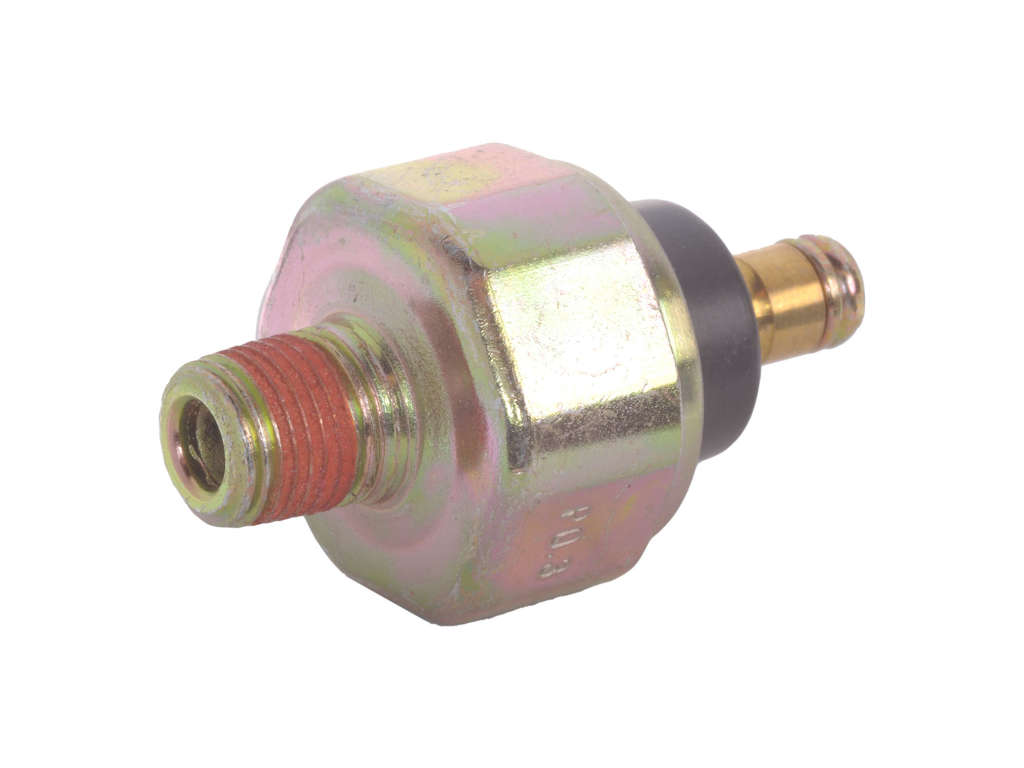
- Engine Oil Pressure Sensor (Switch)
(OEM #25240AA060)— This is the most common failure point for this code on this vehicle, with a known history of premature failure acknowledged by Subaru TSB 02-162-15R.
Trusted brands: Subaru (OEM), Denso, NTK/NGK, Standard Motor Products (SMP)
OEM price range: $40-$60
Aftermarket price range: $20-$45
Related Codes That Often Appear With This One
- P0524 — P0524 means 'Engine Oil Pressure Too Low'. A sensor that has failed electrically might send a signal that the ECM interprets as both a circuit fault (P0520) and a critically low pressure reading (P0524).
Technical Service Bulletins (TSBs) & Recalls
- 02-162-15R: Addresses premature failure of the original oil pressure switch on 2015-2016 models and specifies an updated part with nickel-plated contacts. Supersedes older part numbers.
- 02-187-21: Outlines the official procedure for checking mechanical engine oil pressure, which is a critical step if replacing the sensor doesn't fix the issue.
- 02-141-13R: For 2012 and newer models, this TSB details a redesigned rubber cap for the switch's electrical connector to provide better protection against moisture intrusion.
Platform-Specific Known Issues
- A Technical Service Bulletin (TSB 02-162-15R) was issued for 2015-2016 models due to a high rate of oil pressure switch failures. The fix is an updated part (25240AA060) with more durable, nickel-plated internal contacts.
Mechanic-Grade Diagnostic Values
- Mechanical Engine Oil Pressure — expected: Pressure must be checked at idle and 3,000 RPM with engine oil at 80°C (176°F). Specific PSI/kPa values vary by exact model year and are listed in a chart within Subaru TSB 02-187-21.. Failure: Pressure readings below the specified standard in the TSB chart indicate a mechanical engine issue (e.g., oil pump, internal wear), not a sensor circuit fault.
- Oil Pressure Switch Continuity — expected: With the engine OFF (zero oil pressure), the switch should show continuity (near 0 Ohms) to ground. With the engine running (oil pressure present), the switch should be open circuit ('OL' on a multimeter).. Failure: A switch that is always open or always closed regardless of engine state is faulty.
Wiring & Ground Locations
- Engine Oil Pressure Switch Connector — A single-pin connector that attaches to the oil pressure switch, located on the front of the engine block, below the alternator.. This is the primary connection point to check for corrosion, oil saturation, or damage. A poor connection here will directly cause a P0520 code.
- Sensor Ground Path — The sensor grounds directly through its metal threads into the engine block. The engine block is then grounded to the chassis via one or more ground straps.. A loose or corroded engine-to-chassis ground strap can cause a floating ground, leading to erratic electrical behavior for many sensors, including the oil pressure switch. Also, excessive thread sealant or corrosion on the sensor threads can create a poor ground, causing a fault.
Real Owner Repair Stories
- The Subaru Forums user 'SubieJoe1' (2011 Subaru with FB25 engine (oil consumption issue)) — Excessive oil consumption (1 quart per 800 miles).
❌ Tried (didn't work) Living with the oil consumption was not a long-term solution.
✅ What actually fixed it The owner performed a complete engine swap, replacing the original 2011 FB25 with a newer 2016 FB25 engine. This required using custom adapter plates for the intake, swapping cam reluctor wheels, and extending the EGR tube to account for mechanical differences between the engine generations.
"I Checked Everything" — The Actual Cause
- A smoke test is not a relevant diagnostic procedure for DTC P0520, as this code relates to an electrical circuit malfunction, not a vacuum or evaporative emissions leak.
OEM Part Supersession History
Unknown (various pre-2015 part numbers)→25240AA060— The original switches were prone to internal contact failure. The updated part specified in TSB 02-162-15R, 25240AA060, uses more durable nickel-plated contacts to resolve false oil light warnings.
Model Year Variations Within This Range
- 2011-2013 (SH) vs 2014-2018 (SJ): The FB25 engine itself underwent revisions. Early engines (approx. 2011-2014) are more susceptible to the oil consumption issue requiring new piston rings or short block replacement. Later engines have different intake porting, cam reluctor wheels (teeth vs. notches), and EGR tube lengths, making a direct swap between generations require modification.
- 2012-2018: Per TSB 02-141-13R, Subaru introduced a redesigned rubber boot/cap for the oil pressure switch connector to provide better protection against moisture, which could cause a false light. Vehicles pre-2012 may have the older, less effective boot.
- 2011: 2011 was the first model year for the new FB25 engine, which moved the oil filter from the bottom of the engine (on the prior EJ25) to a top-mounted, accessible location.
Diagnostic Flowchart
Other Known Issues on This Vehicle
Issues unrelated to this code that are worth knowing about as an owner of this generation:
- Excessive Engine Oil Consumption 🔴 High — Common on 2011-2015 models. Can burn over 1 quart per 1,200 miles. Often appears within the first 60,000 miles. (Ref: TSB 02-157-14R; Class-action lawsuit (Oakes v. Subaru) resulted in an extended powertrain warranty to 8 years/100,000 miles for affected vehicles.)
- Continuously Variable Transmission (CVT) Failure/Hesitation 🔴 High — Widespread enough that Subaru extended the CVT warranty. Symptoms include shuddering, hesitation, or complete failure. Can occur at various mileages. (Ref: Subaru extended the CVT warranty to 10 years/100,000 miles for many models, including the Forester.)
- Premature Rear Wheel Bearing Failure 🟠 Medium — Commonly reported between 70,000 and 120,000 miles. Symptom is a loud humming or whirring noise from the rear of the vehicle that increases with speed.
- AC Compressor Clutch Failure 🟡 Low — The clutch on the AC compressor is a common failure point, leading to a loss of air conditioning. The bearing can fail, causing noise even when the AC is off.
Used vs. New Parts: Buying Guide for This Vehicle
When a used part is the smart pick: For this specific repair, a used part only makes sense for the wiring connector pigtail if the original is damaged. Never buy a used oil pressure switch.
Donor-vehicle mileage cap: roughly under 150000 miles for the part to have meaningful remaining life.
What to inspect on the donor part:
- For a wiring pigtail: Ensure the plastic connector is not cracked or brittle.
- Check that the locking tab is intact.
- Verify the wire insulation is flexible and not hardened or frayed.
- Look for a lack of green or white corrosion on the metal pin inside the connector.
OEM-only on this vehicle (don't cheap out):
- Engine Oil Pressure Switch: While not strictly 'OEM-only', using the genuine Subaru part (25240AA060) is very strongly recommended. It is an inexpensive part and guarantees you are getting the updated design that fixes the original flaw.
Aftermarket brands forum-validated for this vehicle:
- Denso
- NTK / NGK
- Standard Motor Products (SMP)
Brands owners have reported issues with on this vehicle:
- Unbranded, 'white-box' sensors from online marketplaces (e.g., Amazon, eBay) should be avoided as they are often low-quality or counterfeit and may fail quickly or provide inaccurate readings.
Real Owner Stories
Aggregated from forums and TSBs cited above. Mileages and costs reflect what owners reported in those sources.
2015 Subaru Forester FB25
Symptoms: The oil pressure light and Check Engine Light came on, but the oil level was perfectly full. I noticed a burning oil smell and saw oil residue sprayed on the top of the oil filter.
What fixed it: Replacement of the oil pressure switch.
Source hint: subaruforester.org
2012 Subaru Forester FB25 — ~100000 miles
Symptoms: Oil consumption issues and receiving a class-action lawsuit letter regarding short block replacement advice.
What fixed it: Discussing TSB for short block replacement due to oil consumption concerns related to the FB25 engine family.
Source hint: LegacyGT.com Forum Thread on Oil Consumption
Related OBD-II Codes
Frequently Asked Questions
My 2015 Forester has a flickering oil light but the oil level is full; does TSB 02-162-15R apply to me?
I see oil inside the electrical connector of the sensor on my 2012 Forester. Is there a specific part to help prevent this?
Can I replace the P0520 sensor myself on my FB25 engine, and what tools do I need?
Is the P0520 code related to the known oil consumption issues on the 2011-2015 Forester FB25?
If replacing the sensor doesn't clear the P0520 code, what is the official Subaru diagnostic next step?
Does the P0520 issue affect other Subaru models besides the Forester?
Helpful Videos
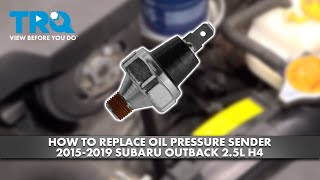
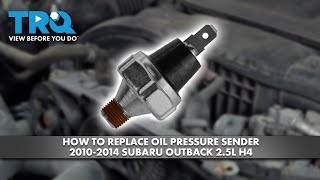
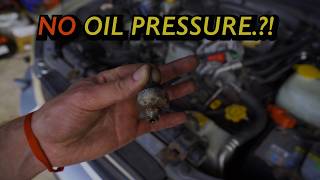
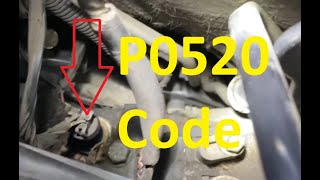
We Have This Part in Stock


The information in this article is provided for general reference and educational purposes only. Vehicle specifications, procedures, and part compatibility can vary by production date, trim level, and region. Always consult your vehicle's factory service manual and verify part numbers before purchasing or performing repairs. Safety-critical components such as airbags, seat belts, and braking systems should be installed by a qualified professional.
- Subaru Forester:
- 🧭 Diagnostic Flowchart
- 🎬 Helpful Videos
- 🛍️ Shop This Part
- What's Unique About the 2011-2018 Subaru Forester
- Symptoms You May Notice
- Most Likely Causes
- Rare But Worth Checking
- Diagnosis Steps
- Parts You'll Likely Need
- Related Codes That Often Appear With This One
- Technical Service Bulletins (TSBs) & Recalls
- Platform-Specific Known Issues
- Mechanic-Grade Diagnostic Values
- Wiring & Ground Locations
- Real Owner Repair Stories
- "I Checked Everything" — The Actual Cause
- OEM Part Supersession History
- Model Year Variations Within This Range
- Other Known Issues on This Vehicle
- Used vs. New Parts: Buying Guide for This Vehicle
- Real Owner Stories
- 2015 Subaru Forester FB25
- 2012 Subaru Forester FB25 — ~100000 miles
- Related OBD-II Codes
- Frequently Asked Questions
- 🎟️ Get 5% Off