

P0521 on 2013-2020 Buick Encore: Oil Pressure Sensor Causes and Fixes
On a 2013-2020 Buick Encore, code P0521 is most often caused by a faulty engine oil pressure sensor. However, it can also indicate a more serious issue like a failing oil pump, as noted in GM service bulletin #A202302140. It is critical to always verify the actual oil pressure with a mechanical gauge before replacing parts, as the sensor may be accurately reporting a real problem. Using the wrong type of oil or a non-OEM oil filter is also a known cause.
- P0521 on your Buick Encore means there's a problem with the oil pressure sensor's reading, but it doesn't automatically mean you have low oil pressure.
- The most important first step is to check your oil level and condition. Do not drive the car if the oil level is low or if you hear engine noises.
- The most critical diagnostic step is to verify the actual oil pressure with a mechanical gauge before replacing any parts.
- A faulty oil pressure sensor is the most likely culprit, but be aware of GM Technical Service Bulletins that point to a failing oil pump as a known issue on these vehicles.
- Always use the GM-specified dexos oil and a high-quality oil filter (like ACDelco) to prevent oil pressure problems.
What's Unique About the 2013-2020 Buick ENCORE
The 1.4L Turbo Ecotec (LUV) engine in the Buick Encore and its platform-mates is known for several specific oil-related issues that can trigger a P0521 code. Beyond a simple sensor failure, GM has issued Technical Service Bulletins (TSBs) like #A202302140 concerning failing oil pumps that can get stuck due to foreign material. These engines also feature a variable pressure oiling system that is sensitive to the type of oil filter used; an incorrect or poor-quality aftermarket filter can cause pressure deviations and trigger the code. Furthermore, a very common failure on this engine is a ruptured PCV diaphragm inside the valve cover. This creates a vacuum leak that can lead to increased oil consumption, which in turn can cause low oil levels and trigger a P0521 if not monitored.
Diagnostic Flowchart
Tap your situation to follow the diagnostic path that matches what you're seeing on this vehicle.
Symptoms You May Notice
- Check Engine Light is on
- Low oil pressure warning light or message on the dashboard
- Oil pressure gauge reading too high or too low
- Engine making unusual noises (ticking, knocking, rattling)
- Reduced engine performance or going into 'limp mode'
- Rough or unstable idle
- Replacing the oil pressure sensor without first verifying the actual oil pressure with a mechanical gauge. The sensor might be accurately reporting a real low-pressure problem.
- Replacing the oil pump when the issue is simply a clogged oil pickup tube screen, the wrong type of oil filter, or a faulty sensor.
- Assuming the engine is failing when the cause is an inexpensive but incorrect aftermarket oil filter that does not meet GM's bypass pressure specifications.
Most Likely Causes
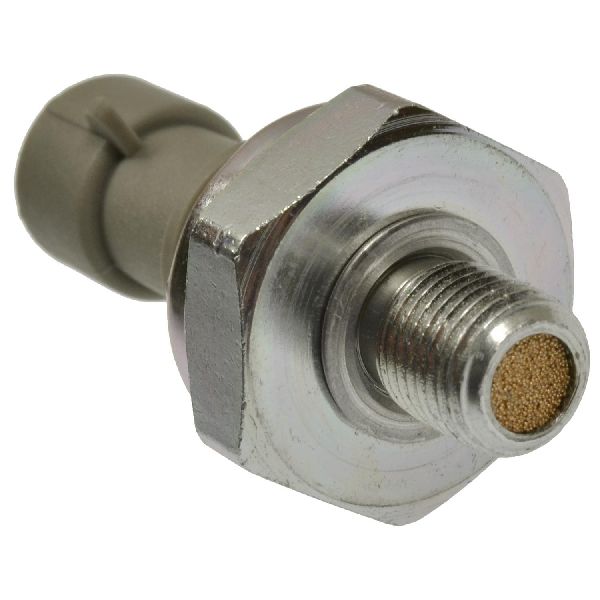
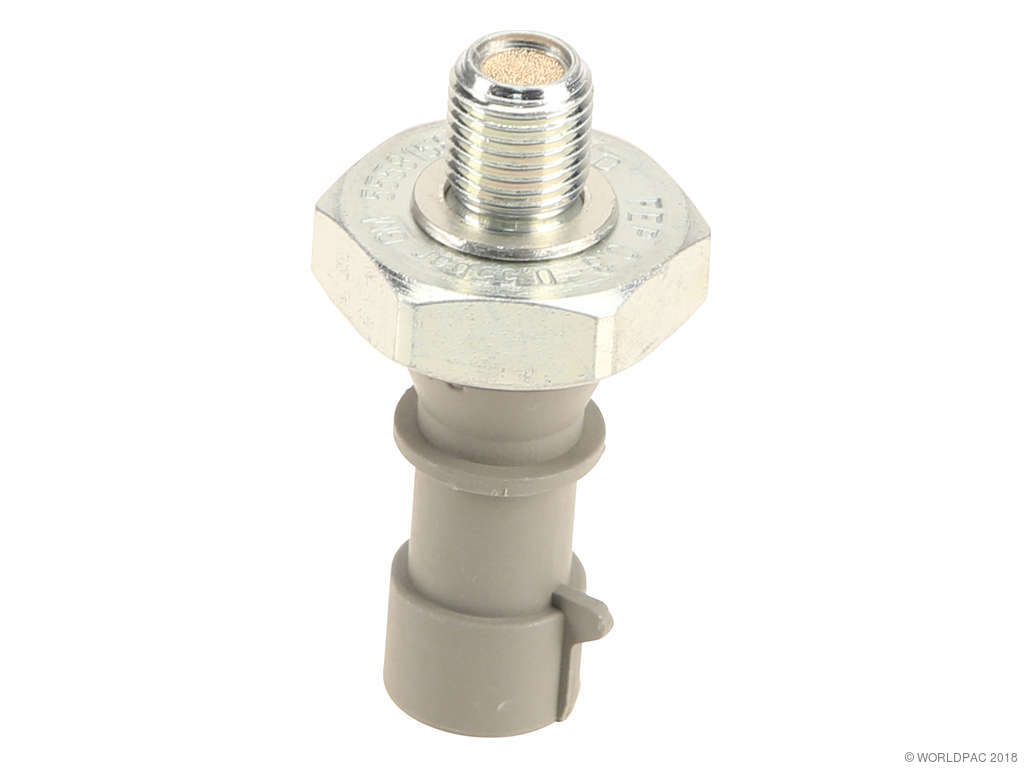
- Faulty Engine Oil Pressure Sensor 🔴 High Probability The sensor is a very common failure point on many GM vehicles, including the Encore. It is exposed to significant heat and vibration, which can cause internal failure or oil leaks through the sensor body into the electrical connector.
How to confirm: With the engine off, use a scan tool to see if the sensor reads zero pressure. Inspect the sensor's electrical connector for oil contamination. The definitive test is to compare the sensor's reading on a scan tool to a mechanical oil pressure gauge connected to the engine. If the mechanical gauge shows good pressure but the sensor reading is erratic or incorrect, the sensor is faulty.
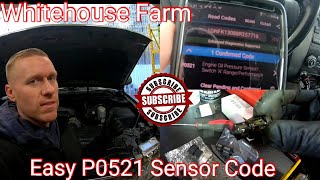
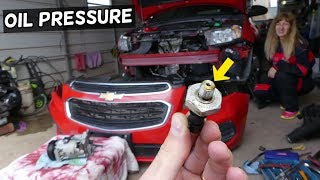
Typical fix: Replace the engine oil pressure sensor. The sensor is located on the engine block, behind the A/C compressor.
Est. part cost: $25-$80 - Low Engine Oil Level or Incorrect Oil/Filter 🔴 High Probability → Shop Engine Oil Filter Adapter The 1.4L Ecotec can consume oil, often exacerbated by a failing PCV system in the valve cover. These engines require full synthetic oil meeting the GM dexos1 specification and are sensitive to oil filter type. Using a non-spec oil or a cheap aftermarket filter can affect the variable pressure oiling system and trigger P0521, sometimes immediately after an oil change.
How to confirm: Check the engine oil dipstick for level and condition. Verify the correct oil viscosity (GM dexos1 Gen 2 specification) and oil filter were used. The correct ACDelco filter is PF64. Some owners on forums have reported issues when using incorrect filters like the PF2257G instead of the specified one.
Typical fix: Top off or change the engine oil and replace the filter with an OEM ACDelco PF64 or equivalent high-quality filter.
Est. part cost: $30-$70 - Failing Engine Oil Pump 🟡 Medium Probability → Shop Engine Oil Pump GM issued TSB #A202302140 and its revision #A202302140-01 for this issue, stating the oil pump's pressure relief valve may get stuck due to foreign material, causing P0521, P06DE, and P06DD.
How to confirm: This requires advanced diagnosis. A technician will perform an oil pump screening test as outlined in the TSB, which involves running the engine at specific RPMs to see if the code sets. A definitive test is to measure oil pressure with a mechanical gauge; if it's consistently low across the RPM range, the pump is the likely culprit.
Typical fix: Replace the engine oil pump assembly. This is a labor-intensive job.
Est. part cost: $150-$300 - Wiring or Connector Issue ⚪ Low Probability The wiring harness to the oil pressure sensor is located in a hot, tight area of the engine bay near the exhaust, making it susceptible to heat damage, chafing, or corrosion. Oil leaking from the sensor itself can also contaminate the connector.
How to confirm: Visually inspect the wiring and connector for the oil pressure sensor for any signs of melting, chafing, corrosion, or oil saturation. Perform a continuity test on the signal wire and check for proper voltage and ground at the connector.
Typical fix: Repair the damaged wiring or clean/replace the connector.
Est. part cost: $5-$50
Rare But Worth Checking
- Clogged Oil Passages or Pickup Tube: Sludge buildup from infrequent oil changes or internal engine wear can restrict oil flow by clogging the oil pump pickup tube screen (ACDelco P/N 25196590) or other small passages, causing a genuine low-pressure situation that triggers P0521.
- Internal Engine Wear: In high-mileage vehicles, worn main bearings or camshaft bearings can cause excessive clearances, leading to a drop in overall oil pressure that the sensor correctly reports. This is a worst-case scenario requiring significant engine repair.
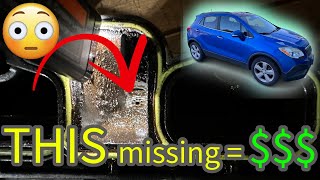
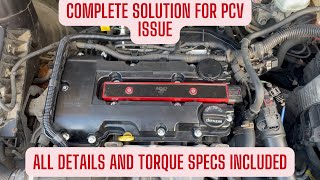
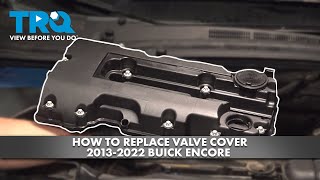
- Failed PCV System in Valve Cover: While it doesn't directly cause P0521, the common failure of the PCV diaphragm in the valve cover on the 1.4L engine can lead to high oil consumption. If the oil level drops too low as a result, it will trigger a P0521 code for low pressure. This is an indirect but very platform-specific cause. 🎬 See how to replace the valve cover and PCV diaphragm
Diagnosis Steps
- Check the engine oil level and condition. Ensure it is full, uses the correct dexos1-spec synthetic oil, and is not overly dirty.
- Using an OBD-II scanner, confirm the presence of P0521 and check for any other related codes like P06DE, P06DD, or P0171.
- With the engine off and key on, check the oil pressure reading on the scan tool. It should be 0 PSI. If it's not, the sensor is likely faulty.
- The most crucial step: Connect a mechanical oil pressure gauge to the engine's oil pressure sensor port. Start the engine and compare the mechanical gauge's reading to the reading from the sensor on your scan tool at both idle and ~2,500 RPM.
- If mechanical pressure is good but the sensor's reading is incorrect, the oil pressure sensor is bad. Inspect its wiring and connector, and if they are okay, replace the sensor.
- If mechanical pressure is confirmed to be low, there is a physical problem. Investigate for a clogged oil pickup tube screen, a failing oil pump, or excessive internal engine wear.
- If a failing oil pump is suspected and codes P06DE/P06DD are also present, follow the diagnostic procedure outlined in GM TSB #A202302140, which involves an 'engine oil pump screening test'.
Parts You'll Likely Need
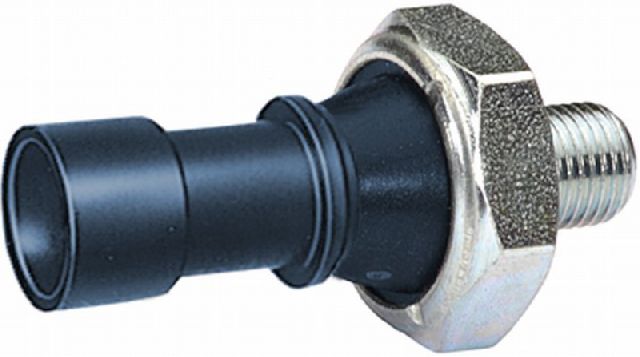
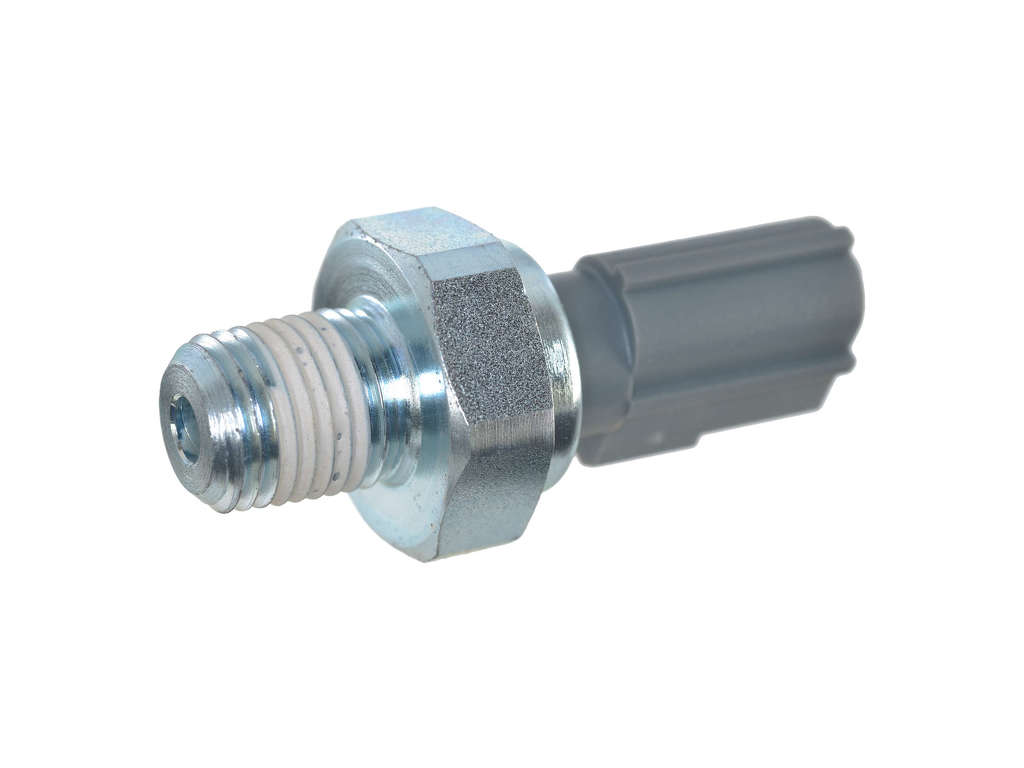
- Engine Oil Pressure Sensor
(OEM #12673134)— This is the most common failure that causes a P0521 code when the actual oil pressure is confirmed to be good. The OEM part supersedes previous part numbers 12621234 and 12596951.
Trusted brands: ACDelco (GM Genuine), Dorman, Standard Motor Products
OEM price range: $40-$70
Aftermarket price range: $25-$50 - Engine Oil Pump
(OEM #55562788)— Identified in manufacturer TSBs as a potential cause for P0521 on this vehicle due to a risk of the internal pressure relief valve sticking.
Trusted brands: ACDelco (GM Genuine), Melling
OEM price range: $200-$350
Aftermarket price range: $150-$250 - Engine Oil and Filter
(OEM #ACDelco PF64 (Filter))— Incorrect oil viscosity or a non-OEM filter can cause pressure regulation issues in the 1.4L engine's variable pressure oiling system, triggering P0521.
Trusted brands: ACDelco (GM Genuine), Mobil 1, Wix
OEM price range: $8-$12 (Filter only)
Aftermarket price range: $5-$10 (Filter only)
Related Codes That Often Appear With This One
- P06DE — This code relates to the oil pressure control solenoid valve being stuck on. The TSBs from GM explicitly state that P06DE and P06DD can be set along with P0521 when the oil pump is failing.
- P06DD — This code indicates the oil pressure control solenoid valve is stuck off. Like P06DE, it is cited in the GM service bulletins as a companion code to P0521 when there are oil pump issues.
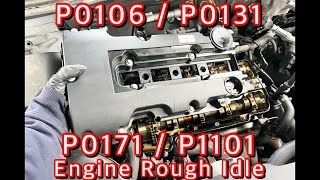
- P0171 — This code for 'System Too Lean' is a classic symptom of a ruptured PCV diaphragm in the valve cover. If you see P0171 along with P0521, it's a strong indicator that high oil consumption from the PCV failure may have led to a low oil level, causing the pressure code.
Technical Service Bulletins (TSBs) & Recalls
- A202302140 01: Service Update for a potentially stuck engine oil pump causing P0521, P06DE, P06DD.
- A202302140: Service Update Bulletin regarding a potentially stuck engine oil pump causing P0521.
- PIP4786C: Information for technicians regarding low oil pressure messages and code P0521.
Platform-Specific Known Issues
- TSB #A202302140-01 & #A202302140: GM states that on certain vehicles, the engine oil pump may become stuck due to foreign material, which can set diagnostic trouble codes P0521, P06DE, and P06DD. Dealers are instructed to perform a specific oil pump screening test and replace the pump if necessary.
- TSB #PIP4786C: This bulletin addresses customer complaints of a low oil pressure message and P0521. While the bulletin covers many GM engines, its core instruction is universal: follow standard diagnosis and verify actual oil pressure with a mechanical gauge before replacing parts. For some engines, it points to a small, clogged filter screen under the sensor.
- PCV System Failure: A very common issue on the 1.4L Turbo engine is the rupture of the PCV diaphragm inside the valve cover. This causes a massive vacuum leak (often setting code P0171), leading to high oil consumption. If the oil level drops too low, it will cause a legitimate low oil pressure condition and trigger P0521.
Mechanic-Grade Diagnostic Values
- Engine Oil Pressure at Idle (Hot) — expected: 160 - 200 kPa (23.21 - 29.01 psi). Failure: Pressure significantly above or below this range indicates a mechanical issue or sensor error.
- Engine Oil Pressure at 4000 RPM (Hot) — expected: 340 - 380 kPa (49.31 - 55.11 psi). Failure: Pressure significantly above or below this range indicates a mechanical issue or sensor error.
- Engine Oil Pressure Sensor Signal Voltage — expected: Varies with pressure, typically 0.5V (low pressure) to 4.5V (high pressure).. Failure: Voltage is stuck, erratic, or does not correspond to mechanically-gauged pressure.
- Oil Pressure Sensor Low Reference Circuit Resistance — expected: Less than 10 Ω. Failure: Resistance greater than 10 Ω indicates a wiring issue between the sensor and the ECM.
Scan Tool Commands That Help
- GDS2 (GM Global Diagnostic System 2): Engine Oil Pump Screening Test — When P0521 is present with P06DD or P06DE. A specific test cycle (e.g., 2,000 RPM for 30s, 4,000 RPM for 15s, idle for 15s, repeated) is performed to induce a fault and confirm a sticking oil pump relief valve, as outlined in TSBs.
- GDS2 (GM Global Diagnostic System 2): Data Display > Engine Mechanical Data > Engine Oil Pressure (PSI) — Per TSB #PIP5826B, this specific PID must be used for diagnosis, as other PIDs like 'Engine Oil Pressure Sensor' are not suitable for certain tests like harness manipulation checks.
Wiring & Ground Locations
- Engine Oil Pressure Sensor Connector — A 3-pin connector on the engine block where the oil pressure sensor is installed, often near the oil filter housing or behind the A/C compressor.. The connector itself or its pigtail can be damaged by heat and vibration or contaminated with oil from a leaking sensor, causing a poor connection that triggers P0521.
- ECM Connector X1, Pin 23 — At the Engine Control Module (ECM).. This is the terminal for the low reference circuit (circuit 580) from the oil pressure sensor. GM Bulletin 24-NA-021 specifies testing for resistance between this pin and the sensor connector to diagnose wiring faults.
Real Owner Repair Stories
- Reddit user in r/ChevyTrucks (General GM Truck (illustrates a common GM issue)) — Persistent P0521 code.
❌ Tried (didn't work) Replacing the oil pressure sensor with an aftermarket part.
✅ What actually fixed it Replacing the aftermarket sensor with a genuine OEM sensor resolved the code, suggesting the ECM is sensitive to the specific calibration of the original equipment sensor. - Reddit user in r/MechanicAdvice (2016 Buick Encore) — Oil blown everywhere, rough idling, trouble accelerating, loud vacuum noise at idle.
❌ Tried (didn't work) A shop replaced the valve cover (containing the PCV valve), but oil blew out of the new PCV valve shortly after.
✅ What actually fixed it The root cause was a failed PCV system built into the valve cover, a common issue on this engine. The initial repair likely failed due to an incorrect part or installation error. This story highlights how a PCV failure can lead to major oil-related symptoms, indirectly causing P0521 if oil levels drop.
OEM Part Supersession History
12596951, 12621234→12673134— Standard part revision and improvement by the manufacturer.
Heads up: While older part numbers may still be found, using the latest superseded part number (12673134) is highly recommended to ensure compatibility and reliability, as some owners report issues with non-OEM or older sensor versions.
Model Year Variations Within This Range
- 2017-present: Starting in 2017, the Buick Encore received a facelift and an optional, direct-injected 1.4L LE2 engine alongside the base LUV engine. While the P0521 code applies to both, diagnostic procedures and part locations may have minor differences. The core causes (sensor, oil type, PCV) remain similar.
Helpful Videos
We Have This Part in Stock


The information in this article is provided for general reference and educational purposes only. Vehicle specifications, procedures, and part compatibility can vary by production date, trim level, and region. Always consult your vehicle's factory service manual and verify part numbers before purchasing or performing repairs. Safety-critical components such as airbags, seat belts, and braking systems should be installed by a qualified professional.
- Buick ENCORE:
- 🧭 Diagnostic Flowchart
- 🎬 Helpful Videos
- 🛍️ Shop This Part
- What's Unique About the 2013-2020 Buick ENCORE
- Symptoms You May Notice
- Most Likely Causes
- Rare But Worth Checking
- Diagnosis Steps
- Parts You'll Likely Need
- Related Codes That Often Appear With This One
- Technical Service Bulletins (TSBs) & Recalls
- Platform-Specific Known Issues
- Mechanic-Grade Diagnostic Values
- Scan Tool Commands That Help
- Wiring & Ground Locations
- Real Owner Repair Stories
- OEM Part Supersession History
- Model Year Variations Within This Range
- 🎟️ Get 5% Off