

P0521 on 2016-2020 Buick Envision: Engine Oil Pressure Sensor Causes and Fixes
This code usually points to a faulty engine oil pressure sensor. Before replacing it, always check the engine oil level and condition first, ensuring it meets GM's dexos specification. A replacement OEM sensor costs about $50-$80, and it's a DIY-friendly job for many owners. The code is often seen with P06DE, which may point to issues with the variable oil pump system.
- P0521 on a Buick Envision indicates a problem with the engine oil pressure sensor's reading.
- Do not continue driving, as this code could signal genuine low oil pressure, risking severe engine damage.
- The most critical diagnostic step is to verify the actual oil pressure with a mechanical gauge before replacing any parts.
- The most common fix is replacing the engine oil pressure sensor, especially if the actual oil pressure is normal.
- Check for GM Technical Service Bulletins (TSBs), as they provide specific diagnostic guidance for this code on your vehicle.
What's Unique About the 2016-2020 Buick ENVISION
For the 2016-2020 Buick Envision, this code is specifically mentioned in several Technical Service Bulletins (TSBs) from GM. These bulletins suggest that the code can appear alongside others like P0172 (System Too Rich) and P06DE (Engine Oil Pressure Control Solenoid Valve Stuck On), indicating a potential pattern failure. TSB PIP5676A directly links P0521 with P06DE and suggests the cause can be foreign material inside the oil pump assembly, specifically in the cold start checkball. This points to a known issue on this platform and its relatives that GM has developed specific diagnostic procedures for, moving beyond a simple sensor replacement.
Diagnostic Flowchart
Tap your situation to follow the diagnostic path that matches what you're seeing on this vehicle.
Symptoms You May Notice
- Check Engine Light (Malfunction Indicator Lamp) is on
- Low Oil Pressure warning light or message on the dashboard
- Oil pressure gauge reading abnormally low, high, or stuck
- Engine running rough or making unusual noises (ticking, knocking)
- On vehicles with Active Fuel Management (AFM) or Dynamic Fuel Management (DFM), the system may be disabled, preventing the engine from entering V4 mode.
- Replacing the oil pressure sensor without first verifying the actual engine oil pressure with a mechanical gauge. If the actual pressure is low, a new sensor will not fix the problem and can lead to catastrophic engine failure.
- Replacing the oil pump without first inspecting for simpler issues like a clogged sensor screen, incorrect oil filter, or debris in the pump's checkball as outlined in GM TSBs.
Most Likely Causes
- Faulty Engine Oil Pressure Sensor 🔴 High Probability Sensors are electronic components that can fail over time due to heat cycles and exposure to oil. GM has issued TSBs that include this code, suggesting it's a recognized failure point. Forum discussions for similar GM engines frequently point to sensor replacement as the fix.
How to confirm: After verifying the oil level is correct, use a scan tool to monitor the sensor's readings. The definitive test is to compare the scan tool data to a reading from a mechanical oil pressure gauge connected to the engine. If the mechanical gauge shows good pressure (e.g., ~25-30 PSI at hot idle, rising with RPM) but the sensor reading is incorrect, the sensor is faulty.
Typical fix: Replace the engine oil pressure sensor. On many GM engines, there is a small filter screen underneath the sensor that should also be replaced or cleaned.
Est. part cost: $50-$80 - Low Engine Oil Level or Incorrect Oil 🟡 Medium Probability These direct-injection engines require a specific oil type, typically full synthetic meeting the GM dexos specification, to function correctly and prevent sludge. Using the wrong oil or extending change intervals can lead to pressure issues.
How to confirm: Physically check the engine oil dipstick for the correct level and inspect the oil's condition. Ensure the oil viscosity (e.g., 5W-20 for the 2.5L LCV) matches the manufacturer's recommendation found in the owner's manual. If the oil is low, dirty, or smells of fuel, it should be changed.
Typical fix: Top off or change the engine oil and filter with the correct type and grade of oil (e.g., ACDelco PF64 filter and dexos-approved synthetic oil).
Est. part cost: $40-$100 - Wiring or Connector Issue ⚪ Low Probability The sensor for the 2.5L LCV engine is located at the back of the engine, potentially exposing the wiring to heat and stress. For the 2.0L LTG, it is located behind the catalytic converter.
How to confirm: Visually inspect the wiring harness and connector going to the oil pressure sensor for any signs of damage, corrosion, or oil contamination. A multimeter can be used to check for continuity and proper voltage at the connector.
Typical fix: Repair the damaged wiring or clean/replace the connector.
Est. part cost: $5-$50 - Clogged Oil Filter or Passages ⚪ Low Probability → Shop Engine Oil Filter Adapter Can occur if oil change intervals are excessively long or incorrect/low-quality oil filters are used, leading to sludge buildup. Some aftermarket oil filters may not meet the specifications required for the variable oil pressure system, causing pressure deviations.
How to confirm: This is often diagnosed after other causes are ruled out. A sudden P0521 after an oil change can point to an incorrect filter. In a shop, a technician might compare pressure readings from the sensor port and the oil filter housing to check for a restriction.
Typical fix: Replace the oil filter with a high-quality OEM equivalent (e.g., ACDelco). In severe cases of sludge, an engine flush may be required, or mechanical cleaning of oil passages.
Est. part cost: $10-$20
Rare But Worth Checking
- Failing Oil Pump / Control Solenoid: → Shop Engine Oil Pump While less common, if a mechanical gauge confirms low oil pressure, the issue could be the two-stage oil pump or its control solenoid (which triggers code P06DE). TSB PIP5676A notes that debris can get stuck in the pump's checkball, causing pressure regulation issues.
- Internal Engine Wear: On high-mileage engines, worn main or rod bearings can cause a systemic loss of oil pressure, leading to this code. This is a serious mechanical issue confirmed by consistently low mechanical gauge readings. In one forum, a dealer recommended engine replacement after finding a 10 PSI difference between upper and lower engine pressure tests.
Diagnosis Steps
- Check the engine oil level and condition using the dipstick. Ensure the correct dexos-approved oil is being used. Top off or change if necessary.
- Connect an OBD-II scanner to confirm P0521 and check for other stored codes, especially P06DE or P0172.
- Use the scanner's live data function to monitor the engine oil pressure PID. Note the reading with the key on/engine off (should be 0 PSI) and at hot idle.
- CRITICAL STEP: Connect a mechanical oil pressure gauge to the engine. For the 2.5L LCV, the sensor is at the back of the engine. For the 2.0L LTG, it's typically near the oil filter housing. Compare the mechanical reading to the scanner's reading.
- If mechanical pressure is normal (GM specs are often around 22-25 PSI at 1,000 RPM when hot) but the scanner reading is faulty, the sensor is the likely problem. Inspect its wiring and connector for damage. If the wiring is good, replace the sensor and the small screen below it.
- If mechanical pressure is confirmed low, do not drive the vehicle. The problem is with the engine's lubrication system. Consult TSBs like PIP5676A regarding inspection of the oil pump checkball for debris before considering pump replacement.
- If P0172 is also present, check the oil for a strong fuel smell, which could indicate fuel dilution is the root cause, requiring an oil change.
Parts You'll Likely Need
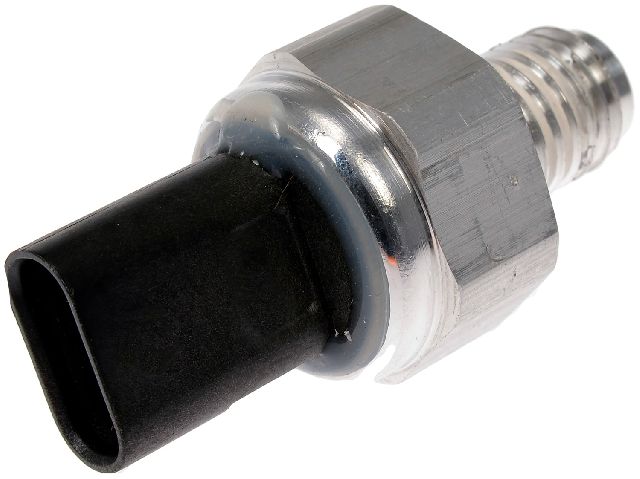
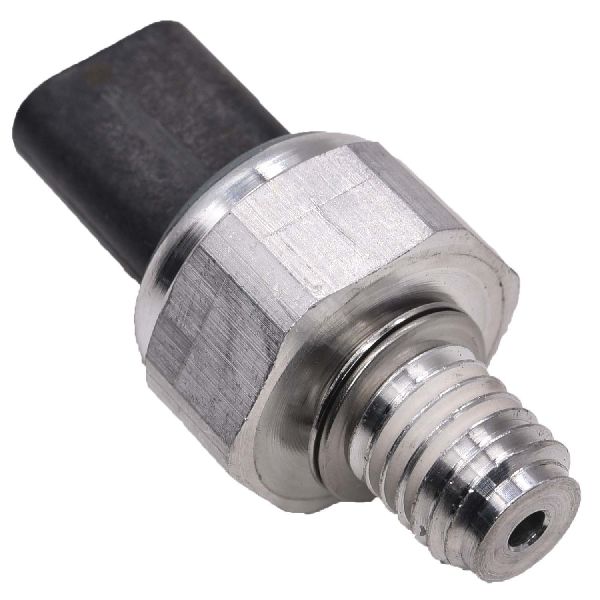
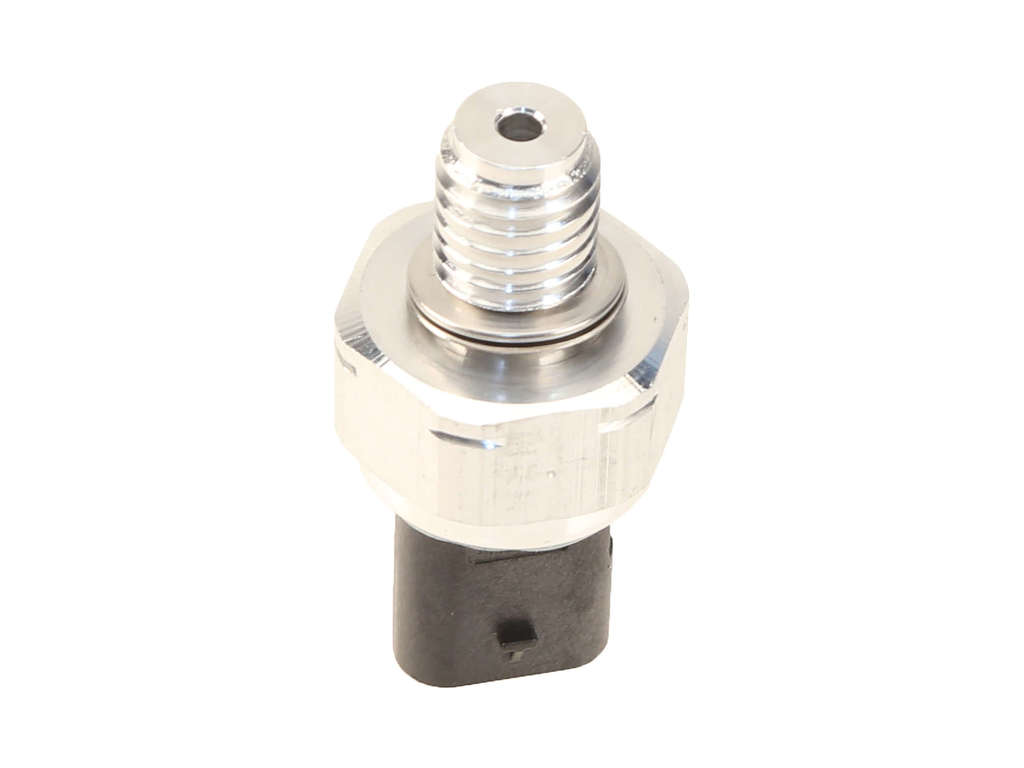
- Engine Oil Pressure Sensor
(OEM #12673134)— This sensor is the most frequent cause of the P0521 code when the actual oil pressure is confirmed to be good. It is a known failure point referenced in manufacturer TSBs and widely discussed in owner forums. This part number supersedes previous versions 12621234 and 12596951.
Trusted brands: ACDelco (GM Original Equipment)
OEM price range: $50-$80
Aftermarket price range: $20-$50 - Engine Oil and Filter
(OEM #ACDelco PF64 (Filter))— Low, dirty, or incorrect viscosity oil is a common cause. Using the OEM-specified filter is crucial for the proper operation of the variable pressure oiling system. An oil change is also the prescribed fix when P0521 is accompanied by P0172 due to fuel dilution.
Trusted brands: ACDelco Filter, Mobil 1, Pennzoil, Valvoline (dexos-approved full synthetic oil)
OEM price range: $50-$100
Aftermarket price range: $40-$70
Related Codes That Often Appear With This One
- P06DE — TSB #22-NA-056, #18-NA-246, and PIP5676A explicitly link P0521 with P06DE (Engine Oil Pressure Control Solenoid Valve Stuck On). This combination strongly suggests a fault within the variable displacement oiling system, potentially caused by debris in the pump or a faulty control solenoid.
- P0172 — TSB #22-NA-056 and #18-NA-246 also mention P0172 (System Too Rich Bank 1). This can be caused by excessive fuel contaminating the engine oil, often from frequent short-trip driving, which lowers the oil's viscosity and affects its pressure. The fix in this case is an oil and filter change.
Technical Service Bulletins (TSBs) & Recalls
- 22-NA-056: Provides a repair procedure for DTC P0521 when set with P0172 and/or P06DE, pointing to fuel-in-oil issues.
- 18-NA-246: Mentions procedures to correct a MIL with DTC P0521, P0172, and/or P06DE.
- PIP4786C: Notes that vehicles may present with a low oil pressure message and DTC P0521, and advises technicians to follow published diagnostic procedures.
- PIP5676A: Details diagnosing P06DE which may also have P0521, and points to possible foreign material in the oil pump assembly as a root cause.
Platform-Specific Known Issues
- TSB #PIP4786C: Specifically addresses a low oil pressure message and code P0521, instructing technicians to follow standard diagnosis, starting with verifying actual oil pressure with a scan tool and mechanical gauge.
- TSB #22-NA-056 & #18-NA-246: These bulletins provide repair procedures for when P0521 is set with P06DE and/or P0172, pointing towards either a variable oil pump issue or a fuel dilution problem requiring an oil change.
Mechanic-Grade Diagnostic Values
- Engine Oil Pressure Sensor Signal Voltage — expected: Approx. 0.5V at low pressure, up to 4.5V at high pressure.. Failure: Voltage is stuck, or does not correspond to mechanically measured pressure.
- ECM Predicted vs. Actual Oil Pressure — expected: Difference should be between -6.8 and +7.3 PSI.. Failure: If the difference between the ECM's predicted oil pressure and the actual sensor reading is greater than 7.3 PSI or less than -6.8 PSI, code P0521 will set.
- Mechanical Oil Pressure at Sensor Port (Hot Idle) — expected: Above 20 PSI.. Failure: If pressure is below 20 PSI, a stuck oil pressure relief valve in the oil pump is suspected.
- Oil Pressure Sensor Circuit Voltages — expected: One wire with 5V reference, one signal wire (voltage varies), one low reference (ground).. Failure: Absence of 5V reference, or a short/open on any wire.
Scan Tool Commands That Help
- GDS2 (GM Global Diagnostic System 2): Engine Oil Pump Failure Screening Test — When P0521, P06DD, or P06DE are present. A specific test cycle is performed (run engine to 2,000 RPM for 30s, then 4,000 RPM for 15s, then idle for 15s, repeated 10 times) to try and induce the fault, confirming an issue with the oil pump assembly.
Wiring & Ground Locations
- Oil Pressure Sensor Connector — On the sensor itself, located at the rear of the 2.5L engine or behind the catalytic converter on the 2.0L engine.. This 3-wire connector provides power, ground, and signal for the sensor. The Tan/White wire is often the signal wire to the ECM, while Black is the low reference/ground. Damage or corrosion here directly causes the code.
- G101 — Located at the front of the engine on the lower block (on similar GM platforms).. This is a primary ground location for the Engine Control Module (ECM). A poor ground at G101 can cause erratic behavior and incorrect readings from various engine sensors, including the oil pressure sensor, as the ECM provides the reference ground for the sensor circuit.
Real Owner Repair Stories
- Reddit user in r/ChevyTrucks (Similar GM Truck) — P0521 code kept returning.
❌ Tried (didn't work) Replacing the oil pressure sensor/switch.
✅ What actually fixed it The final fix was using a specific high-quality oil filter (Mobil 1 M1-113A) and ensuring the oil level was correct. This implies the previous filter, though it fit, was causing pressure reading deviations sufficient to trigger the code. - Chevrolet Forum user (2013 Silverado 1500 5.3L with 93k miles) — Check Engine Light with code P0521, engine runs fine.
❌ Tried (didn't work) Took to dealer, who performed upper and lower pressure tests and found a 10 PSI difference.
✅ What actually fixed it The dealer recommended a full engine replacement. The user was seeking a second opinion, believing it to be a sensor issue. Another user in the same thread confirmed a new oil pump fixed their identical symptoms, highlighting the severe misdiagnosis that can occur.
"I Checked Everything" — The Actual Cause
- The equivalent for this code is 'Mechanical Gauge is Good, Sensor is New, Still Have Code'. In multiple owner reports, the root cause was found to be an incorrect or low-quality aftermarket oil filter. The filter can cause slight pressure fluctuations that the sensitive electronics register as a performance fault, even if the overall pressure is safe for the engine.
When the Usual Fixes Don't Work
- While a faulty sensor is the most common cause, there are numerous documented cases where replacing the sensor does not fix the issue. The next most likely culprit, especially if the code appears after an oil change, is the oil filter itself. Using a non-OEM or incorrect specification filter can cause pressure deviations that trigger P0521. If the code is paired with P06DE, the focus should immediately shift to the variable oil pump system, as noted in multiple GM TSBs.
OEM Part Supersession History
12621234, 12596951→12673134 (also cross-references to ACDelco D1846A)— Part revision and consolidation across GM platforms.
Heads up: A technical bulletin from SCCA strongly warns against using aftermarket versions of the D1846A sensor due to a higher rate of internal diaphragm failure, which can cause catastrophic oil leaks through the sensor's electrical pins. Always use a genuine GM/ACDelco part.
Helpful Videos

We Have This Part in Stock


The information in this article is provided for general reference and educational purposes only. Vehicle specifications, procedures, and part compatibility can vary by production date, trim level, and region. Always consult your vehicle's factory service manual and verify part numbers before purchasing or performing repairs. Safety-critical components such as airbags, seat belts, and braking systems should be installed by a qualified professional.
- Buick ENVISION:
- 🧭 Diagnostic Flowchart
- 🎬 Helpful Videos
- 🛍️ Shop This Part
- What's Unique About the 2016-2020 Buick ENVISION
- Symptoms You May Notice
- Most Likely Causes
- Rare But Worth Checking
- Diagnosis Steps
- Parts You'll Likely Need
- Related Codes That Often Appear With This One
- Technical Service Bulletins (TSBs) & Recalls
- Platform-Specific Known Issues
- Mechanic-Grade Diagnostic Values
- Scan Tool Commands That Help
- Wiring & Ground Locations
- Real Owner Repair Stories
- "I Checked Everything" — The Actual Cause
- When the Usual Fixes Don't Work
- OEM Part Supersession History
- 🎟️ Get 5% Off