

P0521 on 2005-2012 Cadillac Escalade: Oil Pressure Sensor and Filter Fixes
On a 2005-2012 Escalade, P0521 is most often caused by a faulty oil pressure sensor or using the wrong type of oil filter. Replacing the sensor and its small filter screen underneath is the most common fix, costing around $40-$80 for parts. Always verify the actual oil pressure with a mechanical gauge before assuming a major engine problem.
- P0521 on your Escalade is a serious warning, but it's more often a sensor issue than a major engine problem.
- The first and easiest steps are to check your oil level and ensure you are using a high-quality ACDelco PF48e oil filter.
- The most probable fix is replacing the oil pressure sensor AND the small filter screen underneath it.
- Never assume you have a major engine failure until you've verified the true oil pressure with a mechanical gauge.
- Due to the sensor's difficult location, this repair can be time-consuming for a DIYer, but is possible with patience.
What's Unique About the 2005-2012 Cadillac ESCALADE
On these GM V8 engines (6.0L, 6.2L), the P0521 code is notoriously linked to the oil filter choice and the oil pressure sensor itself. Multiple Technical Service Bulletins (TSBs) specifically call out issues arising after an oil change, pointing to non-specified filters as a direct cause. The sensor is a known high-failure part, located in a difficult-to-reach spot at the back of the engine. A small, thimble-like filter screen is positioned directly beneath the sensor and is prone to clogging with sludge, which is a primary cause of the faulty reading.
Diagnostic Flowchart
Tap your situation to follow the diagnostic path that matches what you're seeing on this vehicle.
Generation note: This range covers the end of the second generation (2005-2006, GMT800) and the majority of the third generation (2007-2012, GMT900). While the causes are similar, the 6.0L and 6.2L V8 engines used in these models are both prone to this issue. The diagnostic and repair process is nearly identical for both generations within this year range, as confirmed by TSBs that cover both.
Symptoms You May Notice
- Check Engine Light is on
- Low Oil Pressure warning message on the instrument cluster
- Oil pressure gauge reading abnormally low (dropping to 0 psi at idle) or high (pegged at 80+ psi).
- Oil pressure gauge fluctuating erratically, sometimes described as "dancing". 🎬 Watch: How to fix an erratic or non-working oil pressure gauge.
- In cases of actual low pressure, engine ticking, knocking, or rattling noises.
- Replacing the entire oil pump when the issue is just a faulty sensor or clogged screen.
- Assuming the engine is failing without first verifying the actual oil pressure with a mechanical gauge.
- Replacing the sensor but failing to inspect and replace the small, clogged filter screen underneath it.
Most Likely Causes
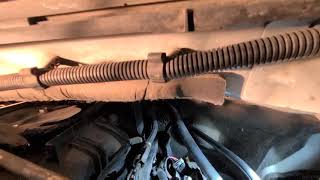
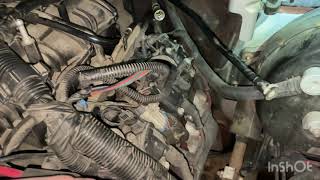
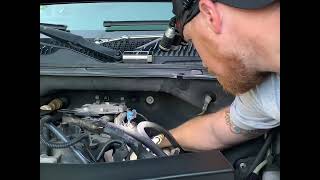
- Faulty Engine Oil Pressure Sensor 🔴 High Probability The sensor is a very common failure item on this GM engine platform due to heat and vibration at its location on the back of the engine block, under the cowl. 🎬 See how to access the sensor in this quick repair guide. Aftermarket sensors are also reported by owners to fail prematurely.
How to confirm: The definitive test is to compare the sensor's reading on a scan tool with a reading from a mechanical oil pressure gauge. If the mechanical gauge shows normal pressure while the scan tool shows an erratic or incorrect reading, the sensor is bad. A simple test is to disconnect the sensor; if a gauge pegged at 80 psi drops to zero, the sensor is likely shorted internally.
Typical fix: Replace the oil pressure sensor. It is highly recommended to also replace the small filter screen located in the block underneath the sensor at the same time. Using a genuine ACDelco/GM part is strongly advised.
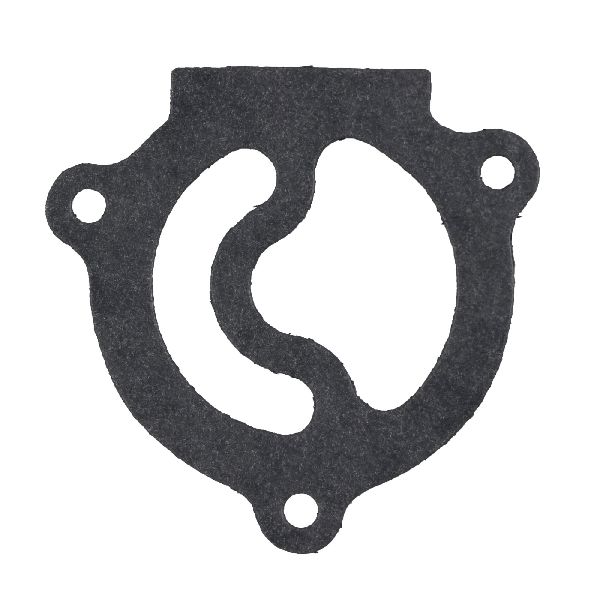
Est. part cost: $25-$80 - Incorrect or Clogged Oil Filter 🔴 High Probability → Shop Engine Oil Filter Adapter GM issued TSB #PIP5276E specifically linking P0521 to oil changes and recommending the use of a PF48e type filter. An earlier TSB, PIP5276, even recommended switching from a PF48E to a PF48 in very cold temperatures (below 0°F). Aftermarket filters may have different bypass valve specifications that can cause pressure reading issues.
How to confirm: Check the part number on the currently installed oil filter. If it is not an ACDelco PF48e or a high-quality equivalent with the correct specifications, it is suspect, especially if the code appeared after an oil change.
Typical fix: Perform an oil change using the correct viscosity oil and install a new ACDelco PF48e oil filter.
Est. part cost: $10-$15 - Clogged Oil Pressure Sensor Filter Screen 🟡 Medium Probability → Shop Engine Oil Pressure Sensor A small, thimble-shaped filter screen sits in the oil passage directly below the pressure sensor. It can become clogged with sludge or debris, restricting oil flow to the sensor and causing a false low reading. TSB PIP4786C specifically instructs technicians to inspect this filter for debris before replacing any other parts.
How to confirm: The screen is only visible after removing the oil pressure sensor. If it is clogged with debris, it is a likely culprit. A common method to remove it is to carefully thread a small screw into it and pull it out.
Typical fix: Remove the old screen using a pick or a screw and install a new one. This part is inexpensive and should always be replaced when replacing the sensor. Some TSBs note it can be cleaned with brake cleaner and air if not damaged.
Est. part cost: $5-$10 - Low or Incorrect Viscosity Engine Oil 🟡 Medium Probability This is a universal cause, but particularly relevant if the code appears shortly after an oil change service where the wrong grade of oil might have been used. One owner on a forum resolved their P0521 code simply by topping off the oil, which was 2.5 quarts low.
How to confirm: Check the engine oil level via the dipstick. If the level is correct, verify the type of oil that was last used. If unknown, an oil change is a good diagnostic step.
Typical fix: Top off or change the engine oil with the manufacturer-specified grade (typically 5W-30).
Est. part cost: $40-$80
Rare But Worth Checking
- Worn Internal Engine Components: If a mechanical gauge confirms low oil pressure, the cause is internal to the engine, such as worn camshaft bearings or a failing oil pump pickup tube O-ring. This is a worst-case scenario.
- Failing Oil Pump: → Shop Engine Oil Pump While possible, the oil pump is generally robust. This should only be considered after a mechanical gauge confirms low pressure and other causes are ruled out.
- Wiring Harness or Connector Issue: The wiring to the sensor is in a hot, tight location. It can become brittle or damaged, causing a short or open circuit. Inspect the connector and harness for damage when replacing the sensor.
- Active Fuel Management (AFM) Lifter Issues: On engines equipped with AFM, internal issues like a stuck/failed lifter can sometimes be preceded by or related to oil pressure problems. Low oil pressure is cited as a potential cause for AFM lifter failure.
Diagnosis Steps
- Check the engine oil level and condition. Top off if low. This simple step can sometimes resolve the code.
- Verify the correct oil filter is installed (ACDelco PF48e is recommended by TSBs). If in doubt, or if the code appeared after an oil change, replace it.
- Connect a scan tool and observe the oil pressure reading from the ECM. Note if it's stuck high, low, or fluctuating wildly.
- Crucially, connect a mechanical oil pressure gauge to the engine and compare its reading to the scan tool data. This is the most important diagnostic step.
- If the mechanical gauge shows good pressure but the scan tool shows low/erratic pressure, the problem is with the sensor, its filter screen, or wiring.
- If both gauges show low pressure, you have a serious mechanical issue (e.g., worn bearings, bad oil pump, pickup tube O-ring) that needs professional diagnosis.
- If the sensor is suspect, remove it. It is located at the back of the engine block, behind the intake manifold. Access is tight, but can be done without removing the intake manifold.
- Once the sensor is out, inspect and replace the small filter screen in the port below it. It can be extracted with a pick or by threading a small screw into it.
- Install the new filter screen and new oil pressure sensor, reconnect the wiring, and clear the codes.
- Start the engine and verify the gauge reads correctly and there are no oil leaks from the new sensor before reinstalling engine covers.
Parts You'll Likely Need
- Engine Oil Pressure Sensor
(OEM #12673134)— This is the most common failure point for code P0521 on this vehicle. This part number supersedes 12596951 and 12621234. It has a round electrical connector.
Trusted brands: ACDelco (GM Genuine), Dorman, Standard Motor Products
OEM price range: $45-$70
Aftermarket price range: $25-$50 - Engine Oil Pressure Sensor Filter Screen
(OEM #12585328)— This small screen below the sensor frequently clogs with sludge, causing incorrect readings. It should always be replaced with the sensor. Many OEM sensors now include this screen in the box.
Trusted brands: ACDelco, Dorman
OEM price range: $5-$10
Aftermarket price range: $3-$8 - Engine Oil Filter
(OEM #PF48e)— A specific TSB (PIP5276E) points to incorrect oil filters as a direct cause of P0521. Using a non-specified filter can lead to incorrect pressure readings.
Related Codes That Often Appear With This One
- P0523 — P0523 indicates 'Engine Oil Pressure Sensor/Switch Circuit High'. It often appears with P0521 as it points to the same faulty sensor providing erratic readings, often getting stuck at the maximum reading.
- P0300 — A random/multiple cylinder misfire code (P0300) can appear if there are severe oil pressure issues related to the Active Fuel Management (AFM) system, as failed AFM lifters can cause misfires.
Technical Service Bulletins (TSBs) & Recalls
- PIP5276E: Mentions P0521 and low oil pressure after an oil change, recommends using a PF48e filter.
- PIP5276G: Supersedes prior versions, reiterates the oil filter recommendation and adds checks for other related TSBs and valve cover baffle integrity.
- PIP4786C: Instructs technicians to inspect the small filter screen under the sensor for clogs before replacing other components.
- PIP5276: An earlier version that advised switching from a PF48E to a PF48 filter in extremely cold weather.
Platform-Specific Known Issues
- TSB PIP5276G: P0521 After Oil Change: This bulletin, which supersedes previous versions, addresses P0521 and low oil pressure warnings. It instructs technicians to ensure a PF48E filter is used and to check if prior TSBs (like 10-06-01-008 for AFM oil consumption) were performed. It also mentions inspecting the left rocker cover baffle for leaks, which can contribute to oiling issues.
- TSB PIP4786C: Inspect Valve Lifter Oil Filter First: → Shop Engine Oil Filter Adapter This bulletin specifically tells technicians who find a P0521 code to inspect the small filter screen (referred to as the Valve Lifter Oil Filter) for debris before replacing any other parts, confirming it's a primary suspect.
- Real-World Repair: The 'Shortcut' Method: While the official GM procedure can call for removing the intake manifold (a 5-6 hour job), many owners and independent mechanics have documented a 'shortcut'. This involves using a specific combination of a special 1-1/16" socket, a swivel adapter, and extensions to reach the sensor from the top without major disassembly. This can reduce the job to 1-2 hours.
- Owner Experience: The Importance of OEM Parts: Multiple forum and owner accounts stress the importance of using a genuine ACDelco/GM oil pressure sensor. Some have reported that aftermarket sensors failed quickly or didn't resolve the code, requiring the job to be done a second time with an OEM part.
Mechanic-Grade Diagnostic Values
- Sensor 5-Volt Reference Circuit — expected: 4.8-5.2 Volts. Failure: Voltage outside this range indicates a problem with the ECM or wiring, not necessarily the sensor.
- Sensor Signal Voltage (Live Data) — expected: ~0.5 V at low pressure (idle) to ~4.5 V at high pressure (high RPM).. Failure: Voltage that is stuck, erratic, or doesn't correspond to engine RPM changes points to a bad sensor or wiring issue.
- Scan Tool Pressure Reading (KOEO - Key On, Engine Off) — expected: 0-1.2 psi (0-8 kPa). Failure: A reading significantly higher than 0 psi with the engine off indicates a faulty sensor or a short in the signal wire.
Wiring & Ground Locations
- G103 — On the front of the right (passenger side) cylinder head on GMT900 models (2007-2012).. This is a primary engine ground point. A poor connection here can cause erratic behavior from various engine sensors, including the oil pressure sensor, that are grounded through the engine block.
- G104 — On the rear of the left (driver side) cylinder head, often connected to a ground strap running to the firewall (G108).. This ground is critical for the engine harness and ignition system. A loose or corroded G104 can introduce electrical noise and unstable sensor readings for the ECM.
- G102 — On the lower left front of the engine block.. Provides a ground path for multiple components in the engine harness. Ensuring it is clean and tight is part of a thorough electrical diagnosis for any sensor-related code.
- Oil Pressure Sensor Connector — At the sensor, top of the engine block behind the intake manifold. It is a 3-wire connector.. The connector itself or its wiring can become brittle and fail from heat. The three wires are typically a 5V reference (often gray), a low reference/ground (often black), and the signal wire (often tan/white).
Real Owner Repair Stories
- Tahoe Yukon Forum user (2009-2014 GM Truck/SUV (Yukon/Tahoe/Escalade platform)) — P0521 code, low oil pressure reading on the dash gauge.
❌ Tried (didn't work) Initial diagnosis pointed towards a bad sensor.
✅ What actually fixed it Topping off the engine oil. The vehicle was 2.5 quarts low, and correcting the oil level restored normal pressure and cleared the code. - Reddit user in r/ChevyTrucks (Chevy Silverado (similar platform)) — Recurring P0521 code after replacing the oil pressure sensor.
❌ Tried (didn't work) Replacing the oil pressure sensor.
✅ What actually fixed it Switching to a Mobil 1 M1-113A oil filter. The user reported the issue was resolved and had not returned 5,000 miles later. - Reddit user in r/ChevyTrucks (Chevy Truck (similar platform)) — P0521 code remained active after repair attempt.
❌ Tried (didn't work) Replacing the sensor with an aftermarket part from a local auto parts store.
✅ What actually fixed it Replacing the aftermarket sensor with a genuine OEM (ACDelco) sensor resolved the issue.
OEM Part Supersession History
12596951, 12621234→12673134— GM updated the sensor design for improved reliability and performance. The newer part is the standard service replacement.
Heads up: The key is the connector style. Part number 12673134 has a round connector, which is correct for these Escalade models. An older or incorrect part may have a flat/oval connector and will not fit the harness.
Model Year Variations Within This Range
- 2007-2012 (GMT900): These third-generation models primarily use the 6.2L V8 (L92, L9H, L94) with Active Fuel Management (AFM). AFM systems are more sensitive to oil pressure and viscosity, making them particularly prone to P0521 if the wrong oil is used or if AFM-related components (like lifters) begin to fail.
- 2005-2006 (GMT800): These late second-generation models often used the 6.0L V8 (LQ9) without AFM. While still susceptible to sensor, screen, and filter issues, they lack the added complexity and failure points of the AFM system. Grounding point locations may also differ slightly from the later GMT900 platform.
Helpful Videos
We Have This Part in Stock

The information in this article is provided for general reference and educational purposes only. Vehicle specifications, procedures, and part compatibility can vary by production date, trim level, and region. Always consult your vehicle's factory service manual and verify part numbers before purchasing or performing repairs. Safety-critical components such as airbags, seat belts, and braking systems should be installed by a qualified professional.
- Cadillac ESCALADE:
- 🧭 Diagnostic Flowchart
- 🎬 Helpful Videos
- 🛍️ Shop This Part
- What's Unique About the 2005-2012 Cadillac ESCALADE
- Symptoms You May Notice
- Most Likely Causes
- Rare But Worth Checking
- Diagnosis Steps
- Parts You'll Likely Need
- Related Codes That Often Appear With This One
- Technical Service Bulletins (TSBs) & Recalls
- Platform-Specific Known Issues
- Mechanic-Grade Diagnostic Values
- Wiring & Ground Locations
- Real Owner Repair Stories
- OEM Part Supersession History
- Model Year Variations Within This Range
- 🎟️ Get 5% Off