

P0521 on 2013-2016 Cadillac Escalade: Oil Pressure Sensor & Filter Fixes
On a 2013-2016 Escalade, code P0521 is most often caused by a faulty engine oil pressure sensor or the wrong type of oil filter. Replacing the sensor and the small filter screen beneath it is the most common fix. Parts cost between $40 and $120, but labor can be significant due to the sensor's difficult location.
- Do not ignore code P0521. Your first step should be to check the oil level and verify the actual oil pressure with a mechanical gauge.
- The type of oil filter used is a known cause for this code. TSBs specifically mention issues with the PF48E filter; switching to a PF48 or quality aftermarket filter is a wise step.
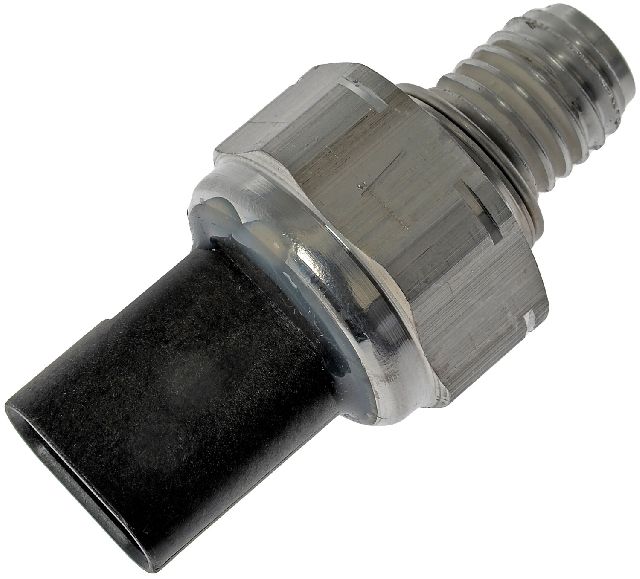
- The most common fix, assuming oil pressure is actually good, is to replace the engine oil pressure sensor and the small filter screen underneath it.
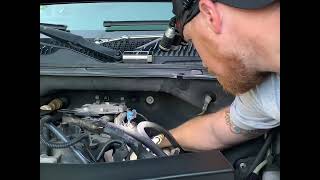
- Replacing the sensor is a difficult DIY job due to its location at the back of the engine. Review videos of the process to decide if you are equipped to handle it.
What's Unique About the 2013-2016 Cadillac ESCALADE
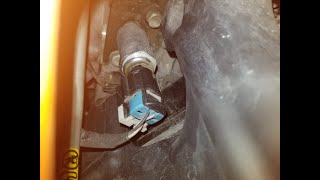
On these GM V8 engines, two issues are exceptionally common. First, as highlighted in multiple Technical Service Bulletins, the use of certain oil filters (specifically the PF48E design) can cause this code, especially in cold weather. Second, the oil pressure sensor is a frequent failure point and is located in a notoriously difficult-to-reach spot at the back of the engine block, tucked behind the intake manifold and against the firewall, making replacement a significant challenge.
Diagnostic Flowchart
Tap your situation to follow the diagnostic path that matches what you're seeing on this vehicle.
Generation note: This range covers two Escalade generations. The 2013-2014 models are the third generation (GMT900 platform) with the 6.2L L94 V8. The 2015-2016 models are the fourth generation (K2XX platform) with the 6.2L L86 EcoTec3 V8. While the code's meaning is the same, the exact sensor part number and location may have minor differences, though both are located at the rear of the engine block behind the intake manifold. The repair procedure is nearly identical for both generations.
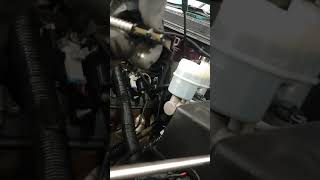
🎬 Watch: Step-by-step oil pressure sensor replacement on a 2013 Escalade.Symptoms You May Notice
- Check Engine Light is on
- Low Oil Pressure warning message on the instrument panel
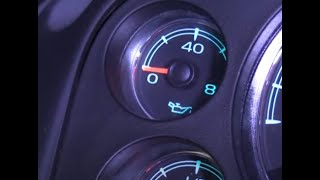
- Oil pressure gauge reading abnormally high (pegged at 80+ psi) or low (at or near zero)
- Oil pressure gauge fluctuating erratically
- Engine noise (in cases of actual low oil pressure)
- Engine may enter a reduced power or 'limp' mode
- Replacing the oil pump when the issue is only a faulty sensor or a clogged sensor filter screen.
- Replacing the instrument cluster because the gauge reads low or high.
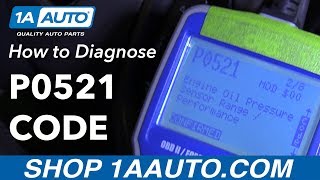
- Performing major engine work before verifying actual pressure with a mechanical gauge. 🎬 Watch: How to properly diagnose a P0521 failed sender code.
Most Likely Causes
- Faulty Engine Oil Pressure Sensor 🔴 High Probability This sensor is a very common failure item on GM V8 engines of this era. It is exposed to intense heat and vibration at the back of the engine, leading to a high failure rate.
How to confirm: After verifying actual oil pressure is good with a mechanical gauge, the sensor is the primary suspect. A gauge reading pegged at max or zero is a classic sign of sensor failure.
Typical fix: Replace the engine oil pressure sensor and the small filter screen located underneath it. This often requires a special 1-1/16" (or 27mm) deep socket designed for oil pressure sending units.
Est. part cost: $30-$80 - Clogged Oil Pressure Sensor Filter Screen 🔴 High Probability → Shop Engine Oil Pressure Sensor A small, thimble-sized filter screen (GM Part #12585328) is located in the block directly below the sensor. It's designed to protect the sensor but often becomes clogged with sludge or debris, starving the sensor and causing false low readings or the P0521 code.
How to confirm: This can only be confirmed by removing the oil pressure sensor and inspecting/removing the screen. A common removal trick involves threading a small screw into it to pull it out. 🎬 See this clever trick for removing the sensor filter screen.
Typical fix: Remove and replace the small filter screen when replacing the oil pressure sensor. It is highly recommended to replace this screen as a preventative measure. Many sensor kits include a new screen.
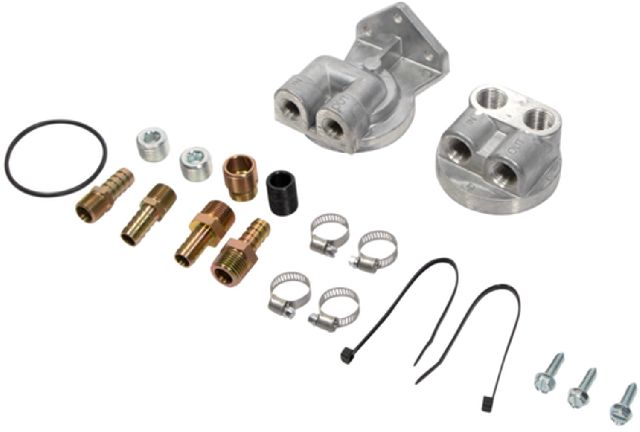
Est. part cost: $5-$15 - Incorrect or Clogged Oil Filter 🟡 Medium Probability → Shop Engine Oil Filter Adapter TSBs specifically call out issues with the PF48E oil filter, which replaced the older PF48 design. The 'E-core' design with plastic internals can sometimes cause pressure reading issues, especially in cold weather. Note that some TSBs recommend the PF48E, creating confusion. The general consensus among technicians is to use a quality non-E-core filter like the original PF48 or a premium aftermarket brand (Wix, Mobil 1) if problems arise.
How to confirm: Check the part number on the installed oil filter. If it is a PF48E and the code appeared after an oil change or in cold weather, this is a likely cause as per TSB #PIP5276B.
Typical fix: Change the engine oil and replace the oil filter with a high-quality alternative, specifically a non 'E-core' filter like the original ACDelco PF48, Wix 57060, or Mobil 1 M1-113A.
Est. part cost: $10-$20 - Low or Incorrect Viscosity Engine Oil 🟡 Medium Probability Using oil that is too thin or simply having a low oil level can lead to pressure fluctuations that trigger the code. These engines also have Active Fuel Management (AFM), which can be sensitive to oil condition and pressure.
How to confirm: Check the oil level using the dipstick and verify the oil's condition. If an oil change was recent, confirm the correct viscosity (typically 5W-30) was used.
Typical fix: Top off the oil to the correct level or perform an oil and filter change using the manufacturer-specified oil viscosity.
Est. part cost: $50-$100
Rare But Worth Checking
- Failing Oil Pump or Clogged Pickup Tube O-Ring: → Shop Engine Oil Pump While less common, if a mechanical gauge confirms that oil pressure is genuinely low, the issue could be a failing oil pump or, more likely, a hardened/cracked oil pickup tube O-ring. A bad O-ring often presents as low pressure on cold starts that improves as the engine warms up.
- Wiring Harness or Connector Issue: The sensor's wiring can become damaged or corroded due to its location and exposure to heat. A visual inspection of the connector and harness for breaks, chafing, or oil contamination is worthwhile.
- Worn Internal Engine Components: In very high-mileage engines, worn crankshaft or camshaft bearings can cause a genuine low oil pressure condition. This is a major engine issue and would typically be accompanied by other symptoms like engine knocking.
Diagnosis Steps
- Check the engine oil level and condition. Top off or change if necessary, ensuring the correct 5W-30 viscosity.
- Identify the installed oil filter. Per TSB #PIP5276B, if a PF48E filter is installed and issues persist, consider replacing it with a PF48 or a quality aftermarket equivalent.
- CRITICAL STEP: Connect a mechanical oil pressure gauge to the engine to verify the actual oil pressure. GM specifications are generally a minimum of 24 psi at 1,000 RPM. This step determines if you have a real pressure problem or just a sensor circuit fault.
- If mechanical pressure is normal, the fault lies with the sensor circuit. Inspect the oil pressure sensor's electrical connector for damage, corrosion, or oil saturation.
- If the connector is clean and secure, the most likely cause is a failed oil pressure sensor. Prepare to replace the sensor. This requires a special oil pressure sensor socket (1-1/16" or 27mm), a swivel adapter, and multiple extensions.
- When replacing the sensor, ALWAYS remove and replace the small filter screen located in the engine block directly underneath it (Part #12585328).
- If mechanical pressure is genuinely low, the problem is more severe. Further diagnosis should focus on the oil pump, oil pickup tube O-ring, or internal engine bearings.
Parts You'll Likely Need
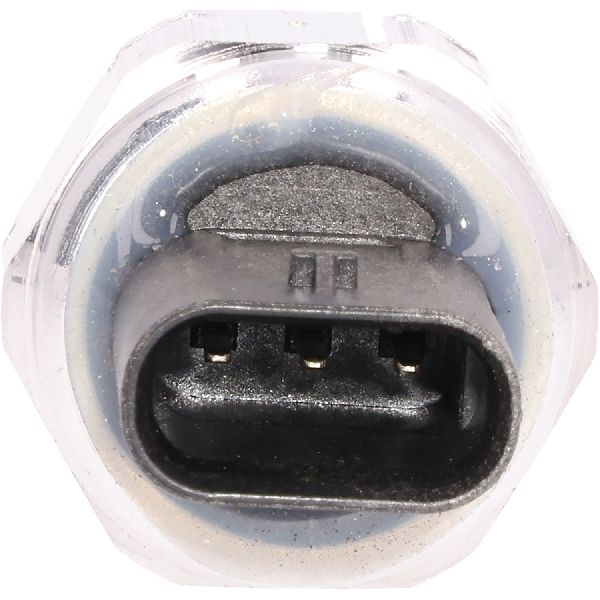
- Engine Oil Pressure Sensor
(OEM #12673134 (supersedes 12621234, 12596951))— This sensor is the most common point of failure for code P0521 when actual oil pressure is confirmed to be good.
Trusted brands: ACDelco (OEM), Standard Motor Products, Dorman
OEM price range: $50-$80
Aftermarket price range: $30-$60 - Oil Pressure Sensor Filter Screen
(OEM #12585328 (Aftermarket Dorman 917-143))— This small screen below the sensor often clogs with sludge, causing incorrect readings. It should always be replaced when the sensor is replaced.
Trusted brands: ACDelco (OEM), Dorman
OEM price range: $8-$15
Aftermarket price range: $5-$10 - Engine Oil Filter
(OEM #PF48 / PF63 (for L86))— Multiple TSBs indicate that the PF48E filter can cause this code on L94 engines. Replacing it with the older PF48 design or a quality aftermarket filter is a primary diagnostic step. The L86 engine uses a PF63 filter.
Trusted brands: ACDelco, Wix, Mobil 1, Purolator
OEM price range: $10-$15
Aftermarket price range: $8-$20
Related Codes That Often Appear With This One
- P0523 — P0523 indicates 'Engine Oil Pressure Sensor/Switch High Voltage'. It's common to see this code alongside P0521, as both point to a fault within the oil pressure sensor's circuit, often caused by the same sensor failure.
Technical Service Bulletins (TSBs) & Recalls
- PIP5276G
- PIP5276E
- PIP5276B
- PIP4786C
- 10-06-01-008
Platform-Specific Known Issues
- TSB #PIP5276G is the latest in a series of bulletins regarding P0521. It instructs technicians to check if a previous TSB (10-06-01-008, related to AFM oil consumption) was performed. If issues persist, it suggests inspecting the left rocker cover baffle for leaks before replacing other parts.
- TSB #PIP4786C specifically advises inspecting the 'Valve Lifter Oil Filter' (the screen under the sensor) for debris or sludge if scan tool data shows low pressure but a mechanical gauge at the filter housing shows good pressure. It advises cleaning or replacing this screen.
- The location of the sensor at the top rear of the engine block makes it susceptible to collecting debris and makes replacement difficult, often requiring removal of the intake manifold for full access, though some mechanics can replace it without doing so.
Mechanic-Grade Diagnostic Values
- 5V Reference Circuit Voltage — expected: 4.8-5.2 Volts DC between sensor connector Pin 2 (Gray wire) and ground with ignition on.. Failure: Voltage outside this range indicates a problem with the ECM or wiring.
- Low Reference Circuit Resistance — expected: Less than 1.0 ohm between sensor connector Pin 1 (Black wire) and a known good ground.. Failure: Resistance higher than 1.0 ohm indicates an open or high resistance in the ground circuit.
- Scan Tool Pressure (Sensor Disconnected) — expected: Less than 8 kPa (1.2 psi) with the sensor unplugged and ignition on.. Failure: A reading higher than this suggests a short to voltage in the signal wire.
- Scan Tool Pressure (Signal Jumpered to 5V) — expected: Greater than 550 kPa (80 psi) with a jumper wire between Pin 3 (Tan/White) and Pin 2 (Gray).. Failure: A reading lower than this suggests an open or short to ground in the signal wire.
- Mechanical Oil Pressure at Hot Idle — expected: Greater than 20 psi when measured at the oil pressure sensor port.. Failure: Pressure less than 20 psi at hot idle (when scan tool readings were previously erratic) points towards a mechanically stuck oil pump pressure relief valve.
Scan Tool Commands That Help
- GDS2 / Tech2: Observe 'Engine Oil Pressure Sensor' Parameter — This is not a bidirectional command, but the primary use of the scan tool for this code. It is used to monitor the pressure value reported by the ECM during circuit verification tests (e.g., disconnecting the sensor or jumpering wires) to isolate the fault between the sensor, wiring, and ECM.
Wiring & Ground Locations
- Engine Oil Pressure Sensor Connector — Top rear of the engine block, underneath the back of the intake manifold.. This 3-pin connector is the primary interface for the sensor. Its wiring is exposed to extreme heat and can become brittle or oil-soaked, causing intermittent connections. Pinout: Pin 1 - Low Reference (Black), Pin 2 - 5V Reference (Gray), Pin 3 - Signal (Tan/White).
- G103 — On the front of the right cylinder head (2014 models and similar).. This is a primary engine ground point for the Engine Control Module (ECM). A poor connection at G103 can cause erratic sensor readings and various performance issues, including phantom trouble codes.
Real Owner Repair Stories
- Reddit user in r/ChevyTrucks (Chevy Truck with GM V8, similar architecture.) — P0521 code persisted after repair.
❌ Tried (didn't work) Replacing the oil pressure sensor with a new sensor from a local auto parts store.
✅ What actually fixed it Replacing the aftermarket sensor with a genuine OEM sensor resolved the issue. Another user in the same thread fixed their P0521 by switching to a Mobil 1 (M1-113A) oil filter instead of the OE-style filter. - Tahoe Yukon Forum user (2013-2014 generation GM SUV) — P0521 code and low oil pressure reading.
❌ Tried (didn't work) Preparing to order a new sensor and special tools for the replacement.
✅ What actually fixed it The user checked the engine oil level and found it was low by approximately 2.5 quarts. Topping off the oil to the correct level restored normal oil pressure and resolved the code without replacing any parts.
When the Usual Fixes Don't Work
- In a documented case, a vehicle owner replaced the oil pressure sensor with an aftermarket part, but the P0521 code immediately returned. The problem was only solved after replacing the new aftermarket sensor with a genuine GM/ACDelco OEM sensor. This highlights that even a 'new' part can be the cause of the problem if it is not an OEM component.
OEM Part Supersession History
12596951→12621234, then 12673134— Standard part evolution for improved reliability and performance.
Heads up: While all parts are physically interchangeable, using a non-OEM or an older superseded part may not resolve the code, as seen in owner forums. It is highly recommended to use the latest genuine OEM part (12673134).
Model Year Variations Within This Range
- 2013-2014 (L94 Engine): These models use the PF48 or PF48E oil filter. TSBs specifically mention issues with the PF48E filter design causing P0521 in cold weather. The AFM system is present but uses an earlier design compared to the L86.
- 2015-2016 (L86 Engine): These models use a PF63 oil filter. They also feature a more complex Valve Lifter Oil Manifold (VLOM) for the AFM/DFM system. A failure in the VLOM is a more specific potential cause for P0521 on these later models.
Helpful Videos
We Have This Part in Stock


The information in this article is provided for general reference and educational purposes only. Vehicle specifications, procedures, and part compatibility can vary by production date, trim level, and region. Always consult your vehicle's factory service manual and verify part numbers before purchasing or performing repairs. Safety-critical components such as airbags, seat belts, and braking systems should be installed by a qualified professional.
- Cadillac ESCALADE:
- 🧭 Diagnostic Flowchart
- 🎬 Helpful Videos
- 🛍️ Shop This Part
- What's Unique About the 2013-2016 Cadillac ESCALADE
- Symptoms You May Notice
- Most Likely Causes
- Rare But Worth Checking
- Diagnosis Steps
- Parts You'll Likely Need
- Related Codes That Often Appear With This One
- Technical Service Bulletins (TSBs) & Recalls
- Platform-Specific Known Issues
- Mechanic-Grade Diagnostic Values
- Scan Tool Commands That Help
- Wiring & Ground Locations
- Real Owner Repair Stories
- When the Usual Fixes Don't Work
- OEM Part Supersession History
- Model Year Variations Within This Range
- 🎟️ Get 5% Off