

P0521 on 2011-2018 Chevrolet Camaro: Oil Pressure Sensor Causes and Fixes
On a 2011-2018 Camaro, code P0521 is most often caused by a faulty engine oil pressure sensor or using the wrong type of oil filter (PF48E instead of PF48 on some models). Replacing the sensor, located at the back of the engine, is a common fix, costing around $25-$60 for the part. In some cases, especially on 6th-gen models, it can point to issues with the variable displacement oil pump.
- Do not drive the vehicle. A P0521 code could signal a real and dangerous loss of oil pressure.
- For 2011-2015 models, the first and easiest check is the oil filter. Using an ACDelco PF48E instead of a PF48 is a known cause for this code.
- The most common fix is replacing the oil pressure sensor and the small screen underneath it.
- Always verify the true oil pressure with a mechanical gauge before assuming the sensor is bad or, more seriously, before condemning the oil pump or engine.
- Replacing the sensor is a difficult job due to its location at the back of the engine. Be prepared with swivel sockets and patience.
What's Unique About the 2011-2018 Chevrolet CAMARO
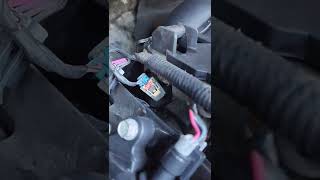
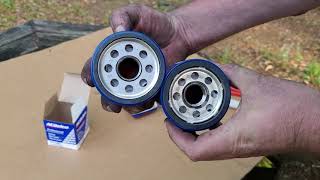
For the 5th generation Camaro (2011-2015) with V8 engines (L99, LS3), this code is notoriously linked to the use of the incorrect ACDelco oil filter. GM issued service bulletins specifically warning that using a PF48E filter instead of the original PF48 design could trigger a P0521 code, especially during cold starts in temperatures below 20°F. The PF48E filter has a different internal construction and bypass valve design 🎬 Watch: See the internal differences between PF48E and PF48 filters. which can cause incorrect pressure readings in these engines. The sensor itself is also a very common failure point and is located in a difficult-to-reach position at the back of the engine block, under the cowl, making replacement a challenging task. 🎬 See this walkthrough for replacing the sensor on a 6.2L V8. Some owners report oil contaminating the sensor's electrical connector, leading to faulty readings.
Diagnostic Flowchart
Tap your situation to follow the diagnostic path that matches what you're seeing on this vehicle.
Generation note: This range covers the end of the 5th generation (2011-2015) and the start of the 6th generation (2016-2018). The oil filter issue involving the PF48E is primarily documented for 5th-gen models with LS-family V8 engines (L99, LS3). The oil pressure sensor is a common failure point on both generations, though part numbers and location may vary slightly. On 6th-gen models with the LT1 V8 or LGX V6, which feature direct injection and Active Fuel Management (AFM), P0521 can also appear with codes like P06DE and P06DD, related to the variable displacement oil pump system.
Symptoms You May Notice
- Check Engine Light is on
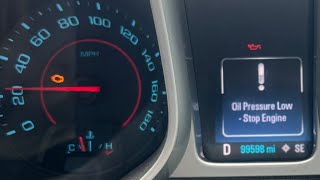
- Low Oil Pressure warning light or message on the instrument panel.
- Oil pressure gauge reading erratically, showing zero, or pegged high (e.g., 60+ psi with engine off).
- In rare cases of actual low oil pressure, audible engine ticking, knocking, or stalling.
- Replacing the oil pump before confirming actual low oil pressure with a mechanical gauge.
- Replacing the instrument cluster or ECM when the issue is a simple sensor or wiring fault.
- Repeatedly replacing the sensor with cheap aftermarket parts, which may be faulty out of the box.
Most Likely Causes
- Faulty Engine Oil Pressure Sensor 🔴 High Probability The sensor is a known high-failure item on many GM LS and LT engines. It is exposed to extreme heat cycles at the back of the engine, which can lead to premature failure of its internal electronics or cause oil to leak into the connector.
How to confirm: With a scan tool, observe the oil pressure reading. If it's erratic, stuck, or clearly incorrect (e.g., showing pressure with the engine off), the sensor is likely bad. The ultimate confirmation is to compare the scan tool reading to a mechanical oil pressure gauge; if the mechanical gauge is steady and in spec while the electronic one is not, the sensor is faulty.
Typical fix: Replace the engine oil pressure sensor and the small filter screen located underneath it. The sensor should be torqued to 26 lb-ft. A special 1-1/16" (27mm) deep oil pressure sensor socket is required for removal and installation.
Est. part cost: $25-$60 - Incorrect or Failed Oil Filter 🔴 High Probability → Shop Engine Oil Filter Adapter As per GM Technical Service Bulletin PIP5276, using an ACDelco PF48E filter on 5th-gen models specified for a PF48 can cause this code, especially in cold weather below 20°F. The different internal bypass valve and core can alter pressure characteristics enough to trigger the code. Some owners report resolving the issue by switching to a high-quality aftermarket filter like the Mobil 1 M1-113A or AC Delco UPF48R.
How to confirm: Check the part number on the installed oil filter. If it is a PF48E on a 2011-2015 model experiencing cold-start issues, this is a likely cause.
Typical fix: Change the engine oil and replace the filter with the correct ACDelco PF48 or a high-quality aftermarket equivalent.
Est. part cost: $10-$15 - Low or Incorrect Viscosity Engine Oil 🟡 Medium Probability
How to confirm: Check the engine oil level on the dipstick and verify its condition. Ensure the correct oil viscosity (e.g., 5W-30 meeting dexos specification) is being used as per the owner's manual.
Typical fix: Top off or change the engine oil and filter.
Est. part cost: $40-$80 - Wiring or Connector Damage ⚪ Low Probability The sensor is located at the back of the engine where the harness can be stressed, melted, or damaged, especially during other engine repairs. The connector itself can become contaminated with oil or develop corrosion.
How to confirm: Visually inspect the oil pressure sensor connector and its wiring for signs of damage, corrosion, or oil contamination. Check for a stable 5-volt reference and good ground at the connector. A user on CorvetteForum traced their P0521 to corrosion in a different electrical connector on the driver's side head.
Typical fix: Repair the damaged wiring or replace the connector pigtail. Clean any corrosion found in related connectors.
Est. part cost: $15-$30
Rare But Worth Checking
- Clogged Oil Pressure Sensor Screen: A small, thimble-sized screen (GM P/N 12585328) sits in the block underneath the sensor. If it becomes clogged with sludge or debris, it can restrict oil flow to the sensor, causing false low-pressure readings. It should always be replaced or cleaned when replacing the sensor. Some DIYers use a lag bolt to gently thread into the old screen and pull it out.
- Failing Oil Pump / Mechanical Issue: → Shop Engine Oil Pump While rare, the code can indicate a genuine low oil pressure condition caused by a failing oil pump (sticking relief valve), a clogged oil pickup tube, or worn engine bearings. This is the worst-case scenario and must be ruled out with a mechanical gauge test. TSB PIP4158H notes that V8 engines can experience low oil pressure due to a sticking relief valve in the oil pump.
- Oil Pump Control Solenoid (6th Gen): → Shop Engine Oil Pump On 6th-gen models with the two-stage variable displacement oil pump, a faulty control solenoid can cause pressure regulation issues, often setting P06DD or P06DA along with P0521.
Diagnosis Steps
- Check the engine oil level and condition. Top off or change if necessary.
- Identify the installed oil filter. If it's a PF48E on a 2011-2015 model, consider replacing it with a PF48 or equivalent high-quality filter as a primary step, especially if the issue occurs in cold weather.
- Connect a scan tool and monitor the Engine Oil Pressure reading. Note illogical values like pressure with the engine off, or a value that never changes.
- CRITICAL: Install a mechanical oil pressure gauge to verify the engine's actual oil pressure. Compare the mechanical reading to the scan tool data and GM's specifications for the engine RPM (e.g., minimum 22-24 psi at 1000 RPM when hot).
- If mechanical pressure is good but the scan tool reading is bad, the problem is electrical. Inspect the sensor connector and wiring for damage, oil contamination, or corrosion.
- If the wiring is intact, replace the engine oil pressure sensor and the small filter screen beneath it. Torque the new sensor to 26 lb-ft. A special 1-1/16" (27mm) deep socket is required.
- If mechanical pressure is confirmed to be low, further diagnosis of the lubrication system (oil pump, pickup tube, bearings) is required. This is a job for a professional.
Parts You'll Likely Need
- Engine Oil Pressure Sensor
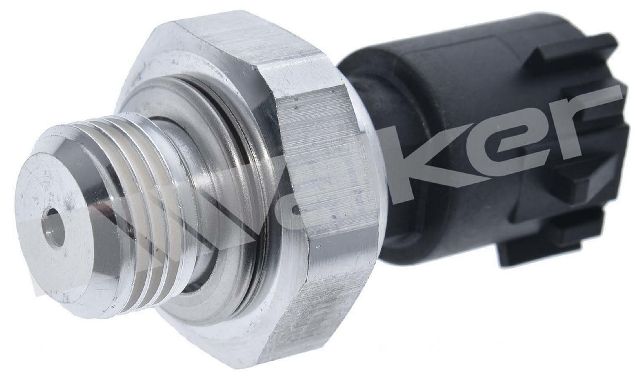
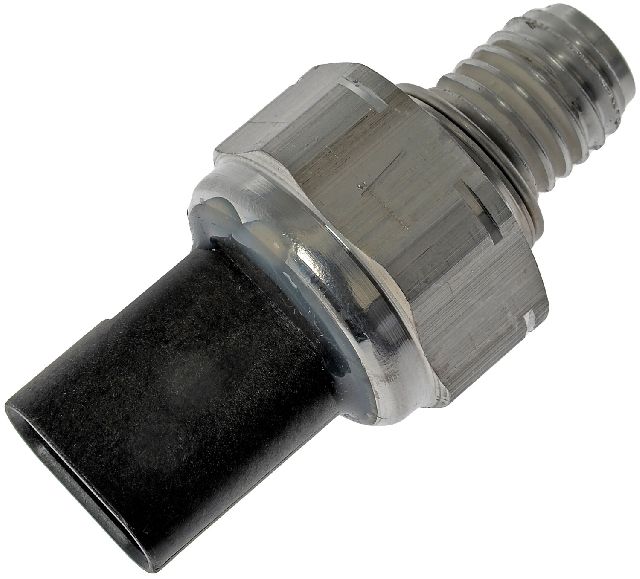
(OEM #12673134 (supersedes 12616646))— This is the most frequent failure point for code P0521. It provides the reading that the ECM has flagged as out of range. Using a genuine ACDelco part is often recommended to avoid issues with faulty aftermarket units.
Trusted brands: ACDelco (OEM), Delphi, Standard Motor Products
OEM price range: $40-$60
Aftermarket price range: $25-$45 - Engine Oil Filter
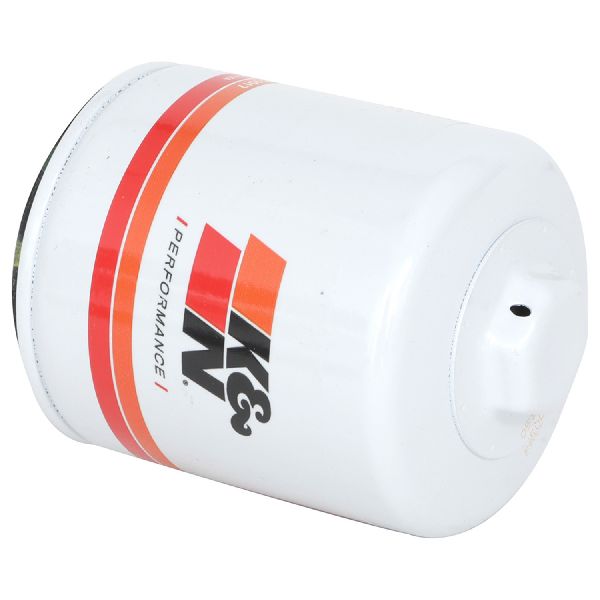
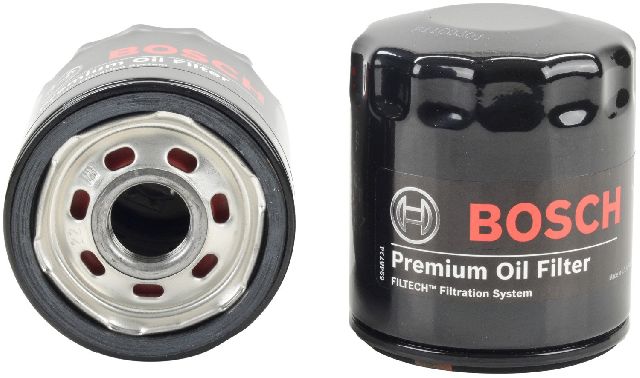
(OEM #PF48 / UPF48R)— Specifically for 2011-2015 models, using the incorrect 'E-core' PF48E filter is a documented cause of P0521 per GM TSBs. Reverting to the PF48 or using the high-performance UPF48R can resolve the issue.
Trusted brands: ACDelco
OEM price range: $8-$15
Aftermarket price range: $5-$12 - Oil Pressure Sensor Filter Screen
Related Codes That Often Appear With This One
- P06DE — On 6th-gen models, this code relates to the oil pump's high-pressure control circuit. A fault in the variable oil pressure system can trigger both codes.
- P06DD — Similar to P06DE, this code indicates the oil pressure control solenoid is stuck off on 6th-gen models, leading to pressure regulation problems that can also flag P0521.
- P0522 — This code indicates the sensor circuit is reading consistently low voltage, which can be caused by the same faults as P0521, such as a bad sensor or wiring short.
- P0523 — This code indicates the sensor circuit is reading consistently high voltage. It often appears with P0521 when the sensor fails and sends erratic signals.
Technical Service Bulletins (TSBs) & Recalls
- PIP5276G: Addresses P0521 after an oil change, points to TSB 10-06-01-008 for proper engine repair procedures and also mentions inspecting the left rocker cover baffle for leaks.
- PIP5276 (earlier versions): Specifically calls out using a PF48 filter instead of a PF48E in cold weather (below 20°F) to resolve P0521 on Gen IV V8s.
- PIP4786C: Discusses low oil pressure messages and P0521, instructing technicians to follow standard diagnosis and verify low pressure with a scan tool before proceeding.
- 20-NA-161: For some 2019+ models but relevant contextually, this TSB suggests a sticking oil pressure relief valve in the oil pump can cause P0521, requiring inspection of the #1 main bearing and potential oil pump replacement.
Platform-Specific Known Issues
- TSB #PIP5276B and #PIP5276E specifically call out the use of the PF48E oil filter as a cause for P0521, especially in cold weather on 2011-2012 models. The recommended fix is to replace it with a PF48 filter.
- The location of the oil pressure sensor is notoriously difficult to access, tucked behind the intake manifold against the firewall, making replacement a challenging DIY job that often requires special tools like swivel sockets.
Mechanic-Grade Diagnostic Values
- Oil Pressure Sensor Signal Voltage — expected: Approx. 0.5V with engine off/low pressure, up to approx. 4.5V at high pressure.. Failure: Voltage is stuck, erratic, or falls outside the expected range for a given RPM.
- Sensor 5V Reference Voltage Check — expected: Approximately 5V at the sensor connector's power pin with ignition on, engine off.. Failure: No voltage or significantly low voltage indicates a wiring break or an issue with the ECM's 5V supply circuit.
- Sensor Resistance — expected: Varies by manufacturer, but a sample range is 500–1,500 ohms.. Failure: Infinite resistance (open circuit) or zero ohms (short circuit) indicates a failed sensor.
Scan Tool Commands That Help
- GDS2 / Tech2: Review DTC Freeze Frame Data — When P0521 is set, freeze frame data can be reviewed to see if the oil pressure was recorded as excessively high or low at the moment the fault occurred, which can help guide the diagnosis.
Wiring & Ground Locations
- Oil Pressure Sensor Connector (3-wire) — At the sensor, located at the top rear of the engine block, behind the intake manifold.. This connector provides the 5V reference, ground, and signal return for the sensor. The pins are: Pin 1 (Gray) - 5-volt reference; Pin 2 (Tan/White) - Signal to ECM; Pin 3 (Black) - Low Reference/Ground. Damage, corrosion, or oil contamination here directly causes faulty readings.
- G101 — At the front left of the engine, on the lower block.. This is a primary ground location for the Engine Control Module (ECM). A poor connection here can cause a variety of sensor reading issues, including those from the oil pressure sensor.
- G102 — At the left rear of the engine.. This ground serves the ignition coils. While not directly tied to the oil pressure sensor, electrical noise from a bad ground here could potentially interfere with sensitive sensor signals.
- G110 / G112 — Attached to the rear of the left cylinder head.. Grounds located at the rear of the engine are in close proximity to the oil pressure sensor harness. A loose or corroded connection at these points can affect the sensor's ground reference.
Real Owner Repair Stories
- Reddit user /u/BrettBerger3 (2013 Chevrolet Tahoe (similar GM V8 engine architecture)) — Recurring P0521 code.
❌ Tried (didn't work) Replacing the oil pressure sensor once., The small filter screen under the sensor had already been removed by a previous owner.
✅ What actually fixed it The final fix was using a specific high-quality oil filter (Mobil 1 M1-113A) and ensuring proper oil level. The code did not return after 5,000 miles. - Reddit user /u/Client_After (Dodge Hemi (different vehicle, but relevant to sensor quality)) — P0521 code persisted after initial repair.
❌ Tried (didn't work) Replacing the oil pressure sensor with a part from a local auto parts store.
✅ What actually fixed it Replacing the aftermarket sensor with a genuine OEM sensor resolved the issue. This highlights the sensitivity of the system to sensor quality.
OEM Part Supersession History
12616646→12673134, and later 12677836— Standard part evolution for improved reliability or manufacturing changes.
Heads up: The key is ensuring the replacement sensor has the correct connector shape (round for most specified models). Some aftermarket parts may not meet OEM calibration standards, leading to persistent codes even with a new part.
Model Year Variations Within This Range
- 2011-2015 (5th Gen V8): These models use the LS3 or L99 engines. They are particularly sensitive to the oil filter type, with TSBs specifically warning against using the PF48E filter. The lubrication system is a traditional wet-sump design without the complexity of the later generation's variable pump.
- 2016-2018 (6th Gen V8): These models use the new LT1 engine, which introduced direct injection, Variable Valve Timing (VVT), and Active Fuel Management (AFM). This engine uses a two-stage variable displacement oil pump, which can set its own specific fault codes (P06DE, P06DD) that may appear alongside P0521. The root cause can be the pump's control solenoid, not just the pressure sensor.
Helpful Videos


We Have This Part in Stock


The information in this article is provided for general reference and educational purposes only. Vehicle specifications, procedures, and part compatibility can vary by production date, trim level, and region. Always consult your vehicle's factory service manual and verify part numbers before purchasing or performing repairs. Safety-critical components such as airbags, seat belts, and braking systems should be installed by a qualified professional.
- Chevrolet CAMARO:
- 🧭 Diagnostic Flowchart
- 🎬 Helpful Videos
- 🛍️ Shop This Part
- What's Unique About the 2011-2018 Chevrolet CAMARO
- Symptoms You May Notice
- Most Likely Causes
- Rare But Worth Checking
- Diagnosis Steps
- Parts You'll Likely Need
- Related Codes That Often Appear With This One
- Technical Service Bulletins (TSBs) & Recalls
- Platform-Specific Known Issues
- Mechanic-Grade Diagnostic Values
- Scan Tool Commands That Help
- Wiring & Ground Locations
- Real Owner Repair Stories
- OEM Part Supersession History
- Model Year Variations Within This Range
- 🎟️ Get 5% Off