

P0521 on 2005-2010 Chevrolet Cobalt 2.2L: Oil Pressure Sensor Causes and Fixes
On a 2005-2010 Cobalt, code P0521 is most often a faulty oil pressure sensor or a damaged wiring connector. The sensor is in a very difficult location above the starter, making replacement labor-intensive. Always use a quality OEM or aftermarket sensor (ACDelco #12673134 or equivalent) and check the wiring. Expect to pay $20-$50 for the part, but $150-$300+ in labor due to the access.
- P0521 on a Cobalt means the oil pressure sensor reading is unreliable; it does not guarantee low oil pressure.
- Always check your oil level first, as the 2.2L Ecotec can consume oil.
- The most likely fix is replacing the oil pressure sensor, but be aware that damaged wiring is also a common cause.
- Replacing the sensor is a difficult DIY job (4/5 difficulty) because it is located above the starter, which must be removed for access.
- Before replacing any parts, it is highly recommended to verify the true oil pressure with a mechanical gauge to rule out a serious internal engine problem.
What's Unique About the 2005-2010 Chevrolet Cobalt
On the 2.2L Ecotec engine in the Cobalt, the P0521 code is frequently caused by the oil pressure sensor itself or its wiring. Unlike many other vehicles, the sensor is in a very difficult-to-access location on the back of the engine block, above the starter motor, requiring the starter to be removed for replacement. A notable, though less common, failure mode for this platform is the sensor failing internally and leaking oil through the electrical connector pins and into the wiring harness, sometimes contaminating the ECM connector itself.
Symptoms You May Notice
- Check Engine Light is on
- Oil pressure warning light on the dashboard may be on or flickering
- Oil pressure gauge (if equipped) reads erratically, too high, or zero
- Oil leaking from the sensor area, often dripping down the back of the engine block
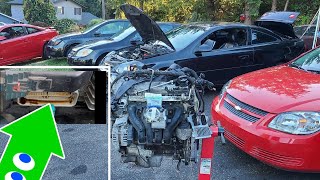
- In rare cases of internal sensor failure, gauges may behave erratically due to oil contaminating the ECU connector 🎬 See how oil can leak through the sensor into the ECU.
- Replacing the oil pump without first verifying low pressure with a mechanical gauge.
- Replacing the sensor without checking the wiring harness for damage, which can lead to the code returning.
- Assuming the engine is failing without first performing a proper diagnosis of the sensor circuit.
Most Likely Causes
- Faulty Engine Oil Pressure Sensor (Switch) 🔴 High Probability The sensor is a very common failure point. It can fail electrically, providing incorrect readings, or it can fail physically and leak oil. One documented failure involves the sensor leaking oil internally through its connector and into the wiring harness.
How to confirm: After confirming correct oil level and pressure with a mechanical gauge, the sensor is the next logical part to replace. Visually inspect the sensor and its connector for oil leaks, including checking for oil inside the electrical connector itself.
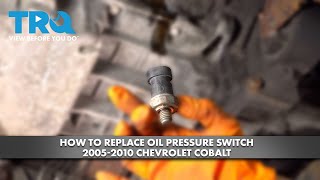
Typical fix: Replace the engine oil pressure sensor. Due to the difficult access, this is often done by removing the starter motor from underneath the vehicle. A special 1-1/16" or 27mm deep well s 🎬 Watch: A complete walkthrough on replacing the oil pressure switch.ocket is required for the sensor.
Est. part cost: $20-$50 - Damaged Wiring or Connector 🟡 Medium Probability The wiring harness to the sensor can rub against the engine block or other components, eventually wearing through the insulation and causing a short or open circuit. The connector itself can also become brittle from heat cycles or contaminated with oil.
How to confirm: Visually inspect the entire length of the wiring from the sensor back to the main harness. Check for chafing, melting, or corrosion. Wiggle the connector while the engine is running to see if the oil light flickers. Check for broken wires inside the insulation near the connector.
Typical fix: Repair the damaged section of wire with a new connector pigtail or by soldering and heat-shrinking the broken wire. Secure the harness away from the engine block to prevent future rubbing.
Est. part cost: $10-$25 for a connector pigtail - Low or Incorrect Engine Oil 🟡 Medium Probability The 2.2L Ecotec engine can consume oil between changes. If the level gets too low, the oil pump can suck in air, causing pressure to fluctuate and trigger the code. Using oil of the incorrect viscosity can also cause this code.
How to confirm: Check the engine oil level on the dipstick with the vehicle on a level surface. This should always be the first step.
Typical fix: Top off the oil to the correct level using the manufacturer-specified viscosity (typically 5W-30).
Est. part cost: $10-$15 for a quart of oil
Rare But Worth Checking
- Clogged or Incorrect Oil Filter: → Shop Engine Oil Filter Adapter Using a low-quality or incorrect model of oil filter can restrict flow and affect pressure readings. Some aftermarket filters have been known to cause this code; switching to an OEM ACDelco filter often resolves the issue.
- Faulty Replacement Sensor: In some documented cases, owners have replaced the sensor with a cheap aftermarket part, only for the code to return. The issue was resolved by installing a genuine OEM (ACDelco) or high-quality aftermarket sensor.
- Failing Oil Pump: → Shop Engine Oil Pump While rare, a mechanical failure of the oil pump or a sticking pressure relief valve will cause genuine low oil pressure. This would be confirmed with a mechanical oil pressure test showing low readings across all RPMs.
- Engine Sludge Buildup: Severe neglect and missed oil changes can lead to sludge blocking oil passages, which will cause a true low pressure condition.
Diagnosis Steps
- Check the engine oil level and condition. Top off or change if necessary using 5W-30 oil.
- Scan the ECM for any other related trouble codes.
- Connect a mechanical oil pressure gauge in place of the sensor to verify the actual engine oil pressure. A healthy 2.2L Ecotec should have at least 10-15 PSI at hot idle and 25-40 PSI at ~2500 RPM. If pressure is genuinely low, the problem is mechanical (oil pump, bearings, sludge) and requires immediate professional attention.
- If mechanical pressure is good, the fault is in the sensor circuit. Inspect the oil pressure sensor's electrical connector for damage, corrosion, or oil contamination inside the connector.
- Inspect the wiring harness leading to the sensor for any signs of rubbing, chafing, or melting, particularly where it may contact the engine block or starter.
- If wiring looks good and the sensor is not leaking, consider testing the sensor's output with a multimeter. However, given the low cost of the part and high labor to access it, most technicians and DIYers will proceed with replacement.
- Replace the oil pressure sensor. This typically requires removing the starter motor for access.
- Clear the trouble codes and perform a drive cycle to see if the code returns. Note that some GM vehicles may store a 'permanent' DTC that requires a specific, extended drive cycle to clear.
Parts You'll Likely Need
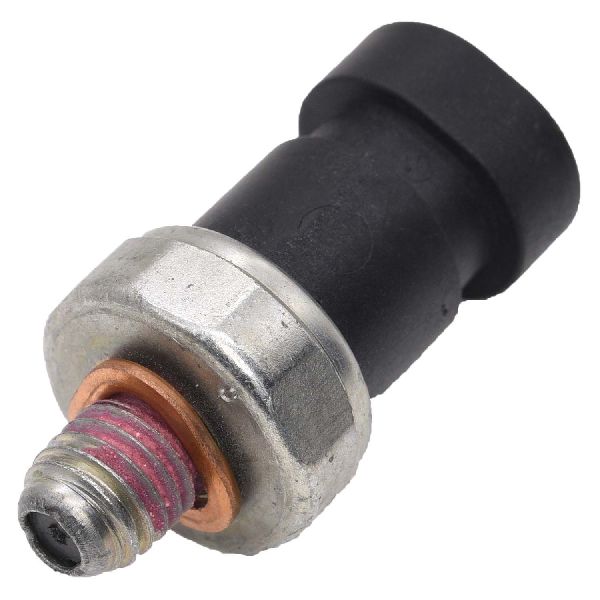
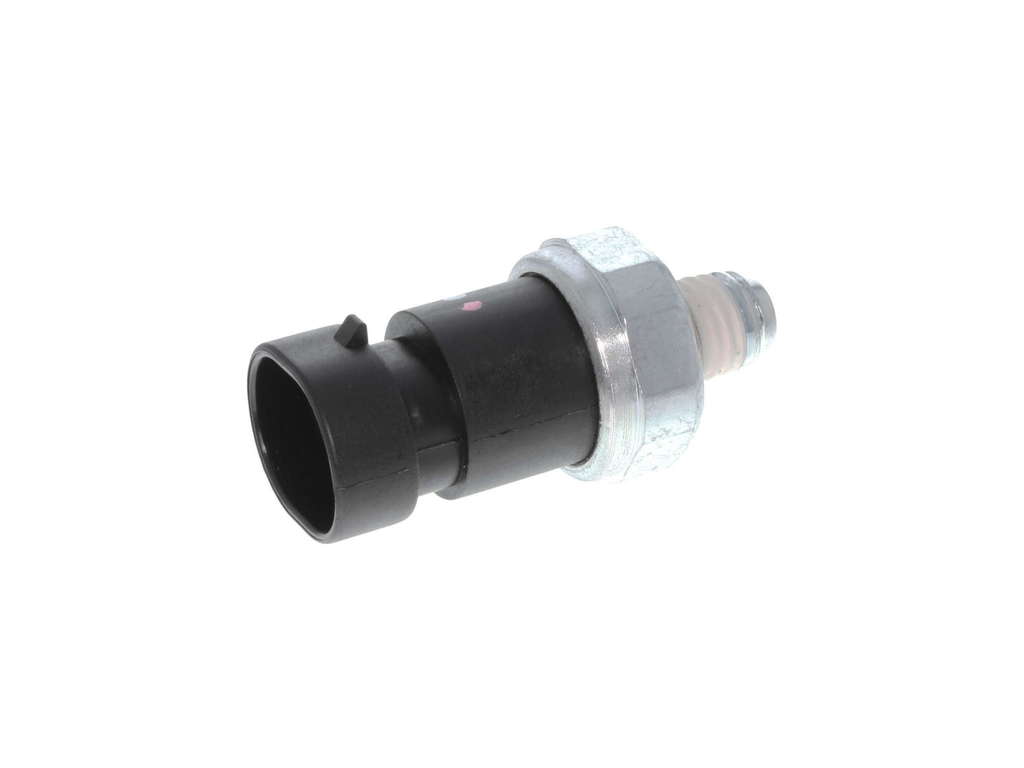
- Engine Oil Pressure Sensor / Switch
(OEM #12673134 (current), supersedes 12621234 and 12596951)— This is the most common component to fail, either electrically or by leaking, causing the P0521 code.
Trusted brands: ACDelco (OEM), Delphi, Standard Motor Products (SMP), Dorman
OEM price range: $30-$50
Aftermarket price range: $15-$35
Related Codes That Often Appear With This One
- P0520 — This code indicates a general fault in the 'Engine Oil Pressure Sensor/Switch Circuit', and often appears alongside P0521 as they both relate to the same component.
- P0522 — This code for 'Engine Oil Pressure Sensor/Switch Circuit Low Voltage' can be triggered if the wiring is shorted to ground or the sensor has failed in a specific way.
- P0523 — This code for 'Engine Oil Pressure Sensor/Switch Circuit High Voltage' can be triggered if there is an open in the circuit or the sensor has failed.
Technical Service Bulletins (TSBs) & Recalls
- Bulletin #PIP4786C provides information for technicians regarding vehicles that may have a low oil pressure message and DTC P0521 in the Engine Control Module. It advises technicians to follow published service information and check if oil pressure is low using a scan tool.
- While no TSB is specific to P0521 on the Cobalt, related bulletins for other GM vehicles (like 20-NA-161) point to sticking oil pressure relief valves in the oil pump as a potential cause for this code on other engines.
- GM Special Coverage 12191B addresses fuel leaks from the fuel pump module on 2006-2009 Cobalts, a critical safety issue for owners to be aware of.
Platform-Specific Known Issues
- The oil pressure sensor is located in a difficult-to-reach position above the starter, requiring the starter's removal for access.
- The wiring harness for the sensor is known to rub against the engine block, causing shorts or open circuits.
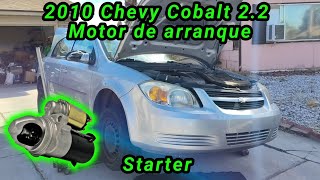
- The battery is located in the trunk and must be disconnected before starting the repair to de-energize the starter circuit. 🎬 Watch: How to remove the starter to access the sensor.
- A special 1-1/16 inch (or 27mm) deep well socket, often sold specifically as an 'oil pressure switch socket', is needed to remove and install the sensor.
Mechanic-Grade Diagnostic Values
- Oil Pressure Sensor Signal Voltage — expected: Approximately 1.0V to 4.0V. The voltage should rise as engine RPM and oil pressure increase. A reading near 0.5V indicates low pressure, while a reading near 4.5V indicates high pressure.. Failure: Voltage is stuck high (above 4.5V, triggering P0523), stuck low (below 0.5V, triggering P0522), or does not change logically with engine speed.
Hidden / Shadow Codes Worth Checking
- Permanent DTC (P-DTC): P0521 may be stored as a 'Permanent' trouble code in the ECM. Unlike regular codes that can be cleared with any scan tool, a P-DTC remains until the vehicle's own on-board diagnostics complete a specific drive cycle and verify the fault is no longer present. (see via Visible with most modern OBD-II scan tools, but cannot be cleared on command. It will clear itself after a successful repair and a specific GM drive cycle is completed.)
Scan Tool Commands That Help
- GDS2 / Tech2 or equivalent professional scan tool: Module Software Version Check — In rare cases, an outdated ECM calibration can cause the module to misinterpret a normal sensor voltage, triggering a false P0521. Checking for and applying a software update can be a final diagnostic step if all hardware checks out.
Wiring & Ground Locations
- Oil Pressure Sensor Harness — The wiring runs from the sensor (located above the starter) up the back of the engine block.. This harness is known to rub against the engine block, which can wear through the insulation and cause an intermittent short or open circuit, triggering P0521 even with a good sensor.
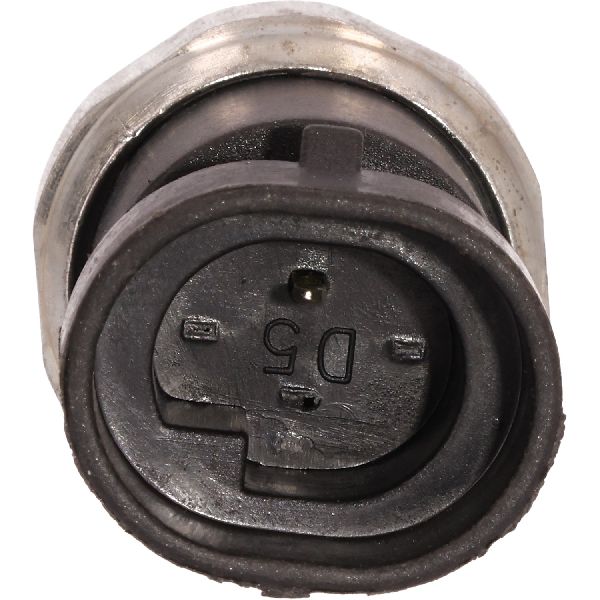
- Oil Pressure Sensor Connector Pins — The 3-pin connector on the sensor itself.. The three wires are a 5-volt reference, a signal wire (typically 1-4V), and a ground wire. Testing for 5V and good ground at the connector is a key step before condemning the sensor.
- G105 — A primary engine/transmission ground point, often located on a transmission stud.. The ECM and its sensors rely on a solid ground connection. Corrosion or a loose connection at this point can cause erratic sensor readings, potentially leading to a false P0521 code.
- G103 — A key body ground point located behind the driver's side headlight assembly.. Engine and body grounds are interconnected. A fault at this major ground point can introduce electrical noise and voltage drops throughout the system, affecting sensor performance.
Real Owner Repair Stories
- YouTube channel 'Hardway Learning' (2010 Chevrolet Cobalt 2.2L) — Intermittent oil light on the dashboard.
❌ Tried (didn't work) Replacing the oil pressure sensor. The oil light still came on intermittently after the new part was installed.
✅ What actually fixed it The owner discovered the wiring harness for the sensor had been rubbing against the engine block. After moving the harness around, the light stopped flickering, indicating the root cause was damaged wiring that needed to be repaired. - GM-Trucks.com forum user (2013 Chevrolet Suburban (different vehicle, but same GM code and sensor design)) — Persistent P0521 Check Engine Light.
❌ Tried (didn't work) Replacing the oil pressure sensor., Replacing the filter screen under the sensor.
✅ What actually fixed it The code returned multiple times after replacing parts. The community strongly advised that using only an OEM ACDelco oil filter is critical, as some aftermarket filters can cause this code. The user had used Amsoil, and the implication was to switch to an ACDelco filter.
OEM Part Supersession History
12596951, 12621234→12673134— GM regularly updates parts for improved reliability and materials. The latest part number is the validated OEM replacement.
Heads up: No known incompatibilities. While older part numbers might still be available, 12673134 is the current recommended part for service.
Model Year Variations Within This Range
- 2005-2008 (approx.): Primarily used the 2.2L L61 Ecotec engine. This version does not have Variable Valve Timing (VVT) and uses an earlier engine control module and a wasted-spark ignition system.
- 2009-2010 (approx.): Switched to the 2.2L LAP Ecotec engine. This updated version added dual Variable Valve Timing (VVT), a more advanced E37 ECM, and individual coil-on-plug ignition. While the P0521 diagnosis is similar, the ECM's diagnostic strategy and interaction with other systems (like VVT) is more complex.
Diagnostic Flowchart
Other Known Issues on This Vehicle
Issues unrelated to this code that are worth knowing about as an owner of this generation:
- Electric Power Steering (EPS) Motor Failure 🔴 High — Extremely common across all model years. Can result in a sudden loss of power steering assist, making low-speed maneuvering difficult. (Ref: Recalls 10V073000, 14E021000, 14115. GM replaced the EPS motor on affected vehicles.)
- Faulty Ignition Switch 🔴 High — Widespread and part of a massive, high-profile GM recall. The switch can move out of the 'Run' position if jostled, shutting off the engine and disabling airbags. (Ref: Recall 14V047000. GM replaced the ignition switch and keys on millions of vehicles, including the Cobalt.)
- Fuel Line/Pump Module Leaks 🔴 High — Common, especially in warmer climates or areas with road salt. The fuel pump module plastic ports can crack, or the lines themselves can corrode near the left rear wheel well, causing a dangerous fuel leak. (Ref: Recalls 09V419000, 12V459000 and Special Coverage bulletin 12191B were issued to address cracking fuel pump modules and corroding lines.)
- Faulty Timing Chain Tensioner 🟠 Medium — A notable issue where the tensioner can fail, causing a rattling noise on cold starts. If ignored, it can lead to the timing chain skipping a tooth or breaking, causing significant engine damage.
- Shifter Cable Failure 🟡 Low — The shifter cable can fail, preventing the car from going into the selected gear or causing the key to become stuck in the ignition because the car doesn't recognize it is in Park. (Ref: A recall was issued for some vehicles to install a corrective clamp on the cable.)
Used vs. New Parts: Buying Guide for This Vehicle
When a used part is the smart pick: For this specific repair, buying a used part is NOT recommended. The oil pressure sensor is a high-failure, low-cost electronic part. The risk of getting a part that has already failed or is near the end of its service life is extremely high. A used wiring pigtail could be acceptable if the connector is in good condition.
Donor-vehicle mileage cap: roughly under 10000 miles for the part to have meaningful remaining life.
What to inspect on the donor part:
- For a wiring pigtail: ensure the connector clicks securely, the lock tab isn't broken, and there are no signs of oil contamination inside the pins.
- Check for at least 6 inches of clean, uncracked wire insulation.
- Avoid any parts from an engine bay that shows signs of fire, flood, or heavy oil leaks.
OEM-only on this vehicle (don't cheap out):
- Engine Oil Pressure Sensor: Numerous owner and mechanic accounts confirm that cheap aftermarket sensors have a very high rate of being dead-on-arrival or failing prematurely, causing the P0521 code to return. Using a genuine GM/ACDelco sensor is critical for a lasting repair.
- Engine Oil Filter: Stick with an OEM ACDelco filter. Some aftermarket filters have been documented to cause oil pressure-related codes on GM vehicles.
Aftermarket brands forum-validated for this vehicle:
- Standard Motor Products (SMP)
- Delphi
- Walker Products
Brands owners have reported issues with on this vehicle:
- Unbranded, 'white-box' sensors from online marketplaces are frequently reported as failing to resolve the code.
Real Owner Stories
Aggregated from forums and TSBs cited above. Mileages and costs reflect what owners reported in those sources.
Chevrolet Cobalt 2.2L Ecotec
Symptoms: Low oil pressure light was on and the car was not running right.
What fixed it: Replacement of the oil pressure sensor, which is a common culprit for these symptoms.
Source hint: cobaltss.net: A thread titled 'Low oil pressure light now not running right'
GM Truck (General Motors Platform)
Symptoms: P0521 code present; advised to check for broken wires inside the insulation near the connector.
What fixed it: Using an OEM sensor rather than an aftermarket one, as aftermarket versions sometimes fail to resolve the code.
Source hint: reddit.com/r/ChevyTrucks
Related OBD-II Codes
Frequently Asked Questions
Is there a TSB for the P0521 code on my 2005-2010 Chevrolet Cobalt?
Why is the oil pressure sensor so difficult to replace on the 2.2L Ecotec?
Can I use any socket to remove the oil pressure switch on my Cobalt?
Why do I need to disconnect the battery in the trunk before fixing this oil code?
Could my P0521 code be caused by the wrong oil type?
Is it true that oil can leak into the wiring harness on these cars?
Helpful Videos
We Have This Part in Stock


The information in this article is provided for general reference and educational purposes only. Vehicle specifications, procedures, and part compatibility can vary by production date, trim level, and region. Always consult your vehicle's factory service manual and verify part numbers before purchasing or performing repairs. Safety-critical components such as airbags, seat belts, and braking systems should be installed by a qualified professional.
- Chevrolet Cobalt:
- 🧭 Diagnostic Flowchart
- 🎬 Helpful Videos
- 🛍️ Shop This Part
- What's Unique About the 2005-2010 Chevrolet Cobalt
- Symptoms You May Notice
- Most Likely Causes
- Rare But Worth Checking
- Diagnosis Steps
- Parts You'll Likely Need
- Related Codes That Often Appear With This One
- Technical Service Bulletins (TSBs) & Recalls
- Platform-Specific Known Issues
- Mechanic-Grade Diagnostic Values
- Hidden / Shadow Codes Worth Checking
- Scan Tool Commands That Help
- Wiring & Ground Locations
- Real Owner Repair Stories
- OEM Part Supersession History
- Model Year Variations Within This Range
- Other Known Issues on This Vehicle
- Used vs. New Parts: Buying Guide for This Vehicle
- Real Owner Stories
- Chevrolet Cobalt 2.2L Ecotec
- GM Truck (General Motors Platform)
- Related OBD-II Codes
- Frequently Asked Questions
- 🎟️ Get 5% Off