

P0521 on 2013-2020 Chevrolet Corvette: Oil Pressure Sensor Performance Guide
Code P0521 on a 2013-2020 Corvette indicates an issue with the engine oil pressure reading. The most common causes are a faulty oil pressure sensor, the wrong type of oil filter (especially ACDelco PF48E models), or low/incorrect oil. A sensor replacement costs around $40-$60 for the part, but labor is intensive due to its location behind the intake manifold. On 2020 C8 models, this code often appears with P06DD, pointing to a specific oil pump control valve issue.
- P0521 is a critical code for a Corvette; stop driving immediately to avoid potential engine damage.
- The most likely culprits are a bad oil pressure sensor, an incorrect oil filter (specifically the PF48E model), or the wrong/low engine oil.
- Always confirm the actual oil pressure with a mechanical gauge before replacing expensive parts like an oil pump.
- Replacing the sensor is a difficult DIY job due to its location behind the intake manifold.
- If you also have a P06DD code, the problem is likely related to the variable oil pump system, which is a more complex repair.
What's Unique About the 2013-2020 Chevrolet CORVETTE
For the C6, C7, and C8 Corvette generations, this code is frequently linked to specific parts. Several Technical Service Bulletins (TSBs) point to issues with certain ACDelco oil filters (PF48E) causing erratic pressure readings, especially after an oil change or in cold weather. Additionally, on the 2020 C8 Corvette with the LT2 engine, this code can appear with P06DD, pointing to a problem with the dual-pressure oil pump system. TSB #20-NA-179 specifically addresses an unseated engine oil pressure control valve on the oil pump, which requires removing the oil pan to inspect and install an updated retainer clip.
Diagnostic Flowchart
Tap your situation to follow the diagnostic path that matches what you're seeing on this vehicle.
Generation note: This range covers the final year of the C6 (2013), the entire C7 generation (2014-2019), and the first year of the C8 (2020). While the oil pressure sensor is a common cause across all, the C7 and C8 have dual-pressure (variable displacement) oil pumps that can also be a factor, sometimes triggering code P06DD simultaneously. TSB #20-NA-179 specifically addresses an oil pressure control valve issue on the 2020 C8's LT2 engine, which has been confirmed by owners on forums to be a dislodged clip on the oil pump.
Symptoms You May Notice
- Check Engine Light is on
- Low Oil Pressure warning light or message on the instrument panel
- Oil pressure gauge reading abnormally high, low, or fluctuating wildly.
- Engine running rough or making unusual noises (ticking, knocking).
- Engine may stall in some cases.
- Replacing the oil pump immediately without first verifying actual oil pressure with a mechanical gauge.
- Replacing the Engine Control Module (ECM) when the issue is a simple sensor or wiring fault.
- Telling a customer they need a new engine when the actual cause is a faulty sensor, clogged sensor screen, or incorrect oil filter.
Most Likely Causes
- Faulty Engine Oil Pressure Sensor 🔴 High Probability The sensor is a common failure point on many GM V8 engines. It's exposed to heat and pressure cycles which can cause it to fail electronically or leak over time. A small filter screen below the sensor can also become clogged with sludge or debris, leading to false readings.
How to confirm: Check the sensor's reading on a scan tool with the engine off; it should read 0 PSI. If it shows pressure (e.g., 60 PSI), it's faulty. The ultimate confirmation is to compare the scan tool reading to a reading from a mechanical oil pressure gauge installed in its place.
Typical fix: Replace the oil pressure sensor and the small screen underneath it. This is labor-intensive as the sensor is located at the back of the engine block, underneath the intake manifold, requiring its removal for access.
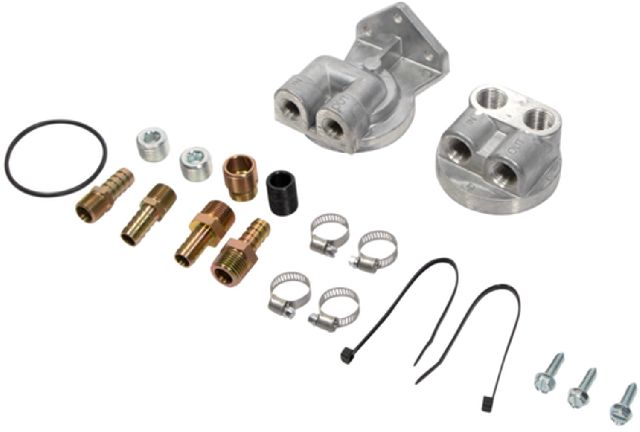
Est. part cost: $30-$60 - Incorrect or Faulty Oil Filter 🟡 Medium Probability → Shop Engine Oil Filter Adapter Multiple TSBs (#PIP5276 series) specifically mention issues with the ACDelco PF48E oil filter. The 'E-core' design has been reported by owners and acknowledged in bulletins to have different bypass characteristics than older designs, potentially causing pressure discrepancies that trigger P0521, especially in cold weather or after an oil change.
How to confirm: Check the part number on the currently installed oil filter. If it is a PF48E and the code appeared after an oil change or in cold temperatures, the filter is a likely suspect.
Typical fix: Change the engine oil and replace the filter with a high-quality alternative. TSBs recommend using the ACDelco UPF48R 'Ultraguard' filter as a direct solution for this code. Other premium filters from brands like Wix or Mobil 1 are also common choices.
Est. part cost: $10-$20 - Low or Incorrect Viscosity Engine Oil 🟡 Medium Probability Using oil that is too thin, too thick, or simply low on level will directly affect oil pressure and can cause the sensor's readings to fall outside the expected range. For dry sump cars (Z51, Grand Sport, Z06, ZR1), an incorrect oil level checking procedure can lead to under- or over-filling.
How to confirm: Check the engine oil level using the dipstick according to the owner's manual procedure (hot vs. cold check varies by wet/dry sump system). Verify that the oil used meets GM's dexos specification and is the correct viscosity (e.g., 5W-30 or Mobil 1 0W-40 for track pack cars) as specified in the owner's manual.
Typical fix: Top off the oil to the correct level or perform a complete oil and filter change with the correct type of oil.
Est. part cost: $50-$100 - Wiring or Connector Issue ⚪ Low Probability The sensor connector is located in a hot, hard-to-reach area at the back of the engine, making it susceptible to heat damage, brittleness, or corrosion over time. Rodents have also been known to chew on the wiring in this area.
How to confirm: Visually inspect the wiring harness and connector leading to the oil pressure sensor for any signs of damage, melting, or corrosion. Check for a secure connection. This is difficult without at least partially removing the intake manifold.
Typical fix: Repair the damaged section of wiring or replace the pigtail connector.
Est. part cost: $15-$30
Rare But Worth Checking
- Failing Oil Pump / Oil Pump Control Solenoid: → Shop Engine Oil Pump This is a more serious mechanical issue. On C7 and C8 models with variable displacement oil pumps, this can also trigger code P06DD. TSB #20-NA-179 points to a dislodged oil pressure control valve on the 2020 Corvette's oil pump, which requires removing the oil pan for inspection and repair. A Reddit user confirmed this exact fix solved their P0521/P06DD issue.
- Clogged Oil Pickup Tube Screen or Oil Passages: Engine sludge or debris from a failing internal component (like lifters) can clog the oil pump's pickup screen or internal oil passages, restricting flow and causing a genuine low-pressure condition. This indicates a need for significant internal engine inspection and cleaning.
Diagnosis Steps
- Check the engine oil level and condition. Ensure it is full and has the correct viscosity, using the proper procedure for wet or dry sump systems.
- Scan the ECM for any other stored trouble codes. Note if P06DD is also present, especially on C7 and C8 models.
- Using a scan tool, observe the oil pressure reading with the engine off. It should be 0 PSI. If not, the sensor is likely faulty.
- Connect a mechanical oil pressure gauge to the engine. Start the engine and compare the mechanical gauge reading to the reading from the vehicle's gauge and the scan tool.
- Normal warm oil pressure for an LT1 is often reported by owners to be around 22-30 PSI at idle and 45-60 PSI while cruising. If the mechanical gauge confirms low pressure (e.g., below 20 PSI at hot idle), DO NOT run the engine. The problem is internal (e.g., oil pump, clogged passages, worn bearings) and requires professional service.
- If the mechanical gauge shows good pressure but the vehicle's gauge/scan tool is incorrect, the problem lies with the sensor, its filter screen, or its wiring.
- Inspect the oil pressure sensor connector and wiring for damage, corrosion, or loose connections.
- If the sensor and wiring are good, but readings are erratic, check the type of oil filter installed. If it's a PF48E, consider it a prime suspect per TSBs and replace it with a UPF48R or another high-quality filter.
Parts You'll Likely Need
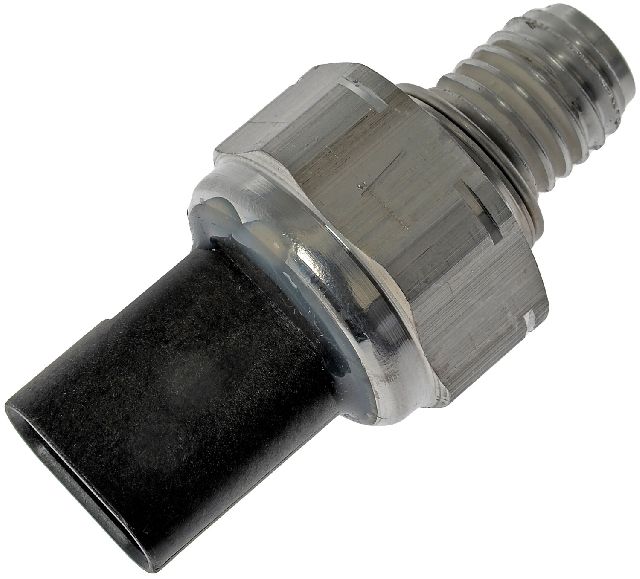
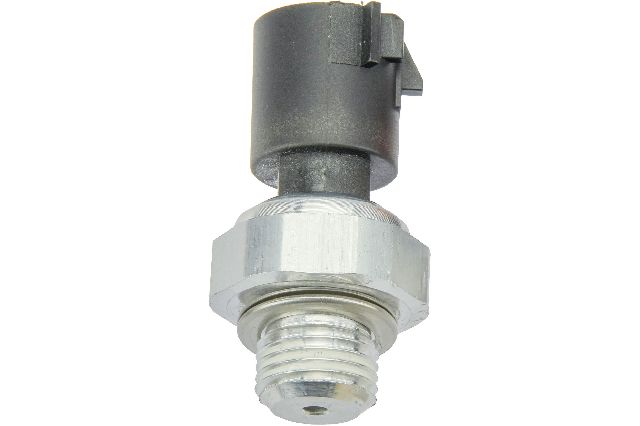
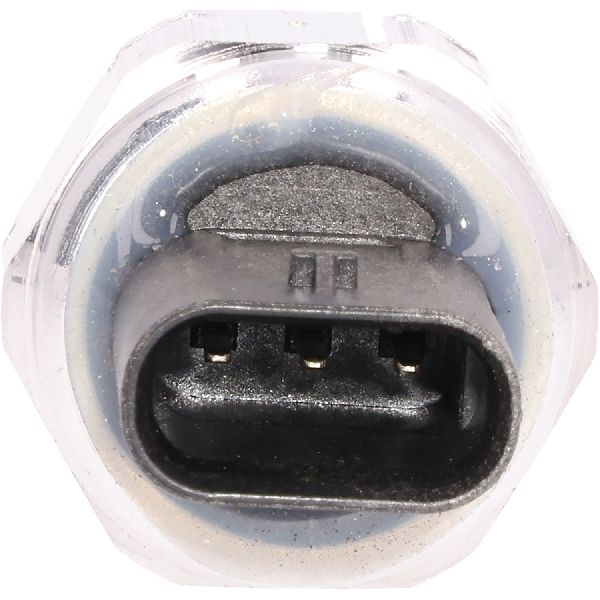
- Engine Oil Pressure Sensor
(OEM #12673134)— This is the most frequent cause of an incorrect pressure reading that triggers code P0521. This part number replaces previous versions 12596951 and 12621234.
Trusted brands: ACDelco (GM Genuine), Delphi, Bosch
OEM price range: $40-$60
Aftermarket price range: $25-$45 - Engine Oil Filter
(OEM #UPF48R)— Certain 'E-core' filters (like the PF48E) are cited in TSBs as a potential cause for this code. The UPF48R is the recommended upgrade to resolve the issue.
Trusted brands: ACDelco (Ultraguard Gold), Mobil 1 (M1-113A), Wix (WL10255), K&N (HP-1017)
OEM price range: $12-$18
Aftermarket price range: $8-$15 - Intake Manifold Gaskets — Required for replacing the oil pressure sensor, which is located underneath the intake manifold.
Trusted brands: ACDelco (GM Genuine), Fel-Pro
OEM price range: $40-$70
Aftermarket price range: $25-$50
Related Codes That Often Appear With This One
- P06DD — This code ('Engine Oil Pressure Control Valve Performance') often appears with P0521 on newer Corvettes with dual-stage oil pumps. It indicates a problem with the pump's ability to switch between low and high-pressure modes, a problem specifically cited in TSB #20-NA-179 for the 2020 model where a control valve clip becomes dislodged.
Technical Service Bulletins (TSBs) & Recalls
- 20-NA-179: Addresses P0521/P06DD on 2020 Corvettes due to an unseated oil pressure control valve.
- PIP5276G/F/E/D/B: A series of bulletins addressing P0521 caused by PF48E oil filters, particularly after oil changes or in cold weather. Recommends using UPF48R filter.
- PIP4786C: General bulletin about diagnosing low oil pressure messages and code P0521.
- SB-10059078-4342: A general TSB compiling information about P0521 on various GM V8 vehicles, referencing the oil filter issue.
Platform-Specific Known Issues
- C8 (2020) LT2 Oil Pump Control Valve: → Shop Engine Oil Pump On the 2020 C8, P0521 is commonly paired with P06DD. TSB 20-NA-179 identifies the cause as an unseated oil pressure control valve on the oil pump assembly. The fix requires dropping the oil pan to install a redesigned retainer clip on the valve. A Reddit user confirmed this was the exact cause and fix for their vehicle.
- ACDelco PF48E 'E-Core' Filter Issues: Across multiple GM V8 platforms, including the Corvette, TSBs PIP5276B, E, and G all point to the PF48E filter as a potential cause for P0521, especially after an oil change or in cold weather. The internal design can cause pressure readings outside the expected range. The official fix is to replace it with a UPF48R filter.
- Dry Sump Oil Level Check Procedure: For Corvettes with dry sump systems (Z51, Grand Sport, Z06, ZR1), the oil level must be checked when the oil is hot (175°F+) and within 5-10 minutes of shutting the engine off. An incorrect check can lead to a low oil level, causing genuine low pressure and triggering the code.
Mechanic-Grade Diagnostic Values
- Engine Oil Pressure Sensor Signal Voltage — expected: Approximately 0.5V at low pressure to 4.5V at high pressure.. Failure: A signal stuck high (over 4.5V) or low (under 0.5V), or a signal that does not change with engine RPM, will trigger the code.
- Engine Oil Pressure at Hot Idle (LT1) — expected: 20-30 PSI. Failure: Pressure consistently below 20 PSI when the engine is at full operating temperature may indicate excessive bearing clearance or oil pump wear.
- Engine Oil Pressure at Cruise (LT1, ~2000-2500 RPM) — expected: 40-60 PSI. Failure: Pressure that fails to rise with RPM and stays below 40 PSI can indicate a failing oil pump or a significant internal leak.
- General Rule of Thumb for Minimum Oil Pressure — expected: At least 10 PSI per 1,000 RPM.. Failure: Falling below this threshold suggests insufficient oil flow for the given engine speed.
Scan Tool Commands That Help
- GDS2 / Tech2: Solenoid Activation Test — On engines with Active Fuel Management (AFM/DFM), a technician can command the solenoids on the Valve Lifter Oil Management (VLOM) plate to check for internal pressure leaks that can cause P0521. This helps isolate a valvetrain oiling issue from an oil pump or sensor issue.
Wiring & Ground Locations
- Oil Pressure Sensor Connector — At the top rear of the engine block, underneath the intake manifold, just forward of the firewall.. This 3-wire connector provides the 5V reference, ground, and signal return for the sensor. Damage, corrosion, or oil contamination in this connector will cause incorrect readings and trigger P0521.
- G103 / G109 — G109 is on the driver's side of the engine block, near the starter. It connects via a strap to G103 on the driver's side frame rail.. This is the primary engine block to chassis ground. A poor connection here can create electrical noise and voltage offsets, potentially affecting the oil pressure sensor's ground reference and causing erratic readings.
- G303 — On the passenger side frame rail in the engine compartment, where the main negative battery cable attaches to the chassis.. This is the main grounding point for the entire vehicle's electrical system. Corrosion or a loose connection here can cause widespread, unpredictable electrical issues, including sensor faults like P0521.
Real Owner Repair Stories
- Reddit user No_Marionberry3751 (2020 Chevrolet Corvette Stingray (C8)) — Check Engine Light with codes P0521 and P06DD.
❌ Tried (didn't work) Full electrical diagnosis per GM flow charts, which found no issues.
✅ What actually fixed it The oil pan was removed, revealing the oil pressure control valve clip on the oil pump had backed out, as described in TSB #20-NA-179. The clip was replaced with the updated part, which resolved both codes. - CorvetteForum user (C7 Corvette (year not specified)) — P0521 code with oil pressure reading a high 60 PSI on the dash. Clearing the code would temporarily make it read a normal 40 PSI.
❌ Tried (didn't work) Replacing the oil pressure sensor.
✅ What actually fixed it The final solution was finding and cleaning corrosion in an unspecified electrical connector located on the driver's side cylinder head.
"I Checked Everything" — The Actual Cause
- In cases where a mechanical gauge confirms correct oil pressure and the sensor has been replaced, the root cause can be a wiring issue far from the sensor itself. One owner found that after replacing the sensor did not fix the code, the actual problem was corrosion in an electrical connector on the driver's side cylinder head, which was likely affecting the sensor's circuit integrity.
OEM Part Supersession History
12596951, 12621234→12673134— Standard part evolution for improved reliability and performance.
Model Year Variations Within This Range
- 2020: 2020 Corvettes built before September 10, 2020, are subject to TSB #20-NA-179. These models may have an improperly seated oil pressure control valve on the oil pump, secured by a clip that can back out. This specifically causes codes P0521 and P06DD. The fix is to install a redesigned retainer clip.
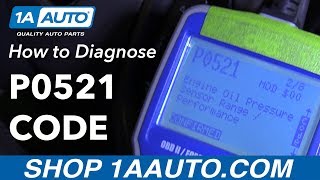
Helpful Videos

We Have This Part in Stock

The information in this article is provided for general reference and educational purposes only. Vehicle specifications, procedures, and part compatibility can vary by production date, trim level, and region. Always consult your vehicle's factory service manual and verify part numbers before purchasing or performing repairs. Safety-critical components such as airbags, seat belts, and braking systems should be installed by a qualified professional.
- Chevrolet CORVETTE:
- 🧭 Diagnostic Flowchart
- 🎬 Helpful Videos
- 🛍️ Shop This Part
- What's Unique About the 2013-2020 Chevrolet CORVETTE
- Symptoms You May Notice
- Most Likely Causes
- Rare But Worth Checking
- Diagnosis Steps
- Parts You'll Likely Need
- Related Codes That Often Appear With This One
- Technical Service Bulletins (TSBs) & Recalls
- Platform-Specific Known Issues
- Mechanic-Grade Diagnostic Values
- Scan Tool Commands That Help
- Wiring & Ground Locations
- Real Owner Repair Stories
- "I Checked Everything" — The Actual Cause
- OEM Part Supersession History
- Model Year Variations Within This Range
- 🎟️ Get 5% Off