

P0521 on 2005-2012 Chevrolet Express 1500: Oil Pressure Sensor Causes and Fixes
For a 2005-2012 Express 1500, code P0521 is almost always caused by a faulty engine oil pressure sensor and/or its small, clog-prone filter screen. Both parts should be replaced together using genuine OEM parts. The sensor is located in a difficult-to-reach spot at the back of the engine, requiring removal of the interior 'doghouse' cover for access.
- Do not drive your vehicle. P0521 is a critical warning that could signify a true low oil pressure condition.
- The first step is always to verify the actual engine oil pressure with a mechanical gauge to rule out a serious internal engine problem.
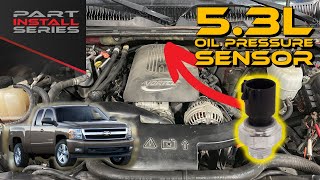
- The most common fix is to replace both the oil pressure sensor and the small filter screen located directly beneath it.
- Accessing the sensor on an Express van requires removing the interior engine cover (doghouse).
- Use a high-quality ACDelco sensor and the correct engine oil to prevent the code from returning.
What's Unique About the 2005-2012 Chevrolet EXPRESS 1500
On the GM V6 and V8 engines used in the Express van, the P0521 code is a notoriously common issue. The problem is frequently caused by a small, thimble-sized filter screen located in the engine block directly underneath the oil pressure sensor. This screen can become clogged with oil sludge or debris, especially on engines with Active Fuel Management (AFM) or with extended oil change intervals. This blockage prevents the sensor from getting an accurate pressure reading, leading to the P0521 code even when the engine's actual oil pressure is perfectly fine.
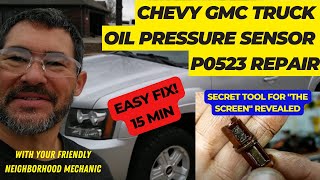
🎬 Watch a mechanic explain why the P0521 code triggers.Diagnostic Flowchart
Tap your situation to follow the diagnostic path that matches what you're seeing on this vehicle.
Symptoms You May Notice
- Check Engine Light is on.
- Low Oil Pressure warning light or message on the dashboard.
- Oil pressure gauge reads zero, fluctuates wildly, or reads unusually high.
- Engine ticking or knocking noises (in cases of actual low oil pressure).
- Engine may run rough or stall in severe cases.
- Replacing only the oil pressure sensor but not the small filter screen underneath it, leading to the code returning.
- Assuming the engine is failing without first verifying the actual oil pressure with a mechanical gauge.
- Using a cheap aftermarket oil pressure sensor, which may be faulty out of the box or fail prematurely, causing the code to return.
Most Likely Causes
- Faulty Engine Oil Pressure Sensor (Sending Unit) 🔴 High Probability The sensor is a very common failure point on these GM engines, located in a high-heat area at the back of the engine block which contributes to a shorter lifespan. Aftermarket sensors are reported by many owners to fail quickly or be faulty out of the box, making an OEM ACDelco part highly recommended.
How to confirm: After confirming actual oil pressure is normal with a mechanical gauge, the sensor is the prime suspect. A failed sensor may leak oil through its electrical connector, or rattle when shaken. A scan tool may show an erratic or fixed voltage from the sensor.
Typical fix: Replace the oil pressure sensor. It is strongly recommended to replace the filter screen underneath it at the same time.
Est. part cost: $25-$60 - Clogged Oil Pressure Sensor Filter Screen 🔴 High Probability → Shop Engine Oil Pressure Sensor A small filter screen (GM Part #12585328) sits in the oil passage directly under the sensor. It is known to get clogged with oil sludge, especially with extended oil change intervals, blocking pressure from reaching the sensor. This is a very common point of failure shown in many repair videos.
How to confirm: The screen is located underneath the oil pressure sensor and must be removed for visual inspection. A common method for removal is to carefully thread a coarse screw into it and pull it out. If it's clogged, it's a primary cause.
Typical fix: Remove and replace the filter screen. This should always be done when replacing the sensor.
Est. part cost: $5-$10 - Low or Incorrect Grade/Type of Engine Oil 🟡 Medium Probability Using oil of the wrong viscosity, low oil levels from consumption (a known issue on AFM engines, see TSB 10-06-01-008I), or a low-quality oil filter can cause pressure deviations that trigger this code. Some owners have resolved the P0521 code simply by switching to a high-quality oil filter like the Mobil 1 M1-113A.
How to confirm: Check the oil level on the dipstick and review service records for the type of oil and filter used. An oil change with the manufacturer-specified oil (5W-30 meeting GM's Dexos specification) and a quality filter may resolve the issue.
Typical fix: Perform an oil and filter change using the correct viscosity oil and a quality OEM or premium aftermarket filter.
Est. part cost: $40-$80 - Faulty Wiring or Connector ⚪ Low Probability
How to confirm: Visually inspect the wiring harness and connector for the oil pressure sensor for any signs of damage, corrosion, or loose connections. The connector itself can become brittle from heat cycles. Check for oil saturation inside the connector, which indicates a leaking sensor.
Typical fix: Repair the damaged wiring or clean/replace the connector pigtail.
Est. part cost: $15-$50
Rare But Worth Checking
- Failing Oil Pump or Worn Internal Engine Components: → Shop Engine Oil Pump This is the worst-case scenario. If a mechanical gauge confirms that the oil pressure is actually low, it points to a serious internal engine problem. This can include a worn oil pump, a stuck oil pump pressure relief valve, a clogged or hardened oil pickup tube O-ring, or excessive bearing clearances from high mileage. These issues require major engine repair.
Diagnosis Steps
- Check the engine oil level and condition. If it's low or very dirty, perform an oil and filter change with the correct grade oil and a quality filter.
- If the oil level is correct, DO NOT continue to run the engine if you hear knocking or ticking. The next step is critical.
- Connect a mechanical oil pressure gauge to the engine to verify the actual oil pressure. The port is where the sensor is located at the back of the engine. GM's minimum hot spec is roughly 6 psi at 1,000 RPM, 18 psi at 2,000 RPM, and 24 psi at 4,000 RPM, but a healthy engine should show 25-30 PSI or more at hot idle.
- If mechanical pressure is good, the problem lies in the sensor's circuit. Proceed with inspecting the sensor, its connector, and the filter screen below it.
- If mechanical pressure is low, the vehicle should not be driven. It needs professional diagnosis for a serious internal engine issue like the oil pump or worn bearings.
- To access the sensor, you will need to remove the interior engine 'doghouse' cover from inside the van. This involves removing bolts under the cupholder and side panels, and releasing latches.
- The sensor is located on the top of the engine block, near the firewall, behind the intake manifold.
- Disconnect the electrical connector and remove the sensor using a special oil pressure switch socket (typically 1-1/16" or 27mm), often with a swivel and extensions.
- Once the sensor is out, carefully extract the small filter screen from the port using a pick or by threading a small screw into it.
- Inspect the screen for blockage. Regardless of its appearance, it should be replaced with a new one.
- Install the new filter screen and new oil pressure sensor, torquing it to the proper specification (typically around 15-22 ft-lbs).
- Reconnect the electrical connector, clear the DTC with a scan tool, and start the engine to verify the fix.
Parts You'll Likely Need
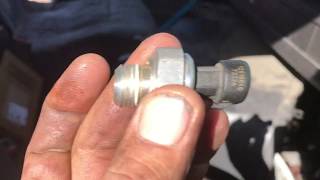
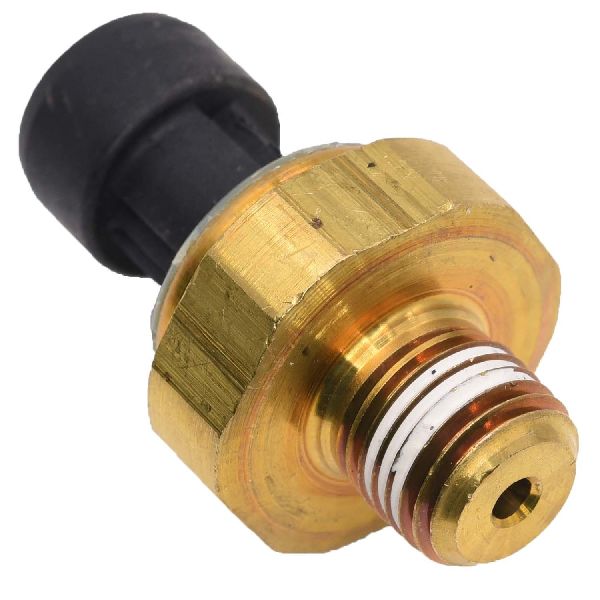
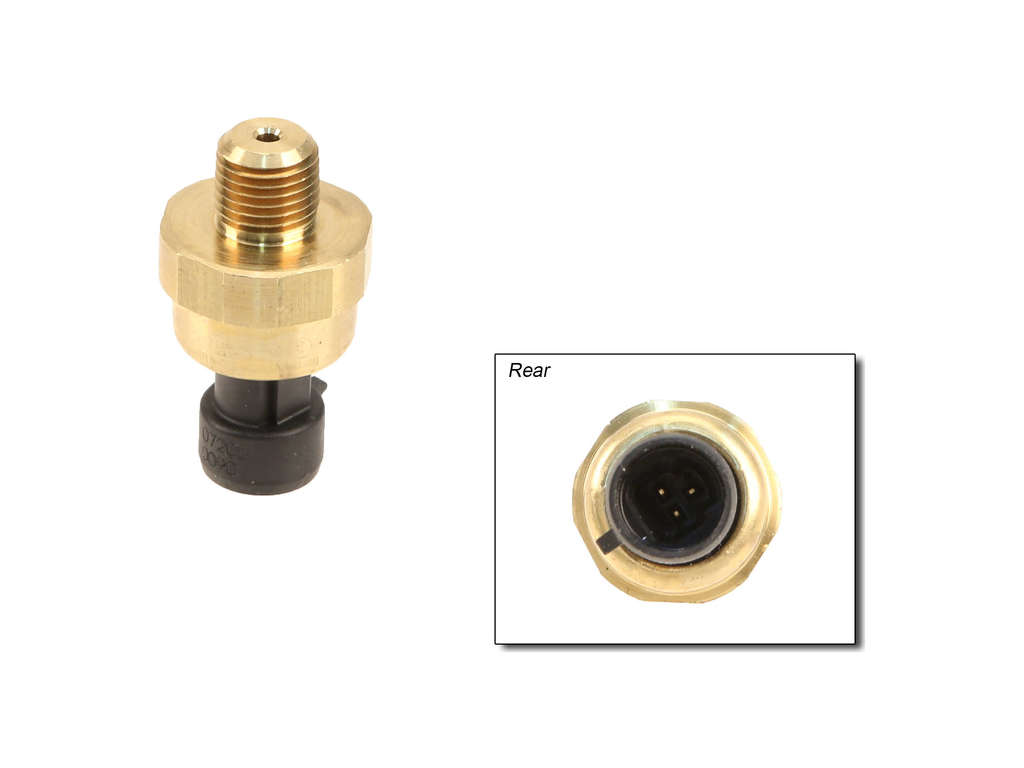
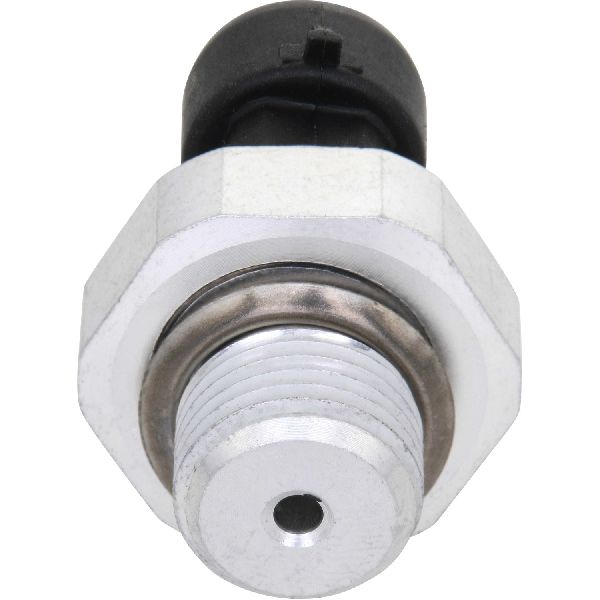
- Engine Oil Pressure Sensor / Switch
(OEM #12673134)— This is the most common part to fail, sending incorrect readings to the ECM. Using an OEM ACDelco part is highly recommended as aftermarket versions are known to be unreliable and cause the code to return.
Trusted brands: ACDelco
OEM price range: $40-$60
Aftermarket price range: $25-$45 - Engine Oil Pressure Sensor Filter Screen
(OEM #12585328)— This small screen is a primary cause of P0521, as it gets clogged with sludge and prevents oil from reaching the sensor. It MUST be replaced whenever the sensor is replaced to ensure a lasting repair.
Trusted brands: ACDelco, Dorman
OEM price range: $5-$10
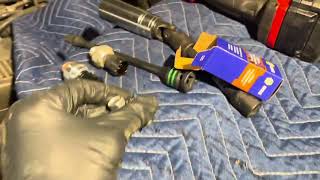
Aftermarket price range: $3-$8 - Oil Pressure Switch Socket — A special deep socket (often 1-1/16" or 27mm) is required to remove and install the sensor due to its shape and tight location. A swivel adapter is also highly recommended.
Trusted brands: Lisle, OEMTOOLS, GearWrench
OEM price range: $10-$20
Aftermarket price range: $10-$20
Technical Service Bulletins (TSBs) & Recalls
- PIP4786C: Addresses low oil pressure messages and DTC P0521, advising technicians to follow standard diagnostic procedures.
- 10-06-01-008I: Details issues with oil consumption on AFM-equipped engines, a contributing factor to sludge.
Platform-Specific Known Issues
- A Technical Service Bulletin (TSB) #PIP4786C was issued by GM for vehicles that may display a low oil pressure message and have a P0521 code stored. It advises technicians to follow standard diagnostic procedures, which begins with verifying actual oil pressure. [TSB #PIP4786C]
- Related TSB 10-06-01-008I addresses issues with engine oil consumption on engines with Active Fuel Management (AFM), which can lead to low oil levels and sludge that clogs the sensor screen.
Mechanic-Grade Diagnostic Values
- Oil Pressure Sensor Signal Voltage — expected: Approx. 0.5V at Key On Engine Off (KOEO), up to 4.5V at high pressure. A typical hot idle reading is around 1.3V.. Failure: Voltage is stuck near 0V, near 5V, or does not change with engine RPM. The ECM may set the code if voltage is <0.1V or >4.4V for over 10 seconds.
- 5-Volt Reference Circuit Voltage (at sensor connector) — expected: 4.8V to 5.2V with ignition ON, engine OFF.. Failure: Voltage outside this range indicates a problem with the ECM or the wiring.
- Low Reference (Ground) Circuit Resistance — expected: Less than 10 Ω between the low reference circuit terminal and a known good ground.. Failure: Resistance greater than 10 Ω indicates an open or high resistance in the ground circuit from the ECM.
- Minimum Engine Oil Pressure (Hot, Mechanical Gauge) — expected: 24 PSI @ 1000 RPM, 35 PSI @ 2000 RPM, 38 PSI @ 3000 RPM (for 5.3L/6.0L engines). A healthy engine should exceed 25-30 PSI at hot idle.. Failure: Pressure significantly below 20 PSI at hot idle points to a mechanical engine issue.
Wiring & Ground Locations
- Oil Pressure Sensor Connector (3-pin) — Top rear of the engine block, behind the intake manifold, against the firewall.. This is where all electrical testing for the sensor circuit occurs. The pins are typically: Gray (5V Reference), Tan/White (Signal), and Black (Low Reference/Ground). Damage or corrosion here directly causes the code.
- G103 — On the front of the passenger side (right side) cylinder head.. This is a primary engine sensor ground point. While a failure here would likely cause multiple codes, poor grounding can create erratic sensor readings, including for the oil pressure sensor.
Real Owner Repair Stories
- Reddit user in r/ChevyTrucks (2013 Chevrolet Tahoe, 159k miles) — Recurring P0521 code. Check engine light would return 1000-1500 miles after each oil change.
❌ Tried (didn't work) Replacing the oil pressure sensor, Multiple oil changes
✅ What actually fixed it Switching to a specific high-quality oil filter (Mobil 1 M1-113A) resolved the issue permanently. Another user in the same forum fixed an identical problem by replacing a faulty aftermarket sensor with a genuine OEM sensor.
OEM Part Supersession History
12616646→12677836, then 12673134— Standard part evolution for improved reliability and material changes.
Heads up: While older numbers like 12596951 and 12621234 are also replaced by 12673134, it is critical to use the latest specified OEM part (ACDelco 12673134) as aftermarket versions or even older OEM stock are known to cause repeat failures.
Model Year Variations Within This Range
- 2007-2012: Starting in 2007, many 5.3L V8 engines in the Express van were equipped with Active Fuel Management (AFM), also known as Displacement on Demand (DOD). These systems are more sensitive to oil pressure and quality, as oil is used to deactivate lifters. Sludge buildup from extended oil changes or oil consumption issues related to AFM can directly lead to the P0521 code by clogging the sensor screen and other oil passages. Pre-2007 models do not have AFM.
Helpful Videos


We Have This Part in Stock


The information in this article is provided for general reference and educational purposes only. Vehicle specifications, procedures, and part compatibility can vary by production date, trim level, and region. Always consult your vehicle's factory service manual and verify part numbers before purchasing or performing repairs. Safety-critical components such as airbags, seat belts, and braking systems should be installed by a qualified professional.
- Chevrolet EXPRESS 1500:
- 🧭 Diagnostic Flowchart
- 🎬 Helpful Videos
- 🛍️ Shop This Part
- What's Unique About the 2005-2012 Chevrolet EXPRESS 1500
- Symptoms You May Notice
- Most Likely Causes
- Rare But Worth Checking
- Diagnosis Steps
- Parts You'll Likely Need
- Technical Service Bulletins (TSBs) & Recalls
- Platform-Specific Known Issues
- Mechanic-Grade Diagnostic Values
- Wiring & Ground Locations
- Real Owner Repair Stories
- OEM Part Supersession History
- Model Year Variations Within This Range
- 🎟️ Get 5% Off