

P0521 on 2005-2009 Chevrolet Express: Oil Pressure Sensor Causes & Fixes
On a 2005-2009 Chevy Express, code P0521 is most often caused by a faulty oil pressure sensor or its clogged filter screen. Using the wrong type of oil filter is another common cause documented in GM service bulletins. Replacing the sensor and screen is a common fix, but the sensor is in a very difficult-to-reach location at the back of the engine, under the cowl, requiring removal of the interior engine cover for access.
- Do not panic. While P0521 is a serious code, it is most often caused by a faulty sensor or clogged screen, not a failing engine.
- The first step is always to check the oil level. The second, most critical step is to verify the true oil pressure with a mechanical gauge before replacing parts.
- When replacing the oil pressure sensor, it is mandatory to also replace the small filter screen located underneath it.
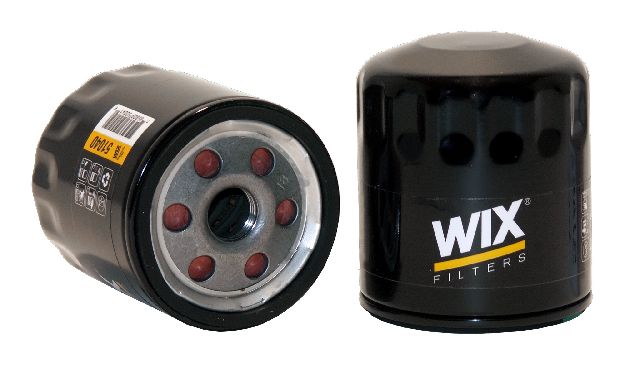
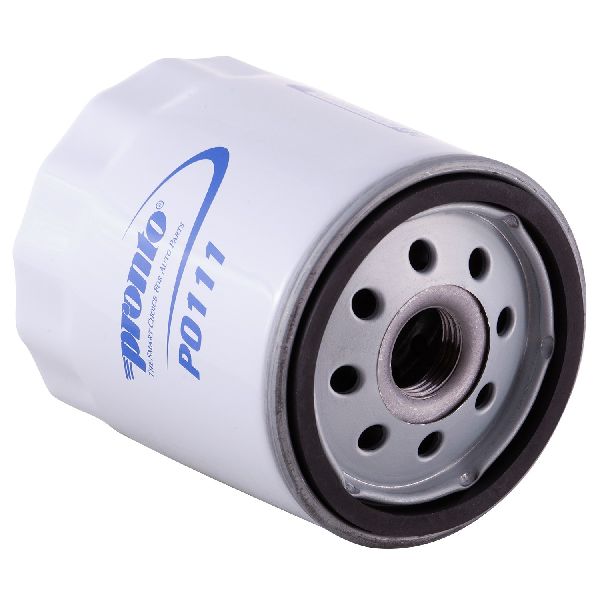
- Pay attention to your oil filter. Use a high-quality filter that meets GM specifications, such as the ACDelco PF48, as recommended in service bulletins. [TSB #PIP5276B]
What's Unique About the 2005-2009 Chevrolet EXPRESS
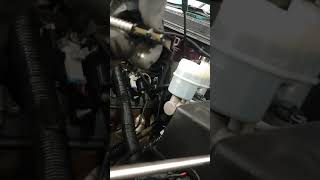
On these GM V8 engines, found in the Express van, the P0521 code is notoriously common. The system is particularly sensitive to the type of oil filter used, with GM issuing technical service bulletins (TSBs) warning against using certain filters (like the PF48E in cold weather) in favor of others (the PF48). [TSB #PIP5276B] A tiny, thimble-sized filter screen located in the engine block directly beneath the sensor frequently becomes clogged with sludge, 🎬 See how to properly remove the tiny filter screen. starving the sensor of an accurate pressure reading and triggering the code. Accessing the sensor on an Express van requires removing the interior engine cover ('doghouse') to get to the back of the engine.
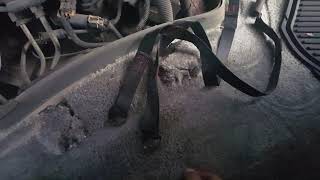
🎬 Watch: How to remove the doghouse and access the sensor.Diagnostic Flowchart
Tap your situation to follow the diagnostic path that matches what you're seeing on this vehicle.
Symptoms You May Notice
- Check Engine Light is on
- Low oil pressure warning light or "Low Oil Pressure" message on the instrument cluster. [TSB #PIP5276G]
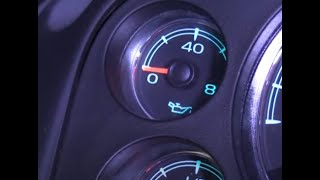
- Oil pressure gauge reads abnormally low (zero) or high (maxed out).
- Engine may make ticking or knocking noises if oil pressure is genuinely low.
- In some cases, the Active Fuel Management (AFM) or Displacement on Demand (DOD) system may not function correctly, preventing the engine from switching between V8 and V4 modes.
- Replacing the instrument cluster due to an erratic gauge reading, when the fault lies with the sensor sending the signal.
- Assuming the engine is failing without first verifying the actual oil pressure with a mechanical gauge. The sensor and its screen are far more common failure points.
- Replacing the oil pressure sensor multiple times without also replacing the clogged filter screen underneath it, leading to a quick return of the code.
Most Likely Causes
- Faulty Engine Oil Pressure Sensor (Sending Unit) 🔴 High Probability This is a very common failure point on GM V8 engines of this era. The sensor itself fails internally, sometimes leaking oil up through the electrical connector, sending erratic or no signal.
How to confirm: With the engine running, observe the oil pressure reading on a scan tool. If it's erratic, stuck at one value, or clearly incorrect while the engine sounds healthy, the sensor is likely bad. The ultimate confirmation is to compare the scan tool reading to a mechanical oil pressure gauge. Oil found inside the electrical connector is a definitive sign of a failed sensor.
Typical fix: Replace the oil pressure sensor. This is a difficult job due to its location at the back of the engine, near the firewall. A special 1-1/16" (or 27mm) deep socket for oil pressure sensors, a swivel, and extensions are highly recommended.
Est. part cost: $30-$70 - Clogged Oil Pressure Sensor Filter Screen 🔴 High Probability → Shop Engine Oil Pressure Sensor A small mesh screen is located in the oil passage directly beneath the sensor. It is designed to protect the sensor but often becomes clogged with engine sludge and debris, blocking oil flow and causing a false low-pressure reading.
How to confirm: This can only be confirmed by removing the oil pressure sensor and inspecting the screen in the port below it. Often, a pick or a small coarse-thread screw can be used to extract the clogged screen.
Typical fix: Remove and replace the filter screen. This should always be done when replacing the sensor to prevent a repeat failure.
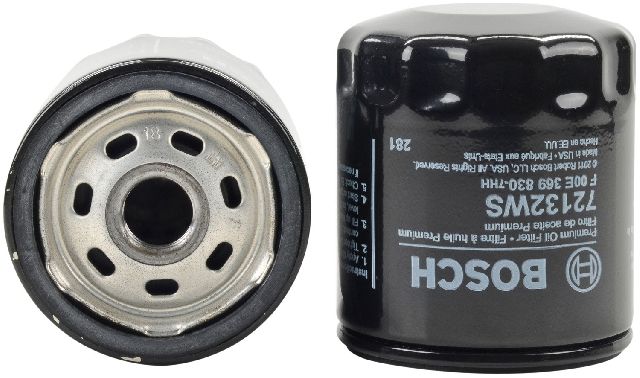
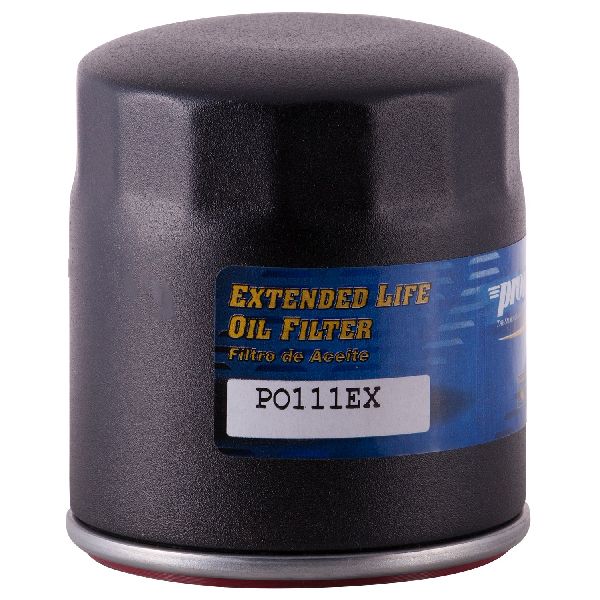
Est. part cost: $5-$15 - Incorrect or Defective Oil Filter 🟡 Medium Probability → Shop Engine Oil Filter Adapter GM has issued multiple TSBs for this issue. Using an oil filter with incorrect internal bypass valve specifications, such as a PF48E instead of a PF48 in certain cold weather conditions, can cause pressure fluctuations that trigger P0521. [TSB #PIP5276B, TSB #PIP5276E] The PF48E uses a plastic internal core, while the older PF48 uses a metal one; some owners report issues with the PF48E design.
How to confirm: Check the part number of the installed oil filter. If it is not the recommended ACDelco filter for the specific conditions, it could be the cause. Some users report that switching to a high-quality alternative resolved their recurring P0521 code.
Typical fix: Change the engine oil and replace the filter with the correct ACDelco PF48 or a high-quality equivalent with the correct bypass specifications. [TSB #PIP5276B]
Est. part cost: $10-$20 - Low Engine Oil Level 🟡 Medium Probability Some of these V8 engines, particularly those with Active Fuel Management (AFM), are known for oil consumption between changes. If the level drops too low, the oil pump can ingest air.
How to confirm: Check the engine oil level using the dipstick. If it is below the 'add' mark, the oil pump may be sucking in air, causing a loss of pressure.
Typical fix: Top off the engine oil to the correct level and inspect for oil leaks. Monitor oil consumption more frequently.
Est. part cost: $10-$30
Rare But Worth Checking
- Wiring Harness or Connector Issue: The wiring to the sensor is in a hot, tight location at the back of the engine, making it susceptible to damage from heat or abrasion over time. A broken wire inside the insulation can cause an intermittent connection.
- Failing Oil Pump or Clogged Pickup Tube: → Shop Engine Oil Pump If a mechanical gauge confirms that oil pressure is genuinely low throughout the engine, the cause is more severe, such as a worn oil pump or a pickup tube screen clogged with sludge. Some TSBs also mention a sticking oil pressure relief valve in the pump assembly as a possible cause.
- Worn Internal Engine Bearings: In high-mileage engines, excessive clearance in the main and rod bearings can cause a genuine loss of oil pressure, which will be confirmed with a mechanical gauge.
Diagnosis Steps
- Check the engine oil level and condition. Top off if low and note if the oil is dirty or smells of fuel.
- Verify that the correct engine oil filter is installed. Per TSBs, an incorrect filter can cause this code. [TSB #PIP5276B, TSB #PIP5276E]
- Connect an OBD-II scanner to view live data for the oil pressure sensor. With the key on and engine off, the pressure should read 0 PSI. If it shows a reading, the sensor is faulty.
- Start the engine. Observe the oil pressure reading on the scan tool. If it is pegged at max, dropped to zero, or fluctuates wildly while the engine sounds normal, the sensor is the primary suspect.
- Crucial Step: Connect a mechanical oil pressure gauge in place of the sensor to verify the engine's actual oil pressure. Compare this reading to the manufacturer's specifications (e.g., typically over 22-24 PSI at 1000 RPM at operating temperature).
- If mechanical pressure is good, the problem is in the sensor circuit. Inspect the sensor's electrical connector for oil contamination (a sign of a bad sensor) and the wiring for damage, corrosion, or looseness.
- If mechanical pressure is good and the wiring is intact, replace the oil pressure sensor and the filter screen underneath it.
- If mechanical pressure is low, the issue is internal to the engine (e.g., oil pump, pickup tube, worn bearings), and further professional diagnosis is required.
Parts You'll Likely Need
- Engine Oil Pressure Sensor / Switch
(OEM #12673134)— This is the most common part to fail, causing erratic or incorrect readings that trigger P0521. The original part may have been 12596951 or 12621234, which this part number supersedes.
Trusted brands: ACDelco, Delphi, Standard Motor Products
OEM price range: $45-$65
Aftermarket price range: $30-$50 - Oil Pressure Sensor Filter Screen
(OEM #12585328)— This small screen, located under the sensor, frequently clogs with sludge and is a primary cause of the code. It should always be replaced with the sensor.
Trusted brands: ACDelco, Dorman
OEM price range: $8-$15
Aftermarket price range: $5-$10 - Engine Oil Filter
(OEM #PF48)— GM TSBs specifically mention that using the wrong filter can cause this code. The PF48 is recommended in some cold weather cases over the PF48E to resolve pressure fluctuation issues. [TSB #PIP5276B]
Trusted brands: ACDelco
OEM price range: $8-$15
Aftermarket price range: $6-$12
Related Codes That Often Appear With This One
- P0522 — This code indicates 'Engine Oil Pressure Sensor/Switch Circuit Low Voltage,' which can be triggered by the same failing sensor or wiring issue.
- P0523 — This code indicates 'Engine Oil Pressure Sensor/Switch Circuit High Voltage,' which points directly to a sensor or circuit fault, often seen when the sensor fails.
- P0300-P0308 — If genuine low oil pressure exists, it can affect the hydraulic lifters or camshaft phasers, potentially leading to engine misfires.
Technical Service Bulletins (TSBs) & Recalls
- PIP5276G
- PIP5276B
- PIP5276E
- PIP4786C
- 20-NA-161
Platform-Specific Known Issues
- Technical Service Bulletin PIP5276B notes that on a cold start below 0°F, a P0521 may set if a PF48E oil filter is used, and recommends changing to a PF48 filter. [TSB #PIP5276B]
- Technical Service Bulletin PIP5276E mentions that P0521 can appear after an oil change and advises inspecting for leaks and using a PF48e type filter. [TSB #PIP5276E]
- Accessing the sensor on an Express van is particularly difficult and requires removing the interior engine cover (the "doghouse") to gain access to the back of the engine.
Mechanic-Grade Diagnostic Values
- Minimum Engine Oil Pressure (Hot Idle) — expected: >20-24 PSI @ 1000 RPM. Failure: Pressure below 20 PSI at the sensor port when hot may indicate a sticking oil pump relief valve. Minimum spec for 5.3L V8s is around 22-24 PSI @ 1000 RPM.
- Sensor 5V Reference Circuit Voltage — expected: 4.8 - 5.2 Volts. Failure: Voltage outside this range with the sensor disconnected points to a wiring or ECM issue.
- Sensor Low Reference (Ground) Circuit Resistance — expected: < 1.0 Ohm. Failure: Resistance higher than 1.0 Ohm indicates a bad ground connection for the sensor circuit.
- Sensor Signal Wire Voltage (Key On, Engine Off) — expected: ~0.5V - 1.0V. Failure: Voltage significantly outside this range suggests a faulty sensor or wiring short/open.
- ECM Pressure Mismatch Threshold — expected: N/A. Failure: The ECM sets P0521 if the actual pressure reading differs from the predicted pressure by more than ~7.3 PSI or less than ~6.8 PSI for a set time.
Wiring & Ground Locations
- Oil Pressure Sensor Connector — At the oil pressure sensor, top rear of the engine block, under the cowl.. This 3-wire connector provides power, ground, and signal for the sensor. The Gray wire is the 5V reference, the Tan/White wire is the signal, and the Black wire is the low reference (ground). Checking for voltage and continuity at these pins is a key diagnostic step.
- G103 — At the rear of the left-hand engine head or on the cowl above the brake booster.. This is a major ground point for the Body Control Module (BCM) and Instrument Panel Cluster (IPC). A poor connection here can cause erratic gauge behavior and other electrical issues that could be misdiagnosed as a sensor problem.
- G104 — On the left rear of the engine block for V8 models.. This is a primary engine block ground. A poor connection can affect sensor readings and overall ECM performance.
Real Owner Repair Stories
- Chevrolet Forum user 'Ihave2manyKids' (2007-2013 GM Truck/SUV (thread context)) — P0521 code, dash gauge reads low (20-25 PSI at idle).
❌ Tried (didn't work) Replacing the oil pressure sensor., Replacing the screen underneath the sensor.
✅ What actually fixed it The user confirmed with a mechanical gauge that actual pressure was good (38 PSI at idle). The issue was not resolved in the thread, but the next diagnostic steps suggested by other mechanics were to check for a restricted oil filter by swapping it while hot, or to investigate a wiring/ECM issue since the sensor and mechanical pressure did not agree with the dash gauge. - Chevrolet Forum user 'Thomas Badger' (2013 Suburban LTZ, 120k miles) — Low oil pressure warnings.
✅ What actually fixed it Replacing the oil pressure sensor and the filter screen underneath it resolved the issue. The user noted the old screen was about 5% obstructed.
"I Checked Everything" — The Actual Cause
- In cases where a mechanical gauge confirms good oil pressure, and a new sensor and screen have been installed, the P0521 code can persist. One forum user reported this exact scenario, with good mechanical pressure (38 PSI) but a low reading on the dash gauge. Further diagnosis pointed towards a potentially restricted oil filter (even if new) or a fault in the wiring between the sensor and the ECM, causing the discrepancy between the actual pressure and the reported value.
OEM Part Supersession History
12596951, 12621234→12673134— Standard part revision and consolidation by the manufacturer.
Heads up: No known incompatibilities. 12673134 is the correct service replacement for the earlier part numbers.
Model Year Variations Within This Range
- 2008-2009: Models with the 5.3L V8 (RPO code LMF) were equipped with Active Fuel Management (AFM). These engines have additional components, like the Valve Lifter Oil Manifold (VLOM), which can be a factor in oil pressure problems and oil consumption, potentially leading to a P0521 code.
- 2005-2007 vs 2008-2009: The specific V8 engine RPO codes changed. 2005-2007 used the Gen III-based LR4 (4.8L), LM7 (5.3L), and LQ4 (6.0L). 2008-2009 used the updated Gen IV-based LY2 (4.8L), LMF (5.3L), and LY6 (6.0L). While the P0521 diagnosis is similar, the introduction of AFM on the LMF is a key difference.
Helpful Videos


We Have This Part in Stock


The information in this article is provided for general reference and educational purposes only. Vehicle specifications, procedures, and part compatibility can vary by production date, trim level, and region. Always consult your vehicle's factory service manual and verify part numbers before purchasing or performing repairs. Safety-critical components such as airbags, seat belts, and braking systems should be installed by a qualified professional.
- Chevrolet EXPRESS:
- 🧭 Diagnostic Flowchart
- 🎬 Helpful Videos
- 🛍️ Shop This Part
- What's Unique About the 2005-2009 Chevrolet EXPRESS
- Symptoms You May Notice
- Most Likely Causes
- Rare But Worth Checking
- Diagnosis Steps
- Parts You'll Likely Need
- Related Codes That Often Appear With This One
- Technical Service Bulletins (TSBs) & Recalls
- Platform-Specific Known Issues
- Mechanic-Grade Diagnostic Values
- Wiring & Ground Locations
- Real Owner Repair Stories
- "I Checked Everything" — The Actual Cause
- OEM Part Supersession History
- Model Year Variations Within This Range
- 🎟️ Get 5% Off