

P0521 on 2007-2020 Chevrolet Express V8: Oil Pressure Sensor Causes and Fixes
On a 2007-2020 Express van, P0521 is almost always caused by a faulty oil pressure sensor and its small, clog-prone filter screen. The parts are cheap (~$50-$100), but located in a very difficult-to-reach spot at the back of the engine against the firewall, making labor the main cost (2-5 hours). Using an OEM sensor and correct ACDelco oil filter is critical for a lasting repair.
- Do not drive the vehicle. First, check the oil level, then have the actual oil pressure tested with a mechanical gauge.
- If mechanical pressure is good, the most likely fix is replacing BOTH the oil pressure sensor and the small filter screen underneath it.
- The repair is mechanically simple but physically very difficult due to the sensor's location at the back of the engine against the firewall.
- Always use a high-quality OEM-spec oil filter (like ACDelco) and the correct viscosity oil to prevent this code from returning.
What's Unique About the 2007-2020 Chevrolet Express
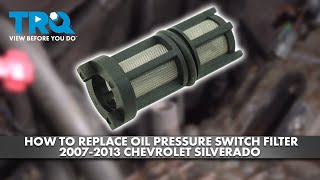
On these GM V8 engines (including the 4.8L, 5.3L, and 6.0L), the P0521 code is notoriously common. The issue is often not the sensor itself but a tiny, thimble-sized filter screen located directly underneath it, sometimes called the 'Valve Lifter Oil Filter'. This screen is extremely prone to clogging with engine sludge, which blocks oil from reaching the sensor and causes a false low-pressure reading. The sensor's location at the top rear of the engine, tucked behind the intake manifold and against the firewall, makes what should be a simple repair a significant labor challenge unique to this powertrain layout in a van chassis. For 2014 and newer models with Gen V V8s, the sensor was moved to a more accessible location on the front of the engine, underneath the throttle body.
Symptoms You May Notice
- Check Engine Light is on
- Oil pressure gauge reads zero, erratically, or is stuck.
- Oil pressure gauge pegs high (e.g., 80 psi) and then drops to zero.
- "Low Oil Pressure" or "Stop Engine" warning message on the dashboard.
- Engine making ticking or knocking noises (in cases of actual low pressure).
- Replacing the oil pump without first confirming low mechanical oil pressure.
- Replacing the entire engine, as some dealers might suggest without thorough diagnosis, when only the sensor and screen are at fault.
- Repeatedly replacing the sensor without also replacing the clogged filter screen underneath it, leading to the code returning.
Most Likely Causes
- Faulty Engine Oil Pressure Sensor (Sending Unit) 🔴 High Probability The sensor is a common failure point on GM V8s, located in a high-heat area. Aftermarket sensors are widely reported to fail quickly or be inaccurate out of the box, so using an OEM ACDelco part is strongly recommended.
How to confirm: After confirming good mechanical oil pressure, test the sensor's voltage output. An erratic or illogical signal points to a bad sensor. Oil found inside the electrical connector is a definitive sign of internal failure. With the engine off, if the gauge reads high and then drops to zero when the sensor is disconnected, the sensor has failed.
Typical fix: Replace the oil pressure sensor. This should always be done in conjunction with replacing the filter screen underneath it.
Est. part cost: $30-$60 - Clogged Oil Pressure Sensor Filter Screen 🔴 High Probability → Shop Engine Oil Pressure Sensor This small screen is notorious for getting clogged with sludge and debris, especially on higher-mileage engines or those with extended oil change intervals or Active Fuel Management (AFM) systems.
How to confirm: Visually inspect the screen after removing the oil pressure sensor. It will likely be filled with dark, sludgy material. It can be extracted with a small pick or by threading a coarse-thread screw (like a 5/16" bolt) into it and pulling it out.
Typical fix: Remove and replace the filter screen. This part is inexpensive and critical to preventing a repeat failure of the new sensor.
Est. part cost: $5-$15 - Incorrect or Low-Quality Engine Oil Filter 🟡 Medium Probability → Shop Engine Oil Filter Adapter GM has issued service bulletins (like PIP5276E, PIP5276G) stating that these engines are sensitive to the oil filter's internal bypass valve specifications. Using the wrong filter can cause pressure fluctuations that trigger P0521, especially after an oil change or in cold weather. Some TSBs advise switching from a PF48E back to a PF48 filter in very cold climates.
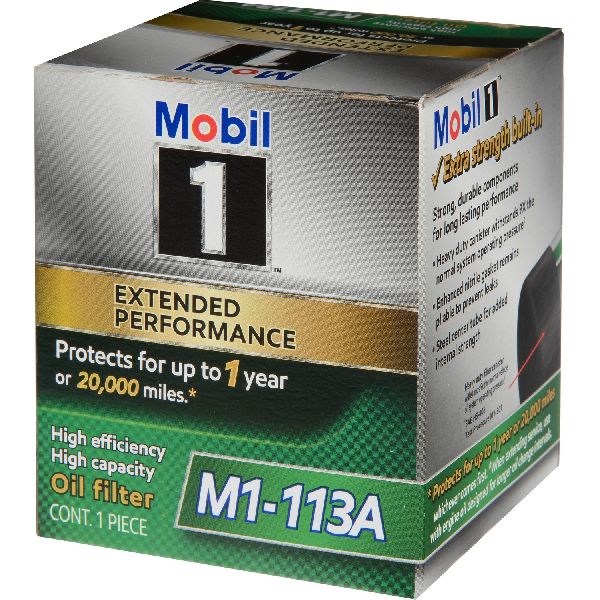
How to confirm: Check the part number of the installed oil filter. Cross-reference it with the OEM specification (e.g., ACDelco PF48, PF48E, or the updated UPF48R). The code appearing shortly after an oil change is a strong clue. Some owners on forums have resolved the code simply by switching to a high-quality filter like a Mobil 1 M1-113A.
Typical fix: Perform an oil change using the correct viscosity oil and a high-quality, OEM-spec oil filter from a brand like ACDelco.
Est. part cost: $10-$20
Rare But Worth Checking
- Sticking Oil Pump Pressure Relief Valve: → Shop Engine Oil Pump This is a serious mechanical failure mentioned in TSB 20-NA-161 for 2019-2020 6.0L models. If a mechanical gauge confirms low oil pressure, the oil pump may be the cause and requires inspection.
- Worn Internal Engine Components: In high-mileage engines, worn crankshaft or main bearings can cause a genuine loss of oil pressure. TSB 20-NA-161 suggests inspecting the #1 main bearing if low pressure is confirmed. This is a worst-case scenario and often requires engine replacement.
- Damaged Wiring or Connector: The wiring to the sensor can become damaged from heat or saturated with oil from a leaking sensor, causing a bad connection. Inspect the 3-wire pigtail connector (5V reference, ground, signal) and harness for breaks, corrosion, or a loose fit.
- Failed Active Fuel Management (AFM) Lifters or VLOM: On 5.3L and 6.0L engines equipped with AFM, a failing lifter or an issue with the Valve Lifter Oil Manifold (VLOM) can cause pressure drops and trigger P0521. This is a more complex and expensive repair.
Diagnosis Steps
- Check the engine oil level and condition. Top off or change if necessary.
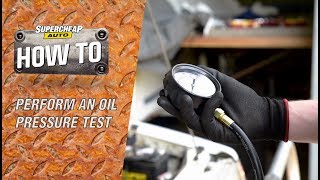
- CRITICAL STEP: Connect a mechanical oil pressure gauge to the engine 🎬 See how to perform a professional mechanical oil pressure test. to verify the actual oil pressure. This is usually done by removing the oil pressure sensor and connecting the gauge in its place. Compare this reading to the manufacturer's specification.
- If mechanical pressure is normal: The fault is in the sensor circuit. Proceed to the next step.
- If mechanical pressure is low: Stop. You have a serious internal engine problem. Investigate the oil pump, pickup tube O-ring, and internal bearings per TSB 20-NA-161.
- Assuming pressure is good, inspect the oil pressure sensor's electrical connector and wiring for damage, corrosion, or oil saturation.
- Remove the oil pressure sensor. This is difficult on pre-2014 models and requires special tools (see Tools Needed section).
- Remove and inspect the small filter screen located in the port under the sensor. It can be extracted with a small hook tool or by threading a 5/16" coarse-thread bolt into it and pulling.
- Install a new filter screen and a new, high-quality OEM oil pressure sensor.
- Ensure the correct, specified engine oil filter is installed (e.g., ACDelco PF48E/UPF48R).
- Clear the code with a scan tool and perform a test drive to ensure the gauge reads correctly and the code does not return.
Parts You'll Likely Need
- Engine Oil Pressure Sensor
(OEM #12673134 (supersedes 12621234, 12596951))— This is the most common part to fail, causing the P0521 code. Using a genuine GM/ACDelco part is highly recommended as aftermarket versions are known to fail prematurely.
Trusted brands: ACDelco (OEM), Standard Motor Products, Delphi
OEM price range: $40-$70
Aftermarket price range: $25-$50 - Engine Oil Pressure Sensor Filter Screen
(OEM #12585328)— This screen is a primary cause of the code due to clogging and MUST be replaced with the sensor to ensure a lasting repair.
Trusted brands: ACDelco (OEM), Dorman
OEM price range: $8-$15
Aftermarket price range: $5-$10 - Engine Oil Filter
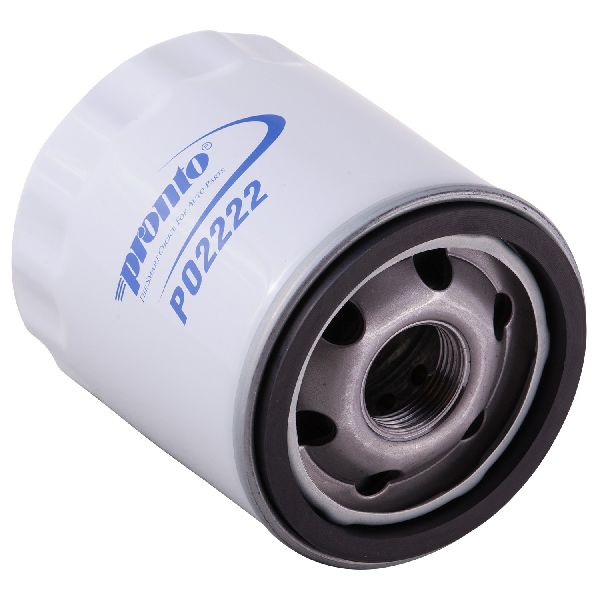
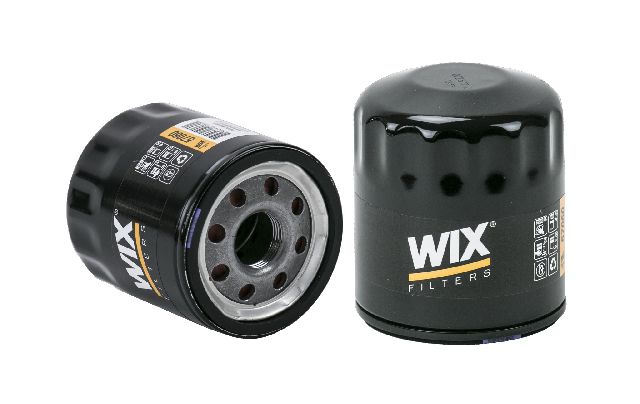
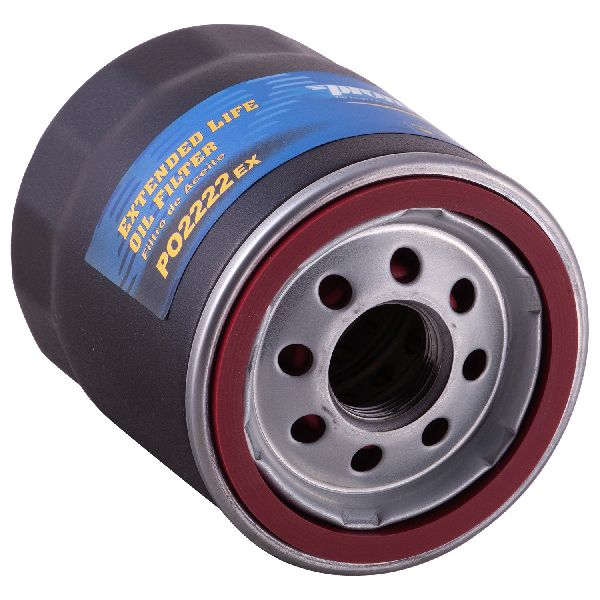
(OEM #PF48E or UPF48R)— Using a non-specified oil filter is a known cause of this code per GM service bulletins. TSBs also note to use a PF48 in certain cold-weather situations.
Trusted brands: ACDelco (OEM), Wix, Mobil 1
OEM price range: $10-$15
Aftermarket price range: $8-$20
Related Codes That Often Appear With This One
- P0522 (Engine Oil Pressure Sensor/Switch Circuit Low Voltage)
- P0523 (Engine Oil Pressure Sensor/Switch Circuit High Voltage)
Technical Service Bulletins (TSBs) & Recalls
- 20-NA-161: Addresses a sticking oil pressure relief valve in the oil pump as a cause for P0521 on 2019-2020 6.0L models, requiring mechanical pressure tests and potential bearing inspection.
- PIP5276E / PIP5276G: Discusses P0521 appearing after an oil change, pointing to the use of the correct PF48E/PF48 oil filter and proper engine cleaning procedures. It notes that in cold weather, a PF48 may be preferable to a PF48E.
- PIP4786C: Specifically for V8 AFM engines, this TSB advises inspecting the 'Valve Lifter Oil Filter' (the screen under the sensor) for debris before replacing other parts if a mechanical gauge shows good pressure.
Platform-Specific Known Issues
- Owner Experience: Sensor and Screen Fix on 2007 Yukon: An owner on 'Tahoe Yukon Forum' with a 2007 Yukon experienced the gauge 'dancing' between 0 and 80 psi. They confirmed the fix was replacing the ACDelco sensor (D1846A). They described the difficult process of using a 1 1/16" socket, a hinged connector, and a 6" extension to reach the sensor, highlighting the challenging access.
- Owner Experience: The Importance of the Oil Filter: → Shop Engine Oil Filter Adapter On a Reddit thread, a user frustrated with a recurring P0521 after a sensor replacement found the final fix was switching to a Mobil 1 M1-113A oil filter. Another user seconded this, stating the filter change fixed their issue and the code had not returned after 5,000 miles.
Mechanic-Grade Diagnostic Values
- Minimum Engine Oil Pressure (Hot Idle) — expected: Greater than 6 PSI @ 1000 RPM (minimum spec), but a healthy engine should show >20-24 PSI.. Failure: Pressure below the minimum specification on a mechanical gauge indicates a serious mechanical issue (oil pump, bearings).
- Minimum Engine Oil Pressure (Hot, at speed) — expected: At least 18 PSI @ 2000 RPM and 24 PSI @ 4000 RPM. Some sources suggest a healthier engine will be closer to 35 PSI @ 2000 RPM.. Failure: Pressure that does not rise with RPM or stays below these minimums points to a mechanical fault.
- Sensor 5V Reference Circuit Voltage (Gray Wire) — expected: 4.8 - 5.2 Volts (with key on, engine off, sensor unplugged).. Failure: Voltage outside this range points to a wiring or ECM fault, not a bad sensor.
- Sensor Low Reference (Ground) Circuit Resistance — expected: < 1.0 Ohm to a known good ground.. Failure: Higher resistance indicates a poor ground connection for the sensor circuit.
- Sensor Signal (Key On, Engine Off) — expected: Should read 0 PSI on scan tool. If it shows a reading, the sensor is faulty.. Failure: Any pressure reading with the engine off indicates an electrically failed sensor.
Scan Tool Commands That Help
- GDS2/Tech2 or equivalent professional scan tool: DTC Freeze Frame Data Review — When P0521 is set, reviewing the freeze frame data is crucial. It will show whether the pressure was considered too high or too low by the ECM at the moment the fault was triggered, which can help guide diagnosis (e.g., high pressure might point to a stuck relief valve, low pressure could be a clogged screen).
Wiring & Ground Locations
- Oil Pressure Sensor Connector — On the sensor itself. For 2007-2013 models, it's at the top rear of the engine against the firewall. For 2014+ models, it's below the throttle body at the front of the engine.. This 3-pin connector and its pigtail are common failure points due to heat and oil saturation. The pins are for the 5V reference (often gray wire), low reference (ground), and the signal wire. A bad connection here will cause the code.
- G103 — On the left rear of the engine block for gas engines.. This is a primary engine block ground. While multiple components ground here, a poor connection at G103 can cause various sensor reading issues, including for circuits that use the engine block as a ground path. Verifying this ground is tight and clean is a good step when diagnosing elusive electronic faults.
Real Owner Repair Stories
- Reddit user in r/ChevyTrucks (Chevrolet Truck (model unspecified)) — Recurring P0521 code.
❌ Tried (didn't work) Replacing the oil pressure sensor with a part from a local auto parts store.
✅ What actually fixed it After the aftermarket sensor did not fix the issue, the owner went through everything again and finally resolved the code by replacing it a second time with an OEM sensor. - Bob Is The Oil Guy forum user (GM vehicle with LS4 engine) — P0521 code appeared *after* replacing the VLOM and the oil pressure sensor.
❌ Tried (didn't work) Replacing the oil pressure sensor., Replacing the Valve Lifter Oil Manifold (VLOM).
✅ What actually fixed it The final fix was changing the oil filter to the OEM-specified UPF48R. A GM TSB was referenced, suggesting this specific filter can resolve pressure fluctuation issues that trigger the code.
OEM Part Supersession History
12596951→12621234, then 12673134— Standard part evolution for improved reliability and manufacturing consistency.
Heads up: The latest part number, 12673134, is the correct service replacement for the previous versions and should be used for repairs.ACDelco PF48→ACDelco PF48E— The 'E' or 'E-Core' version was introduced as a more environmentally friendly and cost-effective design, using a plastic internal core instead of metal.
Heads up: While interchangeable, the PF48E is considered by many to be a lower-quality design than the original metal-core PF48. Some TSBs specifically recommend using the older PF48 style or the premium UPF48R to resolve P0521 issues, especially in cold weather, suggesting the bypass characteristics of the PF48E can be problematic.
Model Year Variations Within This Range
- 2007-2013 (Gen IV V8): The oil pressure sensor is located in a very difficult-to-access position at the top rear of the engine block, against the firewall. Repair requires special tools and significant labor.
- 2014-2020 (Gen V V8): The oil pressure sensor was relocated to the front of the engine, just below the throttle body. This makes replacement significantly easier and faster as it is no longer necessary to work blindly against the firewall. These engines also specify a different oil filter, the PF63.
Diagnostic Flowchart
Used vs. New Parts: Buying Guide for This Vehicle
When a used part is the smart pick: For this specific repair, using used parts is not recommended. The primary failure components (sensor, screen) are inexpensive, wear-prone electronic and filter items. The labor to access the sensor is high, so installing a used part with unknown life remaining is a significant financial risk.
What to inspect on the donor part:
- Not applicable as used parts are not advised for this repair.
OEM-only on this vehicle (don't cheap out):
- Engine Oil Pressure Sensor: Due to widespread reports of immediate or premature failure of aftermarket sensors, using a genuine ACDelco/GM sensor (PN 12673134) is critical to avoid repeat repairs.
- Engine Oil Pressure Sensor Filter Screen: This is an inexpensive part that should always be replaced new with the sensor. Use an OEM ACDelco part (PN 12585328).
Aftermarket brands forum-validated for this vehicle:
- Oil Filters: While ACDelco is the safest choice (PF48E/UPF48R), high-quality filters from Wix or Mobil 1 (M1-113A) are reported by users to work well and, in some cases, solve the P0521 code when a lower-quality filter was the cause.
Brands owners have reported issues with on this vehicle:
- No-name/white-box oil pressure sensors from online marketplaces. Many forum and user reports cite these parts as being dead-on-arrival or failing within weeks, leading to the code returning.
Real Owner Stories
Aggregated from forums and TSBs cited above. Mileages and costs reflect what owners reported in those sources.
2007 GMC Yukon V8
Symptoms: The oil pressure gauge was 'dancing' between 0 and 80 psi.
What fixed it: Replacing the ACDelco oil pressure sensor (part D1846A), though the access was described as very difficult.
Source hint: Owner Experience: Sensor and Screen Fix on 2007 Yukon
Chevrolet V8 Truck
Symptoms: A recurring P0521 code that persisted even after the oil pressure sensor was replaced.
What fixed it: The final fix was switching to a high-quality Mobil 1 M1-113A oil filter. The code did not return after 5,000 miles.
Source hint: Owner Experience: The Importance of the Oil Filter
Chevrolet Tahoe/Suburban V8
Symptoms: Received a P0521 code and the dealer recommended a complete engine replacement.
What fixed it: Forum members advised that the likely cause was simply the oil pressure sensor and its screen, not a catastrophic engine failure, and that a mechanical pressure test should be done first.
Source hint: ChevroletForum.com - 'HELP! Service Code P0521 Dealer Says Replace Engine'
2012 Chevrolet Silverado V8
Symptoms: A frustrating and persistent P0521 code.
What fixed it: This owner's story highlights an unsuccessful repair attempt, where replacing the sensor, screen, and oil pickup O-ring did not resolve the issue.
Source hint: GM-Trucks.com - 'Oil Pressure Issues - Gen III & Gen IV V8 Engines (LS-Based)'
Related OBD-II Codes
Frequently Asked Questions
My mechanic says I need a new engine for a P0521 code. Is this common on the Express V8?
I just had an oil change and now my van has a P0521. What's the first thing to check?
Is it okay to use a cheaper aftermarket oil pressure sensor?
I'm replacing the oil pressure sensor. Is there anything else I must do at the same time?
My oil pressure gauge is stuck high at 80 psi and then drops to zero. What does that mean?
Does TSB 20-NA-161 for a sticking oil pressure relief valve apply to my 2016 6.0L Express?
Helpful Videos
We Have This Part in Stock


The information in this article is provided for general reference and educational purposes only. Vehicle specifications, procedures, and part compatibility can vary by production date, trim level, and region. Always consult your vehicle's factory service manual and verify part numbers before purchasing or performing repairs. Safety-critical components such as airbags, seat belts, and braking systems should be installed by a qualified professional.
- Chevrolet Express:
- 🧭 Diagnostic Flowchart
- 🎬 Helpful Videos
- 🛍️ Shop This Part
- What's Unique About the 2007-2020 Chevrolet Express
- Symptoms You May Notice
- Most Likely Causes
- Rare But Worth Checking
- Diagnosis Steps
- Parts You'll Likely Need
- Related Codes That Often Appear With This One
- Technical Service Bulletins (TSBs) & Recalls
- Platform-Specific Known Issues
- Mechanic-Grade Diagnostic Values
- Scan Tool Commands That Help
- Wiring & Ground Locations
- Real Owner Repair Stories
- OEM Part Supersession History
- Model Year Variations Within This Range
- Used vs. New Parts: Buying Guide for This Vehicle
- Real Owner Stories
- 2007 GMC Yukon V8
- Chevrolet V8 Truck
- Chevrolet Tahoe/Suburban V8
- 2012 Chevrolet Silverado V8
- Related OBD-II Codes
- Frequently Asked Questions
- 🎟️ Get 5% Off