

P0521 on 2010-2014 Chevrolet Express: Oil Pressure Sensor Causes and Fixes
On a 2010-2014 Express van, P0521 is most often caused by a faulty oil pressure sensor, its clogged filter screen, or an incorrect engine oil filter. Replacing the sensor and screen is the most common fix, but diagnosis is critical as it could indicate true low oil pressure, a known issue on these V8 engines.
- Do not ignore this code. Immediately check your engine oil level.
- The most critical diagnostic step is to verify the true engine oil pressure with a mechanical gauge.
- The most common fix is to replace both the oil pressure sensor AND the small filter screen underneath it.
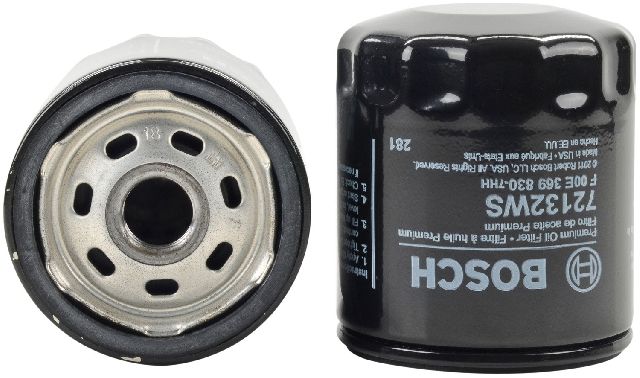
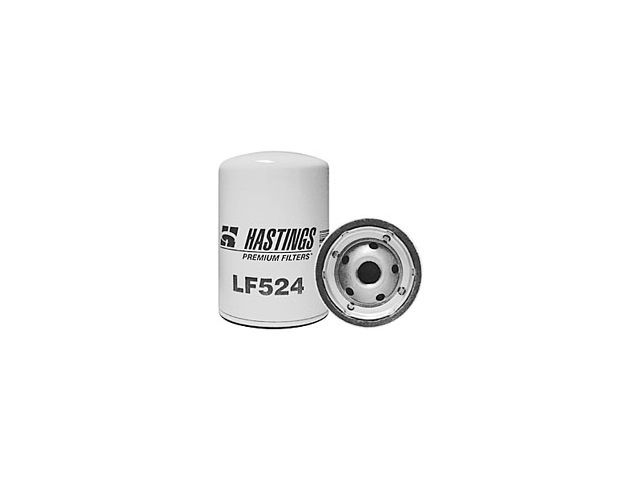
- Pay close attention to the type of oil filter used. An incorrect or low-quality filter is a known cause for P0521 on these engines.
- Due to the sensor's location, this is a difficult repair. Be prepared for a challenging job or budget for 2-3 hours of professional labor.
What's Unique About the 2010-2014 Chevrolet EXPRESS
On these GM V8 engines (RPOs L96, LC8, LMG, LY6, etc.), code P0521 is exceptionally common. The issue is often not the sensor itself, but a small, thimble-sized filter screen located in the engine block directly underneath the sensor. This screen is prone to clogging with sludge or debris, which prevents the sensor from getting an accurate pressure reading. Furthermore, GM has issued multiple Technical Service Bulletins (TSBs) related to this code, specifically highlighting issues with incorrect oil filters (PF48 vs. PF48E) causing pressure fluctuations, especially after an oil change or in cold weather. Some owners report that only an OEM ACDelco sensor will resolve the code, with aftermarket sensors sometimes failing to fix the issue.
Diagnostic Flowchart
Tap your situation to follow the diagnostic path that matches what you're seeing on this vehicle.
Symptoms You May Notice
- Check Engine Light is on
- Low Oil Pressure warning light is on or flashing
- Oil pressure gauge reads zero, erratically, or excessively high
- Engine is noisy (ticking, knocking, or grinding sounds)
- In some cases, the ECM will default the gauge reading to zero when the code is set.
- Replacing the oil pump without first verifying actual low pressure with a mechanical gauge.
- Replacing the oil pressure sensor without also replacing the small filter screen underneath it, leading to a quick return of the code.
- Using an aftermarket oil pressure sensor, which some owners report does not fix the problem, requiring a second repair with an OEM part.
Most Likely Causes
- Faulty Oil Pressure Sensor (Sending Unit) 🔴 High Probability The sensor is a known high-failure item on many GM V8 engines of this era. Oil can leak internally into the electrical connector, a tell-tale sign of failure.
How to confirm: With the engine off, the oil pressure reading on a scan tool should be zero. If it shows any pressure, the sensor is faulty. Visually inspect the sensor's electrical connector for oil contamination. The ultimate confirmation is to compare the sensor's reading to a mechanical oil pressure gauge.
Typical fix: Replace the oil pressure sensor. This is very difficult due to its location at the back of the engine against the firewall. Many owners recommend using only a genuine ACDelco part, as some aftermarket sensors do not resolve the issue.
Est. part cost: $30-$60 - Clogged Oil Pressure Sensor Filter Screen 🔴 High Probability → Shop Engine Oil Pressure Sensor A small filter screen is located under the sensor and is notorious for getting clogged with engine sludge and debris, starving the sensor of a true pressure reading.
How to confirm: The screen must be visually inspected upon removal of the oil pressure sensor. It will be visibly clogged with dark, gritty material.
Typical fix: Remove the old screen with a pick or a coarse-threaded screw and install a new one. This should ALWAYS be done when replacing the oil pressure sensor to prevent a repeat failure.
Est. part cost: $5-$15 - Incorrect or Defective Oil Filter 🟡 Medium Probability → Shop Engine Oil Filter Adapter GM TSBs specifically warn that using non-specified oil filters can cause P0521. The internal bypass valve pressure specification is critical. Some aftermarket or even certain ACDelco filters (e.g., the PF48E in cold weather) can cause pressure fluctuations that the ECM flags as a fault. A TSB suggests using the UPF48R filter if P0521 persists. 🎬 Watch: Understanding the P0521 code and common sensor fixes.
How to confirm: Check the part number on the installed oil filter. The issue is often reported after a recent oil change. If a PF48E is installed and the code appeared, this is a likely cause.
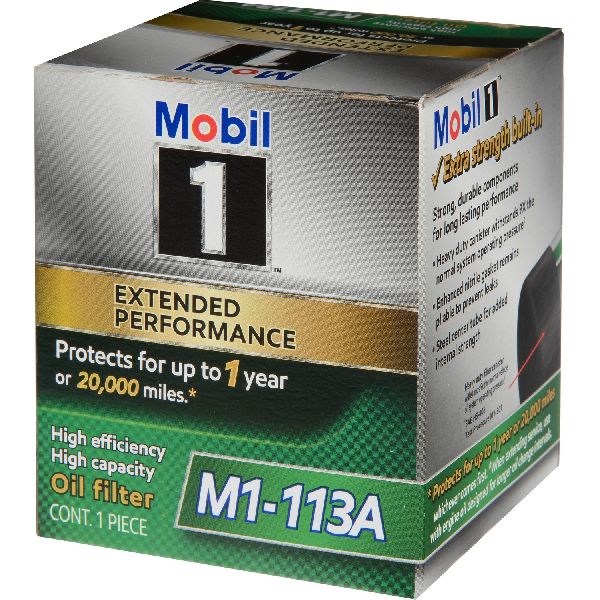
Typical fix: Change the oil and filter, using a quality OEM-spec filter like the original PF48 or the upgraded ACDelco UPF48R. Some owners have also had success with the Mobil 1 M1-113A filter.
Est. part cost: $10-$20 - Low Engine Oil Level or Incorrect Viscosity 🟡 Medium Probability Some of these V8 engines, particularly those with Active Fuel Management (AFM), are known for oil consumption issues as detailed in TSB 10-06-01-008H. Low oil level will directly cause low oil pressure and can trigger a P0521.
How to confirm: Check the engine oil level with the dipstick. Verify the correct oil viscosity (e.g., 5W-30) was used during the last oil change.
Typical fix: Top off or change the engine oil to the correct level and viscosity. Address underlying oil consumption issues if present.
Est. part cost: $0-$50
Rare But Worth Checking
- Failing Oil Pump / Worn Engine Components: → Shop Engine Oil Pump This is the worst-case scenario. If a mechanical gauge confirms that the oil pressure is actually low, it points to a much more serious internal engine problem like a weak oil pump, worn cam bearings, or a bad O-ring on the oil pickup tube.
- Wiring Harness or Connector Issue: The wiring to the sensor is in a hot, difficult-to-reach area and can become brittle or damaged, leading to a poor connection or short.
Diagnosis Steps
- Check the engine oil level and condition. Top off or change if necessary, ensuring the correct viscosity.
- Use a scan tool to check for other DTCs. Note the live oil pressure reading with the engine off (should be 0 psi) and at idle.
- Inspect the oil filter to ensure the correct part number is installed. If a PF48E is present and the code is active, consider replacing it with a UPF48R as per GM's recommendation.
- Connect a mechanical oil pressure gauge to the engine. This is the most critical step. Compare the mechanical reading to the scan tool data. If the mechanical gauge shows good pressure but the scan tool shows low/erratic pressure, the sensor or its circuit is the problem.
- If mechanical pressure is good, proceed with replacing the oil pressure sensor and the filter screen underneath it. The sensor is located at the back of the engine, near the firewall, and is very difficult to access.
- To access the sensor, you will need a special 1-1/16" (or 27mm) oil pressure switch socket, a swivel adapter, and several extensions.
- Inspect the wiring and connector to the sensor for any signs of damage, corrosion, or oil saturation.
- If mechanical pressure is genuinely low, further engine diagnostics are required to check for a failing oil pump, clogged oil pickup tube O-ring, or worn internal engine components like cam bearings.
Parts You'll Likely Need
- Engine Oil Pressure Sensor
(OEM #12673134)— This sensor is the most common point of failure, providing incorrect readings to the ECM. It is strongly recommended to use the GM/ACDelco part.
Trusted brands: ACDelco (GM Genuine), Standard Motor Products, Delphi
OEM price range: $40-$60
Aftermarket price range: $25-$50 - Oil Pressure Sensor Filter Screen
(OEM #12585328)— This screen is located under the sensor and frequently clogs with sludge, causing the P0521 code. It should always be replaced with the sensor.
Trusted brands: ACDelco, Dorman
OEM price range: $5-$10
Aftermarket price range: $3-$8 - Engine Oil Filter
(OEM #UPF48R)— Using an incorrect or poor-quality oil filter is a known cause of this code. TSBs specifically mention issues with the PF48E filter and recommend using the UPF48R as a potential fix.
Trusted brands: ACDelco
OEM price range: $10-$15
Aftermarket price range: $5-$12 - Oil Pressure Sensor Socket — A special 1-1/16" (27mm) deep socket is required to remove and install the sensor due to its shape and tight location.
Trusted brands: Lisle (p/n 13250), OEMTOOLS, GearWrench
Aftermarket price range: $10-$20
Related Codes That Often Appear With This One
- P0522 (Engine Oil Pressure Sensor/Switch Circuit Low)
- P0523 (Engine Oil Pressure Sensor/Switch Circuit High)
Technical Service Bulletins (TSBs) & Recalls
- PIP5276G: Mentions P0521 and refers to checking if TSB 10-06-01-008 was completed.
- PIP4786C: Notes that vehicles may have a low oil pressure message and DTC P0521.
- PIP5276E: Links P0521 to recent oil changes and recommends using a PF48E type filter.
- PIP5276B: Addresses P0521 in cold weather with a PF48E filter and recommends changing to a PF48.
- 10-06-01-008H: Details diagnosis and repair for excessive oil consumption on AFM V8 engines, a root cause for low oil level.
Platform-Specific Known Issues
- TSB #PIP5276G, #PIP5276E, and #PIP5276B directly address code P0521 on these vehicles, pointing to issues with oil filters (PF48E vs PF48/UPF48R) especially after oil changes or in cold weather.
- TSB #10-06-01-008H details a significant oil consumption problem on V8 engines with Active Fuel Management (AFM), which can lead to low oil levels and trigger P0521. The fix can involve installing an oil deflector, a new valve cover, or even piston and ring replacement in severe cases.
Mechanic-Grade Diagnostic Values
- Mechanical Oil Pressure (Minimum Spec, Engine Hot) — expected: ~24 PSI at 1,000 RPM, ~35 PSI at 2,000 RPM, ~38 PSI at 4,000 RPM.. Failure: Readings consistently below these minimums indicate a mechanical issue (worn bearings, bad oil pump, etc.).
- Oil Pressure Sensor Signal Voltage (Scan Tool) — expected: Approx. 1.3V at idle, rising towards 4.0V under load/higher RPM.. Failure: Voltage stuck near 0V or 5V, or readings that do not change with engine RPM.
- Oil Pressure Sensor Parameter (Scan Tool, KOEO) — expected: Below 8 kPa (1.2 PSI).. Failure: Any significant pressure reading with the engine off indicates a faulty sensor.
Wiring & Ground Locations
- EOP Sensor Connector — Top rear of the engine, behind the intake manifold, against the firewall.. This 3-wire connector (5V reference, signal, ground) is in a high-heat area and is prone to becoming brittle. The Tan/White wire is typically the signal wire to the ECM. A poor connection here will cause erratic readings.
- G102 / G103 — Typically on the rear of the driver's side cylinder head (G102) or on the cowl above the brake booster (G103).. These are primary ground points for the engine control module (ECM) and sensor circuits. A loose or corroded ground here can introduce electrical noise or incorrect reference voltages, leading to false sensor codes like P0521.
Real Owner Repair Stories
- Reddit user in r/ChevyTrucks (Chevrolet Silverado (similar GM V8 platform)) — P0521 code kept returning after repairs.
❌ Tried (didn't work) Replacing the oil pressure switch with a non-OEM part., Noting that the filter screen under the sensor had already been removed by a previous owner.
✅ What actually fixed it The most common and successful advice from other users was to replace the sensor again, but this time using a genuine ACDelco OEM part. Another user reported giving up after multiple attempts and driving over 40,000 miles with the code active without apparent mechanical failure, highlighting how it can sometimes be a persistent sensor/circuit issue rather than a true pressure problem.
OEM Part Supersession History
ACDelco Professional / GM Genuine Parts→ACDelco GM Original Equipment 12673134— Branding Consolidation
Heads up: Some ACDelco GM Original Equipment parts may have formerly appeared as GM Genuine Parts (OE) or ACDelco Professional. They are functionally identical for the specified application.
Model Year Variations Within This Range
- 2010-2014: The Chevrolet Express in this range was available with 4.8L, 5.3L, and 6.0L V8 engines. Edge-case causes related to the Active Fuel Management (AFM) system, such as the oil pan pressure relief valve, apply *only* to models equipped with the 5.3L V8 (RPO LMF), as the 4.8L and 6.0L V8s in this van platform did not have AFM.
Helpful Videos
We Have This Part in Stock


The information in this article is provided for general reference and educational purposes only. Vehicle specifications, procedures, and part compatibility can vary by production date, trim level, and region. Always consult your vehicle's factory service manual and verify part numbers before purchasing or performing repairs. Safety-critical components such as airbags, seat belts, and braking systems should be installed by a qualified professional.
- Chevrolet EXPRESS:
- 🧭 Diagnostic Flowchart
- 🎬 Helpful Videos
- 🛍️ Shop This Part
- What's Unique About the 2010-2014 Chevrolet EXPRESS
- Symptoms You May Notice
- Most Likely Causes
- Rare But Worth Checking
- Diagnosis Steps
- Parts You'll Likely Need
- Related Codes That Often Appear With This One
- Technical Service Bulletins (TSBs) & Recalls
- Platform-Specific Known Issues
- Mechanic-Grade Diagnostic Values
- Wiring & Ground Locations
- Real Owner Repair Stories
- OEM Part Supersession History
- Model Year Variations Within This Range
- 🎟️ Get 5% Off