

P0521 on 2009-2017 Chevrolet Traverse 3.6L: Engine Oil Pressure Sensor Causes and Fixes
On a 2009-2017 Traverse, P0521 is almost always caused by a faulty oil pressure sensor and its clogged filter screen. The fix involves replacing both parts, which are accessed through the passenger-side front wheel well. Expect to pay around $50-$90 for OEM parts. Using a non-OEM oil filter is another common trigger.
- Do not drive the vehicle with code P0521, as it could represent a true low oil pressure condition that can destroy the engine.
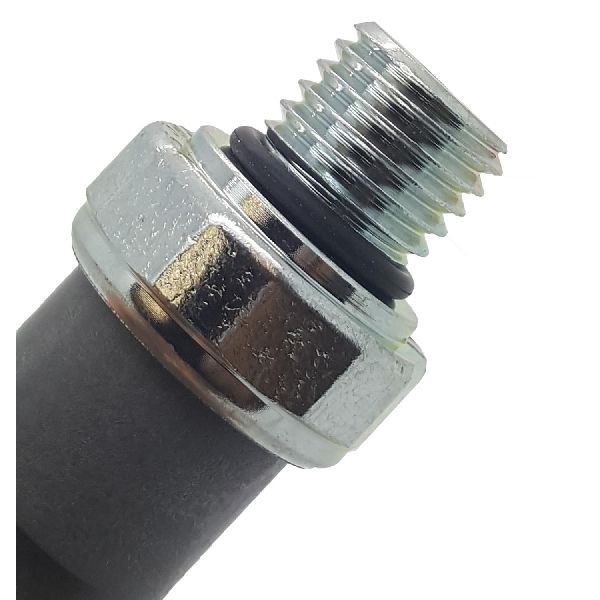
- The most probable fix is to replace both the oil pressure sensor (ACDelco #12673134) and the filter screen below it (ACDelco #12585328).
- The repair requires removing the passenger-side front wheel and fender liner to access the parts on the front of the engine.
- Always verify the actual oil pressure with a mechanical gauge before suspecting more serious mechanical engine problems.
- If the code appeared after an oil change, ensure the correct OEM-spec oil filter was used before proceeding with other repairs.
What's Unique About the 2009-2017 Chevrolet Traverse
The 3.6L V6 engine in the first-generation Traverse and its Lambda platform mates (GMC Acadia, Buick Enclave, Saturn Outlook) is known for a specific trio of issues that trigger P0521: a high failure rate of the oil pressure sensor, a tiny filter screen beneath it that clogs with sludge, and sensitivity to non-OEM oil filters. Unlike many other GM applications where the sensor is at the rear of the engine against the firewall, the Traverse uniquely places it on the front of the engine. This changes the repair procedure, requiring access through the passenger side wheel well.
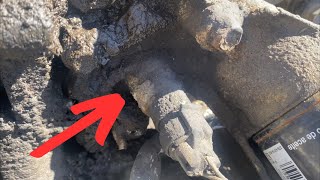
🎬 Watch: Step-by-step sensor replacement through the wheel well.Symptoms You May Notice
- Check Engine Light is on
- Oil pressure warning light is on
- Driver Information Center (DIC) displays 'Low Oil Pressure - Shut Off Engine' message
- Oil pressure gauge reads zero, erratically, or is stuck at a high reading
- Engine noise, such as ticking or rattling (in cases of actual low oil pressure)
- Replacing the oil pressure sensor but failing to replace the small, clogged filter screen underneath it. This often results in the code returning shortly after the repair, a common complaint on owner forums.
- Assuming the engine has a major internal problem (like a bad oil pump) before verifying the actual oil pressure with a mechanical gauge.
- Using a cheap aftermarket sensor that is faulty from the start, leading to a repeat P0521 code.
Most Likely Causes
- Faulty Engine Oil Pressure Sensor 🔴 High Probability The sensor is a common failure item on this platform due to heat and vibration, leading to incorrect or no signal being sent to the ECM. Aftermarket sensors are reported by owners to fail quickly or be inaccurate out of the box, making an OEM part highly recommended.
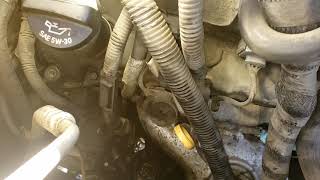
How to confirm: After verifying actual oil pressure is normal with a mechanical gauge, the sensor is the most likely culprit. Test the sensor's circuit and connector for issues; if they are fine, the sensor itself is faulty. 🎬 Watch: A quick guide to diagnosing and fixing the P0521 code.
Typical fix: Replace the engine oil pressure sensor. It is strongly recommended to replace the filter screen underneath it at the same time.
Est. part cost: $50-$90 - Clogged Oil Pressure Sensor Screen 🔴 High Probability A small, thimble-shaped filter screen (GM Part #12585328), officially called a 'Valve Lifter Oil Filter', sits directly below the sensor and is notorious for clogging with engine sludge or debris. This blockage prevents oil from reaching the sensor, causing a false low-pressure reading. TSB PIP4786C specifically highlights this as a primary cause.
How to confirm: This is typically confirmed during the replacement of the sensor. If the screen is visibly clogged with debris, it was a primary contributor to the code. Many forum users report finding this screen completely blocked.
Typical fix: Remove and replace the screen. This should always be done whenever the oil pressure sensor is replaced.
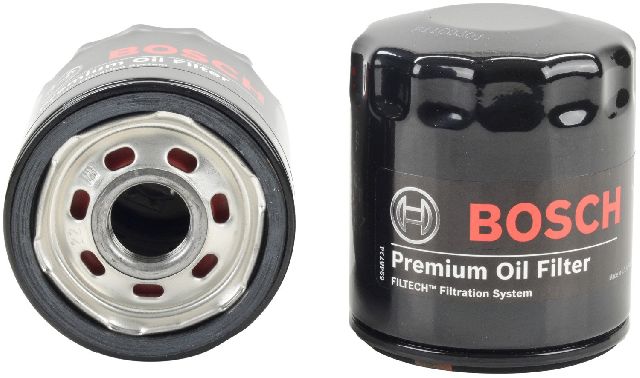
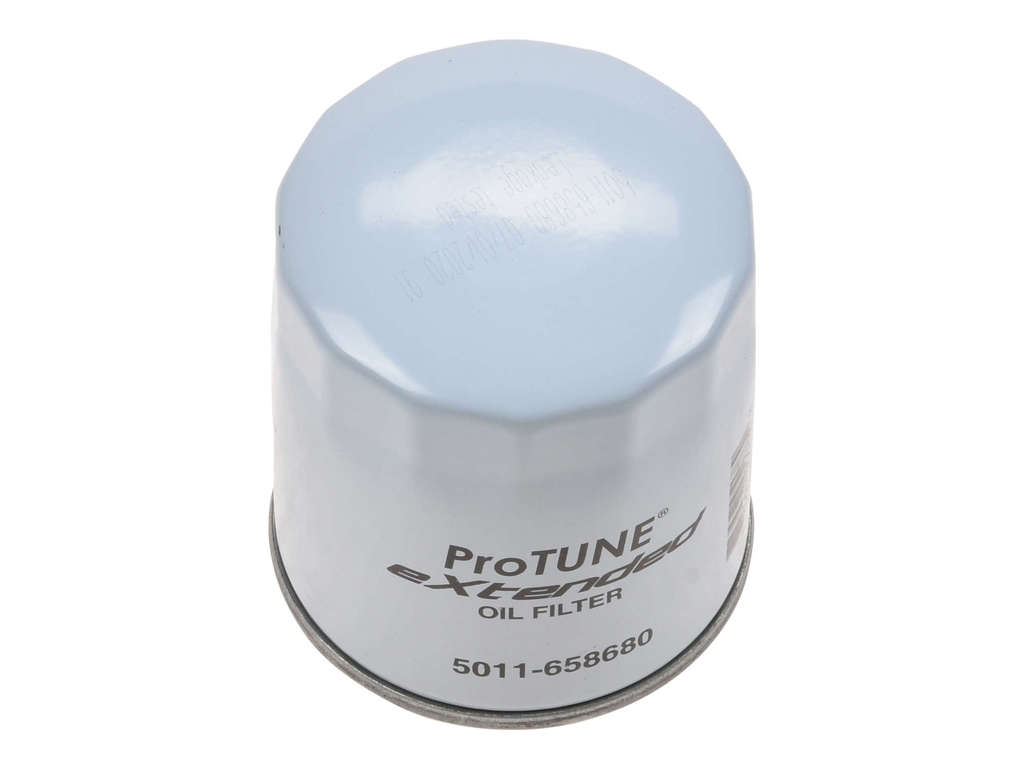
Est. part cost: $5-$15 - Incorrect or Low-Quality Oil Filter 🟡 Medium Probability → Shop Engine Oil Filter Adapter The oiling system on the 3.6L V6 is sensitive to the oil filter's internal bypass valve pressure rating. Using non-OEM or incorrect filters can lead to pressure reading inconsistencies that trigger P0521. Owners on forums have reported fixing the code simply by switching to an OEM ACDelco filter.
How to confirm: If the code appeared shortly after an oil change, check the part number of the installed oil filter. Early models used the ACDelco PF48E, while later models specified the larger PF63E, which is backward compatible and often recommended.
Typical fix: Replace the incorrect oil filter with a new, correct OEM-spec filter (ACDelco PF63E) and perform an oil change.
Est. part cost: $10-$20 - Low or Dirty Engine Oil ⚪ Low Probability The 3.6L engine can consume oil, and low oil levels are a known contributor to timing chain wear, which can indirectly affect oil pressure readings and overall engine health.
How to confirm: Check the engine oil level using the dipstick and inspect the oil's condition. If the level is low or the oil is very dark and thick, this could be the cause.
Typical fix: Top off the oil to the correct level or perform a complete oil and filter change.
Est. part cost: $40-$80
Rare But Worth Checking
- Sticking Oil Pressure Relief Valve: GM Technical Service Bulletin 20-NA-161 notes that in some cases, the oil pressure relief valve within the oil pump assembly can stick, causing this code. This should be considered if replacing the sensor and screen does not resolve the issue and actual oil pressure is confirmed to be low.
- Wiring Harness or Connector Issue: The wiring to the sensor can become damaged, corroded, or oil-soaked, leading to a poor connection. Check the pigtail connector for broken wires or pushed-out pins before replacing parts.
Diagnosis Steps
- Check the engine oil level and condition. Top off or change the oil if necessary. Clear the code and see if it returns.
- If the code returns, connect a mechanical oil pressure gauge to the engine. This is the most critical step to determine if you have a real oil pressure problem or just a sensor issue.
- Start the engine and compare the mechanical gauge reading to the manufacturer's specifications. A healthy engine should have >20-25 PSI at 2,000 RPM when warm. If pressure is genuinely low, stop the engine immediately and investigate mechanical causes like a sticking pressure relief valve or worn components.
- If mechanical oil pressure is normal, the issue is in the sensor's circuit. Turn off the engine.
- Inspect the oil pressure sensor's electrical connector and wiring for any signs of damage, corrosion, or oil contamination. Repair as needed.
- If the wiring is intact, the most likely cause is a faulty sensor and/or a clogged screen. Proceed with replacement.
- To replace the parts, raise the vehicle, remove the passenger side front wheel and the fender liner to access the sensor on the front of the engine block, near the oil filter housing.
- Disconnect the electrical connector, then use a special 1-1/16-inch (27mm) thin-walled, deep oil pressure sensor socket 🎬 See the specialized tool needed to remove the sensor easily. to remove the sensor.
- Carefully extract the small filter screen from the engine block port beneath the sensor. A pick or small screwdriver may be needed. Be careful not to drop it into the engine.
- Install the new filter screen and the new oil pressure sensor. Torque the new sensor to specification (typically 15 lb-ft).
- Clear the trouble code with a scan tool and perform a test drive to ensure the repair is successful.
Parts You'll Likely Need
- Engine Oil Pressure Sensor
(OEM #12673134 (supersedes 12621234))— This is the most common part to fail, causing incorrect readings that trigger P0521. Original part numbers were superseded.
Trusted brands: ACDelco (GM Original Equipment), Delphi, Standard Motor Products (SMP)
OEM price range: $50-$90
Aftermarket price range: $25-$50 - Engine Oil Pressure Sensor Filter Screen
(OEM #12585328)— This screen is a primary cause of the code, as it frequently clogs with sludge and should always be replaced with the sensor.
Trusted brands: ACDelco (GM Original Equipment)
OEM price range: $5-$15
Aftermarket price range: $3-$10 - Oil Filter
(OEM #ACDelco PF63E)— Using an incorrect or poor-quality oil filter is a known cause of P0521 on this engine. The PF63E is the recommended filter for most of these model years.
Trusted brands: ACDelco, Wix, Mobil 1
OEM price range: $10-$20
Aftermarket price range: $8-$15
Related Codes That Often Appear With This One
- P0522 — This code indicates 'Engine Oil Pressure Sensor/Switch Circuit Low Voltage,' which can occur if the sensor fails in a shorted state.
- P0523 — This code indicates 'Engine Oil Pressure Sensor/Switch Circuit High Voltage,' which can occur if the sensor fails in an open-circuit state.
Technical Service Bulletins (TSBs) & Recalls
- 20-NA-161: Discusses how a sticking oil pressure relief valve in the oil pump can cause P0521, serving as an alternative diagnosis if a sensor replacement does not fix the issue.
- PIP4786C: Highlights the clogged valve lifter oil filter (screen) as a primary cause of P0521 when a scan tool shows low pressure but a mechanical gauge confirms pressure is normal.
- PIP4690G: Notes that high oil pressure readings (up to 110 PSI) can be normal during cold starts or acceleration on 3.6L LLT/LFX engines.
Platform-Specific Known Issues
- The location of the sensor on the front of the engine, accessed via the passenger wheel well, is specific to this platform and makes the job more time-consuming than on other GM vehicles where it might be on top or at the rear.
- As documented on traverseforum.com, owners frequently report that replacing the sensor and screen is the definitive fix, and that ignoring the clogged screen will cause the code to return almost immediately.
Mechanic-Grade Diagnostic Values
- Engine Oil Pressure (Mechanical Gauge) — expected: Warm idle: ~20-25 PSI. At 2,000 RPM: >25 PSI. Cold start or acceleration: Can spike up to 110 PSI.. Failure: Sustained pressure below 20 PSI at warm idle or pressure that does not rise with RPM indicates a mechanical issue, not a sensor fault.
- Oil Pressure Sensor Connector - 5V Reference Wire — expected: Approximately 5.0 volts with key on, engine off.. Failure: Voltage significantly below 5.0V (e.g., 3.8V) or 0V suggests a short in the harness, a problem with another sensor on the same circuit, or an ECM fault.
- Oil Pressure Sensor Connector - Ground Wire — expected: Less than 100 millivolts (0.1V).. Failure: Higher voltage indicates a poor ground connection, which can cause erratic sensor readings.
- Oil Pressure Sensor Connector - Signal Wire — expected: Variable voltage that changes with engine RPM (and thus, oil pressure). Typically between 0.5V and 4.5V.. Failure: Voltage stuck at 0V, 5V, or a static value that doesn't change with RPM points to a faulty sensor or a wiring problem.
Scan Tool Commands That Help
- GDS2 / Tech2: Engine Oil Pressure data display — This is the primary function used for diagnosis. TSB PIP4786C instructs technicians to compare the oil pressure parameter displayed on the scan tool with the reading from a mechanical gauge. A significant discrepancy, where the scan tool shows low pressure but the mechanical gauge shows normal pressure, points directly to a faulty sensor or clogged screen.
Wiring & Ground Locations
- Engine Oil Pressure Sensor Connector — On the front of the engine block, near the oil filter housing, accessed through the passenger side front wheel well.. This is the primary connection point for testing the sensor circuit. It is a 3-wire connector containing the 5V reference, signal, and ground circuits.
- G110 — On the right front of the engine, mounted to the cylinder head.. This is a primary engine ground. A loose or corroded connection at G110 could potentially affect sensor readings and cause intermittent electrical issues.
- G103 — On the left side of the engine compartment, on the inner fender panel.. This ground point serves the Engine Control Module (ECM). A poor connection here can cause a wide range of seemingly unrelated engine codes and performance issues, including incorrect sensor readings.
- ECM (Engine Control Module) — Located on the left side of the engine.. The ECM provides the 5V reference and ground to the sensor and interprets the return signal voltage. All wiring tests ultimately verify the integrity of the circuit back to the ECM.
Real Owner Repair Stories
- Reddit user in r/ChevyTrucks (Chevrolet Truck (specific model not mentioned, but same GM engine family)) — Persistent P0521 code returning after replacing the oil pressure switch once. The filter screen had already been removed by a previous owner.
❌ Tried (didn't work) Replacing the oil pressure sensor with a non-OEM part., Clearing the code with a scan tool.
✅ What actually fixed it The user reported that switching to a Mobil 1 M1-113A oil filter resolved the issue, highlighting the engine's sensitivity to oil filter specifications. Other users in the thread recommended using only an OEM ACDelco sensor to avoid repeat failures.
When the Usual Fixes Don't Work
- In cases where replacing the sensor, screen, and using the correct oil filter does not resolve the P0521 code, the next step is to investigate more serious mechanical issues. As per TSB 20-NA-161, a sticking oil pressure relief valve in the oil pump is a known, albeit rarer, cause. If a mechanical gauge confirms low pressure, this TSB suggests inspecting the #1 main bearing for damage before replacing the oil pump. In extreme cases where the bearing is spun, a full engine replacement may be necessary.
OEM Part Supersession History
12596951, 12621234→12673134— Standard part evolution for improved reliability and performance. The earlier part numbers are common failure points.
Heads up: The newest part number, 12673134, is the correct and most reliable replacement for all previous versions and should be used for all repairs.
Model Year Variations Within This Range
- 2009-2012 (LLT Engine): The LLT engine uses a Bosch ECM. It originally specified the ACDelco PF48E oil filter, though the PF63E is backward compatible and often recommended.
- 2013-2017 (LFX Engine): The LFX engine is an updated design with integrated exhaust manifolds and a Delphi ECM. It is more sensitive to oil filter specifications and requires a filter with a higher bypass pressure rating, making the ACDelco PF63E the correct choice.
Diagnostic Flowchart
Other Known Issues on This Vehicle
Issues unrelated to this code that are worth knowing about as an owner of this generation:
- Premature Timing Chain Stretch (3.6L LLT) 🔴 High — Very common on earlier LLT engines (2009-2012), often appearing between 70,000-120,000 miles. Caused by a combination of chain design and long oil change intervals. Results in rattling noises and codes like P0008, P0017. (Ref: GM Special Coverage Adjustment 11340C (extended warranty to 10 years/120,000 miles for this issue on many vehicles).)
- 6T75 Transmission 3-5-R Wave Plate Failure 🔴 High — Common on earlier models (especially 2009-2010), leading to a sudden loss of 3rd, 5th, and Reverse gears. Failure of a small internal plate sends metal debris through the transmission, requiring a rebuild or replacement. (Ref: GM Special Coverage 14404B (extended warranty to 10 years/120,000 miles for affected 2009 models).)
- Power Steering Pump Failure / Leaks 🟠 Medium — Widespread reports of whining noises, fluid leaks, and difficult steering at low RPMs, often occurring between 60,000-100,000 miles. Can be caused by pump failure, leaking lines, or a clogged reservoir screen. (Ref: TSB 13-02-32-001E notes issues with leaking lines on some models.)
- Water Pump Failure 🟠 Medium — The water pump is known to fail, sometimes leaking coolant internally into the crankcase, which can contaminate the oil and lead to severe engine damage if not caught early. Onset can be as early as 50,000 miles.
- Stretched Throttle Body Service Light 🟡 Low — Many owners experience a 'Service Stabilitrak' and 'Engine Power is Reduced' message, often caused by carbon buildup in the throttle body. Cleaning the throttle body is a common fix.
Used vs. New Parts: Buying Guide for This Vehicle
When a used part is the smart pick: For this specific repair, using a used part is almost never a smart choice. The only exception might be sourcing an intact wiring harness pigtail from a junkyard if the original connector is damaged, but new pigtails are readily available and recommended.
What to inspect on the donor part:
- Not applicable for the primary failed parts (sensor, screen, filter).
OEM-only on this vehicle (don't cheap out):
- Engine Oil Pressure Sensor: While aftermarket options exist, numerous owner reports and mechanic recommendations strongly advise using an OEM ACDelco sensor (PN 12673134) to prevent premature failure and inaccurate readings.
- Engine Oil Pressure Sensor Filter Screen: This is a very low-cost part that is critical to the repair; only an OEM ACDelco part (PN 12585328) should be used.
- Oil Filter: Given the engine's sensitivity, using an OEM ACDelco PF63E filter is the safest choice to eliminate the filter as a variable.
Aftermarket brands forum-validated for this vehicle:
- While OEM is strongly preferred for the sensor, brands like Delphi and Standard Motor Products (SMP) are generally considered reputable Tier 1 suppliers.
- For the oil filter, Wix and Mobil 1 are widely regarded as high-quality alternatives to OEM.
Brands owners have reported issues with on this vehicle:
- Avoid generic, no-name, or 'white-box' oil pressure sensors from online marketplaces. They are frequently cited as being dead-on-arrival or failing within a short period.
- Avoid basic, low-cost oil filters, as they may not have the correct internal bypass pressure rating required by the LFX engine.
Real Owner Stories
Aggregated from forums and TSBs cited above. Mileages and costs reflect what owners reported in those sources.
2009-2017 Chevrolet Traverse 3.6L V6
Symptoms: The Check Engine Light was on and the Driver Information Center displayed 'Low Oil Pressure - Shut Off Engine'. The oil pressure gauge was reading zero or erratically.
What fixed it: Replacement of both the oil pressure sensor and the underlying filter screen. Owners emphasize that the screen is often found completely blocked with debris.
Source hint: traverseforum.com consensus repair
2007-2017 GMC Acadia 3.6L V6
Symptoms: P0521 code triggered on the shared 3.6L engine platform.
What fixed it: Replacing the engine oil pressure sensor and the small thimble-shaped filter screen located beneath it.
Source hint: acadiaforum.net
2012 Chevrolet Traverse 3.6L V6
Symptoms: Recurring P0521 code even after the sensor was replaced.
What fixed it: Switching to a high-performance oil filter (specifically mentioned as Mobil 1 M1-113A) resolved the issue when the sensor alone did not.
Source hint: r/ChevyTrucks on Reddit
Related OBD-II Codes
Frequently Asked Questions
What does TSB PIP4786C say about the P0521 code on my Traverse?
Which oil filter should I use for my 3.6L V6 to avoid oil pressure codes?
Can I just replace the oil pressure sensor to fix P0521?
Is there a TSB for a mechanical oil pump issue causing this code?
Why does my Traverse show 'Low Oil Pressure - Shut Off Engine' even if the oil level is full?
Does the 3.6L engine have a specific TSB for high oil pressure readings?
Helpful Videos
We Have This Part in Stock


The information in this article is provided for general reference and educational purposes only. Vehicle specifications, procedures, and part compatibility can vary by production date, trim level, and region. Always consult your vehicle's factory service manual and verify part numbers before purchasing or performing repairs. Safety-critical components such as airbags, seat belts, and braking systems should be installed by a qualified professional.
- Chevrolet Traverse:
- 🧭 Diagnostic Flowchart
- 🎬 Helpful Videos
- 🛍️ Shop This Part
- What's Unique About the 2009-2017 Chevrolet Traverse
- Symptoms You May Notice
- Most Likely Causes
- Rare But Worth Checking
- Diagnosis Steps
- Parts You'll Likely Need
- Related Codes That Often Appear With This One
- Technical Service Bulletins (TSBs) & Recalls
- Platform-Specific Known Issues
- Mechanic-Grade Diagnostic Values
- Scan Tool Commands That Help
- Wiring & Ground Locations
- Real Owner Repair Stories
- When the Usual Fixes Don't Work
- OEM Part Supersession History
- Model Year Variations Within This Range
- Other Known Issues on This Vehicle
- Used vs. New Parts: Buying Guide for This Vehicle
- Real Owner Stories
- 2009-2017 Chevrolet Traverse 3.6L V6
- 2007-2017 GMC Acadia 3.6L V6
- 2012 Chevrolet Traverse 3.6L V6
- Related OBD-II Codes
- Frequently Asked Questions
- 🎟️ Get 5% Off