

P0521 on 2016-2021 Ford F-150: Engine Oil Pressure Sensor Causes and Fixes
On 2016-2021 Ford F-150s, P0521 usually points to a faulty engine oil pressure sensor, which often leaks oil into its own electrical connector, causing an irrational signal. Replacing the sensor (Part No. GN1Z-9D290-D is a common replacement) is the most frequent fix, costing around $25-$60 for the part.
- P0521 on a 2016-2021 F-150 is a serious code that should be addressed immediately.
- The most likely cause is a faulty engine oil pressure sensor that has leaked oil into its electrical connector.
- Before performing any complex repairs, always check the simple things first: verify the engine oil level and condition.
- If you must replace the sensor, use a quality part like Motorcraft and ensure the electrical connector is clean and free of oil.
- Always confirm actual oil pressure with a mechanical gauge before suspecting a more serious issue like a bad oil pump.
What's Unique About the 2016-2021 Ford F-150

For this generation of F-150, the P0521 code is very frequently tied to the oil pressure sensor itself failing. A common failure mode is the breakdown of internal seals, allowing engine oil to contaminate the electrical connector, which is explicitly mentioned in TSB SSM 46526 for 2016-2017 models. Furthermore, Ford has issued specific TSBs acknowledging sensor-related issues. TSB SSM 50988 warns that a non-backwards-compatible sensor was used on some 2018-2021 models with the 3.3L engine, which can cause this code if the wrong part (anything other than GN1Z-9D290-D) is installed after major engine work.
Diagnostic Flowchart

Tap your situation to follow the diagnostic path that matches what you're seeing on this vehicle.
Generation note: This range covers the end of the 13th generation (2016-2020) and the beginning of the 14th generation (2021) F-150. While the causes are largely similar, TSBs point to specific issues within this range. For example, TSB SSM 46526 applies to 2016-2017 models with 3.5L GTDI and 5.0L engines. TSB SSM 50988 applies to 2018-2021 models with the 3.3L engine. TSB SSM 47072 applies to some 2018 models across various engines.
Symptoms You May Notice

- Check Engine Light illuminated
- Oil pressure warning light on the dashboard
- Low oil pressure message on the instrument cluster
- Oil pressure gauge reading erratically, dropping to zero, or staying at maximum
- Engine may enter a reduced power or "limp" mode
- Engine running rough or making unusual noises (ticking, knocking)
- Intermittent symptoms that disappear after restarting the engine
- Replacing the PCM. While a faulty PCM is a theoretical cause, it is extremely rare. The sensor, wiring, or oil level itself should be ruled out first.
- Replacing the oil pump without confirming low pressure. The oil pump is a major, expensive repair. Always verify actual engine oil pressure with a mechanical gauge before condemning the pump.
Most Likely Causes

- Faulty Engine Oil Pressure Sensor 🔴 High Probability TSB #SSM 46526 specifically calls out liquid (oil) contamination inside the sensor for 2016-2017 models. Forum and video evidence is extensive, showing these sensors commonly fail by leaking oil through their body into the electrical connector, causing a bad reading. Some owners report replacing the sensor multiple times.
How to confirm: Visually inspect the oil pressure sensor's electrical connector for engine oil. If oil is present, the sensor is faulty and must be replaced. Clean the connector thoroughly before installing the new sensor.
Typical fix: Replace the engine oil pressure sensor and clean the electrical connector pigtail thoroughly with electrical contact cleaner. Using an OEM Motorcraft part is highly recommended to avoid premature failure.
Est. part cost: $25-$60 - Low Engine Oil Level or Poor Oil Condition 🟡 Medium Probability This is a universal cause. However, some 5.0L engines in this generation can consume oil, and some 2.7L EcoBoost engines had TSBs for oil entering the turbocharger, which could lead to low oil levels if not monitored. Dirty or incorrect viscosity oil can also cause this code.
How to confirm: Check the engine oil level using the dipstick. Inspect the oil's condition. If it's low, top it off. If it's dirty, sludgy, or past its service interval, change the oil and filter.
Typical fix: Perform an oil and filter change with the correct viscosity oil (e.g., 5W-20 or 5W-30 depending on the engine) and a quality filter. Reset the oil life monitor.
Est. part cost: $40-$100 - Wiring or Connector Issues ⚪ Low Probability The sensor is located low on the engine, making its wiring susceptible to damage from road debris, heat, or corrosion. The pigtail connector itself can become contaminated with oil from a leaking sensor, causing a persistent issue even after the sensor is replaced if not cleaned properly.
How to confirm: Inspect the wiring harness leading to the oil pressure sensor for any signs of chafing, breaks, or corrosion on the connector pins. Ensure the connector is fully seated and the lock tab is engaged.
Typical fix: Repair the damaged section of wiring or replace the connector pigtail. Thoroughly clean oil out of the connector with electrical contact cleaner.
Est. part cost: $15-$50
Rare But Worth Checking
- Incorrect Oil Pressure Sensor Installed: TSB #SSM 50988 warns that after a short or long block replacement on 2018-2021 models with the 3.3L V6, this code can appear if the original sensor isn't transferred over or if the wrong replacement part is used. A design change made the sensor not backwards compatible. The correct part to use in this specific scenario is GN1Z-9D290-D.
- Crank, No-Start Event: TSB #SSM 47072 notes that on some 2018 F-150, Expedition, and Navigator vehicles, this code can appear after a crank, no-start event. The TSB advises normal diagnostics but implies it may be a transient software or electrical anomaly.
- Failing Oil Pump or Internal Engine Wear: → Shop Engine Oil Pump While rare, the code can indicate actual low oil pressure due to a failing oil pump or worn engine components like bearings or camshaft journals. This is a worst-case scenario and must be confirmed with a mechanical oil pressure gauge before considering engine repairs.
- Incorrect Oil Filter: → Shop Engine Oil Filter Adapter Using a low-quality or incorrect oil filter can cause a restriction or improper pressure regulation, leading to the P0521 code. Always use a filter that meets OEM specifications.
Diagnosis Steps
- Check the engine oil level and condition. Top off or change the oil if necessary. Ensure the correct oil viscosity is being used.
- Scan for any other DTCs to see if other codes are present that could provide more context.
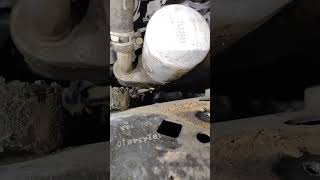
- Locate the engine oil pressure sensor. On the 5.0L V8, it's behind the alternator, near the 🎬 Watch: Step-by-step oil pressure switch replacement on a 5.0L engine. oil filter housing. On the 3.5L and 2.7L EcoBoost engines, it is also on the side of the block near the oil filter housing, but access may require removing the alternator and/or charge pipes. 🎬 See this walkthrough for replacing the sensor on EcoBoost models.
- Disconnect the electrical connector from the sensor and inspect for any signs of engine oil. If oil is present, the sensor's internal seal has failed and it must be replaced.
- If no oil is found, inspect the wiring and connector for damage, corrosion, or loose pins. A recurring code after sensor replacement points towards a contaminated pigtail connector that needs thorough cleaning or replacement.
- If the sensor and wiring appear okay, the next step is to verify actual engine oil pressure. Connect a mechanical oil pressure gauge in place of the sensor.
- Start the engine and compare the mechanical gauge reading to the manufacturer's specifications. A general rule of thumb is 20-60 PSI at idle, but consult the specific workshop manual for your engine. If the pressure is within spec, the sensor is faulty. If the pressure is low, there is a more serious internal engine problem (e.g., oil pump, worn bearings).
Parts You'll Likely Need
- Engine Oil Pressure Sensor (Switch)
(OEM #GN1Z-9D290-D)— This is the most frequent failure point for this code, often due to internal leakage. TSB #SSM 50988 specifically calls out this part number for certain repair scenarios. This part number supersedes previous versions like GN1Z-9D290-A, B, and C.
Trusted brands: Motorcraft
OEM price range: $55-$90
Aftermarket price range: $20-$45 - Electrical Connector Pigtail — If the original connector is saturated with oil from a leaking sensor, it may be difficult to clean completely and can cause the code to return. Replacing the pigtail ensures a clean, solid connection.
Trusted brands: Motorcraft, Dorman
OEM price range: $25-$40
Aftermarket price range: $15-$30
Related Codes That Often Appear With This One
- P0520 — P0520 refers to a circuit malfunction for the same sensor. They can appear together if there's an electrical fault like a broken wire or bad connector.
- P0522 — P0522 indicates the sensor circuit is consistently low, which could be caused by the same faulty sensor leaking internally or a short to ground in the wiring.
- P0523 — P0523 indicates the sensor circuit is consistently high, which could also be caused by a faulty sensor or an open circuit in the wiring.
Technical Service Bulletins (TSBs) & Recalls
- SSM 50988: Notes a specific oil pressure sensor part number (GN1Z-9D290-D) is required after engine block replacement on 2018-2021 3.3L models to prevent P0521.
- SSM 46526: Points to liquid contamination in the oil pressure sensor as a cause for P0521 on 2016-2017 models with 3.5L GTDI or 5.0L engines.
- SSM 47072: Links P0521 to crank, no-start events on 2018 models, suggesting a possible transient electrical fault.
Platform-Specific Known Issues
- TSB #SSM 46526: Some 2016-2017 F-150s with 3.5L GTDI or 5.0L engines may set P0521, P0522, P0523, or P0524 due to liquid contamination inside the engine oil pressure sensor. The fix is to replace the sensor.
- TSB #SSM 50988: On 2018-2021 F-150s (3.3L), 2020-2021 Explorer (3.3L), and 2020-2021 Transit (3.5L), this code can set after an engine block replacement if the wrong (non-compatible) oil pressure sensor is installed. The correct part is GN1Z-9D290-D.
- TSB #SSM 47072: Some 2018 F-150s, Expeditions, and Navigators may store P0521 after a crank, no-start event. This suggests a potential electrical glitch rather than a mechanical fault in this specific scenario.
Mechanic-Grade Diagnostic Values
- Engine Oil Pressure (Mechanical Gauge, Hot Idle) — expected: 15-30 PSI. Ford's revised minimum spec is 15 PSI, but a healthy engine often shows 25-30 PSI at hot idle.. Failure: Pressure below 15 PSI at hot idle indicates a mechanical issue like a weak oil pump or worn bearings.
- Engine Oil Pressure Sensor Voltage (Live Data, Hot Idle) — expected: Approximately 1.0 V.. Failure: A stuck high reading (e.g., 4.7 V) or a reading that doesn't change with RPM indicates a faulty sensor or wiring issue.
- Engine Oil Pressure (Live Data, Hot Idle) — expected: ~15 PSI (or ~1.0 bar).. Failure: A reading that is stuck high (e.g., 145 PSI), stuck at zero, or doesn't increase as engine RPMs rise points to a sensor or circuit fault.
Hidden / Shadow Codes Worth Checking
- P0521-00: The '-00' is a Failure Type Code (FTC) that may be displayed on advanced scan tools. In this case, it does not indicate a sub-fault but is part of the standard DTC format in modern CAN systems. (see via Advanced OBD-II scanners or tools like FORScan.)
Scan Tool Commands That Help
- FORScan / IDS: Live Data PID Monitoring — Use this to monitor the 'EOP' (Engine Oil Pressure) PID alongside Engine RPM and Engine Oil Temperature. This allows you to check if the sensor's reported pressure responds logically to changes in engine speed and temperature, which is key to determining if the sensor is performing correctly or providing irrational data.
Wiring & Ground Locations
- Engine-to-Firewall Ground Strap — Typically located on the driver's side, connecting from the firewall (near the brake fluid reservoir) to a stud on the rear of the driver's side cylinder head.. A loose or corroded main engine ground can cause unstable voltage and sensor readings across the powertrain, potentially leading to erroneous codes like P0521.
- Body-to-Frame Ground Strap — A critical ground is located under the passenger side door area, connecting the cab body to the vehicle frame. These are known to corrode and break in salt-belt regions.. Because the battery grounds to the frame, this strap is essential for completing the circuit to the body, where many modules are grounded. A failure here can cause widespread, difficult-to-diagnose electrical problems.
- Oil Pressure Sensor Connector — The connector plugs directly into the oil pressure sensor, which is located near the oil filter housing, often behind the alternator.. This connector is the most common point of failure. It can become contaminated with oil from a leaking sensor seal or from an external leak (like a valve cover gasket), causing a poor connection and faulty readings.
Real Owner Repair Stories
- Ford Truck Enthusiasts Forum user (2017 F-150 3.5L EcoBoost with 125k miles) — Intermittent low oil pressure warning and P0521 code, sometimes entering limp mode. Restarting the truck would clear the warning temporarily.
❌ Tried (didn't work) Replacing the oil pressure sensor (worked for a few months, then failed again), Replacing the sensor and pigtail harness (worked for a few months, then failed again)
✅ What actually fixed it The root cause was identified as a leaking driver's side valve cover, which dripped oil down onto the sensor's wiring harness. Over time, the oil would seep into the connector, causing the new sensor to fail. The final fix required replacing the valve cover gasket to stop the leak, then replacing the sensor and thoroughly cleaning or replacing the contaminated wiring harness. - YouTube comment on a repair video (2012 Ford F-150 XLT 5.0L (similar issue to 2016+)) — Dreaded 'LOW OIL PRESSURE' warning message appearing at idle.
❌ Tried (didn't work) Replacing the oil pressure sensor switch
✅ What actually fixed it The owner removed and thoroughly cleaned the throttle body. This resolved the low oil pressure warnings at idle, and the issue did not return after 3 months. The theory is that a dirty throttle body caused an unstable idle, which let RPMs dip low enough to trigger a false pressure warning.
"I Checked Everything" — The Actual Cause
- A common pattern for this code is not a failed smoke test, but a passed mechanical pressure test. A technician will verify with a mechanical gauge that the actual oil pressure is perfectly fine, yet the P0521 code persists or returns. In one documented case, the true cause was a leaking valve cover gasket dripping oil onto the sensor's wiring harness. The mechanical pressure was good, but the external oil contamination on the connector caused a bad electrical signal, which is why simply replacing the sensor was only a temporary fix.
OEM Part Supersession History
GN1Z-9D290-A, GN1Z-9D290-B, GN1Z-9D290-C→GN1Z-9D290-D— Standard part revision and improvement by the manufacturer.
Heads up: CRITICAL: Per TSB #SSM 50988, a design change made the sensor not backwards compatible. On 2018-2021 3.3L F-150s that have had a short or long block replaced, the original engine's sensor must be transferred or replaced ONLY with part number GN1Z-9D290-D to prevent setting code P0521.
Model Year Variations Within This Range
- 2016-2017: These model years with the 3.5L GTDI and 5.0L engines are specifically called out in TSB #SSM 46526 for P0521 being caused by liquid (oil) contamination inside the sensor itself.
- 2018: This model year is the focus of TSB #SSM 47072, which links P0521 to a preceding crank, no-start event, suggesting a potential software or electrical anomaly unique to that scenario.
- 2018-2021: Models with the 3.3L V6 engine are subject to TSB #SSM 50988, which warns of an incompatible sensor design being used after engine block replacements, requiring the specific use of part GN1Z-9D290-D.
Helpful Videos
We Have This Part in Stock


The information in this article is provided for general reference and educational purposes only. Vehicle specifications, procedures, and part compatibility can vary by production date, trim level, and region. Always consult your vehicle's factory service manual and verify part numbers before purchasing or performing repairs. Safety-critical components such as airbags, seat belts, and braking systems should be installed by a qualified professional.
- Ford F-150:
- 🧭 Diagnostic Flowchart
- 🎬 Helpful Videos
- 🛍️ Shop This Part
- What's Unique About the 2016-2021 Ford F-150
- Symptoms You May Notice
- Most Likely Causes
- Rare But Worth Checking
- Diagnosis Steps
- Parts You'll Likely Need
- Related Codes That Often Appear With This One
- Technical Service Bulletins (TSBs) & Recalls
- Platform-Specific Known Issues
- Mechanic-Grade Diagnostic Values
- Hidden / Shadow Codes Worth Checking
- Scan Tool Commands That Help
- Wiring & Ground Locations
- Real Owner Repair Stories
- "I Checked Everything" — The Actual Cause
- OEM Part Supersession History
- Model Year Variations Within This Range
- 🎟️ Get 5% Off