

P0521 on 2011-2018 Ford Focus 2.0L: Engine Oil Pressure Sensor Performance Guide
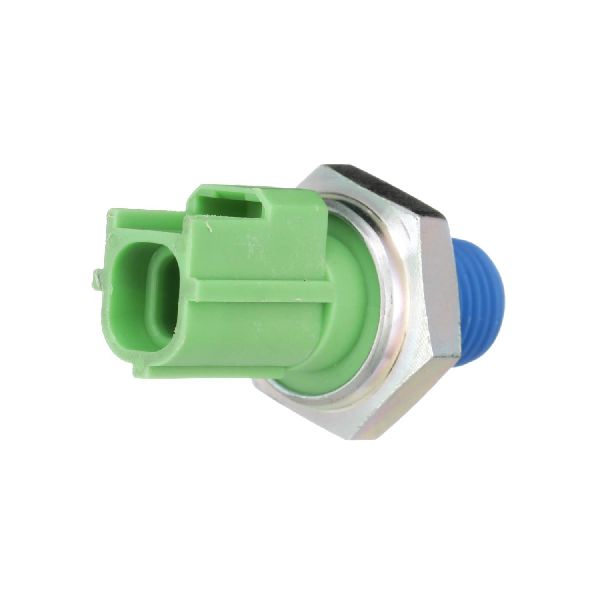
On a 2011-2018 Ford Focus, code P0521 is most often caused by a faulty engine oil pressure sensor. After verifying the oil level is correct, replacing the sensor is the most common fix. The part costs approximately $20-$60. The sensor is located on the front of the engine, near the oil filter housing.
- Do not drive your vehicle with code P0521, as it could indicate a critical lack of oil pressure.
- The first and easiest step is to check your engine oil level and condition. Ensure you are using the correct 5W-20 oil, as this engine is sensitive to oil quality.
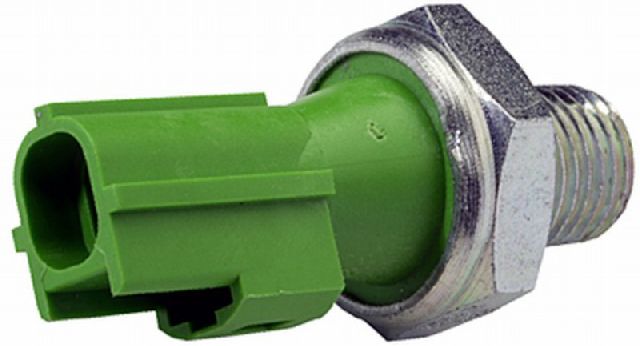
- The most likely cause is a faulty oil pressure sensor, which is an inexpensive part (Motorcraft SW6891) and relatively easy to replace, being located near the oil filter.
- Before replacing any parts, it is highly recommended to verify the true engine oil pressure with a mechanical gauge to rule out a more serious internal engine problem.
What's Unique About the 2011-2018 Ford Focus
For the third-generation Ford Focus (2012-2018), the 2.0L GDI engine is a common and generally reliable powertrain. Unlike some other Ford engines (like the 1.0L EcoBoost, which had a recall for oil pump belt issues), there are no widespread, documented systemic flaws causing P0521 on the 2.0L engine. The issue is typically isolated to the basic components of the oil pressure monitoring system: the oil itself, the sensor, or the wiring. The sensor is accessibly located on the front of the engine near the oil filter housing, making inspection and replacement relatively straightforward for a DIYer.
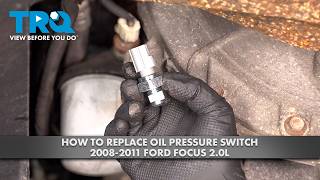
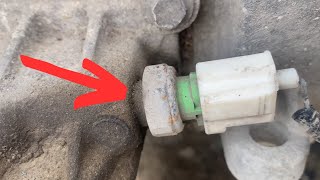
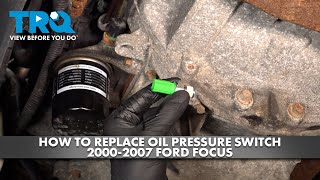
🎬 See this walkthrough for locating and replacing the MK3 sensor.Generation note: The 2011-2018 range covers two Ford Focus generations. The 2011 model year is the last of the second generation (MK2) 🎬 Watch: How to replace the oil pressure switch on MK2 models., while 2012-2018 models are the third generation (MK3). Both generations used a 2.0L I4 engine, but the MK3 features the more common 2.0L GDI. The location of the oil pressure sensor and the diagnostic principles for this code are similar for both generations.
Symptoms You May Notice
- Check Engine Light is on
- Oil pressure warning light on the dashboard may be illuminated or flickering
- Oil pressure gauge (if equipped) reading abnormally low or high
- Engine may run rough or make unusual ticking or knocking noises
- In rare cases of actual low pressure, decreased engine performance or stalling
- Replacing the oil pump before verifying actual oil pressure with a mechanical gauge. The sensor is a far more common and cheaper failure point than the pump itself.
Most Likely Causes
- Faulty Engine Oil Pressure Sensor/Switch 🔴 High Probability Sensors are a common failure point on many vehicles due to constant exposure to heat and pressure. They can fail internally or leak oil into the electrical connector, causing erratic signals. This is the most frequent cause of P0521 when oil level and condition are correct.
How to confirm: After confirming oil level is correct and actual oil pressure is within spec using a mechanical gauge, the sensor is the prime suspect. Inspect the sensor's electrical connector for oil contamination.
Typical fix: Replace the engine oil pressure sensor and clean the electrical connector. A special socket (often 27mm or 1-1/16") may be required for removal.
Est. part cost: $20-$60 - Incorrect Engine Oil Level or Condition 🟡 Medium Probability This is a universal issue, not specific to the Focus. Low oil levels will cause pressure drops, while very old, sludgy, or incorrect viscosity oil can't be pumped effectively. The 2.0L GDI's VCT system is particularly sensitive to oil condition, and dirty oil can cause issues across the system.
How to confirm: Check the engine oil dipstick. The level should be between the 'min' and 'max' marks. Note the color and consistency of the oil.
Typical fix: Top off or change the engine oil and filter using the manufacturer-specified grade (Ford-specific 5W-20 Synthetic Blend).
Est. part cost: $30-$70 - Damaged Wiring or Electrical Connector ⚪ Low Probability The sensor is located at the front of the engine, where wiring can be exposed to road debris, heat, and oil leaks. Vibration can also cause wires to chafe over time, leading to intermittent shorts or opens in the circuit.
How to confirm: Visually inspect the wiring harness leading to the oil pressure sensor for any signs of fraying, melting, corrosion, or loose pins in the connector. Perform a continuity test on the wiring if visual inspection is inconclusive.
Typical fix: Repair the damaged section of wiring or replace the pigtail connector.
Est. part cost: $15-$40
Rare But Worth Checking
- Failing Oil Pump: → Shop Engine Oil Pump This is a serious mechanical failure. If a mechanical gauge test shows consistently low oil pressure and the engine oil/filter are correct, the oil pump may be the cause. This is an extensive and costly repair.
- Clogged Oil Passages: Severe engine sludge from severely neglected oil changes can block the narrow passages oil travels through, including the screen for the oil pressure sensor, leading to pressure drops in certain parts of the engine.
- Incorrect Oil Filter: → Shop Engine Oil Filter Adapter Using a low-quality or incorrect oil filter can cause issues. A filter with a faulty anti-drainback valve or improper flow characteristics can lead to temporary pressure drops, especially on startup, potentially triggering a P0521 code.
Diagnosis Steps
- Check the engine oil level and condition. Top off or change if necessary using 5W-20 oil. Clear the codes and see if P0521 returns.
- If the code returns, inspect the oil pressure sensor's electrical connector and wiring for any visible damage, corrosion, or oil saturation.
- Connect a mechanical oil pressure gauge in place of the sensor to measure the engine's actual oil pressure. This is the most critical step to differentiate a sensor fault from a real pressure problem.
- Compare the mechanical gauge readings at idle and at higher RPMs (e.g., 2500 RPM) to the manufacturer's specifications for the 2.0L engine.
- If the actual oil pressure is within specification, the oil pressure sensor is faulty and should be replaced.
- If the actual oil pressure is low, a serious internal engine problem exists (e.g., failing oil pump, clogged passages, worn bearings) that requires further professional diagnosis.
Parts You'll Likely Need
- Engine Oil Pressure Sensor/Switch
(OEM #Motorcraft SW6891 (also cross-references to Ford part number 3L3Z-9278-DA, though verification for the specific vehicle VIN is always recommended))— This is the most common component to fail and cause a P0521 code when the oil level is correct.
Trusted brands: Motorcraft, Bosch, Standard Motor Products (SMP), Delphi
OEM price range: $40-$70
Aftermarket price range: $20-$50 - Engine Oil and Filter
(OEM #Motorcraft FL-910S (Filter))— Correcting low or dirty oil is the first diagnostic step and may resolve the code on its own. The 2.0L GDI engine is sensitive to oil quality.
Trusted brands: Motorcraft (Oil & Filter), Mobil 1, Castrol, Wix (Filter)
OEM price range: $45-$75
Aftermarket price range: $30-$60
Related Codes That Often Appear With This One
- P0520 — This code indicates a malfunction in the oil pressure sensor circuit itself, and can appear alongside P0521.
- P0522 — This code specifically points to the sensor circuit reading low voltage, which can be a cause for the range/performance issue of P0521.
- P0523 — This code points to the sensor circuit reading high voltage, which is another possible cause for the P0521 fault.
Technical Service Bulletins (TSBs) & Recalls
- SSM 48423 / 47170: While not directly for P0521, these TSBs are highly relevant. They address other codes caused by VCT solenoids sticking due to oil debris. This highlights the engine's sensitivity to oil contamination, a primary contributing factor for P0521 issues.
Platform-Specific Known Issues
- The Ti-VCT (Twin Independent Variable Camshaft Timing) system on the 2.0L GDI engine is highly dependent on clean oil and stable oil pressure. Ford has issued TSBs like SSM 48423 for related systems, noting that even small amounts of debris in the oil can cause pressure-operated components to malfunction, which reinforces the importance of regular oil changes with the correct 5W-20 oil to prevent codes like P0521.
Mechanic-Grade Diagnostic Values
- Engine Oil Pressure (Hot Idle) — expected: Minimum of 15 PSI (103 kPa). Failure: Pressure below this minimum points to a base engine oiling problem (worn bearings, failing pump) that must be fixed before addressing sensors.
- Engine Oil Pressure (Higher RPM, e.g. 2500-3000 RPM) — expected: 40–70 psi (2.8–4.8 bar). Failure: Pressure that does not rise with RPM or stays excessively low indicates a significant mechanical issue with the oiling system.
- Oil Pressure Sensor Signal Voltage — expected: Typically a 0.5V to 4.5V signal across its operating range on a 5V reference circuit. The specific voltage-to-pressure curve is model-specific.. Failure: A signal stuck at 0V, 5V, or a value that doesn't change with engine RPM suggests a failed sensor or wiring fault.
Wiring & Ground Locations
- Oil Pressure Sensor Connector — On the front of the 2.0L engine block, typically near the oil filter housing.. This connector is a common point of failure. It can become contaminated with oil leaking through a failed sensor, or the wiring can become brittle from heat. A poor connection here directly causes P0521 and related codes.
- Main Chassis Ground — A large ground cable runs from the negative battery terminal to a post on the driver's side strut tower area.. While not specific to the oil pressure circuit, this is the primary ground for the vehicle's electrical systems. Poor grounding at this point, often due to paint or corrosion under the terminal, can cause a host of seemingly unrelated electrical gremlins and erratic sensor readings across the car. Ensuring this connection is clean and tight is a valuable step in diagnosing any electrical fault.
- Engine Ground Strap — A smaller ground strap connects the engine/transmission assembly to the vehicle's chassis to ensure the powertrain is properly grounded.. A broken or corroded engine ground strap can force sensor ground paths to find alternative, higher-resistance routes, leading to incorrect readings by the PCM. The oil pressure sensor's signal is dependent on a stable ground reference.
Real Owner Repair Stories
- Reddit user in r/ChevyTrucks (discussing a similar GM issue highly relevant to sensor choice) (Chevrolet Truck with P0521) — Persistent P0521 code even after replacing the sensor.
❌ Tried (didn't work) Replacing the oil pressure sensor with a generic aftermarket part from a local auto parts store.
✅ What actually fixed it Replacing the sensor a second time, but using a genuine OEM sensor. The aftermarket sensor did not resolve the code, but the OEM part did. Another user noted that using a high-quality oil filter (Mobil 1 M1-113A) fixed their recurring issue.
OEM Part Supersession History
3L3Z-9278-DA→Motorcraft SW6891 is the common service part number. While 3L3Z-9278-DA is a valid Ford part number, it's crucial to verify the exact part for a specific VIN as multiple sensors are used across the Ford lineup.— Standard part evolution and consolidation.
Model Year Variations Within This Range
- 2011-2018: The 2.0L engine in the 2012-2018 Focus (MK3) is a direct-injection (GDI) unit that is a derivative of a Mazda L-series engine from a prior Ford/Mazda collaboration. The 2011 Focus (late MK2) used a similar, but port-injected, 2.0L Duratec. While the basic architecture is related, the GDI engines are more sensitive to fuel and oil quality. However, the location and function of the oil pressure sensor remain fundamentally the same for diagnosing P0521.
- 2015-2018: The third-generation Focus received a facelift in 2015, but the core 2.0L GDI powertrain and its oiling system remained unchanged, so diagnostic procedures for P0521 are identical for pre-facelift (2012-2014) and post-facelift (2015-2018) MK3 models.
Diagnostic Flowchart
Other Known Issues on This Vehicle
Issues unrelated to this code that are worth knowing about as an owner of this generation:
- DPS6 "PowerShift" Automatic Transmission Failure 🔴 High — Extremely common on 2012-2016 models. Causes shuddering, hesitation, and eventual loss of drive. Subject of class-action lawsuits. (Ref: Multiple TSBs issued, including 13-9-4, 15-0121, and warranty extensions.)
- Passenger-Side Hydraulic Engine Mount Collapse 🟠 Medium — Very common failure. The fluid-filled mount collapses, causing severe vibration at idle and clunking noises.
- Sticking Canister Purge Valve (CPV) 🟠 Medium — A frequent failure causing rough idle, difficulty starting after refueling, and various EVAP codes. (Ref: Recall 18S32 / NHTSA 18V735 was issued to reprogram the PCM to better detect a stuck valve and prevent fuel tank deformation.)
- Electronic Power Steering (EPAS) Rack Failure 🔴 High — Common on 2011-2015 models, leading to a sudden loss of power steering assist and a 'Power steering fault' message. (Ref: TSB SSM 46210 provides updated diagnostic procedures for steering noises.)
- VCT Solenoid Sticking Due to Oil Debris 🟡 Low — The VVT system is sensitive to oil quality. Solenoids can stick from minor oil contamination, causing timing-related codes like P0014. (Ref: SSM 48423 and SSM 47170 advise an oil change and cycling the solenoids before replacement.)
Used vs. New Parts: Buying Guide for This Vehicle
When a used part is the smart pick: For this repair, using used parts is not recommended. The primary failure component, the oil pressure sensor, is an inexpensive wear item. A used sensor carries the same risk of failure as the one being replaced.
What to inspect on the donor part:
- Not applicable as used parts are not advised.
OEM-only on this vehicle (don't cheap out):
- Engine Oil Pressure Sensor/Switch
Aftermarket brands forum-validated for this vehicle:
- Motorcraft (OEM)
- Bosch
- Delphi
- Standard Motor Products (SMP)
Brands owners have reported issues with on this vehicle:
- No-name, unbranded sensors from online marketplaces. Forum and mechanic experiences frequently show that cheap, off-brand electronic sensors can be dead-on-arrival or fail to meet the PCM's specific performance expectations, causing the code to persist.
Real Owner Stories
Aggregated from forums and TSBs cited above. Mileages and costs reflect what owners reported in those sources.
2012-2018 Ford Focus 2.0L GDI
Symptoms: The Check Engine Light appeared with code P0521. Discussion focused on the necessity of verifying the fault with a mechanical gauge rather than just swapping parts.
What fixed it: Replacing the engine oil pressure sensor after confirming actual oil pressure was within specification.
Source hint: FocusFanatics Forum - 'P0521 Engine Oil Pressure Sensor/Switch Range/Performance'
2012-2018 Ford Focus 2.0L GDI
Symptoms: VCT solenoids sticking due to minor oil contamination and debris in the oil system.
What fixed it: Performing an oil change and cycling the solenoids before considering component replacement.
Source hint: SSM 48423 / 47170
Related OBD-II Codes
Frequently Asked Questions
Is there a specific TSB for the P0521 code on my 2.0L GDI Ford Focus?
What type of oil should I use in my 2011-2018 Ford Focus to prevent oil pressure issues?
Could my Focus's rough idle and 'Check Engine' light be related to the oil pressure sensor?
I see oil inside the electrical connector for the sensor; do I need to replace the whole harness?
Is the P0521 code related to the common PowerShift transmission issues on the 2012-2016 Focus?
What tool do I need to remove the oil pressure switch on the 2.0L I4 engine?
Helpful Videos
We Have This Part in Stock


The information in this article is provided for general reference and educational purposes only. Vehicle specifications, procedures, and part compatibility can vary by production date, trim level, and region. Always consult your vehicle's factory service manual and verify part numbers before purchasing or performing repairs. Safety-critical components such as airbags, seat belts, and braking systems should be installed by a qualified professional.
- Ford Focus:
- 🧭 Diagnostic Flowchart
- 🎬 Helpful Videos
- 🛍️ Shop This Part
- What's Unique About the 2011-2018 Ford Focus
- Symptoms You May Notice
- Most Likely Causes
- Rare But Worth Checking
- Diagnosis Steps
- Parts You'll Likely Need
- Related Codes That Often Appear With This One
- Technical Service Bulletins (TSBs) & Recalls
- Platform-Specific Known Issues
- Mechanic-Grade Diagnostic Values
- Wiring & Ground Locations
- Real Owner Repair Stories
- OEM Part Supersession History
- Model Year Variations Within This Range
- Other Known Issues on This Vehicle
- Used vs. New Parts: Buying Guide for This Vehicle
- Real Owner Stories
- 2012-2018 Ford Focus 2.0L GDI
- 2012-2018 Ford Focus 2.0L GDI
- Related OBD-II Codes
- Frequently Asked Questions
- 🎟️ Get 5% Off