

P0521 on 2015-2016 GMC Canyon: Oil Pressure Sensor Performance Guide
On a 2015-2016 GMC Canyon, code P0521 is most often caused by a faulty engine oil pressure sensor, a clogged screen underneath it, or using the wrong type of oil/filter. It's a serious code that should be addressed immediately by verifying actual oil pressure. Replacing the sensor and its screen is a common fix, costing around $40-$90 for the OEM part.
- Do not drive your vehicle if you have a P0521 code, as it could indicate dangerously low oil pressure.
- The most likely causes are a faulty oil pressure sensor, incorrect oil/filter, or low oil level.
- Before performing expensive repairs, check your oil level and confirm the correct, high-quality oil filter is being used.
- The most important diagnostic step is to verify the actual oil pressure with a mechanical gauge to rule out a serious internal engine problem.
- When replacing the sensor, it is wise to also replace the small filter screen underneath it (if equipped) to prevent future issues.
What's Unique About the 2015-2016 Gmc CANYON
For the GMC Canyon and its twin, the Chevrolet Colorado, the P0521 code is a well-documented issue. The 3.6L LFX V6 engine, in particular, has the sensor in a difficult-to-access location at the rear of the engine. Furthermore, GM engines of this era are sensitive to oil filter specifications. TSBs for similar GM models highlight that this code can appear after an oil change if a filter with an incorrect bypass valve pressure rating is used. TSB PIP4786C also points specifically to a small 'Valve Lifter Oil Filter' (screen) beneath the sensor that can get clogged with sludge, a very common culprit for this code on these trucks.
Diagnostic Flowchart
Tap your situation to follow the diagnostic path that matches what you're seeing on this vehicle.
Symptoms You May Notice
- Check Engine Light is on
- Low Oil Pressure warning light is on or flashing on the Driver Information Center (DIC)
- Oil pressure gauge reading is abnormally low, high (e.g., pegged at max), or erratic
- Engine running rough or making unusual ticking/knocking noises
- In some cases, the engine may go into a reduced power mode.
- Replacing the oil pump before verifying actual oil pressure with a mechanical gauge. The issue is far more likely to be the sensor or its filter screen.
- Replacing only the oil pressure sensor but not the small, inexpensive filter screen underneath it. If the screen is clogged, the code will likely return.
Most Likely Causes
- Faulty Engine Oil Pressure Sensor 🔴 High Probability These sensors are a common failure point on many GM vehicles. They can fail internally causing erratic readings, or leak oil through the sensor body into the electrical connector, which is a tell-tale sign of failure. Using non-OEM sensors is also reported to cause repeat failures.
How to confirm: With the engine off, the gauge should read zero. If it reads high, and then drops to zero when the sensor is unplugged, the sensor is faulty. Inspect the electrical connector for oil contamination. The ultimate confirmation is to compare the sensor's reading on a scan tool to a reading from a manual pressure gauge screwed into the sensor port.
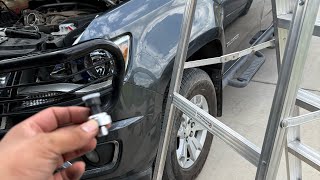
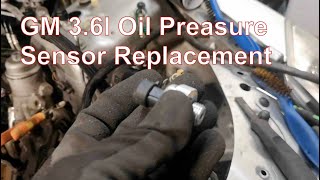
Typical fix: Replace the engine oil pressure sensor. It is highly recommended to use a genuine ACDelco/GM part. The location on the 3.6L V6 is at the rear of the engine and is difficult to access, while on the 2.5L I4 🎬 Watch: Step-by-step oil pressure sensor replacement on the V6 engine. it is more accessible on the side of the block near the oil filter.
Est. part cost: $40-$90 - Clogged Oil Pressure Sensor Screen (Valve Lifter Oil Filter) 🔴 High Probability On many GM engines, including the Canyon's, a small filter screen (Part #12585328) is located in the block underneath the oil pressure sensor. This screen is notorious for becoming clogged with sludge and debris, restricting oil flow to the sensor and causing a false low-pressure reading and P0521. TSB #PIP4786C directly addresses this issue.
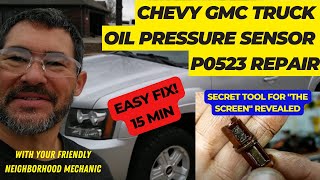
How to confirm: When the oil pressure sensor is removed, inspect the port for the presence of the screen. It can be carefully extracted with a pick or a coarse-threaded screw. 🎬 Check out this clever tool for easier sensor removal. Check for blockages from sludge.
Typical fix: Always replace this small filter screen when the sensor is being replaced. Many technicians consider this mandatory. Cleaning is possible but replacement is cheap and ensures no debris remains.
Est. part cost: $5-$15 - Incorrect Engine Oil or Filter 🟡 Medium Probability GM vehicles are sensitive to oil filter specifications. Using a filter with the wrong bypass valve pressure rating is a documented cause of P0521. Using oil with the wrong viscosity (not meeting Dexos specifications) can also trigger this code, especially on engines with Active Fuel Management (AFM).
How to confirm: Check service records or visually inspect the oil filter. If the code appeared shortly after an oil change, this is a strong possibility. Verify the engine oil viscosity matches the manufacturer's recommendation (found on the oil cap or in the owner's manual).
Typical fix: Perform an oil and filter change using the correct viscosity Dexos-approved oil and a high-quality ACDelco filter. For the 3.6L V6, the correct filter is a cartridge style (ACDelco PF63E), and for the 2.5L I4, it's a spin-on canister (ACDelco UPF64R).
Est. part cost: $30-$70 - Low Engine Oil Level 🟡 Medium Probability
How to confirm: Check the engine oil level using the dipstick. Ensure the vehicle is on level ground and the engine has been off for a few minutes to allow oil to drain back to the pan.
Typical fix: Top off the oil to the full mark. If the level is very low, inspect for oil leaks or signs of oil consumption.
Est. part cost: $10-$20
Rare But Worth Checking
- Failing Oil Pump: → Shop Engine Oil Pump If a mechanical gauge confirms that oil pressure is actually low and all other causes are ruled out, the oil pump may be failing. This can be due to a worn pump or a sticking oil pressure relief valve. This is a serious and expensive repair.
- Wiring Harness Issue: Damage to the wiring or a poor connection at the sensor's electrical connector can cause the same symptoms as a bad sensor. Other GM service bulletins (e.g., PI0631I, 21-NA-149) for different models point to potential harness chafing points against the transmission case or other brackets, which could lead to shorts and erratic sensor readings. A visual inspection of the harness loom near the sensor is warranted.
- Internal Engine Wear: In high-mileage engines, excessive wear on crankshaft bearings or camshaft bearings can lead to a genuine loss of oil pressure, which would be confirmed by a mechanical gauge test. This is the most severe and costly scenario.
Diagnosis Steps
- Check the engine oil level and condition. Top off or change if necessary, ensuring Dexos-spec oil is used.
- Verify the correct and a quality brand of engine oil filter is installed. If in doubt, or if the code appeared after an oil change, replace it with a genuine ACDelco filter.
- Connect an OBD-II scanner to monitor the oil pressure PID (Parameter ID). Note if it is erratic, stuck, or reads incorrectly with the engine running and off.
- Crucially, connect a mechanical oil pressure gauge to the engine. This is the definitive test to determine if you have a real oil pressure problem or just a sensor/circuit issue.
- If the mechanical gauge shows good pressure but the scanner shows bad readings, the problem is in the sensor circuit. Inspect the sensor's wiring and connector for damage or oil contamination.
- If the wiring is okay, remove and replace the engine oil pressure sensor. Crucially, also remove and replace the small filter screen located in the port underneath the sensor.
- If the mechanical gauge confirms low oil pressure, further professional diagnosis into the oil pump, pickup tube, or internal engine wear is required.
- After any repair, clear the code with a scan tool and perform a test drive to ensure the issue is resolved.
Parts You'll Likely Need
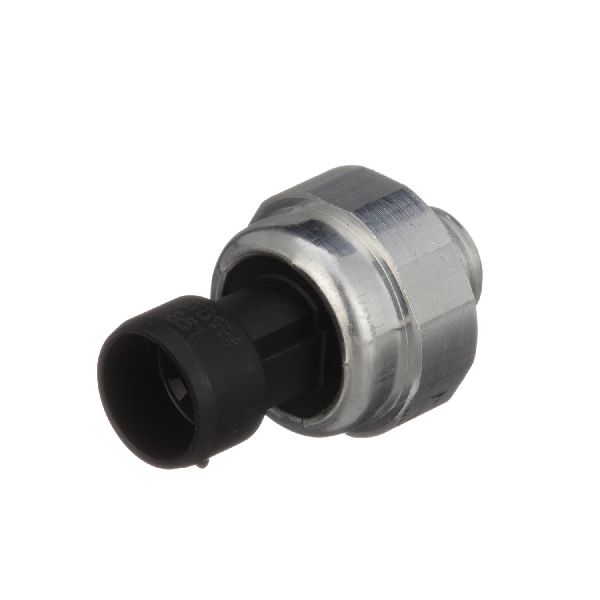
- Engine Oil Pressure Sensor
(OEM #12673134)— This sensor is the most common point of failure. The OEM part is strongly recommended as aftermarket versions are known to fail prematurely. This part number supersedes 12621234 and 12596951.
Trusted brands: ACDelco (GM Genuine)
OEM price range: $55-$90
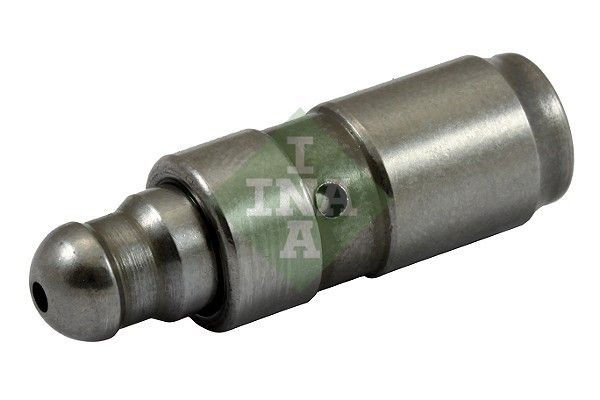
Aftermarket price range: $25-$70 - Valve Lifter Oil Filter (Sensor Screen)
(OEM #12585328)— This small screen is located under the sensor and is a very frequent cause of the P0521 code due to clogging from sludge or debris. It should be replaced anytime the sensor is replaced.
Trusted brands: ACDelco (GM Genuine), Dorman
OEM price range: $8-$15
Aftermarket price range: $5-$10 - Engine Oil Filter (3.6L V6)
(OEM #PF63E)— Using a non-OEM or incorrect filter can cause oil pressure issues that trigger P0521. The 3.6L uses a cartridge-style filter with a specific bypass rating.
Trusted brands: ACDelco
OEM price range: $8-$15
Aftermarket price range: $5-$12 - Engine Oil Filter (2.5L I4)
(OEM #UPF64R)— Using an incorrect filter can cause this code. The 2.5L uses a spin-on canister filter. The PF64 is a common ACDelco part number for this application.
Trusted brands: ACDelco
OEM price range: $9-$16
Aftermarket price range: $6-$12
Technical Service Bulletins (TSBs) & Recalls
- PIP4786C: Information on low oil pressure message with DTC P0521, points to checking the Valve Lifter Oil Filter.
- PIP5276G: Mentions P0521 and references another bulletin related to oil filter types.
- PIP5276E: Links P0521 to recent oil changes and recommends using a specific PF48e filter type for the V8 models listed, establishing the principle of filter sensitivity.
Platform-Specific Known Issues
- TSB #PIP4786C: Specifically addresses P0521. It instructs technicians that if scan tool pressure is low but actual pressure (tested at the filter housing) is correct, they should inspect the 'Valve Lifter Oil Filter' (the screen under the sensor) for debris/sludge before replacing any parts.
- TSB #PIP5276E: While for other GM models, this TSB is highly relevant as it links P0521 directly to recent oil changes and the use of incorrect oil filters, specifically mentioning the PF48E type as a potential issue on some engines.
Mechanic-Grade Diagnostic Values
- Normal Oil Pressure (3.6L LFX Engine, Hot) — expected: As low as 20-25 PSI at idle. May rise to 60 PSI or higher under load.. Failure: Pressure significantly below 20 PSI at hot idle, or readings that are erratic/stuck, could indicate a problem.
- Normal Oil Pressure (Cold Start, 3.6L LFX Engine) — expected: Up to 110 PSI (758 kPa) is considered normal, especially in cold weather. The gauge may be pegged to the maximum reading.. Failure: This is a normal characteristic; no failure is indicated by high pressure on cold start.
- Oil Pressure Sensor 5V Reference Circuit — expected: 4.8V to 5.2V between the 5V reference circuit terminal and ground with ignition on.. Failure: Voltage outside this range indicates a short to ground, short to voltage, or an open/high resistance in the circuit.
- Oil Pressure Sensor Low Reference Circuit — expected: Less than 10Ω between the low reference circuit terminal and a known good ground.. Failure: Resistance greater than 10Ω indicates an open or high resistance in the ground circuit for the sensor.
Scan Tool Commands That Help
- GDS2 (GM Global Diagnostic System 2): Read Oil Level Switch Status — When diagnosing P0521, it's useful to check for any related oil level switch DTCs or incorrect readings in the GDS2 data list to rule out issues with oil level measurement systems that could contribute to the overall problem context.
Wiring & Ground Locations
- Oil Pressure Sensor Connector (3.6L V6) — At the top rear of the engine block, behind the intake manifold, often requiring access by feel rather than sight.. This connector is a common point of failure due to oil contamination from a leaking sensor. A replacement connector pigtail (e.g., Wells DC569FP) is available if the original is damaged or oil-soaked.
Real Owner Repair Stories
- YouTube video from channel 'P0521 Oil Pressure Sensor Error Code 07 -13 Chevy Silverado' (2008 Chevrolet Silverado (similar V8 engine architecture and common P0521 issue)) — Check Engine Light with code P0521.
✅ What actually fixed it The video demonstrates the standard, successful repair: replacing the oil pressure sensor located at the back of the engine and, critically, removing and cleaning the small filter screen underneath it, which was presumed to be clogged and contributing to the code.
OEM Part Supersession History
12596951, 12621234→12673134— GM regularly updates service parts to integrate new materials and technologies for improved reliability.
Heads up: The newer part number 12673134 is the correct and most current replacement for the specified vehicle range. Using older stock is not recommended.
Helpful Videos
We Have This Part in Stock


The information in this article is provided for general reference and educational purposes only. Vehicle specifications, procedures, and part compatibility can vary by production date, trim level, and region. Always consult your vehicle's factory service manual and verify part numbers before purchasing or performing repairs. Safety-critical components such as airbags, seat belts, and braking systems should be installed by a qualified professional.
- Gmc CANYON:
- 🧭 Diagnostic Flowchart
- 🎬 Helpful Videos
- 🛍️ Shop This Part
- What's Unique About the 2015-2016 Gmc CANYON
- Symptoms You May Notice
- Most Likely Causes
- Rare But Worth Checking
- Diagnosis Steps
- Parts You'll Likely Need
- Technical Service Bulletins (TSBs) & Recalls
- Platform-Specific Known Issues
- Mechanic-Grade Diagnostic Values
- Scan Tool Commands That Help
- Wiring & Ground Locations
- Real Owner Repair Stories
- OEM Part Supersession History
- 🎟️ Get 5% Off