

P0521 on 2005-2012 GMC Yukon: Oil Pressure Sensor Causes and Fixes
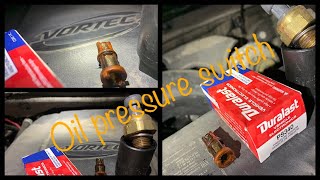
On 2005-2012 GMC Yukons, code P0521 is most often caused by a faulty oil pressure sensor or its small, clogged filter screen located underneath. Replacing both parts, along with using a quality ACDelco PF48E oil filter, usually resolves the issue. The parts are inexpensive, but labor can be tricky due to the sensor's location at the rear of the engine. In some cases, the code is linked to deeper issues with the Active Fuel Management (AFM) system as outlined in GM service bulletins.
- P0521 on a GMC Yukon almost always points to a problem with the oil pressure sensor circuit, not necessarily the engine's actual oil pressure.
- The most common fix is to replace both the oil pressure sensor and the small filter screen located directly underneath it.
- Always verify your oil is full and clean. Use a high-quality, manufacturer-recommended oil filter (like the ACDelco PF48E) to prevent issues.
- Before assuming a major engine problem, verify the actual oil pressure with a mechanical gauge. In most cases, the pressure will be fine, confirming a sensor-level fault.
What's Unique About the 2005-2012 Gmc YUKON

On these GM V8 engines, particularly those with Active Fuel Management (AFM), the P0521 code is exceptionally common. 🎬 Watch: Understanding the P0521 code on GMC AFM engines. The issue is frequently traced back to two specific, related components: the oil pressure sensor itself and a very small, thimble-sized filter screen directly beneath it. This screen is notorious for getting clogged with engine sludge, which restricts oil flow to the sensor, causing false readings. Furthermore, these engines are sensitive to the type of oil filter used, with GM issuing technical service bulletins (like PIP5276E) advising the use of the specific ACDelco PF48E filter to prevent this code. Issues with the AFM system, such as oil consumption or PCV problems detailed in TSB 10-06-01-008, can also be an underlying cause.
Diagnostic Flowchart

Tap your situation to follow the diagnostic path that matches what you're seeing on this vehicle.
Generation note: This issue affects both the second generation (GMT800, 2005-2006) and third generation (GMT900, 2007-2012) Yukon, as they share similar V8 engine architecture (4.8L, 5.3L, 6.0L, 6.2L). The location and failure pattern of the oil pressure sensor and screen are consistent across these model years. The GMT900 generation introduced Active Fuel Management (AFM) more widely, which has its own related set of potential causes for this code, including a pressure relief valve in the oil pan.
Symptoms You May Notice

- Check Engine Light is on
- Low Oil Pressure warning message on the driver information center
- Oil pressure gauge reads zero, maxed out (e.g., 80 PSI), or fluctuates erratically.
- In rare cases of actual low pressure, engine stalling or unusual engine noises like ticking or clanking.
- Engine running rough.
- Replacing the oil pump when the problem is only a faulty sensor or clogged screen.
- Replacing the instrument cluster because the gauge is reading incorrectly.
- Replacing the sensor but failing to replace the small, clogged filter screen underneath it, leading to a quick return of the code.
- Assuming a major engine failure without first verifying actual oil pressure with a mechanical gauge.
Most Likely Causes

- Faulty Oil Pressure Sensor (Sending Unit) 🔴 High Probability The sensor is a very common failure item on these GM V8 engines. The internal diaphragm can fail, allowing oil to seep into the electrical connector, causing short circuits and erratic readings. Thousands of owner-confirmed repairs point to this part.
How to confirm: After confirming oil pressure is okay with a mechanical gauge, this is the most likely culprit. Often, the gauge will be pegged high or low, or read erratically. Oil found inside the electrical connector upon inspection is a definitive sign of failure.
Typical fix: Replace the oil pressure sensor. It is highly recommended to replace the filter screen underneath it at the same time.
Est. part cost: $30-$60 - Clogged Oil Pressure Sensor Filter Screen 🔴 High Probability → Shop Engine Oil Pressure Sensor A small filter screen is located in the oil port directly below the sensor. It frequently becomes clogged with sludge and debris from the engine, especially in engines with AFM or extended oil change intervals. This starves the sensor of oil pressure and causes an inaccurate reading.
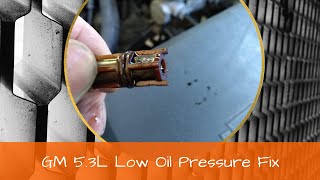
How to confirm: The screen can only be inspected upon removal of the oil pressure sensor. It is often black and filled with gunk. A clever way to remove it is to gently thread a coarse-threaded screw (like a drywall or lag screw) into it and pull it straight out.
Typical fix: Remove the old screen with a pick or a coarse-threaded screw and install a new one. This part is very inexpensive and should always be replaced with the sensor.
Est. part cost: $5-$10 - Incorrect or Clogged Oil Filter 🟡 Medium Probability → Shop Engine Oil Filter Adapter GM has issued technical service bulletins (PIP5276E/G) specifically mentioning that this code can appear after an oil change if the wrong filter is used. The recommended ACDelco PF48E filter has specific bypass valve characteristics required for the AFM system to function correctly.
How to confirm: Check the brand and part number of the currently installed oil filter. If it is not an ACDelco PF48E or an equivalent filter meeting GM specifications, it could be the cause.
Typical fix: Perform an oil change using the correct viscosity oil and an ACDelco PF48E oil filter.
Est. part cost: $5-$15 - Low or Incorrect Viscosity Engine Oil 🟡 Medium Probability Running the engine with low oil levels or using oil of the wrong viscosity (e.g., conventional instead of the recommended full synthetic Dexos-approved oil) can cause pressure deviations that trigger the code, especially in AFM engines.
How to confirm: Check the oil level via the dipstick and review service records for the type of oil used.
Typical fix: Top off the oil to the correct level or perform a complete oil and filter change with the manufacturer-specified oil.
Est. part cost: $40-$80 - Wiring or Connector Issue ⚪ Low Probability
How to confirm: Inspect the wiring harness and connector going to the oil pressure sensor for damage, corrosion, or loose connections. The sensor is located at the back of the engine, so access is difficult. Check for oil contamination inside the connector itself, which points to a failed sensor. A multimeter can be used to check for 5V reference and good ground at the connector.
Typical fix: Repair the damaged wiring or clean/replace the connector pigtail.
Est. part cost: $15-$30
Rare But Worth Checking
- Failing Oil Pump or Pinched Pickup Tube O-Ring: → Shop Engine Oil Pump This is a rare cause for P0521 alone, and usually presents with audible engine noise (ticking, rattling on startup). Before suspecting the oil pump, you must first confirm a true low oil pressure condition exists using a mechanical gauge. A hardened or damaged O-ring on the oil pump pickup tube is a more common failure than the pump itself and will cause aeration and loss of pressure.
- Worn Internal Engine Components: On very high-mileage engines (over 200,000 miles), worn camshaft bearings or main bearings can cause a loss of oil pressure, which would be a true pressure problem, not just a sensor fault. This would be confirmed by low readings on a mechanical gauge.
- Stuck AFM Oil Pressure Relief Valve: Engines with Active Fuel Management (AFM) have a pressure relief valve located in the oil pan. If this valve sticks open, it can cause a drop in oil pressure to the upper engine, which could trigger P0521. Diagnosis may require dropping the oil pan for inspection. GM has issued bulletins regarding this issue (e.g., 20-NA-161).
Diagnosis Steps

- Check the engine oil level and condition. If low, top it off, clear the code, and see if it returns.
- If the oil level is good, perform an oil and filter change, making sure to use the correct viscosity synthetic oil and an ACDelco PF48E filter. This simple step resolves the issue for many owners.
- If the code persists, the next step is to verify the actual engine oil pressure. This is done by removing the oil pressure sensor and temporarily installing a mechanical oil pressure gauge.
- Check pressure. A healthy GM V8 should have at least 25-30 PSI at hot idle and rise to 45-70 PSI at higher RPMs. If the mechanical gauge shows good, steady oil pressure, you have confirmed the problem is in the sensor circuit.
- Inspect the sensor's electrical connector and wiring for any visible damage, corrosion, or oil saturation. Using a multimeter, check for 4.8-5.2 volts at the 5-volt reference wire and less than 1.0 ohm of resistance on the ground wire.
- If the wiring appears intact and pressure is good, replace the oil pressure sensor and the small filter screen located in the port beneath it. This is the most common fix.
- If the mechanical gauge shows low or zero pressure, a serious internal engine problem exists, such as a failing oil pump, a bad pickup tube o-ring, or worn bearings, which requires professional diagnosis.
Parts You'll Likely Need
- Engine Oil Pressure Sensor
(OEM #12673134 (supersedes 12621234 and 12596951))— This sensor is the most common point of failure for the P0521 code. They fail electronically, often leaking oil through the connector pins, causing erratic readings.
Trusted brands: ACDelco (GM Genuine), Delphi
OEM price range: $40-$60
Aftermarket price range: $25-$45
Related Codes That Often Appear With This One
- P0522 (Engine Oil Pressure Sensor/Switch Low Voltage)
- P0523 (Engine Oil Pressure Sensor/Switch High Voltage)
Technical Service Bulletins (TSBs) & Recalls
- Addresses P0521 or low oil pressure messages, especially after an oil change. It directs technicians to verify if repairs from bulletin 10-06-01-008 were performed and to inspect the left rocker cover baffle for leaks, which can affect the PCV system and oil pressure readings.
- A critical TSB concerning excessive oil consumption in AFM engines. It details a complex repair involving installing an AFM oil deflector, a redesigned left valve cover, and potentially cleaning or replacing pistons and rings due to carbon buildup. This bulletin is often referenced by other TSBs as a prerequisite fix for resolving related oil pressure codes.
- Provides general diagnostic guidance for technicians encountering a low oil pressure message and/or a P0521 code, instructing them to follow published service information. [NHTSA Data]
Platform-Specific Known Issues
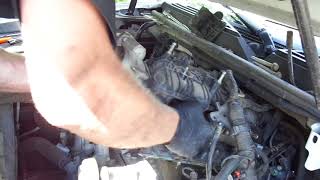
- The oil pressure sensor is located in a difficult-to-reach spot at the very back of the engine block, behind the intake manifold, against the firewall. Access requires patience and often a combination of wobble sockets, multiple extensions, and a special 1-1/16" deep socket designed for these sensors. Many DIYers lay across the top of the engine to reach it.
- Engines with Active Fuel Management (AFM) can have issues with oil consumption and PCV system faults that lead to sludge buildup, which in turn clogs the sensor screen. TSB 10-06-01-008H details an extensive procedure to correct underlying AFM oiling issues that can be related to P0521.
Mechanic-Grade Diagnostic Values
- 5-Volt Reference Circuit Voltage — expected: 4.8-5.2 Volts (Ignition ON, sensor disconnected). Failure: Voltage below 4.8V or above 5.2V indicates a wiring issue or faulty ECM.
- Low Reference Circuit Resistance — expected: Less than 1.0 ohm to ground. Failure: Resistance greater than 1.0 ohm indicates an open or high resistance in the ground circuit.
- Scan Tool Oil Pressure Reading (Engine Running) — expected: 41-448 kPa (6-65 psi). Failure: A reading outside this range, or one that doesn't correlate with engine RPM, suggests a fault.
- Scan Tool Oil Pressure Reading (Sensor Disconnected) — expected: Less than 8 kPa (1.2 psi). Failure: A reading higher than this indicates a short to voltage in the signal circuit.
Wiring & Ground Locations
- Engine Oil Pressure Sensor Connector — Top rear of the engine block, behind the intake manifold, driver's side.. This 3-wire connector provides power, ground, and signal for the sensor. It is prone to oil contamination from a leaking sensor, causing poor connections and incorrect readings. The connector itself can become brittle and fail.
- EOP Sensor Connector Pin 1 (Low Reference) — Pin 1 on the sensor connector.. This is the ground circuit for the sensor. A test for less than 1.0 ohm to ground should be performed here to verify a good ground connection.
- EOP Sensor Connector Pin 2 (5V Reference) — Pin 2 on the sensor connector.. This wire supplies 5 volts from the ECM to power the sensor. It should read 4.8-5.2V with the key on.
- EOP Sensor Connector Pin 3 (Signal) — Pin 3 on the sensor connector (typically a tan/white wire).. This wire sends the variable voltage signal back to the ECM, corresponding to the measured oil pressure.
Real Owner Repair Stories
- Reddit user in r/ChevyTrucks (Chevrolet Truck (platform similar to Yukon)) — Persistent P0521 code after replacing the oil pressure sensor.
❌ Tried (didn't work) Replacing the oil pressure sensor with a part from a local auto parts store.
✅ What actually fixed it The problem was resolved only after replacing the aftermarket sensor with a genuine OEM sensor. - Tahoe Yukon Forum user (2010 Yukon Denali 6.2L) — Low oil pressure and P0521 code immediately after having lifters replaced.
❌ Tried (didn't work) Replacing the oil pressure sensor., Performing an engine oil flush.
✅ What actually fixed it The user confirmed 40 PSI with a mechanical gauge at the oil filter, indicating the actual low pressure was not the issue. The final advice was to re-replace the sensor *and* the screen underneath it with new OE parts, and to inspect the sensor connector wiring, as this was the likely unresolved cause.
OEM Part Supersession History
12596951→12621234, then 12673134— GM regularly updates service parts to integrate new materials and technologies for improved reliability.
Heads up: While aftermarket sensors are available, some user reports indicate that non-OEM sensors may not resolve the P0521 code, suggesting that using a genuine GM/ACDelco part (12673134) is the most reliable fix.
Model Year Variations Within This Range
- 2007-2012 (GMT900): The GMT900 platform more widely implemented Active Fuel Management (AFM). This system introduced additional failure points related to P0521, such as the AFM oil pressure relief valve in the oil pan and increased sensitivity to oil type and filter selection (PF48E specified in TSBs).
- 2005-2006 (GMT800): While still prone to sensor and screen failure, GMT800 models without AFM are less likely to experience P0521 due to the specific AFM-related causes like the oil pan relief valve. The diagnostic focus is more heavily on the sensor, screen, and wiring.
Helpful Videos




The information in this article is provided for general reference and educational purposes only. Vehicle specifications, procedures, and part compatibility can vary by production date, trim level, and region. Always consult your vehicle's factory service manual and verify part numbers before purchasing or performing repairs. Safety-critical components such as airbags, seat belts, and braking systems should be installed by a qualified professional.
- Gmc YUKON:
- 🧭 Diagnostic Flowchart
- 🎬 Helpful Videos
- What's Unique About the 2005-2012 Gmc YUKON
- Symptoms You May Notice
- Most Likely Causes
- Rare But Worth Checking
- Diagnosis Steps
- Parts You'll Likely Need
- Related Codes That Often Appear With This One
- Technical Service Bulletins (TSBs) & Recalls
- Platform-Specific Known Issues
- Mechanic-Grade Diagnostic Values
- Wiring & Ground Locations
- Real Owner Repair Stories
- OEM Part Supersession History
- Model Year Variations Within This Range
- 🎟️ Get 5% Off