

P0521 on 2005-2012 GMC Yukon XL: Oil Pressure Sensor Causes and Fixes
Code P0521 on a 2005-2012 GMC Yukon XL usually points to a faulty oil pressure sensor or its small, underlying filter screen becoming clogged with sludge. This is often exacerbated by issues in the Active Fuel Management (AFM) system. Replacing the sensor and screen is a common fix, costing around $40-$90 for parts. Using the correct ACDelco PF48E oil filter and proper viscosity oil is also critical to prevent recurrence.
- P0521 is a serious code. Do not drive the vehicle until you have verified the actual oil pressure with a mechanical gauge.
- The most likely cause on a 2005-2012 Yukon XL is a faulty oil pressure sensor and/or a clogged filter screen directly beneath it.
- Always replace the small filter screen (Part #12585328) when you replace the sensor (Part #12673134).
- Use the manufacturer-recommended ACDelco PF48E oil filter and the correct oil viscosity to prevent recurring issues.
- The repair can be done DIY, but accessing the sensor at the back of the engine is challenging and requires patience and the right tools.
What's Unique About the 2005-2012 Gmc YUKON XL

On these GM V8 engines, the P0521 code is notoriously linked to two specific issues. First, a small mesh filter screen located in the block, directly beneath the oil pressure sensor, is prone to clogging with sludge or debris. Second, as highlighted in manufacturer Technical Service Bulletins (TSBs), these engines are sensitive to the type of oil filter used, with non-OEM filters sometimes causing pressure reading issues. A deeper issue on many of these engines is the Active Fuel Management (AFM) system, which can contribute to increased oil consumption and sludge buildup, directly leading to the filter screen clogging. TSB 10-06-01-008H specifically addresses oil consumption related to AFM, which is a root cause for the debris that clogs the screen and triggers P0521.
🎬 Watch: Understanding what the P0521 code means for your engine.Diagnostic Flowchart

Tap your situation to follow the diagnostic path that matches what you're seeing on this vehicle.
Generation note: This year range covers two generations of the GMC Yukon XL: the end of the GMT800 platform (2005-2006) and the GMT900 platform (2007-2012). The V8 engines in both generations, particularly the 5.3L and 6.2L with Active Fuel Management (AFM), share a similar design and are known to experience this P0521 issue related to the oil pressure sensor and its screen.
Symptoms You May Notice
- Check Engine Light is on
- Low Oil Pressure warning light or message on the instrument cluster
- Oil pressure gauge reads zero, erratically, or lower than normal.
- Engine making unusual noises (ticking, knocking) in cases of actual low pressure
- Engine stalling or running rough.
- Replacing the oil pump when the issue is only a clogged sensor screen or a faulty sensor.
- Replacing the instrument cluster gauge due to an incorrect reading, when the fault lies with the sensor circuit.
- Replacing the sensor but failing to replace the clogged filter screen underneath, leading to a quick return of the code.
Most Likely Causes

- Clogged Oil Pressure Sensor Filter Screen 🔴 High Probability → Shop Engine Oil Pressure Sensor This small, thimble-shaped filter sits directly under the sensor and is a known failure point. It can become blocked with oil sludge or debris, often a byproduct of oil breakdown or issues related to the Active Fuel Management (AFM) system, starving the sensor of an accurate pressure reading.
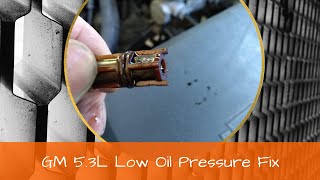
How to confirm: Visually inspect the screen after removing the oil pressure sensor. If it's clogged with dark, thick deposits, it's the culprit. Many owners find it completely blocked. To remove it, threading a coarse-threaded bolt (like a lag bolt) into the plastic screen to pull it out is a common technique.
Typical fix: Replace the filter screen. It's a low-cost part and should always be replaced when changing the sensor. Some owners have debated leaving it out, but it serves to protect the sensor.
Est. part cost: $5-$15 - Faulty Oil Pressure Sensor (Sending Unit) 🔴 High Probability The sensor itself is a common failure item. It can fail electronically, providing incorrect voltage readings to the ECM. A tell-tale sign of internal failure is finding engine oil inside the electrical connector part of the sensor.
How to confirm: The best way is to verify actual engine oil pressure with a mechanical gauge. If the mechanical gauge shows good pressure but the dash gauge and code persist, the sensor is bad. Another symptom of a bad sensor versus a clogged screen is an erratic gauge that bounces from 0 to max, whereas a clogged screen often shows pressure slowly dropping as RPMs increase.
Typical fix: Replace the oil pressure sensor. This is often done at the same time as replacing the screen underneath it.
Est. part cost: $35-$75 - Incorrect or Poor Quality Oil Filter 🟡 Medium Probability → Shop Engine Oil Filter Adapter GM Technical Service Bulletin #PIP5276E specifically calls out the importance of using a PF48E type filter. Some aftermarket filters may have different bypass valve specifications or flow characteristics that can lead to inaccurate pressure readings on these engines, triggering a P0521 code.
How to confirm: Check the brand and part number of the currently installed oil filter. If it is not an ACDelco PF48E or a high-quality equivalent, it could be the cause.
Typical fix: Perform an oil change using the correct viscosity oil and an ACDelco PF48E oil filter.
Est. part cost: $10-$20 - Low or Incorrect Engine Oil 🟡 Medium Probability
How to confirm: Check the engine oil level on the dipstick and review service records for the oil viscosity used. Low oil level is a primary cause of low pressure. One owner on a forum reported their P0521 code was resolved simply by topping off 2.5 quarts of oil.
Typical fix: Top off or change the engine oil with the manufacturer-recommended viscosity.
Est. part cost: $40-$80
Rare But Worth Checking
- Failing Oil Pump or Stuck Pressure Relief Valve: → Shop Engine Oil Pump While less common than sensor issues, a worn oil pump or a stuck pressure relief valve within the pump can cause genuine low oil pressure. TSB 24-NA-173 and 20-NA-161 discuss this possibility for some GM V8s, requiring a mechanical pressure test to diagnose.
- Wiring Harness Damage: The wiring and connector for the sensor are located at the back of the engine and can be susceptible to heat damage or chafing, leading to a short or open circuit. Check the 3-wire connector for oil contamination, corrosion, or loose pins.
- Excessive Internal Engine Wear: On very high-mileage engines, worn main or rod bearings can cause a loss of oil pressure, but this is typically accompanied by significant engine noise and would be confirmed by a failed mechanical pressure test.
- Failing Active Fuel Management (AFM) Lifters: A failing AFM lifter can get stuck, leading to misfires and potentially affecting oil pressure. This is a more complex issue often accompanied by other codes and engine noise. TSB 10-06-01-008H details procedures for addressing AFM-related oil consumption which can lead to P0521.
Diagnosis Steps

- Check the engine oil level and condition. If low, top it off, clear the code, and see if it returns.
- CRITICAL STEP: Connect a mechanical oil pressure gauge to the engine to verify the actual oil pressure. This determines if you have a real pressure problem or just a sensor circuit fault. According to TSB 24-NA-173, pressure should be checked at the sensor port, as readings at the oil filter can differ by up to 10 PSI.
- If mechanical pressure is good: The problem is in the sensing circuit. Inspect the oil pressure sensor's connector and wiring for damage, chafing, or oil contamination.
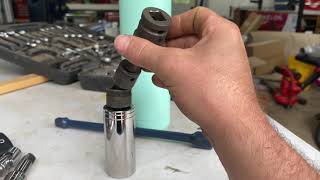
- If no wiring damage is found, replace the oil pressure sensor and the filter screen located directly beneath it. The sensor is located at the very back of the engine, behind the intake manifold, and is difficult to access. A special deep socket (1-1/16" or 27mm), a universal swivel joint, and several extensions are typically required to reach it without removing the intake manifold.
- To remove the old screen, thread a coarse screw or lag bolt into it and pull it out.
- If mechanical pressure is low: The problem is more serious. Check that the correct oil filter is installed (ACDelco PF48E is recommended by TSBs). If the filter is correct, further diagnosis of the oil pump, pressure relief valve, or internal engine components is required.
Parts You'll Likely Need
- Engine Oil Pressure Sensor
(OEM #12673134)— This sensor is the most common point of failure, either electronically or by providing a false reading due to a clogged screen.
Trusted brands: ACDelco, Delphi
OEM price range: $50-$90
Aftermarket price range: $35-$60 - Valve Lifter Oil Manifold Filter (Sensor Screen)
(OEM #12585328)— This small screen is located under the pressure sensor and is notorious for getting clogged with sludge, which is a primary cause of the P0521 code.
Trusted brands: ACDelco, GM Genuine Parts
OEM price range: $5-$15
Aftermarket price range: $5-$10 - Engine Oil Filter
(OEM #PF48E)— A GM Technical Service Bulletin #PIP5276E specifically calls for using a PF48E type filter to prevent oil pressure issues.
Trusted brands: ACDelco
OEM price range: $10-$20
Aftermarket price range: $8-$15
Related Codes That Often Appear With This One
- P0522 (Engine Oil Pressure Sensor/Switch Circuit Low Voltage)
- P0523 (Engine Oil Pressure Sensor/Switch Circuit High Voltage)
- P0300 series (misfire codes, if AFM lifters are involved)
Technical Service Bulletins (TSBs) & Recalls
- PIP5276E: Advises checking for oil leaks and replacing the oil and filter (using a PF48e) to address P0521 after an oil change.
- PIP5276F: Notes P0521 on specific engine codes and references a prior bulletin (10-06-01-008) for a potential fix.
- PIP4786C: Links P0521 with low oil pressure messages and advises following standard diagnostic procedures, starting with a scan tool check.
- 10-06-01-008H: This is a critical TSB that addresses excessive oil consumption in Active Fuel Management (AFM) engines. The fixes, including a redesigned valve cover and piston cleaning, address the root cause of the sludge and deposits that often clog the P0521 sensor screen.
- 20-NA-161 / 24-NA-173: Newer bulletins that address P0521 caused by a sticking oil pressure relief valve inside the oil pump, a more serious mechanical issue.
Platform-Specific Known Issues
- A clogged oil pressure sensor screen is the most common cause for P0521 on this platform. Many owners and technicians replace the screen as preventative maintenance whenever the sensor is accessed.
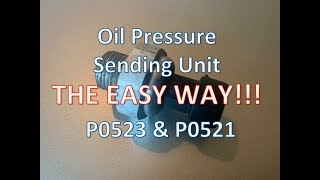
- The location of the sensor at the very back of the engine valley makes it extremely difficult to access. While it can be done without removing the intake manifold, it requires specific tools like swivel sockets, multiple extensions, and patience. Many owners post videos detailing the 'easy way' to do it, which still involves working by feel against the firewall.
- A user on TahoeYukonForum.com shared their experience of replacing the sensor, noting the difficulty and the specific combination of a 1-1/16" socket, a hinged connector, and a 6" extension needed to complete the job.
Mechanic-Grade Diagnostic Values
- Oil Pressure Sensor 5-Volt Reference Circuit — expected: 4.8-5.2 volts between terminal 2 and ground with ignition ON.. Failure: Voltage outside this range suggests a wiring issue or a fault in the ECM.
- Oil Pressure Sensor Low Reference Circuit — expected: Less than 1.0 ohm between terminal 1 and ground with ignition OFF.. Failure: Resistance greater than 1.0 ohm indicates an open or high resistance in the ground circuit.
- Normal Oil Pressure (5.3L Engine, Warmed Up) — expected: ~20 PSI at idle, 30-40 PSI at normal cruising speed.. Failure: Significantly lower pressure may indicate mechanical wear, while erratic readings often point to a sensor/electrical issue.
- AFM Oil Pressure Relief Valve Test — expected: With a mechanical gauge at the filter housing reading below 55 PSI, a second gauge at the sensor port should read the same. If the filter gauge reads higher, the relief valve is stuck open or the sensor screen is clogged.. Failure: A pressure difference between the two test locations.
Wiring & Ground Locations
- G104 / G110 — On a stud at the rear of the passenger side cylinder head.. These are primary engine block grounds. A poor connection here can create electrical noise or incorrect reference voltages for various sensors, including the oil pressure sensor, leading to erratic readings.
- Sensor Connector — At the oil pressure sensor, top rear of the engine block behind the intake manifold.. The 3-wire connector provides the sensor with a 5V reference (Pin 2), a low reference/ground (Pin 1), and sends the signal back to the ECM. Oil contamination, heat damage, or a broken locking tab on this connector can cause intermittent or failed readings.
- Frame Grounds — Under the driver's side door on the frame rail.. While not directly for the sensor circuit, poor chassis grounds can cause a host of bizarre electrical issues, including faulty gauge readings and communication errors that could be misdiagnosed as a sensor failure.
Real Owner Repair Stories
- Reddit user BrettBerger3 (2013 Chevy Tahoe, 159k miles) — P0521 code kept returning every 1000-1500 miles after an oil change.
❌ Tried (didn't work) Replaced the oil pressure sensor multiple times., Previous owner had already removed the sensor filter screen.
✅ What actually fixed it The final fix was using a specific high-quality oil filter (Mobil 1 M1-113A) and ensuring the oil level was correct. The user reported the code did not return after 5,000 miles. - Tahoe Yukon Forum user kbuskill (2007 GMC Yukon SLT) — Oil pressure gauge was "dancing" from 0 to 80 PSI, triggering P0521, P0522, and P0523.
❌ Tried (didn't work) Initial diagnosis pointed to the sensor.
✅ What actually fixed it The user replaced the oil pressure sensor (ACDelco D1846A), which resolved the erratic gauge behavior and cleared the codes. This confirms a common failure mode where the sensor itself fails electronically.
OEM Part Supersession History
12596951, 12621234→12673134— Standard part evolution for improved reliability and performance.
Heads up: While all are electrically similar, there are reports of different physical connector styles (round vs. clipped) across the model years. It is critical to visually match the new sensor's connector to the old one before installation.
Model Year Variations Within This Range
- 2007-2014: GM used at least two different electrical connector styles for the oil pressure sensor during this period. One is a more traditional clip-on style, while the other has a safety clip that must be pulled up before the connector can be released. Failure to identify the correct type can lead to breaking the connector during removal.
Helpful Videos



We Have This Part in Stock


The information in this article is provided for general reference and educational purposes only. Vehicle specifications, procedures, and part compatibility can vary by production date, trim level, and region. Always consult your vehicle's factory service manual and verify part numbers before purchasing or performing repairs. Safety-critical components such as airbags, seat belts, and braking systems should be installed by a qualified professional.
- Gmc YUKON XL:
- 🧭 Diagnostic Flowchart
- 🎬 Helpful Videos
- 🛍️ Shop This Part
- What's Unique About the 2005-2012 Gmc YUKON XL
- Symptoms You May Notice
- Most Likely Causes
- Rare But Worth Checking
- Diagnosis Steps
- Parts You'll Likely Need
- Related Codes That Often Appear With This One
- Technical Service Bulletins (TSBs) & Recalls
- Platform-Specific Known Issues
- Mechanic-Grade Diagnostic Values
- Wiring & Ground Locations
- Real Owner Repair Stories
- OEM Part Supersession History
- Model Year Variations Within This Range
- 🎟️ Get 5% Off